

Dr Benjamin Jones, Chief Conservation Officer at Project Seagrass has started his two-year term as President of the World Seagrass Association (WSA). He steps up to the role having been elected at the WSA Annual General Meeting (AGM) in December 2022. Prior to this he’s served on the WSA Steering
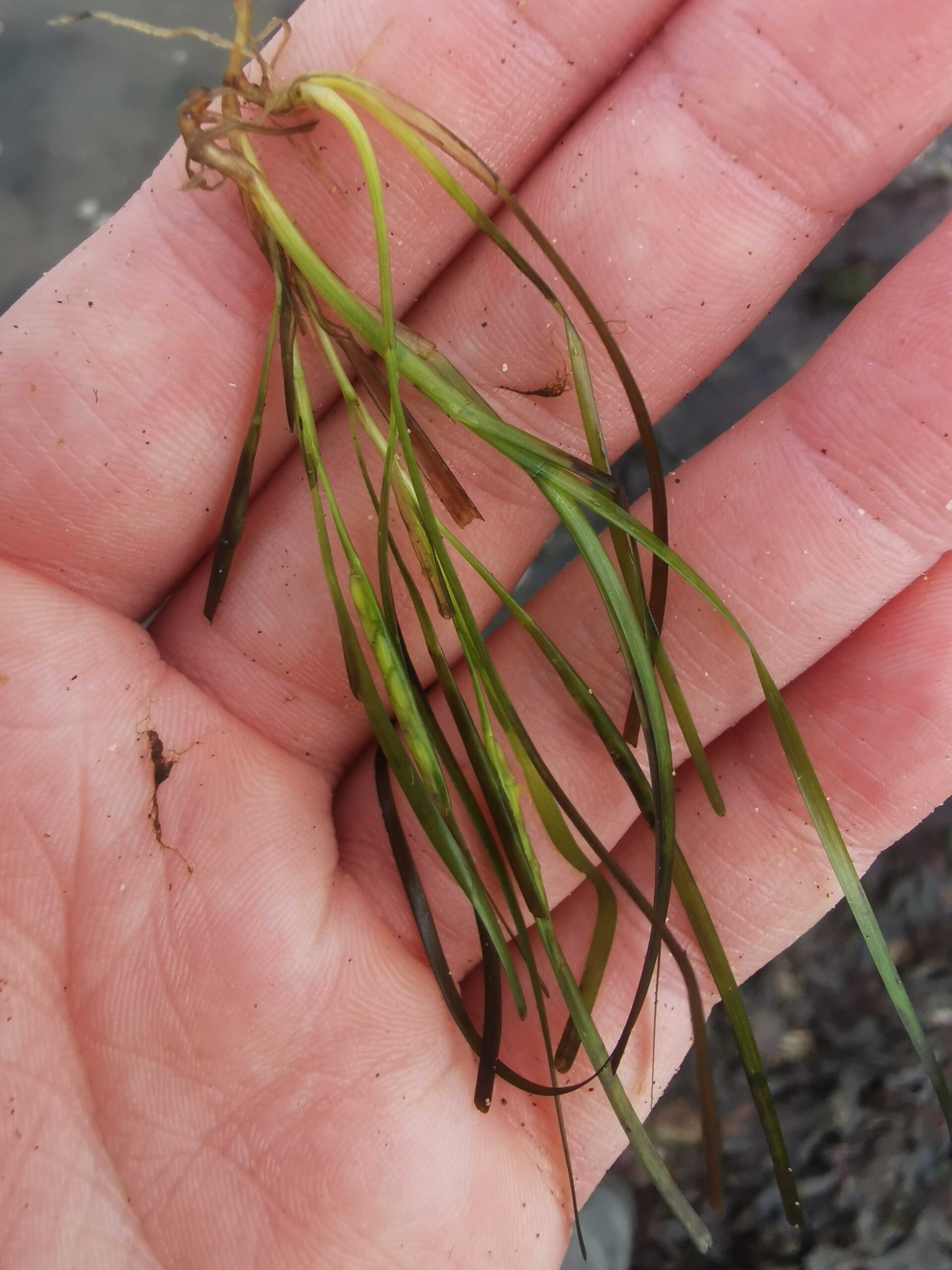
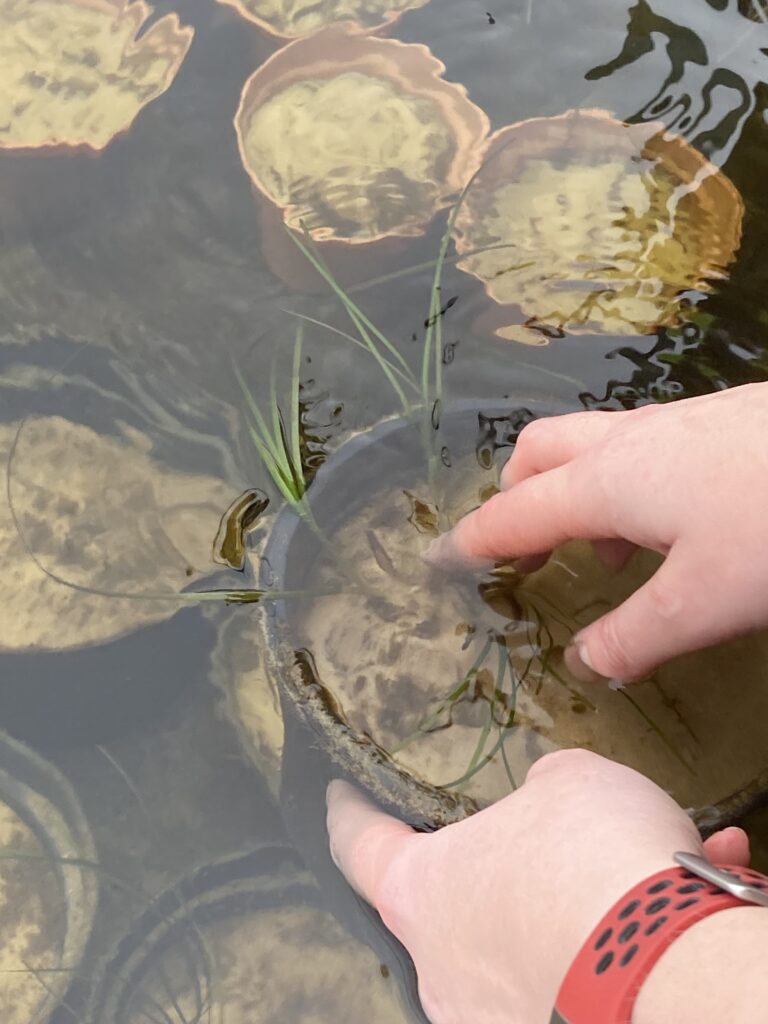
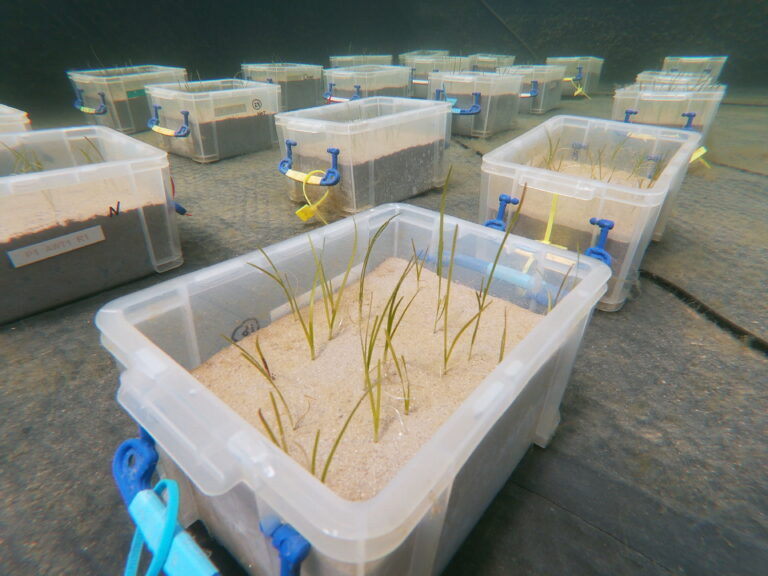
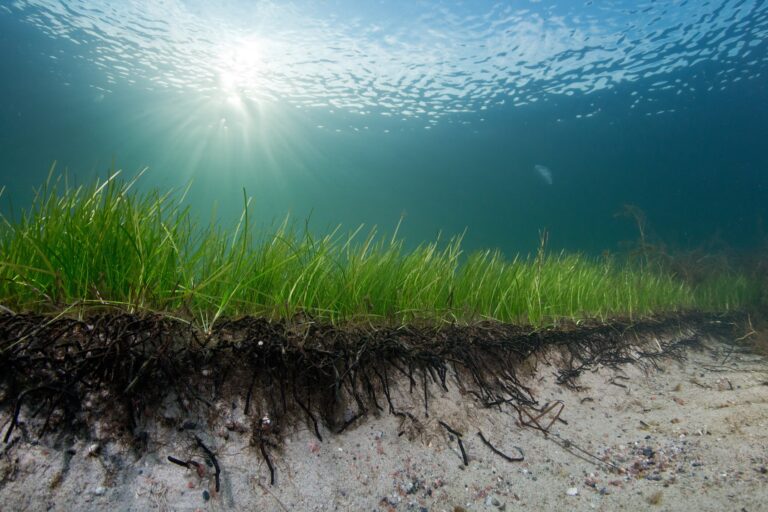
The sea devours large tracts of land when storms wash sand out to sea from the coast. A new study involving a researcher from the University of Gothenburg has shown that seagrass can reduce cliff erosion by up to 70% thanks to its root mats binding the sand. Coastal erosion
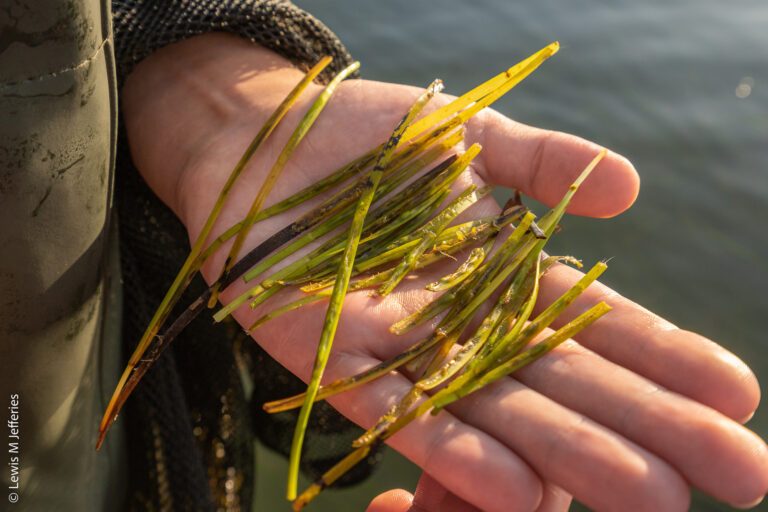
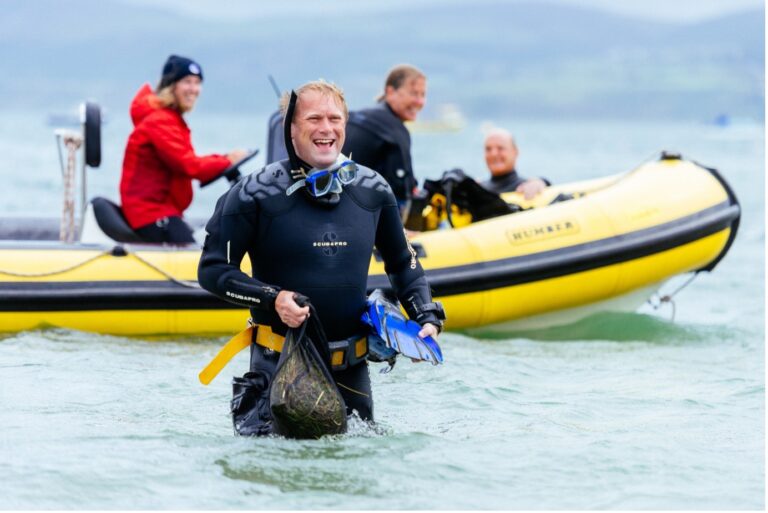
Dr Richard Unsworth, Project Seagrass and Swansea University The seas around Wales have so much potential. They offer rich biodiversity hidden within productive lush habitats such as kelp forests, salt marshes and seagrass meadows. Life in these waters can be so ingenious that it bioengineers its own environment. Out of

This Thursday 6th October, Project Seagrass will be taking part in the Running Out of Time climate relay. The relay runs from COP26 to COP27 – from Glasgow, Scotland all the way to Sharm el-Sheikh, Egypt. It takes place over 38 days across 18 countries to carry a relay baton

During the 2020-21 academic year Project Seagrass welcomed Emma Butterworth to undertake an internship. In our Q&A, Emma shares her experiences of her internship with Project Seagrass and discusses what she has gone on to do next. Who/What inspired you to apply for an internship at Project Seagrass? It all

During the 2021-22 academic year Project Seagrass welcomed Ellie Postlethwaite to undertake an internship. In our Q&A, Ellie shares her experiences of her internship with Project Seagrass and discusses what she has gone on to do next. Who/What inspired you to apply for an internship at Project Seagrass? As a
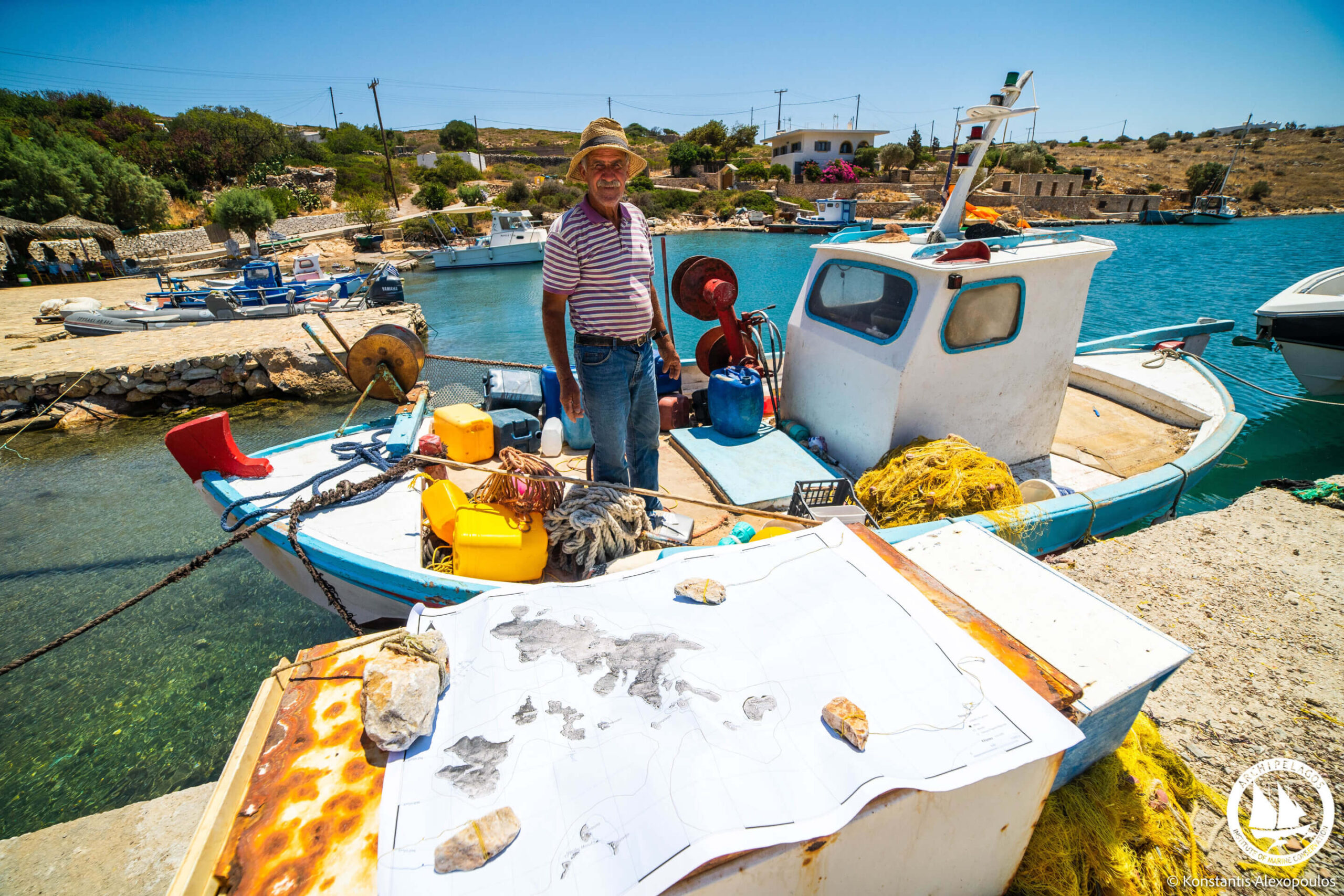
Published in the journal Ocean and Coastal Management, the research set out to establish the value of local ecological knowledge (LEK) and its ability to generate high-quality habitat maps around five Greek islands in the eastern Aegean Sea. Ten fishermen, based on their individual experience and knowledge, were asked to pinpoint areas
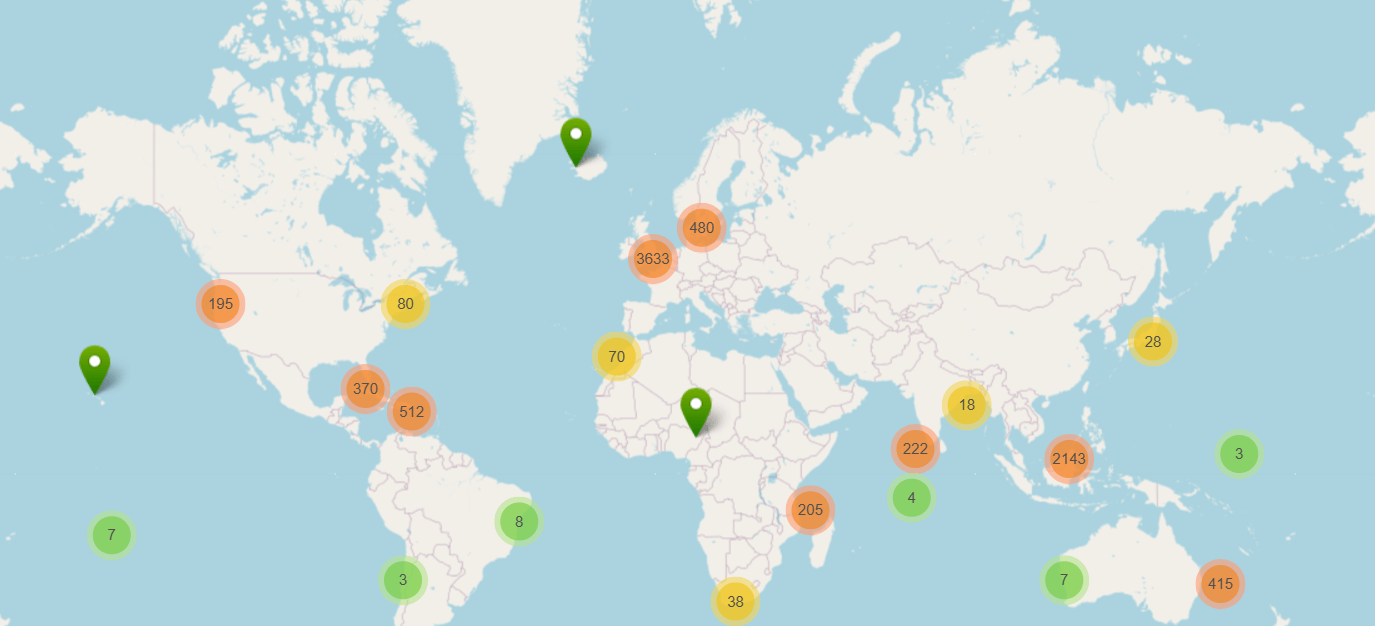
To protect and restore seagrass, we need reliable maps showing where seagrass is growing and how this is changing over time. Global seagrass distribution and status is difficult to map and monitor, largely due to its widespread distribution and the relatively limited scientific resources focused on seagrass. Mapping work to

During the 2021-22 academic year Project Seagrass welcomed Lowri O’Neill to undertake an internship. In our Q&A, Lowri shares her experiences of her internship with Project Seagrass and discusses what she has gone on to do next. Who/What inspired you to apply for an internship at Project Seagrass? My lecturer,
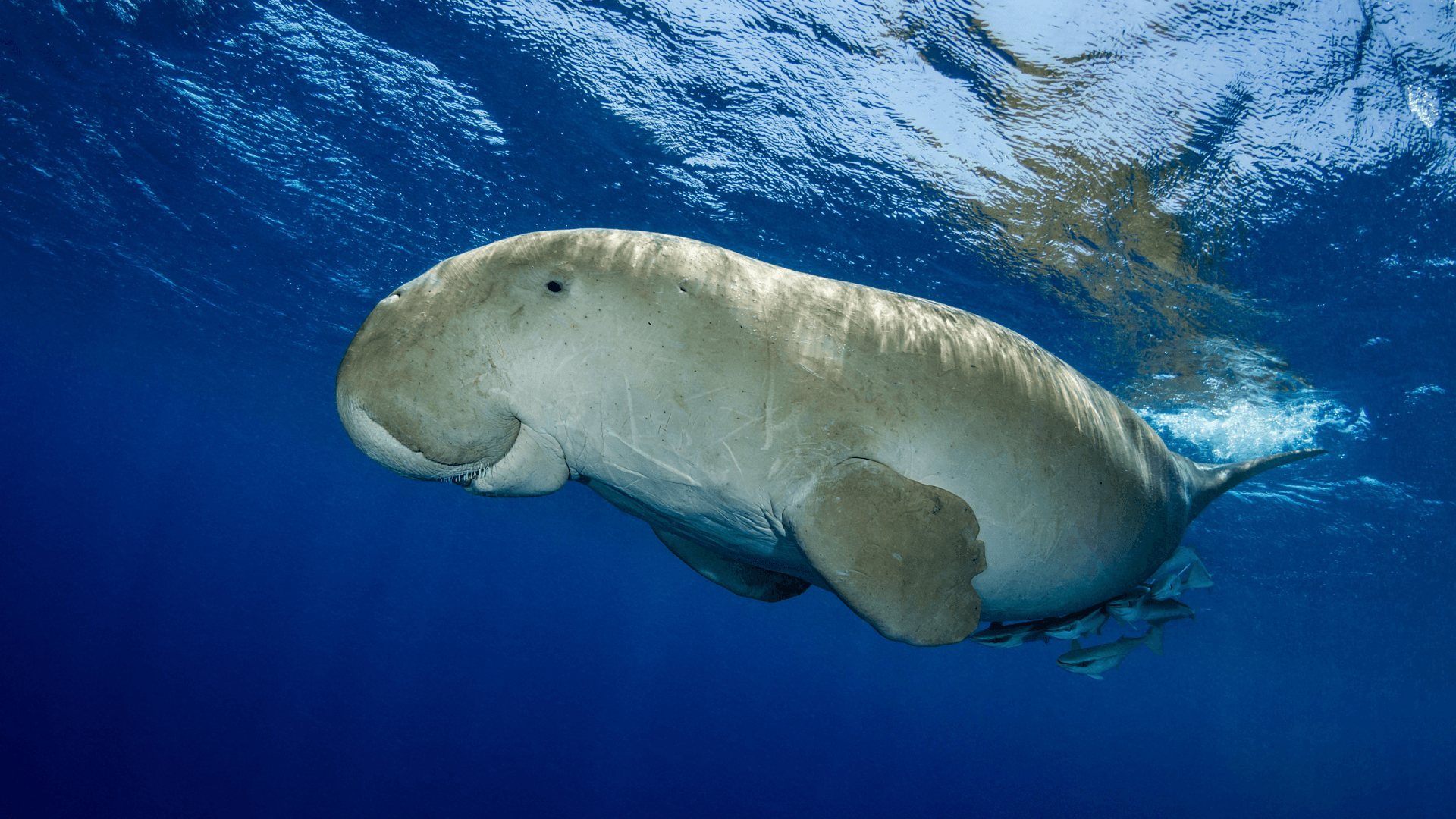
Seagrass meadows and their elusive inhabitants, dugongs, are under threat across Asia. To tackle this, conservation experts, policymakers, and researchers from across the region gathered in Bangkok in February 2025 for the First Asian Regional Dialogue on Seagrass and Dugong Conservation. The goal? To find real, actionable solutions to the challenges