

Dr Benjamin Jones, Chief Conservation Officer at Project Seagrass has started his two-year term as President of the World Seagrass Association (WSA). He steps up to the role having been elected at the WSA Annual General Meeting (AGM) in December 2022. Prior to this he’s served on the WSA Steering
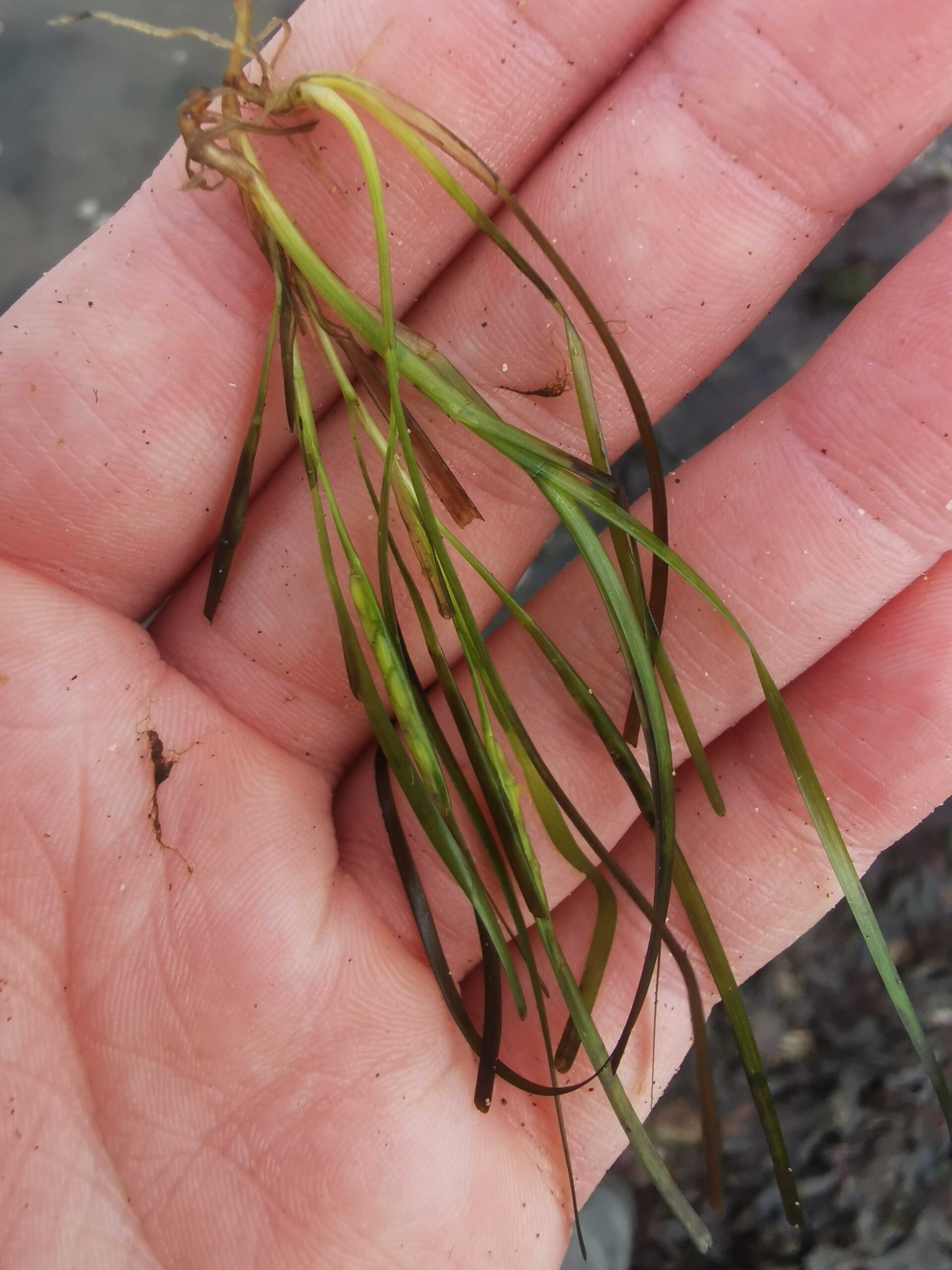
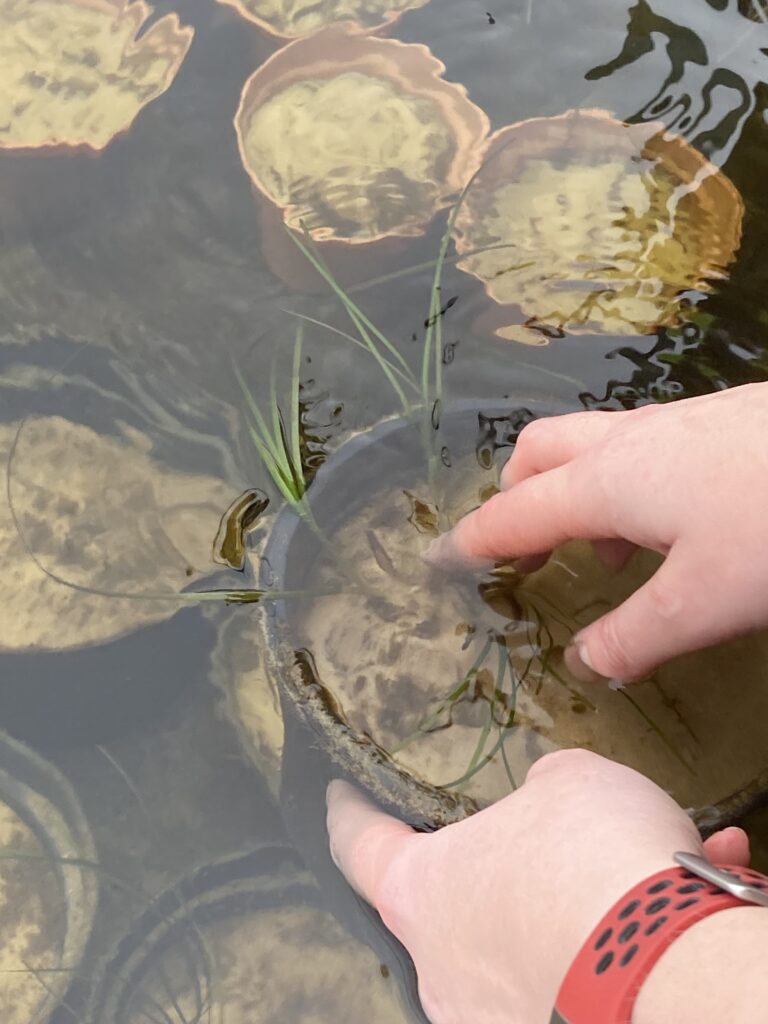
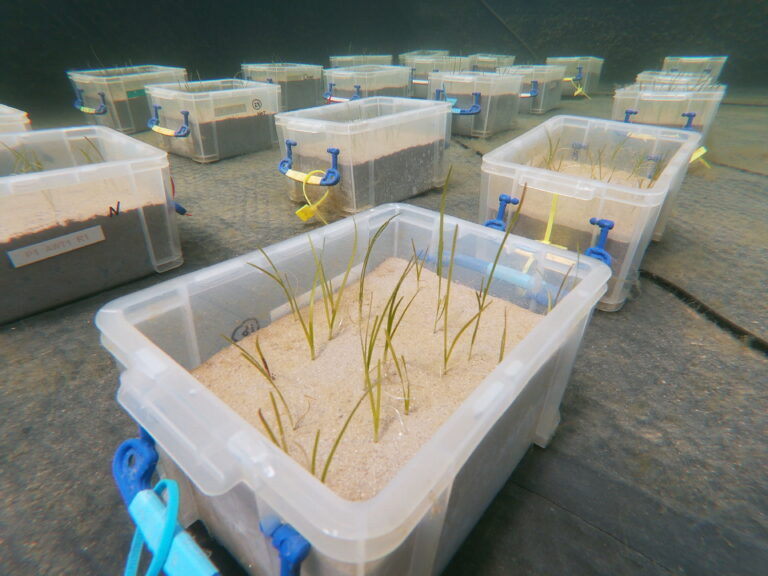
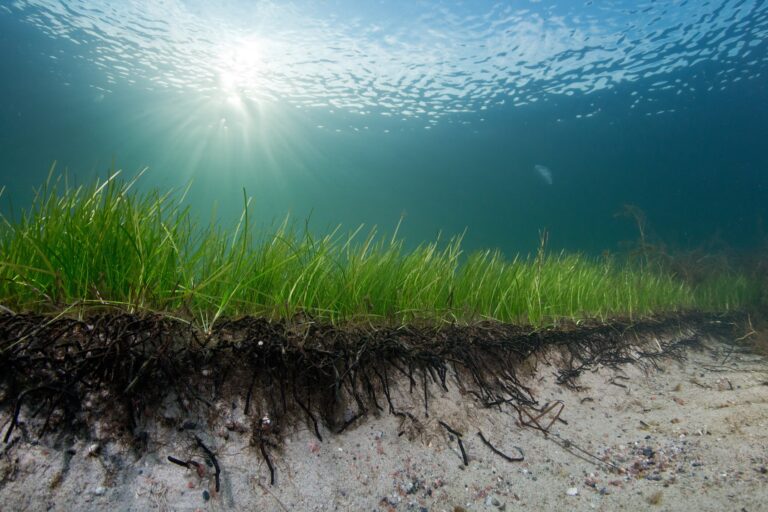
The sea devours large tracts of land when storms wash sand out to sea from the coast. A new study involving a researcher from the University of Gothenburg has shown that seagrass can reduce cliff erosion by up to 70% thanks to its root mats binding the sand. Coastal erosion
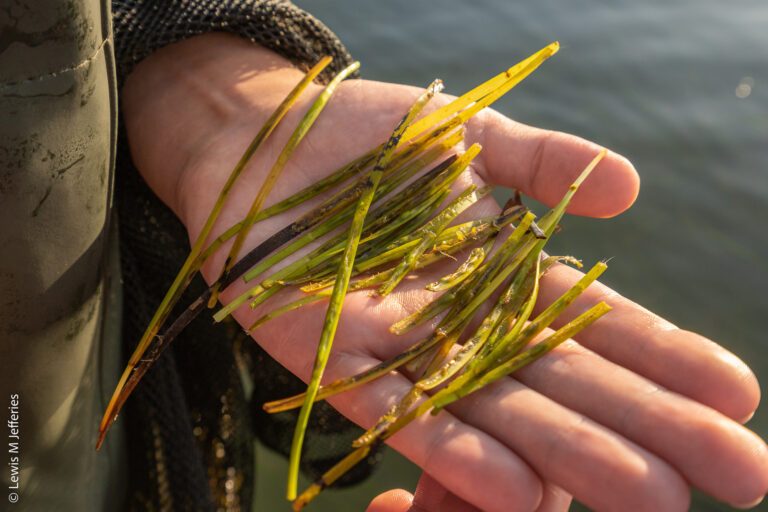
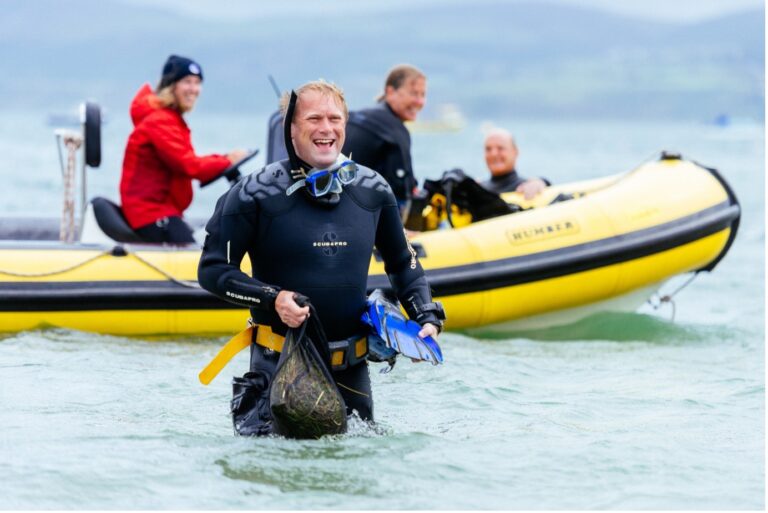
Dr Richard Unsworth, Project Seagrass and Swansea University The seas around Wales have so much potential. They offer rich biodiversity hidden within productive lush habitats such as kelp forests, salt marshes and seagrass meadows. Life in these waters can be so ingenious that it bioengineers its own environment. Out of

This Thursday 6th October, Project Seagrass will be taking part in the Running Out of Time climate relay. The relay runs from COP26 to COP27 – from Glasgow, Scotland all the way to Sharm el-Sheikh, Egypt. It takes place over 38 days across 18 countries to carry a relay baton
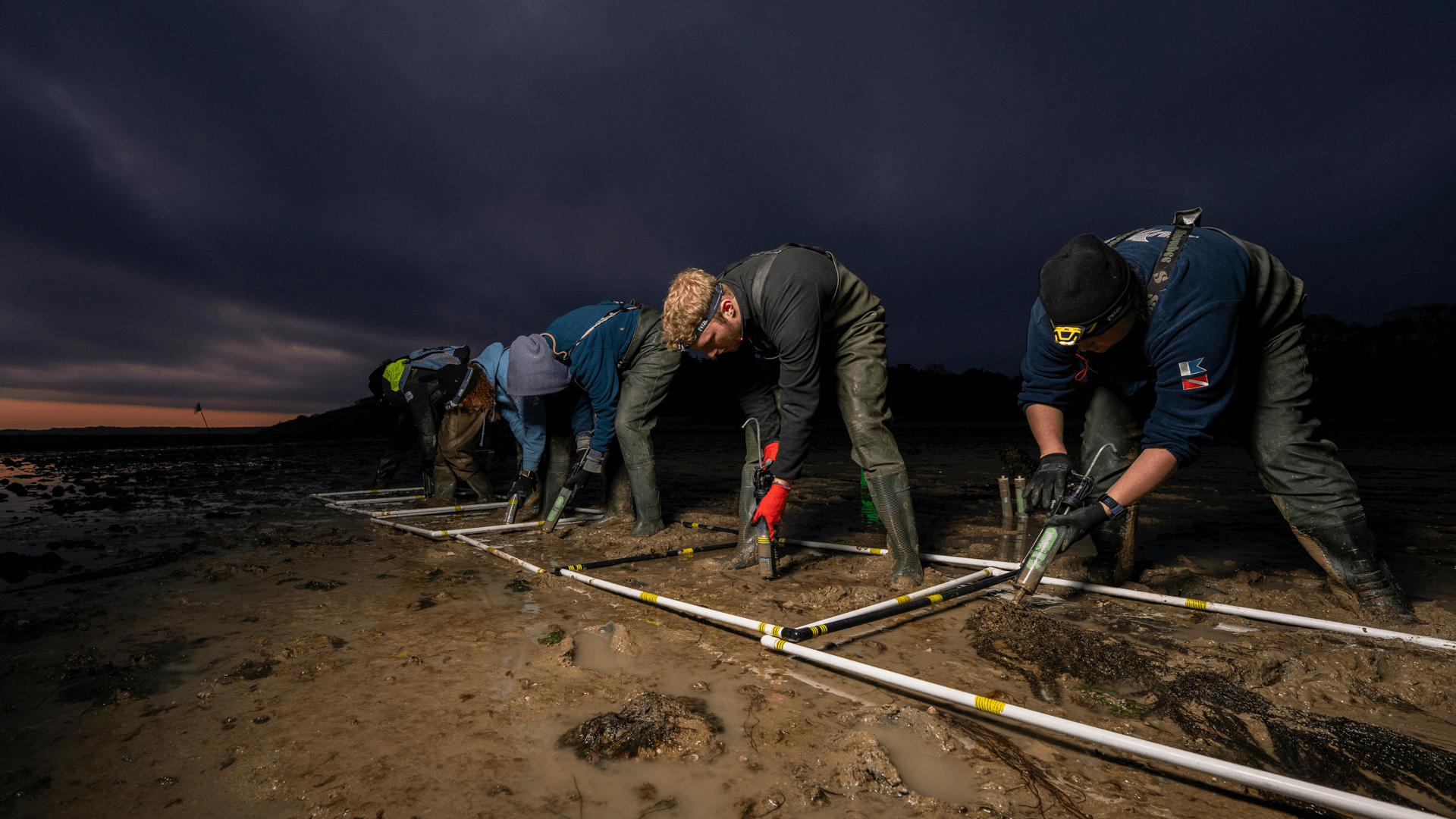
Following its World Ocean Day launch, everyone from scientists to conservationists, and from community groups to environmental funders now have access to an innovative new knowledge sharing platform: SeagrassRestorer. Launched by an international partnership comprising some of the world’s leading seagrass scientists, SeagrassRestorer provides a unique opportunity to learn not

At Project Seagrass, we rely on the enthusiasm and commitment of our volunteers who support our work to save the world’s seagrass. We couldn’t do it without you! We spoke to Lindsey, one of our regular volunteers in the Solent about her experiences of volunteering with Project Seagrass: 1. Tell

In a guest blog post for World Migratory Bird Day, our Solent Fieldwork Officer Emma Butterworth explores the role that seagrass plays for migratory birds: Every year, migratory birds embark on epic journeys—some spanning thousands of miles—between breeding and wintering grounds. These incredible migrations demand an immense amount of energy,
Between the 11th and 13th November 2025, scientists, conservation professionals, practitioners, and community groups from across the UK will converge in Cardiff for the 2025 UK Seagrass Symposium (UKSS). Hosted by Project Seagrass, the event will build upon the success of the inaugural UKSS (hosted by Ocean Conservation Trust and
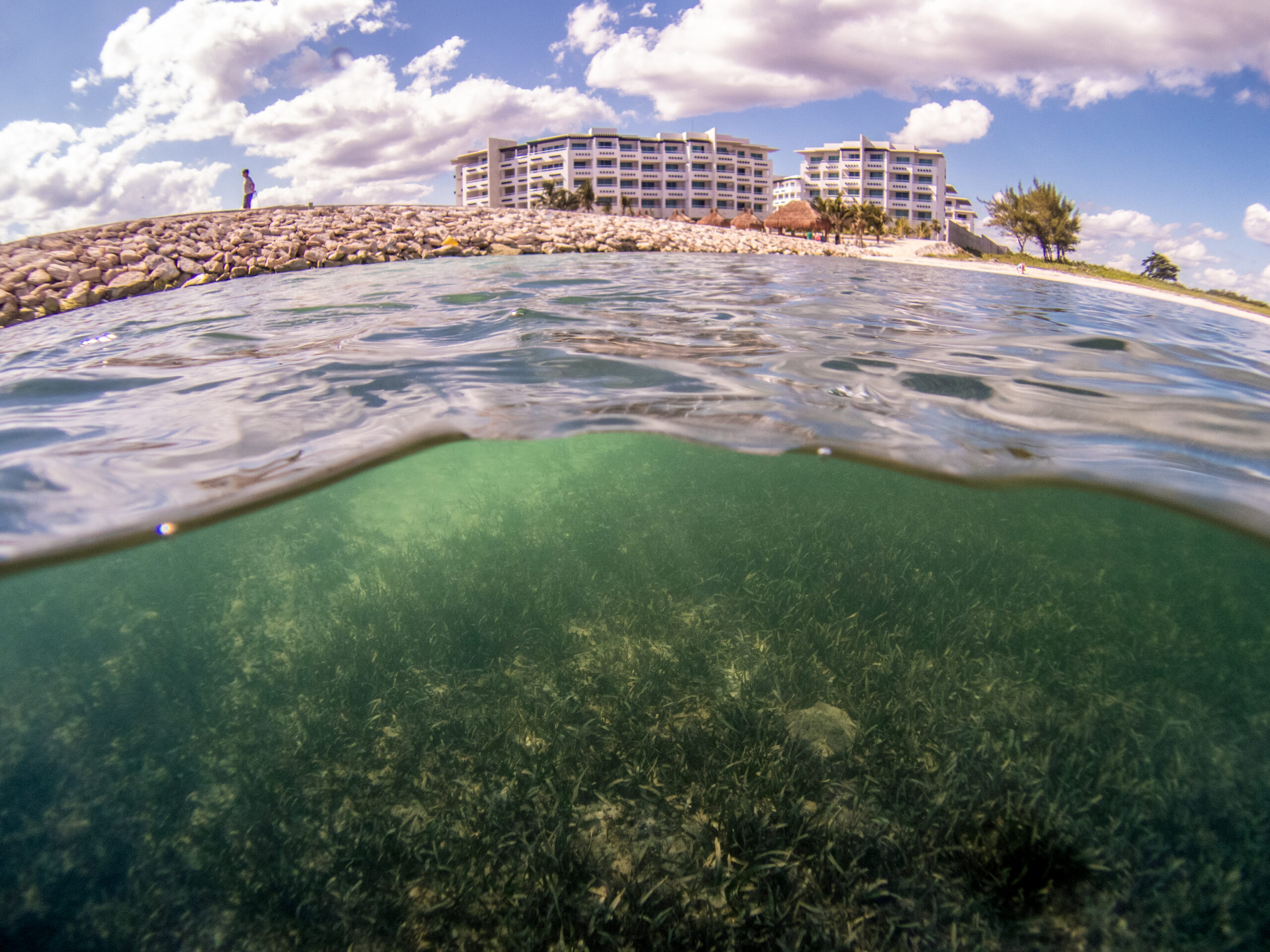
A new global analysis finds that many of the world’s most threatened seagrass meadows lie within designated Marine Protected Areas (MPAs), raising urgent questions about the effectiveness of current protections for coastal habitats and offering a chance opportunity to rethink global ocean conservation. The study, led by a team of
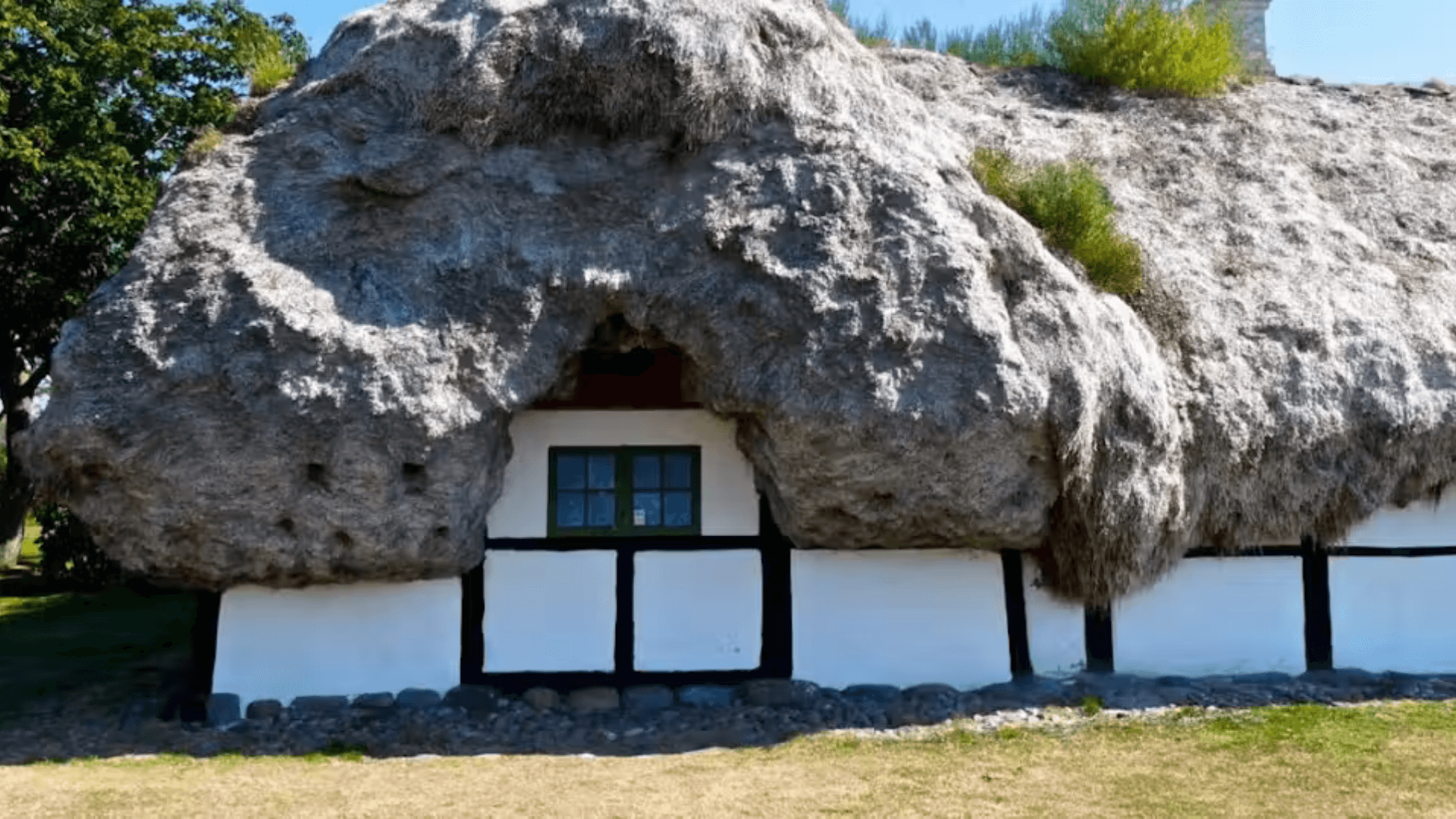
For millennia, humans lived as hunter-gatherers. Savannas and forests are often thought of as the cradle of our lineage, but beneath the waves, a habitat exists that has quietly supported humans for over 180,000 years. Archaeological evidence suggests that early humans migrated along coasts, avoiding desert and tundra. So, as Homo spread from