


Dr Benjamin Jones, Chief Conservation Officer at Project Seagrass has started his two-year term as President of the World Seagrass Association (WSA). He steps up to the role having been elected at the WSA Annual General Meeting (AGM) in December 2022. Prior to this he’s served on the WSA Steering
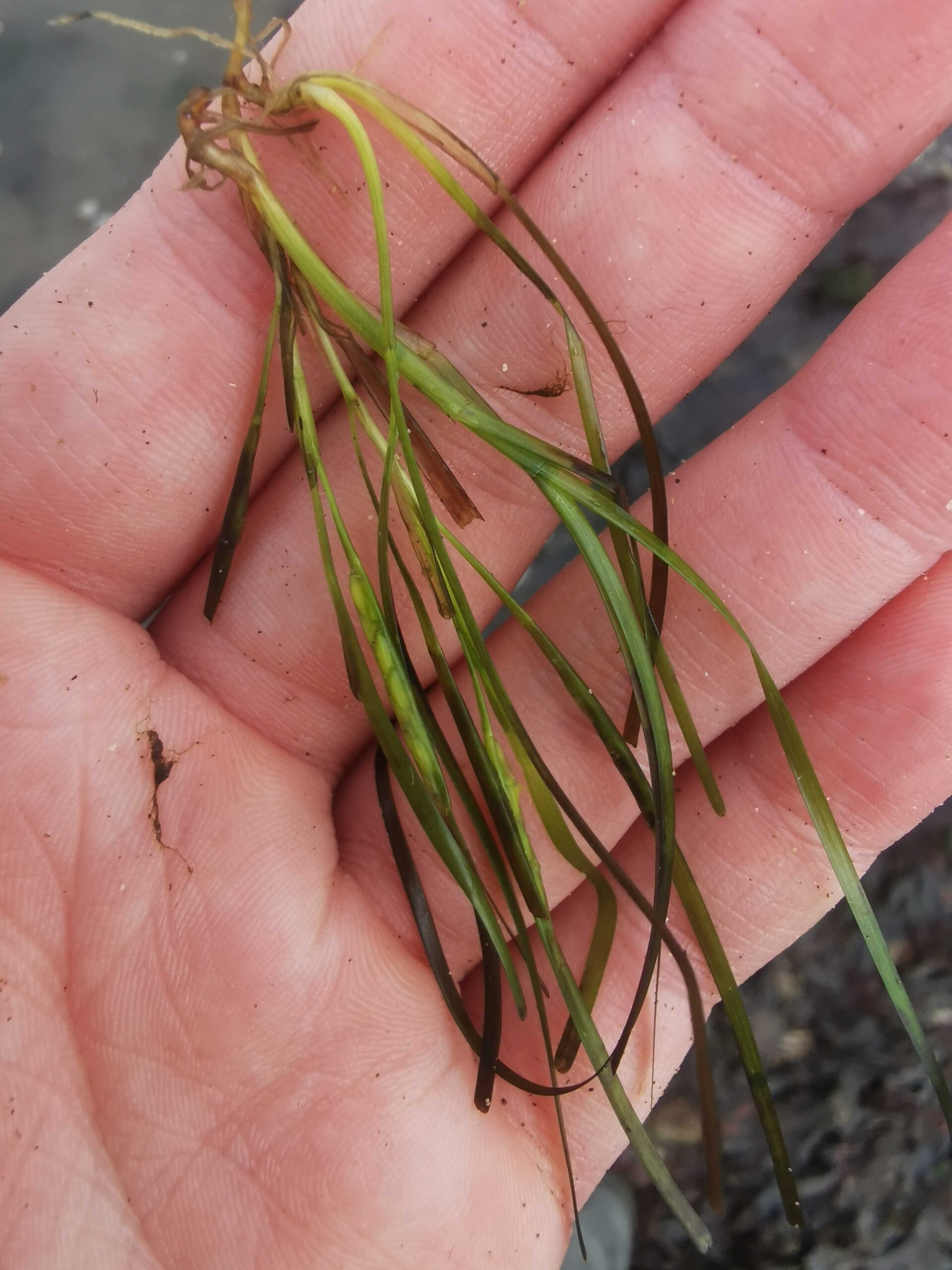
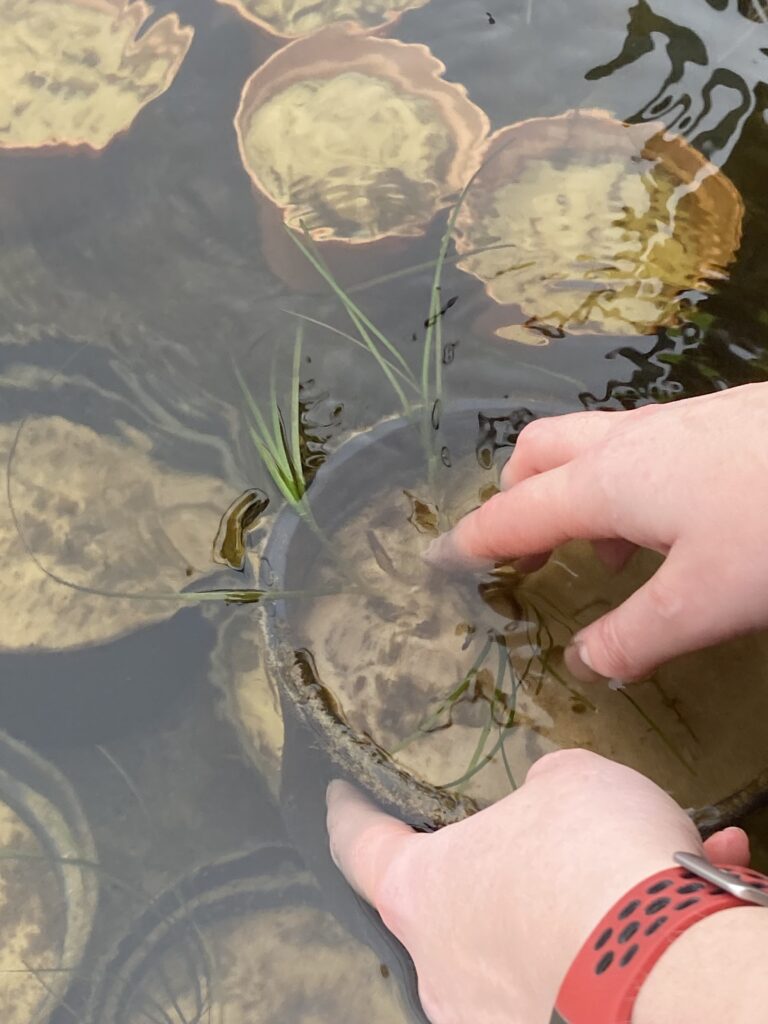
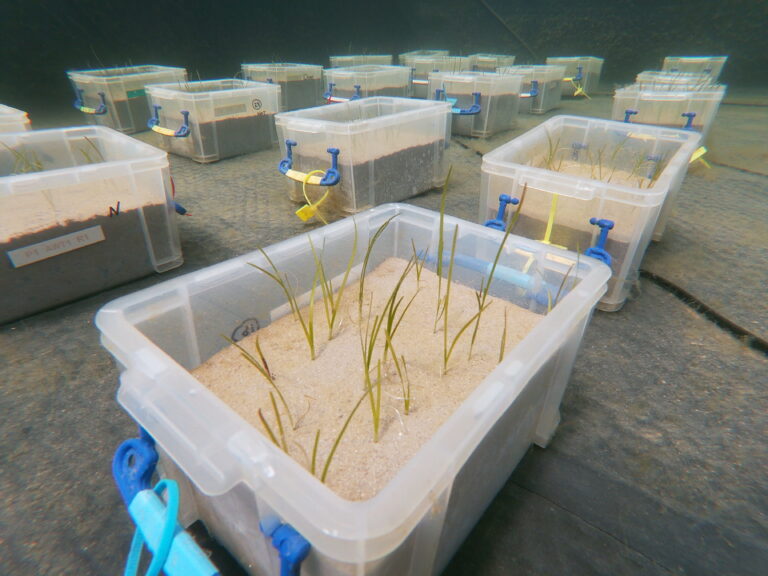
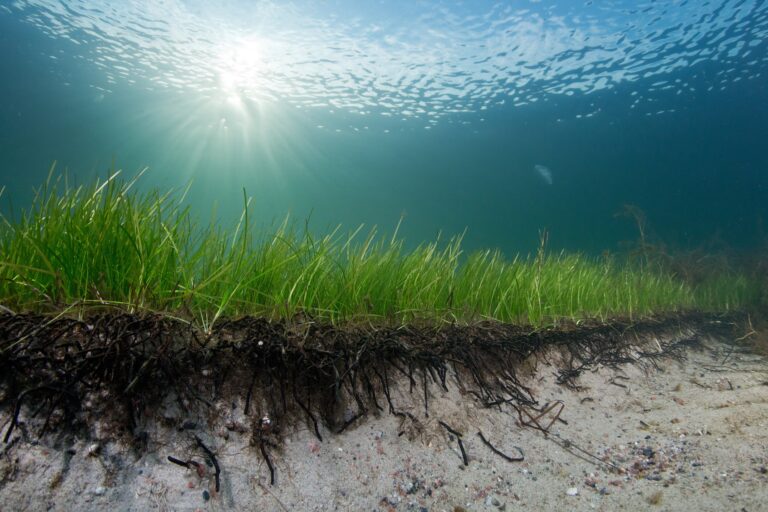
The sea devours large tracts of land when storms wash sand out to sea from the coast. A new study involving a researcher from the University of Gothenburg has shown that seagrass can reduce cliff erosion by up to 70% thanks to its root mats binding the sand. Coastal erosion
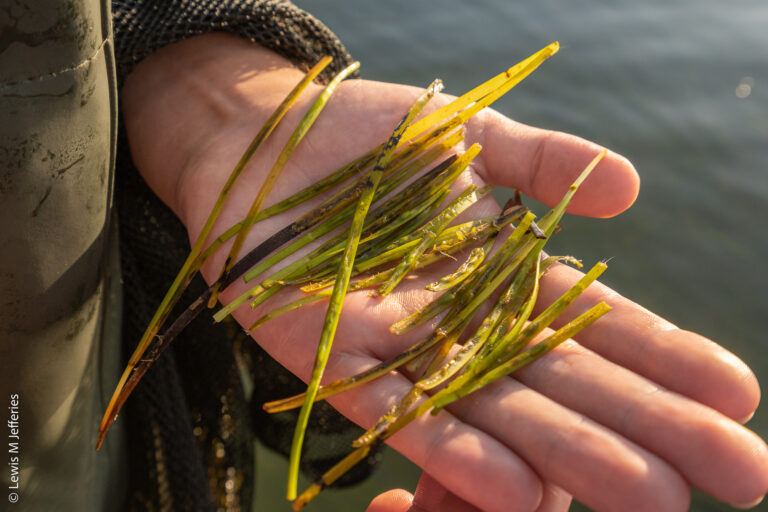
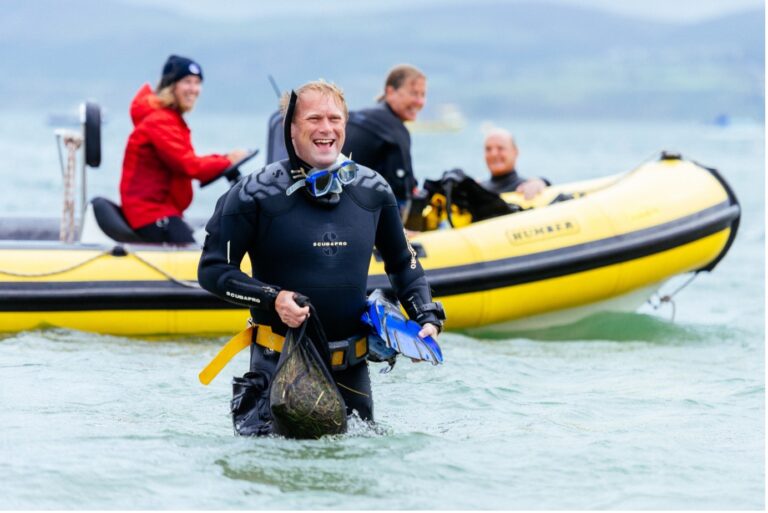
Dr Richard Unsworth, Project Seagrass and Swansea University The seas around Wales have so much potential. They offer rich biodiversity hidden within productive lush habitats such as kelp forests, salt marshes and seagrass meadows. Life in these waters can be so ingenious that it bioengineers its own environment. Out of

This Thursday 6th October, Project Seagrass will be taking part in the Running Out of Time climate relay. The relay runs from COP26 to COP27 – from Glasgow, Scotland all the way to Sharm el-Sheikh, Egypt. It takes place over 38 days across 18 countries to carry a relay baton
Artificial reefs might help to restore the ocean’s ability to fight against climate change. The reefs boost the productivity of seagrass meadows by attracting fish, which can improve the ability of these habitats to lock up more carbon dioxide beneath the waves. Breeze blocks placed in one of the ocean’s
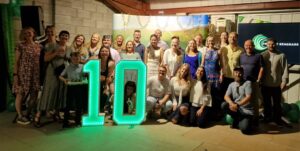
Reflecting on 10 years of Project Seagrass Project Seagrass was created on the 29th July 2013 with the vision of saving the worlds seagrass. As we approach our 10th birthday, we’re looking back on the last 10 years with our founder Ben Jones and CEO Leanne Cullen-Unsworth. Where
Seagrasses evolved from freshwater plants and use sunlight and carbon dioxide (CO2) for photosynthesis and are able to thrive in depths down to 50 meters. In contrast to algae, they possess roots and rhizomes that grow in sandy to muddy sediments. The grass-like, leaf-shoots produce flowers and complete their life

For approximately 3,000 years, generations of green sea turtles have returned to the same seagrass meadows to eat. This was discovered by Willemien de Kock, a historical ecologist at the University of Groningen, by combining modern data with archaeological findings. Sea turtles migrate between specific breeding places and eating places
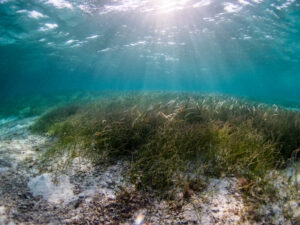
Discussions of valuable but threatened ocean ecosystems often focus on coral reefs or coastal mangrove forests. Seagrass meadows get a lot less attention, even though they provide wide-ranging services to society and store lots of climate-warming carbon. But the findings of a new University of Michigan-led study show that seagrass