
Dr Benjamin Jones, Chief Conservation Officer at Project Seagrass has started his two-year term as President of the World Seagrass Association (WSA). He steps up to the role having been elected at the WSA Annual General Meeting (AGM) in December 2022. Prior to this he’s served on the WSA Steering
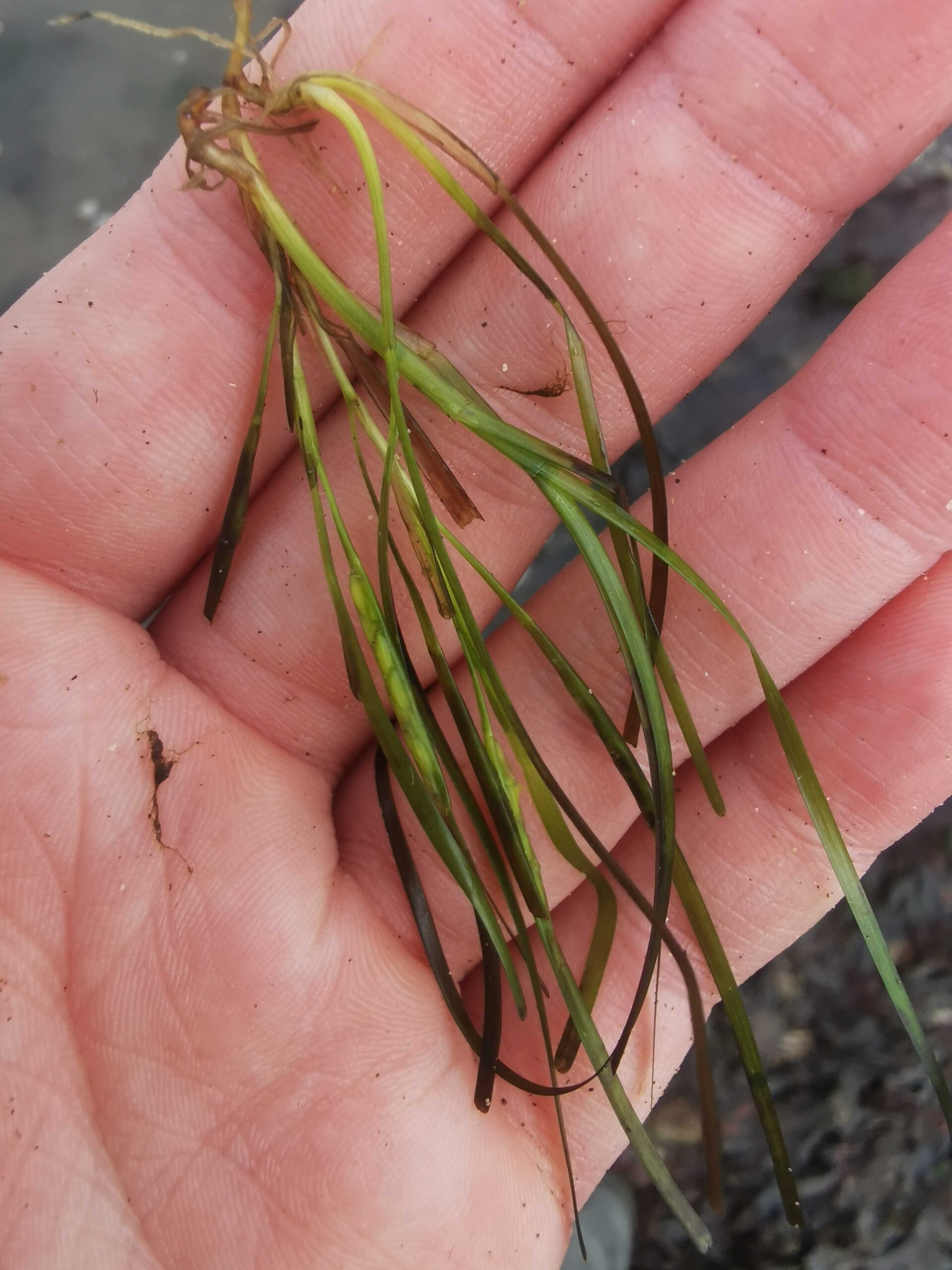
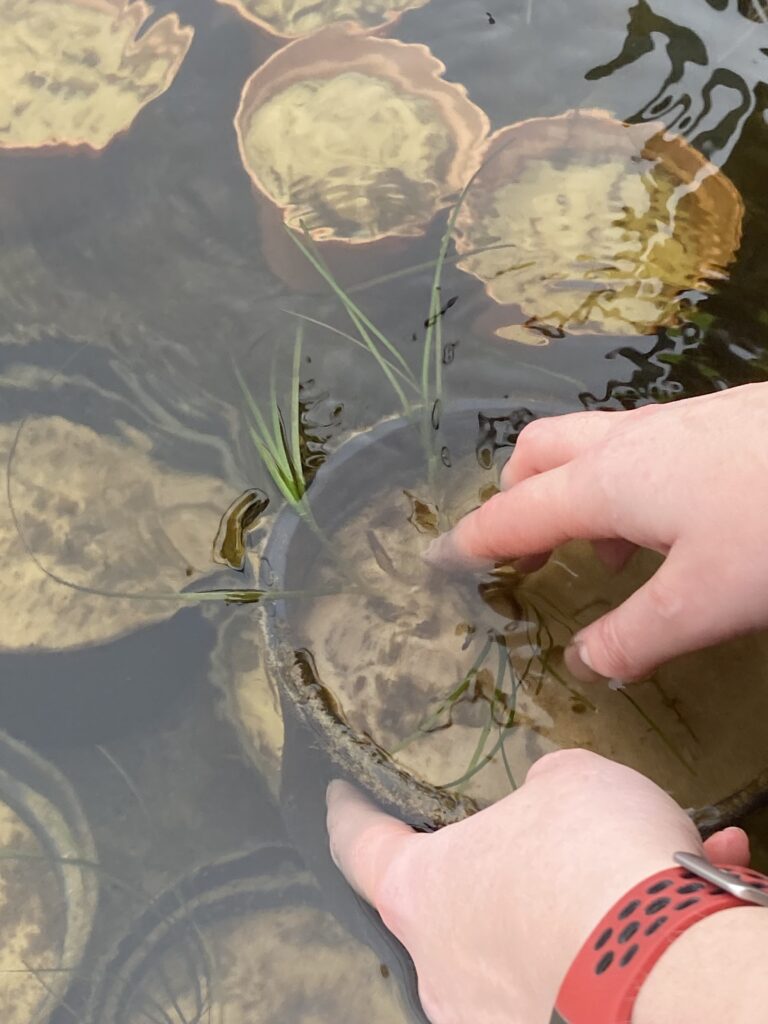
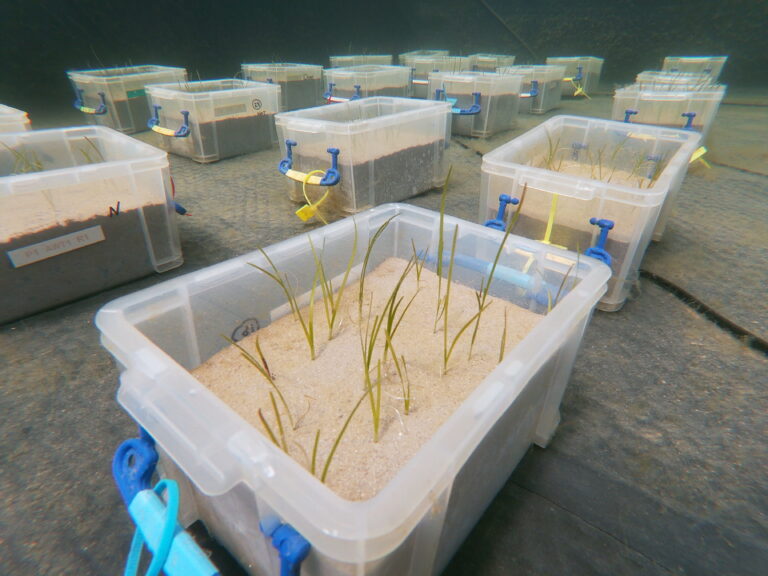
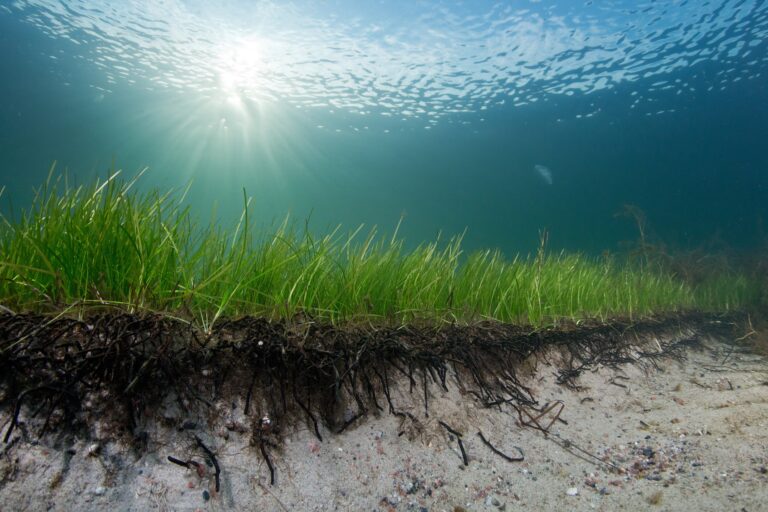
The sea devours large tracts of land when storms wash sand out to sea from the coast. A new study involving a researcher from the University of Gothenburg has shown that seagrass can reduce cliff erosion by up to 70% thanks to its root mats binding the sand. Coastal erosion
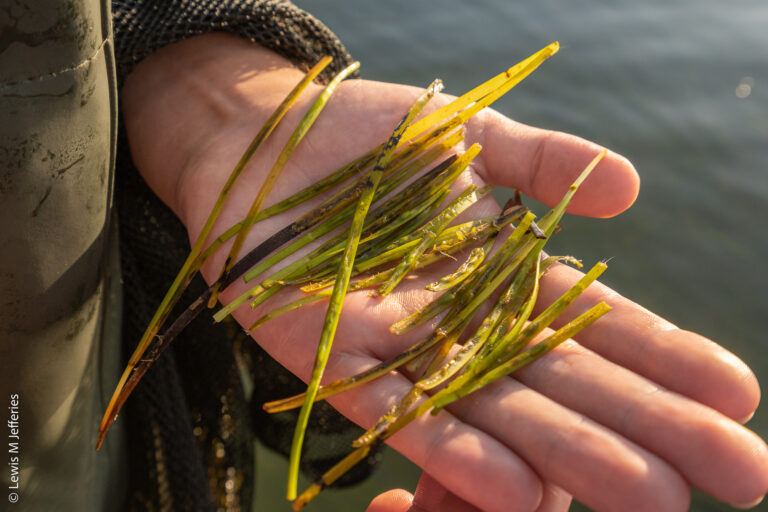
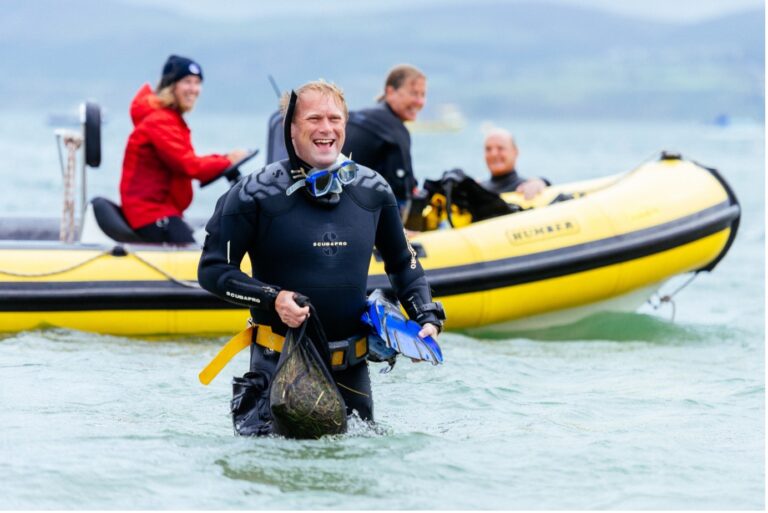
Dr Richard Unsworth, Project Seagrass and Swansea University The seas around Wales have so much potential. They offer rich biodiversity hidden within productive lush habitats such as kelp forests, salt marshes and seagrass meadows. Life in these waters can be so ingenious that it bioengineers its own environment. Out of

This Thursday 6th October, Project Seagrass will be taking part in the Running Out of Time climate relay. The relay runs from COP26 to COP27 – from Glasgow, Scotland all the way to Sharm el-Sheikh, Egypt. It takes place over 38 days across 18 countries to carry a relay baton
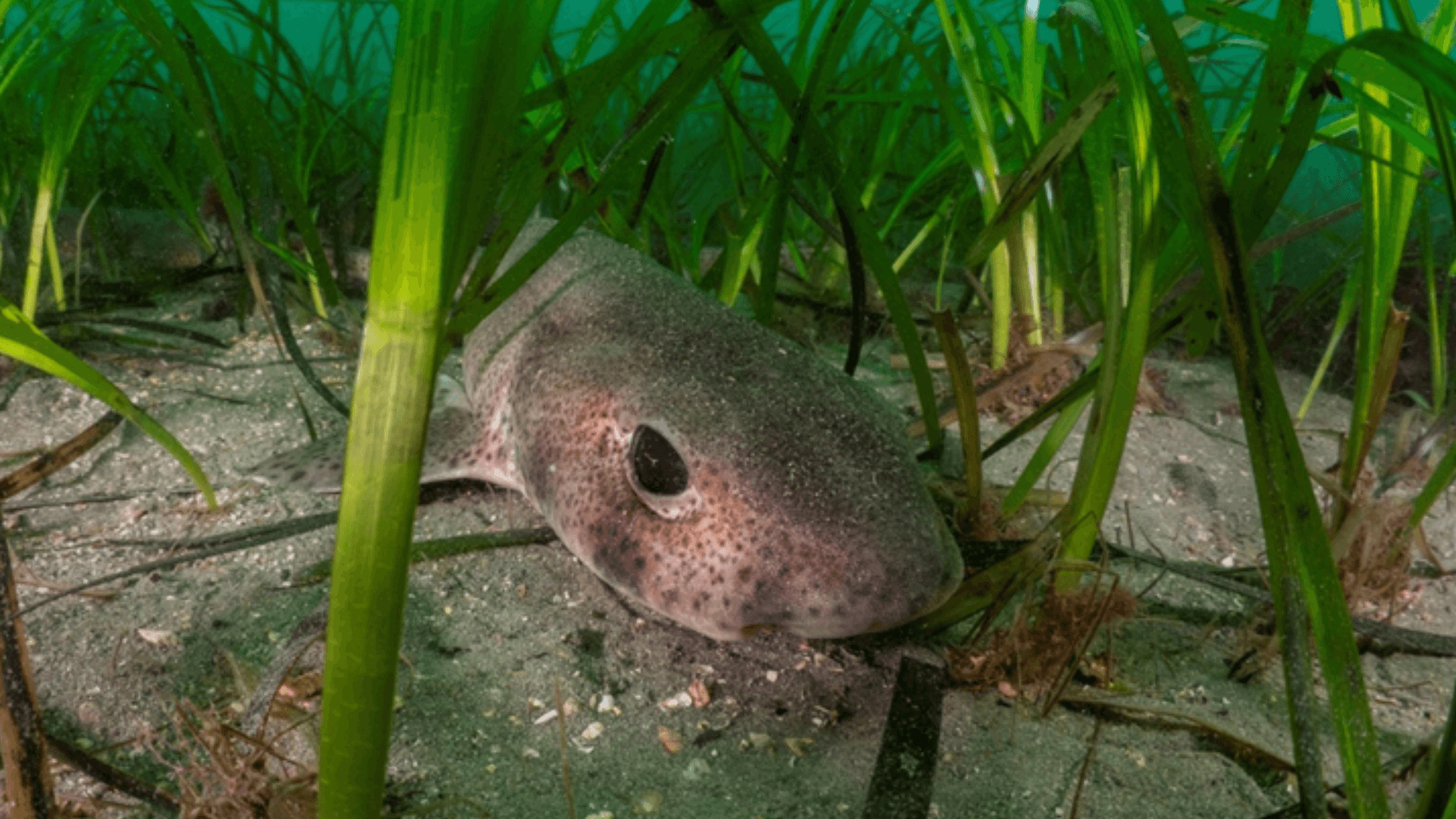
In a new blog series, our Conservation Trainee Abi David explores some of the amazing creatures that call seagrass meadows their home. The small spotted catshark (Scyliorhinus canicula) is a small shark species growing up to 1 meter long and can be seen around European and North African coastlines. They
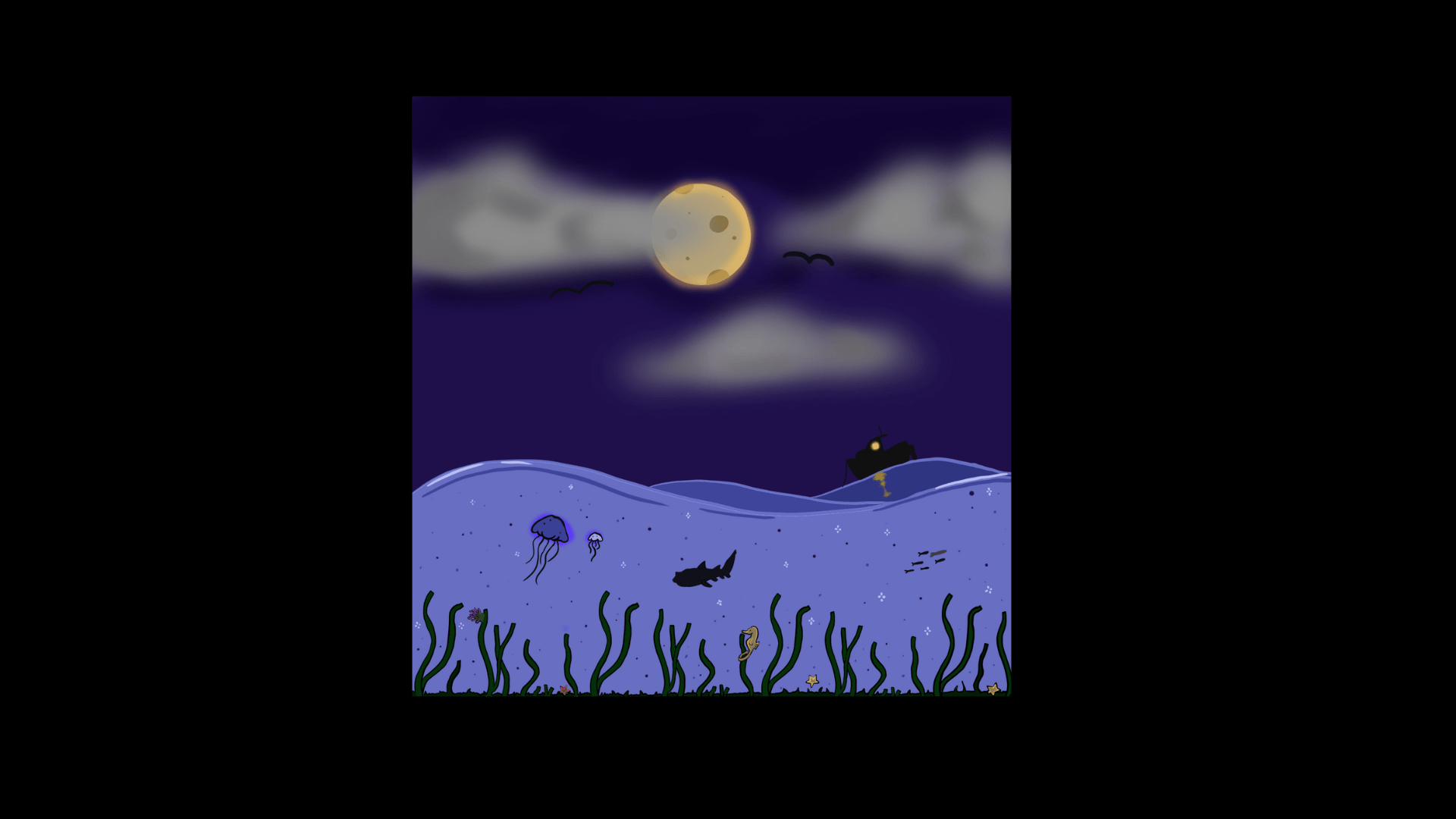
In an article for Halloween, Grace Cutler, one of Project Seagrass’ Interns for the 2025-26 academic year, explores the frightening reality of continued seagrass loss as a result of anthropogenic activity and how this in turn threatens seagrass’ role in supporting people and planet. Werewolves are struck down by silver
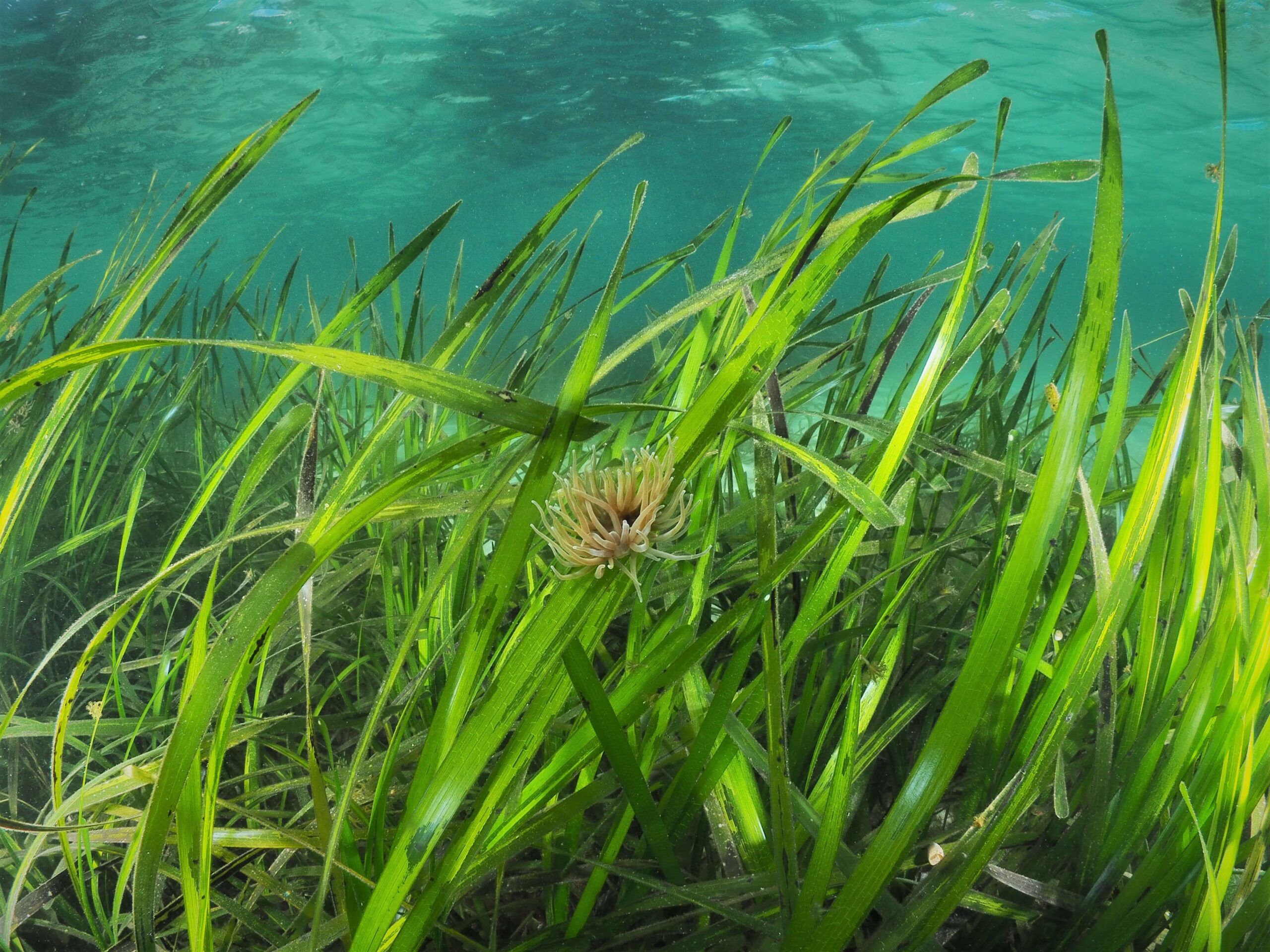
In a new blog series, our Conservation Trainee Abi David explores some of the amazing creatures that call seagrass meadows their home. The snakelocks anemone is a funny looking creature commonly found around the UK. They have up to 200 long, wavy tentacles and can grow on average to about
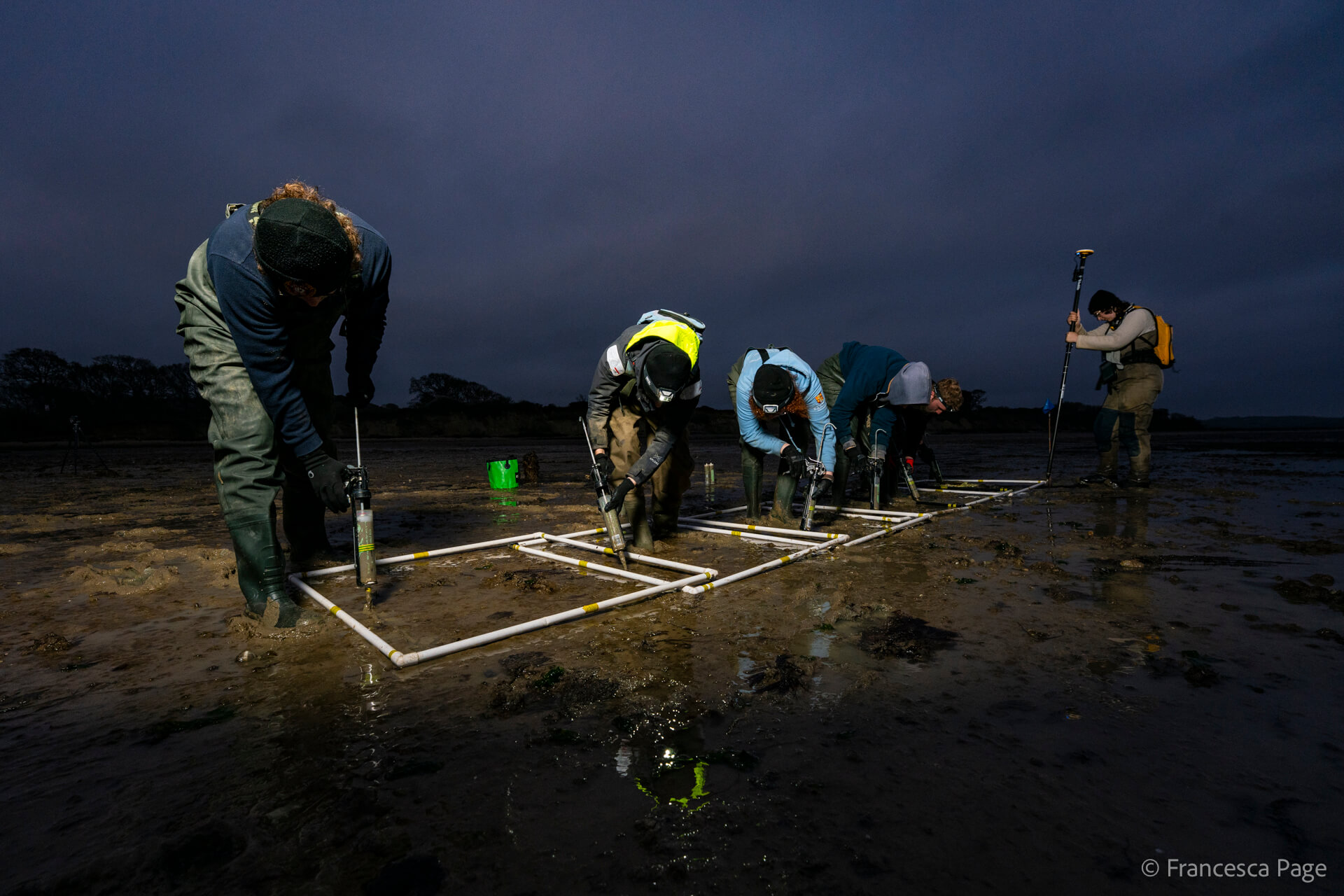
The Ocean is in crisis. Coral reefs are bleaching, seagrass meadows are vanishing, mangroves are being cleared, and biodiversity is plummeting. Scientists estimate we’ve already lost up to 50% of global saltmarshes, 35% of mangroves, and 20% of seagrasses. Yet alongside this sobering decline, momentum for marine restoration has never

Earlier this year, the Scottish Government circulated a draft version of Scotland’s first Blue Carbon Action Plan with key stakeholders to gather comments and feedback. Project Seagrass was one of the organisations contacted as part of this process. The Blue Carbon Action Plan sets out the Scottish Government’s position and
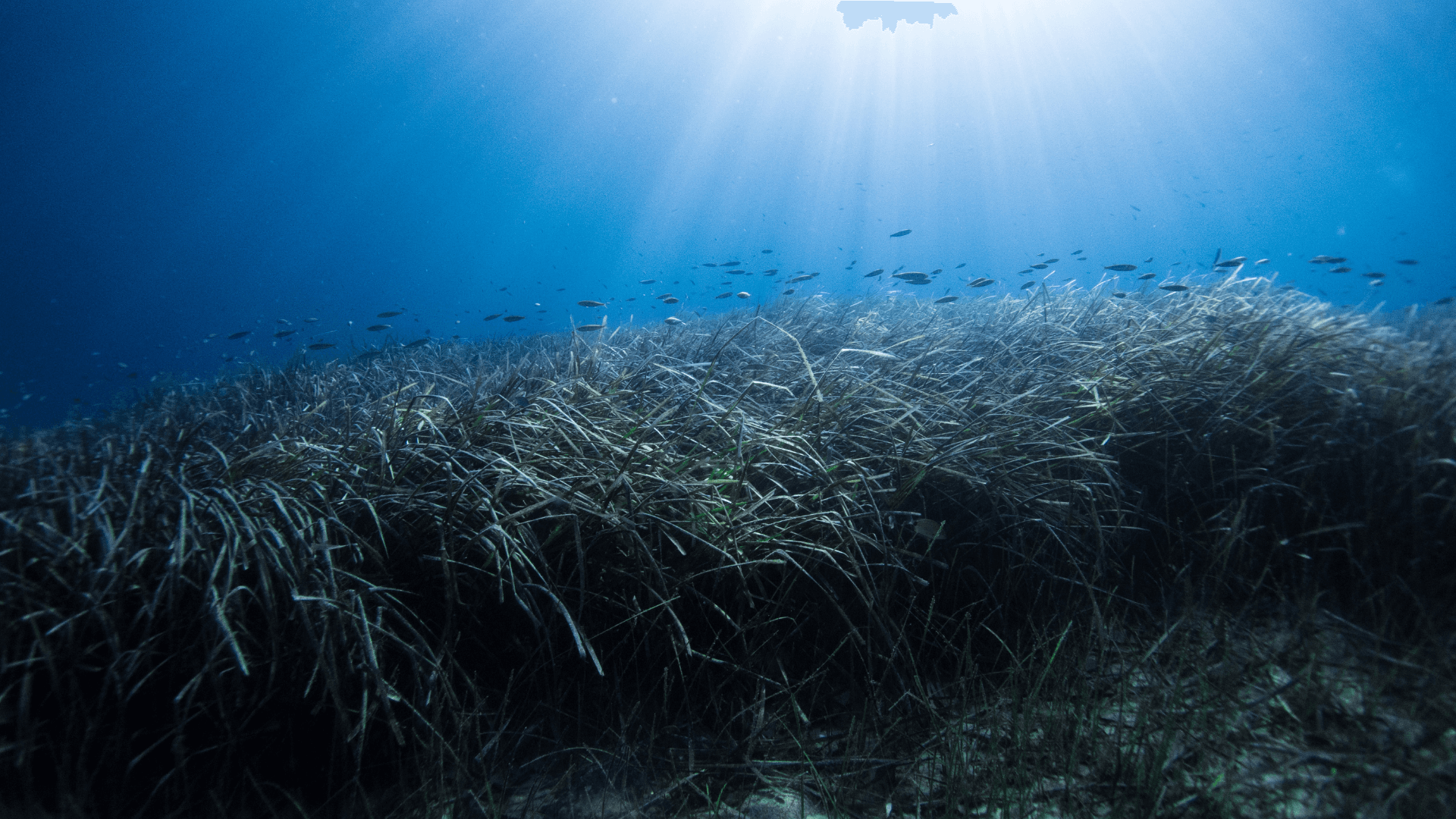
Posidonia seagrass meadows, veritable underwater forests, play a major ecological role. Under constant pressure from human activity, scientists are looking for ways to ensure their survival, in particular by carrying out restoration campaigns. A study conducted by the University of Liège at the marine and oceanographical research station STARESO (Calvi,