NEWS

NEWS

Keeping you up to date with Project Seagrass news and views with a mixture of field notes and commentary on seagrass and marine conservation topics.

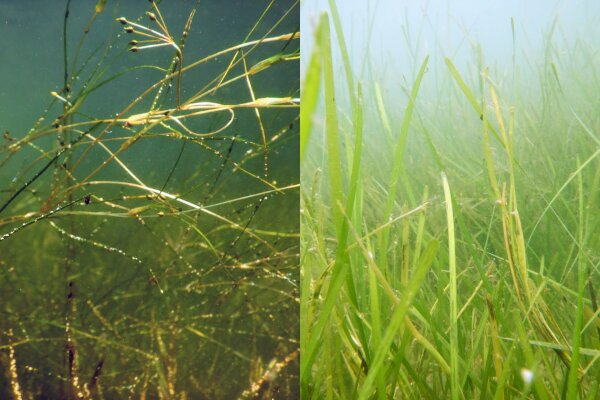
What causes decline of tropical seagrass meadows?

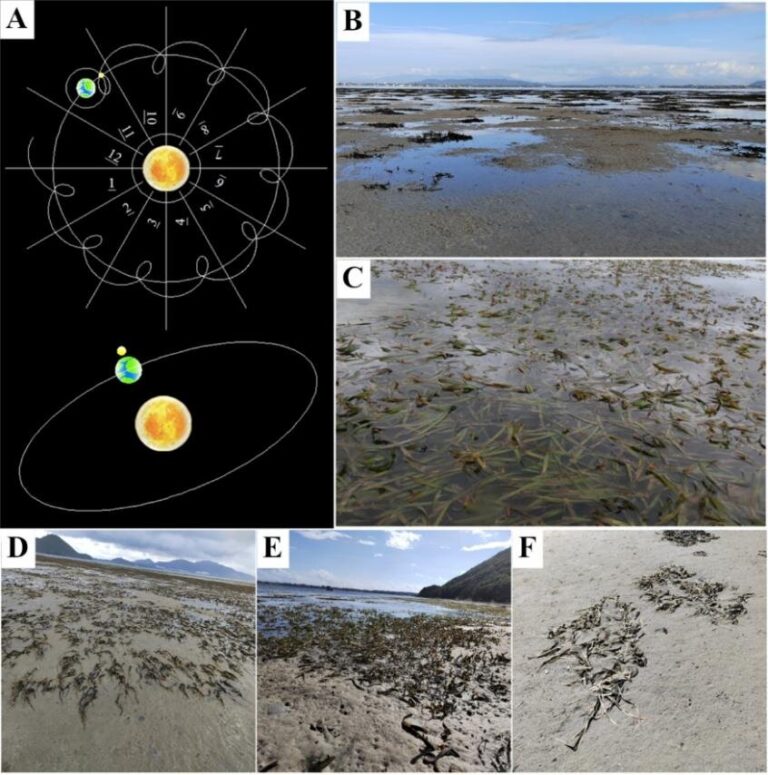
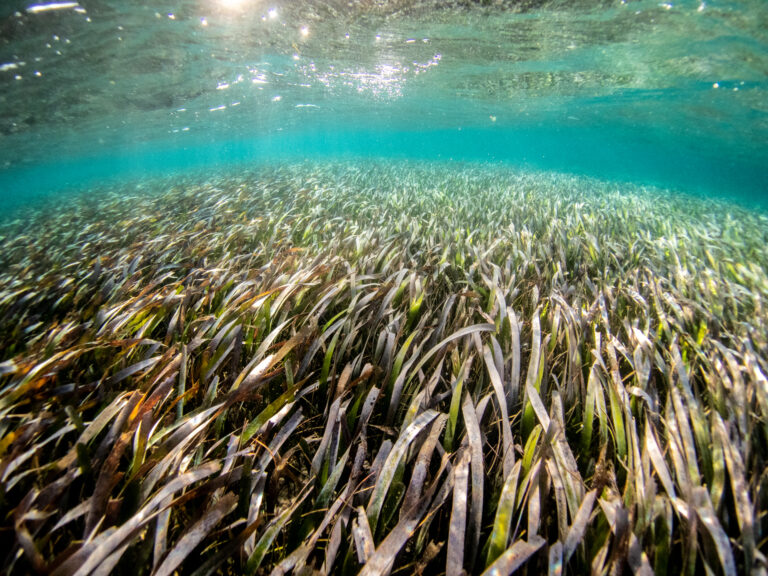
Seagrass, a group of aquatic angiosperms, grows in shallow waters in the coastal sea and contributes most of the primary production while participating in many important ecological processes. Heat stress threatens the survival of seagrass, but its damage mechanisms are unclear. Recently, a research team led by Prof. Liu Jianguo

Read More »

Fauna return rapidly in planted seagrass meadows, study shows

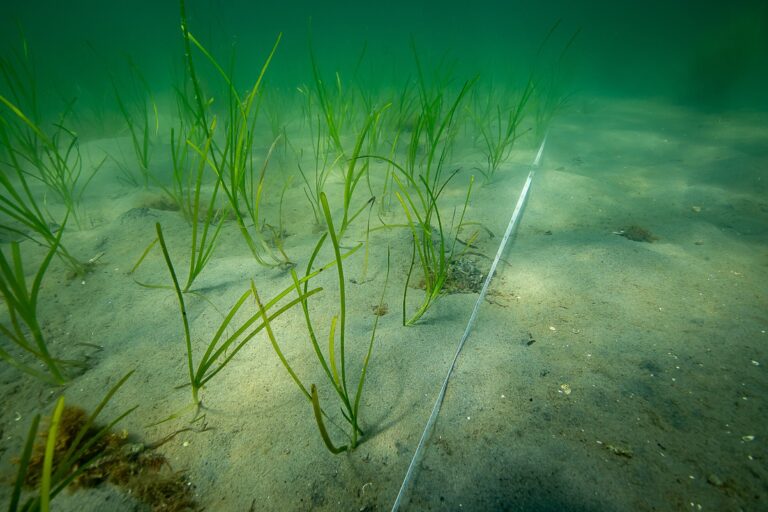
A study of eelgrass meadows planted by researchers from the University of Gothenburg shows that fauna return rapidly once the eelgrass has started to grow. Already after the second summer, the biodiversity in the planted meadow was almost the same as in old established eelgrass meadows. Eelgrass meadows have declined

Read More »

Seagrass meadows show resilience to ‘bounce back’ after die-offs

In Florida alone, thousands of acres of marine seagrass beds have died. Major seagrass die-offs also are occurring around the world. Stressors such as high temperature, hypersalinity and hypoxia or lack of oxygen affect seagrasses’ ability to resist and recover from these stressor-related mortality events or when disturbances lead to

Read More »

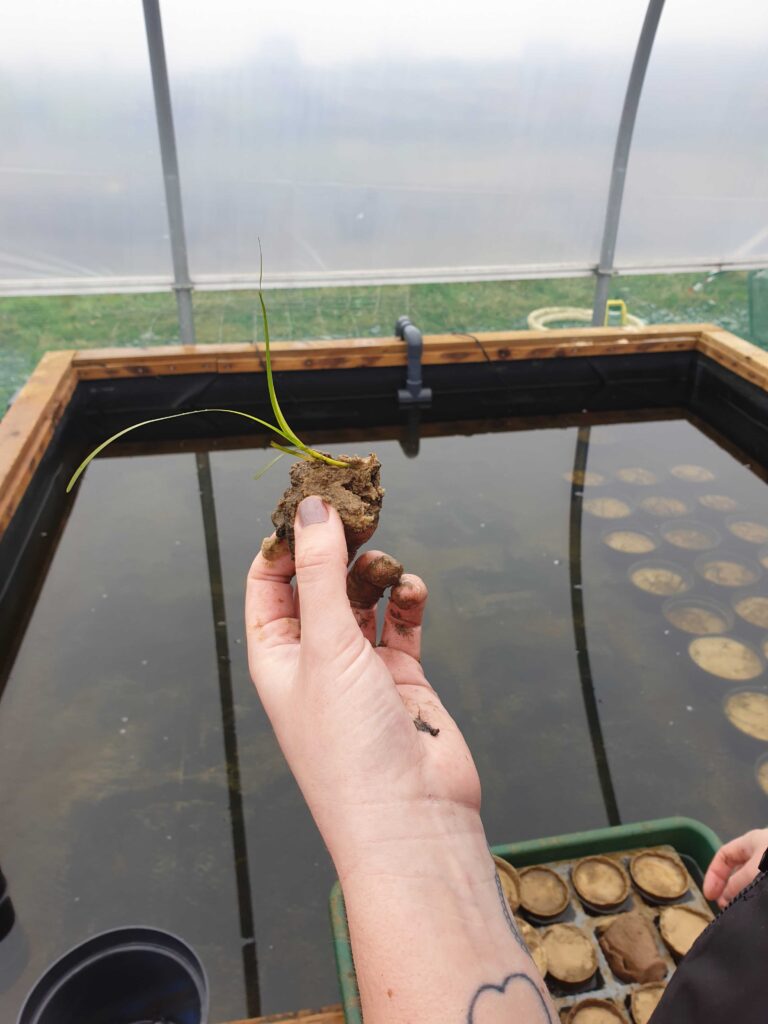
Nursery News Vol. 19

By Emily Yates To donate to our Aviva Community Funds and find out more, click the links below: Making marine conservation more accessible Saving the worlds seagrass Developing the Project Seagrass nursery

Read More »

Visiting one of the worlds most remote seagrass meadows

Eva Rothausler On a narrow stretch along the northern-central coast of Chile, the seagrass Heterozostera nigricaulis (syn. Zostera nigricaulis, Heterozostera tasmanica) occurs in three isolated patches no more than 300 km apart. It is a common intertidal to subtidal seagrass in the Zosteracea family and is found growing in protected

Read More »
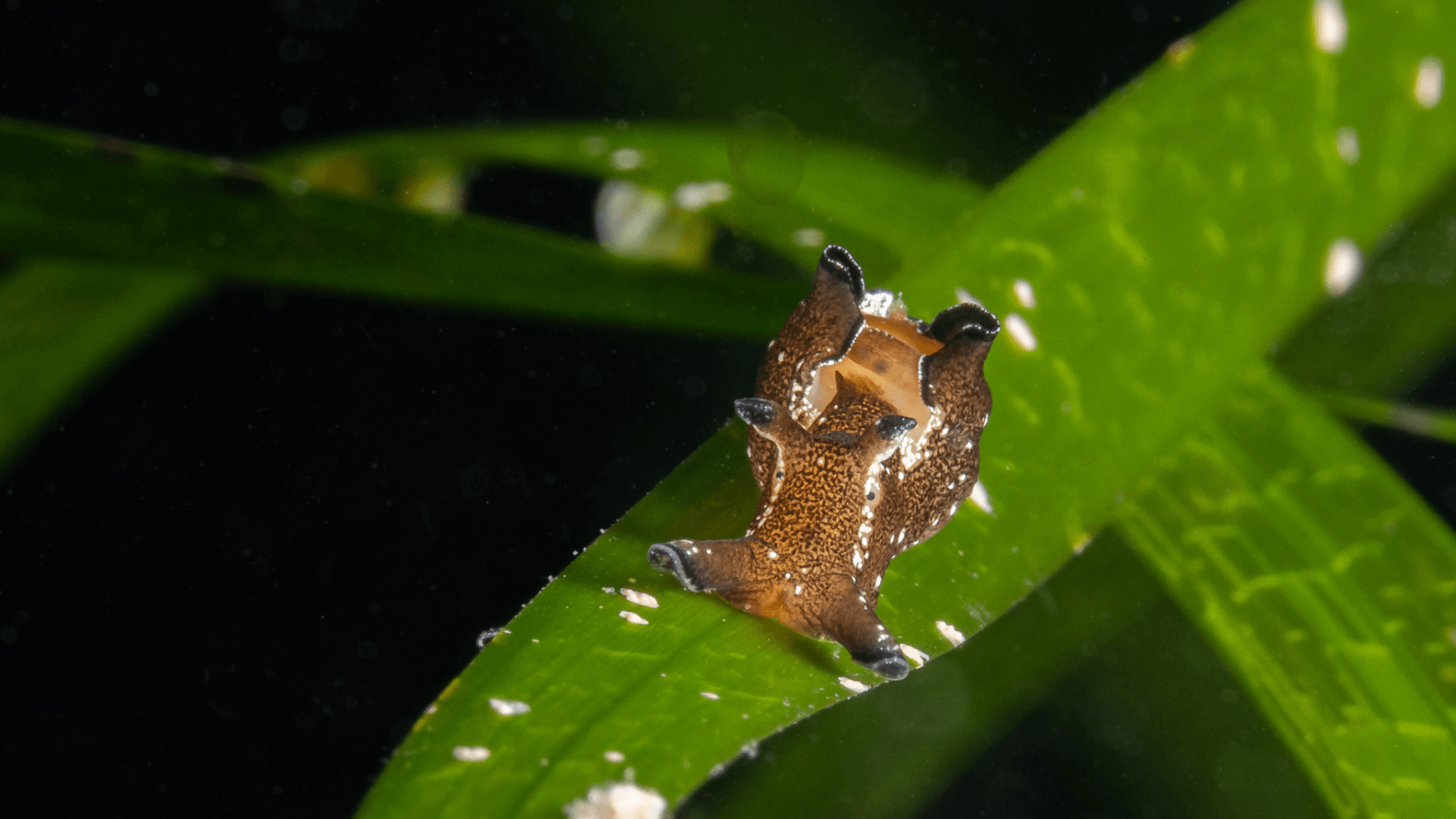
A Sea Hare sitting on a blade of seagrass in an Orcadian seagrass meadow.
biodiversity

The Sea Hare: Creatures that call seagrass home

In a new blog series, our Conservation Trainee Abi David explores some of the amazing creatures that call seagrass meadows their home. Sea hares are odd looking creatures. They are mostly soft bodied but have a small internal shell, which separates them from their close relatives – sea slugs. The

Read More »
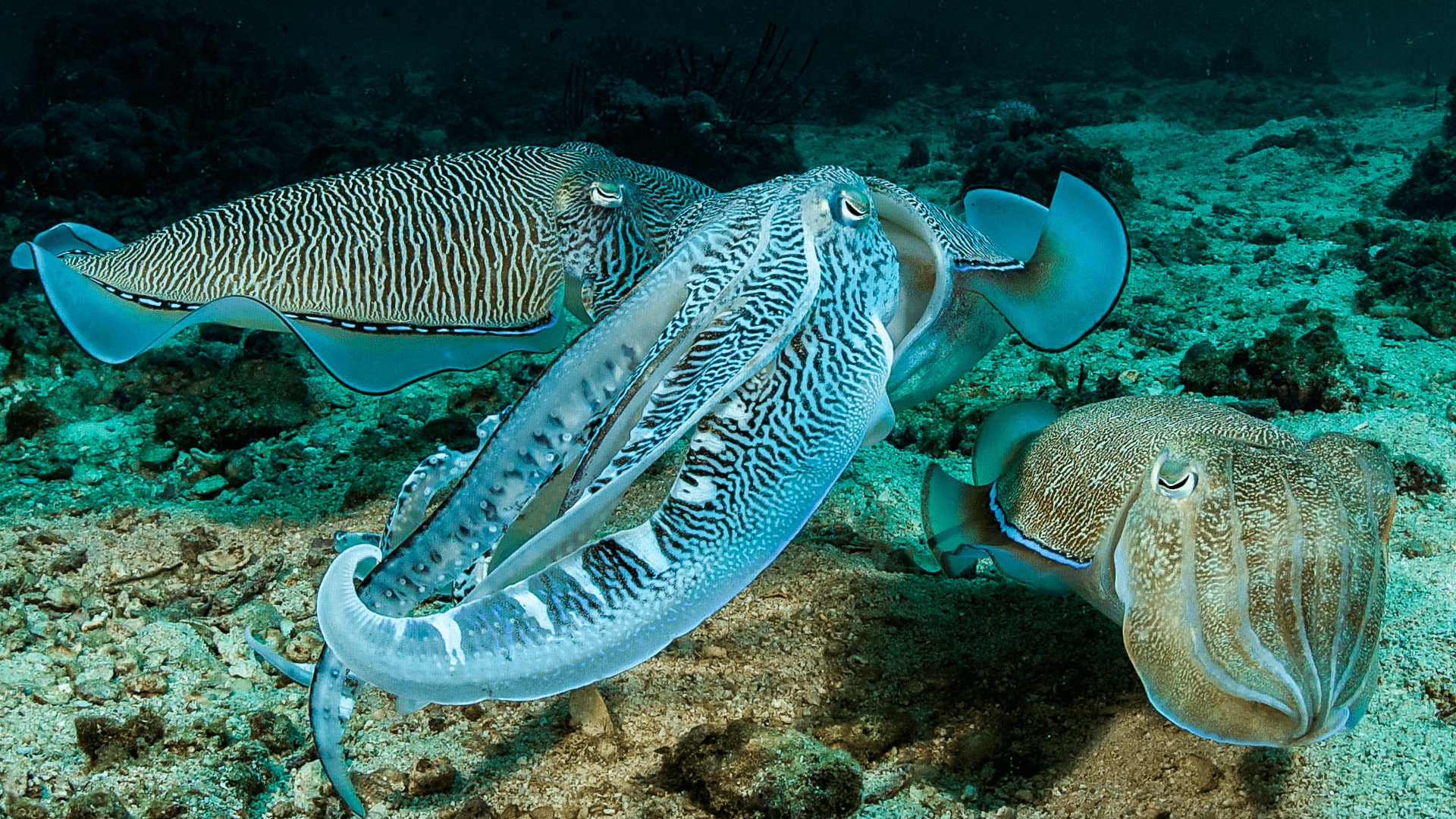
Cuttlefish.
biodiversity

The Cuttlefish: Creatures that call seagrass home

In a new blog series, our Conservation Trainee Abi David explores some of the amazing creatures that call seagrass meadows their home. Cuttlefish are molluscs and join squid and octopuses in the Cephalopod family. Predominantly found in temperate and tropical areas, 120 species can be found around the world. Cuttlefish

Read More »
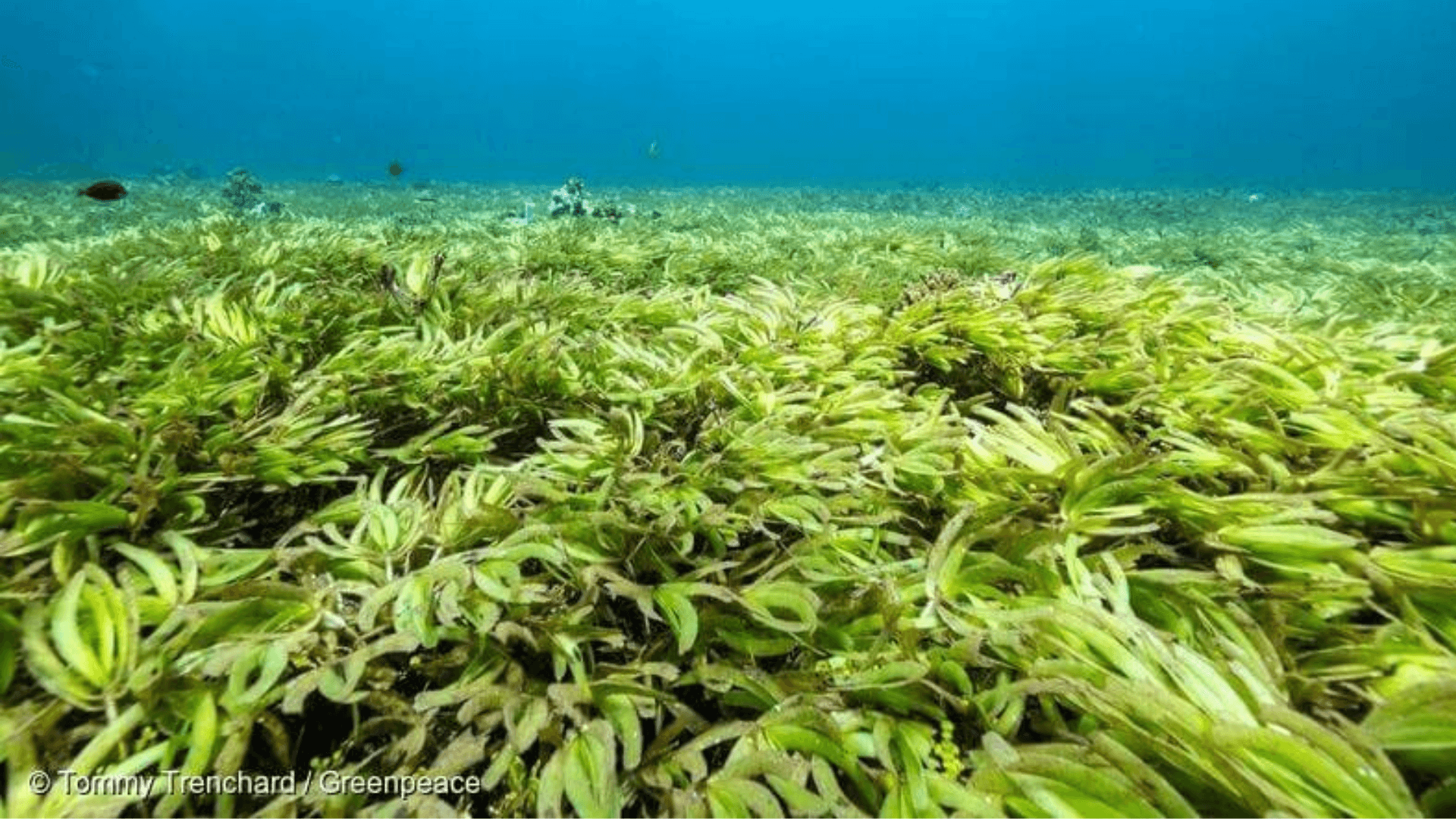
Seagrass at Saya De Malha Bank in the Indian Ocean.
BBNJ Treaty

Why the BBNJ Treaty Matters for Seagrass

The BBNJ (Biodiversity Beyond National Jurisdiction) Treaty is critical for protecting and enhancing seagrass. Most of the world’s seagrass is within national jurisdictions; however, in some locations, such as the Saya De Malha Bank in the Indian Ocean, seagrass is located beyond any national jurisdiction. This means it’s not legally

Read More »