NEWS

NEWS

Keeping you up to date with Project Seagrass news and views with a mixture of field notes and commentary on seagrass and marine conservation topics.

What causes decline of tropical seagrass meadows?

Seagrass, a group of aquatic angiosperms, grows in shallow waters in the coastal sea and contributes most of the primary production while participating in many important ecological processes. Heat stress threatens the survival of seagrass, but its damage mechanisms are unclear. Recently, a research team led by Prof. Liu Jianguo

Read More »

Fauna return rapidly in planted seagrass meadows, study shows

A study of eelgrass meadows planted by researchers from the University of Gothenburg shows that fauna return rapidly once the eelgrass has started to grow. Already after the second summer, the biodiversity in the planted meadow was almost the same as in old established eelgrass meadows. Eelgrass meadows have declined

Read More »

Seagrass meadows show resilience to ‘bounce back’ after die-offs

In Florida alone, thousands of acres of marine seagrass beds have died. Major seagrass die-offs also are occurring around the world. Stressors such as high temperature, hypersalinity and hypoxia or lack of oxygen affect seagrasses’ ability to resist and recover from these stressor-related mortality events or when disturbances lead to

Read More »

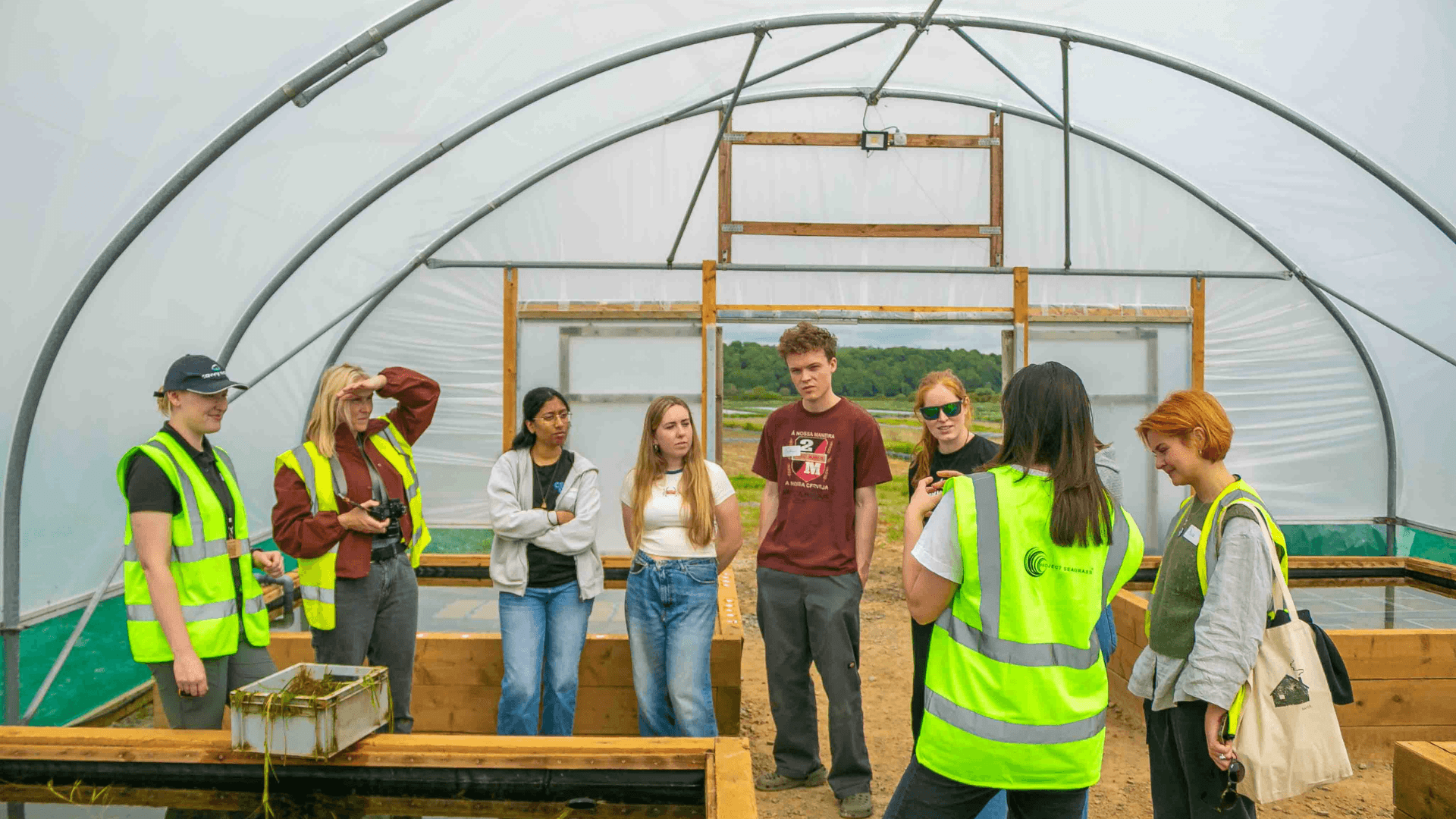
Nursery News Vol. 19

By Emily Yates To donate to our Aviva Community Funds and find out more, click the links below: Making marine conservation more accessible Saving the worlds seagrass Developing the Project Seagrass nursery

Read More »
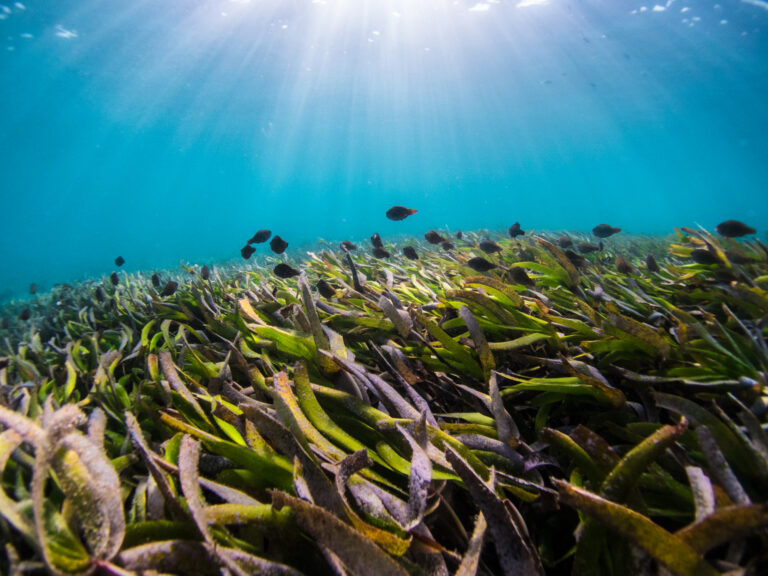
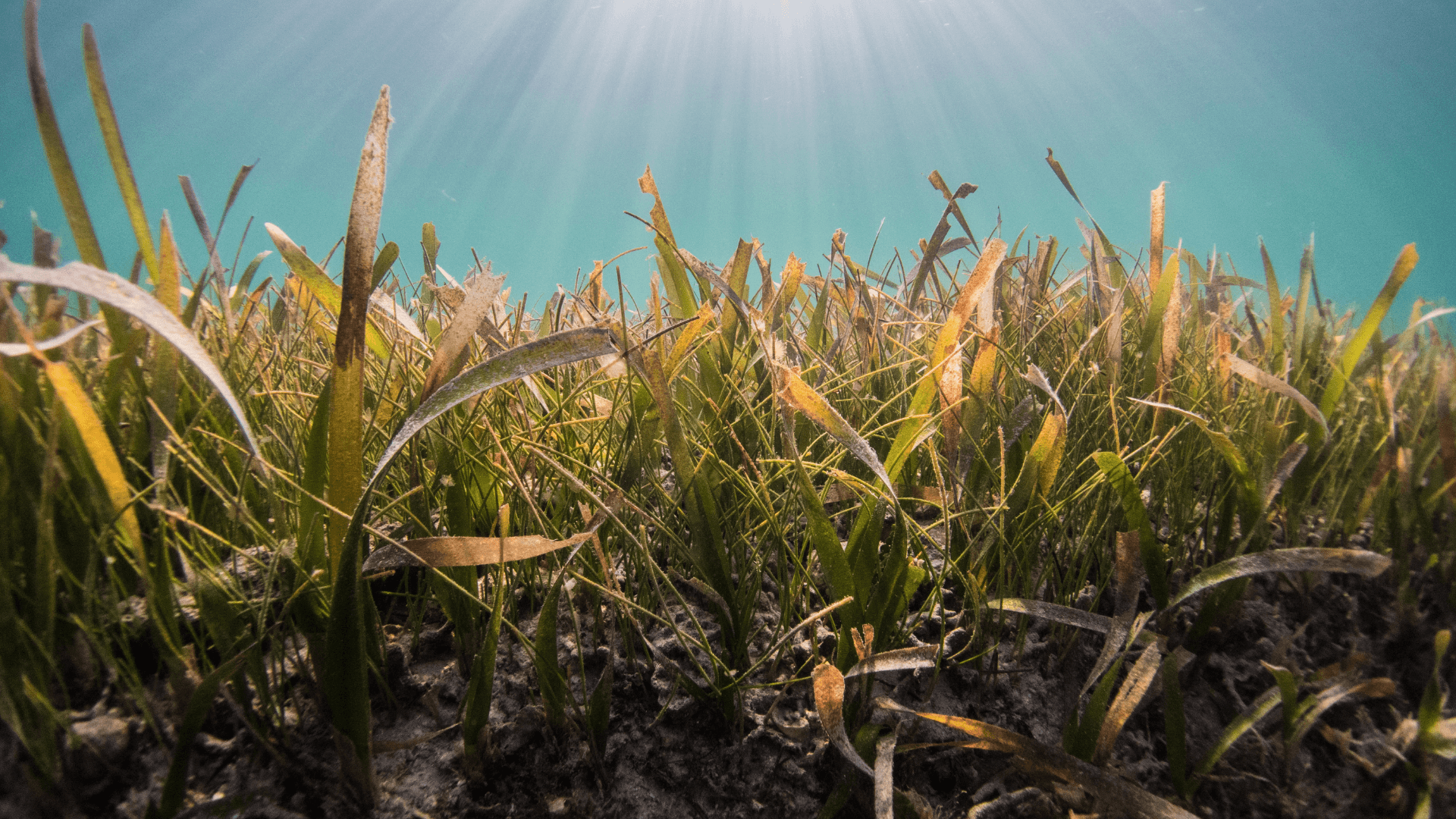
Posidonia species of seagrass in tropical blue waters underwater
climate change

Hurricanes devastated Florida’s East Coast. Then seagrass made an unexpected comeback

Hannah Harrero and Stephanie Insalaco-Wyner, geographers from Florida, comment on differing methods of monitoring the resilience of seagrass meadows in Florida’s ‘Mosquito Lagoon’, following a number of extreme weather events. Florida’s Indian River Lagoon has been an ecosystem in decline going back to 2011, when harmful algal blooms led to a severe decline in

Read More »
Seagrass in Thorness
solent seascape project

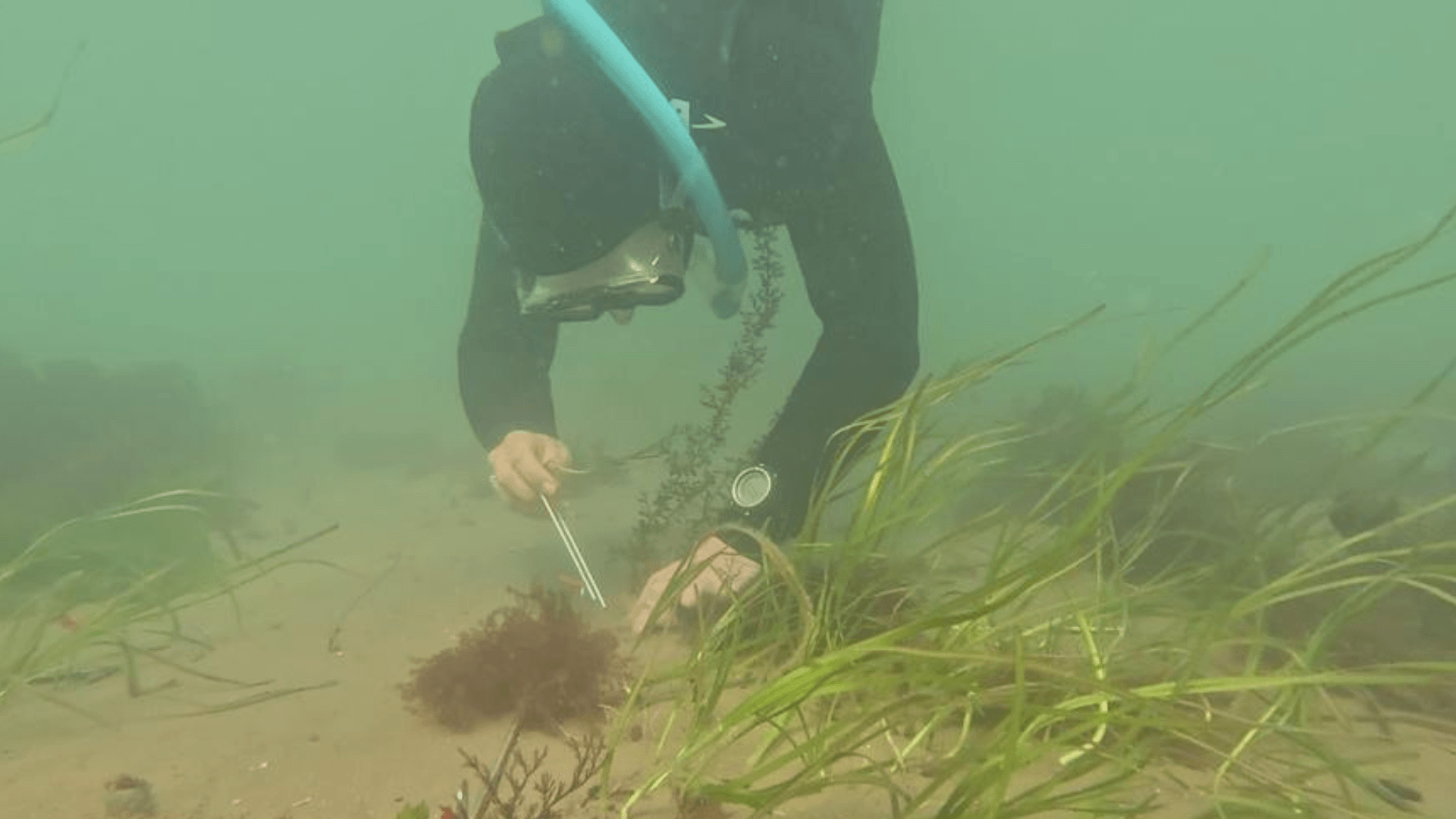
Fieldwork notes from our Solent planting

Between the 17th and 23rd March 2026, members of the Project Seagrass team were on the Isle of Wight carrying out active restoration as part of the The Solent Seascape Project, the first project of its kind in the UK to initiate seascape-scale restoration. As part of The Solent Seascape

Read More »
Juvenile señorita (Oxyjulis californica) utilize the protective canopy of the open-coast seagrass restoration site at Button Shell, Catalina Island.
new science

Catalina Island study highlights open-coast seagrass restoration success

New research led by scientists at University of California’s San Diego’s Scripps Institution of Oceanography is shining a spotlight on one of the ocean’s most overlooked habitats: seagrass. Led by Scripps Oceanography Ph.D. candidate Rilee Sanders, the study documented the first successful restoration of open-coast seagrass (common eelgrass). The findings offer

Read More »
Beneath the surface a dense seagrass meadow is growing.
conservation

Six Global Challenges: One Powerful Solution. Project Seagrass launches Global Seagrass Challenge Fund to save the world’s seagrass.

Now seeking investment, the Global Seagrass Challenge Fund will unite funders, businesses, and individuals committed to securing a future for seagrass. With an ambitious target of £50 million, the Fund will support people-centred seagrass conservation for a healthier ocean and a fairer future. Project Seagrass has launched the Global Seagrass

Read More »