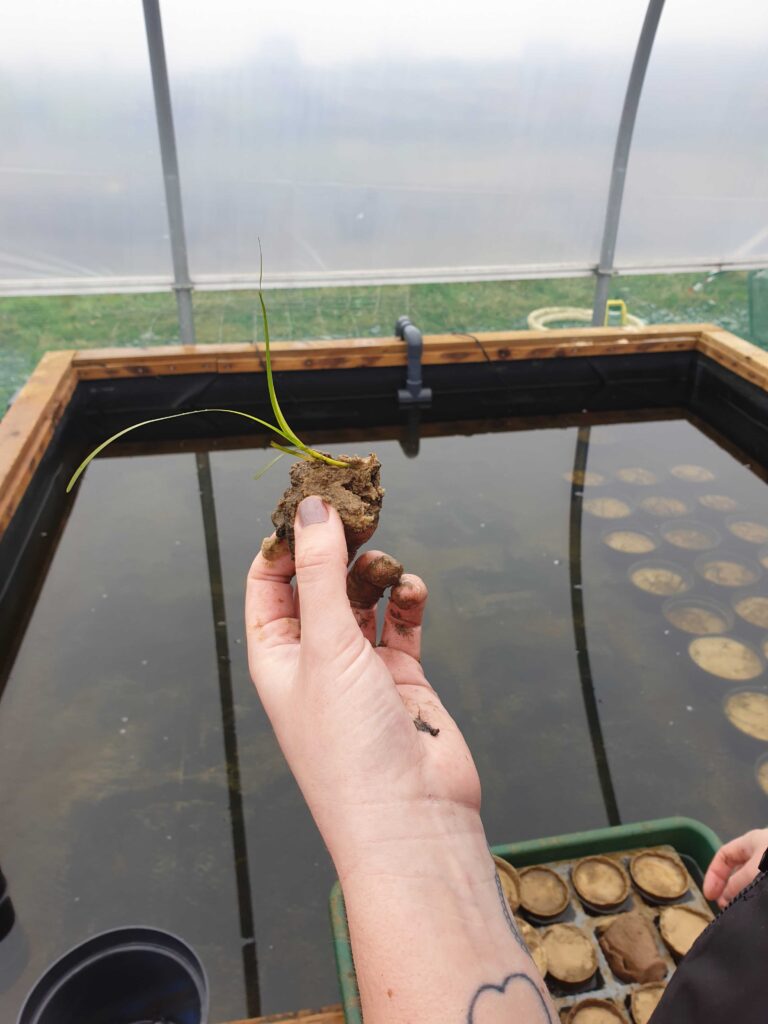
Nursery News Vol. 19
By Emily Yates To donate to our Aviva Community Funds and find out more, click the links below: Making marine conservation more accessible Saving the worlds seagrass Developing the Project Seagrass nursery


By Emily Yates To donate to our Aviva Community Funds and find out more, click the links below: Making marine conservation more accessible Saving the worlds seagrass Developing the Project Seagrass nursery
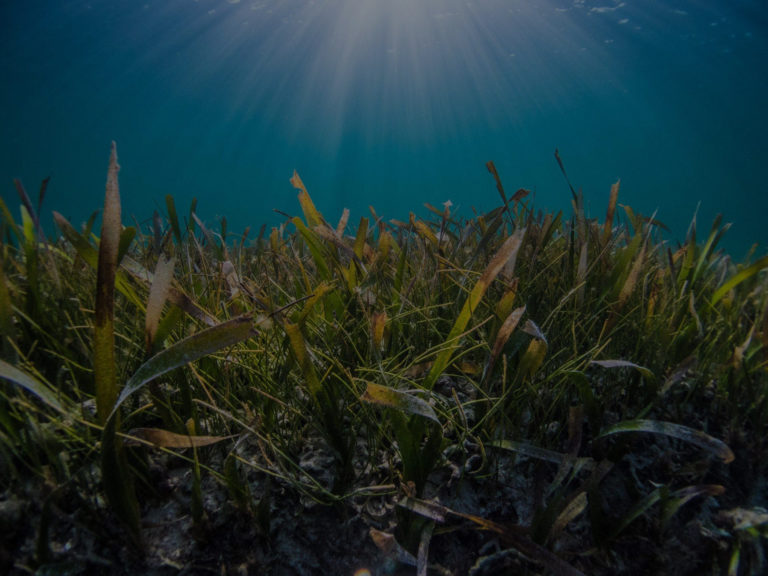
Storm Garry March 1st marked an important date in seagrass history as globally we celebrated the very first World Seagrass Day, formally recognised by the United Nations! This day will continue to annually raise awareness of the importance of healthy seagrass meadows. Seagrass is the only marine flowering plant in
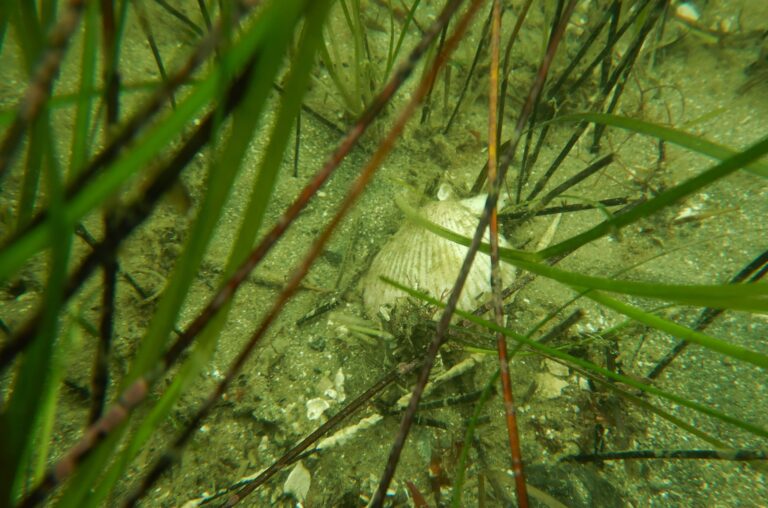
Eva Rothausler On a narrow stretch along the northern-central coast of Chile, the seagrass Heterozostera nigricaulis (syn. Zostera nigricaulis, Heterozostera tasmanica) occurs in three isolated patches no more than 300 km apart. It is a common intertidal to subtidal seagrass in the Zosteracea family and is found growing in protected

Dr Benjamin Jones, Chief Conservation Officer at Project Seagrass has started his two-year term as President of the World Seagrass Association (WSA). He steps up to the role having been elected at the WSA Annual General Meeting (AGM) in December 2022. Prior to this he’s served on the WSA Steering
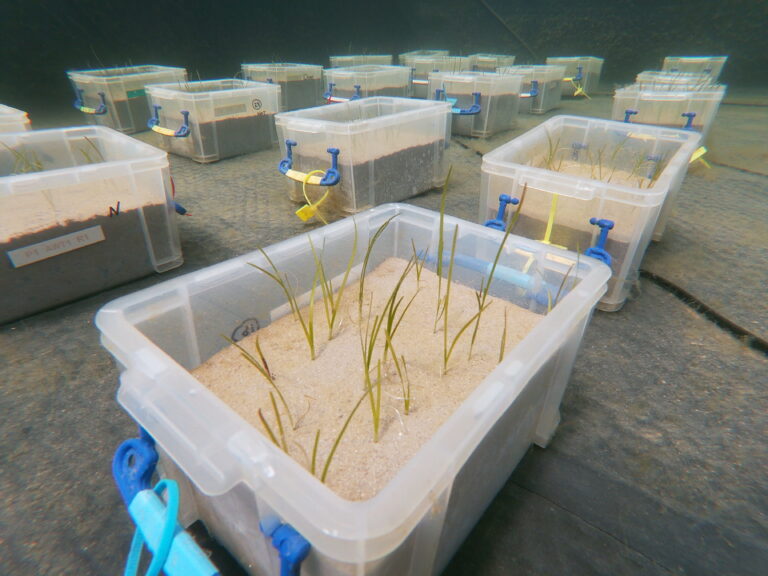
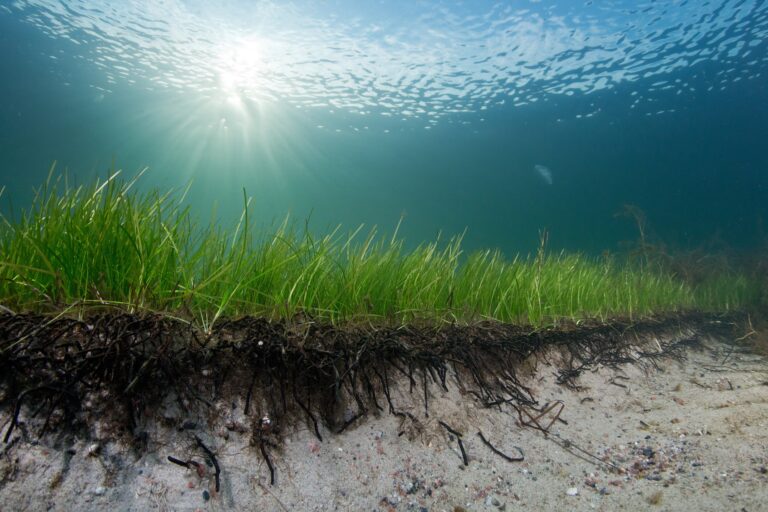
The sea devours large tracts of land when storms wash sand out to sea from the coast. A new study involving a researcher from the University of Gothenburg has shown that seagrass can reduce cliff erosion by up to 70% thanks to its root mats binding the sand. Coastal erosion
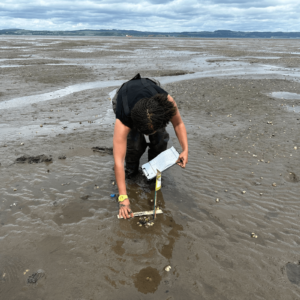
Restoration Forth aims to restore seagrass meadows and native oysters into the Firth of Forth, to create a healthier coastline for people and nature. Find out more about the project here. We’ve reached 30,000 oysters! October was a busy month for the Restoration Forth oyster team. We had an absolutely
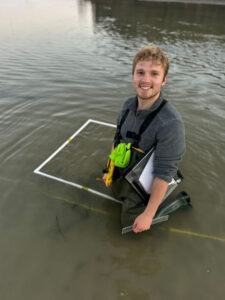
In September 2024, Project Segrass welcomed Finn, Grace, and Heather as our interns for the 2024-25 academic year. Finn and Heather have joined us as interns from the University of St Andrew’s and Grace has joined us from Swansea University. In this interview Finn, Grace, and Heather share their experiences
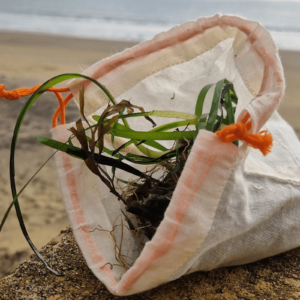
In 2024, Project Seagrass launched a new Fragment Walk initiative on the Isle of Wight to support community-based seagrass restoration as part of our work in the Solent. Seagrass Fragments Seagrass meadows are sensitive habitats which can be easily uprooted. As a result of storms or other disturbances, fragments of
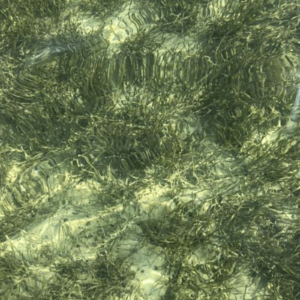
Two new studies call for clear framework conditions for CO2 sequestration in coastal areas, including a digital twin for projections and an independent body for certification and new legal structures for monitoring. The two papers led by researchers from Helmholtz-Zentrum Hereon were recently published in Environmental Research Letters and Elementa. So-called “blue carbon ecosystems”
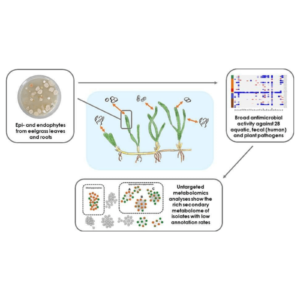
Seagrasses are special: they are the only flowering plants that have returned to sea from land. They are also known as the “lungs of the oceans” because of their ability to photosynthesize. And with the exception of Antarctica, they can be found on all continents, where they form extensive underwater
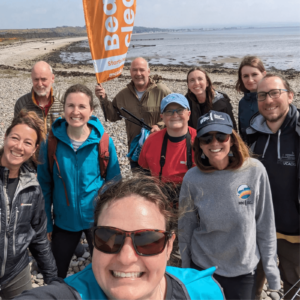
We spoke to Moray Ocean Community about their volunteering in the Moray Firth area and how they integrate the SeagrassSpotter app into their activities. Read the full interview below: Can you tell us about Moray Ocean Community and how it started? Moray Ocean Community started to come together over two