The Brent Goose: Creatures that call seagrass home
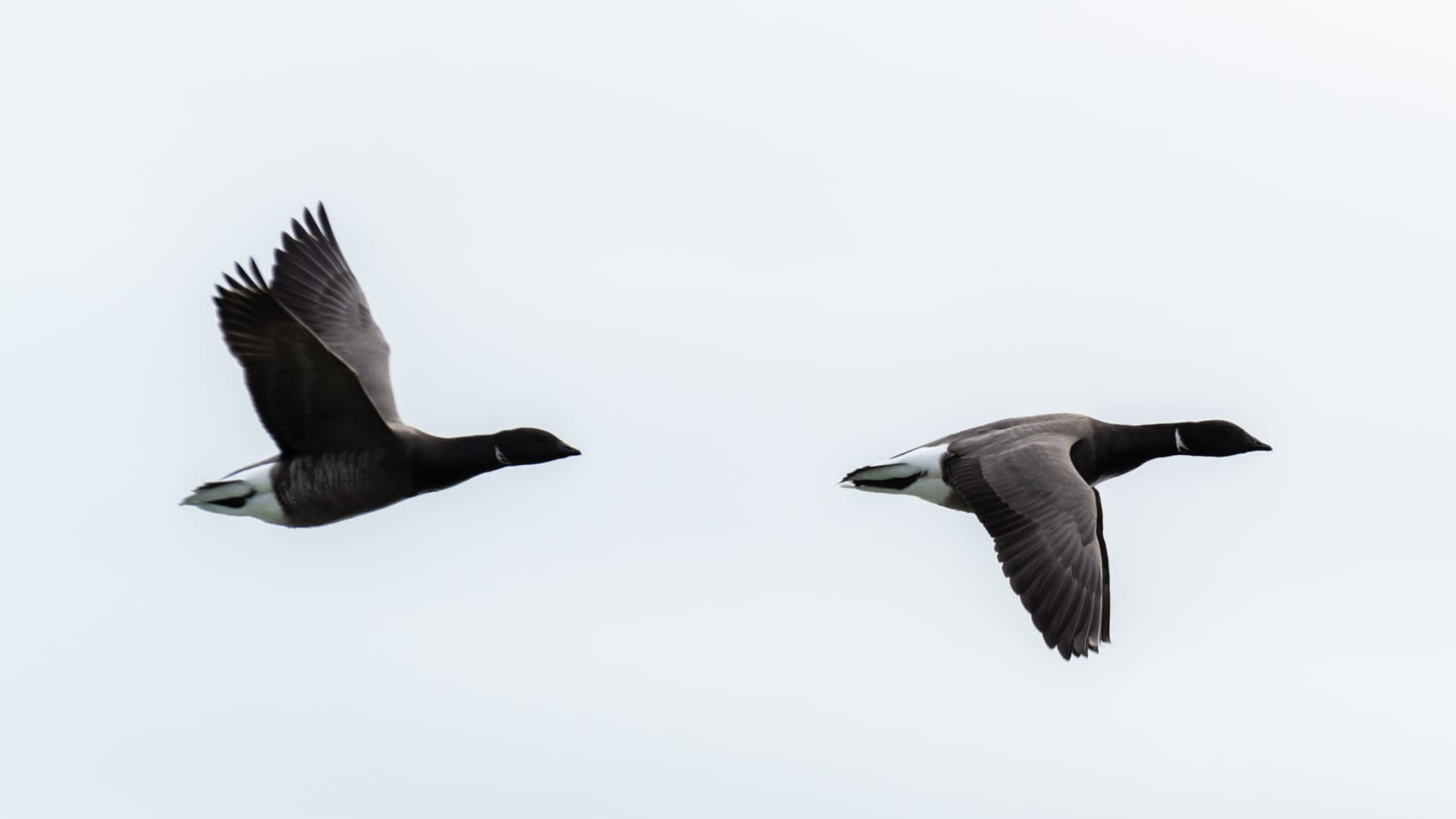
In a new blog series, our Conservation Trainee Abi David explores some of the amazing creatures that call seagrass meadows their home. The Brent Goose Branta bernicla is of a similar size to a Mallard duck, making it one of the smallest goose species in the world. They are a highly social species and form strong bonds within the groups they live in. If you spot a group of Brent Geese, look out for the ‘compass’ goose – this is the leader of the group and will lead the way between foraging areas. Depending on the species of Brent Goose, individuals may have a dark or light belly, along with a dark head and body, with adults having a small white patch on their necks. They can be seen throughout the UK during the autumn/ winter months in marine, intertidal or wetland areas. Dark bellied Brent Geese. Photo Credit Emma Butterworth Migration Just like many other bird species, Brent Geese carry out an annual migration. They spend summer months breeding and raising chicks in the Arctic and migrate to Western Europe for more temperate winters. Generally, the individuals we get overwintering here in the UK are from Siberia. Due to these long migration routes and small body size, Brent Geese have a high food demand meaning they heavily rely on stopovers to refuel. Their most popular stopover sites tend to be Zostera marina meadows. Large numbers of Brent Geese have been spotted for several weeks each year in Izembek Lagoon (Alaska), lagoons in Baja California, the German/Danish Wadden Sea, the Golfe du Morbihan (France), British estuaries, and the White Sea (Western Russian Arctic). Diet Brent Geese are heavily herbivorous and mainly consume seagrass. They have relatively short necks and lack the ability to dive so can only reach plants at low tide or in shallow water. Interestingly, during breeding season the geese will consume a wide range of plant species but show a strong preference for Zostera species throughout non-breeding seasons due to the high digestibility and nutritional value compared to other options. They have been observed eating both the leaves and rhizomes of the plants. Importance of seagrass for Brent Goose populations As mentioned previously, Brent Geese rely heavily on seagrass during their migrations. This can be seen in population trends. In the 1930s, Zostera species across the North American coast were heavily affected by wasting disease and there was a significant population decline. At the same time, a steep decline in Brent Goose population was also observed on both sides of the Atlantic, with estimates ranging from 75 – 90% of populations lost. During the 1950s, there was a good recovery of seagrass beds in the areas previously affected, which was followed by a recovery of Brent Goose populations from around 15,000 to over 100,000. Similar smaller scale events like this have been observed, showing just how important healthy seagrass meadows are for species like the Brent Goose that rely so heavily on them. Are Brent Geese bad for seagrass restoration? It could be argued that Brent Geese are bad for seagrass and bad for seagrass restoration due to their consumption of the plants. However, there is a bit more to it than that. Seagrass provides services for many species, and a food source is one of those. Anecdotally, there have been instances where restoration has occurred only for geese to come along and eat all of the freshly planted shoots, which really isn’t ideal. In the scientific literature, there is mixed evidence about how much the geese will consume and how this affects the meadow’s health, which makes it difficult to quantify their impact. Some research notes that the percent the geese eat out of the whole meadow is actually quite small and a healthy meadow should have no issue recovering from any damage. The geese could even be useful in seagrass restoration. They tend to only be seen where food is available and as such are an indicator species for the health of an ecosystem. Like all birds, they are useful for their ability to spread nutrients and seeds through their faeces, helping to spread plant species more widely than they would on their own. Additionally, they are an important food source for predators such as foxes and raptors in their Arctic breeding grounds. Brent Geese, like any other species using seagrass, are carrying out behaviours that have evolved over thousands of years. Therefore, the question of whether geese are bad for seagrass restoration is not a straightforward one. What do you think? Sources: Ganter, B. (2000). Seagrass ( Zostera spp.) as food for brent geese ( Branta bernicla ): an overview. Helgoland Marine Research, 54(2–3), 63–70. https://doi.org/10.1007/s101520050003 Find out more the role that seagrass plays for migratory birds here.
Harnessing open data to understand coastal social-ecological systems
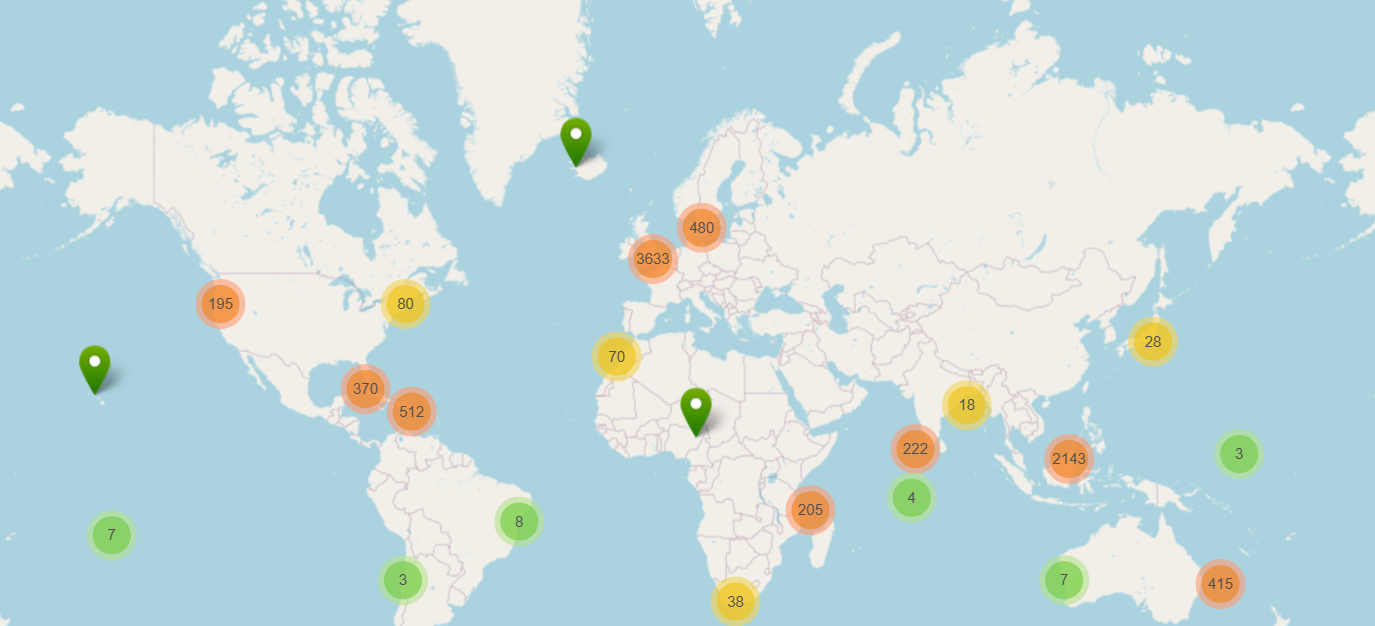
Our oceans and coasts are home to ecosystems that provide immense benefits to people, from food and livelihoods to carbon storage and coastal protection. In particular, seagrass meadows are archetypal social-ecological systems (SES), linking human well-being to ecosystem health. But to manage these systems effectively, we need access to both ecological data (such as habitat extent, biodiversity, or water quality) and social data (such as fishing activity, governance, or community use). In a new paper led by Uppsala University, Project Seagrass Chief Conservation Officer Dr. Benjamin Jones, joined forces with scientists from Sweden and the USA to explore how researchers and managers can better use open-access data to integrate these perspectives and improve decision-making. Why this data matters Over the past decade, the amount of freely available ecological and social data has exploded. From satellite-derived habitat maps to global fisheries datasets, there is now a wealth of information that could support more holistic approaches to conservation and management. Such data includes the likes of our very own SeagrassSpotter dataset. Yet, this opportunity comes with challenges. For many practitioners, the biggest barrier is knowing where to find relevant datasets and how to make sense of them in a way that reflects both the ecological and social dimensions of coastal systems. Without broad interdisciplinary training, it can be easy to feel overwhelmed by the sheer volume and complexity of open data sources. To address this challenge, we developed a workflow based on a social-ecological systems framework to help researchers systematically identify the types of variables they need (e.g., ecological, social, or governance-related) and guides the search for appropriate open datasets. The workflow was demonstrated using seagrass meadows in the Tropical Indo-Pacific, a region where millions of people depend directly on coastal ecosystems. This provides a strong test case for exploring how open data can inform both research and management and highlights just how much open-access information is already available, from global biodiversity repositories to socioeconomic databases, and how it can be assembled into a more complete picture of system dynamics. The study underscores the huge potential of open data to support inclusive and interdisciplinary approaches in coastal science. It allows researchers to explore ecological and social indicators side by side, ask new, cross-cutting research questions, support management decisions even in data-poor regions and facilitate collaboration across disciplines and geographies. However, there are important challenges. First, data can be patchy or biased, with strong coverage of biophysical variables but limited social or long-term monitoring data. Second, many datasets are coarsely aggregated or inconsistent in spatial and temporal coverage. Third, users often require specialised technical skills to access, harmonise, and analyse the data and finally, the “paradox of choice” means the sheer volume of available datasets can be overwhelming without a clear framework to guide selection. These limitations highlight the need for continued investment in training, better tools, and improved data-sharing practices. The paper also emphasises the importance of contributing data back into open repositories such as the Ocean Biodiversity Information System. By sharing primary data openly, researchers and practitioners not only enhance the value of their own work but also support a stronger, more connected global community. Project Seagrass is committed to this via its open access SeagrassSpotter database, and the newly launched SeagrassRestorer. This cultural shift towards open data sharing, proper attribution of data collectors, and incentivising contributions is essential if we are to unlock the full potential of open data in advancing coastal science and conservation. Frameworks like this provide a structured way of navigating the open-data landscape. By combining social and ecological variables, researchers and managers can move beyond siloed approaches to develop a truly integrated understanding of coastal systems. For seagrass meadows and other critical coastal habitats, this means being better equipped to anticipate change, design effective interventions, and ensure the long-term provision of ecosystem services that millions of people depend upon. In short: open data, when harnessed effectively, is a powerful tool for bridging science and society and for building more sustainable futures for our coasts.
Seagrass swap could reshape Chesapeake Bay food web
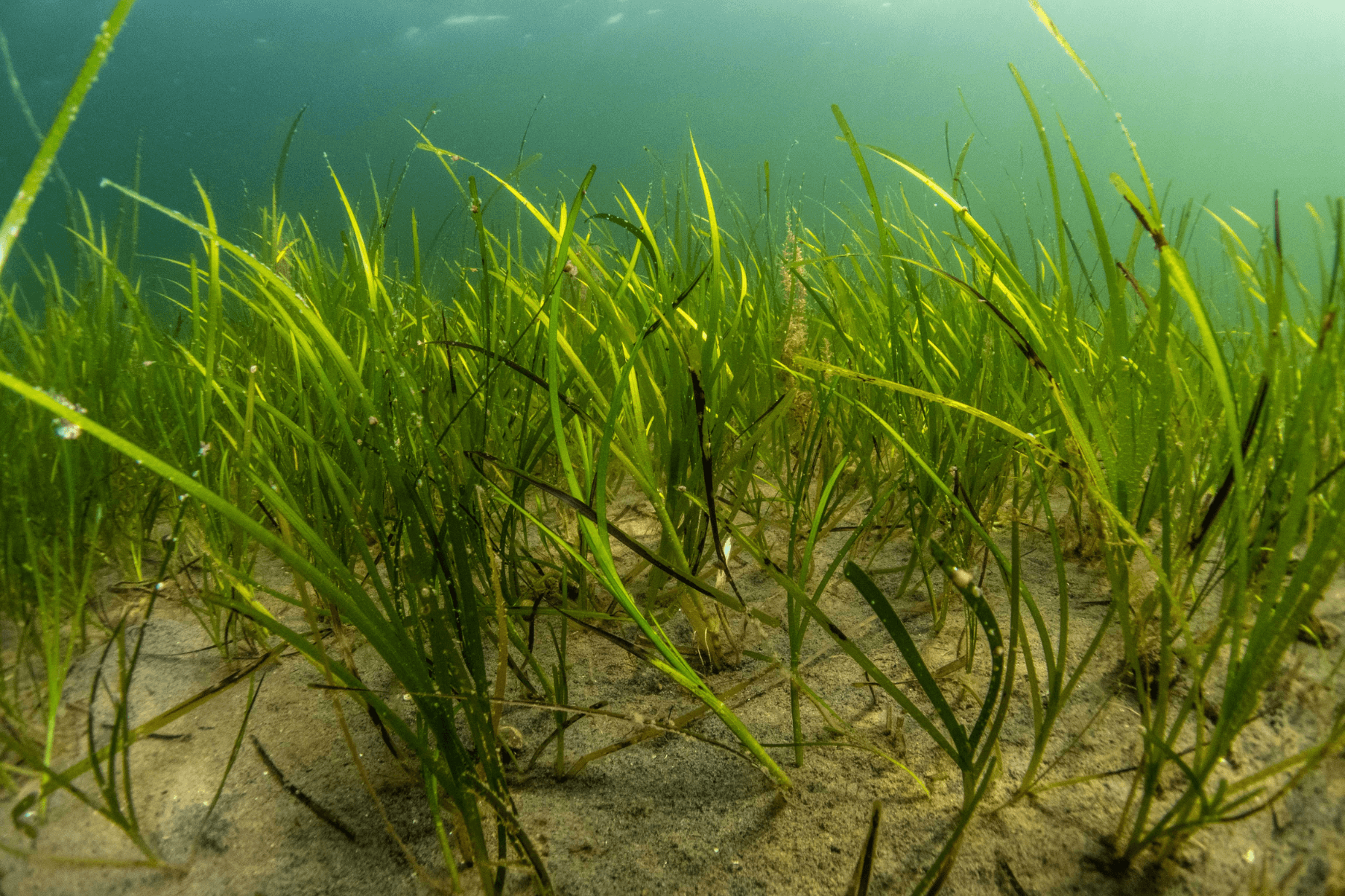
Beneath the surface of the Chesapeake Bay, a subtle but dramatic shift is taking place as eelgrass gives way to its warmer-water relative, widgeon grass. A new study from researchers at William & Mary’s Batten School & VIMS shows that this seagrass swap could have ecological impacts across the Bay’s food webs, fisheries and ecosystem functions. Published in Marine Ecology Progress Series, the study reveals that while both seagrass species offer valuable habitat, they support marine life in very different ways. The researchers estimate that the continued shift from eelgrass to widgeon grass could lead to a 63% reduction in the total quantity of invertebrate biomass living in seagrass meadows in the bay by 2060. “Several factors including water quality, rising temperatures and human development are threatening eelgrass in the Chesapeake Bay. In its place, particularly in the middle Bay, widgeon grass has expanded due to its ability to tolerate warmer, more variable conditions,” said Associate Professor Chris Patrick, who is also director of the Submerged Aquatic Vegetation (SAV) Monitoring & Restoration Program at the Batten School of Coastal & Marine Sciences & VIMS. “However, the two grasses provide structurally distinct habitats that shape the animals living within.” All grasses are not created equal While working with Patrick and earning her master’s degree at the Batten School & VIMS, lead author Lauren Alvaro engaged in extensive fieldwork studying seagrass meadows in Mobjack Bay. Her team surveyed and compared habitats consisting of eelgrass, widgeon grass as well as mixed beds. They documented everything from burrowing clams and snails to crabs and fishes to get an idea of life living within the sediment and among the grasses. The findings showed that while widgeon grass supports more individual invertebrates per gram of plant material, eelgrass meadows are home to larger animals and have more plant biomass per square meter. As a result, eelgrass supports a greater total animal biomass per square meter. “Our findings suggest that we’re likely to see a fundamental shift in the structure of the food web that favors smaller creatures as eelgrass is replaced by widgeon grass,” said Alvaro. “The eelgrass meadows produced fewer animals, but they’re bigger and more valuable to predators like fish and blue crabs.” Much of the difference is due to the physical characteristics of the two types of seagrasses. Widgeon grass beds have a greater surface-to-biomass ratio due to their narrower leaf structure, which provides more area for small invertebrates to cling to. However, eelgrass’s broader leaves provide a type of canopy favored by animals like pipefish, blue crabs, and larger isopods, which are small shrimp-like crustaceans. The bigger picture The researchers extrapolated their findings and estimated that current seagrass habitats in the Chesapeake Bay support approximately 66,139 tons of invertebrate biomass living in the sediment and among the grass beds and produce 35,274 tons of new animal biomass each growing season. Termed “secondary production,” this is the biomass the habitat makes available to higher levels of the food chain. If seagrasses continue to shift as expected, by 2060 secondary production could be reduced by more than 60% under a scenario where no further nutrient reductions occur. Nutrient runoff into the Bay is the largest threat to submerged aquatic vegetation. Even in a best-case nutrient management scenario, the Bay could still lose approximately 15% of secondary production biomass. “Within the limits of our study, it wasn’t possible to determine whether it was the meadow’s physical structure, the meadow area, or available food sources that contributed to greater numbers of fish in the eelgrass meadows,” said Alvaro. “This makes it difficult to accurately estimate fishery-level impacts of changes in meadow composition, but several lines of reasoning support an expectation of reduction in numerous commercial and recreational species.” The study adds to a growing body of research documenting the effects of changes in foundational species influenced by a warming planet. The authors cite similar research involving Florida’s mangroves and a worldwide shift from coral to algae-dominated ecosystems. As states within the Bay’s extensive watershed work to maintain and improve the health of the estuary, the team hopes their findings will help inform management decisions and restoration strategies. Protecting and restoring the remaining eelgrass and better understanding the role of widgeon grass may help preserve ecological resources for future generations and provide a buffer against future shocks. More information: This article is republished from PHYS.ORG and provided by Virginia Institute of Marine Science. Lauren Elizabeth Alvaro et al, Changing foundation species in Chesapeake Bay: implications for faunal communities of two dominant seagrass species, Marine Ecology Progress Series (2025). DOI: 10.3354/meps14901
Researchers uncover hidden seagrass species in northwest Pacific
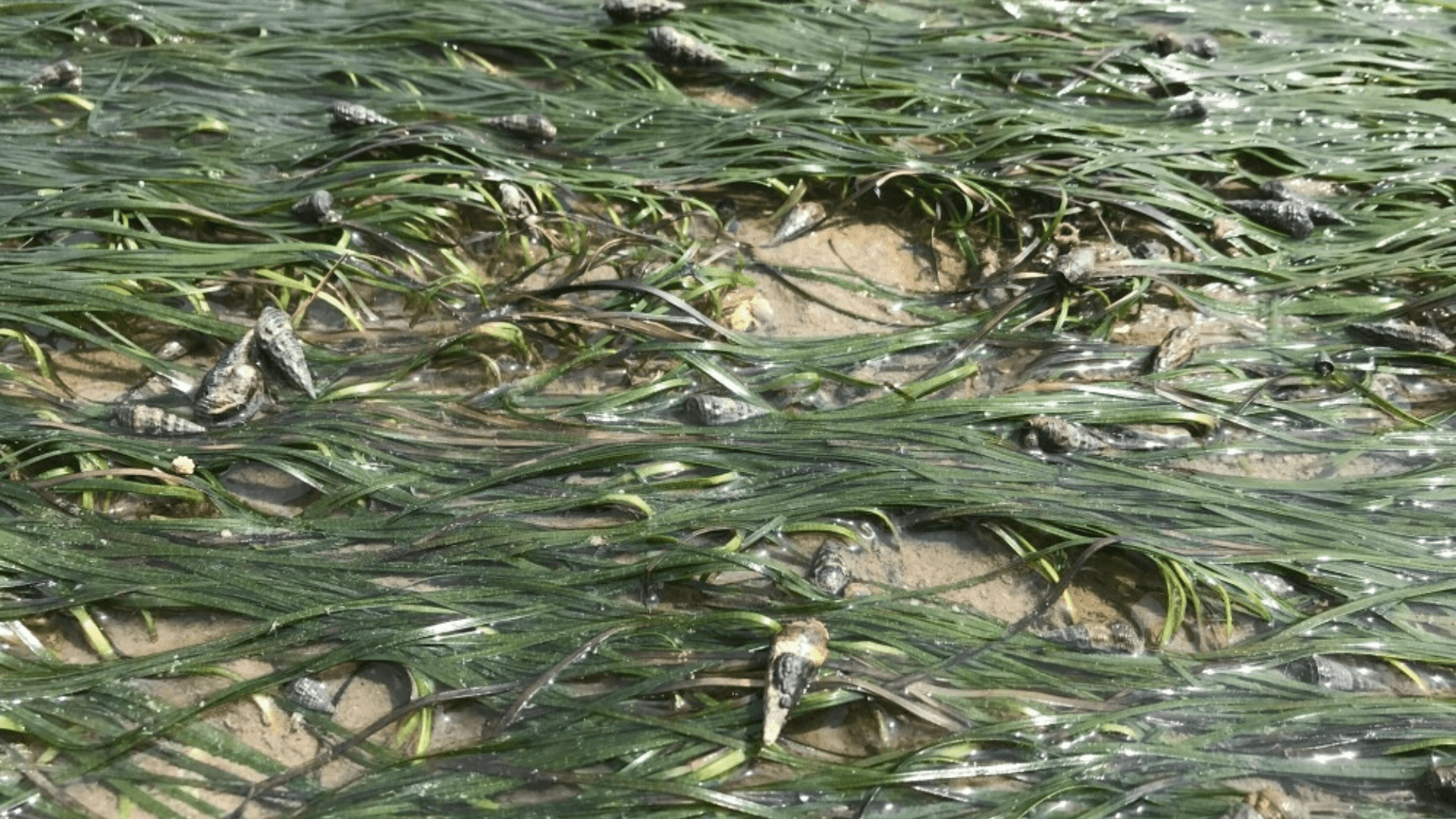
Seagrasses, foundational species in coastal ecosystems worldwide, are surprisingly few in documented diversity—with only about 70 species identified globally, despite their widespread distribution and ecological importance. Complicating matters, their high phenotypic plasticity within species makes precise classification challenging. Against this backdrop, a research team led by Prof. Zhou Yi from the Institute of Oceanology of the Chinese Academy of Sciences (IOCAS), in collaboration with researchers from Germany’s GEOMAR Helmholtz Center for Ocean Research Kiel and other institutions, has discovered cryptic speciation within Nanozostera japonica—a seagrass species common across the Northwest Pacific. The findings were published in New Phytologist. Co-existence of diploidy and triploidy within a population of Nanozostera japonica. Credit New Phytologist, 2025 Nanozostera japonica is rare among seagrasses as it’s able to thrive in both temperate and tropical-subtropical coastal zones. Native to the Northwest Pacific, it spread to North America’s Pacific coast in the early 20th century via oyster shipments. Its phenotypes vary sharply across geographic regions, and prior research using microsatellite markers revealed striking genetic differences between northern and southern populations—hinting that what is currently classified as Nanozostera japonica might include multiple species. To test this hypothesis, the team assembled high-quality, chromosome-level reference genomes from Nanozostera japonica samples collected in northern and southern China. They then conducted whole-genome resequencing of 17 populations spanning the Western Pacific. Genomic analyses showed the northern and southern clades diverged approximately 4.16 million years ago (Ma). Notably, the southern clade is more closely related to its European sister species Nanozostera noltii, with a more recent split at about 2.67 Ma. “The genetic divergence between these two clades exceeds typical intraspecific differences,” noted Dr. Zhang Xiaomei. The study also identified hybrids between the clades in their contact zone, all of which are first-generation diploids or triploids—with no evidence of higher-order hybrids. This pattern strongly indicates reproductive isolation, a key marker of distinct species. Further comparative genomic work revealed a massive ~42 megabase (Mb) chromosomal inversion with fixed differences between the clades, likely contributing to their reproductive separation. “This work shows that what we currently recognize as Nanozostera japonica actually comprises two distinct species,” said Prof. Zhou. “It provides critical insights for future seagrass classification and conservation strategies.” This marks the first time cryptic seagrass species have been identified using comprehensive population genomics. The study suggests seagrass diversity may be significantly underestimated, underscoring the need for more extensive population genomic research on these ecologically vital organisms. More information: This article is republished from PHYS.ORG and provided by the Chinese Academy of Sciences. Xiaomei Zhang et al, Uncovering the Nanozostera japonica species complex suggests cryptic speciation and underestimated seagrass diversity, New Phytologist (2025). DOI: 10.1111/nph.70355
Fieldwork notes from our summer seagrass seed collections
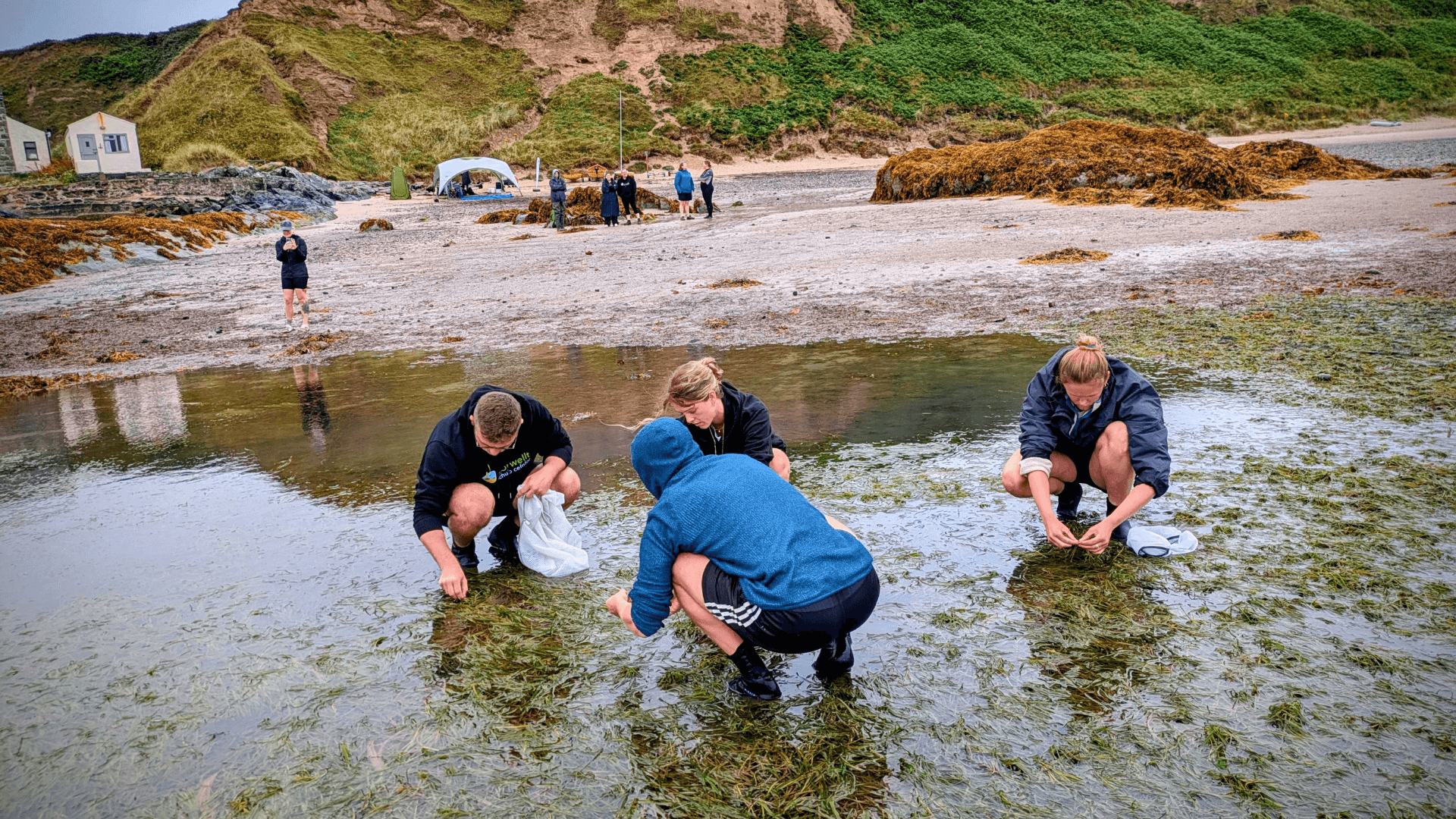
The Project Seagrass team have had another busy summer of seagrass seed collections! This year collections took place in Yarmouth, Ryde, and Bembridge on the Isle of Wight in the Solent, and in Porthdinllaen in North Wales. Find out more about how this summer’s collections went: Solent Seed Collection | 11th–17th July 2025 Day 1 The team arrived safely on the Isle of Wight on the 11th July to lovely sunny weather! We installed our keep net at Cowes Harbour – this is where the seagrass seeds are stored following daily seed collections ahead of being transported to Project Seagrass HQ at the end of the week where they are processed. Day 2 The Dive team headed out to Ryde Bay. After completing man over-board drills the divers entered the water to begin collecting seeds. The team managed 90 minutes underwater before the tide turned into too difficult conditions for the divers. The Intertidal team delivered the first Community Seed Collection event of the week. Today’s collection was at Yarmouth where we were joined by 5 volunteers. Hannah and Emma carried out a meadow health survey. Senior Science Officer and Solent Lead Anouska Mendzil collecting seagrass seeds in Yarmouth Volunteer snorkelers gathered on the beach at Yarmouth for a seed collection briefing Day 3 A hot but successful dive trip in Ryde Bay for the Dive Team! Today we had two pairs of divers in the water. The first pair completed a seagrass meadow assessment and then joined the second pair who were solely focused on seed collection. The team and the boat were working really well together, however unfortunately the weather was not in the team’s favour leading to a switch to shore diving for the rest of the week. The Intertidal Team delivered the second Community Seed Collection event of the week. Today’s event took place in Ryde. The team were joined by 8 volunteers including some repeat attendees from yesterday’s event. We were joined by photographer Francesca Page and colleagues from the University of Groningen/The Seagrass Consortium. Alongside the seed collection, Hannah and Ele carried out a survey of the meadow. Day 4 The Dive Team were joined by two new volunteer divers today, Ellie and Carly. Due to the weather conditions, the team were unable to go boat diving and instead went shore diving at Yarmouth Bay. Lots of seeds were collected making it another very successful day. The Intertidal Team were back at Ryde this morning for the third Community Seed Collection event of the week. Today we were joined by repeat volunteers photographer Francesca Page and colleagues from the University of Groningen/The Seagrass Consortium. Following the seed collection, members of the team met with our partners at Hampshire and Isle of Wight Wildlife Trust. Diver entering the water for seed collection Dive team aboard Gwen, preparing for seed collection Day 5 Today the Dive Team surveyed the seagrass meadow at Yarmouth and completed another seed collection. It was another blow out for the boat but a good opportunity to run through the shore diving protocol! The Intertidal Team were back at Yarmouth for a morning seed collection. Today the team were joined by members of The Seagrass Consortium. In the afternoon The Seagrass Consortium met to discuss collaboration and alignment. Days 6 & 7 The Dive team recovered Gwen before heading to Bembridge to determine if this could be another suitable site for shore diving. It ultimately wasn’t but a useful exercise! The Intertidal team delivered their final snorkel seed collection of the week. This collection took place at Bembridge and we were again joined by members of The Seagrass Consortium from the University of Groningen, Sea Rangers, and Office Français de la Biodiversité. The remainder of the day was spent preparing for our travel day back to Project Seagrass HQ. On the morning of our departure we collected the seagrass seeds from the keep net before heading back to South Wales where the seeds are now being processed. Members of the Project Seagrass team at Bembridge with members of The Seagrass Consortium Solent seagrass seeds retrieved from the keepnet and ready to travel back to Project Seagrass HQ North Wales Seed Collection | 26th July – 4th August Day 1 The team arrived safely in North Wales and headed straight to the beach at Porthdinllaen to set up Cabin Griff. We supported an initial seed collection event, providing shore cover for volunteers from our Seagrass Ocean Rescue partner WWF. Day 2 On Day 2 the Dive team launched Gwen and carried out meadow surveys. The Intertidal team had our first Community Seed Collection event. We were joined by partners from Pen Llŷn a’r Sarnau Special Area of Conservation and Ocean Wildlife Artist Oli Leger who brought his new artwork ‘Ambassador’ which he introduced to attendees. Project Seagrass vessel Gwen being prepared for deployment Ocean Wildlife Artist Oli Leger introducing his artwork Ambassador to people on the beach Day 3 Today the Dive Team installed the keep net and HOBO logger and carried out their first seed collection. Our Ambassador Jake joined the Dive team – today the divers collected 13kg of seeds! The Intertidal Team delivered another successful Community Seed Collection event. In the afternoon several members of the team attended a celebration event hosted by North Wales Wildlife Trust and Pen Llŷn a’r Sarnau Special Conservation Area. Storyteller and National Seagrass Action Plan project Manager Carl delivered a fantastic storytelling session. Day 4 Another successful day for the Dive team! 29kg of seagrass seeds collected today!!! Today the Intertidal team were joined by volunteers from WWF and our Seagrass Ocean Rescue programme funders the National Lottery Community Fund. After the volunteer session we were joined by Deputy First Minister Huw Irranca-Davies who joined us on the beach to collect seeds and learn more about the programme. Volunteers collecting seagrass seeds in Porthdinllaen North Wales WWF staff members collecting seeds in Porthdinllaen Days 5-10 The Boat team continued to carry out daily
Our open letter to Secretary of State for Environment, Food and Rural Affairs Rt Hon Steve Reed OBE MP
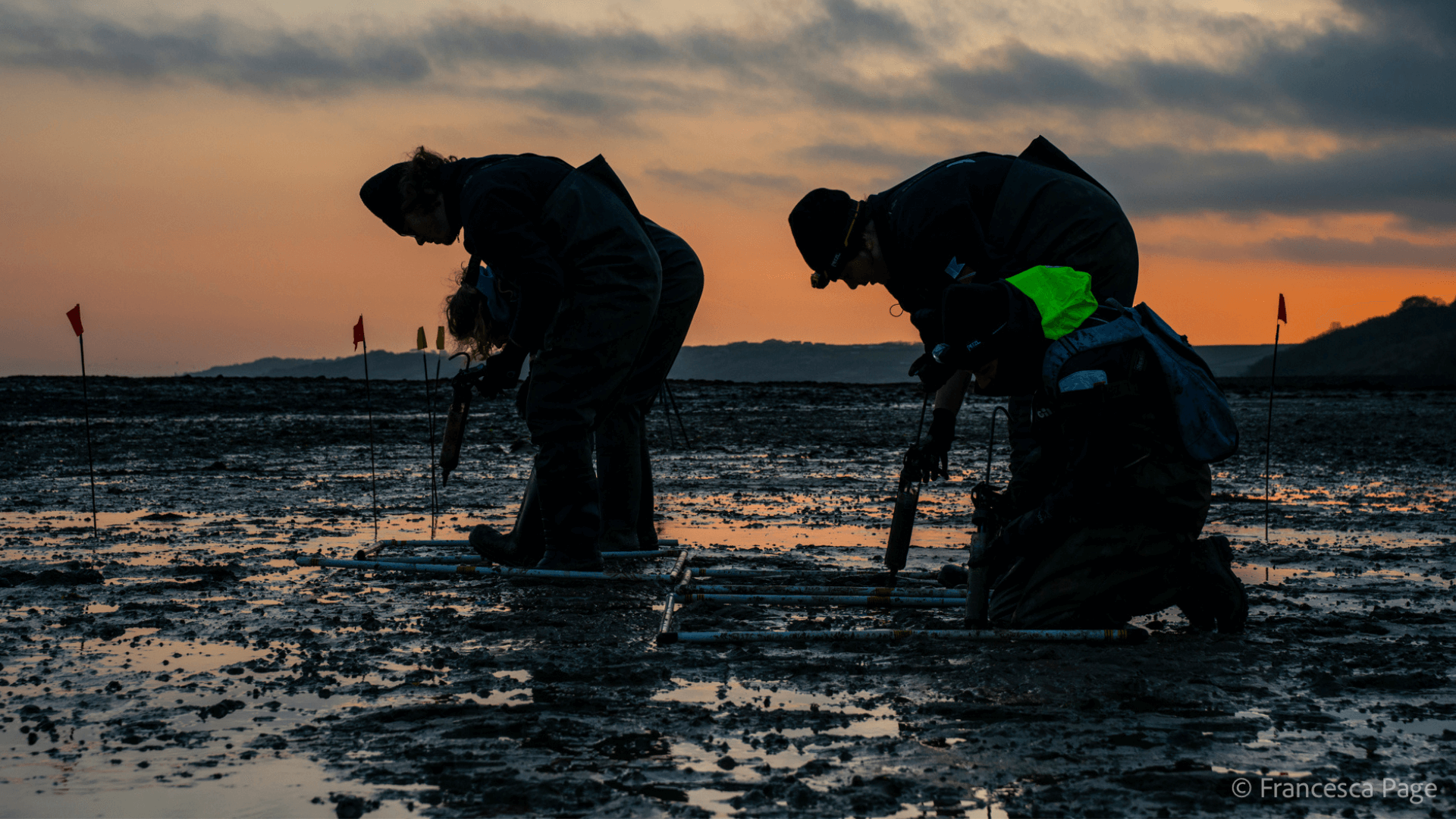
Dr Richard Unsworth, Chief Scientific Officer at Project Seagrass, along with 35 other leading scientists from across the UK, responds to proposals from the UK government to make licensing for marine restoration more complex and costly. Dear Rt Hon Steve Reed OBE MP and team, This letter sets out our response as leading scientists, practitioners, and NGOs to the DEFRA consultation “Marine licences: changes to fees, exemptions and self-service licences”. We believe the proposed increases in fees and restrictions for marine licences will seriously undermine restoration efforts, making an already difficult activity even more challenging and, in many cases, unviable. The current licensing system for marine restoration is already unjust and fundamentally at odds with the UK Government’s national and international commitments. To introduce additional fees, administrative burdens, and restrictions at this time is, quite frankly, perverse. We specifically oppose: Any increase in fees for marine restoration licences. The urgent need is to remove fees entirely, not add to them. Further restrictions and additional charges on marine restoration projects larger than 5 hectares (we need marine restoration exemptions from this). Evidence clearly shows that scaling up restoration delivers greater resilience and enhanced ecosystem service (natural capital) benefits compared with small, fragmented projects. We specifically request: Practitioners need DEFRA to create a simplified, consistent, cost-free, and science-based licensing system for marine and coastal conservation. Currently, licensing is one of the most significant barriers to restoring the health of the UK’s seas. We see these proposed changes under the consultation as a missed opportunity to create such a system. The urgency could not be greater. Our climate and natural systems are breaking down, and the ocean is in crisis. In each of the last three summers (2023–2025), UK seas have endured unprecedented marine heatwaves. Never before has there been such a critical need for healthy coastal ecosystems that can bolster resilience, buffer climate impacts, and support food security. Yet our habitats have been decimated and continue to decline with DEFRA’s own assessment concluding that the UK marine environment is failing on 13 out of 15 indicators. Marine restoration is not optional; it is essential for our collective future. Restoring and conserving ocean habitats is also a legal obligation. The UK is a signatory to the Kunming–Montreal Global Biodiversity Framework and, under the Environment Act 2021, has binding targets for nature recovery. These commitments require all public bodies, including seabed owners to conserve and enhance biodiversity. The UK has already missed the Aichi Biodiversity Targets, largely due to regulatory barriers of the very kind now being proposed. Repeating these mistakes would be indefensible. The benefits of a streamlined licensing system are profound. It would enhance our capacity to tackle the climate and biodiversity crises, strengthen coastal resilience, and improve national food security. International examples demonstrate that simplified frameworks accelerate recovery and generate long-term ecological and social benefits. At conferences such as ReMeMaRe, UKSS, and the Seascape Conference, frustration with England’s current licensing regime has been a recurring theme. The system is widely regarded as unpredictable, inconsistent, costly, and burdensome, treating restoration projects as if they damage rather than enhance the marine environment. This not only delays urgent work but risks deterring vital investment in ocean recovery. The state of our marine environment illustrates the scale of the problem: estuaries are degraded, mudflats retreating, saltmarshes fragmented, and most seagrass meadows lost. Remaining habitats are scarce and highly vulnerable to climate change. Immediate reform is essential. Wales and Scotland are already moving in the right direction. Dialogue and regulatory reforms are creating enabling environments for restoration. England must now do the same. Without urgent change, regulation will remain a barrier to the large-scale environmental renewal that is desperately needed. We no longer have healthy ecosystems to use as restoration baselines. Historic habitats such as oyster reefs have vanished, while global heating accelerates ecological change. Restoration must therefore look forward, building climate-resilient ecosystems that reflect future needs rather than only past states. To do so, we need a legal and regulatory framework that supports ambition. The Kunming–Montreal Framework and the Environment Act 2021 require bold action, but these targets cannot be met without enabling legislation. In addition to the consequences of further restrictions on marine restoration for biodiversity, we also believe these restrictions place further restrictions upon our ability to reach Net Zero, and therefore see this as an issue not only for DEFRA but also for DESNZ. We therefore call on the Government to act swiftly to reform the licensing system for marine and coastal restoration. This is a practical and achievable step that would deliver immediate benefits for biodiversity, climate resilience, and food security. As scientists and practitioners at the forefront of UK marine research and restoration, we would welcome the opportunity to meet with you and your team to discuss solutions and pathways for progress. Yours sincerely, Dr Richard Unsworth FRSB, FHEA Associate Professor (Swansea University), Chief Scientific Officer (Project Seagrass) Signed on behalf of the following: Prof Martin J Attrill, Professor of Marine Ecology, University of Plymouth Dr Dan Barrios-O’Neill, Head of Marine Conservation, Cornwall Wildlife Trust Prof Michael Chadwick, King’s College London Sarah Chatfield, Nature Recovery Partnership Manager, Chichester Harbour Conservancy Dr Leanne Cullen-Unsworth, Chief Executive, Project Seagrass Dr Aline da Silva Cerqueira, Sussex Bay & King’s College London Dr Tim Ferrero, Senior Specialist – Hampshire & Isle of Wight Wildlife Trust Zia Fikardos, Marine Policy Officer, Royal Society for the Protection of Birds (RSPB) Angus Garbutt, Principal Scientist, UK Centre for Ecology & Hydrology Chris Graham, Head of Ocean Regeneration, Marine Conservation Society Tom Godfrey, Founder, Earth Change Dr Ian Hendy, Coastal Ecologist, Senior Lecturer, University of Portsmouth Chloë James, Seagrass Project Officer, Cornwall Wildlife Trust Prof Chris Laing, University of Exeter Dr Sally Little, Nottingham Trent University Louise MacCallum, Solent Seascape Project Manager, Blue Marine Foundation Niall McGrath, CEO, Robocean Ltd. Anouska Mendzil, Senior Science Officer, Project Seagrass & Swansea University Nigel Mortimer, Estuaries Officer, South Devon National Landscape Estuaries Partnership Dr Simon J. Pittman, School of Geography
Project Seagrass celebrates opening of new Lab
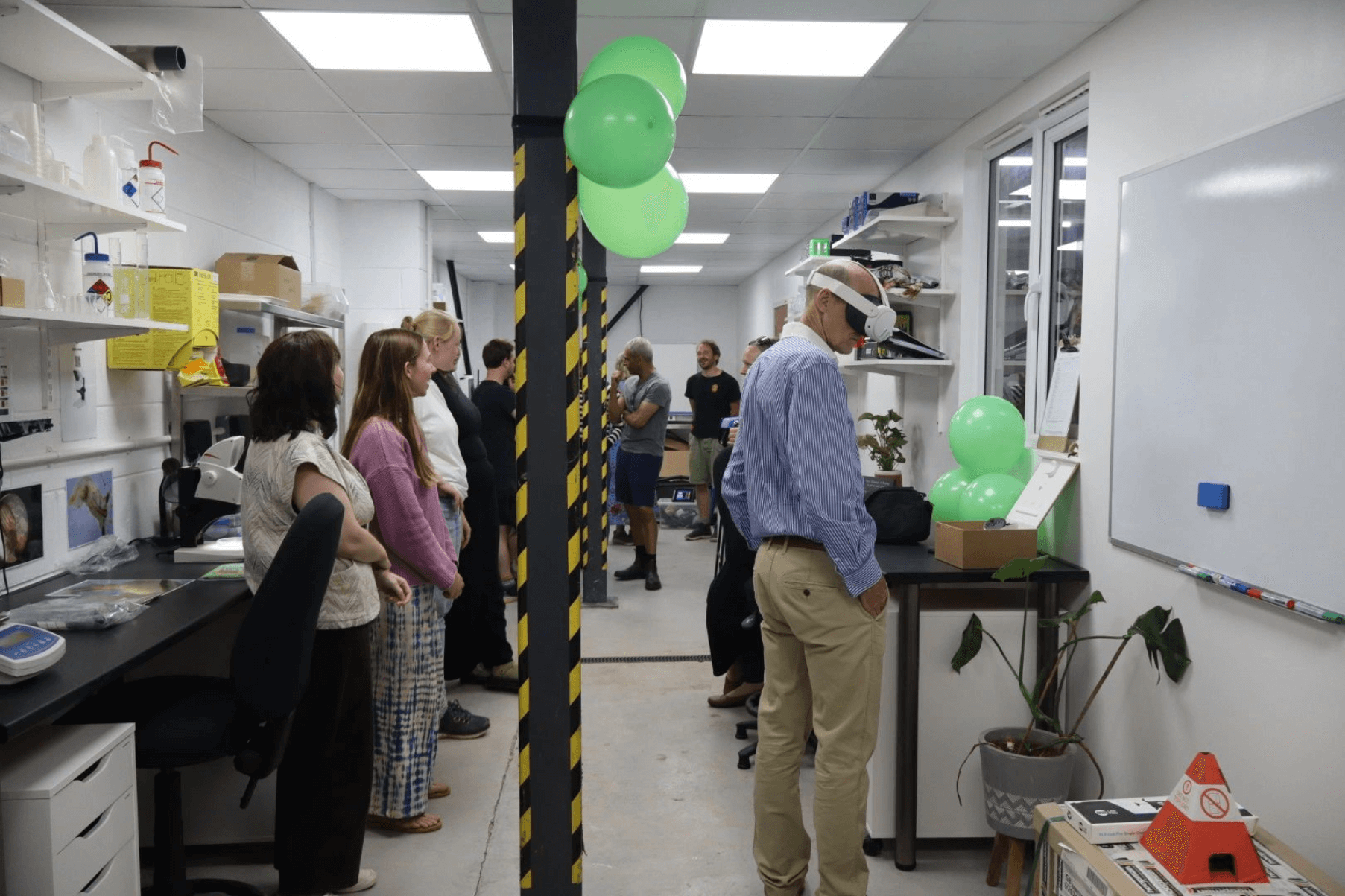
Last month marked the opening of a newly constructed laboratory facility at Project Seagrass’ headquarters in Bridgend, South Wales. Project Seagrass CEO Leanne Cullen-Unsworth said: “We’re delighted to be able to launch this fantastic new facility within our existing working space in Bridgend. Thanks to generous support from funders who share our core values, volunteers who supported the build, and a committed and passionate core team, we now have a functional in-house lab space that will contribute to advancing the science needed for scaled environmental recovery.” The creation of the facility was made possible thanks to the generosity of supporters Greenwood Place, the Hartwood Trust, and the Suggitt family who attended the official opening event hosted by the Project Seagrass team on 2nd July. Laura Suggitt said, “Seeing the Henry Suggitt Laboratory opened after years of dedicated hard work, fundraising, and commitment from the amazing team at Project Seagrass was a dream come true. It is a space that I can imagine my brother would have loved – which makes it all the more special. I know great things are going to happen here – the future of seagrass conservation and research is in safe hands!” The multi-functional workspace will enable a range of small-scale experiments to be carried out on site, alongside species identification, seed processing, sample preparation and storage, and maintenance tasks. The Lab will play an important role in Project Seagrass’ ongoing research work which underpins the organisation’s approach to seagrass restoration and conservation efforts across the UK and internationally. It will also complement the existing facilities at Project Seagrass HQ including the organisation’s large-scale seed processing systems. The space will add further educational value to Project Seagrass’ work with university students from across the UK who will be able to utilise the space as part of project work during their year in industry with the organisation. More details on year in industry placements can be found here. Project Seagrass is extremely grateful for the generosity and shared vision of our funders which has made the construction of the Lab possible. We would also like to thank Rob & Sam Petts (RP Property Maintenance) who volunteered their time to support the build.
Seagrass Nursery News

July 2025 Emily Yates, Seagrass Nursery Lead Introduction It’s that time of year when the sun is shining and seagrass meadows around the UK are filled with flowering shoots, laden with maturing seeds. Much of July has been dominated by seagrass seed collection fieldwork and preparing for the seeds to be processed in our purpose-built systems at Project Seagrass HQ. We’ve also been fortunate to have a very special visitor down to see the work happening at the site. Global Seagrass Nursery Network Seminar 8 We hosted the 8th Global Seagrass Nursery Network Seminar this month. A total of 29 attendees from 22 affiliations in 13 countries joined the seminar to hear talks from the UK, Hong Kong, New Zealand, Eastern Australia, Portugal and Western Australia. The overarching theme of a number of the talks were on failures with the aim to collectively grow from our experiences and lessons learnt. If you would like to know more about the Network and to participate, please contact: nurserynetwork@projectseagrass.org Seed collection for 2025 – Isle of Wight Seed Collection In mid-July I had the opportunity to head down to the Isle of Wight to join the team for seed picking. In total we snorkelled over three donor meadows across the Island collecting intertidal seed spathes while our dive team collected subtidal seeds at the same sites. There were a few early mornings where we were joined by enthusiastic volunteers as well as being joined by members of The Seagrass Consortium. In total our teams collected 57.5 kg of seed material which is now being processed at our facility at Project Seagrass HQ. The trip was also a good opportunity to catch up with some of the many groups we work collaboratively with. There was not one, but two Seagrass Consortium meetings held to discuss aligning and testing restoration methods across Europe. I also join Anouska (Senior Science Officer for the Solent) in meeting with Global Seagrass Nursery Network Members from the Hampshire and Isle of Wight Wildlife Trust where we discussed seed collection and importantly, plans for storage. North Wales Seed Collection Abi David Between the 26th – 31st July, I was up in North Wales collecting seeds at Porthdinllaen beach. Saturday was our longest day as we travelled up from Project Seagrass HQ and headed straight to the beach where we met with our WWF partners for our first seed collection session. After a successful first session of wading and snorkelling, we headed to our accommodation just down the road, where I was delighted to find a small farm onsite. I spent a good portion of my free time hugging chickens. On Sunday we had our second seed collection of the week with partners from PLAS SAC. We were also joined by artist Oli Leger, who brought his piece ‘Ambassador’, which is inspired by seagrass and the communities it supports. On Monday we had an early 5am start for our third seed collection. Despite the early hours, people were in good spirits and we managed to collect a good haul of seeds. The dive team installed a keepnet – where the collected seeds were kept during fieldwork – as well as a HOBO logger to track temperature and light data for the meadow. The dive team also carried out their first seed collection of subtidal seeds and collected 13kg of spathes. Unfortunately, on Tuesday the weather took a turn for the worse and some of us had to spend the morning holding down the event shelter. For this tide we met with more project partners from WWF and funders from the National Lottery Community Fund who assisted with seed collection. The dive team managed to beat their total from the previous day by collecting a massive 29kg of spathes! Our last community seed collection was Wednesday morning where we rounded up the week with another successful session of collection before the team split and some headed back home, whilst the dive and snorkel teams continued collecting for another week. Pendine Seed Collection Just like in the field we’ve been harvesting seed laden spathes from plants in the nursery. We recently noticed that spathes collected from our polytunnel had dropped their seeds! Abi has started taking measurements of widths, lengths, and seeds per ml to compare to the seeds produced by wild donor meadows. In total we’ve collected and sown 1,853 seeds in total, 1,029 are the first generation (where the parents’ plants are grown in the nursery from wild stock seeds) and 824 are second generation (where the parents plants are grown from seeds produced in the nursery). We have also had a small number of seeds from the outside pond first generation too! These have all been sown and we’re monitoring for the first signs of emergence – hopefully some little seagrasses will appear soon! Cardiff Fieldwork Emma (Senior Science Officer for South and West Wales) and I headed out for a day of fieldwork at our Cardiff site. While there, we assessed the nursery transplants and DIS hugs from the planting back in March/April. We’ve been looking at optimal methods for out-planting from the nursery, comparing plants moved out in large and small coir, hemp bags, indoor and outdoor transplants). Whilst there was a loss from the original number of transplants planted there were plants stoically persisting. Local MP Visit We had the pleasure of welcoming Ann Davies, our local MP for Caerfyrddin (Carmarthen) down to the site. Ann joined us for a tour of the seagrass nursery and wider site to hear about how our project has developed over the years and our big ambitions for the site. It was a great to chat to Ann and her team about the importance of creating green and blue jobs in rural communities in Wales.
Seagrass-Watch & Restoration Update – North Wales
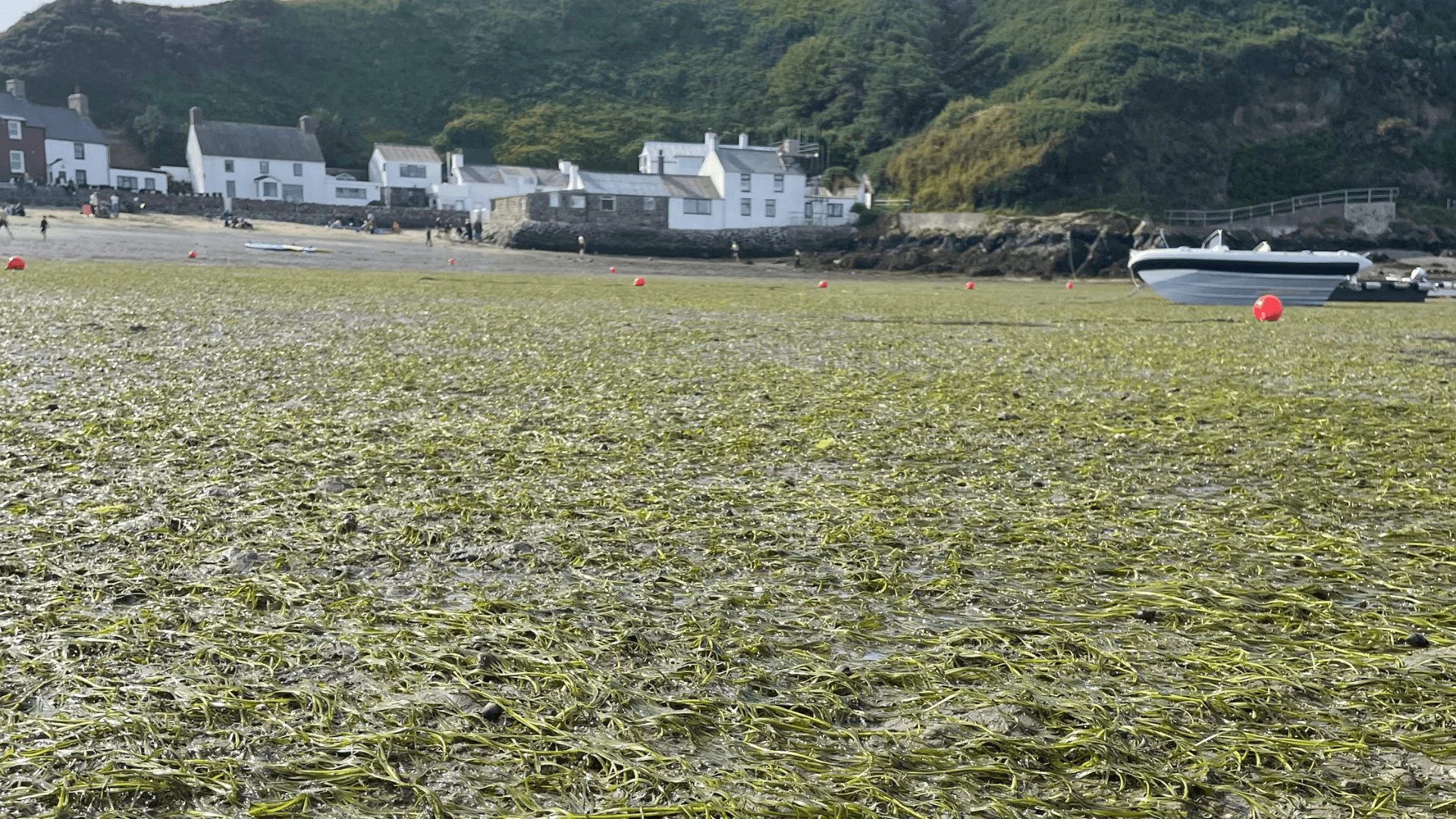
Earlier this year, Project Seagrass welcomed Rhys Bowen to the team to support our work in North Wales as part of the Seagrass Ocean Rescue North Wales programme. This follows on from Rhys’ involvement in the programme during 2024 where we worked as one of the Marine Futures Interns at our Seagrass Ocean Rescue partner, the North Wales Wildlife Trust. Rhys splits his time between Project Seagrass and North Wales Wildlife Trust. In this blog article Rhys reflects on recent seagrass monitoring he has been involved with in North Wales: Over the past few months, I’ve had the privilege of monitoring several key seagrass meadows and restoration sites across North Wales. These meadows, both old and new, play a vital role in our national marine conservation efforts. Seagrass Watch at Porthdinllaen, Llyn Peninsula In May, with the help of Dylan and Reece from North Wales Wildlife Trust, I conducted monitoring at our longstanding seed donor site in Porthdinllaen. We used the internationally recognised Seagrass Watch protocol which has been implemented at this meadow since 2015 and follows a rigorous, standardised approach. Using 50 cm² quadrats along three fixed transects, I collected data every 5 meters on: Seagrass cover. Epiphyte and algal presence. Average leaf lengths. This consistent monitoring at the same locations allows us to track changes in seagrass health over time and helps inform both conservation and restoration strategies. Seagrass meadow at Porthdinllaen. Photo Credit Rhys Bowen Project Seagrass Seagrass Watch monitoring at Porthdinllaen. Photo Credit Rhys Bowen Project Seagrass Restoration Efforts on Ynys Môn (Anglesey) As the Seagrass Ocean Rescue programme entered its fourth year, we continue to strive towards our goal to plant Zostera marina over an area of ten hectares across North Wales between 2022 and 2026. This year, at Penrhos and Penrhyn on Anglesey, we planted nearly 1 million seagrass seeds using two methods: The DIS (Dispenser Injection Seeding) technique. A manually powered seeding machine, developed by The Fieldwork Company designed to efficiently distribute mud-seed mixtures over large areas. Both methods have proved effective and the machine quickly won fans among our volunteers! Of which, none of this would be possible without the incredible support from our community groups, dedicated local volunteers, and the amazing Ocean Rescue Champions at the North Wales Wildlife Trust. Massive thanks to everyone who braved the weather and mud with us! As someone who is new to restoration, it was eye-opening to be a part of this ongoing work and witness the precision and care that goes into giving these tiny seeds the best chance of developing into healthy adult plants and meadows. First Signs of Growth In late June over the spring tides, I returned to Holyhead Bay with volunteers to assess the seagrass we had planted out in spring. We used 1m² quadrats to count seagrass shoots and measure leaf length and epiphyte coverage withing our planting plots. Following this period of monitoring I’m thrilled to report: Seagrass is growing across nearly all our planted plots. Shoots from both planting methods (DIS and Seeding machine) have emerged. Some leaves have already reached lengths of 12 cm and appear healthy. Monitoring will continue throughout the year alongside collection of environmental data. This will continue to inform and support our restoration work. The Seagrass Ocean Rescue team would like to thank the partners and volunteers for their continued support. Keep an eye out for more opportunities to get involved by signing up to our newsletter! Seagrass Watch Monitoring in Porthdinllaen
The Sea Hare: Creatures that call seagrass home
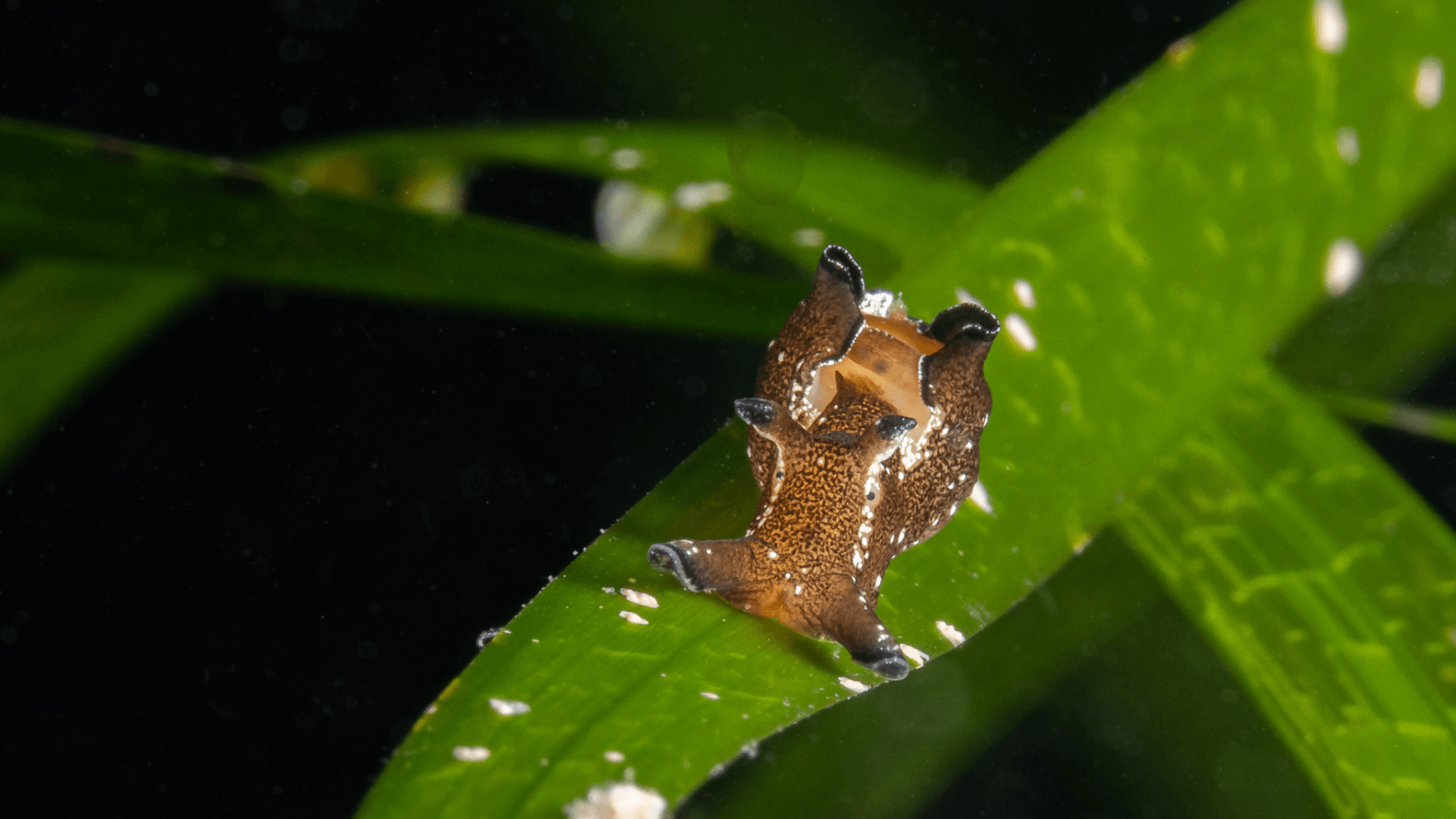
In a new blog series, our Conservation Trainee Abi David explores some of the amazing creatures that call seagrass meadows their home. Sea hares are odd looking creatures. They are mostly soft bodied but have a small internal shell, which separates them from their close relatives – sea slugs. The sea hare gets it name from the two rhinophores sticking out from the top of the head as they look like the ears of hares. However, these appendages aren’t used for hearing, but for taste and smell. A sea hare’s favourite snack is seaweed, but they also eat seagrass. Interestingly, the colour of the seaweed species most prominent in their diet influences the colour of the sea hare individual, for example: diets made from mostly sea lettuce will lead to a green body colour and reddish-maroon sea hares will be eating mostly red seaweeds. Sea Hare on seagrass. Photo Credit Lewis M Jefferies A Sea Hare within an Orcadian seagrass meadow. Photo Credit Lewis M Jefferies When threatened, they can produce a cloud of ink which the sea hare can hide in to confuse predators. Scientists have found that this ink has antibacterial properties, thought to be useful in healing wounds and combating harmful bacteria. Additionally, they can produce a slime on their skin which makes the sea hare less tasty and puts predators off from eating it. Sea hare species can range from 2 to 70cm, but the ones found around the UK – Aplysia punctata or dotted sea hare – are on the smaller size of 7 – 8cm and can be found throughout the year in rock pools and shallow waters. They lay their eggs in long string-like structures attached to seagrass, with the seagrass meadow acting as a nursery environment when the eggs hatch. They are hermaphrodites, meaning individuals have both male and female mating organs. Despite this, they still reproduce with others, usually in a line with multiple individuals. Sea Hares in seagrass As well as seaweeds, sea hares will consume seagrasses too. As with many marine species, seagrass meadows provide an important nursery habitat. By attaching developing eggs to seagrass leaves, the eggs are protected from strong currents and predators, as well as providing a food source for newly hatched sea hares. Some species, such as the Phyllaplysia taylori or eelgrass hare, live solely on seagrass. Evidence has shown presence of sea hares increases seagrass productivity as a result of grazing on epiphytes on the leaves. A build-up of too many epiphytes will block the leaves ability to photosynthesize, so these little creatures can be very handy for us seagrass scientists! Sea Hare (with egg strings) on a blade of seagrass. Photo credit Lewis M Jefferies But do sea hares benefit society? Yes! They form an important part of diets around the world. For example, in Hawaii, people wrap the sea hare in to leaves and cook it in an underground oven, called an imu. In the Philippines, egg strands, known as lokot, are eaten raw with vinegar and spices. Samoa, Kiribati and Fuji also have sea hares as part of the traditional diet. Often it is women that will go out and collect the sea hares at low tide on mudflats and seagrass meadows and then sell them at markets, so sea hares have an important economic benefit to these societies too. For further information about how grazers such as the sea hare are beneficial to seagrass, look at this article.