UN endorsed Seagrass Symposium hosted in Welsh capital

The UK Seagrass Symposium 2025 took place in Cardiff last week, bringing together scientists, conservation professionals, practitioners, and community groups from across the UK. Hosted by Project Seagrass, the event was the first in the UK Seagrass Symposium (UKSS) series to receive endorsement as an official Ocean Decade Activity as part of the United Nations Ocean Decade. Deputy First Minister and Cabinet Secretary for Climate Change and Rural Affairs, Huw Irranca-Davies delivered the opening address, and said: “Restoring seagrass and saltmarsh habitats in Wales is crucial for tackling the climate and nature emergencies we face. I am incredibly proud of what Seagrass Network Cymru is achieving and the development of Wales’ own National Seagrass Action Plan. “Project Seagrass’s community-focused approach will provide a blueprint for national implementation, supporting sustainable green jobs across Wales now and into the future.” A UK Seagrass Symposium in Wales is fitting following the Welsh Government’s endorsement of the National Seagrass Action Plan for Wales earlier this year, the first commitment of its kind globally. The event took place at Techniquest in Cardiff Bay and saw over 200 delegates come together to drive forward discussions and actions to protect and restore UK seagrass. Dr Leanne Cullen-Unsworth, CEO of Project Seagrass and inaugural Chair of Seagrass Network Cymru said: “I am delighted to have brought the second UK Seagrass Symposium to Wales. The event has been a tremendous success — it has strengthened the collaborations between scientists, practitioners and policymakers across the UK, and highlighted that the National Seagrass Action Plan for Wales is now providing a blueprint for other nations. Alongside an international alliance of seagrass practitioners, we are leading the way, moving from vision to action, restoring meadows, shaping policy and protecting our marine heritage.” The collective action and collaboration fostered by the UK Seagrass Symposium is key to addressing the challenges that UK seagrass currently faces. The Symposium was sponsored by Welsh Government, The Crown Estate, National Grid UK, ACT Sustainably, Scottish and Southern Electricity Networks, Blue Robotics, and Frontiers. Thank you to our UK Seagrass Symposium Sponsors The event was the first in the UK Seagrass Symposium (UKSS) series to receive endorsement as an official Ocean Decade Activity as part of the United Nations Ocean Decade.
My Seagrass Adventure: New immersive VR experience launched
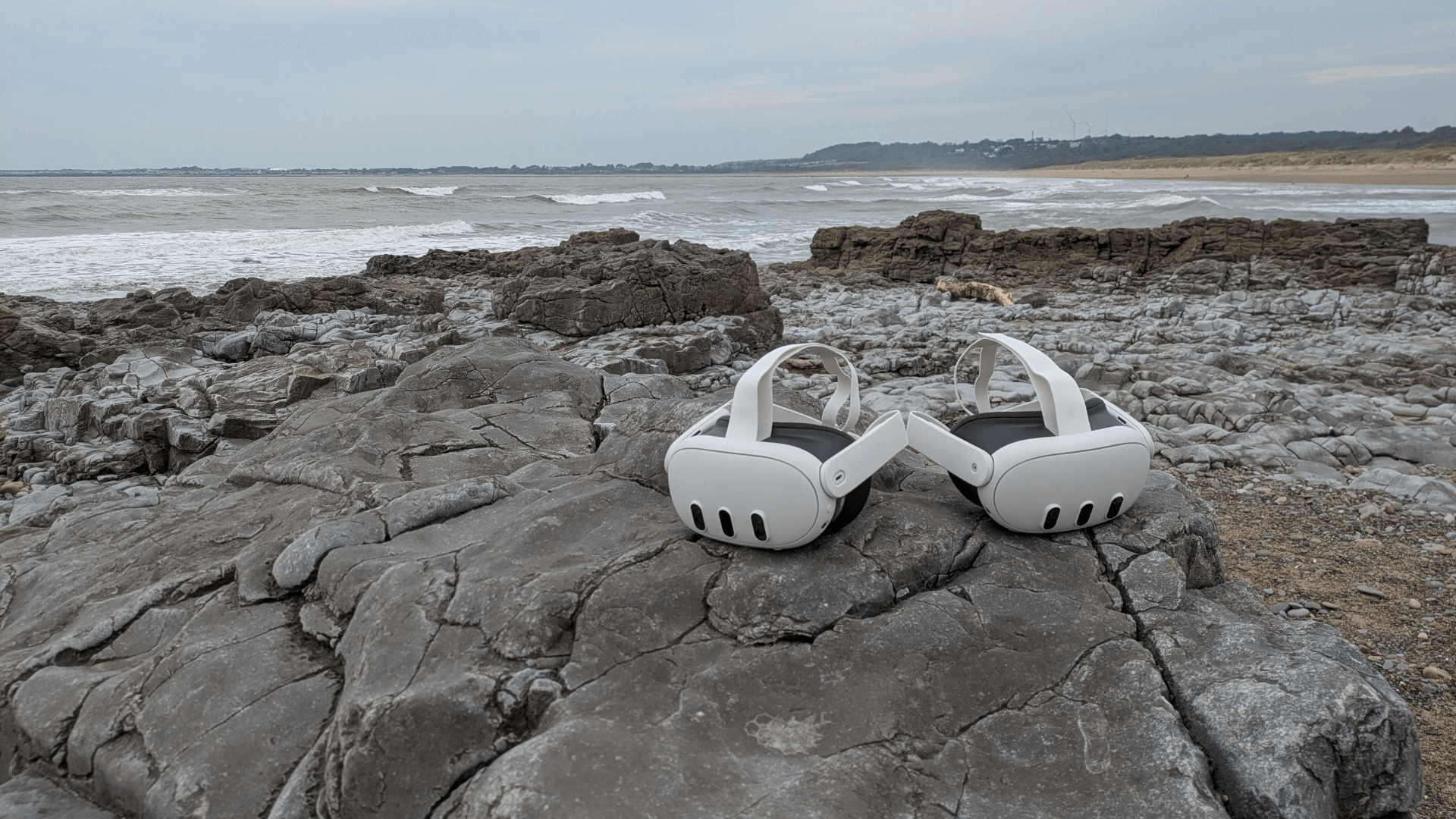
On the 25th and 26th October, the team from Project Seagrass attended Swansea Science Festival to launch new VR experience: My Seagrass Adventure. The experience has been created as part of an innovative partnership between Project Seagrass, Proper Good Films, and Onyva Studio and takes users on a mesmerising journey through the UK’s seagrass meadows. Featuring music from Project Seagrass’ patrons Coldplay and narration from Simon Pegg, My Seagrass Adventure allows users to explore a variety of creatures that call seagrass meadows home and learn about the importance of the UK’s seagrass habitats. The experience aims to widen awareness of seagrass habitats and allow communities who wouldn’t ordinarily have the opportunity to see seagrass to connect with the habitat. Dr Leanne Cullen-Unsworth, CEO of Project Seagrass said: “This project has been a fantastic opportunity to create an immersive experience that allows anyone to explore the sights and sounds of our incredible UK seagrass meadows. One of the key challenges we face with seagrass, as with many marine ecosystems, is that it largely exists out of sight. By giving people virtual access to these underwater habitats, we can connect with many more people and plant the seed of seagrass appreciation. After all, we need to know about something and understand its value before we can truly care about protecting it.” Andrew Brown, Creative Partner at Onyva Studio said: “It’s been great working with the team at Project Seagrass to bring this experience to life. Seeing people put the headset on at an event and feel like they are really diving down to the ocean floor is thrilling. We’re super proud to have been part of such an important and exciting project.” Ben Mann, Managing Director at Proper Good Films said: “This was a fantastic collaboration between Project Seagrass, Proper Good and Onyva. We loved being part of such a meaningful project, aiming to raise awareness of the importance of seagrass for marine habitats. Having Coldplay and Simon Pegg involved really elevated it to a really impactful, meditative and inspiring immersive experience.” Held at the National Waterfront Museum in Swansea, over 250 people had the opportunity to experience My Seagrass Adventure as part of its official launch. The VR experience has been made possible due to the generous support of a range of funders and partners including Project Seagrass’ patrons Coldplay, Simon Pegg, Swansea University, ERM Foundation, the Seagrass Ocean Rescue: North Wales programme, Richard Unsworth, Rebecca Cullen, and many members of the Project Seagrass team who have contributed to this project.
Seagrass to the rescue and rescue to the seagrass
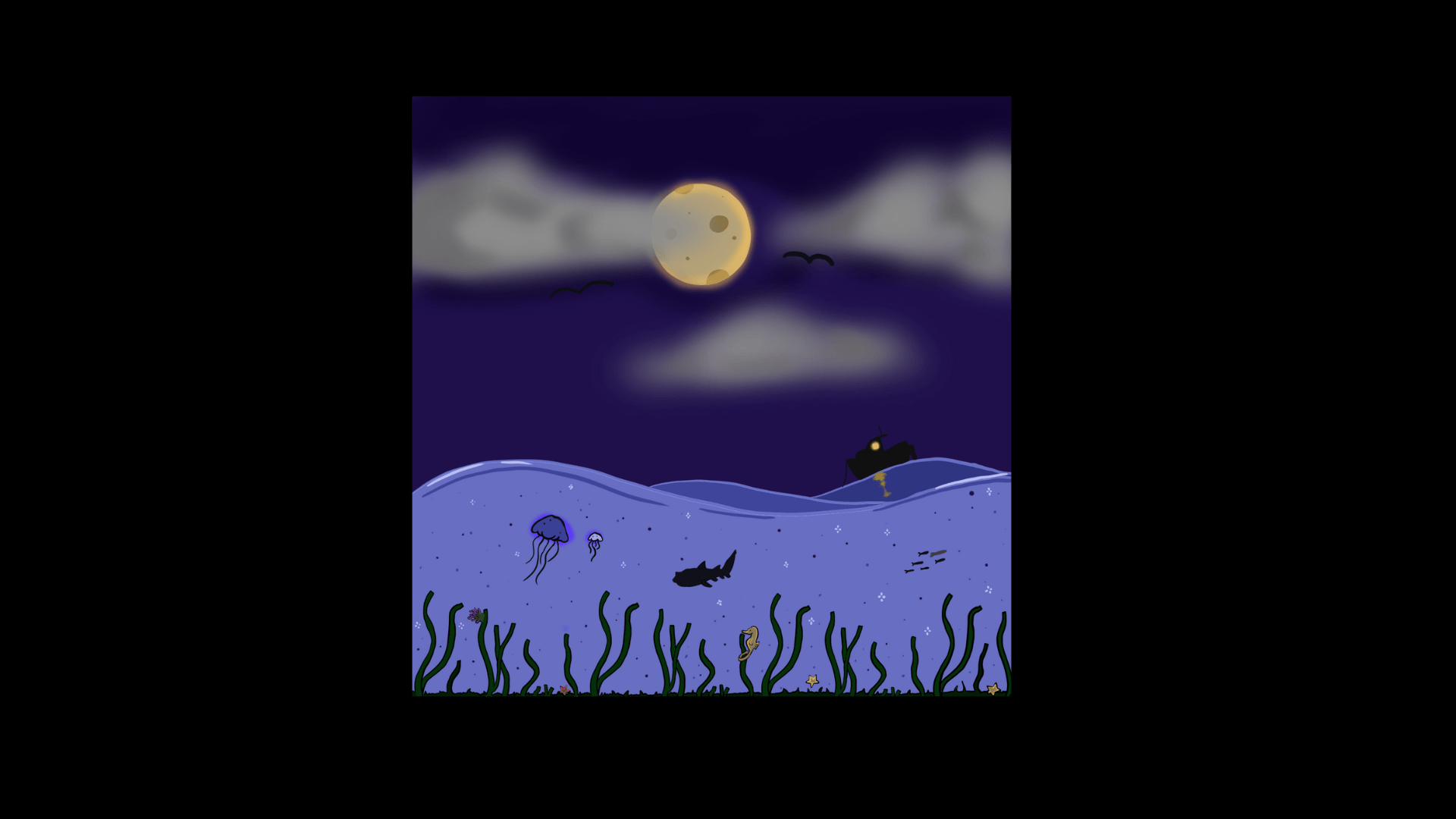
In an article for Halloween, Grace Cutler, one of Project Seagrass’ Interns for the 2025-26 academic year, explores the frightening reality of continued seagrass loss as a result of anthropogenic activity and how this in turn threatens seagrass’ role in supporting people and planet. Werewolves are struck down by silver bullets, vampires are defeated with wooden stakes; the environment is protected by seagrass. While it may not be as dramatic, the narrative that aligns seagrass as the ultimate solution to combating the environmental crisis is popular. As someone studying this remarkable habitat, it’s easy to see why. The only marine flowering plant in the world, seagrass offers numerous ecological benefits, supporting both our planet and humanity. Despite this, we risk ignoring the crux of the issue by relying on these green solutions. We keep polluting. It is because we continue to pollute our environment, be it through greenhouse gases, plastic pollution, or general waste production, that the very things that help to prevent the environmental crisis, are dying. A Natural Water Filter? While seagrass may not clean water bodies, it increases particle deposition rates by slowing the speed of waves and allowing more time for particles to sink to the ocean floor. Particles can then become trapped in the seagrass meadow and are prevented from ending up elsewhere in waterways. This process has been shown to capture excess nutrients, waste products, and even pathogens. A study conducted in the greater Seattle Metropolitan Area showed that mussels placed in seagrass habitats had 65% less relative abundance of some pathogens when compared to mussels placed in habitats without seagrass. Yet, the most apparent threat to seagrass, identified by UK researchers, is water quality. Like most plant species, seagrass can function in polluted water quality up to a point or ‘threshold value’. Similar to how humans can eat a certain number of toffee apples until it becomes too much and we get a sugar crash. Once this threshold is exceeded, seagrass will decline and, in some severe instances, disappear from the environment entirely. One such instance can be seen in the Chinese province Hainan, where researchers found that a dissolved inorganic nitrogen concentration of 8μM or above will cause seagrass meadows to disappear. This is because an excess of nutrients in water bodies, like nitrogen, stimulates the production of algae which blooms on the surface of the water and prevents sunlight from reaching seagrass beds. Additionally, some nutrients like ammonium and sulphides can have direct negative effects on seagrass growth. Fortifying our Coastlines Imagine a castle that is under attack. If it is strong and maintained, the castle will be better at defending itself against intruders. However, the next time it is under attack, there are holes and weak points left in it from the previous battle. Over time, this castle falls into disrepair and becomes a ruin, leaving it unable to protect its inhabitants. Seagrass is similar. Its inhabitants are our coastlines. Coastlines today are facing threats on all fronts. Sea level rise, extreme storms, and erosion are just some of the problems they experience. With that said, some have considered using seagrass as a way of minimising the impact of storms causing erosion in these areas. Through their matted root systems, called rhizomes, seagrass meadows have been shown to improve the stability of sediments and reduce wave energy before it reaches the shore in some hydrodynamic systems. Yet, seagrass is also harmed by these storms. Meadows that are struck by intense physical disturbances can be uprooted or die back, initiating a positive feedback loop where meadows in decline are more vulnerable to disturbances. This means when the next storm hits, seagrass not only will be more susceptible to decline, but they are also less able to protect our coasts. What About Carbon? Carbon storage is a phrase often thrown around. It may be the key reason why people are interested in seagrass as an answer to climate change. With anxiety surrounding our warming planet on the rise, this isn’t unprecedented. However, seagrass may not be quite the antidote we think it is. Recent evidence has shown that following disturbances, carbon stored in the soil of meadows may be re-released into their environment as carbon dioxide. Such disturbances can range from direct physical effects, such as dredging and construction work, or indirect global threats stimulated by climate change. A 2011 marine heat wave struck the West-coast of Australia, causing the reported loss of over 1000 km2 of seagrass in Shark Bay. Another instance of mass seagrass loss occurred in the Gulf of Mexico, where two seagrass species (Halodule wrightii and Syringodium filiform) disappeared following sea level rise in 2014. Without seagrass, the carbon stored in these soils is easily remineralised and released back into the environment. What’s Next? Thankfully, the main factor contributing to seagrass decline appears to be anthropogenic impacts such as dredging, overfishing, and agricultural runoff. This means that with changes in how we do things, we can stop the death of seagrass. However, this means seagrass mustn’t be painted as a plaster to patch up the pollution of the planet. To help seagrass, we must reduce pollution, reduce nutrient runoff, protect seagrass so it can protect us! References Ranking the risk of CO2 emissions from seagrass soil carbon stocks under global change threats Extreme climate events lower resilience of foundation seagrass at edge of biogeographical range Too hot to handle: Unprecedented seagrass death driven by marine heatwave in a World Heritage Area Rapid sea level rise causes loss of seagrass meadows Seagrass ecosystems as green urban infrastructure to mediate human pathogens in seafood Toxic effects of increased sediment nutrient and organic matter loading on the seagrass Zostera noltii Losses and recovery of organic carbon from a seagrass ecosystem following disturbance Continual migration of patches within a Massachusetts seagrass meadow limits carbon accretion and storage Mediterranean seagrasses provide essential coastal protection under climate change
Snakelocks anemone: Creatures that call seagrass home
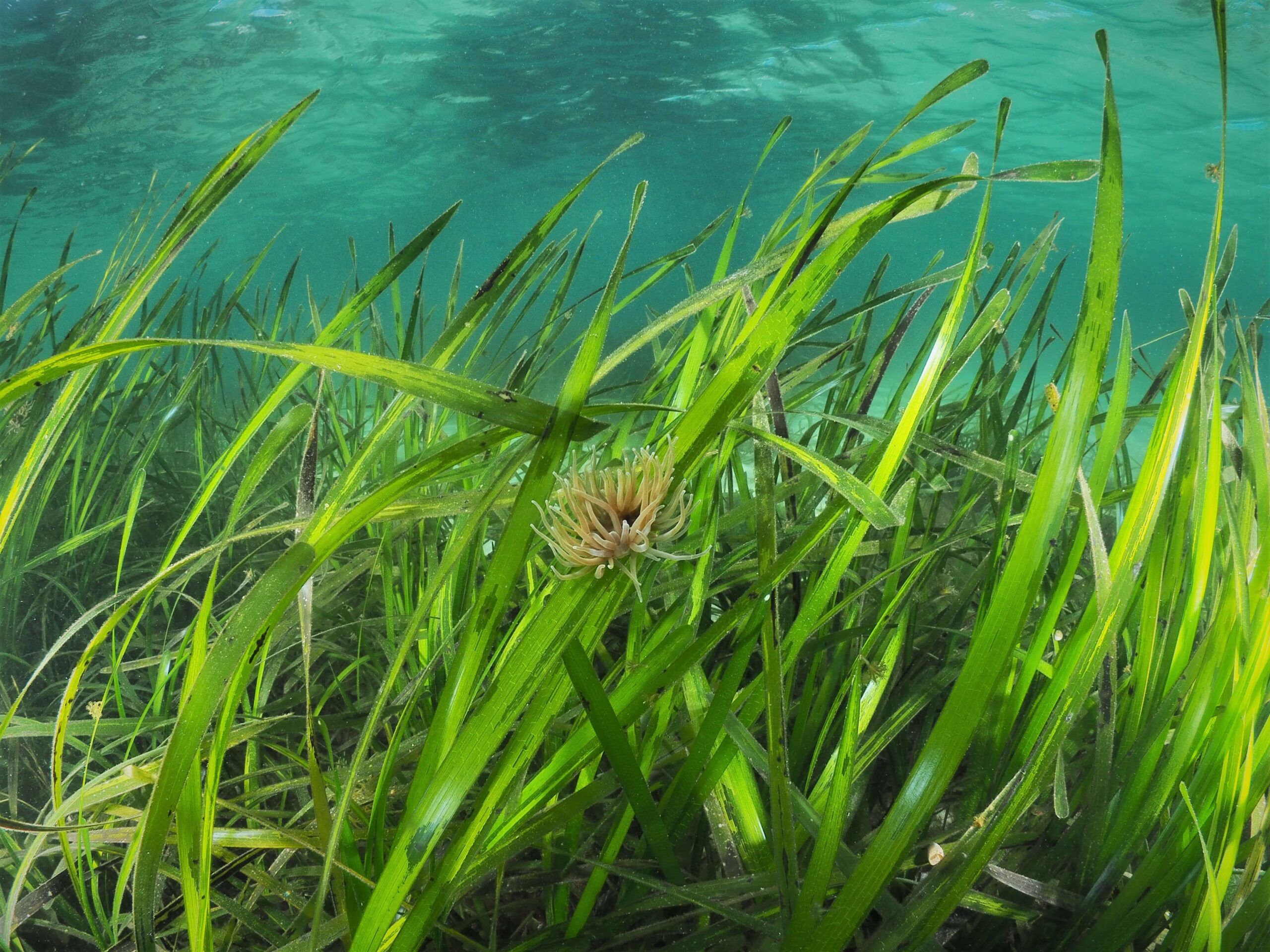
In a new blog series, our Conservation Trainee Abi David explores some of the amazing creatures that call seagrass meadows their home. The snakelocks anemone is a funny looking creature commonly found around the UK. They have up to 200 long, wavy tentacles and can grow on average to about 8cm wide. These anemones are common in rock pools as they like to attach themselves to a solid surface in sunny spots, however they are also commonly found attached to seagrass leaves. Their diet generally consists of plankton, tiny crustaceans, and small fish. To catch live prey, they use sticky stinging cells in their tentacles called nematocysts which emit a paralysing, sometimes lethal, venom on contact. This venom is mostly harmless to humans, generally only causing a small rash on contact. Snakelocks anemones in the Isle of Wight Snakelocks anemone tentacles are usually a deep green with purple tips. A symbiotic algae called zooxanthellae located in the tissue helps the anemone to survive by producing essential nutrients like glucose via photosynthesis. In return, the algae receive a safe stable environment to live. Due to this need for photosynthesis, the anemone needs light so generally won’t live more than 12 meters deep. Unlike other anemone species, the snakelocks rarely retracts its tentacles, allowing them to make the most of any sunlight. A recent study discovered that snakelocks anemones move their tentacles throughout the day to follow the sun whilst its body remains in one place, similar to sunflowers! This is commonly seen in plants, but never before in animals. It is thought this movement is caused by the algae living within their tentacles. You can read more about this here. The snakelocks anemone is a Cnidarian – a group of aquatic invertebrates also including jellyfish and corals. Cnidarians have a fascinating life cycle but to put it simply, they generally have 2 body forms – a swimming medusae and a sessile polyp stage and can reproduce either sexually or asexually. However, the snakelocks anemone completely lacks the free-swimming medusa stage. This means once the sperm and eggs are fertilised, which happens externally in the water column, the larvae drop down to create another polyp from which tentacles will grow. A more common method of reproduction is longitudinal fission. This asexual method involves the anemone splitting in half to create 2 identical individuals. This process can take between a couple of minutes to a few hours. So what is a snakelocks anemone’s relationship with seagrass? These anemones are commonly found in seagrass meadows around the UK. They attach and live on the leaves, providing the anemone with a stable, sunny habitat. The seagrass protects the anemones from drying up at low tide, meaning the anemone can be in shallower waters and get more sunlight without the risk of desiccation. Are snakelock anemones an important species? Of course! Every species has an important ecological niche, i.e. a role it plays within its environment that helps maintain a healthy functioning ecosystem. Some small creatures like to live within the tentacles of the snakelock anemone, such as the incognito goby, shrimps and Leach’s spider crabs. The tentacles of the anemone provide shelter and protection from predators. Human populations also use snakelocks anemones. For example, in southwest Spain and Sardinia it is a common dish, served marinated in vinegar and deep fried.
Rethinking Marine Restoration: Why Permits Could Be Holding Us Back
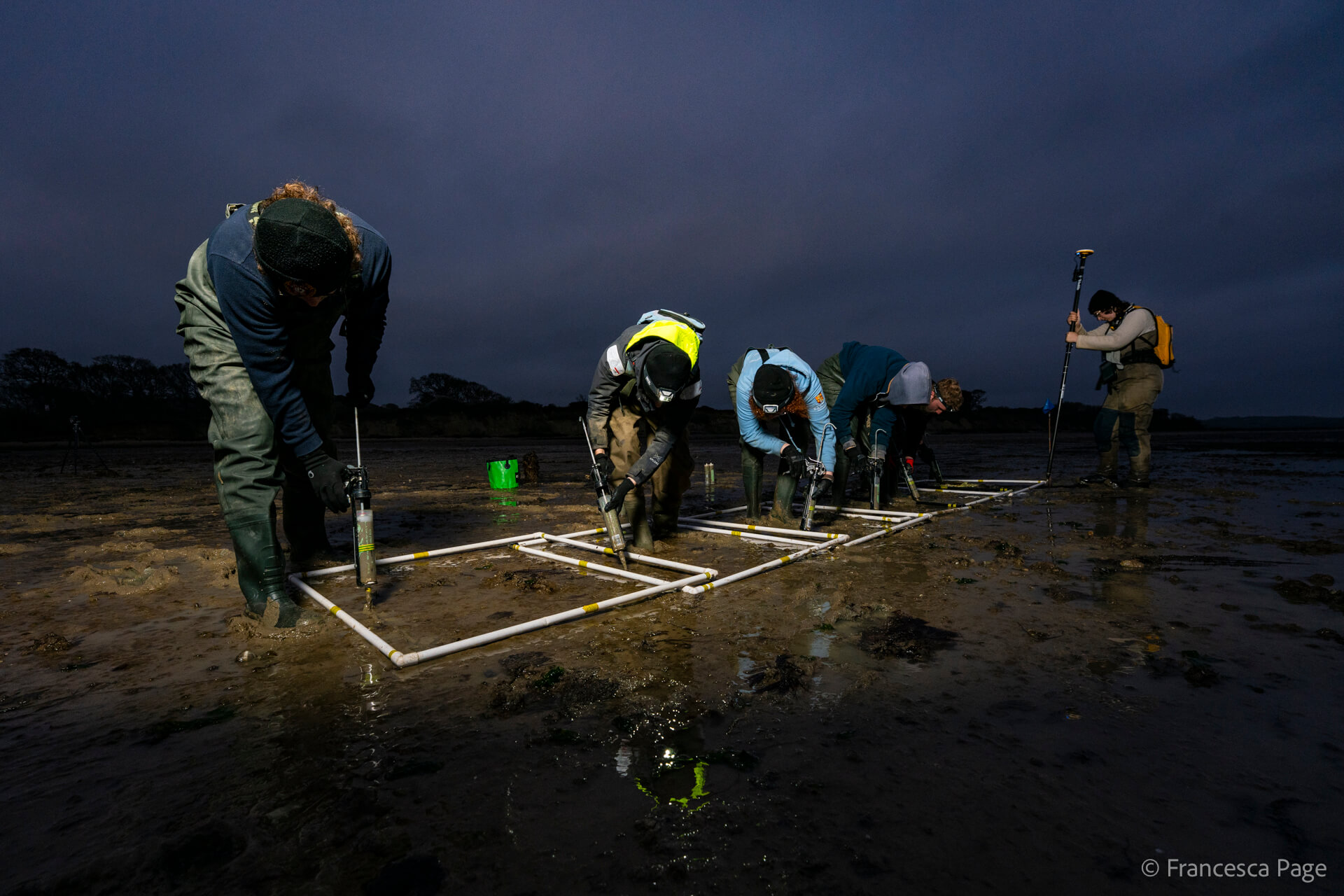
The Ocean is in crisis. Coral reefs are bleaching, seagrass meadows are vanishing, mangroves are being cleared, and biodiversity is plummeting. Scientists estimate we’ve already lost up to 50% of global saltmarshes, 35% of mangroves, and 20% of seagrasses. Yet alongside this sobering decline, momentum for marine restoration has never been greater. The United Nations’ Decade on Ecosystem Restoration (2021–2030) and the Kunming–Montreal Global Biodiversity Framework both set ambitious targets: restoring 30% of degraded ecosystems, including those underwater, by 2030. So the question is: if the will, the science, and the funding are building, what’s holding us back? According to a team of 25 scientists and practitioners from 18 countries, one of the biggest obstacles isn’t just the technical challenge of restoration itself, it’s the licensing and regulation systems designed to govern it. In their recent paper, Rethinking Marine Restoration Permitting to Urgently Advance Efforts, they argue that outdated, overly complex permitting processes are unintentionally slowing down the very projects needed to restore the oceans. Marine Restoration Is Still Young Unlike reforestation on land, which has centuries of trial and error behind it, marine restoration is still in its infancy. Early projects in kelp, oysters, and seagrass go back decades, but systematic science-based restoration is relatively new. Failures are common, often because methods are untested or ecological dynamics are poorly understood. But those failures are not a reason to stop—they are opportunities to learn. Unfortunately, knowledge sharing is patchy, with unsuccessful projects often going unreported. This means mistakes are repeated instead of avoided. When Regulation Backfires No one disputes that regulations are essential to protect fragile ecosystems. But the paper highlights a paradox: the very laws meant to safeguard marine environments can also block or delay restoration. Permitting processes are frequently designed for terrestrial development projects, not marine habitat recovery. This mismatch means approvals are expensive, slow, and sometimes impossible to obtain. For instance, restoration within marine protected areas is often heavily restricted, even when the activity would clearly benefit the marine ecosystems and its biodiversity. The result? Practitioners may choose suboptimal sites just to avoid regulatory headaches, or abandon projects altogether. In some cases, frustrated groups even take matters into their own hands through “covert restoration,” risking legal trouble to get reefs or seagrasses replanted. Why “Business as Usual” Won’t Work Complicating matters further is climate change. Even if the world manages to stay under the 1.5°C target of the Paris Agreement, marine ecosystems face enormous risks. Marine heatwaves, shifting species ranges, and rising seas mean that simply recreating past habitats is no longer realistic. Instead, the authors argue for a forward-looking approach: restoration must aim to create resilient ecosystems for the future, not replicas of the past. That may involve controversial tools like assisted gene flow, assisted migration, or even repurposing invasive species to provide ecological functions. While these approaches raise ethical questions, the authors stress that clinging to outdated baselines is more dangerous than carefully exploring new ones. The Case for Innovation “Sandpits” One of the paper’s most intriguing proposals is the creation of innovation sandpits, dedicated spaces where scientists and practitioners can test new restoration methods under flexible permitting conditions. The idea is to encourage creativity and experimentation, similar to the culture of innovation that drove the U.S. “moonshot” program. Such sandpits could allow restoration at meaningful scales, where failures are expected but also monitored and shared, building collective knowledge. Crucially, this would need to be done with free, prior, and informed consent from local communities, ensuring equity and transparency. Scaling Up Takes Time Another bottleneck is time. Most restoration permits are short-term, three to five years at most. But successful marine recovery often requires decades of continuous effort. Seagrass meadows, oyster reefs, and mangrove forests don’t mature overnight. Short permits create interruptions, forcing projects to restart and making funding insecure. For large-scale recovery, licensing must align with ecological realities: long-term horizons, continuity, and scale. Small, scattered projects will never be enough. Strategic national and international coordination is needed to identify suitable areas, streamline approvals, and pool resources. Equity and Responsibility The paper also highlights the importance of equity. Restoration is not just about biodiversity; it directly impacts the people who live alongside these ecosystems. Indigenous communities, local fishers, and coastal residents must have a say in how projects are planned and implemented. Otherwise, well-meaning initiatives could unintentionally restrict access to resources or sideline traditional knowledge. The authors emphasise that urgency must not become an excuse for ignoring equity. Social inclusion, fairness, and justice are essential for lasting success. Six Steps Toward Better Restoration Licensing The authors conclude with a six-point agenda for change: Embrace novelty: Use innovative tools (genetics, assisted migration, new technologies) to prepare for future conditions, not past baselines. Establish sandpits: Create safe zones for testing and scaling new methods. Strategic restoration zones: Designate areas where permits are streamlined and projects are protected from future disturbance. Transparent reporting: Mandate open sharing of successes and failures, so the whole field can learn. Streamlined, long-term permits: Align licensing with ecological timescales and assume restoration is a positive activity by default. Remove fees, add incentives: Instead of charging for permits, reward landowners and stakeholders who enable restoration. Looking Ahead Marine restoration has the potential to be a cornerstone of the “blue revolution” needed to sustain life on Earth. But to succeed, governments, regulators, scientists, and communities must rethink how we design the systems that enable it. As the authors argue, the goal is not deregulation, but smarter, more adaptive regulation. The ocean is changing rapidly, and restoration must change with it. By fostering innovation, embracing uncertainty, and prioritising resilience and equity, we can give our seas a fighting chance.
Our response to the Scottish Government Blue Carbon Action Plan

Earlier this year, the Scottish Government circulated a draft version of Scotland’s first Blue Carbon Action Plan with key stakeholders to gather comments and feedback. Project Seagrass was one of the organisations contacted as part of this process. The Blue Carbon Action Plan sets out the Scottish Government’s position and priorities for blue carbon habitats with emphasis in the Plan placed on the need to protect existing carbon stores in blue carbon habitats. Project Seagrass’ Senior Science Officer and Scotland Team Lead Dr Elizabeth Lacey reviewed the Plan and met with Scottish Government to share a series of recommendations to ensure that the Actions outlined in the Plan effectively represented and addressed knowledge gaps surrounding Scotland’s important seagrass habitats. It is disappointing that none of the recommendations provided by Project Seagrass have been incorporated into the final Scottish Blue Carbon Action Plan published earlier this month. Read the recommendations that we provided to the Scottish Government as part of the consultation process below: Key Areas for Improvement and Additional Action Items 1. Evaluate Carbon Sequestration Rates in Scottish Seagrass Meadows The Plan’s introductory text accurately highlights the lack of measured carbon sequestration rates for Scottish seagrass. However, this is not reflected in the list of action items. Measuring sequestration rates is well-established in the literature and could be incorporated into current or planned monitoring frameworks with relatively modest additional investment. Including this as a specific action would address an important evidence gap. 2. Improve Mapping of Seagrass Habitat ExtentThe under-mapping of seagrass beds in Scotland is acknowledged in the Plan, yet no corresponding action is outlined. Comprehensive habitat mapping is critical for understanding carbon storage potential, informing protection strategies, and guiding restoration efforts. This is an urgent need and should be prioritized as a stand-alone action. 3. Improve Mapping of Seagrass Carbon CaptureWhile the Plan includes detailed biomass and carbon mapping for salt marshes, similar work is not proposed for seagrass. Parameters such as biomass and sediment characteristics, which inform carbon stock estimates, are currently lacking for Scottish seagrass meadows. Including such surveys for seagrass would bring parity with other blue carbon habitats. Tools such as LIDAR—already proposed for salt marshes—could also be used to map seagrass-associated bathymetry, sediment dynamics, and coastal erosion. If coordinated with salt marsh mapping flights, this would offer efficient cross-habitat benefits for multiple agencies. 4. Understand Seagrass Health and PressuresAn action to assess the health of seagrass meadows and the pressures acting on them would strengthen the Plan. While this is included for salt marshes, it is not currently addressed for seagrass. Data on the impacts of water quality, dredging, sedimentation, and nutrient inputs are especially lacking in Scotland. These data are crucial to inform effective management and protection strategies and to identify opportunities for both active and passive restoration. 5. Support Habitat Restoration and CreationThe Plan opens with strong language in support of passive restoration—reducing pressures to allow natural recovery—but the associated actions lean heavily toward active restoration projects. Passive approaches are often more cost-effective and ecologically successful. Globally, numerous studies have developed habitat suitability models for active restoration, yet actual implementation success remains limited. An alternative, and potentially more impactful approach, would be to model areas experiencing seagrass decline and identify known pressures. This would help highlight locations with the highest potential for recovery through pressure reduction—supporting more strategic, evidence-based passive restoration. Comments on Existing Action Items Action 6 – Baseline Survey of Carbon Uptake and Storage in New Seagrass ProjectsWe have some concerns regarding the emphasis on measuring carbon in seagrass restoration areas. Current research indicates that it may take 10 years or more before restored seagrass meadows begin storing detectable levels of carbon. Moreover, SMEEF projects are intended to demonstrate effort, not guarantee ecological success. As such, relying on these sites for baseline data may lead to inaccurate or premature conclusions. Instead, we recommend prioritizing measurements in existing meadows across a range of environmental settings. This would provide more ecologically relevant and accurate data to inform national blue carbon estimates. Furthermore, the suggestion that this work will help “standardise monitoring of carbon storage” could benefit from clarification. Robust and standardised methods for measuring seagrass carbon storage already exist and are widely used by the global scientific community. Rather than developing new standards, Scotland could adopt these existing protocols to ensure comparability and scientific rigor. Action 7 – Supporting Habitat Restoration and CreationAs noted above, we recommend adding a complementary focus on passive restoration. Developing ‘opportunity maps’ that identify areas where seagrass is most likely to recover following pressure reduction would be a valuable tool. This would support more targeted interventions and help align restoration efforts with the most ecologically feasible and cost-effective strategies. Action 8 – Understanding Existing and Proposed ProtectionsWhile we recognize that fishing pressure is an important concern in some regions, our experience suggests that other stressors—including land-based runoff, pollution, aquaculture, and dredging—are more widespread and pressing in the context of Scottish seagrass meadows. These pressures are often overlooked in current management frameworks and would benefit from more explicit inclusion in future protection and policy planning.
The role of the microbiome in the successful transplantation of seagrass meadows
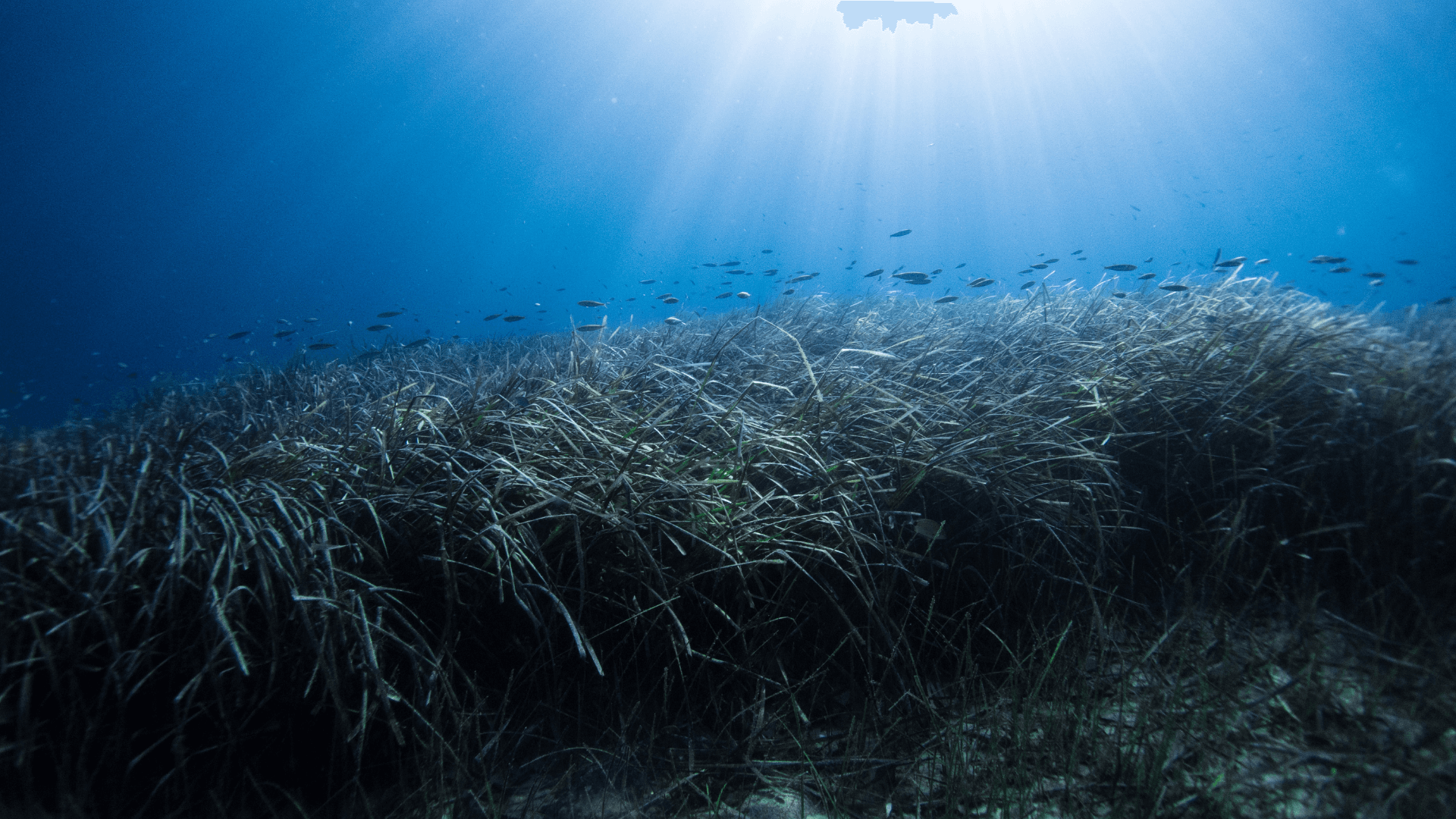
Posidonia seagrass meadows, veritable underwater forests, play a major ecological role. Under constant pressure from human activity, scientists are looking for ways to ensure their survival, in particular by carrying out restoration campaigns. A study conducted by the University of Liège at the marine and oceanographical research station STARESO (Calvi, Corsica) reveals that the transplantation method directly influences the root microbiome, which is essential for the survival of the plants. These results pave the way for more effective and sustainable restoration techniques. The paper is published in the journal Environmental Microbiome. Roots growing on a Posidonia cutting transplanted using metal staples. Arnaud Boulenger conditioning Posidonia roots for genetic analysis of the microbiome. Credit: University of Liège, Arnaud Boulenger Often compared to terrestrial forests, Posidonia oceanica seagrass meadows form off the coast of the Mediterranean. These ecosystems act as environmental sentinels, stabilizing the seabed, storing carbon, and harboring exceptional biodiversity. Unfortunately, scientists have been observing a decline in their population for many years due to coastal urbanization, boat anchoring, and climate change. To halt this decline, researchers are experimenting with transplanting cuttings. “Until now, efforts have focused mainly on their visible survival, i.e., root recovery and leaf growth,” explains Arnaud Boulenger, a Ph.D. candidate in oceanography at ULiège (Belgium). “However, the study we conducted at STARESO reveals that the health of seagrass beds also depends on an invisible network of microorganisms associated with the roots.” It is therefore not enough to simply replant the seagrass meadows; we must also ensure the good health of their microbiome. By testing three transplantation techniques—metal staples, coconut fiber mats and potato starch structures—the team showed that the choice of substrate profoundly changed the composition of the microbiome. “Staples, which allow direct contact with the sediment, promote the establishment of key bacteria such as Chromatiales and Desulfobacterales, which are essential for the sulfur and nitrogen cycles,” the researcher explains. “Conversely, the other methods delay this beneficial colonization.” Scientists highlight that restoration methods must now incorporate this microbiological dimension, as these bacteria play a direct role in plant resilience. “These results are groundbreaking,” says Sylvie Gobert, oceanographer. “This is the first time that a study has demonstrated in situ the importance of the microbiome in the success of Posidonia transplantation. The results we have obtained open up concrete perspectives, such as the inoculation of beneficial bacteria or the design of supports that facilitate root-sediment interaction.” Restoring a seagrass bed is therefore much more than just replanting cuttings underwater. It means recreating an entire ecosystem, both visible and invisible, in which bacteria play a crucial role. As Boulenger sums it up, “it’s a bit like replanting a forest, while also ensuring that the soil that nourishes it is brought back to life.” More information: This article is republished from PHYS.ORG and provided by the University of Liège. Arnaud Boulenger et al, Microbiome matters: how transplantation methods and donor origins shape the successful restoration of the seagrass Posidonia oceanica, Environmental Microbiome (2025). DOI: 10.1186/s40793-025-00764-9
Summer surveys in Scotland’s seagrass meadows
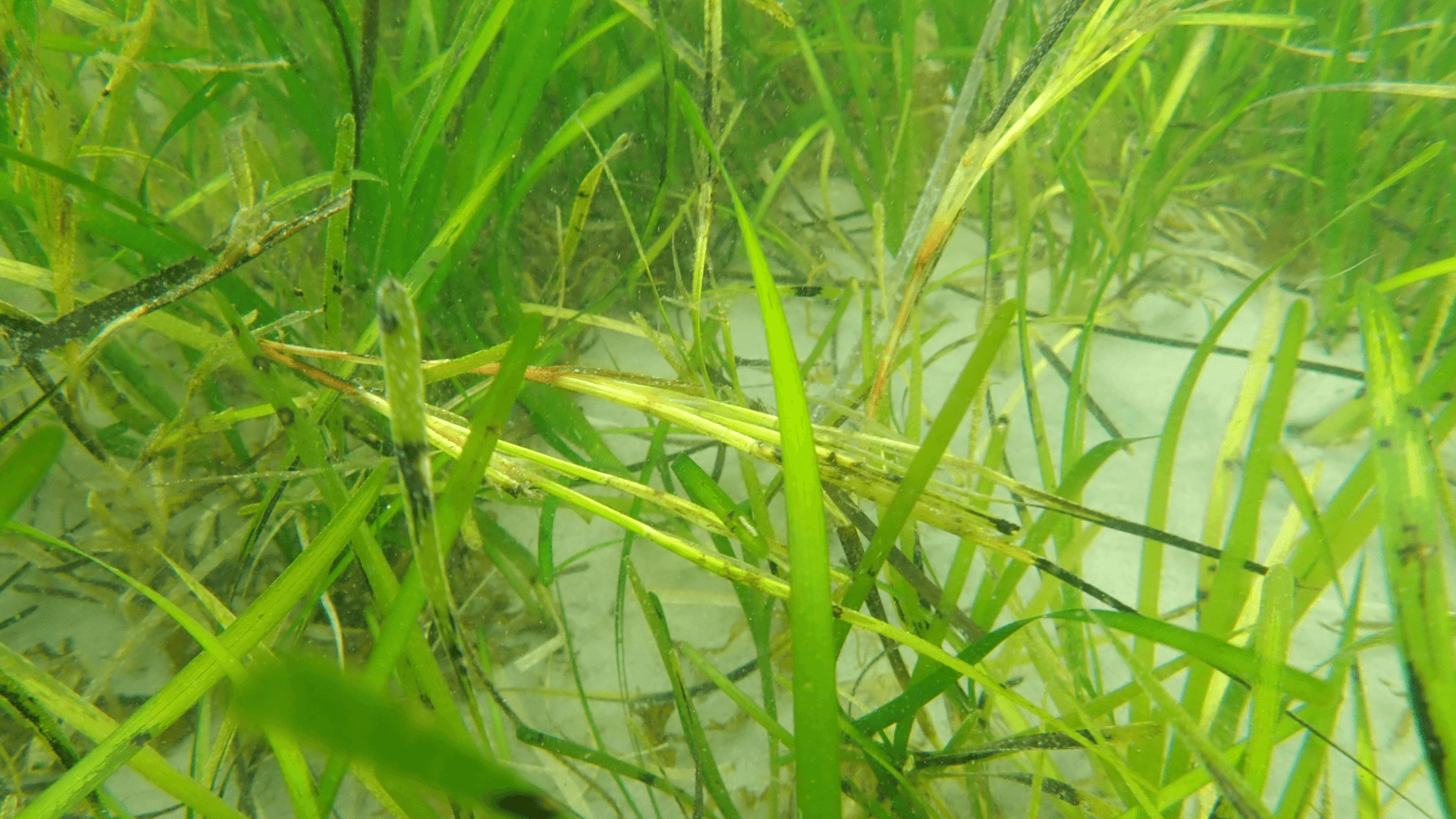
This summer, the Sjogras Partnership returned to Orkney to undertake a range of surveys to further develop our understanding of the health and extent of Orkney’s important seagrass meadows. Between the 19th July and 1st August, Professor Joanne Porter from Heriot Watt University and Dr Elizabeth Lacey from Project Seagrass led their respective teams as part of the annual survey work. In a first for the partnership, this year saw the establishment of ‘sentinel’ sites around the Orkney archipelago. A sentinel site in the context of monitoring ecological characteristics is a specific location or set of locations chosen to provide long-term, consistent, and representative data about environmental conditions and changes. Sites in Finstown, Tankerness, and Westray were chosen to represent the characteristics of seagrass habitats across the islands. Ongoing monitoring at these sites will enable the partnership to improve our understanding of the dynamics and drivers of seagrass health in Orkney and could help us understand how and why seagrass is changing across Scotland. Dr Elizabeth Lacey, Senior Science Officer and Scotland Team Lead at Project Seagrass said: “The sentinel sites will help build long-term records of seagrass health, map changes over time, and involve more people in safeguarding this important ecosystem. Collaborative partnerships like this are essential – we each bring unique skills and experiences to the team, which helps us all achieve our shared goal of advancing seagrass conservation.” Quadrat-based meadow health surveys were undertaken at each site, encompassing a range of measures such as percentage cover of seagrass, the complexities of the seagrass canopy, the number of reproductive shoots present, and epiphyte cover. These were complemented by a number of methods to map the extent of each seagrass meadow. In the water, the team utilised a remotely controlled boat to capture echosounder data; in the air Dr Calum Hoad undertook drone surveys to capture thousands of images of the seagrass meadows. Regular mapping of the sentinel site seagrass meadows will allow the size and extent of the meadow to be tracked, noting any increases or decreases in cover; which, when coupled with the health parameters during the sentinel sites monitoring, can be used to determine the impacts of disturbances like climate change and coastal development. Within these sentinel sites, Heriot Watt University PhD candidate Millie Brown undertook work investigating carbon sequestration as part of her SMMR funded scholarship research and MSc project student Alisha Underwood collected samples to research the properties of the sediment associated with seagrass at Finstown and Tankerness. Professor Joanne Porter of Heriot Watt University said: “This summer in Project Sjogras the team from Heriot Watt Orkney campus worked in collaboration with Dr Elizabeth Lacey and the Project Seagrass team to gather information on the species biodiversity associated with seagrass sediments and seagrass leaves, and carbon sequestration. This new data supports the development of an evidence base for quantifying the Ecosystem Services provided by Orcadian seagrass meadow sentinel sites” The partnership were pleased to have the opportunity to share their work at the Orkney Research and Innovation Centre, for their Renewables Revolution Open Day. Professor Joanne Porter represented the Sjogras partnership as part of a stand sharing information about the seagrass. In September 2025 Professor Porter presented some of the findings at the Orkney International Science Festival, on behalf of the Project Sjogras team. The Sjogras project is made possible with the support of Highland Park.
Successful swim to support seagrass
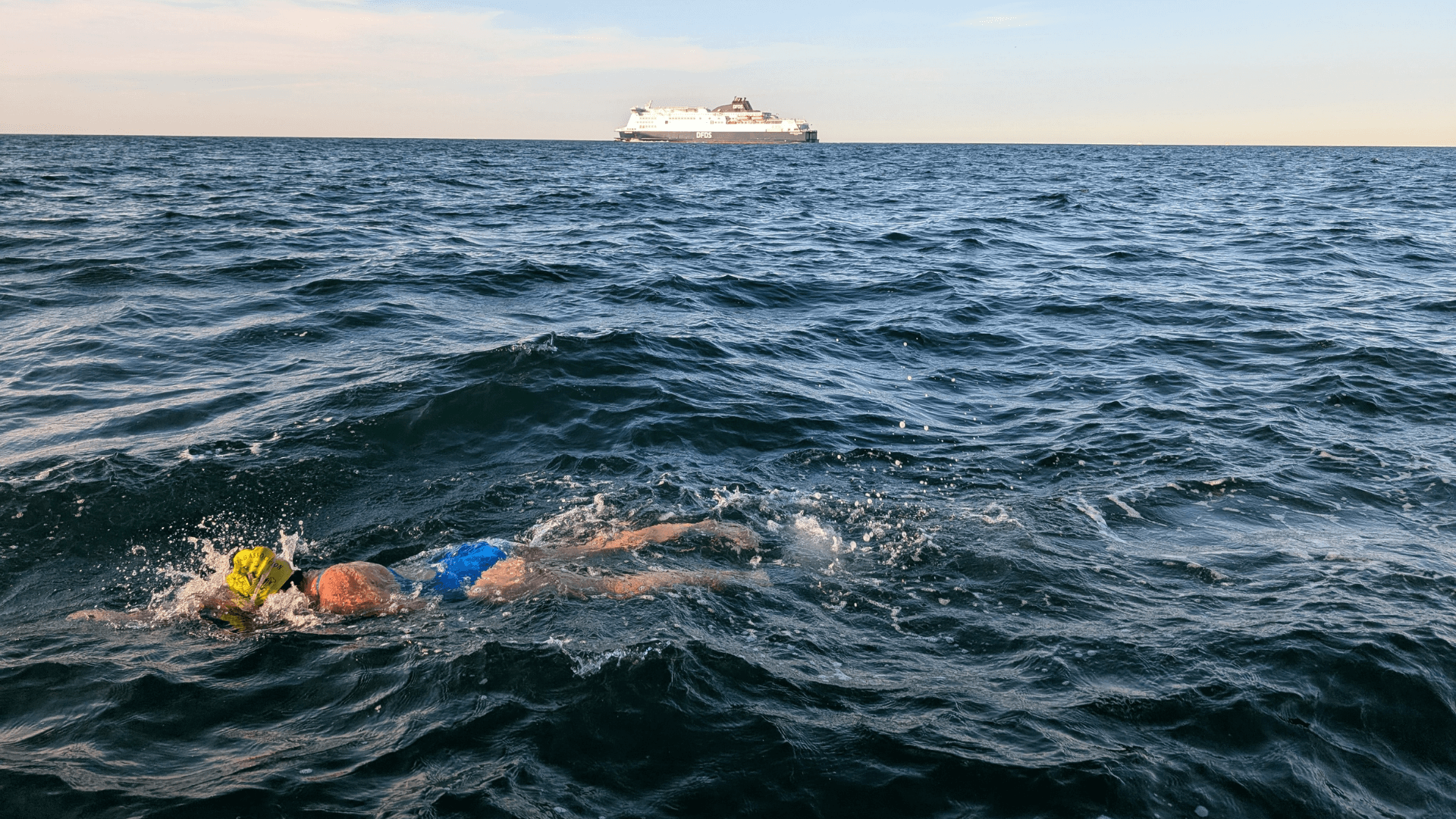
In a guest blog post, Laura Suggitt shares her experiences of swimming the Channel to raise vital funds for environment funds including Project Seagrass: Earlier this month, I swam across the English Channel to France with my team, The Matriarsea. We completed the crossing in 12 hours and 49 minutes; swimming 35 miles in total as a result of the tough tides. It has long been a dream for me to cross the Channel and reaching France in the sparkling sunshine with the strong women in my team around me was magical. I was swimming in memory of my brother Henry and we raised over £6,000 for three charities: Project Seagrass, Planet Patrol, and Surfers Against Sewage. I am so proud of the team, and it is such a privilege to be their captain. Yet, behind the sparkling sunshine and smiles, its easy to forget that our journey to get there was far from smooth… We were originally scheduled to swim in June – but the winds were too high throughout our tide window and it wasn’t safe. We responded by designing our own challenge and swimming double the distance in Dover Harbour; through sewage, high wind and freezing water. It was brilliant and I am still particularly proud of how we turned our initial disappointment into something amazing. But there was a part of me that didn’t want to give up on the original dream. I knew, if the weather was right, we could do something really special. So, when a cancellation came up for August, I took the chance. But the weather still wasn’t playing ball. Then, with 24 hours notice, our pilot rang me up and gave me a choice, to try outside of the main tide window and do our best to make the crossing. He warned me the tides were aggressive, and there would be huge swell, but if we swum hard we might be able to make it. It would be our very last chance. We decided to take the risk. So against all the odds, we left Dover Harbour at 2am on Monday morning. The first 5 hours were gruelling. Seriously nauseating conditions on the boat, and 4ft swell in the water, swimming in the middle of the Channel in the pitch black. I’ll be honest, we were all terrified, but we dug deep. Then came the really aggressive switch of tide at sunrise. I had to swim the hardest I ever have to salvage our crossing or we’d be pushed into a freight lane. That’s not to mention jellyfish the size of dinner plates, the huge swell, no sleep, the stench of diesel, sewage slicks, and buckets of seawater swallowed. And it took sweat and tears to even start. A year of planning, rallying after opportunities didn’t materialise, early morning swims around work, sessions that pushed us to our edge, adapting to freezing water, and the mental gymnastics (and maybe insanity) it takes to jump into the Channel at night and swim your guts out. There were many reasons we shouldn’t have made it, but we did. We were extremely lucky to have amazing supporters, and most of all each other, to lift us when things got tough. This was one hell of a lesson in what it takes to never give up and I hope something in our story resonates. I am so proud of these women, and I’m so proud to be a woman. We really can do anything. Project Seagrass is most grateful to The Matriarsea team for raising funds to support our work to save the world’s seagrass. Project Seagrass is extremely grateful to The Suggitt Family for their generous support for the Henry Suggitt Laboratory (named after Laura’s brother). Find out more about the lab here.
Reflections from the Seagrass Knowledge for Action in Southeast Asia Workshop
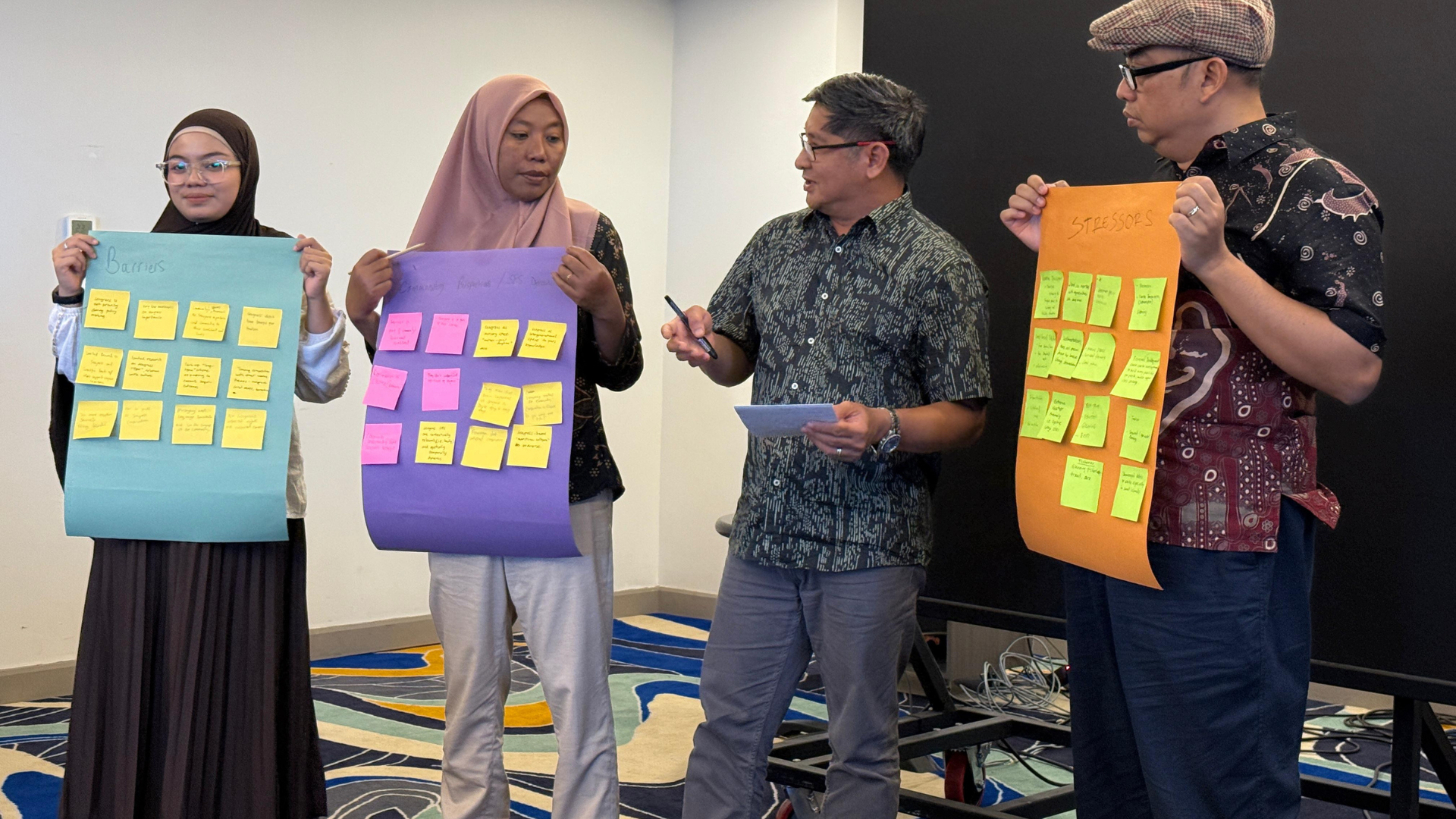
This summer, teams came together in Makassar, Indonesia, for the Seagrass Knowledge for Action in Southeast Asia workshop to explore pathways forward for strengthening knowledge, building research capacity, and development to further safeguard local seagrass social-ecological systems. Co-hosted by Universitas Hasanuddin (UNHAS) and Project Seagrass, the workshop involved teams from across Indonesia and the Philippines including Forkani, Yapeka, and C3 (Philippines) who joined forces to discuss highlights, setbacks and future dreams for seagrass conservation, protection and restoration in their local contexts and more broadly within the region. The workshop provided an opportunity to discuss our plans for future collaborative work in Southeast Asia, building upon work undertaken through the Seagrass Ecosystem Services project. Partners discussed pervasive threats to seagrass within each of their local study regions and explored the numerous commonalities between their organisation’s locations. In addition to threats, the limitations that prevent partners from addressing these threats and undertaking social-ecological research were identified. A diverse and numerous array of research and capacity building barriers were discussed which were associated with governance, social, ecological, socio-cultural, cultural, spiritual, logistical, and funding limitations. Though nuanced, and taking different forms for each organisation, the identification of these barriers provides essential context for helping to develop research and build local capacity in partner organisations. Each partner discussed their research priorities which concerned many dimensions of seagrass social-ecological systems and the just protection and conservation of seagrass meadows for food security, poverty alleviation, cultural importance, and local livelihood support. Through these conversations, partners explored the spaces within these research priorities that require conservation actions, what these actions may well be, and what support may be required to bring these priorities to reality. Following these in-depth discussions partners also worked on shaping a paper focusing on persistent threats and urgent calls to action to reduce these threats. From 2026, Project Seagrass’ international strategy will also include grant giving, which has been co-conceptualised and developed with local NGO’s, and has been evidenced by others.