Seascape Restoration: New study calls for urgent habitat reconnection to meet climate and biodiversity goals
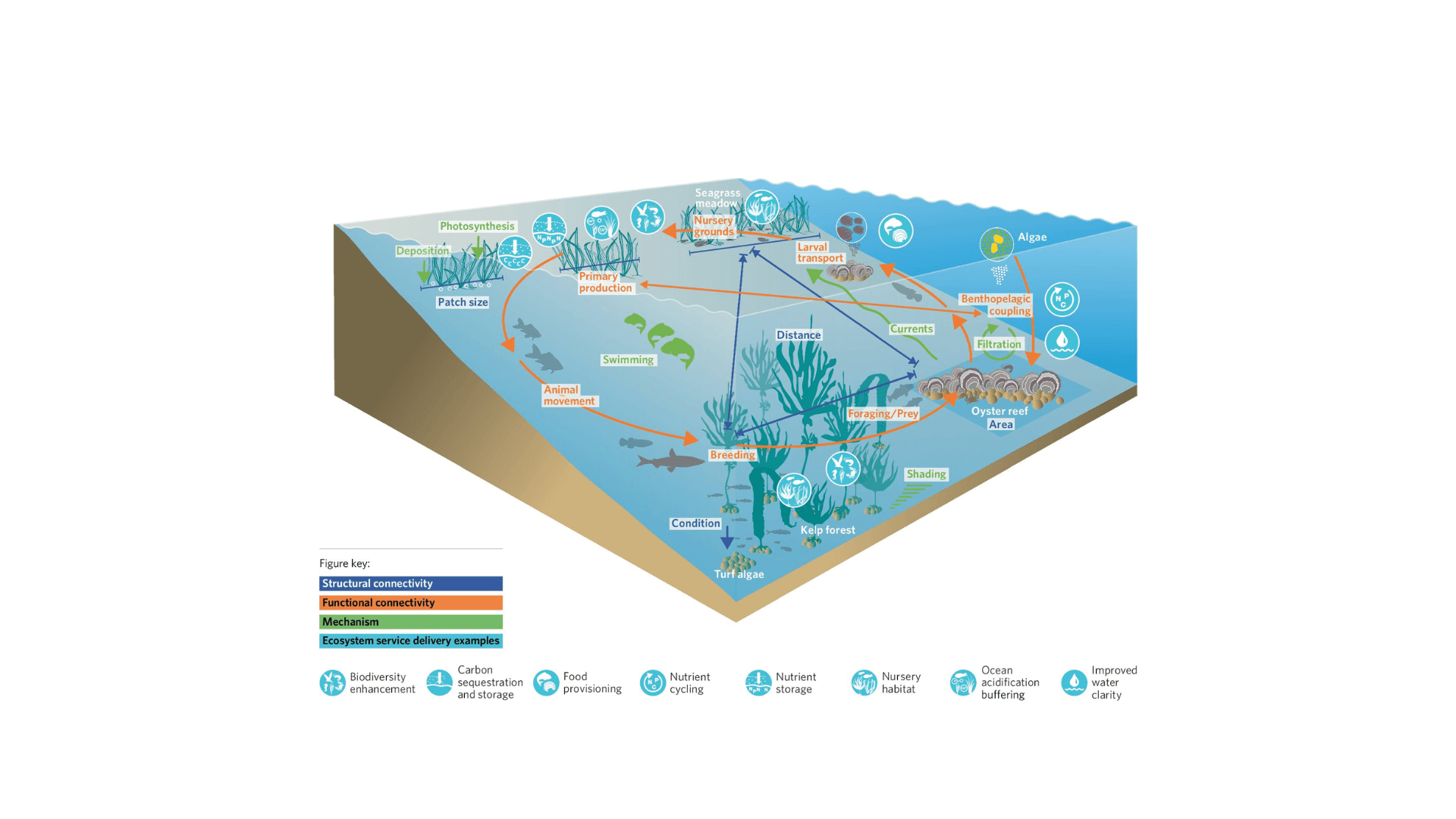
Scientists warn that the future of our oceans and climate goals depends on reconnecting the ecological threads that hold coastal habitats together. A new study, launched at the International Seascape Symposium II at ZSL (Zoological Society of London), and published to align with UN Ocean Decade Conference represents two years of work by an international team led by the University of Portsmouth, with support from ZSL and University of Edinburgh. It delivers the most comprehensive report to date on how coastal habitats in temperate regions function not in isolation, but as interconnected systems—a concept known as ecological connectivity. “Coastal habitats like oyster reefs, salt marshes, kelp forests, and seagrass meadows are often treated as separate entities in policy and restoration, but in reality, they are tightly bound together by the flows of water, life, and energy,” said lead author Professor Joanne Preston, Institute of Marine Sciences at the University of Portsmouth. “To meet our global climate and biodiversity targets, we need to restore the entire seascape.” Published in npj Ocean Sustainability to coincide with World Ocean Day and the midpoint of the UN Decade on Ecosystem Restoration, the paper makes the case that reconnecting these habitats is fundamental to repairing the damage caused by centuries of degradation, and to achieving international targets under the Kunming-Montreal Global Biodiversity Framework, Paris Agreement, and the Sustainable Development Goals. Schematic figure illustrating how structural connectivity, functional connectivity, mechanisms and ecosystem service delivery relate. Examples of structural connectivity are denoted by blue arrows and font, functional connectivity by orange arrows and font and mechanisms are indicated by green arrows and font. The light blue icons provide examples of ecosystem services delivery enhanced by the connectivity across seascape habitats. Credit: npj Ocean Sustainability (2025). DOI: 10.1038/s44183-025-00128-3 Conceptual diagram of how ecosystem services from a restored and connected seascape underpins the interrelationships between climate mitigation, biodiversity and human wellbeing. Credit npj Ocean Sustainability 2025 Dr. Philine zu Ermgassen, Changing Oceans Group, University of Edinburgh, said, “Ecological connectivity allows organisms, nutrients, sediment, and energy to move between different marine habitats. These exchanges drive crucial ecosystem services—from carbon storage to water filtration, coastal protection to fishery productivity.” The research compiles evidence from global temperate regions showing that habitat co-location consistently improves ecosystem service delivery. In California, for example, seagrasses grow more robustly when adjacent to oyster reefs. On the U.S. East Coast in the Chesapeake Bay region, oyster beds dramatically increase water clarity and nutrient removal. Additionally, in New Zealand, kelp-derived carbon boosts fish populations in fjords. “Connected habitats are more productive, more resilient, and more beneficial to people,” said co-author Alison Debney, Estuaries and Wetlands Program Lead at ZSL. “Restoring isolated patches isn’t enough. We need to think like the sea—fluid, linked, dynamic— and we need to act at scale.” In response, the authors propose a formal definition of seascape restoration: the concurrent or sequential restoration of multiple habitats to rebuild functional, resilient, and connected marine ecosystems. They call for a shift away from “feature-based” conservation approaches toward holistic, connectivity-based planning. This includes updating marine protected area (MPA) frameworks, development policies, and restoration funding criteria to account for the value of ecological links across habitats. “We are at a critical moment,” said Professor Preston. “The UN Decade on Ecosystem Restoration and the Decade of Ocean Science give us the tools and momentum. But unless we restore the seascape as a whole—the full mosaic of habitats and their connections—we risk missing the targets set by policymakers.” The study outlines clear recommendations to policymakers, including: Mainstreaming seascape connectivity into climate and biodiversity policies Integrating restoration goals across land-sea interfaces Recognizing the role of connectivity in climate mitigation and adaptation Updating environmental assessments to evaluate ecosystem service delivery at the seascape scale Illustration of the role of connectivity in modulating ecosystem service delivery across the coastal seascape. Arrows relate to icons of the same color, with the arrowhead indicating the habitat in which the ecosystem service is enhanced through connectivity with the source habitat. Credit: npj Ocean Sustainability (2025). DOI: 10.1038/s44183-025-00128-3 “We need to view coastal habitats as interconnected systems,” said co-author Rosalie Wright, Blue Marine Foundation. “Our fragmented policy and regulatory approaches must transition to holistic, seascape-scale thinking. Addressing these barriers will enable the urgently needed recovery of our coastlines.” This work directly supports Target 2 of the Global Biodiversity Framework, which calls for at least 30% of degraded coastal and marine ecosystems to be under effective restoration by 2030, specifically enhancing connectivity and ecological function. The findings come amid growing concern over the collapse of marine habitats in temperate zones. Over the past two centuries, the U.K. alone has lost up to 95% of its oyster reefs, over 90% of its seagrasses, and vast expanses of saltmarsh. These losses jeopardize not only biodiversity but also carbon storage, fish stocks, and coastal protection. Restoring at scale and in a way that mirrors the ecological realities of the coast offers a powerful nature-based solution to the interlinked crises of climate change, biodiversity loss, and pollution. As the world gathers momentum around ocean recovery, the message from the science is unequivocal: seascape-scale restoration is not optional. It is essential. More information: J. Preston et al, Seascape connectivity: evidence, knowledge gaps and implications for temperate coastal ecosystem restoration practice and policy, npj Ocean Sustainability (2025). DOI: 10.1038/s44183-025-00128-3
The Cuttlefish: Creatures that call seagrass home
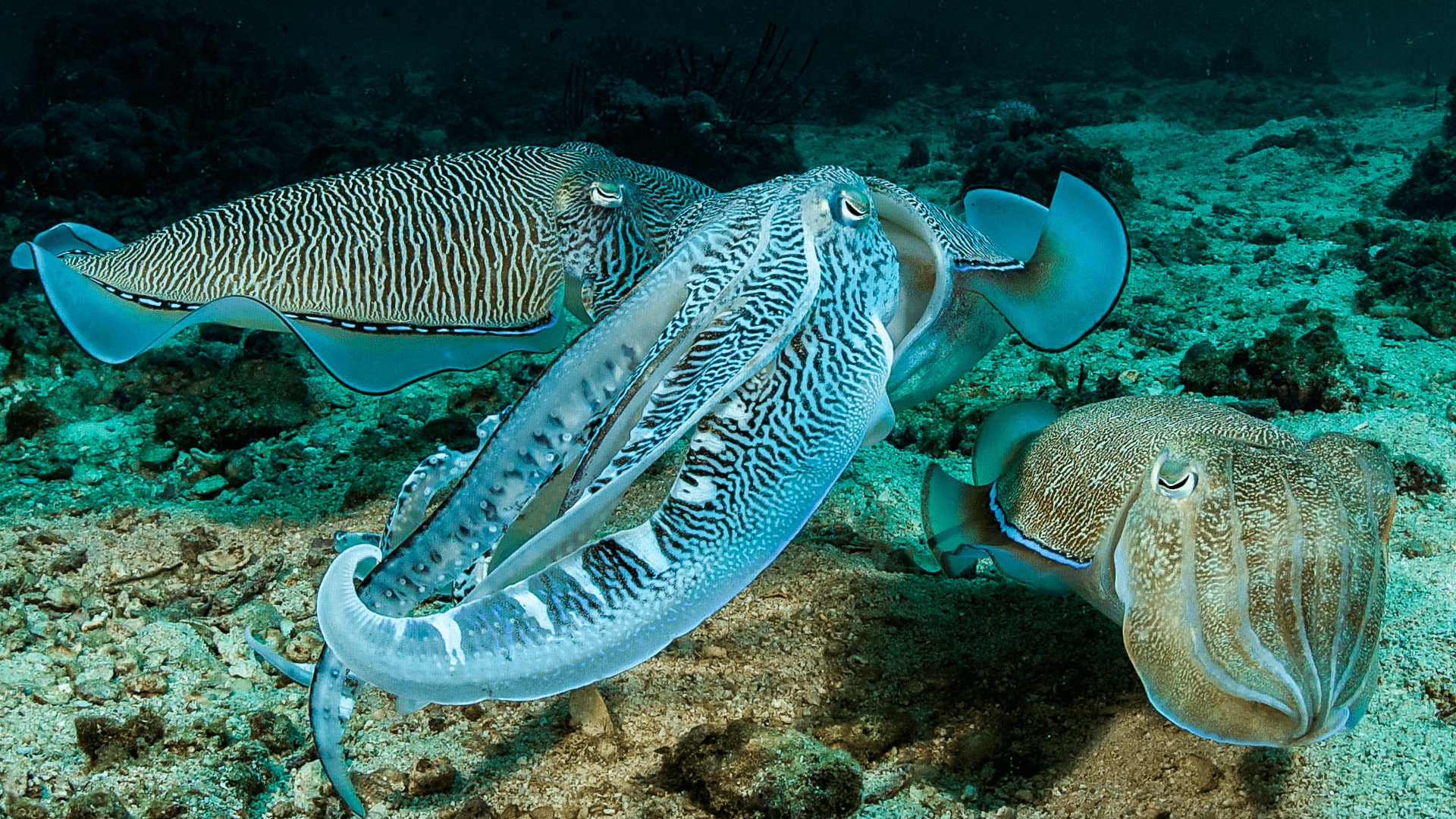
In a new blog series, our Conservation Trainee Abi David explores some of the amazing creatures that call seagrass meadows their home. Cuttlefish are molluscs and join squid and octopuses in the Cephalopod family. Predominantly found in temperate and tropical areas, 120 species can be found around the world. Cuttlefish have an internal shell, known as the cuttlebone, which helps with buoyancy. By changing the gas to liquid ration, they can determine how much they float. Their diet generally consists of small molluscs, crabs, shrimp, small fish, octopuses and worms. To catch their prey, they use suckers attached to their two tentacles, which shoot out and grab unsuspecting victims. The flamboyant cuttlefish (Metasepia pfefferi) even uses venom to subdue its prey. To escape predators themselves, they can propel themselves forwards or backwards by expelling a powerful jet of water from their mantle cavity (main body). Cuttlefish in seagrass, Cornwall, UK. Credit Shannon Moran Ocean Image Bank Cuttlefish. Credit François Baelen Ocean Image Bank Like other cephalopods, cuttlefish have quite sophisticated eyes. They have two spots of highly concentrated sensor cells on their retinas – meaning they can look both forwards and backwards at the same time. This ability is aided by their W- shaped pupil, giving them a wide field of vision. It is thought cuttlefish eyes are fully developed before hatching, enabling them to begin observing their environment whilst still in the egg. Part of why I love cuttlefish so much is their ability to change colour using skin cells called chromatophores. They do this by expanding and contracting these cells to resemble colours and patterns found within their environment for camouflage and warning off predators. I could go on a lot more about this amazing ability, but this article by Gilmore, Crook, & Krans, gives a nice, detailed overview. So how do they utilise seagrass? Seagrass is an important habitat for cuttlefish. Many other creatures such as crabs, worms and snails call seagrass home, basically providing them with an all you can eat buffet. Additionally, like many other species, cuttlefish lay eggs on seagrass leaves as meadows provide a sheltered environment safe from currents and tides that may wash eggs away. Once these eggs have hatched, seagrass meadows provide a safe nursery site from predators. Cuttlefish eggs in seagrass, Dale, West Wales Why do we need cuttlefish? As with every other species on the planet, cuttlefish have their own unique purpose in the ecosystem. They are predators of a variety of species, meaning they help control populations – which is important to maintain a healthy ecosystem balance. They themselves are prey for commercial fish species such as Atlantic cod. In parts of the Mediterranean, Asia, and Europe, they provide an important part of human diets. Cuttlefish are, in my opinion, a hugely underrated species. Not only are they super cool with their colour changing abilities, but they are also an important part of many habitats and ecosystems across the globe. More information: Gilmore, R., Crook, R. & Krans, J. L. (2016) Cephalopod Camouflage: Cells and Organs of the Skin. Nature Education 9(2):1
Accelerating Action for Ocean Health: Reflections on the United Nations Ocean Conference, Nice, 2025
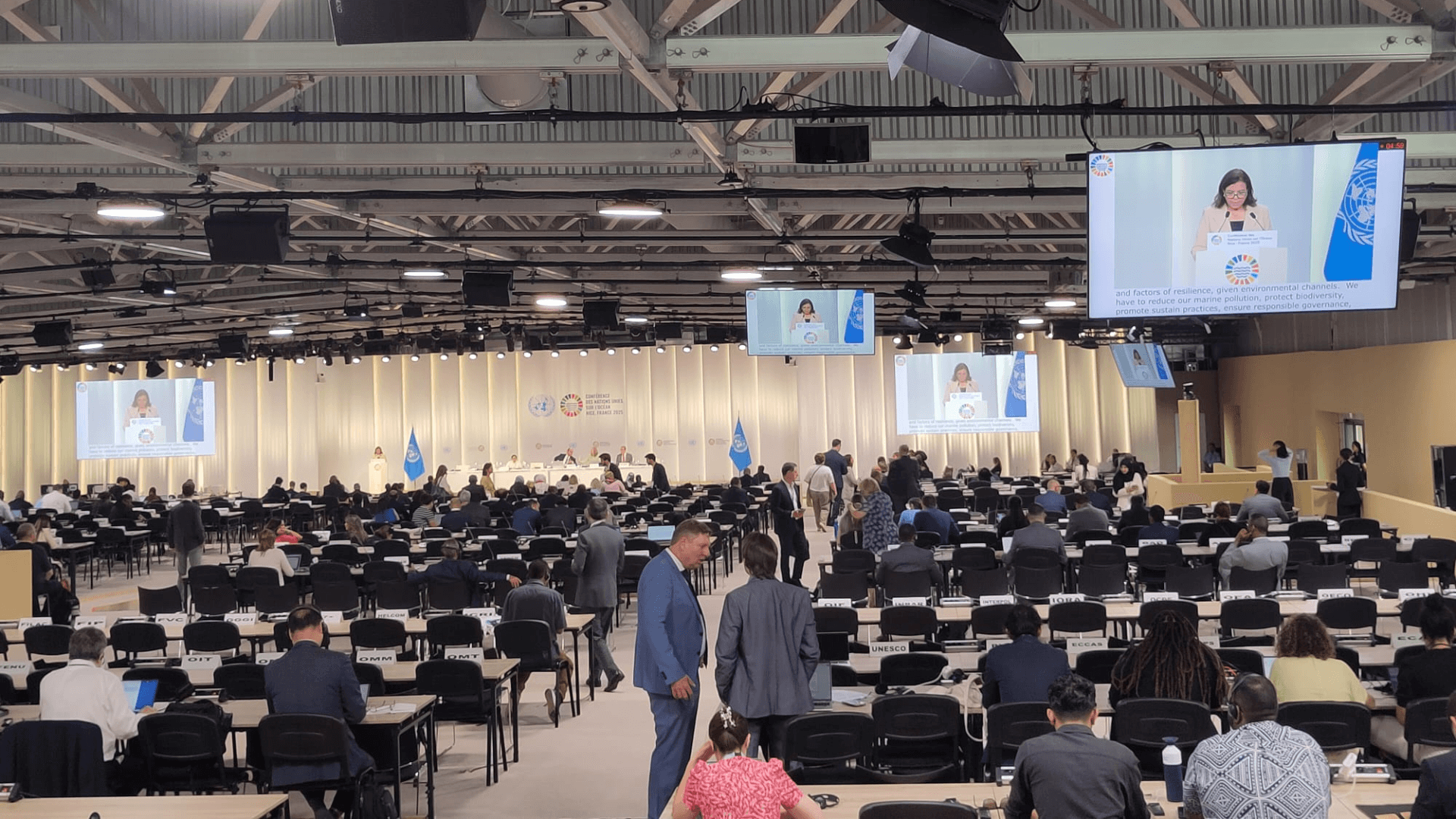
In this article, Project Seagrass CEO Dr Leanne Cullen-Unsworth reflects on the United Nations Ocean Conference: The 2025 United Nations Ocean Conference, co-organized by Costa Rica and France was held in the coastal city of Nice, France from 9 to 13 June. Over 15,000 people participated, including 2,000 scientists and more than 60 world leaders. Discussions aimed to shine a light on the challenges of unlocking sustainable ocean investment and how to reinforce the role of marine science in policymaking. Our Project Seagrass team was delighted to be able to attend and contribute to the Conference receiving special accreditation to join the full programme by the UN. The Conference was insightful, inspiring, hopeful, overwhelming, challenging, in short it evoked an epic rollercoaster of emotions both negative and positive respectively around the declining health of our oceans and the demonstrated passion to drive change shown by individuals from across the globe. There was much conversation about David Attenborough’s ‘Ocean’, with divided opinion on the contents and emphasis of the film. For me, this was Sir David doing what he does best and providing an engaging and heartfelt narrative to grip a generalist audience of millions and share the beauty and importance of our ocean whilst highlighting a very real and current threat. Regardless of opinion, the impact of ‘Ocean’ was clear as a persistent thread through the narrative of the conference, and subsequent commitments from governments across the globe to strengthen protection of designated marine areas. This includes the UK Government proposing bottom trawling bans in all English offshore marine protected areas. It’s a start, but we need continued public pressure to ensure a move from proposal to action. We also need much bigger commitments to save our ocean which in turn, if healthy, will respond to the nature and climate crises we are facing. It was encouraging to observe in the Blue Zone some high-level dialogue drawing the connections between land and sea, with even land-locked countries demonstrating interest in ocean health and their impact on it. It’s critical that we target preserving and increasing biodiversity across environmental boundaries for sustainable futures. It’s also clear that we’ve actually moved beyond a need for sustainability. To sustain is to maintain in the same state, when what we so clearly need is environmental recovery at scale and through a connected approach. We will not achieve any environmental or human wellbeing targets taken in isolation. It was repeatedly acknowledged that the ocean is our lifeline, and not just for the 40% of humanity living along coastlines or three billion people reliant on seafood across the globe, but for everyone. Our ocean and the biodiversity it contains sustains life on our planet as we know it. Every part of the global ocean in important, and every part is threatened. Coastal waters, containing 70% of marine biodiversity, are particularly vulnerable at the interface of land and sea with both land-based and ocean-based threats having an impact. Lots of emotive statements were made, all the right words but the associated specific actions needed to drive change and achieve any targets seem elusive. There also seemed to be an imbalance in terms of habitat representation. Seagrass was one coastal habitat receiving limited attention at the United Nations Ocean Conference. Which highlights that there is still much to do to gain acknowledgement that this is a critical habitat alongside, for example, better understood coral reefs, mangroves, and saltmarshes. Seagrass is a habitat that underpins marine biodiversity and delivers a wide range of ecosystem services vital to planetary health, climate resilience, and human wellbeing. Seagrass does this to varying degrees across its near global range. Seagrass systems contribute to targets within all the UN Sustainable Development Goals. Yet, they remain underrepresented in global scale conservation and climate initiatives, and on the formal programme at such a significant conference. UNOC3 was held at the midpoint of the UN Ocean Decade. A decade dedicated to delivering the science we need for the ocean we want. But five years into the decade, our oceans remain far from recovery. We are not on target to meet Sustainable Development Goal (SDG) 14 (life below water) which means we will also be unable to meet other dependent SDGs. Knowledge is improving and the science is clear, but we need to be better at sharing and building on each other’s advances. We also need clearer pathways to influence decision making. In fact, the conference highlighted multiple needs for any chance of achieving ocean recovery at scale. This list is long, but here are just a few examples: We need explicit processes for different sectors to be able to contribute the vast amounts of data that is currently sat on inaccessible hard drives or within unsearchable grey literature. There were repetitive calls for both new and existing data to be shared, this sharing of data and knowledge would serve to turbocharge rather than duplicate efforts on the road to planetary recovery. This goes hand in hand with a need for improved funding for evidence based environmental recovery practices. For me this shouldn’t be an emphasis on initiatives towards financial gain for investors but rather an investment in the resource that sustains and fulfils us all. Too often that connection feels lost, which is disheartening and concerning. Governments need to analyse and respond to the needs of communities. How do they do this? They need data! And sectors within Governments need to work together and pull in the same direction with coordinated approaches. We need to communicate effectively beyond disciplinary, national, and sector boundaries. Finding common language is challenging. Another recurring theme. Critically, we need people to reconnect with nature, and possibly more than that, recognise that we are nature – we need trees, fish, saltmarsh, seagrass and all the wellbeing benefits that they provide – people are disconnected and that’s a big problem. This raises questions of justice and equality, social justice is needed to improve our shared environment. The conference concluded with the adoption of a political
Why the BBNJ Treaty Matters for Seagrass
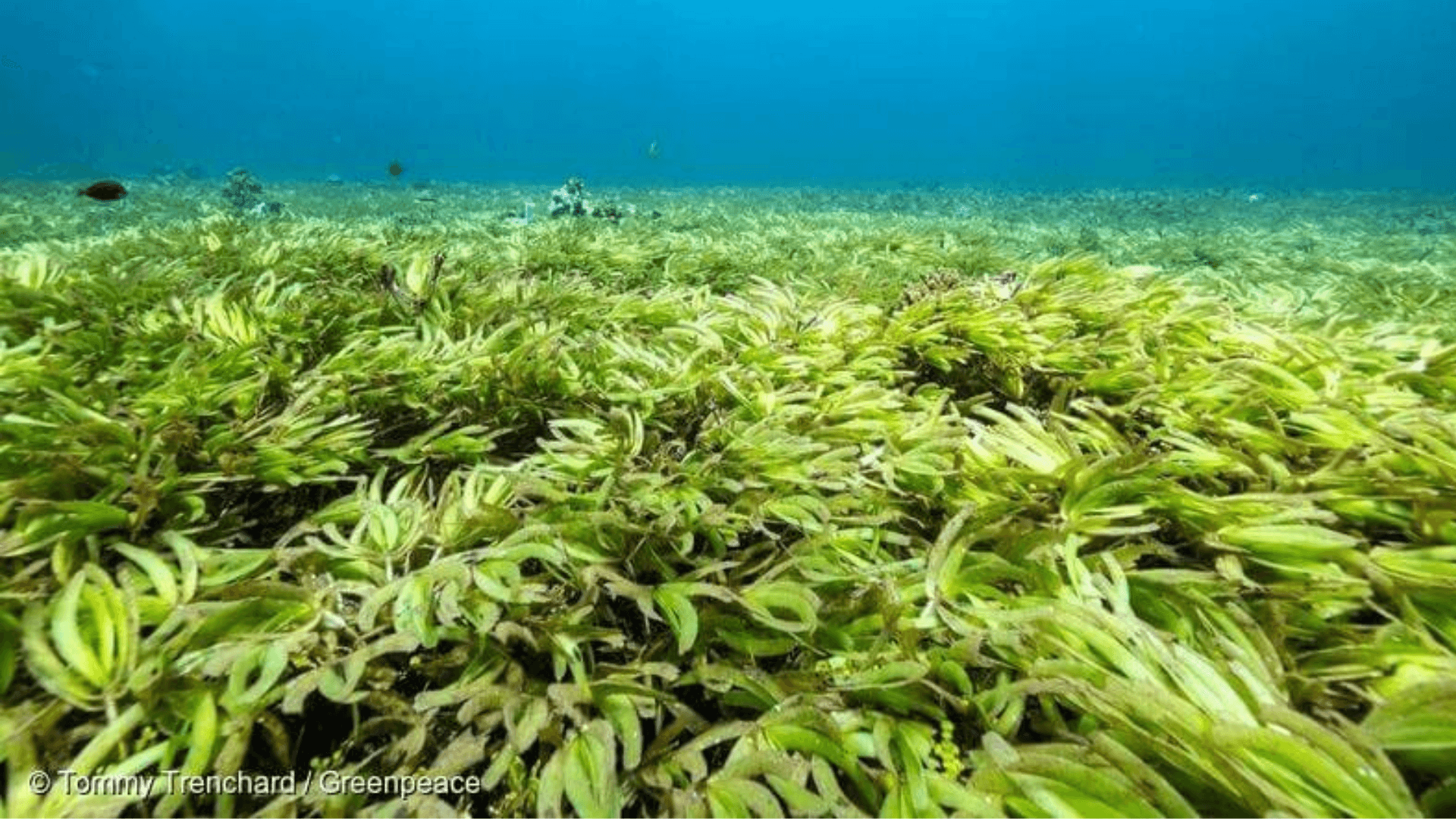
The BBNJ (Biodiversity Beyond National Jurisdiction) Treaty is critical for protecting and enhancing seagrass. Most of the world’s seagrass is within national jurisdictions; however, in some locations, such as the Saya De Malha Bank in the Indian Ocean, seagrass is located beyond any national jurisdiction. This means it’s not legally protected. Also referred to as the High Seas Treaty, the BBNJ Treaty may play a role in helping to protect such seagrass. Indirect Protection through Ocean Health The BBNJ Treaty focuses on the high seas, which are areas beyond the jurisdiction of any single nation. However, the health of the high seas is intrinsically linked to the health of coastal ecosystems. Threats like plastics, marine pollution, and unsustainable fishing practices originate or have significant impacts on the high seas, but their effects cascade into coastal areas where seagrass thrives. By addressing these broader ocean health issues, the BBNJ Treaty indirectly benefits seagrass meadows. Seagrass at Saya De Malha Bank in the Indian Ocean. Credit: © Tommy Trenchard / Greenpeace Addressing Climate Change Impacts Seagrass meadows are incredibly efficient at absorbing and storing carbon dioxide. However, they are also vulnerable to the impacts of climate change. The BBNJ Treaty recognises the need to address the impacts of climate change on marine ecosystems. By promoting healthier oceans overall, it supports the resilience of seagrass in the face of warming waters and ocean acidification. Cross-Sectoral Coordination and Management The BBNJ Treaty aims to establish a more coherent and cooperative approach to ocean governance. It seeks to fill regulatory and institutional gaps in the existing international law framework. This improved coordination among different sectors (e.g., shipping, fishing, deep-sea mining) and regions can lead to more effective management of human activities that might otherwise negatively impact marine environments, including those that influence seagrass health. Environmental Impact Assessments (EIAs) The BBNJ Treaty establishes rules and thresholds for conducting environmental impact assessments for activities planned on the high seas. While these activities might not directly occur in seagrass beds, their potential impacts on ocean currents, water quality, and marine species that interact with seagrass (e.g., migratory species that use both high seas and coastal habitats) can be significant. By requiring EIAs, the treaty promotes a more cautious approach to new activities, reducing potential harm. Capacity Building and Technology Transfer The treaty includes provisions for capacity building and the transfer of marine technology, particularly to developing countries. This can empower nations, especially those with extensive coastlines and seagrass resources, to better monitor, research, and manage their marine environments, including seagrass ecosystems. Establishing Marine Protected Areas (MPAs) While seagrass meadows are typically within national waters, the BBNJ Treaty provides a legal framework for establishing marine protected areas (MPAs) on the high seas. Healthier ocean ecosystems can contribute to the resilience of coastal ecosystems, such as seagrass meadows, by supporting migratory species, maintaining ecological balance, and reducing overall pressures on the marine environment. In essence, we need the BBNJ Treaty’s because the focus on the conservation and sustainable use of marine biodiversity in areas beyond national jurisdiction creates a stronger, more integrated, and more resilient global ocean. This, in turn, provides a more favourable environment for the protection, restoration, and enhancement of critical coastal ecosystems like seagrass. So, if you support the conservation of seagrass, you need to support the BBNJ treaty by lobbying your national politicians to agree to the treaty and to then ratify it. So far, 137 countries have signed but only 50 have ratified, to become law, it requires 60 countries. Check yours here: Progress Map – High Seas Alliance Treaty Ratification
Scientists use fossils to assess the health of Florida’s largest remaining seagrass bed
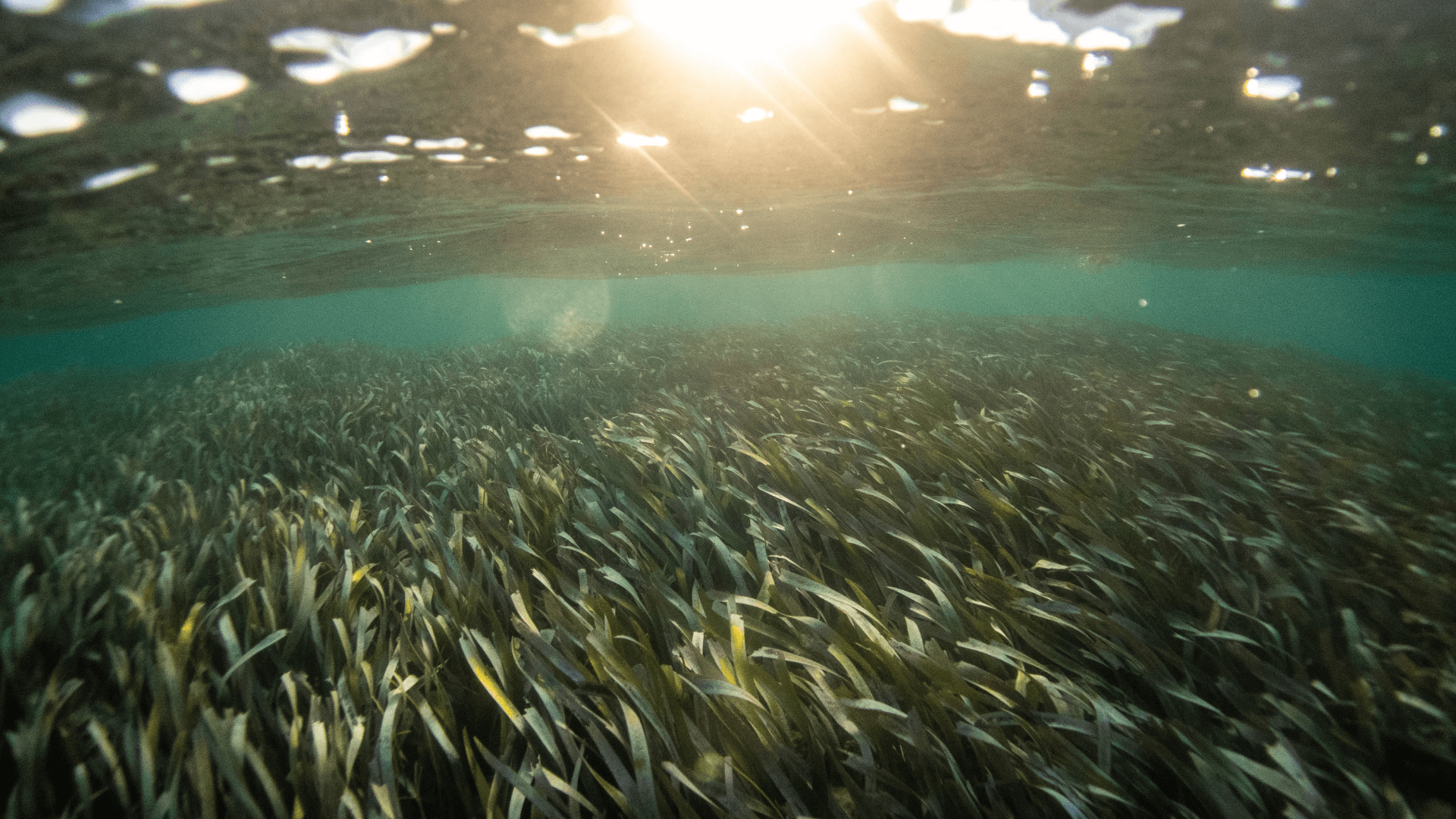
The seagrass is greener along Florida’s Nature Coast … figuratively, that is. A new study published in the journal Marine Ecology Progress Series shows that seagrass ecosystems along the northern half of Florida’s Gulf Coast have remained relatively healthy and undisturbed for the last several thousand years. This is not the case for most other seagrass ecosystems the world over, nearly 30% of which have disappeared since 1879. An estimated 7% of seagrass beds were lost each year between 1990 and 2009. Those that remain are generally not faring well, and the discovery of a healthy refugium is a rare event. “Nothing is really pristine today, because humans have altered all of Earth’s environments, but this is about as good as it gets,” said Michal Kowalewski, senior author of the study and the Thompson chair of invertebrate paleontology at the Florida Museum of Natural History. Figuring this out wasn’t easy, though. The extraordinary changes humans have made to the planet not only jeopardized the health of entire ecosystems, but they’ve also made it nearly impossible for us to know what a healthy ecosystem should look like in the first place. “Most of the contemporary biological data we have postdates the Industrial Revolution,” Kowalewski said. “If you think about any type of real-time instrumentation that collects physical and chemical information about an environment, or if you think about the rigorous bio-inventory surveys, all of those things are from the last 50 to 100 years at most.” In other words, humans have been altering their surroundings much longer than they’ve been systematically observing them. Fortunately, we aren’t the only thing that keeps a record of the past. Earth does a pretty good job of it, too. That’s the idea behind a relatively new branch of science called conservation paleobiology, which uses the most recent fossil record to reconstruct past ecosystems. For this method to work well, scientists need to analyze a large number of fossils, but there are only a few types of organisms that are preserved in sufficient quantities. Seagrasses, which are entirely composed of soft tissues that rapidly decompose after death, are not one of them. This isn’t a hindrance to paleobiologists, though. Unlike modern grass lawns, which are ecologically barren and in which hardly anything lives but the grass itself, seagrass meadows are underwater oases for coastal marine organisms. This includes a variety of animals that produce hard shells, which are disproportionately represented in the fossil record. The shells of oysters, clams and other mollusks disintegrate so slowly that they stay around the ocean floor from hundreds to millions of years. Kowalewski and his colleagues have previously conducted extensive research showing that the fossils of mollusks and other marine organisms with tough exteriors are so tightly connected and dependent on their environments that they can be used as a surrogate for species that don’t normally get preserved. If mollusks are doing well, it’s likely that everything else is too. To find out if seagrass communities along Florida’s Nature Coast have recently degraded, the study authors sampled from 21 locations in six estuaries, from the mouth of the Steinhatchee River in the north to that of the Weeki Wache in the south. At each site, they used a long hose made from PVC pipe to suction up sections of the seafloor. “We collect sediment samples while scuba diving, and then we sieve those samples and extract all that we find in it,” Kowalewski said. “The samples are dominated by dead material, because it has accumulated there over many centuries. Typically, for every live bivalve or snail, we find thousands of dead specimens.” The odious task of counting and identifying the specimens took his team members several years to complete. Once they’d crunched the numbers, their results showed that mollusk diversity—and the health of seagrass meadows, by extension—hasn’t changed much over the last several millennia, including the most recent one in which humans have left their mark on even the most challenging and inhospitable environments. “Only rarely do we find historical evidence that can make us optimistic about the current state of a local ecosystem,” Kowalewski said. “Most conservation paleobiology studies tell depressing stories about shrinking habitats, declining biodiversity and diminishing ecosystem services. For once, at least, this is not the case. What’s thrilling to me is we can show this system is still in very good condition, which makes it even more important to protect it.” Establishing that the seagrass meadows found along the Nature Coast are relatively unchanged is also important because they can be now used with more confidence as a benchmark for assessing the state of heavily altered seagrass habitats and guiding their restoration. Just 50 miles south of the study’s sampling area, seagrass communities haven’t been as lucky. Between 1950 and 1980, the city of Tampa’s population increased from about 125,000 people to 270,000. During that same period, 46% of seagrass meadows in Tampa Bay disappeared. Aggressive nutrient reduction efforts in the region led to water quality improvements and the recovery of seagrass in Tampa Bay between 1999 and 2018—however, recent assessments have again shown significant reductions in seagrass followed by modest recoveries. On the opposite coast, a survey from 1999 indicated as much as 60% of seagrass coverage had been lost in a 56-mile stretch of the Indian River Lagoon. These die-offs are primarily caused by nutrient pollution from inland farms and coastal cities. Plumes of single-celled microalgae and photosynthetic bacteria feast on excess nutrients and multiply in the water column, creating what are, in effect, marine clouds. This significantly reduces the amount of light that reaches the seafloor, which seagrasses don’t tolerate well. The Nature Coast, which was designated an aquatic preserve in 2020, has largely avoided these challenges. “There’s not a lot of development in those watersheds, particularly from the area around Weeki Wachee all the way up into the Panhandle, so the effects of excess nutrient delivery are not as pronounced as is in other places that have suffered as a consequence,” said study co-author Thomas Frazer, dean and professor of biological oceanography at
The new mooring systems supporting the Solent’s seagrass
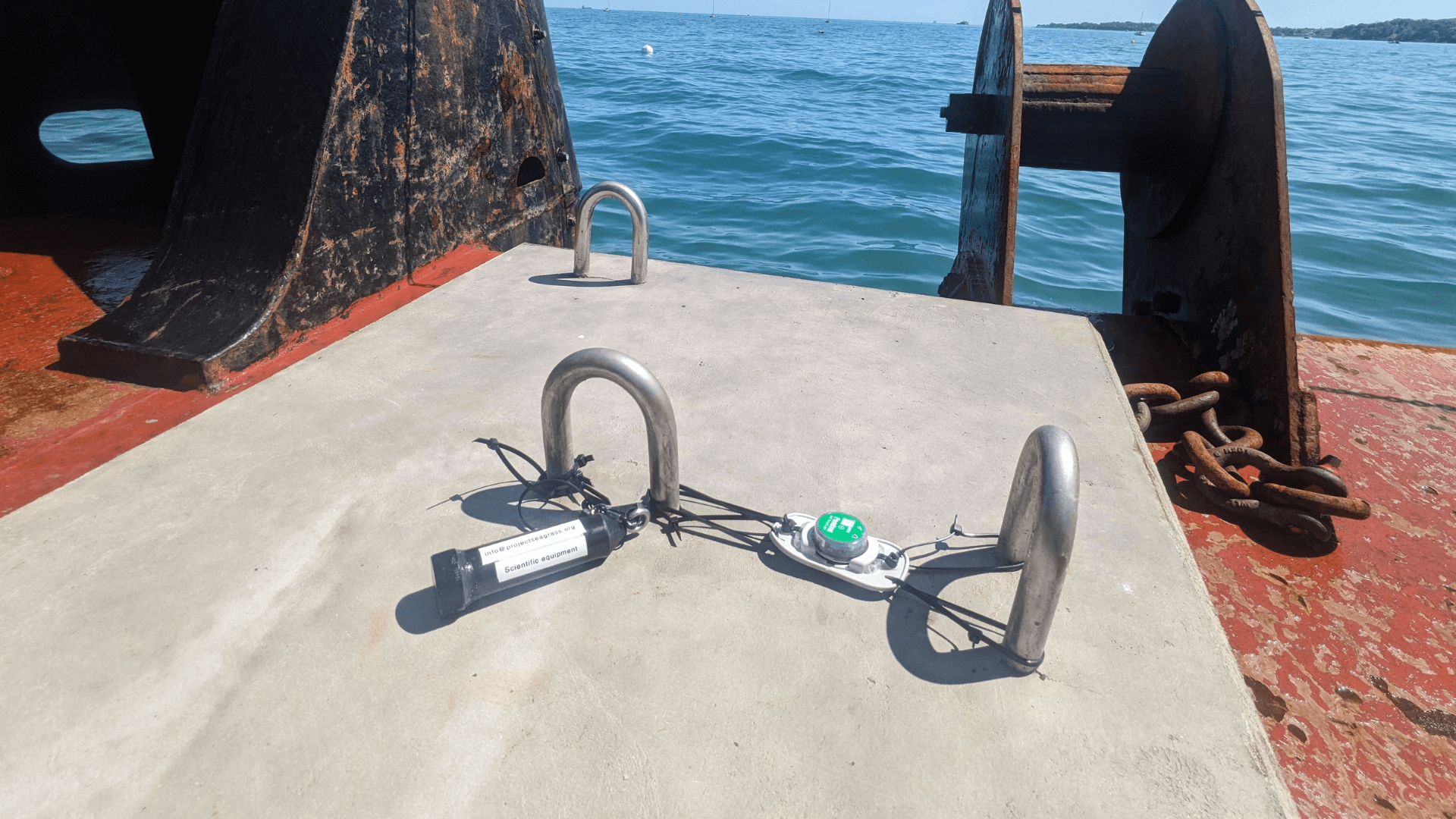
An innovative cross-sector partnership between Project Seagrass, Blue Parameters, and WarrenBoats has enabled the installation of two Advanced Sustainable Mooring Systems (ASMS) at Seaview on the Isle of Wight, relieving pressure on the Island’s important seagrass habitats. Seagrass meadows play a critical role in keeping our oceans healthy and are important allies to tackle the global climate and biodiversity crises. Yet the current condition of seagrass in the UK is generally poor due to multiple human pressures, with extensive losses having occurred since the 19th Century. A recent report found the remaining seagrass beds in the Solent to be in an ‘unfavourable’ condition primarily due to nutrient enrichment resulting from water pollution, as well as seabed disturbance caused by commercial fishing and recreational activities including boat anchors. Advanced Sustainable Mooring Systems (ASMS) such as the Mermaid K Advanced Sustainable Mooring System installed at Seaview are a simple solution to prevent and alleviate physical damage to the seabed including seagrass meadows caused by traditional anchorage and mooring. Anouska Mendzil, Senior Scientific Officer at Project Seagrass said: “Seagrass can be easily disturbed, damaged and uprooted by anchors. Finding solutions where sailors and seagrass can coexist is vital for protecting and conserving seagrass habitats, that have important ecosystem functions for both people and planet. The ASMS installation is an important passive restoration step in supporting and aiding natural seagrass recovery in the Seaview meadow, further supplementing our active seagrass restoration efforts around the Island.” In a first for an installation of this type, the ASMS installed at Seaview includes monitoring devices which will enable environmental data from the site to be gathered to inform ongoing conservation efforts. The project is also the first of its kind to utilise a more sustainable and environmentally friendly maritime coating designed by Sea Coat which reduces biofouling, enhances vessel performance, and improves energy efficiency. James Scott-Anderson, Project Manager at Blue Parameters said: “Operators and authorities need to make the mental leap away from separating environmental sustainability with their economic sustainability. Technical sustainability is always the commercially astute thing to do and the Mermaid K mooring, with a 10 year warranty, removes chain from the mooring equation, which is often replaced every other year at great expense. That’s not good for the environment but it’s also not good for the bottom line of the business; why would you not reduce your operational costs? Save money with the bonus of saving the environment too.” Nick Rivlin, Director at WarrenBoats said: “We saw this as a perfect opportunity to develop our moorings, an important part of our business in Seaview, with respect for the environment. We are confident that partnership working, using the expertise of researchers & scientists and marine designers, was the best way for us to trial ASMS. WarrenBoats are ideally placed in the eastern Solent with open sea moorings, some of which overlap into seagrass meadows. From a commercial perspective it will be essential that we have robust warranties and guarantees on the component parts to provide client confidence, as we continue to seek zero failure with our moorings, vulnerable to easterly winds. The boating season here is short and therefore the promise of 10-year efficacy is attractive if our ASMS trial is substantiated”. The installation of the Advanced Sustainable Mooring Systems at Seaview, which is funded by Seacology, is part of a wider programme of work being undertaken by Project Seagrass to promote Seagrass Safe Sailing. Conservation actions such as these have an important role to play alongside active restoration. Preparing to install an Advanced Sustainable Mooring System at Seaview, Isle of Wight Advanced Sustainable Mooring System with monitoring devices Notes to editors About Project Seagrass Established in 2013 by a group of seagrass scientists, Project Seagrass is a global facing marine conservation organisation securing a future for seagrass. They do this by creating, empowering, and collaborating with communities; by leading, championing and communicating scientific research; and taking direct action to map, conserve, and restore seagrass meadows globally. Project Seagrass seek to reach a world in which seagrass meadows are thriving, abundant, and well managed for people and planet. About Blue Parameters Blue Parameters is a company with a focus on Technical Marine Sustainability and resources for the Commercial and Recreational sectors. We make sustainability beneficial both economically and operationally. Advanced Sustainable Mooring Systems from pontoons through single point, vessel efficiency and reducing in water pollution are our key areas of expertise. About WarrenBoats Established in 1931, a fourth-generation small family business, WarrenBoats is integral to the character of Seaview, on the Isle of Wight. Seaview plays a significant contribution to recreational boating in the eastern Solent and it is vital this heritage business remains robust and fit for future generations. WarrenBoats lays approaching 300 seasonal moorings off Seaview of which a small proportion overlap the seagrass meadows. Working on this project is an opportunity to develop new systems, helping to put the business on a strong footing for the future. Contact: Sally Rivlin, Director | www.warrenboats.co.uk | 01983 655123 Mermaid-K , Advanced Sustainable Mooring System (ASMS) The Mermaid-K is a mooring system which is designed to reduce load from wind, tide and waves due to its Seaflex Tensile Unit. It has three ‘Fin Tethers’ connecting to the gravity anchor or sinker, which evens the load and allows the riser line, and mooring buoy to be at an optimal angle and tension at all tide states. Using Dyneema Lines allows for a three to one Safe Working Load (SWL) for any vessel, and has an exceptionally long working life, It can be deployed year round and can be used for commercial applications as all parts of the system and design are certified. It is guaranteed not to touch the Seabed – which also gives sustainable benefits and will allow moorings in areas which may normally be restricted like Seagrass beds.
Exploring the secrets within Orkney’s seagrass meadows
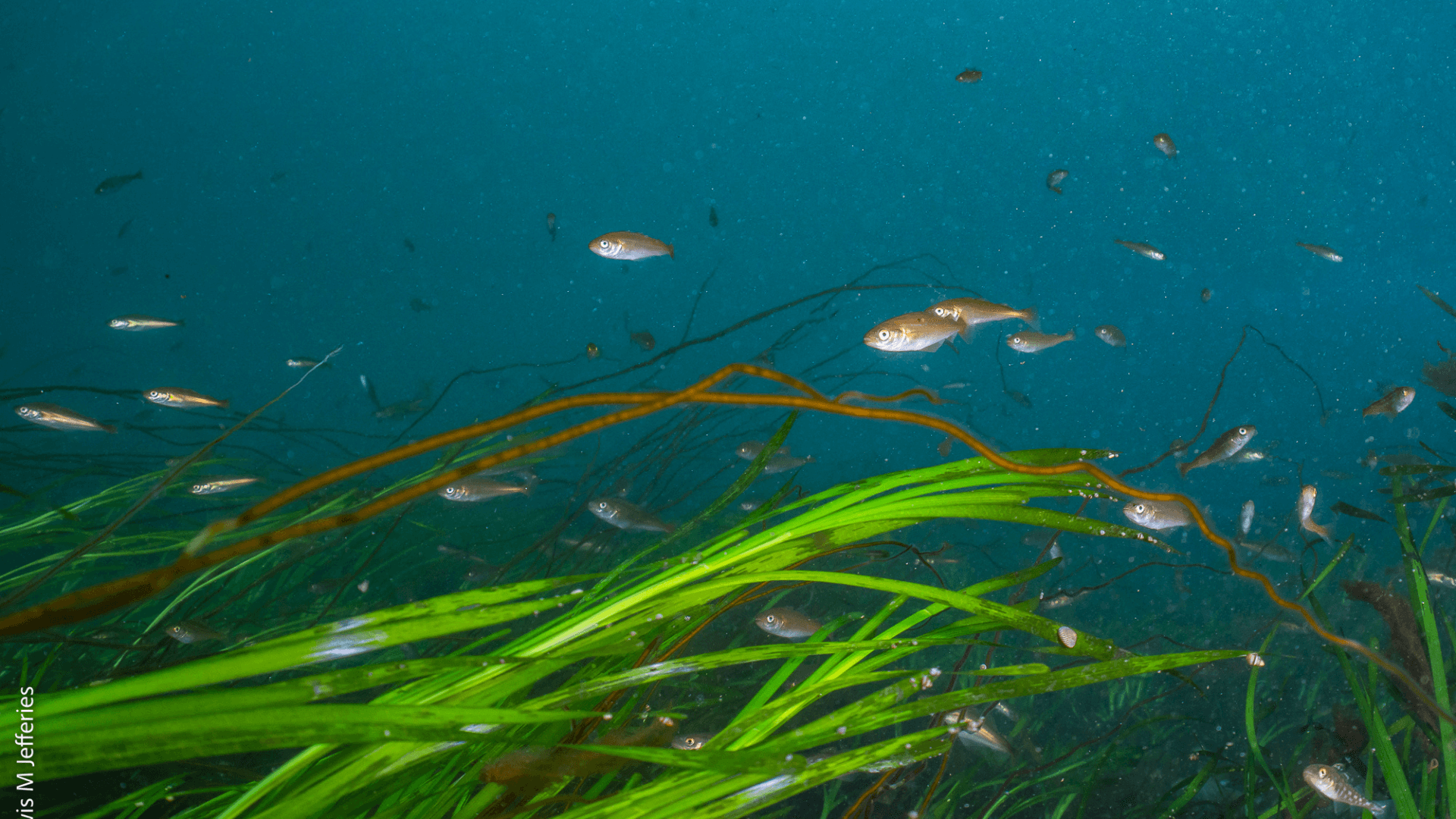
Around the archipelago of Orkney, are some of the UK’s most pristine seagrass meadows. With numerous sheltered bays, low numbers of inhabitants, and crystal-clear waters, Orkney’s shores provide the ideal conditions for seagrass. However, much remains unknown about these important ecosystems. The Highland Park funded Sjogras Partnership was established to bridge these knowledge gaps. Now in its fourth year, Professor Joanne Porter’s MSc International Marine Science students from Heriot Watt University Orkney and Dr. Elizabeth Lacey and Dr. Calum Hoad from environmental charity Project Seagrass have focused on developing our scientific understanding of the pristine seagrass meadows found around Orkney’s shores, with mapping and quantifying the ecosystem services provided by Orcadian seagrass being top priorities. Often referred to as ‘marine powerhouses’, seagrass meadows can provide numerous benefits for the surrounding environment. Havens of biodiversity, they provide habitat, food, and shelter to thousands of species of fish, invertebrates, mammals, reptiles, and birds. As important fishing grounds, seagrass meadows provide access to food sources and support the livelihoods of millions of people around the world. Seagrass meadows can also trap carbon within the seabed and, if left undisturbed, can store this for millennia. Locating and mapping Orcadian meadows enables local protection, while gathering data to understand these habitats furthers seagrass science, impacting broader understanding and wider conservation efforts. Year 1 | 2022 During the first year of the partnership, then Heriot Watt University student Katy Waring set out to develop methods to assess the ecosystem services provided by seagrass around Orkney. This involved surveying seagrass meadows around Orkney’s shores using Baited Remote Underwater Videos (BRUVs), a non-invasive research tool, to collect data. Katy worked with local engineering firm Hamnavoe Engineering to design and develop the BRUVs and deployed them off Stronsay’s shoreline in the bay of Franks during the 2022 survey. This research provided evidence of the vital ecosystem service that Orcadian seagrass plays in providing habitats and spawning grounds to a variety of marine species, including Pollock and Atlantic Cod. Year 2 | 2023 In year two, then student Oliver Lee supported Dr Esther Thomsen of Project Seagrass to map seagrass meadows using a WINGTRA drone. Building on Katy’s research, Oliver went on to further document the biodiversity within Orcadian seagrass meadows through subtidal surveys at Mill Bay, Stronsay and at Tankerness, Orkney mainland. His research found an abundance of species inhabiting Orkney’s seagrass – further emphasising the significant role that these meadows have for the marine environment. Year 3 | 2024 Year 3 of the partnership supported the research of then students, Emily Powers and Emma Retson. Emily undertook surveys to understand variances of biodiversity in seagrass beds around the Isles. Her research explored how species diversity may be impacted by abiotic factors (such as seabed depth and tidal current flow) and found a higher richness of biodiversity in beds exposed to high tidal ranges and stronger tidal streams. Emma’s research focused on comparing infauna (animals living in the sediment beneath the seafloor) data from different sites and the influence of seagrass density on this. Sediment samples were extracted to enable the biodiversity associated within the sediment to be quantified. Local Stromness based expert Inga Williamson of Biotikos Ltd providing taxonomic expertise in identification of the infaunal organisms. Looking ahead In the summer months of 2025, the Sjograss Partnership will continue working together to better understand the health and extent of Orkney’s seagrass. This year, Dr. Elizabeth Lacey plans to establish ‘sentinel’ sites around the Orkney archipelago. These sites will be chosen to represent the characteristics of seagrass habitats across the islands. By routinely monitoring the sentinel sites into the future, the Sjograss Partnership will improve our picture of the dynamics and drivers of seagrass health in Orkney. In turn, this understanding could help us understand how and why seagrass is changing across Scotland. Within these sentinel sites, HWU PhD candidate Millie Brown is working on ecosystem services (carbon sequestration) of blue carbon habitat mosaics, as part of her SMMR funded scholarship research and MSc project student Alisha Underwood will be studying properties of the sediment associated with seagrass at Finstown and Tankerness. In addition, as part of setting up the sentinel sites, Dr. Calum Hoad from Project Seagrass will be experimenting with high-tech methods for mapping the extent of each seagrass meadow. In the water, the team will use a remotely controlled boat to capture echosounder data. In the air, the team will use sophisticated sensors attached to drones to take thousands of images of the seagrass meadows. From space, satellites will take pictures of Orkney every few days while the team is on the ground. By combining all of these types of data with data collected by hand (and snorkel!), the team will map the sentinel seagrass meadows of Orkney. Examining the strengths and weaknesses of each data source will help the team think about how best to map seagrass across the rest of Orkney, Scotland, and the UK. Hear more in person and get involved! The Sjogras Partnership will be working at seagrass meadows across Orkney from 19th July until 1st August. There are a few opportunities to meet the team in person, to learn more about seagrass, and even to see some seagrass in person: Renewables Revolution Open Day, 2-5pm on 23 July 2025, at the Orkney Research and Innovation Centre, where the Sjogras Partnership will be showcasing Orkney’s seagrass. A guided snorkel over a local seagrass meadow near Kirkwall on Sunday 27th July. Sign up will be necessary and spaces limited. The Orkney International Science Festival Family Day, 10-12.30 and 1-3pm on 6th September, at the Pickaquoy Centre, Kirkwall, where Project Seagrass and the local Heriot Watt team will be ready to talk all about seagrass science. We hope to see you there!
SeagrassRestorer launch marks new era of global collaboration for seagrass restoration
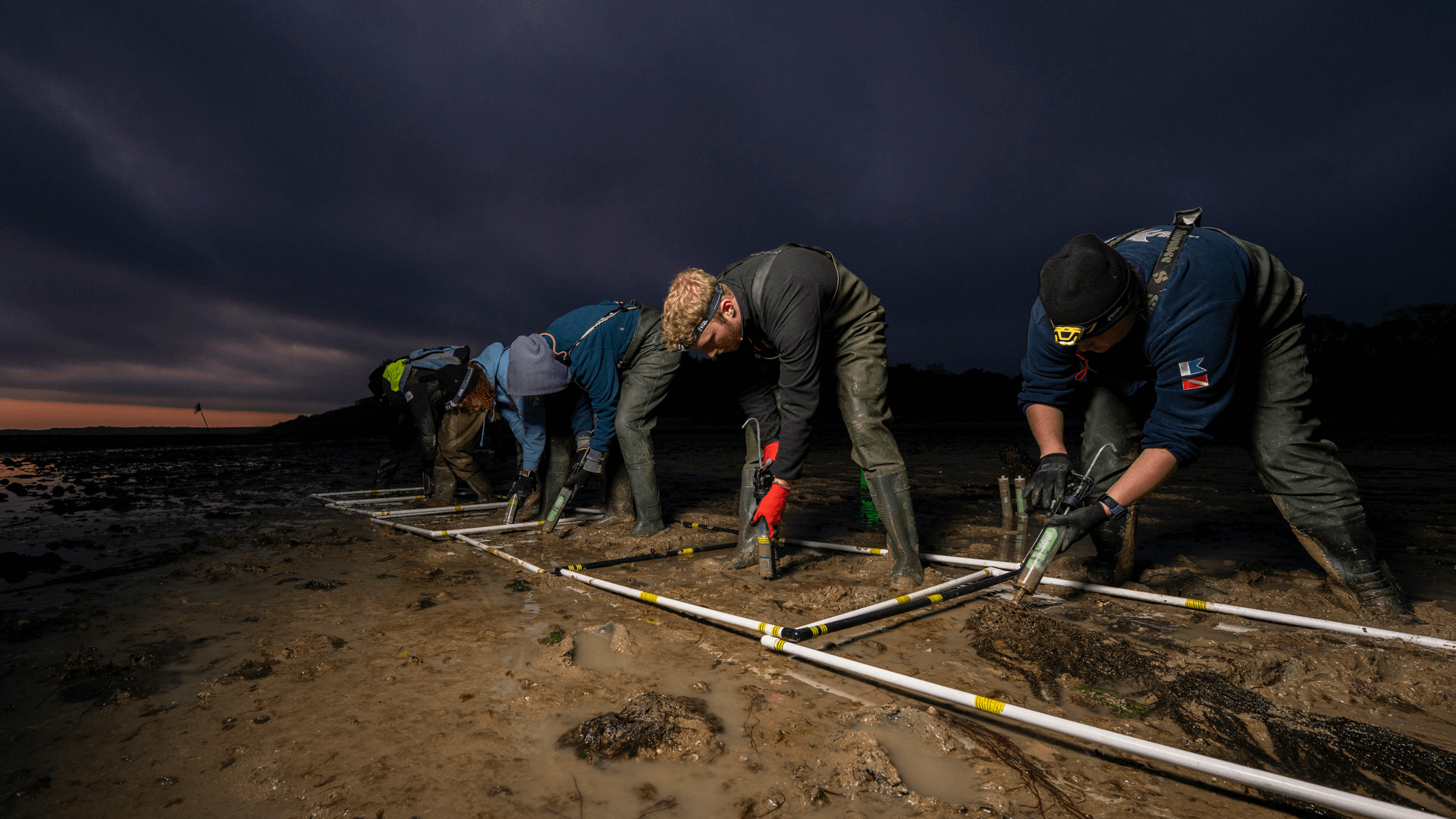
Following its World Ocean Day launch, everyone from scientists to conservationists, and from community groups to environmental funders now have access to an innovative new knowledge sharing platform: SeagrassRestorer. Launched by an international partnership comprising some of the world’s leading seagrass scientists, SeagrassRestorer provides a unique opportunity to learn not just from each other’s restoration successes but, perhaps more importantly, each other’s restoration failures. Seagrass meadows have faced significant losses across the globe. In response to this, a growing number of initiatives are underway in an attempt to restore these vital underwater ecosystems, with projects taking place in diverse locations ranging from temperate estuaries to tropical lagoons. But seagrass restoration is not as simple as planting trees on land. “There is no one-size-fits-all approach to restoring seagrass meadows” said Dr Benjamin Jones, Chief Conservation Officer and Co-Founder of Project Seagrass, one of the two architects of the platform. While some projects have achieved notable success, most scientists agree that the majority of seagrass restoration projects fail to meet their intended goals. Dr Richard Unsworth, Chief Scientific Officer at Project Seagrass said: “One of the challenges facing the scientific community is the lack of reporting on unsuccessful projects, which, for the most part remain unpublished, undocumented, or inaccessible to the broader scientific and conservation community. Ultimately, if we aren’t sharing what isn’t working, we risk groups making the same mistakes over and over again. Mistakes that ultimately waste time and financial resources. We’re hoping SeagrassRestorer will directly address this challenge via a centralised portal where seagrass restoration projects can be catalogued, allowing us to learn from, rather than replicating, each other’s failures.” Seagrass Restoration using the DIS method in Thorness, Isle of Wight. Credit Francesca Page Seagrass Restoration using the transplant method in Thorness, Isle of Wight. Credit Francesca Page Leading the development of SeagrassRestorer is international NGO Project Seagrass who are working on a host of seagrass restoration projects from experiments into different planting methods across sites in Wales, Scotland and England, to trials of passive restoration approaches—those aiming to facilitate natural recovery—such as the installation of environmentally friendly boating infrastructure in locations including the Isle of Wight. In Indonesia, and alongside community groups, Project Seagrass has also led much broader passive restoration approaches aimed at tackling sedimentation and poor water quality—the main drivers of seagrass loss—by restoring trees along riverbanks. While Project Seagrass has achieved success across a number of projects, active planting of both seeds and adult shoots in a number of locations have failed—failures that have been prevented from being shared due to a lack of a suitable platform. SeagrassRestorer fosters global collaboration and knowledge sharing within the global seagrass restoration community like never before. Users can share and download information on where, when, and how seagrass restoration projects have been undertaken, and, importantly for those planning their own projects, what methods have worked, and what methods have not. Dr Jones said: “SeagrassRestorer has the potential to become a science-backed seal of approval for seagrass restoration projects. If we’re serious about rebuilding marine life, we need to be prepared to share our knowledge and innovative approaches. This isn’t a competition.” SeagrassRestorer represents a crucial step forward in the field of seagrass restoration. Filling a critical gap by providing an open-access, interactive, and continuously updated portal that records details of seagrass restoration projects across the globe. By centralizing data, promoting transparency, and fostering collaboration, it aims to accelerate progress in marine habitat restoration and contribute to the resilience of coastal ecosystems. Founding partners of SeagrassRestorer include Project Seagrass, Swansea University, Deakin University, Universiteit Stellenbosch, Rijksuniversiteit Groningen, Universidade do Algarve, Universitas Hasanuddin, Göteborgs universitet, Dalhousie University, and CQ University.
Volunteers’ Week: Interview with Lindsey

At Project Seagrass, we rely on the enthusiasm and commitment of our volunteers who support our work to save the world’s seagrass. We couldn’t do it without you! We spoke to Lindsey, one of our regular volunteers in the Solent about her experiences of volunteering with Project Seagrass: 1. Tell us a little about yourself. Hi my name is Lindsey. I was born in the East End of London which was pretty nature depleted but every year we went to the North Coast of Cornwall on holiday. This was a wild landscape and I fell in love with the natural world here. Twenty years ago, my family and I decided to move to the Isle of Wight to be closer to the sea and the natural world. For most of my working life, I have been a Specialist Speech and Language Therapist working for the NHS; I retired four years ago and since then have been involved in a variety of volunteering roles around protecting and restoring nature, particularly our sea and the life within it. This has been an amazing time, allowing me to become more deeply involved with the natural world. Volunteer, Lindsey Fragment Walk at Priory Bay, Isle of Wight. Photo by Francesca Page @francescapagephoto 2. How did you first hear about Project Seagrass and what inspired you to get involved? I had started volunteering with The Solent Seascape Project whose aim is to restore four important habitats including seagrass across the Solent area and Project Seagrass has a large role in this restoration work. I heard of Project Seagrass’s work restoring seagrass on beaches near to me and was keen to become involved. Project Seagrass have been carrying out some really innovative work trialling different methods of re-growing seagrass locally. Also, they were keen to involve local volunteers which was great for me. 3. What have you enjoyed most about volunteering? The most important part of volunteering is feeling that I am part of work that is making a really positive difference to our sea, the life in it, and the wider natural environment. Through Project Seagrass, I have learnt a lot about seagrass, its role in the ecosystem, its history and what it needs to thrive. I have loved doing the practical work: finding the seagrass seeds and the plants that have washed ashore and preparing them for replanting. I really enjoy passing on what I have learnt to family, friends and the wider community so people understand more about seagrass and its importance. It feels great to be part of a project and a team that is working hard to restore our amazing seagrass meadows. 4. Why is seagrass important to you? The sea is incredibly important to me and should be to us all. Without a thriving sea, we do not thrive or even possibly survive. Seagrass is a very important marine habitat. It provides a home, locally for Seahorses and Cuttlefish; it is a nursery for species such a skates; it provides protection for our local coast and can sequester large amounts of carbon dioxide. What is there not to love about seagrass. We have started snorkelling in our local sea and coming across seagrass meadows is mesmerising and so beautiful. However, most seagrass in our seas has been lost over the last hundred years and it needs our help to survive and flourish. 5. What would you say to someone who is thinking of volunteering? I would definitely recommend volunteering for Project Seagrass. The work is fun and fulfilling. The staff are very keen to involve volunteers and to pass on their knowledge and experience which is great. It has been lovely to be part of a friendly team of staff and volunteers and there has always been a very positive atmosphere and a feeling of a job well done at the end of the day. You can be part of making a really positive difference to our seas-why not give it a try! Join us Find out more about volunteering with Project Seagrass and sign up today! If you have any questions about volunteering with Project Seagrass, get in touch with us at volunteers@projectseagrass.org.
From Sea to Sky: How Coastal Seagrass Meadows Help Fuel Globe-trotting Migratory Birds

In a guest blog post for World Migratory Bird Day, our Solent Fieldwork Officer Emma Butterworth explores the role that seagrass plays for migratory birds: Every year, migratory birds embark on epic journeys—some spanning thousands of miles—between breeding and wintering grounds. These incredible migrations demand an immense amount of energy, which makes stopovers and overwintering sites crucial for survival. Stopovers are the rest stops of the bird world, where species can refuel, rest, and recover before continuing their journeys. Overwintering sites are at one end of the journey, where birds can survive over the harsher months. One foraging habitat for these globetrotters? Seagrass meadows. These marine plant communities don’t just benefit marine life—they play a surprising role in supporting migratory birds. Depending on the species and their needs, birds utilize seagrass in a few key ways. Some species, like certain wildfowl, feed directly on the seagrass itself. For example, brent geese (Branta bernicla) are well known for grazing on seagrass (Zostera spp.) which is their preferred food source. UK estuaries support around 100,000 overwintering brent geese, which arrive from Siberia, Svalbard, Canada and Greenland. These numbers represent around 40-50% of the European wintering population and around one fifth of the global population! Key wintering sites in the UK include Strangford Lough, Lindisfarne, Essex, and the Solent. Seagrass provides crucial food reserves to help them survive over winter and have enough energy to make the long return journey to their breeding grounds. Other birds aren’t after the plants, but the creatures living within them. Seagrass beds act as nurseries for juvenile fish and are home to a wide range of invertebrates like crabs, snails, and worms. Migratory shorebirds such as curlew, godwits (bar-tailed and black-tailed), dunlin, knot, and grey plover forage on these rich prey communities, finding food within the leaves and sediment. Redshank on seagrass. Photo Credit Emma Butterworth Dark-bellied brent geese. Photo Credit Emma Butterworth My own research focuses on understanding how UK birds are using seagrass habitats. The Convention on Migratory Species (CMS) encourages countries to develop inventories of migratory species that use seagrass meadows, and I am aiming to develop this inventory. So far, I have observed 18 species listed by the CMS foraging within seagrass meadows, and this is only the beginning! If you have observed any birds outside of those listed below, or if you have photographic evidence of any migratory species foraging within seagrass, please get in touch! We are especially interested in migratory birds but information on all birds is welcome! From a conservation perspective, this work matters. Seagrass meadows are among the most threatened ecosystems globally, facing pressures from coastal development, pollution, and climate change. As we learn more about the intricate connections between land, sea, and sky, it’s clear that conserving seagrass meadows is important to many aspects of nature—including our feathered visitors from far away. UK bird species listed by the Convention on Migratory Species that have been observed foraging on seagrass during surveys and fieldwork. brent goose, dark-bellied Branta bernicla bernicla brent goose, light-bellied Branta bernicla hrota mallard Anas platyrhynchos mute swan Cygnus olor shelduck Tadorna tadorna teal Anas crecca wigeon Mareca penelope bar-tailed godwit Limosa lapponica black-tailed godwit Limosa limosa curlew Numenius arquata dunlin Calidris alpina greenshank Tringa nebularia grey plover Pluvialis squatarola knot Calidris canutus redshank Tringa totanus common ringed plover Charadrius hiaticula sanderling Calidris alba turnstone Arenaria interpres whimbrel Numenius phaeopus Further information Unsworth, Richard & Butterworth, Emma. (2021). Seagrass Meadows Provide a Significant Resource in Support of Avifauna. Diversity. 13. 363. 10.3390/d13080363. https://www.mdpi.com/1424-2818/13/8/363 Convention on the Conservation of Migratory Species of Wild Animals, Aves https://www.cms.int/en/species?field_species_class_tid=421 Please contact Emma Butterworth with any “birds on seagrass” sightings: emmabutterworth@projectseagrass.org