Seagrass Nursery News – Vol. 5
By Elise Simone de Tourtoulon-Adams
Geo Enthusiast turned Seagrass Fanatic!
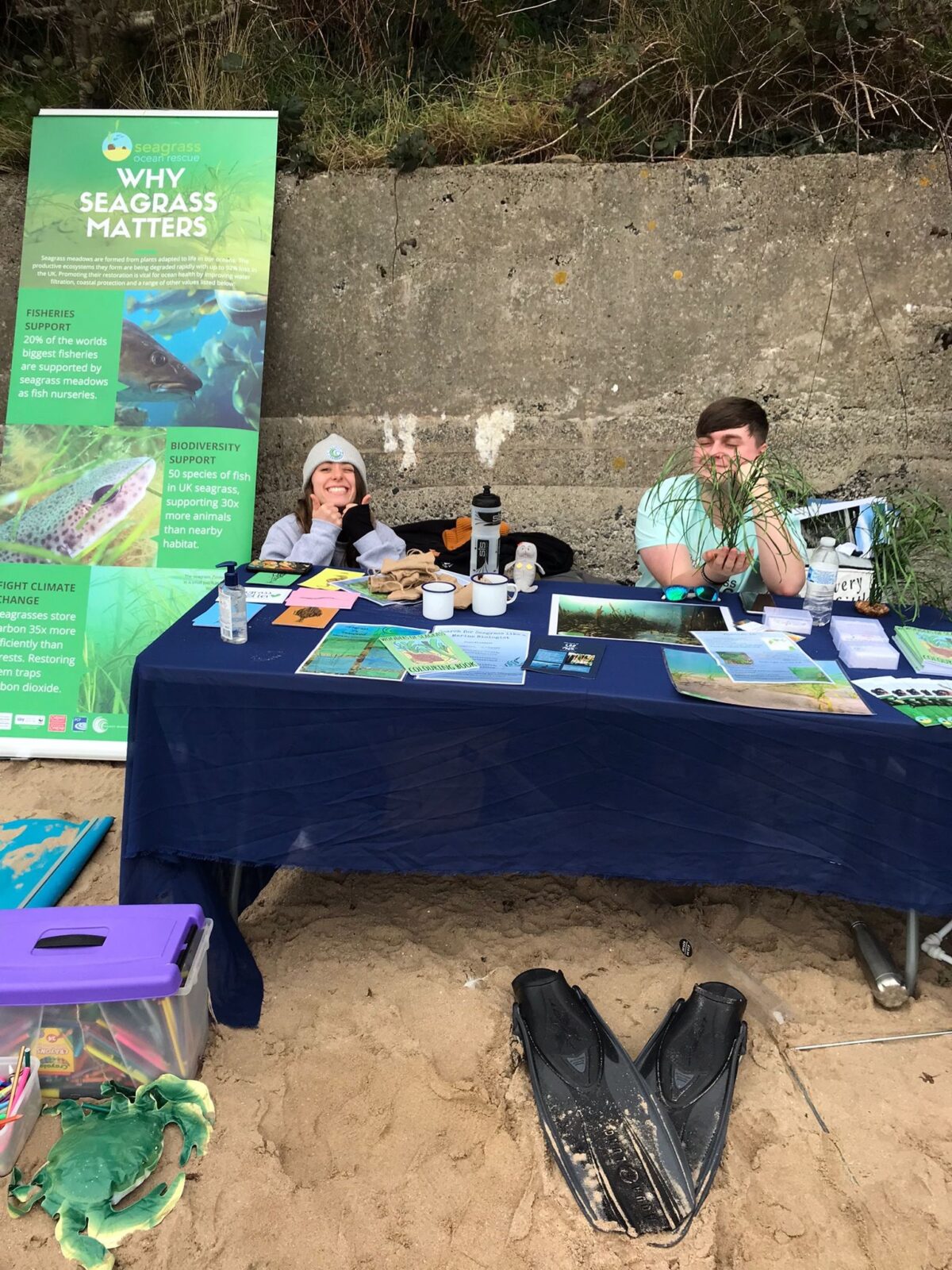
My name is Danny Rice, I am a 23 year-old Conservation Assistant at Project Seagrass. I began working for the charity in June 2021 due to the Government-funded Kickstart Scheme. Despite studying a Bachelor’s degree in Physical Geography and a subsequent Master’s degree in Climate Change, the COVID-19 Pandemic found me unemployed. I was so lucky to see this job posted as a Kickstart Scheme, so I applied through my work coach and got the job. I was thrilled and so thankful! When I was 6 years-old, Boxing Day 2004, I was sat in front of the television, completely entranced with the news of the awful Tsunami that struck Indonesia and countries surrounding the Indian Ocean. A classic story my mother still tells people to this day. Ever since then I have had a profound interest in not only natural hazards, but the ocean itself and what it holds. How powerful is the ocean? How important is it for human and marine life? Is this tsunami a regular occurrence and a threat? It was not until my Master’s degree that I understood the ocean’s full potential in terms of climate change and not just hazardous tsunamis. But that knowledge was still very limited, because I still had no idea what seagrass was and how important it is for climate change and blue carbon. Although my academic background is mainly geographical, the elements that account for seagrass decline (pollution, agricultural and urban runoff, nutrient overload etc.) are not alien to me and are issues I have studied in a geographical concept. Being able to utilise my GIS and mapping techniques for seagrass meadow distribution has been both interesting and fascinating. I have not yet had the chance to get out into the field with the team, but any seagrass mapping data and drone imagery that has been taken, I project into GIS at home, and conduct my analyses and data creation of seagrass meadows mapped from the drones. The work has been enthralling and someday soon I will hold the certification to fly my own drones and hopefully get out into the field to do my own drone surveys! My work has extended to working alongside global tech company CGI in collaborating with a brand-new seagrass mapping tool, using satellite remote sensing data from the Sentinel satellite. The collaboration is part of CGI’s ambition to become Net Zero by 2026, and to promote climate change initiatives such as seagrass seed planting and mapping its potential distribution across the UK coastline for restoration and conservation efforts. I assist with the GIS work and provide ecological understanding of seagrass. This project has some direct links to my previous academic work – I did not think I would be conducting remote sensing work within the marine industry, which shows how exhilarating and interdisciplinary this job has been for me. Working with the CGI team has been very enjoyable, and a prime example of how important charity work is, especially within environmental conservation. Every day, I feel like I am using my existing knowledge, but constantly gaining experience and understanding of our marine world and its importance for climate change. I have learned so much about seagrass and marine ecosystems in just 7 months – in geographical contexts to map seagrass, by attending outreach events to talk with other conservationists and the public, but also ecologically and biologically to understand its full potential in blue carbon. Thanks Project Seagrass! Geology rocks but seagrass is certainly nifty!
Can seagrass help reduce microplastic pollution?
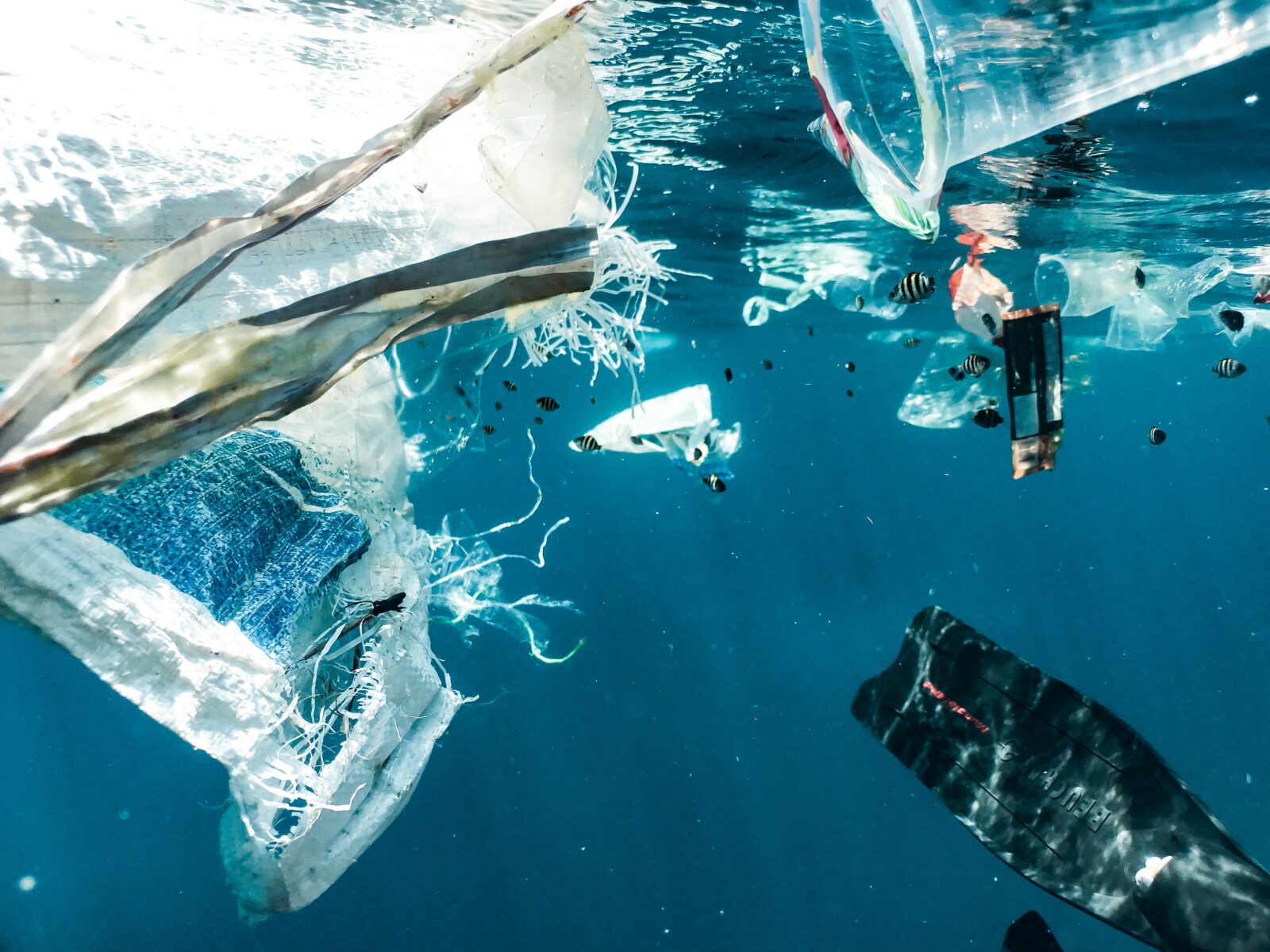
Guest blog by Lucy Wust Microplastics is a term that is worryingly on the rise in the media. They are found almost everywhere, and their polluting and damaging effects are felt heavily on marine environments. Can seagrass present a solution in our fight to tackle this widespread plastic contamination? What are microplastics and where do they come from? Microplastics are tiny plastic particles defined as being less than five millimetres in length. There are two categories of microplastic: primary and secondary. The category the microplastic is in tells us how it entered the environment. Primary microplastics are plastic fragments that were already five millimetres or less in size before entering the environment. Examples from this category include products for commercial use such as microbeads in exfoliants and other cosmetic products, and microfibres shed from washing our clothes. Water filtration systems cannot filter out these tiny particles and so they end up directly entering the ocean. Secondary microplastics are particles that result from the natural degradation of larger plastic pieces after entering the environment. For example, wave action, wind abrasion and ultraviolet radiation from sunlight can cause plastics such as water bottles and plastic bags to fragment and breakdown into tiny pieces. Both categories show us that it is the result of increased human use and release of plastic which is fuelling this mass of microplastics in marine environments, whether that is directly or indirectly. Many factors regarding microplastics, such as their high durability and level of accidental release, have caused their concurrent increase in abundance and geographical range alongside human population growth (Rocha-Santos and Duarte, 2015). The environmental impact of microplastics Despite microplastic release having been first identified in the 1960s (Ryan P.G., 2015), consumer awareness of the dangers of microplastics seems to only just be catching up now. More extensive research into the effect of microplastic on marine environments has only been conducted relatively recently, but there is still no conclusive evidence of the long-term consequences; an uncertainty that could potentially exacerbate their danger since their distribution is increasing. However, what is certain is the geographical range of microplastics; they are everywhere. Microplastics have been found in; a multitude of species, deep oceans, the Artic, the air we breathe and the water we drink, just to name a handful. It is there that they will stay and accumulate, since microplastics are not biodegradable. It could take hundreds or thousands of years for them to break down which highlights the importance of exploring ways to actively reduce their abundance in the environment. Microplastics come in different shapes, sizes and appearance, all of which influence how toxic they are to humans and the environment; thus making it difficult to assess the extent of their harm. Up until recently, research has focused on larger plastic items rather than microplastics, with the former widely known to cause entanglement and suffocation to marine life. However, researchers have identified that microplastics certainly pose a risk too; reductions in growth, fitness, and reproduction in marine animals due to microplastic ingestion have been observed (Horton et al, 2017), as well as the potential for microplastics to be carried further up the food chain and cause long-term damage. A lot of these problems will stem from marine life mistaking the microplastics for food, which can directly harm them, or indirectly cause them to not eat enough food. In addition, microplastics have been shown to act like a sponge by absorbing pollutants and chemicals, thereby transferring them from the environment into organisms. Not only is the threat of microplastics concerning, but the fact that they could be increasing the distribution of other pollutants intensifies their potential threat. What is currently being done to reduce microplastic in the ocean? How can seagrass help? The growing concern of the effect of microplastics has resulted in a few recent changes employed on a larger, government scale, but also on a smaller and more individual level. These include but are not limited to; the ban of the sale of products containing microbeads which came into effect in the UK 2018, the increasing efficiency of wastewater and drinking-water treatments, the avoidance of single-use plastic items such as straws and cups, recycling awareness and environmental education. So where does seagrass come into this? A study conducted by Sanchez-Vidal et al. (2021) found that seagrass meadows promote the trapping and aggregation of large- and micro-plastics, which results in their eventual escape from the coastal ocean. The species of seagrass, Posidonia oceanica, loses its leaves in autumn. These leaves are washed up by waves and currents and accumulate on beaches. The study found up to 613 plastic items per kg of washed-up loose leaves, ultimately concluding that the plastic gets intertwined and subsequently trapped in the seagrass. The plastic is then easily identified on the beaches and can be removed by us, emphasising the importance of our role in this clean-up too. However, ongoing declines in seagrass abundance points to reductions of this marine plastic trapping, just as we are starting to realise their clean-up potential. There is also uncertainty around the danger microplastics and large plastics pose to seagrass itself, thus it is crucial to ensure their conservation and not to view them as the only solution to plastic pollution. Further research is vital to identify; the extent of seagrass plastic trapping, the range of seagrass species capable of plastic trapping, seasonal dependency regarding the loose leaves, the varieties and limitations of plastic that can be trapped, and much more. Nevertheless, this study has identified a key trait of seagrass that could help marine life health. In conclusion, we are responsible for the growing plastic pollution in the ocean and ultimately the devastating consequences it brings to marine life. Ongoing research, individual lifestyle changes and charitable actions are just a few of the means adopted to tackle this worrying problem, and seagrass could present a natural solution to aid in our fight. However, we cannot let seagrass do all of the work in removing microplastics
Seagrass Nursery News – Vol. 4
By Elise Simone de Tourtoulon-Adams
Interning with Project Seagrass
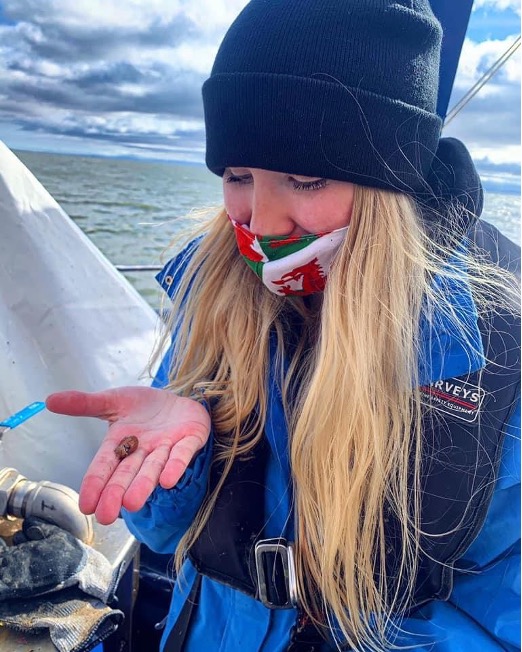
My name is Lowri O’Neill, a 20 year-old marine biology student studying at Swansea University. Ever since I can remember, I have always been obsessed with the ocean. As a toddler, I would watch Finding Nemo constantly all day, every day and would kick up a fuss if my parents suggested we watch any other film (how they didnt go stir crazy, I honestly dont know…). However, my first real introduction to marine biology came at the age of 15, where we visited MOTE Marine Laboratory and Aquarium on a school trip. Here, I learnt that you could study the ocean as a career and that there was such thing as a ‘shark scientist’ which completley blew my little 15 year-old mind. Ever since, I have been an aspiring marine biologist who dreams of one day being able to hold the incredible title of ‘shark scientist’ – coolest job in the world, in my opinion! Through my degree, I fell in love with the practical side of marine biology and most enjoyed fieldwork and working in the laboratory. With this, I decided to apply for an integrated year in industry as part of my degree, which would allow me to work in the field and gain invaluable experience over the period of a year. After many setbacks as a result of COVID, it was only by chance that I secured a placement with Project Seagrass – now looking back, these setbacks were such a blessing in disguise as my time with Project Seagrass (so far) has been nothing less of incredible. I was to be thrown into the deep end for my first task, and joined the team at the Isle of Wight to assist with some fieldwork, mainly logger retrivals and drone map surveying. This was my first time working around the tides and experiencing the classic sleep schedule of a true marine biologist, including starts as early as 3am! However, early morning calls were rewarded with colourful sunrises above beautiful seagrass meadows – a sight that felt very magical to see (after a strong coffee). Perhaps even more exciting, this trip was to be the first time that I experienced a seagrass meadow in all it’s glory. I left the Isle of Wight feeling extremley inspired and with a burning passion to want to protect the meadows I had just wandered. A perfect start to my internship! During the last three months, I have supported the team across a number of projects across the UK. Assisting with small scale experimental planting trials in the Isle of Wight, processing seagrass nutrient analysis samples in the laboratory and more recently, I have assisted PhD student, Aisling Collins, with collecting blue carbon samples from Loch Craignish in Scotland. Along with supporting these projects, I have also helped with education outreach (creating bilingual resources both in English & Welsh) and social media communications. I am incredibly grateful for the opportunities that Project Seagrass have and continue to offer me, and I am incredibly honoured to be able to assist such a devoted, hardworking, and supportive group of amazing people. I have learnt so much from each individual member of the team and have never felt more inspired to conserve and protect our wonderfully important seagrass ecosystems. Seagrass most definitley does rock!! Cyfiethiad Cymraeg Internio â Project Seagrass Fy enw i yw Lowri O’Neill, myfyriwr bioleg y môr 20 oed sy’n astudio ym Mhrifysgol Abertawe. Byth ers i mi gofio, dwi erioed wedi caru’r môr. Fel plentyn bach, byddwn i’n gwylio ‘Finding Nemo’ yn gyson, trwy’r dydd, bob dydd a byddwn yn pwdu pe bai fy rhieni’n awgrymu ein bod ni’n gwylio unrhyw ffilm arall (sut na aethant yn wallgof, dwi ddim yn gwybod i fod yn onest …). Fodd bynnag, daeth fy nghyflwyniad cyntaf i fioleg y môr yn 15 oed, lle ymwelon ni â Labordy Morol ac Acwariwm MOTE ar drip ysgol. Yma, dysgais y gallech chi astudio’r cefnfor fel gyrfa a bod math beth â ‘gwyddonydd siarc’, rhywbeth doeddwn i ddim yn gallu credu… beth?? Byth ers hynny, rwyf wedi bod yn fiolegydd morol uchelgeisiol sy’n breuddwydio am un diwrnod lle gallaf dal y teitl anhygoel o ‘gwyddonydd siarc’ – y swydd orau yn y byd, yn fy marn i! Trwy fy ngradd, cwympais mewn cariad ag ochr ymarferol bioleg y môr a mwynheais waith maes a gweithio yn y labordy’r fwyaf. Gyda hyn mewn meddwl, penderfynais wneud cais am flwyddyn mewn diwydiant integredig fel rhan o fy ngradd, a fyddai’n caniatáu imi weithio yn y maes a chael profiad amhrisiadwy dros y flwyddyn. Ar ôl llawer o rwystrau o ganlyniad i COVID, dim ond ar hap y sicrheais leoliad gyda Phroject Seagrass – nawr wrth edrych yn ôl, roedd yr anawsterau hyn yn gymaint o fendith mewn cuddwisg gan fod fy amser gyda Phroject Seagrass (hyd yn hyn) wedi bod yn anhygoel ac anghymarus. Cafodd fy nhaflu i’r pen dwfn ar gyfer fy nhasg gyntaf, ac ymunais â’r tîm yn Ynys Wyth i gynorthwyo gyda gwaith maes, yn bennaf adalw cofnodwyr ac arolygu mapiau gyda drôn. Hwn oedd fy amser cyntaf yn gweithio o amgylch y llanw a phrofi’r amserlen gysgu glasurol fiolegydd y môr, gan gynnwys cychwyn mor gynnar â 3am! Fodd bynnag, gwobrwywyd galwadau bore cynnar gyda machlud haul lliwgar uwchben dolydd morwellt hardd – golygfa a oedd yn teimlo’n hudolus iawn i’w gweld (ar ôl coffi cryf). Efallai hyd yn oed yn fwy cyffrous, roedd y daith hon y tro cyntaf i mi weld dôl morwellt yn ei holl ogoniant. Gadewais Ynys Wyth gyda theimlad o ysbrydoliaeth eithafol a chyda angerdd enfawr i eisiau amddiffyn y dolydd roeddwn i newydd grwydro. Dechrau perffaith i’m interniaeth! Yn ystod y tri mis diwethaf, rwyf wedi cefnogi’r tîm ar draws nifer o brosiectau ledled y DU. Gan gynorthwyo gyda threialu plannu arbrofol raddfa fach yn Ynys Wyth, prosesu samplau ‘dadansoddi maetholion’ morwellt yn y labordy ac yn fwy diweddar, rwyf wedi cynorthwyo myfyriwr ôl-raddedig, Aisling Collins,
Seagrass Nursery News – Vol. 3
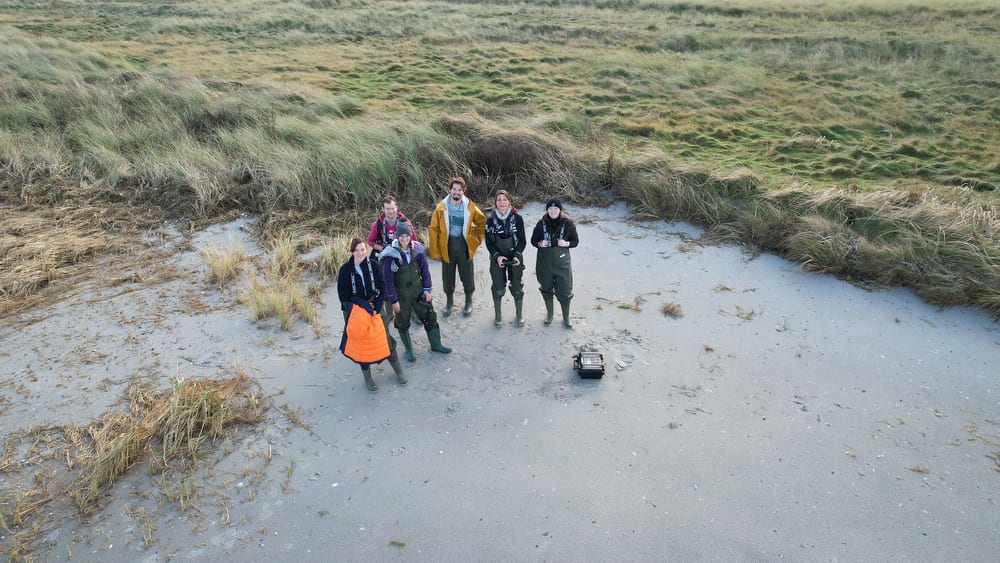
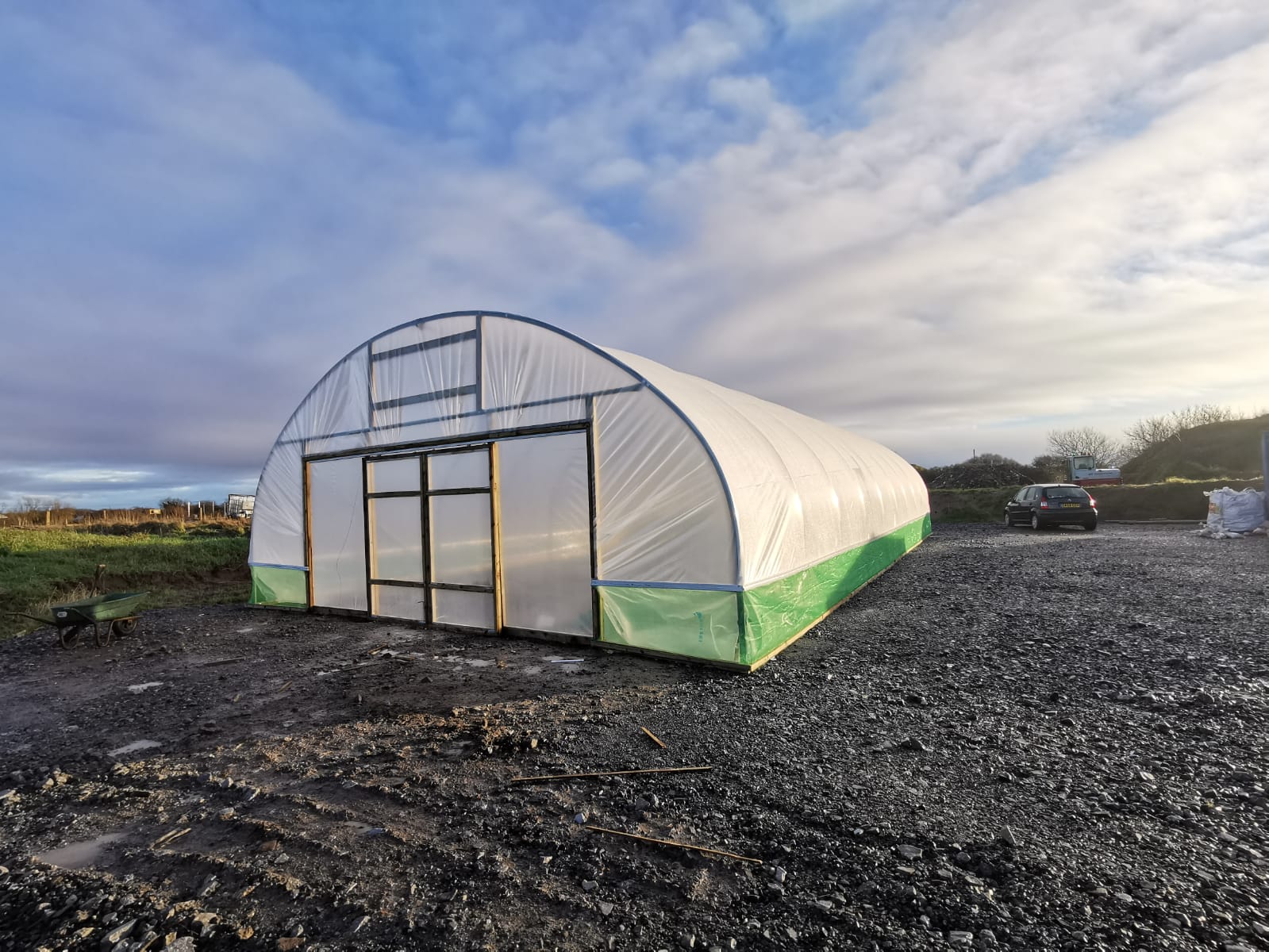
By Elise Simone de Tourtoulon-Adams A huge thank you to all of our supporters who helped us successfully raise more than £9,000 in the Aviva Community Fund to go towards developing this nursery.
Seagrass Nursery News – Vol 2
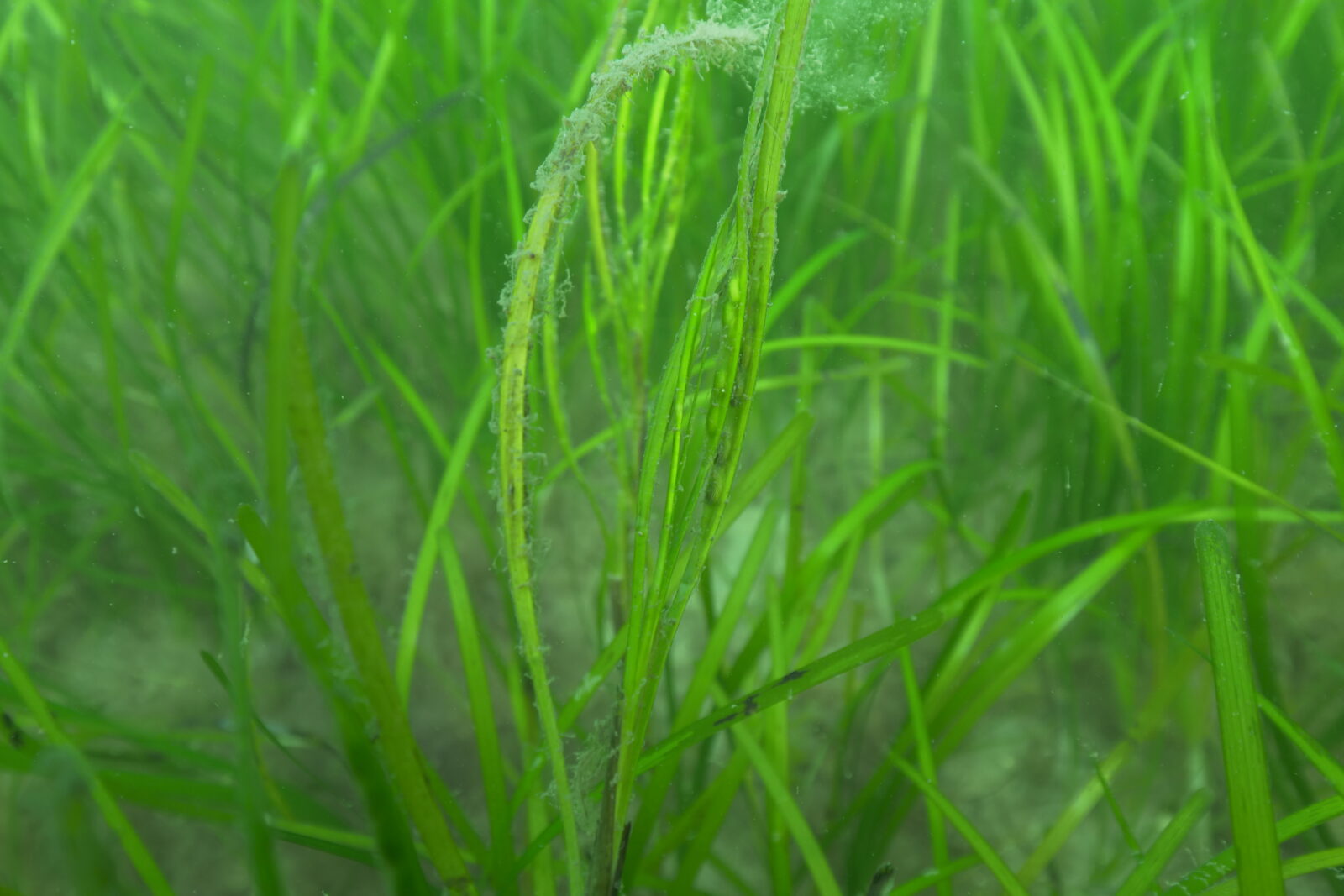
By Elise Simone de Tourtoulon-AdamsIf you would like to donate to support the nursery please head to: https://www.avivacommunityfund.co.uk/seagrass-nursery. Every donation helps and Aviva are currently matching your donation up to £50!
What is blue carbon?
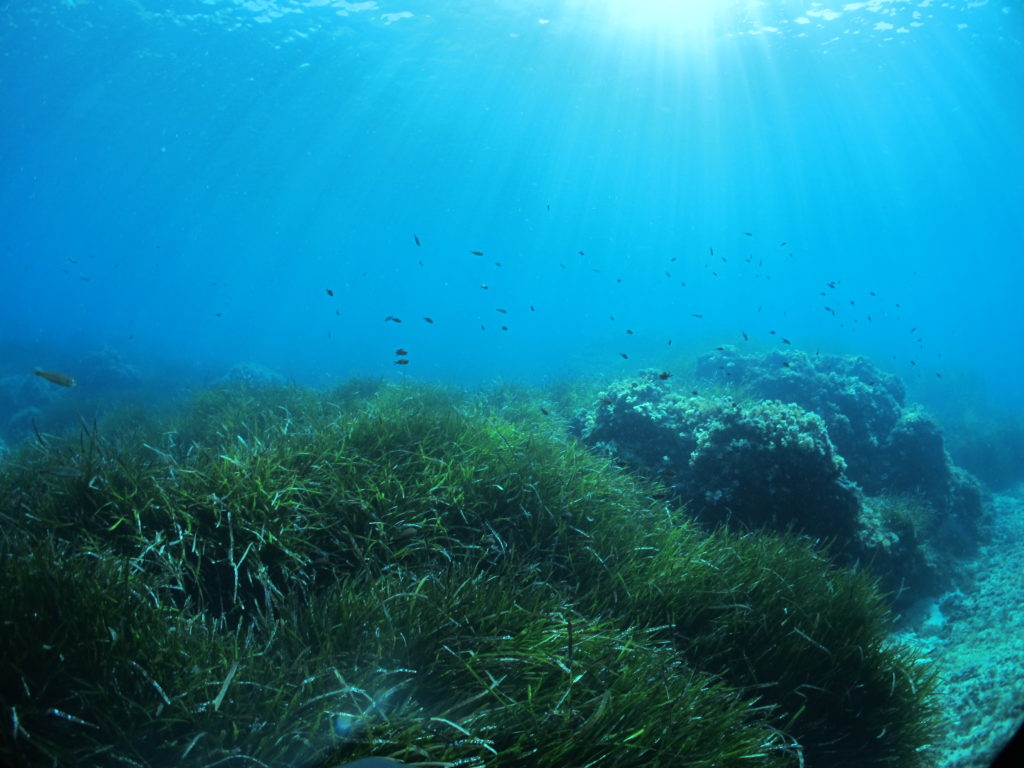
By Jenny Black The Carbon Cycle It is likely that we have all heard of carbon but what might not be known is the fundamental role it plays in our ecosystems. Carbon will naturally move between the atmosphere and the earth’s surface through interactions between organisms and ecosystems in a process known as the ‘carbon cycle’. In the carbon cycle, carbon can be a gas in the form of carbon dioxide (CO₂), or solid within organisms and rocks. On land, in what is known as terrestrial ecosystems, CO₂ can be captured, or sequestered, from the atmosphere and stored within plants in the process called photosynthesis. Here, plants use CO₂ and sunlight to create food for the growth of new plant tissue. This is a very basic description of the carbon cycle but what is not mentioned is the role of the ocean and marine ecosystems. Carbon exists in the sea in multiple forms (as seen in Figure 1). It can be dissolved in the water itself, stored by organisms in their bodies, buried in soil, or stored in rocks (Barnes, 2020). Carbon will move throughout these different stages and will be stored for different lengths of time depending on the stage. For example, carbon stored in plants and animals will be stored for the duration of that organism’s life. After it dies, some of the carbon will be released back into the atmosphere as CO₂ as bacteria breaks it down, and some will be buried within the sediment. Carbon that is buried within the sediment can be trapped and stored for much longer periods of time. In some cases, carbon stored in the plant tissue of rainforests can be retained for decades or centuries, but carbon stored within sediment can last for millennia (Nellemann et al., 2009). Figure 1: the oceans role in the carbon cycle. What is Blue Carbon? Whilst all marine life has a part to play in the carbon cycle, there are certain ecosystems within our oceans that act as major carbon stores, or carbon sinks, capable of capturing carbon in numerous types of forms. Think of it as the oceans equivalent to terrestrial rainforests that capture carbon and store it within their plant tissue and soils (Nellemann et al., 2009). The main blue carbon ecosystems include seagrass meadows, kelp forests and mangrove forests (Macreadie et al., 2019). Carbon that is captured and stored is called blue carbon (Nellemann et al., 2009). Figure 2 shows the three main blue carbon environments mentioned above. Figure 2: three key blue carbon ecosystems; Mangroves, Seagrass Meadows, and Kelp Forests (Nellemann et al., 2009). How is Blue Carbon captured and stored? There are two forms of carbon, organic and inorganic carbon. Inorganic carbon can be found in the environment as CO₂. The storage of atmospheric CO₂ in the oceans is complicated due to the barrier of water between the atmosphere and the blue carbon stores below. Because of this, CO₂ must dissolve into seawater to reach the blue carbon ecosystems below. After dissolving, CO₂ can be used by plants for photosynthesis, or it is mineralised into a hard carbonate by the likes of coral reefs and shell building organisms. Organic carbon on the other hand is found within the tissue of living organisms. Like terrestrial plants, some blue carbon ecosystems such as seagrass meadows can photosynthesise and store carbon within their plant tissue. What is unique about blue carbon ecosystems is that they can store both organic and inorganic carbon that they have sequestered and collected themselves, as well as storing carbon that has been sequestered by other terrestrial and marine ecosystems. Tidal and fluvial systems bring carbon particles from other marine and terrestrial suspended within its waters. Blue carbon ecosystems provide resistance to the flowing particles in the water column. They slow the speed of the water and capture the particles, encouraging them to be deposited into the sediment below. Dense root systems in the sediment provide protection preventing particles from being re-suspended. Over time, the carbon particles build up with old particles being buried below influxes of fresh material burying and protecting the carbon. This unique characteristic is the reason why blue carbon ecosystems can store ten times more carbon by burial than terrestrial ecosystems (McLeod et al., 2011). Figure 3 uses the example of a seagrass meadow of how different sources of carbon particles can be caught and stored within its sediment. Figure 3: seagrass and its role in the blue carbon cycle. Vital Ecosystems Blue carbon ecosystems offer many benefits to our oceans and coastlines including environmental protection, promotion of high biodiversity as well as carbon sequestration and storage. With governments and multi-national corporations acknowledging blue carbon ecosystems as the climate-combating solutions that they are, it is exciting to see blue carbon being given the recognition that it deserves. What is important for the future is continued protection and restoration of these environments. If we help to protect them, they will help us in our fight against climate change. Jenny is a masters student studying Aquaculture, Environment and Society in association with the University of the Highlands and Islands, University of Crete, Université de Nantes, and Radboud University. Her interest in blue carbon began with her Geology BSc dissertation where she investigated carbon storage within the soil of Scottish seagrass meadows. Since then, she has been focusing on the potential of blue carbon ecosystems and how they can be involved in carbon storage, environmental restoration, and food supply. References Barnes, D., (2020). What Is Blue Carbon and Why Is It Important?. Front. Young Minds. 8:154. doi: 10.3389/frym.2019.00154 Kennedy, H., J. Beggins, C. M. Duarte, J. W. Fourqurean, M. Holmer, N. Marb a, J. J. Middelburg. (2010). Seagrass sediments as a global carbon sink: Isotopic constraints. Global Biogeochem. Cy. 24: GB4026. doi:10.1029/2010GB003848 Macreadie, P.I., Anton, A., Raven, J.A. et al. (2019). The future of Blue Carbon science. Nat Commun 10, 3998 https://doi.org/10.1038/s41467-019-11693-w McLeod, E. et al., (2011). A blueprint for blue carbon: toward an improved understanding
Biodiversity is essential to planetary health
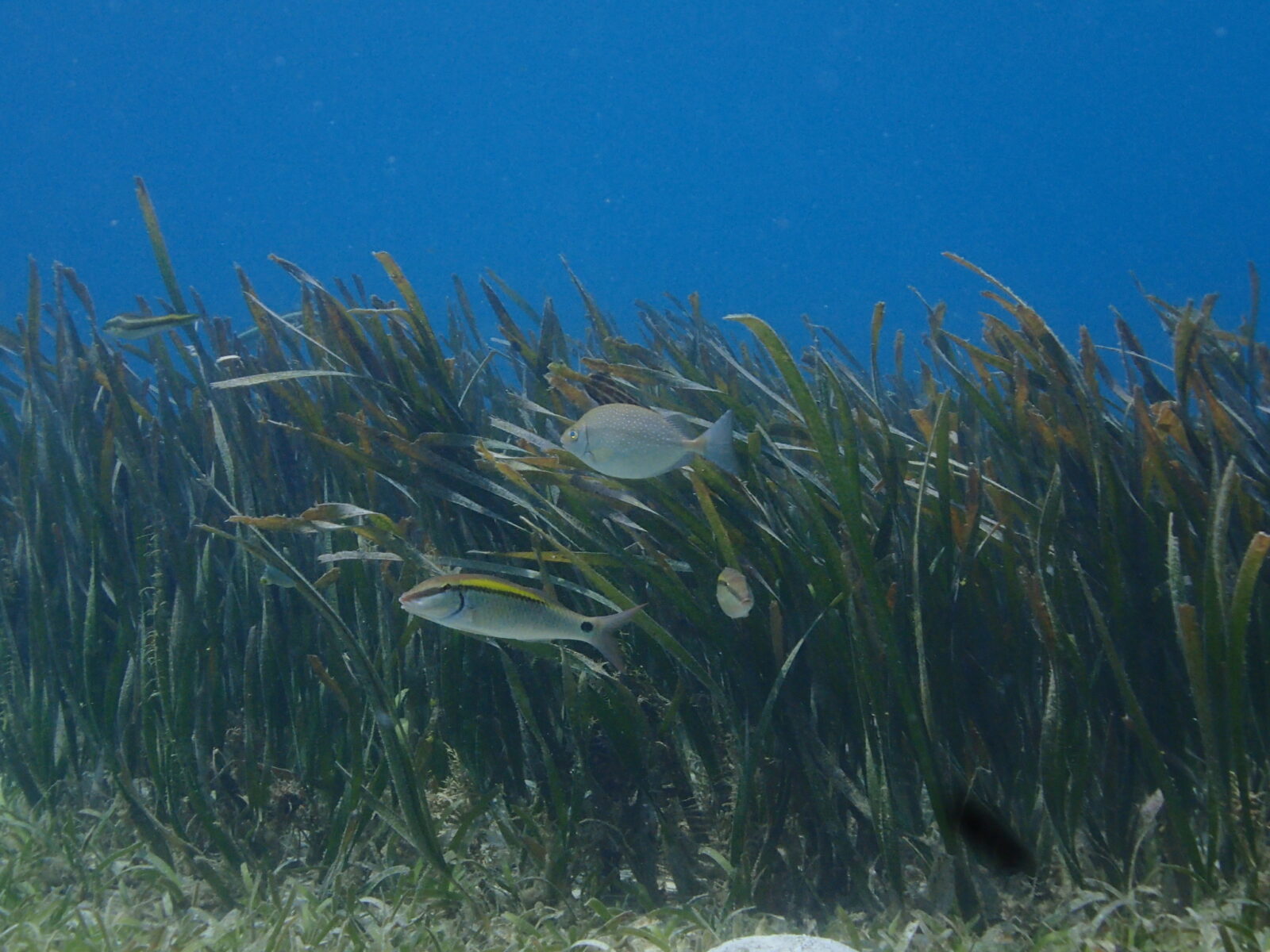
A few weeks ago part one of the UN Biodiversity Conference (aka COP15) took place in Kunming, China. Whilst all eyes are on the UN Climate Conference set to take place in Glasgow, UK next week, we must not forget the vital role that biodiversity plays in our planets health. Seagrass habitats are vital for supporting ocean biodiversity. Biodiversity loss threatens both people and planet, placing pressure on our health, economy, and food security. We are currently losing biodiversity at an unprecedented rate. The 2020 Living Planet Report estimated that between 1970 and 2016 the global populations of vertebrates declined by an average of 68%. Land-use change for food production is one of the biggest threats to biodiversity. Humans have changed the face of the earth. We have polluted our oceans and destroyed more than 85% of our wetlands. In a bid to reduce biodiversity loss and stem the destruction of ecosystems by 2020, the Aichi biodiversity targets were outlined and adopted in 2010 at COP10. More than a decade later, not one of those targets were met. We have to realise that humans are not set apart from nature. We are intrinsically linked with nature and the threat to biodiversity is a direct threat to humanity. Our future is dependent on the protection and revival of healthy ecosystems. Biodiversity conservation is a non-negotiable if we are to live on healthy planet with food and economic security. We must stop working against nature. Encouraging biodiversity to flourish is vital for people and planet. COP15 has set the stage for an effective global biodiversity framework to halt the loss of biodiversity and bring life back to our planet. Parties to the Convention on Biological Diversity (CBD) have adopted the Kunming declaration whereby they have committed to negotiate an effective post-2020 global framework that can bend the curve of biodiversity loss. What this looks like will be agreed upon when part 2 of the conference resumes in May 2022. Additionally, parties to the CBD have committed to upping the spend on biodiversity protection and restoration. The Government of China established a 1.5 billion-yuan (c.$233 million) Kunming Biodiversity Fund and the EU have promised to double its biodiversity fund. Parties to the CBD must now commit to an effective framework that puts nature on a path to recovery by 2030. We must all realise the role that healthy, biodiverse ecosystems play in our day-to-day lives and put pressure on our governments to recognise and support nature-based solutions to the climate and biodiversity crises.
Seagrass Nursery News – Vol 1
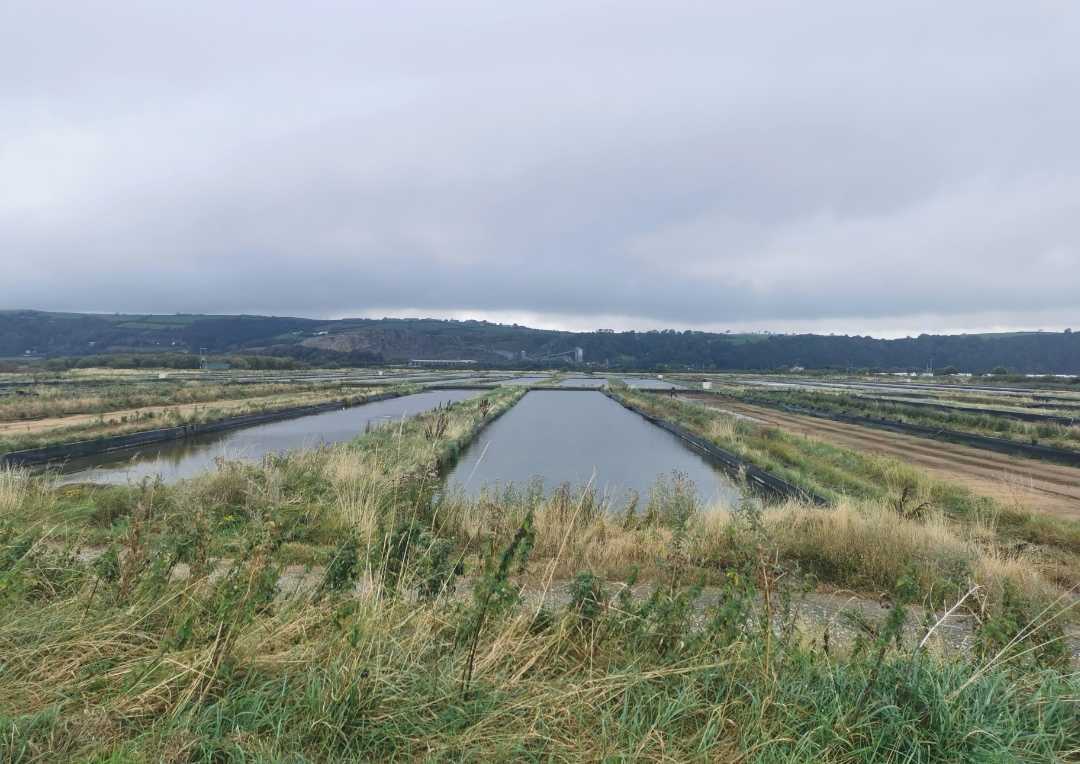
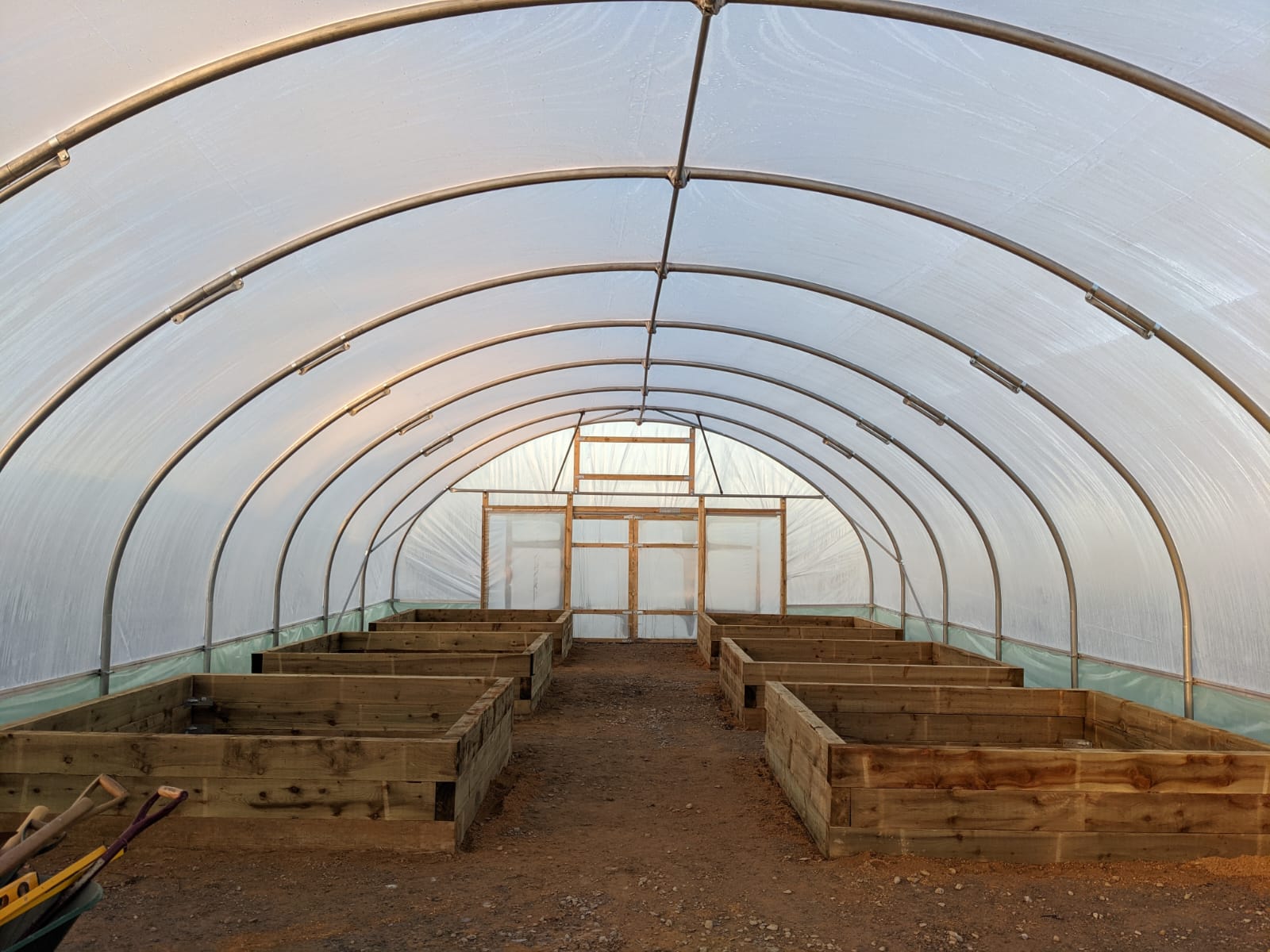
Project Seagrass are embarking on a journey to build a seagrass nursery. This is no small feat and so we have enlisted the help of our new seagrass aquarist, Elise. Elise will be bringing you honest updates each month on how this journey is progressing. This is the start of making large-scale seagrass restoration possible. Stay tuned…