Nursery News Vol. 17
By Emily Yates
Nursery News Vol. 16
By Emily Yates.
Nursery News Vol. 15
By Emily Yates
Nursery News Vol. 14
Nursery News Vol. 13
Understanding Wales past oceans to inspire their biodiverse future
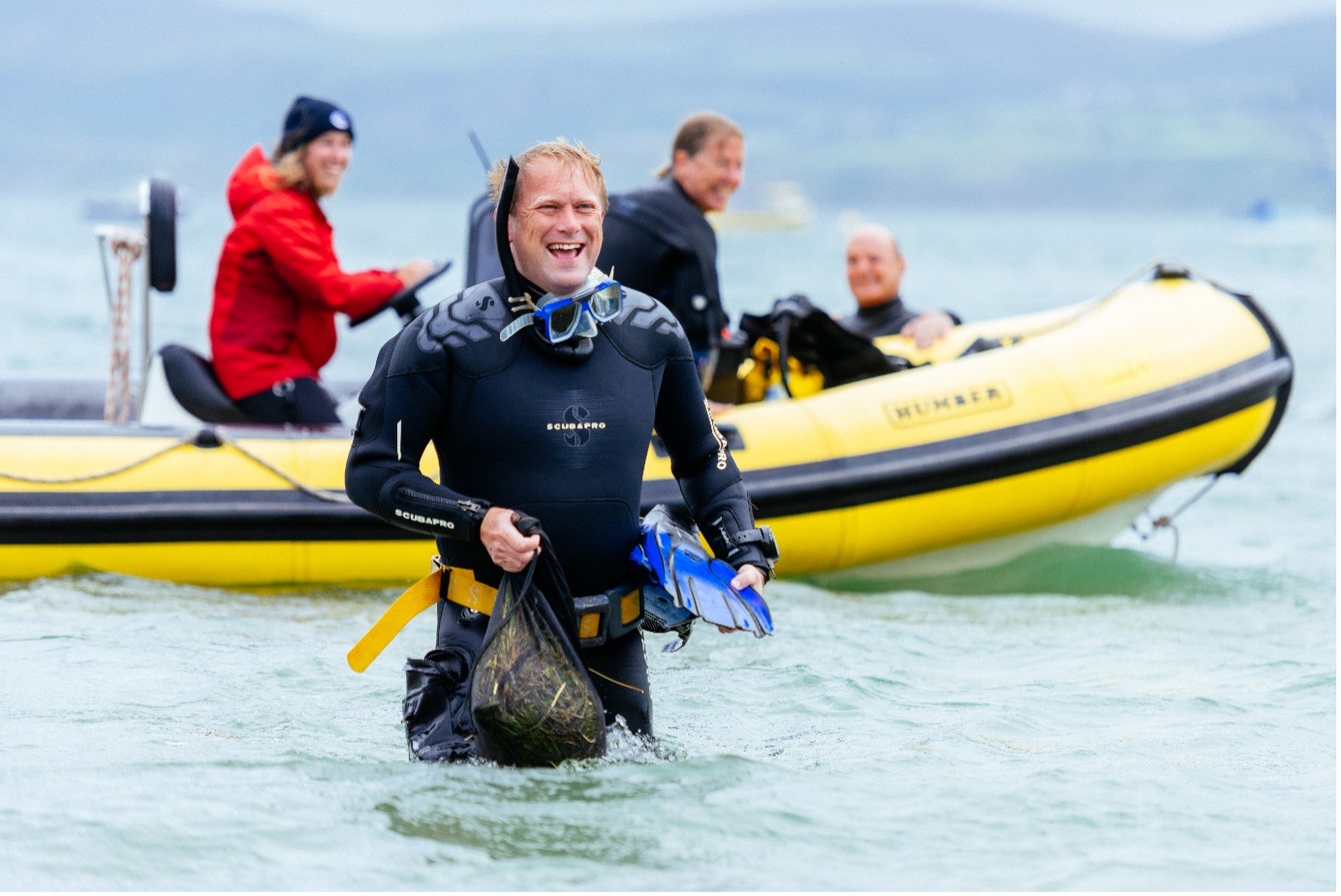
Dr Richard Unsworth, Project Seagrass and Swansea University The seas around Wales have so much potential. They offer rich biodiversity hidden within productive lush habitats such as kelp forests, salt marshes and seagrass meadows. Life in these waters can be so ingenious that it bioengineers its own environment. Out of seemingly nothing, reefs and seagrass appear that can protect our coast and filter our water. Deepwater horse mussels that bring barren depths to life. All these habitats are teaming with life. We have Mearl beds too that are like the coral reefs of the Atlantic. We have whales, we have dolphins and we can even see turtles feeding on summertime jellyfish blooms. We also have sharks and seabirds a plenty. We potentially have it all. The Celtic seas around Wales used to support the food supply and livelihoods of the people of our nation, but this is no longer the case. Scratching the surface of history and it doesn’t take much to see this glorious past that we’ve allowed to be washed away. Our industrial past of mining and heavy industry as well as our overfishing and gross mismanagement of land have left a terrible decimation. Visiting Penllyn earlier this summer I was reminded of the Three herrings, the symbol of Nefyn – Nefyn herrings used to be sold as a high value product to the wealthy in Manchester and there used to be an abundant Fishery for the now mostly extinct crayfish. But these fisheries have long since disappeared. In South Wales, 1000’s of boats going out daily into Swansea bay collected Oysters a plenty, these provided jobs, food and a way of life. And now all that is left of this abundance of sea life in Oystermouth and the Mumbles are stories and tales. Wales is left with folklore rather than food. It’s also fascinating to consider what habitats and species would have populated our South Wales coastline before we build ports, reclaimed vast swaths of the intertidal and flooded coastal embayments with barrages. These areas were prime for biodiverse habitats. Sat in a Laugharne Pub soaking up the atmosphere of Dylan Thomas you see pictures from the 1930’s of a 3m long sea monster proudly held by a group of men. This picture isn’t from Cambodia on one of Jeremy Wades ‘ Sea Monster’ series, but it’s a sturgeon caught in the Taf Estuary in what’s now the Carmarthen bay and rivers special area of conservation. Our coastal environments were once full of such diverse and abundant life that is now largely locally extinct. A short trip onto the delightful town Tenby, or as it was locally known ‘Dinbych Y Pysgod’ or ‘Fort of the fishes’ you readily see signs everywhere of historically productive fisheries that are now largely lifeless. Fishermen on the beach get excited when they catch a small plaice, and my son out fishing with his grandparents fails to even catch the odd Mackeral. Hardly the abundance that led to the development of a thriving town and furnished the wallets of the monks of Caldey. Just how did we as a nation let this decline happen. How can we possibly pass this travesty of an environment to the next generation without doing something drastic? Moving west from Tenby we find the remnants of a once vast and abundant fishing community on the shores of the Cleddau. Yes, the waters of Milford Haven were over fished, but we also allowed heavy industry, poor land management and inappropriate farming activity to destroy the very habitats that had sat there for 10’s of thousands of years and supported the fisheries. We’ve allowed this to continue with the ongoing pollution of the sea from the activities of the land. Milford Haven waterway was once home to Wales last major Mearl bed, but that gave way to the pursuit of ever bigger infrastructure for oil and gas. As we heat the waters of the Cleddau with power station outfalls and subject the area to ever-increasing nutrient loads, the delicate seagrass continues to struggle as it increasingly respires without enough energy to keep going. As catchments and coasts degrade the place becomes ever more awash with mobile sand and mud particles further damaging the environment. Divers in the 1970’s tell of clear waters at the Neyland bridge in Milford Haven at sites that would now be too plagued with sediment and are too murky to even consider for a dive. Wales, what have we done? How did this happen? Now is not the time for a blame game, we need action instead. The Welsh Government has declared a biodiversity emergency as well a climate emergency. Time is of the essence and there is much to do. We need to take significant action to enable our marine environment to once again support our communities, our livelihoods, our well-being and most of all our planetary support. Last week we saw the launch of the Welsh Government Biodiversity Deep Dive recommendations of how the nation will start to repair its depleted habitats and associated biodiversity. A key part of these recommendations are a series of urgent actions required for the marine environment. I was part of the working group of biodiversity experts tasked with creating these recommendations. It’s fantastic to see the fresh impetus for the government to take action on establishing marine protected areas and fulfil their election promise to invest in the restoration of seagrass and salt marsh. Politics aside, I was proud to be working with a minister and government who want to do the right thing, who want to actively reverse biodiversity loss and who understand the precarious environmental tight rope that we’re currently walking and the history of political promises but limited change. What we now need is action, we need the Welsh Government on the back of a terrible political climate from central government to push their prosed recommendations and agenda forward. We need the Marine Protected Area plans to move out from their covers and
Running Out of Time
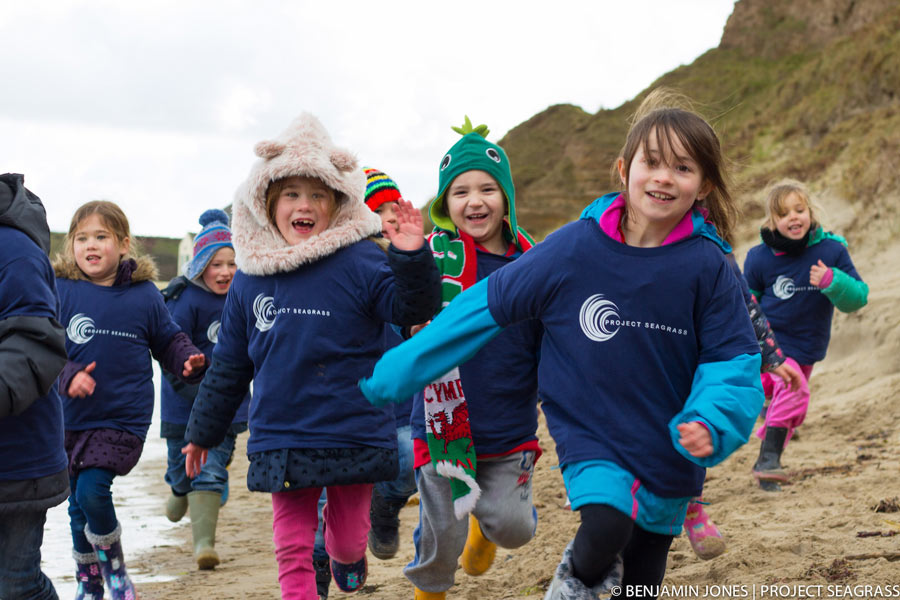
This Thursday 6th October, Project Seagrass will be taking part in the Running Out of Time climate relay. The relay runs from COP26 to COP27 – from Glasgow, Scotland all the way to Sharm el-Sheikh, Egypt. It takes place over 38 days across 18 countries to carry a relay baton containing a message from young people to the decision makers at COP27. You can read the message here. Project Seagrass are proud to be taking part in the relay across South Wales from our research facilities in Swansea to our HQ in Bridgend. We will be carrying our own letter from the pupils of the Eco Club at Coychurch Primary School. Read their letter below: Letter to Tomorrow To a school child in the future, We are writing this on behalf of Coychurch Primary School children. This is a letter about our hopes and dreams for the future. We hope that in the future, native trees in our rainforests have been replanted and that only sustainable palm oil is used in products worldwide. We want to see many of our endangered animals, bees and insects thriving to support biodiversity. When you go to the beach with your family, we hope you can play in the sand and the sea without pollution, and it is free from single-use plastics. Beach litter picks are a thing of the past! If you snorkel, you will see seagrass fields that support marine life and trap carbon to help stop climate change. We want all schools to run on renewable energy with solar panels on the roof and wind turbines in the community. At school and at home, meat-free days will happen every week, and you will eat local and Fairtrade foods. Your food waste will be composted and used to grow fruit, flowers and vegetables in your school garden. When you read this, you should not be worried about your future and climate change right now because countries, governments, communities and families have listened to our pupil’s voices, taken climate change seriously, and we have made a difference. Love from, Coychurch Primary School Wales (Written by pupils in the Eco Club) You can get involved with the climate relay here.
Protecting marine mammals with MareCet
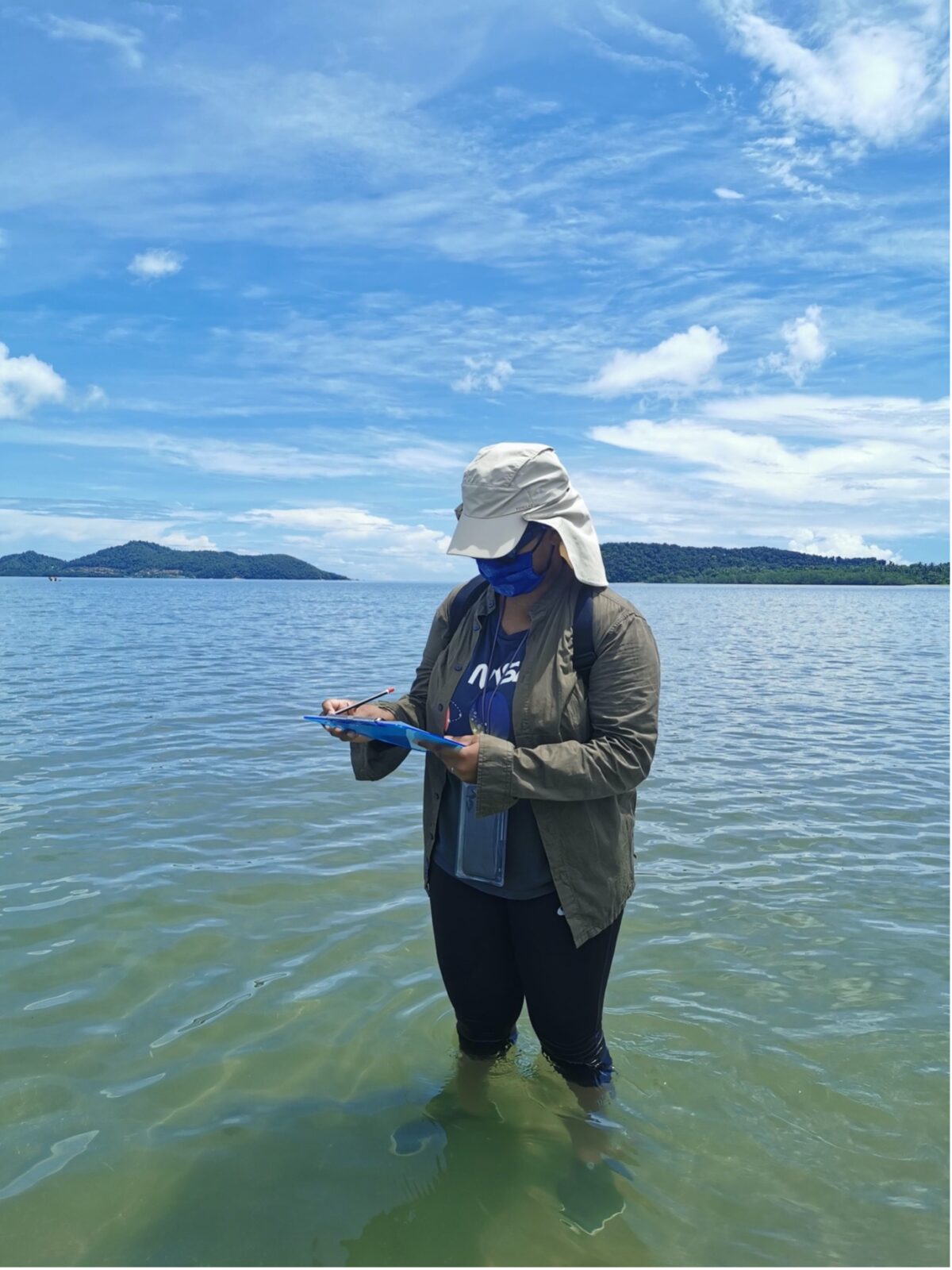
The Seagrass Ecosystem Services Project is funded by the International Climate Initiative (IKI) and runs in partnership with the climate action Paris agreement 2015. The project aims to conserve biodiversity, seagrass ecosystems and their services across 5 Indo-Pacific countries (Malaysia, Philippines, Indonesia, Timor-Leste and Thailand). National partners (often NGOs) work closely with coastal communities and technical experts to run community-led seagrass conservation work. The second of the national partners involved in The Seagrass Ecosystem Services Project that we are highlighting is MareCet Research Organisation, a non-profit NGO working within Malaysia. The organisation is dedicated to research, education and conservation of marine mammals and their fragile habitats. They were established in 2012 by a small group of conservationists with a passion for protecting marine life. MareCet aims to work with local communities and stakeholders to improve their scientific knowledge and promote ocean stewardship, enabling an alternative income opportunity with direct, consistent, and meaningful participation in conservation. They also work with conservation strategies already in place to strengthen and increase their capacity. In 2014, MareCet became involved in ‘The Seagrass Ecosystem Services Project’, at first investigating the biological, ecological and conservation needs of dugong populations around a set of islands (the Sibu-Tinggi Archipelago). This work then expanded to the dugongs associated with seagrass habitat. Their team deploy under water monitoring systems (BRUVs – Baited Remote Underwater Video Systems) to collect data on the health of the seagrass in order to inform decisions on conservation strategies. Their hard work has been recognised, in 2019 an endangered population of dugongs and their associated seagrass habitat in the Sibu-Tinggi Archipelago were recognised as an important Marine Mammals Protected Area (MMPA) by the ICUN MMPA task force. This was all down to the efforts of the community managing this area. Furthermore, the Johor dugong sanctuary has also been developed, protecting Malaysia’s largest dugong population where there is fewer than 100 individuals left. Local communities aim to set up experiences for experiencing the biodiversity first hand in a harmless way, enabling people to build stronger connections to the local environment to help promote conservation efforts. One of our team is currently out in the Indo-Pacific, providing in person technical support to MareCet. We can’t wait to hear how their projects are going and we will provide updates where we can on here and across our social medias.
Nursery News Vol. 12
By Elise Simone de Tourtoulon-Adams
Official words for seagrass in Seychellois Creole
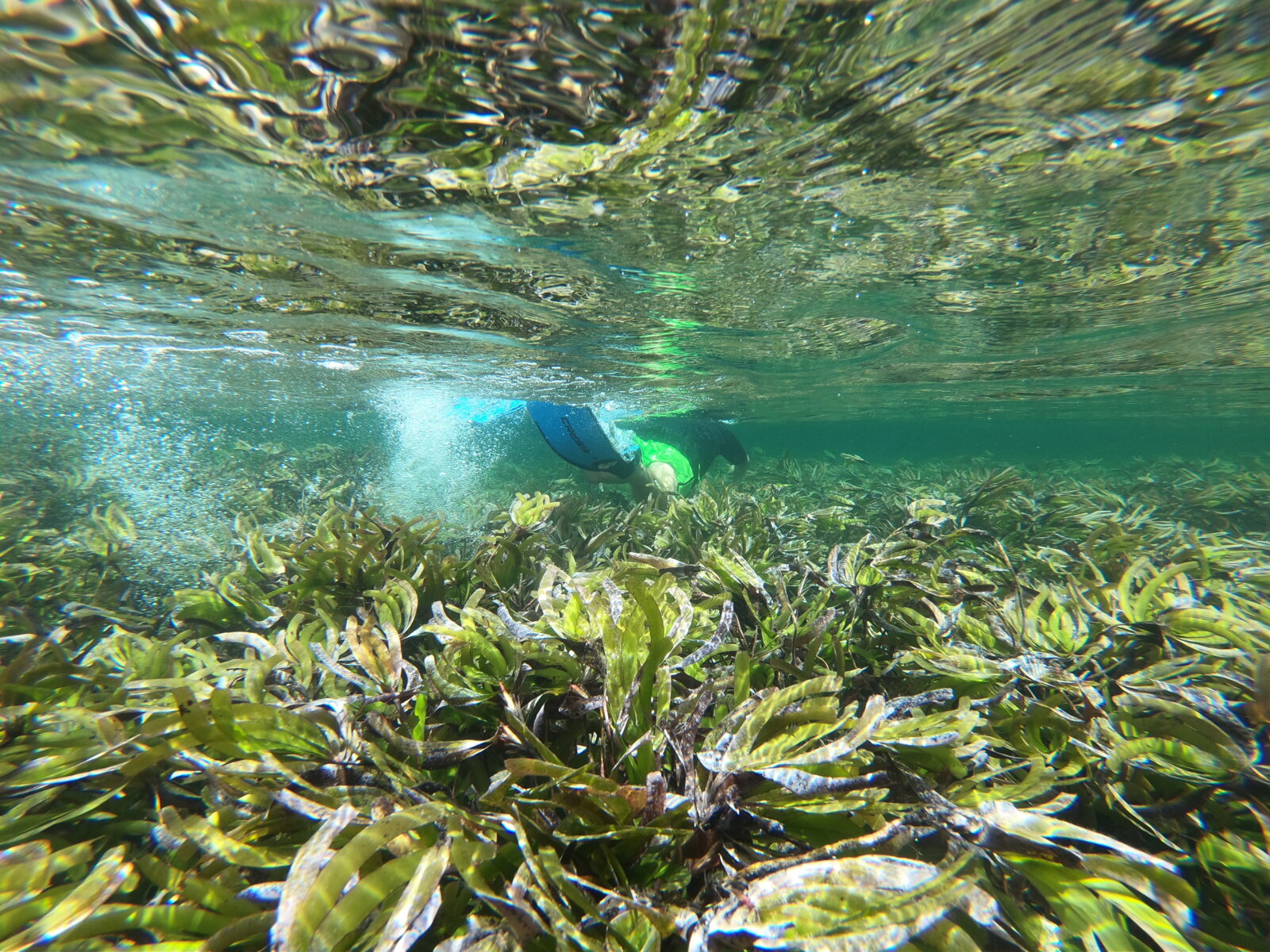
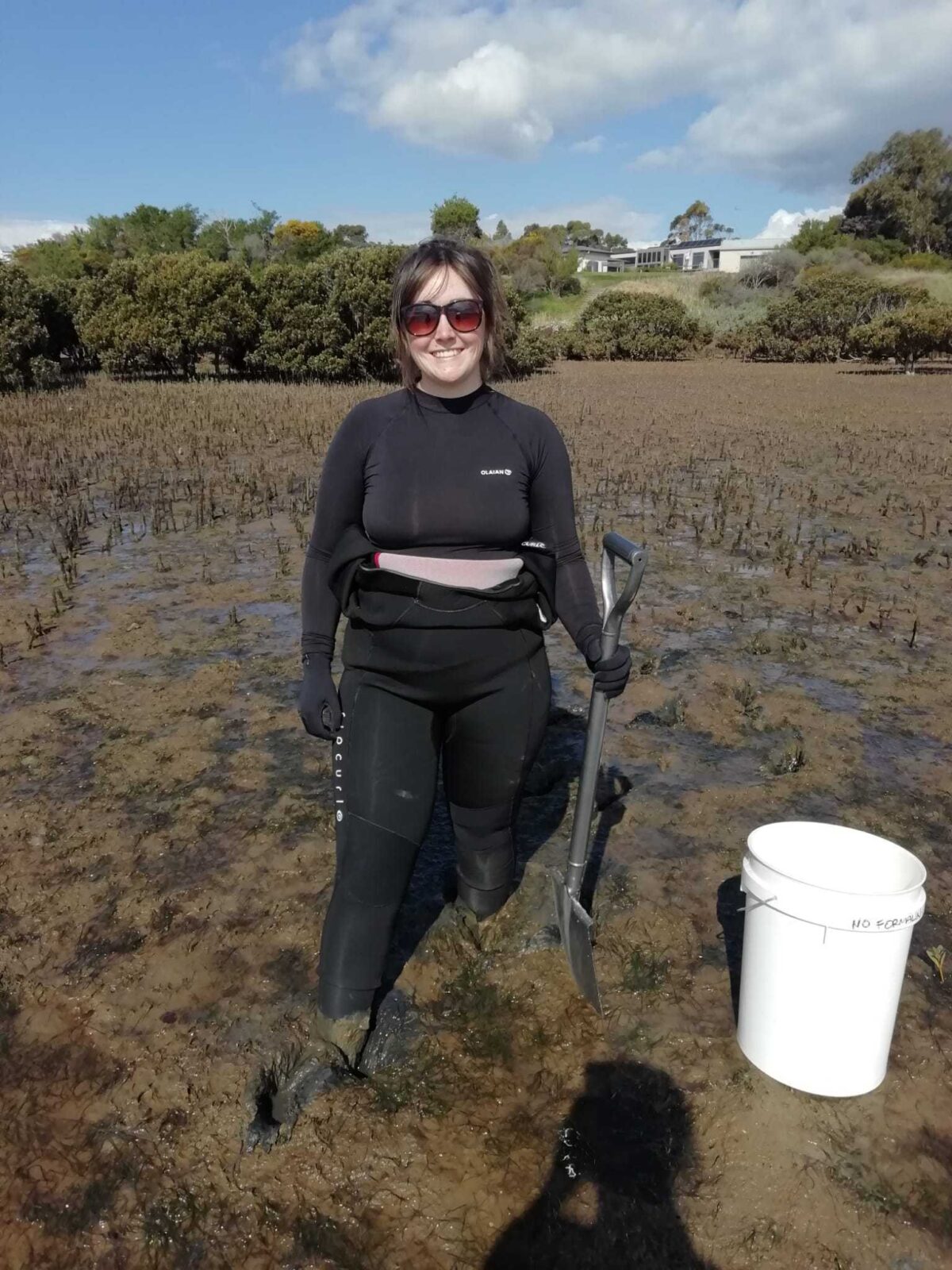
An outreach initiative to entice local ownership of the protection of seagrass meadows Seychelles is not the only country or territory where seagrass has had to play catch up with other types of coastal wetlands and other marine ecosystems. To most Seychellois, up until recently, anything plant-like which is green and comes from the sea has been categorised as gomon; be it seaweed or seagrass. Formally, seagrass has not had a name or term to define it in the country’s native language, Seychellois Creole. The team behind the Coastal Wetlands and Climate Change project, whose main objective was to bring seagrass to the forefront of the climate debate in the small island state, had its work cut out in reaching out to the population (99,202 as of June 2021, National Statistics Bureau) to mobilise interest and concern over the conservation of seagrass. Unrecognised – with no name; so where do you start? It was imperative that seagrass was ‘localised’ to have people be mindful of it when they go for a swim in shallow waters or anchor their boats and jet skis along coastlines. Locally, the process for introducing new words in the Creole language entailed submitting options to the Creole Language Academy which had the responsibility of validating the selection and giving its seal of approval on the chosen words and terms. But, where would the suggestions come from? The avenue which was explored to collect names for seagrass and its five lifeforms, was similar to an alarm on snooze. Seagrass had been in the news and on social media since mid-2020, when one can argue the first alarm went off; we have seagrass, they matter, and we must protect them. Any new development in seagrass news, be it local or international, was similar to a follow-up snooze, reminding people of the initial message and adding more content and context to it. Launching the campaign to identify official Seychellois Creole terms was an exceptionally loud snooze because the project reached out to the public to contribute their ideas and suggestions. The public got the chance to re-visit all the bits of information which had been shared with them all along and engage in something fun: naming a plant! Social media, print media, the radio and emails were all used to reach out to the public to engage in a survey to select and/or suggest names. A very important segment of the public which had to be consulted was local fishermen who undisputedly have a closer connection with the ocean and all that it encompasses compared to the rest of us. Fishermen in Seychelles often come from fishing families and are familiar with terms used as reference to all forms of marine life. As it turned out, according to them, there were already existing names for seagrass; they simply had not been made official. The project team sought the help of local district administrators in identifying and locating fishermen to take part in the nation-wide survey. Those names along with others which were collected from members of the public were assessed by an Emerald Committee made up of linguists, scientists and conservationists specifically set up to prepare a short list for submission to the Academy. Zerb lanmer and Gomon zerb were the two new terms jointly selected to be added to the Seychellois language, respecting both the scientific sense of seagrass as well as incorporating its cultural significance. The words will be featured in the next edition of the Creole dictionary. To find out more about the project’s outreach activities, visit the project’s page: Resources – SeyCCAT – The Seychelles Conservation and Climate Adaptation Trust Submitted by SeyCCAT