Tag: Global Seagrass Challenge

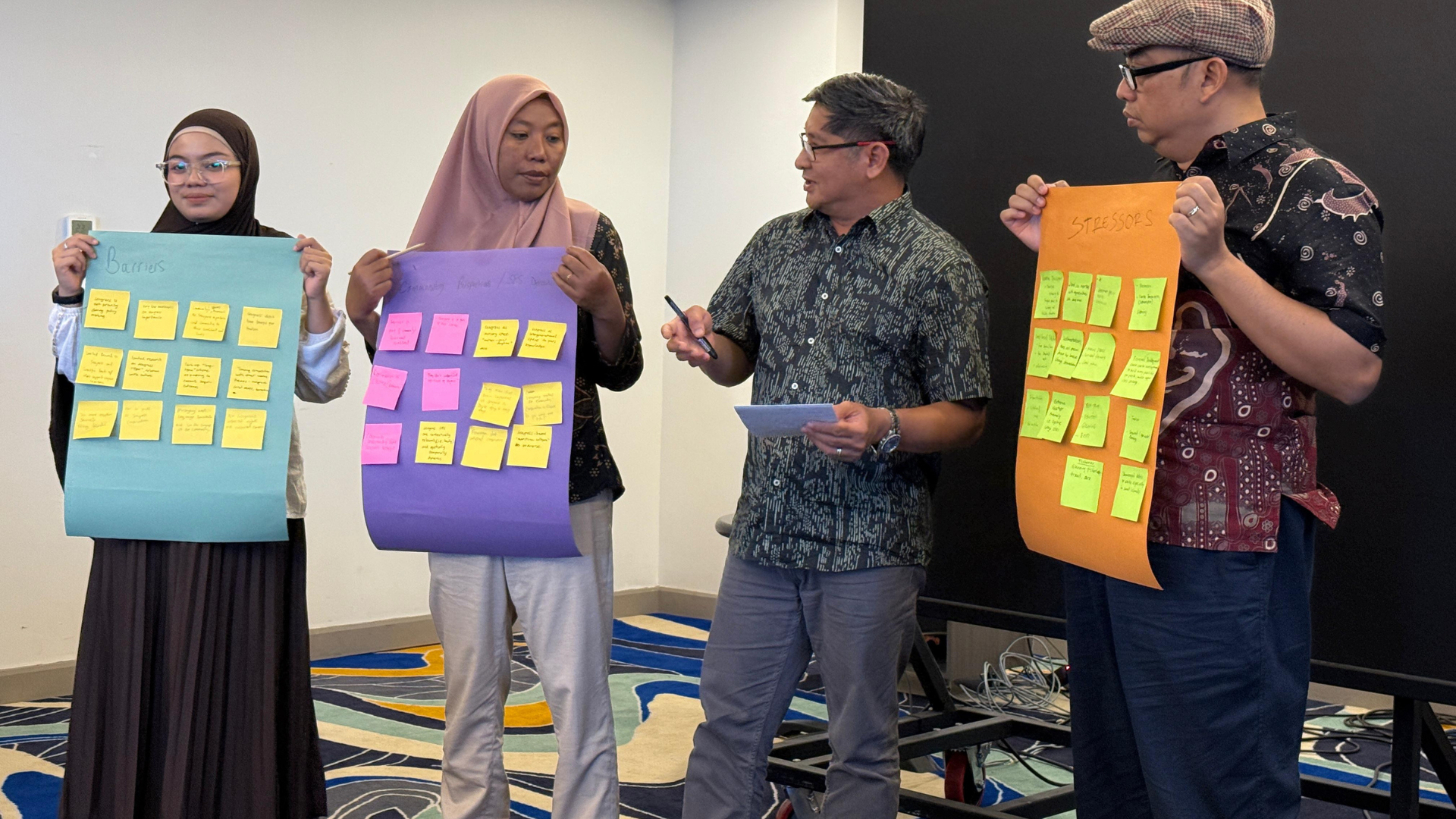
Four people are standing at the front of a room. Three members of the group are holding paper with post-it notes on as part of a workshop activity.

Reflections from the Seagrass Knowledge for Action in Southeast Asia Workshop

This summer, teams came together in Makassar, Indonesia, for the Seagrass Knowledge for Action in Southeast Asia workshop to explore pathways forward for strengthening knowledge, building research capacity, and development to further safeguard local seagrass social-ecological systems. Co-hosted by Universitas Hasanuddin (UNHAS) and Project Seagrass, the workshop involved teams from

Read More »
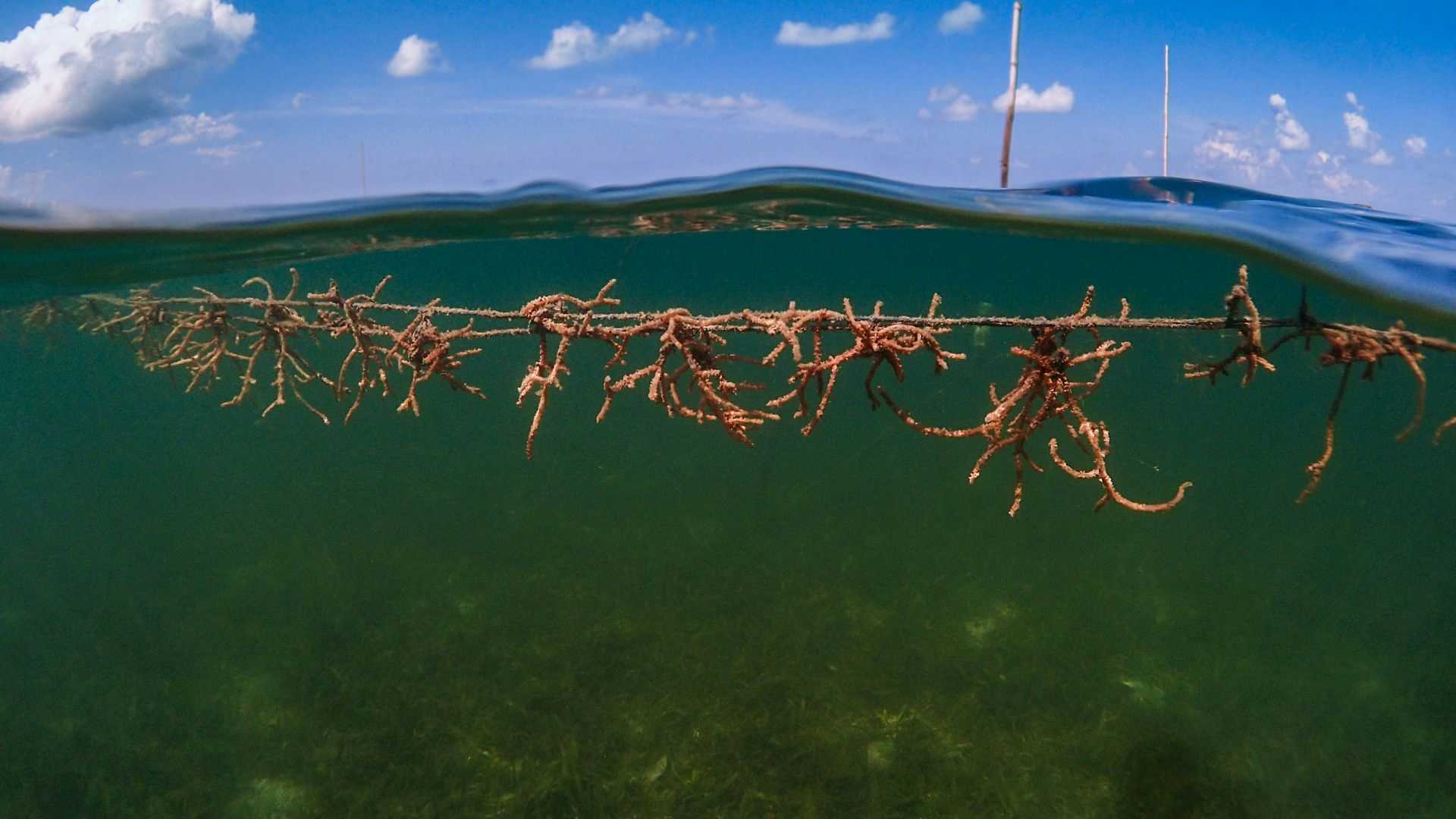
Seaweed being grown along a line.

Expanding seaweed farms pose a risk to vital marine life

Seaweed farming is a rapidly expanding global industry. As a food resource, it has high nutritional value and doesn’t need fertilisers to grow. Seaweed provides valuable habitats for marine life, takes up carbon and absorbs nutrients, plus it helps protect our coastlines from erosion. Usually, seaweeds grow on hard, rocky surfaces. Yet, to

Read More »

Protecting marine mammals with MareCet

The Seagrass Ecosystem Services Project is funded by the International Climate Initiative (IKI) and runs in partnership with the climate action Paris agreement 2015. The project aims to conserve biodiversity, seagrass ecosystems and their services across 5 Indo-Pacific countries (Malaysia, Philippines, Indonesia, Timor-Leste and Thailand). National partners (often NGOs) work

Read More »

Learning through nature with YAPEKA

[vc_row type=”in_container” full_screen_row_position=”middle” scene_position=”center” text_color=”dark” text_align=”left” overlay_strength=”0.3″ shape_divider_position=”bottom” bg_image_animation=”none”][vc_column column_padding=”no-extra-padding” column_padding_position=”all” background_color_opacity=”1″ background_hover_color_opacity=”1″ column_link_target=”_self” column_shadow=”none” column_border_radius=”none” width=”1/1″ tablet_width_inherit=”default” tablet_text_alignment=”default” phone_text_alignment=”default” column_border_width=”none” column_border_style=”solid” bg_image_animation=”none”][vc_column_text] The Seagrass Ecosystem Services Project is funded by the International Climate Initiative (IKI) and runs in partnership with the climate action Paris agreement 2015. The Federal Ministry

Read More »

Seagrass meadows are reliable fishing grounds for food

A new study shows that seagrass fisheries provide a reliable safety-net for poor fishermen, since they perceive those habitats to maintain large fish catches over time. Surprisingly, even more so than coral reef fisheries, which people normally associate with small-scale fishery. Seagrass meadows are routinely used as a fishing habitat

Read More »

Mosquito nets: Are they catching more fishes than insects?

Mosquito nets designed to prevent malaria transmission are used for fishing which may devastate tropical coastal ecosystems, according to a new scientific study. The researchers found that most of the fish caught using mosquito nets were smaller than a finger and potentially collect hundreds of individuals. Malaria is a serious

Read More »

Waste Not, Want Not. Discards that could feed those in poverty

At least 7.3m tons of fish (usually dead or dying) are thought to be discarded each year from marine fisheries around the world. But these estimates come mostly from observations of large-scale industrial fisheries. Limited attention has been paid to small-scale fisheries, which are assumed to have low discard rates – some

Read More »
Four people are standing at the front of a room. Three members of the group are holding paper with post-it notes on as part of a workshop activity.

Reflections from the Seagrass Knowledge for Action in Southeast Asia Workshop

This summer, teams came together in Makassar, Indonesia, for the Seagrass Knowledge for Action in Southeast Asia workshop to explore pathways forward for strengthening knowledge, building research capacity, and development to further safeguard local seagrass social-ecological systems. Co-hosted by Universitas Hasanuddin (UNHAS) and Project Seagrass, the workshop involved teams from across Indonesia and the Philippines including Forkani, Yapeka, and C3 (Philippines) who joined forces to discuss highlights, setbacks and future dreams for seagrass conservation, protection and restoration in their local contexts and more broadly within the region. The workshop provided an opportunity to discuss our plans for future collaborative work in Southeast Asia, building upon work undertaken through the Seagrass Ecosystem Services project. Partners discussed pervasive threats to seagrass within each of their local study regions and explored the numerous commonalities between their organisation’s locations. In addition to threats, the limitations that prevent partners from addressing these threats and undertaking social-ecological research were identified. A diverse and numerous array of research and capacity building barriers were discussed which were associated with governance, social, ecological, socio-cultural, cultural, spiritual, logistical, and funding limitations. Though nuanced, and taking different forms for each organisation, the identification of these barriers provides essential context for helping to develop research and build local capacity in partner organisations. Each partner discussed their research priorities which concerned many dimensions of seagrass social-ecological systems and the just protection and conservation of seagrass meadows for food security, poverty alleviation, cultural importance, and local livelihood support. Through these conversations, partners explored the spaces within these research priorities that require conservation actions, what these actions may well be, and what support may be required to bring these priorities to reality. Following these in-depth discussions partners also worked on shaping a paper focusing on persistent threats and urgent calls to action to reduce these threats. From 2026, Project Seagrass’ international strategy will also include grant giving, which has been co-conceptualised and developed with local NGO’s, and has been evidenced by others.

Read More »
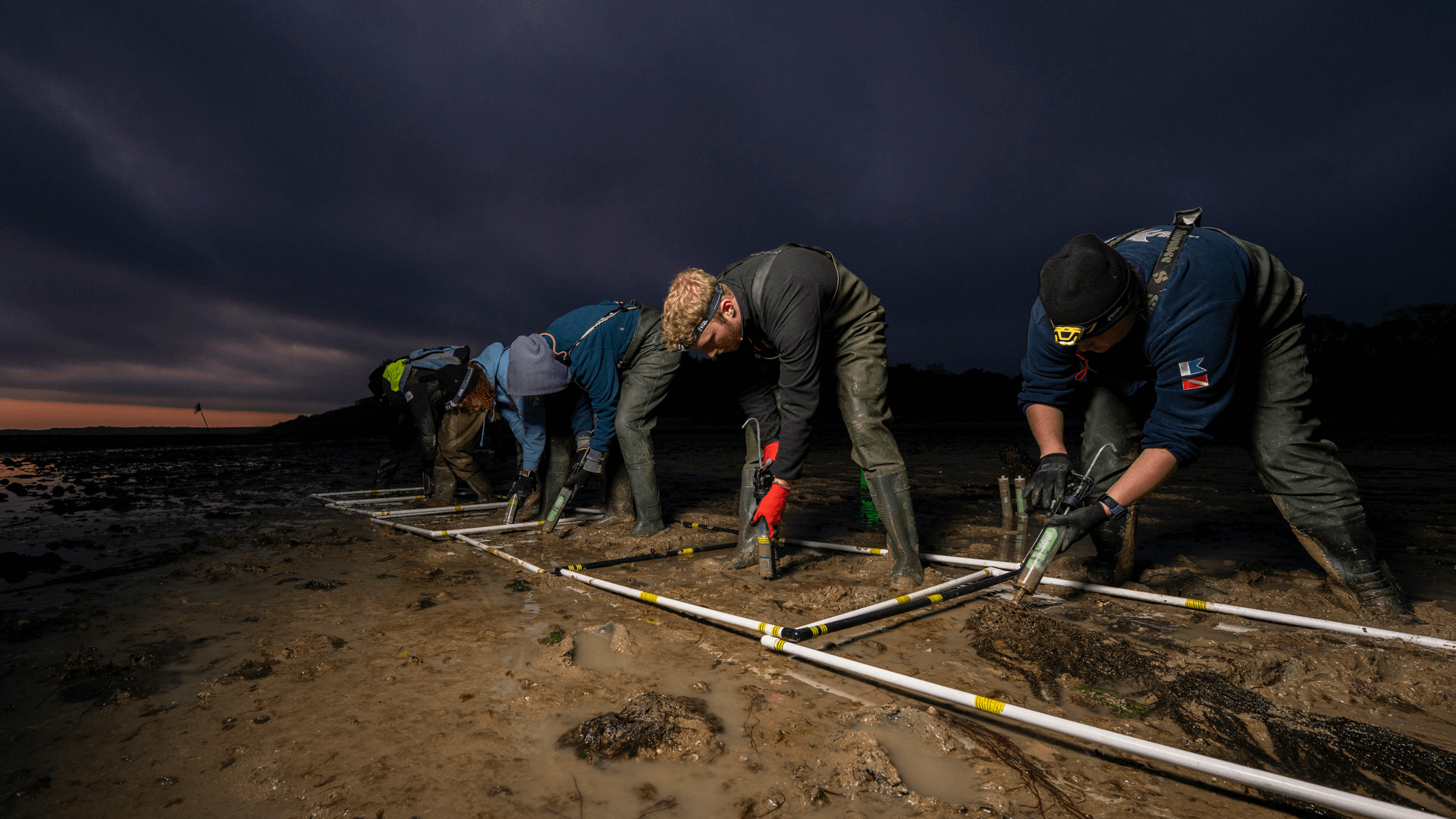
Project Seagrass members of staff stand in a row planting seagrass seeds within quadrats. They are using the DIS planting method. It is early morning and the sun is only just beginning to rise.

SeagrassRestorer launch marks new era of global collaboration for seagrass restoration

Following its World Ocean Day launch, everyone from scientists to conservationists, and from community groups to environmental funders now have access to an innovative new knowledge sharing platform: SeagrassRestorer.  Launched by an international partnership comprising some of the world’s leading seagrass scientists, SeagrassRestorer provides a unique opportunity to learn not just from each other’s restoration successes but, perhaps more importantly, each other’s restoration failures. Seagrass meadows have faced significant losses across the globe. In response to this, a growing number of initiatives are underway in an attempt to restore these vital underwater ecosystems, with projects taking place in diverse locations ranging from temperate estuaries to tropical lagoons. But seagrass restoration is not as simple as planting trees on land. “There is no one-size-fits-all approach to restoring seagrass meadows” said Dr Benjamin Jones, Chief Conservation Officer and Co-Founder of Project Seagrass, one of the two architects of the platform. While some projects have achieved notable success, most scientists agree that the majority of seagrass restoration projects fail to meet their intended goals. Dr Richard Unsworth, Chief Scientific Officer at Project Seagrass said: “One of the challenges facing the scientific community is the lack of reporting on unsuccessful projects, which, for the most part remain unpublished, undocumented, or inaccessible to the broader scientific and conservation community. Ultimately, if we aren’t sharing what isn’t working, we risk groups making the same mistakes over and over again. Mistakes that ultimately waste time and financial resources. We’re hoping SeagrassRestorer will directly address this challenge via a centralised portal where seagrass restoration projects can be catalogued, allowing us to learn from, rather than replicating, each other’s failures.” Seagrass Restoration using the DIS method in Thorness, Isle of Wight. Credit Francesca Page Seagrass Restoration using the transplant method in Thorness, Isle of Wight. Credit Francesca Page Leading the development of SeagrassRestorer is international NGO Project Seagrass who are working on a host of seagrass restoration projects from experiments into different planting methods across sites in Wales, Scotland and England, to trials of passive restoration approaches—those aiming to facilitate natural recovery—such as the installation of environmentally friendly boating infrastructure in locations including the Isle of Wight. In Indonesia, and alongside community groups, Project Seagrass has also led much broader passive restoration approaches aimed at tackling sedimentation and poor water quality—the main drivers of seagrass loss—by restoring trees along riverbanks. While Project Seagrass has achieved success across a number of projects, active planting of both seeds and adult shoots in a number of locations have failed—failures that have been prevented from being shared due to a lack of a suitable platform. SeagrassRestorer fosters global collaboration and knowledge sharing within the global seagrass restoration community like never before. Users can share and download information on where, when, and how seagrass restoration projects have been undertaken, and, importantly for those planning their own projects, what methods have worked, and what methods have not. Dr Jones said: “SeagrassRestorer has the potential to become a science-backed seal of approval for seagrass restoration projects. If we’re serious about rebuilding marine life, we need to be prepared to share our knowledge and innovative approaches. This isn’t a competition.” SeagrassRestorer represents a crucial step forward in the field of seagrass restoration. Filling a critical gap by providing an open-access, interactive, and continuously updated portal that records details of seagrass restoration projects across the globe.  By centralizing data, promoting transparency, and fostering collaboration, it aims to accelerate progress in marine habitat restoration and contribute to the resilience of coastal ecosystems. Founding partners of SeagrassRestorer include Project Seagrass, Swansea University, Deakin University, Universiteit Stellenbosch, Rijksuniversiteit Groningen, Universidade do Algarve, Universitas Hasanuddin,  Göteborgs universitet, Dalhousie University, and CQ University.

Read More »

New Global map reveals seagrass meadows under threat — even inside protected areas

A new global analysis finds that many of the world’s most threatened seagrass meadows lie within designated Marine Protected Areas (MPAs), raising urgent questions about the effectiveness of current protections for coastal habitats and offering a chance opportunity to rethink global ocean conservation. The study, led by a team of scientists from the international NGO Project Seagrass, presents one of the most comprehensive global maps ever produced of the human pressures threatening seagrass meadows—vital coastal ecosystems supporting fisheries, and sustaining marine biodiversity in over 150 countries. With help from over 1000 citizen scientists, the team mapped human pressures to seagrass at over 1200 sites across 86 countries, finding that most seagrass meadows face multiple combined threats, including coastal development and pollution to impacts from things like boating, destructive fishing and aquaculture. Strikingly, half of the seagrass sites exposed to human impacts were located within MPAs—areas that are meant to provide refuge from such threats. “These are supposed to be safe havens for biodiversity,” said lead author Dr. Benjamin Jones. “Instead, we’re finding that many seagrass meadows inside MPAs are under intense and overlapping pressures from human activities on land. That’s a red flag—but also a huge opportunity to rethink how we protect seagrass meadows.” A wake-up call By analysing the data submitted by citizen scientists to SeagrassSpotter.org, the researchers created a high-resolution map of global seagrass vulnerability. The results reveal hotspots of concern in regions like Southeast Asia, the Mediterranean, and parts of the Caribbean—but also bright spots of lower pressure, where conservation action could be both timely and transformative. Critically, the study exposes a major gap between designation and implementation in the world’s MPA networks—finding that seagrass in 4.4% of the world’s MPA’s is under threat. “Putting a boundary on a map isn’t enough,” said Dr. Jones. “If we’re serious about protecting seagrass meadows—and all the benefits they offer—we need to start managing impacts from land.” The study calls for immediate action to strengthen protections within existing MPAs, prioritize high-threat zones for urgent intervention, and expand conservation to underrepresented but ecologically rich areas. “With just a small fraction of seagrass currently protected, the study makes a clear case for smarter marine spatial planning, localised threat reduction, and global cooperation,” said study co-author Dr. Richard Unsworth (also of Swansea University). The findings support the United Nations’ “30×30” goal to protect 30% of Earth’s land and ocean by 2030—but emphasise that quality of protection is just as critical as quantity. To achieve the Kunming–Montreal Global Biodiversity Framework targets, net seagrass losses of roughly 3,000 km2 must be avoided annually from 2030 onwards and ~95,000 km2 of these ecosystems must be restored. Meeting these targets requires solving the complex threats that most seagrasses around the world face. From threats to solutions By publishing the data from this study in an interactive map, the scientists hope this becomes a critical tool for policymakers, conservationists, and local communities who can now pinpoint some of the most at-risk areas and focus efforts accordingly. “Seagrass meadows are quiet powerhouses of the ocean,” said Dr. Jones, “[and] this new map shows us exactly where we need to act – not just to stop loss, but to invest in protection and conservation where it matters most.” Such conservation solutions, the authors argue, need not always be ocean based—land-based restoration and watershed management will be critical to combat nutrient pollution. “These threats are real and widespread. But the solutions are just as real and within reach,” said the team. “By mapping the threats, we’re also mapping the solutions. We know where to act. Now the world needs to do it.” Citizen science This global analysis represents the first research study using data from SeagrassSpotter.org, a citizen science platform launched a decade ago to engage the public in seagrass conservation. This milestone marks a significant achievement in seagrass science, showcasing the power of community-driven data collection. Over the past 10 years, volunteers from around the world have contributed thousands of observations, and Project Seagrass hopes this new research will inspire others to participate, and for fellow scientists to also harness the global dataset. The full article is available here. Jones, B. et al. (2025). Mapping global threats to seagrass meadows reveals opportunities for conservation. Environmental Research Ecology. https://doi.org/10.1088/2752-664X/adcacb

Read More »
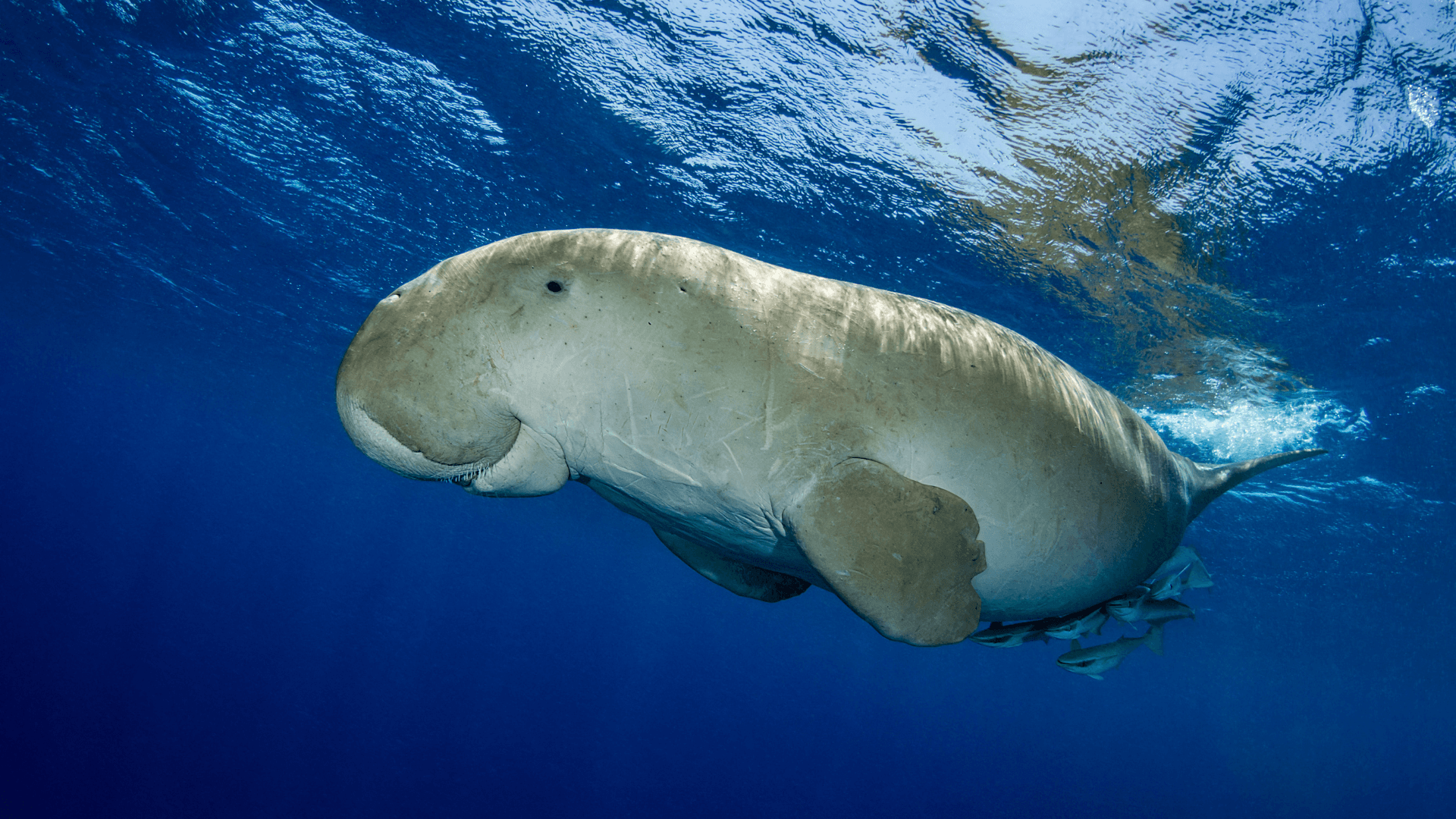
A Dugong swimming underwater in Marsa, Alam, Egypt.

From Gaps to Impactful Action: The First Asian Regional Dialogue on Seagrass and Dugong Conservation

Seagrass meadows and their elusive inhabitants, dugongs, are under threat across Asia. To tackle this, conservation experts, policymakers, and researchers from across the region gathered in Bangkok in February 2025 for the First Asian Regional Dialogue on Seagrass and Dugong Conservation. The goal? To find real, actionable solutions to the challenges facing these vital ecosystems. At this event, we were invited to share our learnings from over two decades of hands-on experience across Asia, where research outputs from our executives, Leanne, Ben and Richard, have been pivotal in shaping understanding of the crucial role seagrass meadows play in supporting livelihoods and food-security – research that embraces our social-ecological systems approach to seagrass conservation. Our CEO, Dr Leanne Cullen-Unsworth, whose own seagrass journey began in this region more than two decades ago was delighted to attend the event, reconnect, and talk about the Global Goals, specific global challenges for seagrass, and need for robust data achieved through broader scientific approached and transdisciplinary collaboration. Leanne presenting at the First Asian Regional Dialogue on Seagrass and Dugong Conservation Bridging the Gaps in Policy While many Asian countries already have laws to protect seagrass and dugongs, enforcement remains a challenge due to budget constraints and fragmented conservation efforts. Some countries manage seagrass and dugongs separately, which weakens conservation impact. Experts at the dialogue called for stronger, integrated policies, better coordination between government agencies, and increased scientific input to guide decision-making. Better Mapping & Data Sharing Accurate data is key to protecting seagrass meadows, but many countries struggle with inconsistent monitoring and difficulty accessing research. Political and security concerns can also make cross-border data sharing complicated. At the dialogue, Leanne emphasised the importance of community-driven data collection, improved mapping techniques, and innovative technology to track seagrass health and dugong populations. In her presentation, she highlighted how citizen science (building on our SeagrassSpotter programme) can drive more effective conservation. Participants also discussed the need for regional cooperation in data sharing to bridge knowledge gaps – efforts we’re leading by making SeagrassSpotter data accessible to all. A Coordinated Approach to Conservation From government agencies to NGOs and private companies, many groups are working to protect seagrass and dugongs – but often in isolation. The dialogue highlighted the need for better knowledge-sharing, and we hope to lead that charge. Our own strategic objectives align closely with the key outcomes of the dialogue. The message from the event was clear: protecting dugongs and seagrass in Asia requires stronger collaboration and smarter policies. By building on our own expertise and strengthening regional partnerships, we will secure a future where these vital ecosystems, and the communities that rely on them, continue to thrive. Presentations and a summary of the event from the organisers can be found here. Global expects converge to address gaps for seagrass and dugong conservation in Asia.

Read More »
Seaweed being grown along a line.

Expanding seaweed farms pose a risk to vital marine life

Seaweed farming is a rapidly expanding global industry. As a food resource, it has high nutritional value and doesn’t need fertilisers to grow. Seaweed provides valuable habitats for marine life, takes up carbon and absorbs nutrients, plus it helps protect our coastlines from erosion. Usually, seaweeds grow on hard, rocky surfaces. Yet, to farm seaweed, potential areas need to be easily accessible and relatively sheltered. This is where seaweed can grow with limited risk of being dislodged by waves. Seaweed farms in Asia, in countries like China and Indonesia, are responsible for more than 95% of global seaweed production. Seaweed farms, particularly those in Southeast Asia, are commonly in the very same environments where seagrass meadows thrive. Competition for resources ensues. Evidence shows that tropical seaweed farms, when placed in or on top of tropical seagrass meadows leads to a decline in the growth and productivity of seagrass. There is also evidence that seaweeds outcompete seagrasses in cooler waters, especially when nutrients in the water are very high. Despite negative interactions, such as shading, between seaweed and seagrass, some scientists now advocate for a global expansion of seaweed farming in areas where seagrass grows. This call, comes at a time when seagrass global initiatives are trying to stem seagrass loss. Efforts are underway to expand these habitats to their once extensive range to help fight climate change and biodiversity loss. Seagrass meadows are a crucial store of carbon, providing habitats for a wide array of animals. Why farm seaweed on top of seagrass? The reason that some scientists are advocating for farming seaweed in seagrass is that their research claims that the presence of seagrass reduces disease causing bacterial pathogens by 75%. A major win for a relatively low tech industry where seaweed disease outbreaks hinder production. These scientists are not the only ones advocating for seaweed production at scale. Global conservation charities, like World Wildlife Fund and The Nature Conservancy, as well as the Earthshot prize launched by Prince William all support seaweed cultivation programmes in areas likely to contain abundant seagrass. However, together with other scientists, we have argued in an academic response in the journal PNAS that their claim is premature. We are concerned that, without appropriate management, these seaweed programmes threaten marine biodiversity and the benefits that humans get from the ocean. Despite historic and globally widespread seaweed cultivation, effects on seagrass have mostly been ignored. Where studies exist, effects have been negative for seagrass, its ability to capture carbon, and the diverse animals that call it home. Entanglement of migratory animals, such as turtles and dugong with seaweed also needs wider consideration. This is especially the case given new legal frameworks to protect their habitat, and there is ongoing concern for these species being killed by seaweed farmers. The equity of coastal fishing grounds also comes into question, as communities that use seagrass for fishing are most likely to lose access. Conservation charities advocate for tropical seaweed farms for good reason. This is to improve community resilience in the face of degrading coral reefs and overfishing. While projects mostly have the best intentions, they often don’t consider cascading unintended consequences, nor the equity of the whole community. In reality, seaweed farm placement is effectively akin to ocean grabbing (the act of dispossession or appropriation of marine resources or spaces) with farmers winning on a “first come, first serve” basis, despite not owning the seabed. Some seagrass meadows in Zanzibar, Tanzania, have recovered since seaweed farms have been removed. GoogleEarth Sustainable standards If seaweed farming is to be expanded, standards for sustainability must be upheld and strengthened. In 2017, a sustainable seaweed standard was launched by the Aquaculture and Marine Stewardship Councils. But few tropical seaweed farms meet the criteria outlined in this standard due to known consequences that affect seagrass (rightly defined in the standard as vulnerable marine habitats) and likely negative effects on endangered species, like dugong, that frequent seagrass habitats. Seaweed cultivation strategies have mixed evidence for long-term success. In Tanzania, many farmers have abandoned the industry due to low monetary rewards compared to the investments they put in, and some evidence suggests that the activity reduces income and health, particularly for women. Where seaweed cultivation has been implemented to reduce fishing pressure, it has instead increased (and often just displaced) fishing activity. Given the rapidly increasing threats faced by tropical marine habitats despite the role they play in climate resilience, understanding trade-offs prior to large scale expansion of seaweed farming is a priority. To reduce further any negative effects, international programmes and research advocating for large-scale seaweed farms need to align more readily with the seaweed standard. More information: This article was published in The Conversation Jones. et al, Risks of habitat loss from seaweed cultivation within seagrass, PNAS (2025). https://doi.org/10.1073/pnas.242697112 Seaweed farms are often placed on top of seagrass meadows. Niels Boere/flickr A women prepares seaweed ropes for deployment in the Wakatobi, Indonesia. Benjamin Jones/Project Seagrass

Read More »

Protecting marine mammals with MareCet

The Seagrass Ecosystem Services Project is funded by the International Climate Initiative (IKI) and runs in partnership with the climate action Paris agreement 2015. The project aims to conserve biodiversity, seagrass ecosystems and their services across 5 Indo-Pacific countries (Malaysia, Philippines, Indonesia, Timor-Leste and Thailand). National partners (often NGOs) work closely with coastal communities and technical experts to run community-led seagrass conservation work.  The second of the national partners involved in The Seagrass Ecosystem Services Project that we are highlighting is MareCet Research Organisation, a non-profit NGO working within Malaysia. The organisation is dedicated to research, education and conservation of marine mammals and their fragile habitats. They were established in 2012 by a small group of conservationists with a passion for protecting marine life. MareCet aims to work with local communities and stakeholders to improve their scientific knowledge and promote ocean stewardship, enabling an alternative income opportunity with direct, consistent, and meaningful participation in conservation. They also work with conservation strategies already in place to strengthen and increase their capacity. In 2014, MareCet became involved in ‘The Seagrass Ecosystem Services Project’, at first investigating the biological, ecological and conservation needs of dugong populations around a set of islands (the Sibu-Tinggi Archipelago). This work then expanded to the dugongs associated with seagrass habitat. Their team deploy under water monitoring systems (BRUVs – Baited Remote Underwater Video Systems) to collect data on the health of the seagrass in order to inform decisions on conservation strategies. Their hard work has been recognised, in 2019 an endangered population of dugongs and their associated seagrass habitat in the Sibu-Tinggi Archipelago were recognised as an important Marine Mammals Protected Area (MMPA) by the ICUN MMPA task force. This was all down to the efforts of the community managing this area. Furthermore, the Johor dugong sanctuary has also been developed, protecting Malaysia’s largest dugong population where there is fewer than 100 individuals left. Local communities aim to set up experiences for experiencing the biodiversity first hand in a harmless way, enabling people to build stronger connections to the local environment to help promote conservation efforts. One of our team is currently out in the Indo-Pacific, providing in person technical support to MareCet. We can’t wait to hear how their projects are going and we will provide updates where we can on here and across our social medias.

Read More »

Learning through nature with YAPEKA

[vc_row type=”in_container” full_screen_row_position=”middle” scene_position=”center” text_color=”dark” text_align=”left” overlay_strength=”0.3″ shape_divider_position=”bottom” bg_image_animation=”none”][vc_column column_padding=”no-extra-padding” column_padding_position=”all” background_color_opacity=”1″ background_hover_color_opacity=”1″ column_link_target=”_self” column_shadow=”none” column_border_radius=”none” width=”1/1″ tablet_width_inherit=”default” tablet_text_alignment=”default” phone_text_alignment=”default” column_border_width=”none” column_border_style=”solid” bg_image_animation=”none”][vc_column_text] The Seagrass Ecosystem Services Project is funded by the International Climate Initiative (IKI) and runs in partnership with the climate action Paris agreement 2015. The Federal Ministry for the Environment, Nature Conservation and Nuclear Safety (BMU) supports this initiative on the basis of a decision adopted by the German Bundestag. The project aims to conserve biodiversity, seagrass ecosystems and their services across 5 Indo-Pacific countries (Malaysia, Philippines, Indonesia, Timor-Leste and Thailand). National partners (often NGOs) work closely with coastal communities and technical experts to run community-led seagrass conservation work.  The first of our national partners involved in ‘The Seagrass Ecosystem Services Project’ that we would like to spotlight is YAPEKA, a non-profit organisation that aims to establish community-based conservation efforts across Indonesia through the concept of ‘Learning through nature’. This involves concentrating on building community awareness and developing education programmes to help communities sustainably manage their natural resources. The main areas of focus for YAPEKA are rural areas and key biodiversity sites such as MPAs and national parks. Establishing Locally Managed Marine Areas (LMMAs) are of high importance in rural areas that are dominated by fisheries communities, allowing them to develop their own unique coastal natural resource management. Since 2013 they have been working with local communities in North Sulawesi to raise awareness on the importance of seagrass in preserving the health and sustainability of the region’s coastal ecosystems. In 2016, they introduced dugongs as flagship species for their conservation efforts. They are using Baited Remote Underwater Video Systems (BRUVS) to record fish assemblages within seagrass meadows without being invasive. These cameras can help show what fish species thrive in seagrass meadows and thus help show the importance of these ecosystems. YAPEKA has many success stories: In the early 2000’s, the Bahoi community set up a LMMA. Twenty years later, there is now bigger fish to catch and more biodiversity. In 2019, YAPEKA won ‘best environmental civil society organisation’ in Indonesia. Also, their solid waste management project in the Gili Islands was listed in the top 20 ‘innovative ways to transform waste’ by UN-Habitat. In January 2020, the Bulutui community decided to close their traditional octopus fisheries, only opening it once every 3 months for a 7-day window to reduce pressure on the population One of our team is currently out in the Indo-Pacific, providing in person support to YAPEKA. We can’t wait to hear how their projects are going and we will provide updates where we can on here and across our social media.

Read More »

Seagrass meadows are reliable fishing grounds for food

A new study shows that seagrass fisheries provide a reliable safety-net for poor fishermen, since they perceive those habitats to maintain large fish catches over time. Surprisingly, even more so than coral reef fisheries, which people normally associate with small-scale fishery. Seagrass meadows are routinely used as a fishing habitat across the Indo-Pacific region to sustain millions of households by providing fish and other animals for food and income from fishing. A new study in Ocean and Coastal Management investigated how and why households use seagrass meadows across Cambodia, Tanzania, Sri Lanka and Indonesia in the Indo-Pacific region by conducting interviews that asked what habitats they used and which they preferred. Benjamin Jones, director of Project Seagrass and PhD student at the Department of Ecology Environment and Plant Sciences, Stockholm University, says: “Seagrass was the most common habitat used for fishing. Nearly half of all households we talked to preferred fishing in seagrass over other habitats such as coral, mangroves, open ocean, mud and rock for example. This was surprising because most people think of reef fisheries as the key tropical small-scale fishery, but we show that its actually engagement in seagrass fisheries that are much more characteristic of households.” When the researchers asked the fishermen why they preferred seagrass, they expressed a general feeling of reliability: seagrass meadows always provide large catches and fish and invertebrates are always found there. This is likely due to the ecological role that seagrass meadows play for fish. They provide valuable nursery habitats with lots of places for fish to hide and grow which means that there is often a high abundance of fish present. The study also revealed that 3 in 20 people across the region were reliant on seagrass meadows as their fishing ground and did not fish anywhere else. The research from households in 147 villages also revealed that reliance on seagrass meadows was strongly influenced by household income: “Household income had two different effects. On one hand, poorer households were less likely to own motorboats. These were reliant on seagrass as they were unable to fish elsewhere, seagrass is close to shore and easy to access without a motor. On the other hand, wealthier households were more likely to own certain types of fishing gear that incentivized them to use seagrass due to high rewards and low effort requirements. These were static fishing fences that don’t require a fisherman to be present” says Benjamin Jones. Study co-author and fellow Project Seagrass director Leanne Cullen-Unsworth, says “Our results highlight the need for empirical household scale data for management of seagrass meadows. People use and value seagrass for many different reasons so safeguarding seagrass is vital to ensure that all people, all of the time, have equitable and equal access to the resources seagrass provides.” The study was a collaboration between scientists from Stockholm University, Project Seagrass, Swansea University, Uppsala University, Hasanuddin University, among others. Open Access paper: Jones, B.L.H.; Unsworth, R.K.F.; Nordlund, L.M.; Eklöf, J.S.; Ambo-Rappe, R.; Carly, F.; Jiddawi, N.S.; La Nafie, Y.A.; Udagedara, S.; Cullen-Unsworth, L.C. Dependence on seagrass fisheries governed by household income and adaptive capacity. Ocean & Coastal Management 2022, 225, doi:10.1016/j.ocecoaman.2022.106247.    

Read More »

Mosquito nets: Are they catching more fishes than insects?

Mosquito nets designed to prevent malaria transmission are used for fishing which may devastate tropical coastal ecosystems, according to a new scientific study. The researchers found that most of the fish caught using mosquito nets were smaller than a finger and potentially collect hundreds of individuals. Malaria is a serious global health issue, killing nearly half a million people every year worldwide. Aid organisations like the Bill and Melinda Gates Foundation have invested in solutions to solve the crisis such as distributing hundreds of thousands of bed nets to protect people from mosquito bites carrying the virus. “Distributed mosquito nets are intended to be used for malaria protection, yet communities living in poverty use them for fishing, providing fresh concerns for already overfished coastal ecosystems, says,” Benjamin Jones, a director of Project Seagrass and PhD researcher at Stockholm University Department of Ecology, Environment and Plant Sciences. There are few studies that investigate how much fish mosquito-net fishing potentially harvests, although the use of mosquito nets for fishing is not a new phenomenon: “No evidence on the sheer amount of fish that these fisheries extract has been published that we are aware of. Gaining an understanding of these catches is vital if we are to manage such fisheries,” says Benjamin Jones. In Mozambique, each sweep of the mosquito net caught more than half of the average daily catch (2.4 kg a day) using traditional nets, by weight. But many of the fishes were very small, which means mosquito net fishers who cast their nets many times each day are removing a huge number juvenile fish to eat. Many of the species caught are important for food in the region when adults or help keep the seagrass ecosystems where they are found healthy. “The use of mosquito nets for fishing may contribute to less food availability, greater poverty and the loss of ecosystem functioning,” concludes Dr Richard Unsworth, a co-author and Lecturer in Marine Biology at Swansea University. Finding a solution to the problem is incredibly hard, but the researchers suggest the need for marine scientists, social scientists, health professionals and fishing communities to all work together. Laws imposed from governments make the use of mosquito nets for fishing illegal in some localities, however, such mechanisms are evidently insufficient because people still need food and “need re-thinking” according to the study. “We need to know why communities aren’t using these nets for intended use, and therefore we have to involve them, so they can be part of developing solutions to these challenges,” says Richard Unsworth. The team collected data at seagrass meadows by ten coastal villages in northern Mozambique. Identifying each fish species, the researchers recorded the weight of each fish group and the total catch, as well as age and where they are positioned in the food web.   The open access paper – “The perverse fisheries consequences of mosquito net malaria prophylaxis in East Africa” – is published on Monday 11th November at https://doi.org/10.1007/s13280-019-01280-0  

Read More »

Waste Not, Want Not. Discards that could feed those in poverty

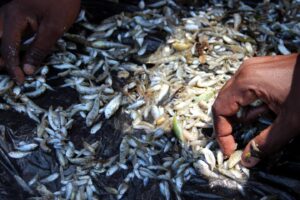
At least 7.3m tons of fish (usually dead or dying) are thought to be discarded each year from marine fisheries around the world. But these estimates come mostly from observations of large-scale industrial fisheries. Limited attention has been paid to small-scale fisheries, which are assumed to have low discard rates – some estimate as little as 3.7% total catch, compared to more than 60% for some large-scale shrimp trawlers. Small-scale or artisanal fisheries – for which there is no universal definition – are generally considered more sustainable than their large-scale industrial counterparts, but there is increasing evidence that shows this is not always the case. They employ more than 99% of the world’s 51m fishers and likely account for more than half of the total global fisheries catches. A Sri Lankan fisherman. One of the biggest problems for both large and small-scale fisheries around the globe is bycatch – fish and other marine organisms caught when the fishers are targeting something else. Powerful images of turtles and dolphins caught in fishing gear have caught the sympathy of the general public, but unintentional landings of fish aren’t as evocative. The truth is, however, that fish bycatch is a big issue. Progress is being made in Europe within large-scale fisheries thanks to campaigns such as the Fish Fight. But small-scale fisheries – though there is increasing recognition outside that they are “too big to ignore” – are only just beginning to recognise the fish bycatch and discard problem. Catch and bycatch. Our newly published research has found that artisanal fisheries in Sri Lanka are throwing away more marine species than they keep. For every fishing trip in one of Sri Lanka’s largest lagoons, Puttalam Lagoon, fishermen could be throwing away more than 50 fish. What’s more, of the 62 species recorded in the survey, more than 80% were routinely discarded. The reasons for this practice are unclear but sometimes it is because the individual fish are too small – or they are species without a high market value. We found that fishers targeting shrimp in particular caught more non-target species and had higher discards than those targeting fish. This is particularly worrying at a time when Sri Lankan shrimp exports are increasing, after the EU granted the country improved access to its market. Fishers in Puttalam Lagoon discard non-target catch onshore. Potentially 90% of the world’s fish stocks are threatened by over-fishing – when more fish are caught than the population can replace. And the “tell-tale” signs of over-fishing are now being observed in Sri Lanka and across other research sites in the Indo-Pacific region. Fishers in these locations have told us and other researchers that they are catching much less fish than they were five years ago. But this is not just an ecological issue, it is a social one too. In this era of increasing food insecurity, our findings highlight a serious concern for Sri Lanka. This unwanted seafood could be used to provide protein for the poorest in society. Instead, we found that fish with high nutritional value is being eaten by feral dogs and birds. Unwanted fish end up as quick and easy meals for animals. Billions of people worldwide rely daily on fish for protein, while 50m people also rely on catching fish for work. But, if the levels of bycatch and discard continue, the livelihoods and food security of the people that depend on these fisheries will be under threat. If the problem is not managed, there won’t be any fish left in the waters. There is one ray of hope for Sri Lanka, however. There are some small-scale fishery cooperatives which maximise long-term community benefits by dealing with the threats of fisheries mismanagement, livelihood insecurity and poverty. Communities with successful and inclusive cooperatives are better off than those without. Cooperatives have the potential to empower small-scale fishers against environmental and socioeconomic shocks, but the problem in Puttalam Lagoon is that these cooperatives are not operating across all levels of society. Fishing cooperatives do exist, but there could be more. If the bycatch and discards issue is going to be solved over the long-term, we need to look at combining sustainable management practices with community schemes to reduce unnecessary seafood waste all over the world. Together the millions of small-scale fishers all over the world have an immense amount of power, they just need to realise it. This article was originally published on The Conversation. Read the original article.

Read More »