Category: Research digest

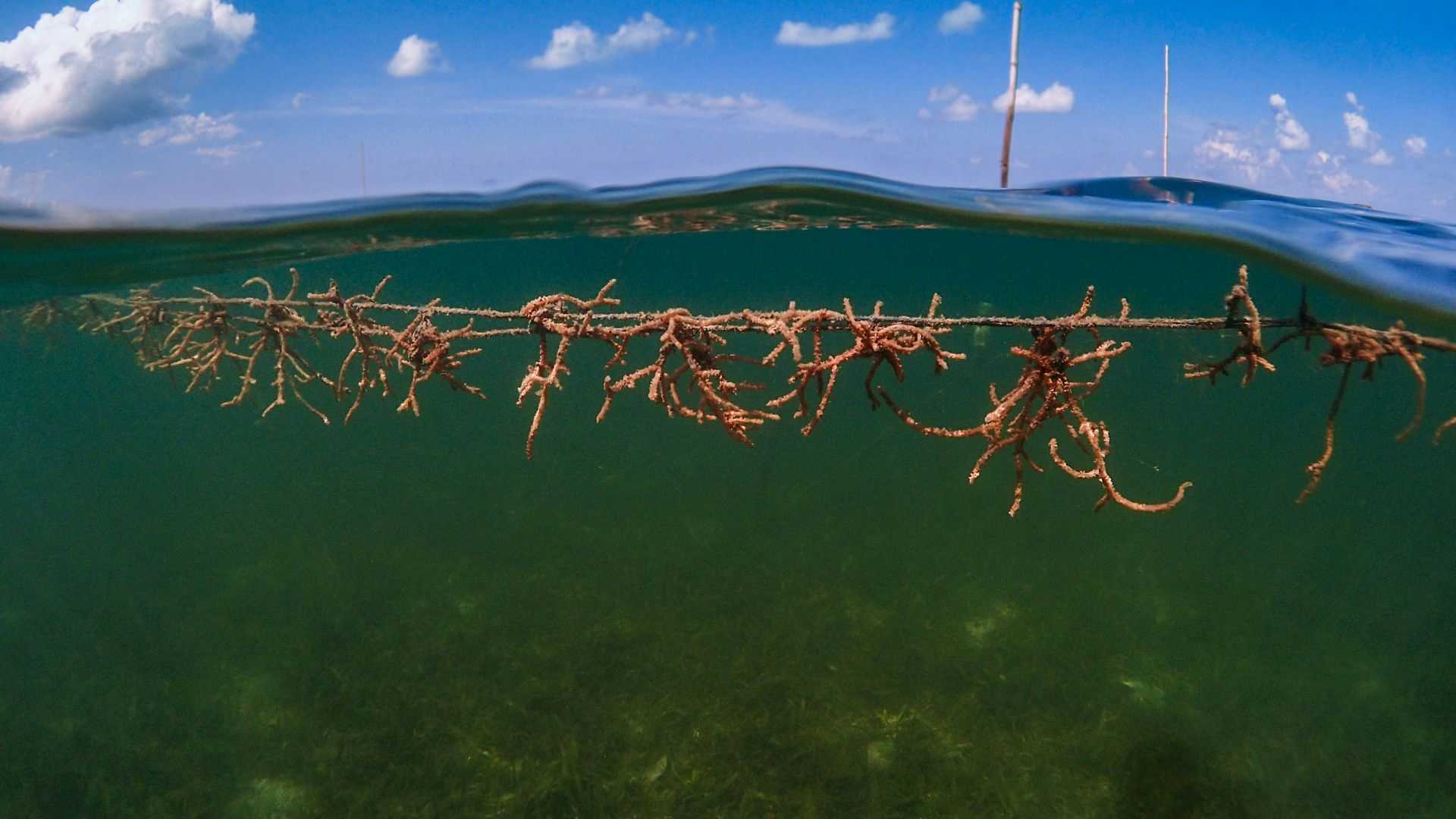
Seaweed being grown along a line.

Expanding seaweed farms pose a risk to vital marine life

Seaweed farming is a rapidly expanding global industry. As a food resource, it has high nutritional value and doesn’t need fertilisers to grow. Seaweed provides valuable habitats for marine life, takes up carbon and absorbs nutrients, plus it helps protect our coastlines from erosion. Usually, seaweeds grow on hard, rocky surfaces. Yet, to

Read More »
A screenshot of the research paper "New directions for Indigenous and local knowledge research and application in fisheries science: Lessons from a systematic review" overlain on an image of seagrass in North Wales

Indigenous and Local Knowledge in Fisheries Science

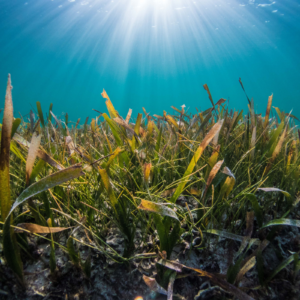
Seagrass meadows play a critical role in keeping our oceans healthy and stocked with food, providing valuable nursery habitat to over 1/5th of the world’s largest 25 fisheries. Seagrass meadows are also important to small-scale fisheries, particularly as a place to find and collect a reliable source of food with some

Read More »

Scientists outline 10 golden rules for seagrass restoration

196 of the world’s nations are committed under the Kunming-Montreal Global Biodiversity Framework to tackling nature loss. Habitat restoration is a major pathway to tackling this loss. For marine habitats such as seagrass, such restoration is often portrayed as an easy answer to fighting many of our planetary ills causing

Read More »

Seagrass meadows are reliable fishing grounds for food

A new study shows that seagrass fisheries provide a reliable safety-net for poor fishermen, since they perceive those habitats to maintain large fish catches over time. Surprisingly, even more so than coral reef fisheries, which people normally associate with small-scale fishery. Seagrass meadows are routinely used as a fishing habitat

Read More »
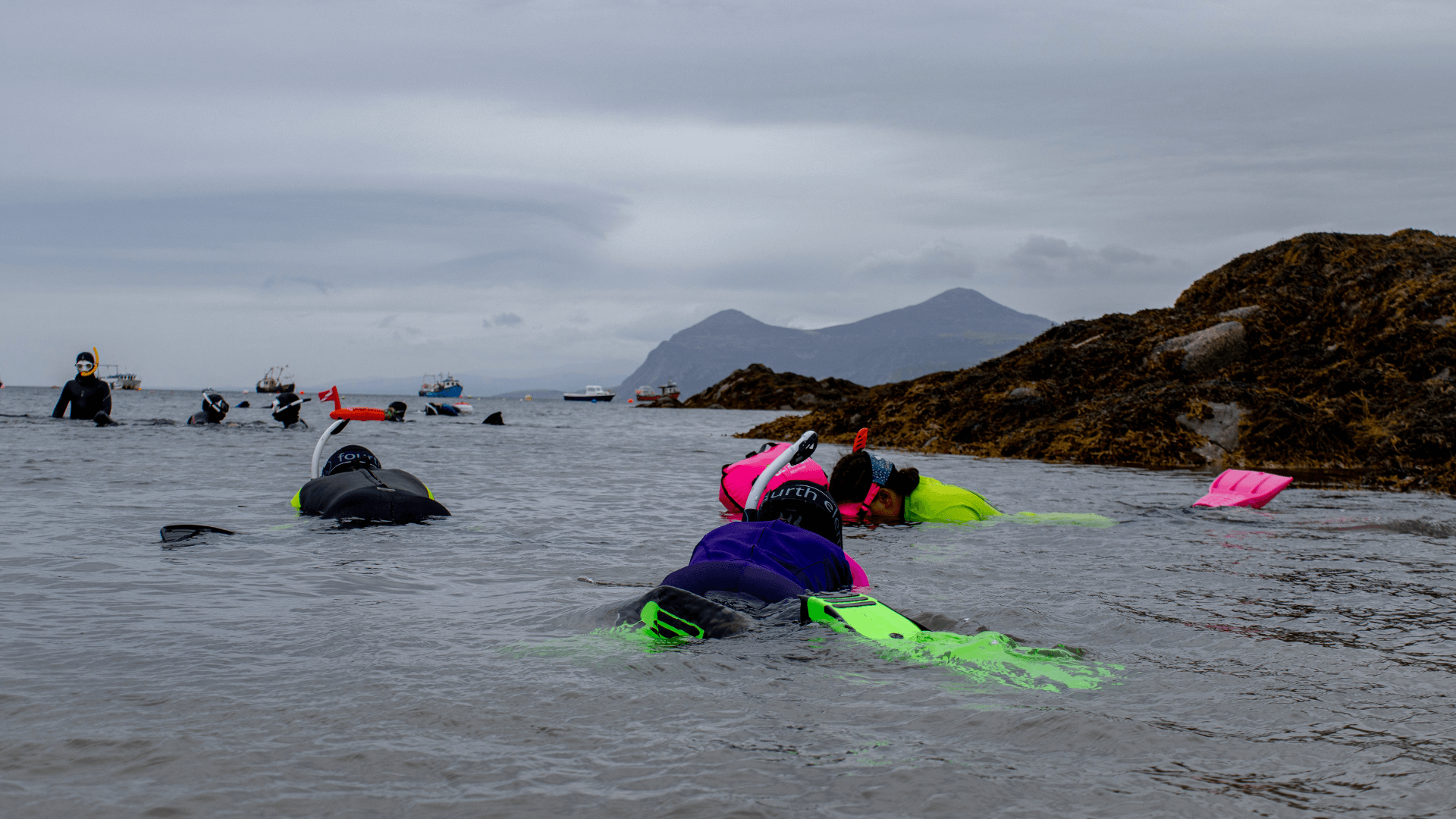
A group of volunteers snorkel in a seagrass meadow in Porthdinllaen in North Wales.

Seagrass meadows could be good for your health – yet they’re disappearing fast

The wellbeing benefits of nature are often linked to forests or habitats that support diverse pollinators. Spending time in green spaces reduces stress and anxiety, for example. By contrast, the benefits of the ocean are more commonly associated with fishing, exciting creatures such as whales and dolphins, or adventure watersports, rather than as a living system that directly supports human wellbeing. Yet growing scientific evidence shows that marine biodiversity is fundamental to the health of people, animals and the planet. The “one health” concept (a term now widely used by the World Health Organization) captures this connection by recognising that human health, animal health and environmental health are inseparable. Our new paper in the journal BioScience applies this idea to seagrass meadows for the first time. We argue that healthy coastal ecosystems such as seagrass meadows are not optional extras, but essential infrastructure for resilient societies. Coastal seas host some of the most biologically rich ecosystems on Earth. Kelp forests, oyster reefs, saltmarshes and seagrass meadows form the foundation of complex food webs that support fisheries, regulate water quality and protect shorelines. These habitats influence everything from food security and livelihoods to exposure to pollution and disease. Take seagrass meadows as one example. These underwater flowering plants stabilise sediments, reduce wave energy and filter nutrients from coastal waters. The benefits ultimately reduce coastal flooding and make the environment cleaner. They also support young fish and invertebrates that later populate offshore fisheries. Seagrass and water quality exist in a delicate balance. When the quality becomes too poor the seagrass becomes less abundant, and it’s then less able to act as a filter. This further exacerbates the water quality problems with implications for fish and other wildife. Similar patterns are seen when kelp forests collapse or shellfish reefs are lost. This is why we need better recognition for the important roles these habitats play. Marine biodiversity also helps regulate the Earth’s climate. Coastal habitats such as seagrass capture and store carbon and can reduce the negative effects of storms and flooding. While saving these ecosystems can’t replace the need to cut greenhouse gas emissions, their loss can accelerate climate impacts at local and regional scales increasing risks to coastal communities. Despite their importance, many marine ecosystems have been severely degraded. Pollution, overfishing, coastal development and warming seas have reduced biodiversity along coastlines around the globe. These losses are rarely visible to the public as they’re hard to see. This is because these losses occur underwater and gradually. Yet their consequences are increasingly felt through declining fisheries, poorer water quality and greater vulnerability to extreme weather. These factors all ultimately affect our health and wellbeing. Our new paper argues that restoring marine biodiversity requires a shift in how success is measured. Conservation and restoration efforts are often judged by the amount of hectares of habitat planting planted or short-term project outcomes. While these metrics are easy to calculate, they can obscure the real goal: the recovery of ecological function and long-term resilience. Biodiverse seagrass habitats have huge value to fisheries, from industrial fishing vessels to communities fishing by hand. Richard Unsworth A collaborative approach This is where the one health perspective becomes particularly valuable. By linking environmental condition to human and animal health, it encourages collaboration across disciplines that rarely interact. Coastal management, public health, fisheries policy and climate adaptation are often treated separately yet they all depend on the same underlying ecosystems. Examples from around the world show that biodiversity can do miraculous things, such as seagrass meadows trapping pathogens, reducing harmful bacteria in coastal waters that kills corals and contaminates seafood. That’s nature directly buffering human and animal health. We also know that when habitat is degraded and lost, it displaces associated wildife. This can lead to greater interactions between wild and farmed animals. In the case of seagrass loss, typically we know that geese become displaced to farmland to graze. This has the potential to increase interactions with farmed animals and could enhance spread of diseases such as bird flu. Recovery of our ocean habitats and the wildlife, plants and microbes that live there is possible. Where water quality improves and physical disturbance is reduced, marine habitats can rebound, bringing measurable benefits for biodiversity fisheries and coastal protection. Importantly, the benefits then extend to people – cleaner water, a more affable environment and better, more abundant food. However restoration of these habitats alone cannot compensate for ongoing damage. Protecting what remains is consistently more effective and less costly than rebuilding ecosystems after they collapse. Marine biodiversity may feel distant from everyday life but it quietly supports many of the systems that societies depend on. Recognising oceans and coasts as part of our shared health system rather than as separate from it could transform how we manage and value the marine environment. In a changing climate, this shift may prove essential not only for nature but for our own resilience. This article was originally published in The Conservation.

Read More »
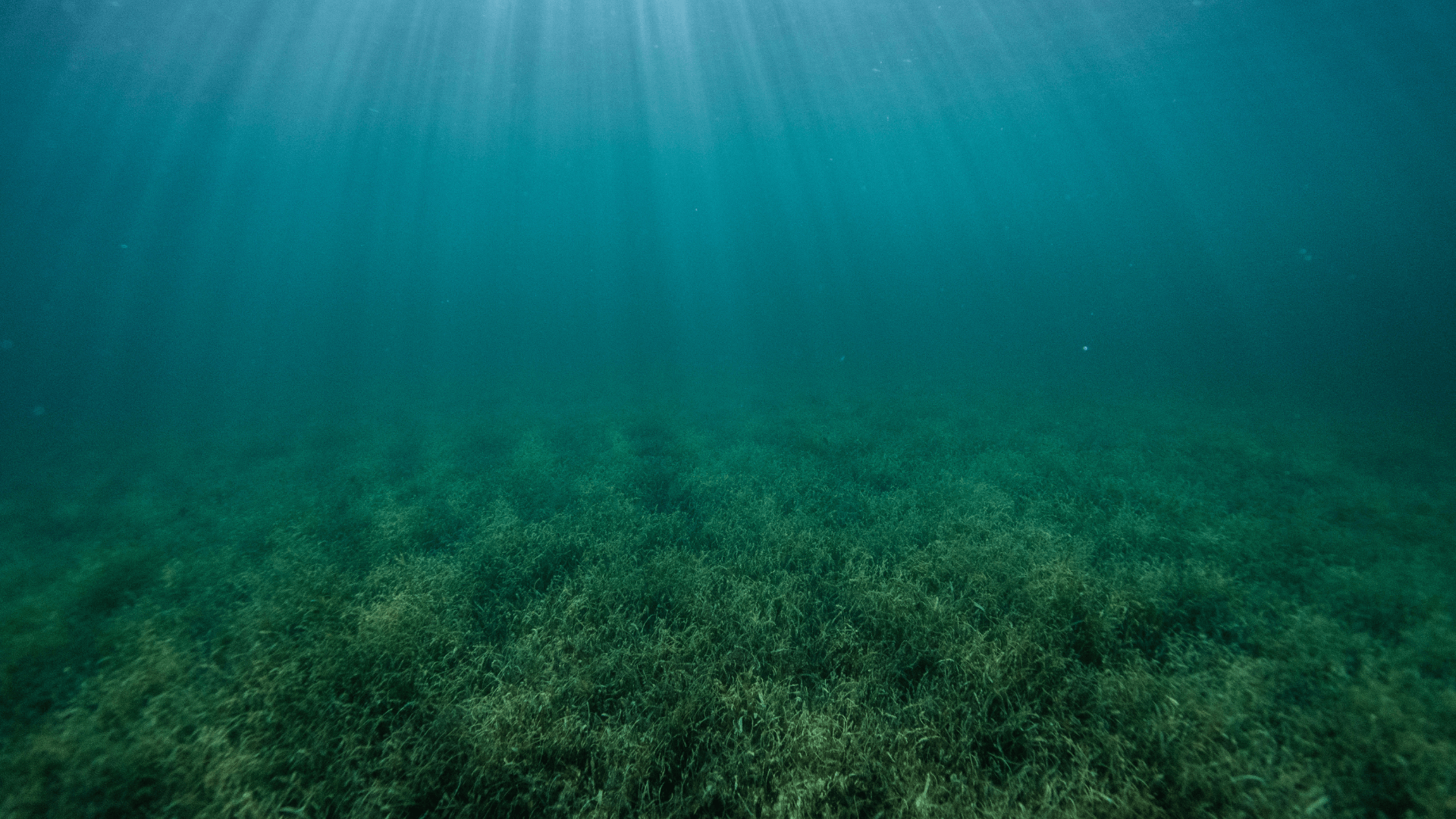
Subtidal seagrass meadow.

Can seagrass survive extreme heat? Exploring how different species withstand elevated water temperatures

Extreme heat can have a devastating effect on seagrass, but new research from Edith Cowan University (ECU) could shape how these vitally important marine ecosystems are managed and restored. In separate studies carried out on both the west and east coasts of Australia, researchers have investigated how seagrasses stand up to marine heat waves and prolonged ocean warming. Executive Dean of ECU’s School of Science, Professor Marnie Campbell, conducted the research during her time at Central Queensland University. She noted that insights into how different intertidal species respond to elevated water temperatures are critical for informing future seagrass management. “The outcomes demonstrate that the way we protect and restore seagrass will need to change as the climate warms,” Professor Campbell said. Ph.D. candidate Nicole Said from ECU’s Center for Marine Ecosystem Research said that not all seagrass species faced the same climate risk, with her research findings on Western Australian seagrass ecosystems indicating that subtidal seagrass meadows could be restored with more heat-resistant populations of the same species. “By identifying and sourcing heat-tolerant populations—sometimes just kilometers away—we can translate this knowledge into on-the-ground action, incorporating resilient populations into restoration to create climate-ready meadows,” Ms. Said explained. West coast Ms. Said is lead author of the study “Seagrasses are most vulnerable to marine heat waves in tropical zones: local‐scale and broad climatic zone variation in thermal tolerances,” which looked at six species along the Western Australian coast, spanning broad thermal gradients from temperate to tropical climates. The study is published in the journal New Phytologist. “Western Australia is an ideal setting for studying seagrass thermal tolerances, and there is a critical need for this data due to WA being a global hotspot for marine climate impacts,” Ms. Said explained. “We can use this information to look at which species might be vulnerable during future marine heat waves, and which ones we should focus our conservation value on.” The study revealed that seagrasses are most vulnerable to marine heat waves in tropical zones. It also showed that climate risk varied across seagrass species, with a 10-degree Celsius difference in thermal optima, and even neighboring populations showed different heat tolerances. “Some populations are better equipped to deal with the heat, and in some cases, the tough ones might be growing next door,” Ms. Said explained. “This shows that not all species face the same level of risk from climate change, and a one-size-fits-all approach is not appropriate for management of thermally vulnerable seagrass species.” The findings could also benefit restoration of seagrass meadows that have already suffered from thermal warming and marine heat wave events. “We can use this information to help build climate-ready meadows, by migrating plants or seeds from more heat-resistant populations into thermally vulnerable areas.” East coast Professor Campbell’s study “Varying vulnerabilities: Seagrass species under threat from prolonged ocean warming” is a paper published in Limnology and Oceanography that examined the impacts of elevated water temperatures on five intertidal species in Gladstone, Queensland, with a focus on improving seagrass restoration. “This study offers an understanding of how climate change might impact these seagrasses, whose ecological functions are not easily replaced once lost,” Professor Campbell said. “Seagrasses are a critically important ecosystem that provides food, shelter and nursery areas for a wide variety of marine life, so with changing climate, it is at risk in different ways. We wanted to understand how these species react when temperatures reach dangerous extremes, which is becoming more common with climate change.” Professor Campbell said they found intertidal pools where the water was more than 40 degrees for weeks on end. “The tide would go out, and the seagrass would be left high and dry, quite often in little, tiny pockets of water which would reach massive temperatures,” Professor Campbell said. “To restore or manage the species, you have to look at the distinct thermal thresholds of the different species—you can’t treat them all as one. “This knowledge helps us to decide which species to plant where—including the best substrate and water depth; so we can restore these ecosystems more effectively.” Professor Campbell said the species she studied were commonly found in Australia and other parts of the world, with the outcomes leading to global impact. “There were two species that were really good candidates for future-proofing restoration in regions that are warming up,” Professor Campbell said. “Two were highly vulnerable and will require more protection from heat stress, or if you’re going to restore them, you need to find micro-climates that are cooler for them—for example, if they are in the sub-tropics, you would look at temperate areas to restore them.” More information: This article is republished from PHYS.ORG and provided by the Edith Cowan University. Nicole Said et al, Seagrasses are most vulnerable to marine heatwaves in tropical zones: local‐scale and broad climatic zone variation in thermal tolerances, New Phytologist (2025). DOI: 10.1111/nph.70742 Marnie L. Campbell et al, Varying vulnerabilities: Seagrass species under threat from prolonged ocean warming, Limnology and Oceanography (2025). DOI: 10.1002/lno.70156

Read More »
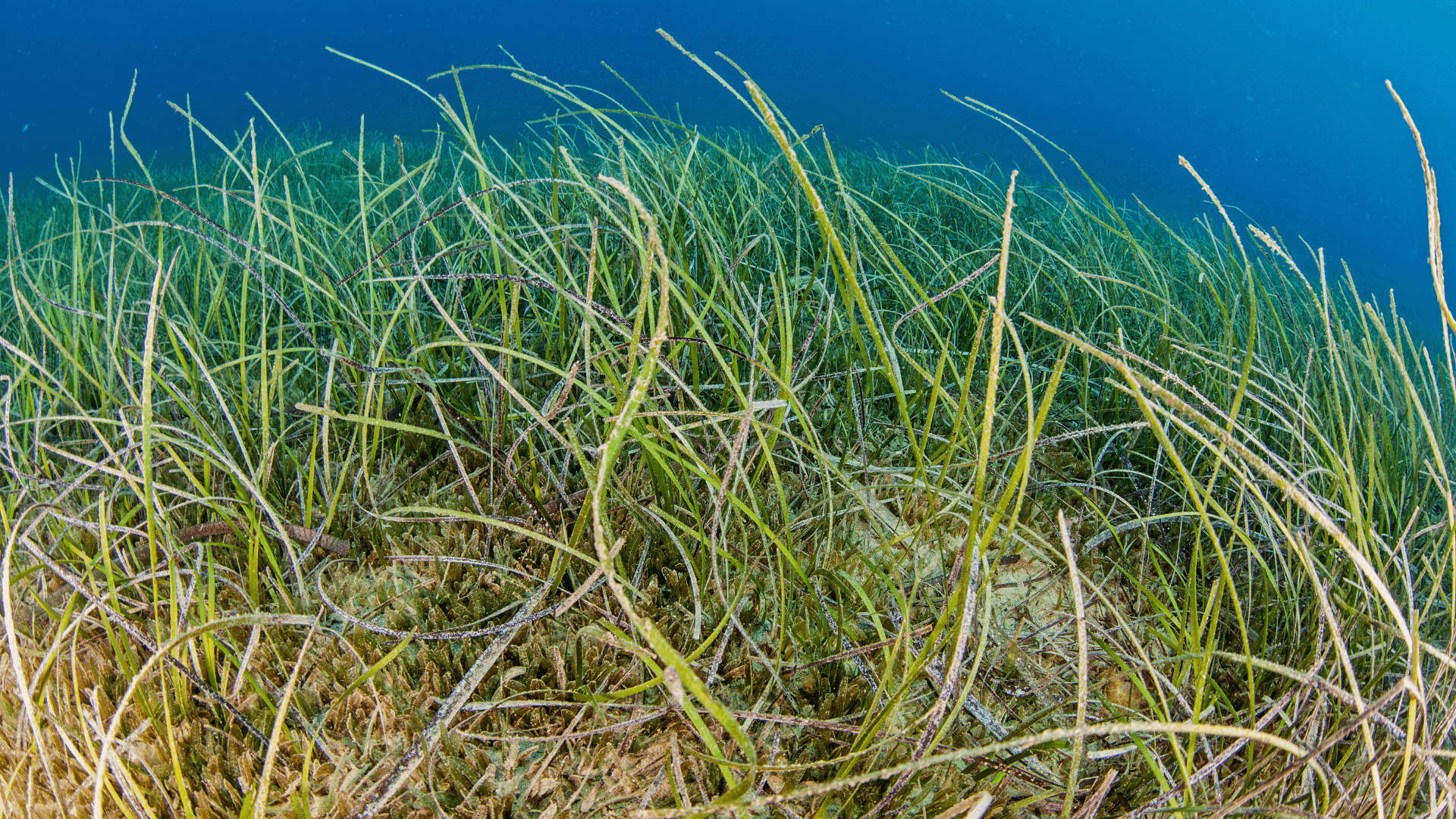
A subtidal Neptune grass meadow grows of the coast of Greece

How the Seagrass Essential Ocean Variable can support more effective monitoring and management

Current estimates of the global extent of seagrass range from between 160,000-266,000km. Such a high degree of uncertainty presents challenges for researchers and managers and their ability to make informed decisions which account for the changing status of seagrass ecosystems. Key to improving our understanding of seagrass presence and absence, identified as one of the six Global Challenges facing effective seagrass conservation, is the collection and integration of interoperable data on seagrass extent. A new paper published in Bioscience from members of the Coordinated Global Research Assessment of Seagrass Systems working group outlines how the Seagrass Essential Ocean Variable can help us to address this challenge. This paper was co-written by members of our Project Seagrass team. Achieving our goals for seagrass conservation requires reliable information on the status and trends of seagrasses and the organisms that associate with them, yet seagrass variables measured and the methods for doing so vary widely across projects and organisations, presenting challenges for comparisons across studies. This new paper provides a global framework for seagrass monitoring as an Essential Ocean Variable of the Global Ocean Observing System, key to aligning seagrass researchers and managers around a common approach to seagrass monitoring. Implementing these guidelines will support the collection of more comparable, compatible, and combinable seagrass data. The Seagrass Essential Ocean Variable contains three priority measurements to maximise compatibility across data sets:  Seagrass percentage cover Seagrass species composition (the identify and relative abundances of seagrass species in an area) Seagrass areal extent (the horizontal extent of seagrass at the meadow of seascape scale These three priority measurements collectively have been identified to provide the most useful assessment of seagrass status and change at landscape scales, addressing most scientific, management, and policy needs and targets. The Essential Ocean Variable also includes further supporting variables relating to biological and environment factors. Seagrass monitoring using SeagrassSpotter At Project Seagrass we’re well placed to contribute to this global process with our OpenAccess SeagrassSpotter.org platform collecting georeferenced data on seagrass percentage cover and species composition. In 2026 we will also be launching a complementary app called SeagrassTracker which will help scientists report, share, and archive data on seagrass spatial extent. These platforms are all linked to the Global Ocean Observing System.  Key to the Seagrass Essential Ocean Variable is a commitment to collaborate. If utilised across widely, the EOV will support the creation of a growing resource of seagrass data that is maximally compatible and supports more reliable local research and better-informed management.

Read More »

New Global map reveals seagrass meadows under threat — even inside protected areas

A new global analysis finds that many of the world’s most threatened seagrass meadows lie within designated Marine Protected Areas (MPAs), raising urgent questions about the effectiveness of current protections for coastal habitats and offering a chance opportunity to rethink global ocean conservation. The study, led by a team of scientists from the international NGO Project Seagrass, presents one of the most comprehensive global maps ever produced of the human pressures threatening seagrass meadows—vital coastal ecosystems supporting fisheries, and sustaining marine biodiversity in over 150 countries. With help from over 1000 citizen scientists, the team mapped human pressures to seagrass at over 1200 sites across 86 countries, finding that most seagrass meadows face multiple combined threats, including coastal development and pollution to impacts from things like boating, destructive fishing and aquaculture. Strikingly, half of the seagrass sites exposed to human impacts were located within MPAs—areas that are meant to provide refuge from such threats. “These are supposed to be safe havens for biodiversity,” said lead author Dr. Benjamin Jones. “Instead, we’re finding that many seagrass meadows inside MPAs are under intense and overlapping pressures from human activities on land. That’s a red flag—but also a huge opportunity to rethink how we protect seagrass meadows.” A wake-up call By analysing the data submitted by citizen scientists to SeagrassSpotter.org, the researchers created a high-resolution map of global seagrass vulnerability. The results reveal hotspots of concern in regions like Southeast Asia, the Mediterranean, and parts of the Caribbean—but also bright spots of lower pressure, where conservation action could be both timely and transformative. Critically, the study exposes a major gap between designation and implementation in the world’s MPA networks—finding that seagrass in 4.4% of the world’s MPA’s is under threat. “Putting a boundary on a map isn’t enough,” said Dr. Jones. “If we’re serious about protecting seagrass meadows—and all the benefits they offer—we need to start managing impacts from land.” The study calls for immediate action to strengthen protections within existing MPAs, prioritize high-threat zones for urgent intervention, and expand conservation to underrepresented but ecologically rich areas. “With just a small fraction of seagrass currently protected, the study makes a clear case for smarter marine spatial planning, localised threat reduction, and global cooperation,” said study co-author Dr. Richard Unsworth (also of Swansea University). The findings support the United Nations’ “30×30” goal to protect 30% of Earth’s land and ocean by 2030—but emphasise that quality of protection is just as critical as quantity. To achieve the Kunming–Montreal Global Biodiversity Framework targets, net seagrass losses of roughly 3,000 km2 must be avoided annually from 2030 onwards and ~95,000 km2 of these ecosystems must be restored. Meeting these targets requires solving the complex threats that most seagrasses around the world face. From threats to solutions By publishing the data from this study in an interactive map, the scientists hope this becomes a critical tool for policymakers, conservationists, and local communities who can now pinpoint some of the most at-risk areas and focus efforts accordingly. “Seagrass meadows are quiet powerhouses of the ocean,” said Dr. Jones, “[and] this new map shows us exactly where we need to act – not just to stop loss, but to invest in protection and conservation where it matters most.” Such conservation solutions, the authors argue, need not always be ocean based—land-based restoration and watershed management will be critical to combat nutrient pollution. “These threats are real and widespread. But the solutions are just as real and within reach,” said the team. “By mapping the threats, we’re also mapping the solutions. We know where to act. Now the world needs to do it.” Citizen science This global analysis represents the first research study using data from SeagrassSpotter.org, a citizen science platform launched a decade ago to engage the public in seagrass conservation. This milestone marks a significant achievement in seagrass science, showcasing the power of community-driven data collection. Over the past 10 years, volunteers from around the world have contributed thousands of observations, and Project Seagrass hopes this new research will inspire others to participate, and for fellow scientists to also harness the global dataset. The full article is available here. Jones, B. et al. (2025). Mapping global threats to seagrass meadows reveals opportunities for conservation. Environmental Research Ecology. https://doi.org/10.1088/2752-664X/adcacb

Read More »

Human connections to seagrass meadows date back 180,000 years, study reveals

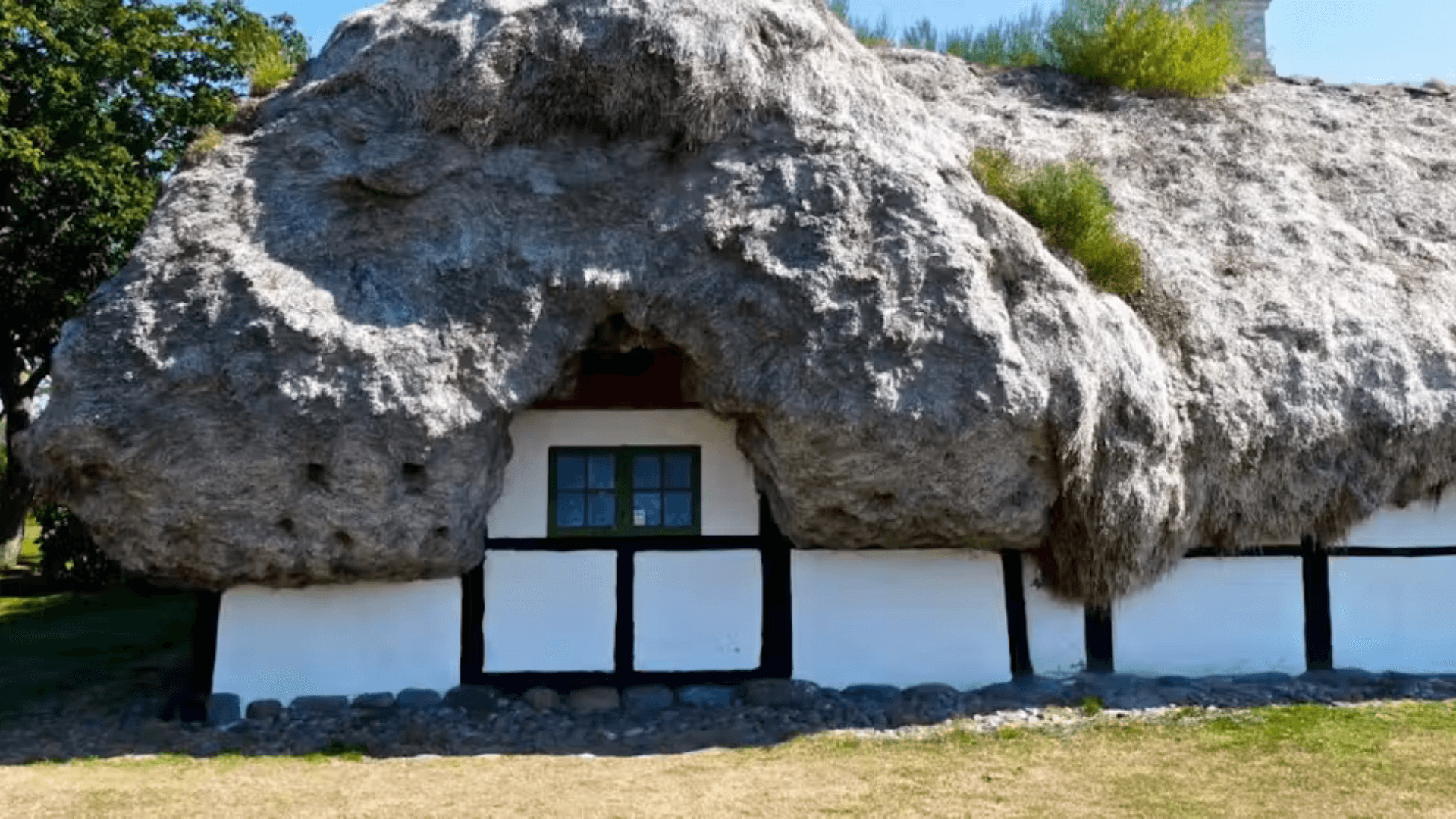
For millennia, humans lived as hunter-gatherers. Savannas and forests are often thought of as the cradle of our lineage, but beneath the waves, a habitat exists that has quietly supported humans for over 180,000 years. Archaeological evidence suggests that early humans migrated along coasts, avoiding desert and tundra. So, as Homo spread from Africa, they inevitably encountered seagrasses – flowering plants evolved to inhabit shallow coastal environments that form undersea meadows teeming with life. Our recently published research pieces together historical evidence from across the globe, revealing that humans and seagrass meadows have been intertwined for millennia – providing food, fishing grounds, building materials, medicine and more throughout our shared history. Our earliest known links to seagrass date back around 180,000 years. Tiny seagrass-associated snails were discovered in France at Paleolithic cave sites used by Neanderthals. Too small to be a consequence of food remains, these snails were likely introduced with Posidonia oceanica leaves used for bedding – a type of seagrass found only in the Mediterranean. Neanderthals didn’t just use seagrass to make sleeping comfortable – 120,000 year old evidence suggests they harvested seagrass-associated scallops too. A bountiful supply of food Seagrass meadows provide shelter and food for marine life, such as fish, invertebrates, reptiles and marine mammals. Because they inhabit shallow waters close to shore, seagrass meadows have been natural fishing grounds and places where generations have speared, cast nets, set traps and hand-gathered food to survive and thrive. Long before modern fishing fleets, ancient communities recognised the value of these underwater grasslands. Around 6,000 years ago, the people of eastern Arabia depended on seagrass meadows to hunt rabbitfish – a practice so prevalent here that remnants of their fishing traps are still visible from space. Historic stone fish traps designed to capture seagrass associated fish as the tide retreats. Photos Benjamin Jones Satelite image Apple Maps Seagrass meadows have even been directly harvested as food. Around 12,000 years ago, some of the first human cultures in North America, settling on Isla Cedros off the coast of Baja California, gathered and consumed seeds from Zostera marina, a species commonly called eelgrass. These seeds were milled into a flour and baked into breads and cakes, a process alike to wheat milling today. Further north, the Indigenous Kwakwaka’wakw peoples, as far back as 10,000 years ago, developed a careful and sustainable way of gathering eelgrass for consumption. By twisting a pole into the seagrass, they pulled up the leaves, and broke them off near the rhizome – the underground stem that is rich in sugary carbohydrates. After removing the roots and outer leaves, they wrapped the youngest leaves around the rhizome, dipping it in oil before eating. Remarkably, this method was later found to promote seagrass health, encouraging new growth and resilience. Today, seagrass meadows remain a lifeline for coastal communities, particularly across the Indian and Pacific Oceans. Here, fishing within seagrass habitats is shown to be more reliable than other coastal habitats and women often sustain their families by gleaning – a fishing practice that involves carefully combing seagrass meadows for edible shells and other marine life. For these communities, seagrass fishing is vital during periods when fishing at sea is not possible, for example, during tropical storms. When seagrasses returned to the sea around 100 million years ago, they evolved to have specialised leaves to tolerate both saltwater submergence and periods of time exposed to the sun during tidal cycles. This allowed seagrasses to flourish across our coastlines, but also made them useful resources for humans. Mudbricks discovered at the Malia Archaeological Site, Crete, contain remains of seagrass leaves. Olaf Tausch Wikimedia Commons Seagrass leaves, once dry, are relatively moist- and rot-proof – properties likely discovered by ancient civilisations when exploring the uses of plants for different purposes. Bronze age civilizations like the Minoans, used seagrass in building construction, reinforcing mudbricks with seagrass. Analysis of these reveal superior thermal properties of seagrass mudbricks compared to bricks made with other plant fibres – they kept buildings warmer in winter and cooler in summer. These unique properties may have been why early humans used seagrass for bedding and by the 16th century, seagrass-stuffed mattresses were prized for pest resistance, requested even by Pope Julius III. Three hundred year old seagrass thatched roof from the island of Læsø, Denmark. Jack Fridthjof/Visitlaesoe By the 17th century, Europeans were using seagrass to thatch roofs and insulate their homes. North American colonialists took this knowledge with them, continuing the practice. In the 19th century, commercial harvesting of tens of thousands of tonnes of seagrass began across North America and northern Europe. In the US, Boston’s Samuel Cabot Company patented an insulation material called Cabot’s “Quilt”, sandwiching dried seagrass leaves between two layers of paper. These quilts were used to insulate buildings across the US, including New York’s Rockefeller Center and the Capitol in Washington DC. A legacy ecosystem – and a living one The prevalence of seagrass throughout human civilisation has fostered spiritual and cultural relations with these underwater gardens, manifesting in rituals and historical customs. In Neolithic graves in Denmark, scientists found human remains wrapped in seagrass, representing a close connection with the sea. “If we have depended on seagrass for 180,000 years—for food, homes, customs—investing in their conservation and restoration is not just ecological, it’s deeply human,” said Project Seagrass’ Chief Conservation Officer Dr Benjamin Jones. “They were not just background scenery — they were practical, valuable, and even life-saving. They’re also solutions hiding in plain sight for things like food resilience — habitats that offer communities today a lifeline in times of need.” Our new research tells us that seagrass meadows are not just biodiversity hotspots or carbon storage systems. They are ancient human allies. This elevates their value beyond conservation – they’re repositories of cultural heritage and traditional knowledge. They were practical, valuable, and deeply integrated into human cultures. We have depended on seagrass for 180,000 years – for food, homes, customs – so investing in their conservation and restoration is not just ecological, it’s deeply human.

Read More »
Seaweed being grown along a line.

Expanding seaweed farms pose a risk to vital marine life

Seaweed farming is a rapidly expanding global industry. As a food resource, it has high nutritional value and doesn’t need fertilisers to grow. Seaweed provides valuable habitats for marine life, takes up carbon and absorbs nutrients, plus it helps protect our coastlines from erosion. Usually, seaweeds grow on hard, rocky surfaces. Yet, to farm seaweed, potential areas need to be easily accessible and relatively sheltered. This is where seaweed can grow with limited risk of being dislodged by waves. Seaweed farms in Asia, in countries like China and Indonesia, are responsible for more than 95% of global seaweed production. Seaweed farms, particularly those in Southeast Asia, are commonly in the very same environments where seagrass meadows thrive. Competition for resources ensues. Evidence shows that tropical seaweed farms, when placed in or on top of tropical seagrass meadows leads to a decline in the growth and productivity of seagrass. There is also evidence that seaweeds outcompete seagrasses in cooler waters, especially when nutrients in the water are very high. Despite negative interactions, such as shading, between seaweed and seagrass, some scientists now advocate for a global expansion of seaweed farming in areas where seagrass grows. This call, comes at a time when seagrass global initiatives are trying to stem seagrass loss. Efforts are underway to expand these habitats to their once extensive range to help fight climate change and biodiversity loss. Seagrass meadows are a crucial store of carbon, providing habitats for a wide array of animals. Why farm seaweed on top of seagrass? The reason that some scientists are advocating for farming seaweed in seagrass is that their research claims that the presence of seagrass reduces disease causing bacterial pathogens by 75%. A major win for a relatively low tech industry where seaweed disease outbreaks hinder production. These scientists are not the only ones advocating for seaweed production at scale. Global conservation charities, like World Wildlife Fund and The Nature Conservancy, as well as the Earthshot prize launched by Prince William all support seaweed cultivation programmes in areas likely to contain abundant seagrass. However, together with other scientists, we have argued in an academic response in the journal PNAS that their claim is premature. We are concerned that, without appropriate management, these seaweed programmes threaten marine biodiversity and the benefits that humans get from the ocean. Despite historic and globally widespread seaweed cultivation, effects on seagrass have mostly been ignored. Where studies exist, effects have been negative for seagrass, its ability to capture carbon, and the diverse animals that call it home. Entanglement of migratory animals, such as turtles and dugong with seaweed also needs wider consideration. This is especially the case given new legal frameworks to protect their habitat, and there is ongoing concern for these species being killed by seaweed farmers. The equity of coastal fishing grounds also comes into question, as communities that use seagrass for fishing are most likely to lose access. Conservation charities advocate for tropical seaweed farms for good reason. This is to improve community resilience in the face of degrading coral reefs and overfishing. While projects mostly have the best intentions, they often don’t consider cascading unintended consequences, nor the equity of the whole community. In reality, seaweed farm placement is effectively akin to ocean grabbing (the act of dispossession or appropriation of marine resources or spaces) with farmers winning on a “first come, first serve” basis, despite not owning the seabed. Some seagrass meadows in Zanzibar, Tanzania, have recovered since seaweed farms have been removed. GoogleEarth Sustainable standards If seaweed farming is to be expanded, standards for sustainability must be upheld and strengthened. In 2017, a sustainable seaweed standard was launched by the Aquaculture and Marine Stewardship Councils. But few tropical seaweed farms meet the criteria outlined in this standard due to known consequences that affect seagrass (rightly defined in the standard as vulnerable marine habitats) and likely negative effects on endangered species, like dugong, that frequent seagrass habitats. Seaweed cultivation strategies have mixed evidence for long-term success. In Tanzania, many farmers have abandoned the industry due to low monetary rewards compared to the investments they put in, and some evidence suggests that the activity reduces income and health, particularly for women. Where seaweed cultivation has been implemented to reduce fishing pressure, it has instead increased (and often just displaced) fishing activity. Given the rapidly increasing threats faced by tropical marine habitats despite the role they play in climate resilience, understanding trade-offs prior to large scale expansion of seaweed farming is a priority. To reduce further any negative effects, international programmes and research advocating for large-scale seaweed farms need to align more readily with the seaweed standard. More information: This article was published in The Conversation Jones. et al, Risks of habitat loss from seaweed cultivation within seagrass, PNAS (2025). https://doi.org/10.1073/pnas.242697112 Seaweed farms are often placed on top of seagrass meadows. Niels Boere/flickr A women prepares seaweed ropes for deployment in the Wakatobi, Indonesia. Benjamin Jones/Project Seagrass

Read More »
A screenshot of the research paper "New directions for Indigenous and local knowledge research and application in fisheries science: Lessons from a systematic review" overlain on an image of seagrass in North Wales

Indigenous and Local Knowledge in Fisheries Science

Seagrass meadows play a critical role in keeping our oceans healthy and stocked with food, providing valuable nursery habitat to over 1/5th of the world’s largest 25 fisheries. Seagrass meadows are also important to small-scale fisheries, particularly as a place to find and collect a reliable source of food with some countries (e.g., Indonesia) seeing up to 60% of coastal populations dependant on seagrass for access to food.  However, fisheries are more than just sources of food—they are also lifelines for millions of people worldwide, underpinning livelihoods, culture, and well-being. Yet despite their important role, managing these resources, especially in the face of climate change and overfishing, is becoming harder due to a lack of solid data.    This is where Indigenous and Local Knowledge (ILK) could support Fisheries Science.  A recent study undertaken by Project Seagrass systematically reviewed 397 fisheries-related research articles and revealed that Indigenous and local communities hold key insights into the ecosystems they live in. Indigenous and local communities have often been fishing in their local areas for generations and possess detailed knowledge about species behaviour, habitats, and environmental changes which could fill significant gaps in formal scientific research.  The Problem: Gaps Between Indigenous and Local Knowledge and Scientific KnowledgeWhile the scientific community acknowledges the importance of ILK, a large challenge remains: ILK is largely qualitative, based on observations and traditions, whereas fisheries management is based on quantitative data—numbers, charts, and models.   Despite efforts to utilise information from scientific knowledge and ILK, the integration has been slow with many studies still viewing ILK as something that needs to be validated through scientific data.   The Solution: A New Approach to Fisheries Research The research highlights the need for more collaborative methods to enhance Fisheries Management by integrating ILK and scientific knowledge.  Rather than simply comparing Indigenous and Local Knowledge to scientific data, we should view these knowledge systems as complementary. ILK can inform fish population trends, help establish marine protected areas, and guide sustainable fishing practices with a greater chance of success.   What’s Next? Moving Towards Integrated Fisheries Management It is crucial to respect both Indigenous and Local Knowledge and scientific knowledge as equally valid.   By intertwining these knowledge systems, we can build a more holistic and effective approach to fisheries management, ensuring that the voices of Indigenous and local communities are heard and their knowledge utilized.  The next wave of fisheries science should aim to bridge the gap between data-driven science and the rich, qualitative insights from those who know the waters best. The future of sustainable fisheries management depends on it.  More information: Jones et al, New directions for Indigenous and local knowledge research and application in fisheries science: Lessons from a systematic review. Fish and Fisheries (2024) DOI: https://doi.org/10.1111/faf.12831   Explore our blog for insights on the latest research from across the globe. Click here

Read More »

Scientists outline 10 golden rules for seagrass restoration

196 of the world’s nations are committed under the Kunming-Montreal Global Biodiversity Framework to tackling nature loss. Habitat restoration is a major pathway to tackling this loss. For marine habitats such as seagrass, such restoration is often portrayed as an easy answer to fighting many of our planetary ills causing this nature loss. But as evidence grows of the issues and challenges of such activities, scientists from Project Seagrass and Swansea University have outlined ten golden rules to help improve this restoration. Their work is published today in an Open Access article in the journal Plants People Planet.   The article responds to the increasing pressures faced by seagrass ecosystems globally and the need to rapidly rebuild marine life. The authors highlight throughout that in order to restore our ocean biodiversity, we first need to focus on reducing the stressors to these habitats, namely water quality, boating and coastal development. The authors who have been studying seagrass conservation and restoration argue for a shift beyond a singularised view of restoration as being about planting new meadows to a combined view where damaged and fragmented meadows are rejuvenated; threatened and diminishing meadows are protected; and more meadows become resilient. The rules confirm the need for collaborative approaches to restoration which create biodiverse ecosystems that support coastal communities and improve communities.   Dr Richard Unsworth, lead author on the paper who is the Chief Scientific Officer at Project Seagrass and Associate Professor at Swansea University said, “To rebuild marine life at the scale and speed required to fight the biodiversity crisis and the climate emergency we need to think bigger, whereby we bring degraded habitats back to life at the same time as creating vast new habitat in support of coastal livelihoods, and community resilience”  The paper has been published following the International Seagrass Biology Workshop (ISBW15) hosted in Naples, Italy earlier this year, the theme of this which was “Seagrasses in the Anthropocene”.  As human activities place ever-increasing pressure on seagrass ecosystems at both a local and global scale the resulting changes in environmental conditions have altered seagrass ecosystems to an extent that has not previously been observed. The challenge currently facing the global community is the need to establish a new baseline and protect, restore, and rehabilitate the seagrass ecosystems that currently remain.  Dr Benjamin Jones, Chief Conservation Officer at Project Seagrass and author of the paper says: “Coastal environments suffer from excess nutrients and contaminants from poor land management, deforestation and ineffective pollution management. If we are to place seagrass on a pathway to global net gain, for restoration to have any meaningful contribution, we also need to think about restoring watersheds and thinking upstream – restoring the land to restore the sea”.  The ten golden rules originally developed by Unsworth and Jones for seagrass restoration, and outlined below, aim to ensure that existing seagrass is protected, that multiple and diverse stakeholders are involved in planning to support the selection of appropriate sites and ongoing stewardship, that appropriate restoration methods are utilized, and that realism is adopted in the face of the challenges surrounding global restoration efforts particularly in light of ongoing climatic pressure.   Dr Leanne Cullen-Unsworth, CEO at Project Seagrass and an author of the paper says: “Fantastic progress is being made in the field of conservation and restoration of seagrass meadows, but in order for this to happen at the scale and speed required, we wanted to set out a series of holistic guidelines, based on available research and experience, that practitioners can follow for improved chances of success.”    10 Golden Rules for restoration to secure resilient and just seagrass social-ecological systems (set out in detail below)  Protect existing seagrass first   Work together Create biodiverse ecosystems with multiple functions for people and planet Select appropriate sites for restoration Determine appropriate restoration methods  Use resilient plant materials and future proof your project  Maximize the potential opportunity of the restoration  Plan ahead for infrastructure, capacity, and restoration material  Develop realistic informed goals and reporting Make it pay    10 Golden Rules (Detailed summary of the paper)  1. Protect existing seagrass first  Amidst the context of growing interest in seagrass restoration, the authors emphasize that it is much slower, more difficult, and more expensive to re-plant seagrass meadows than it is to protect those that currently remain.  Protection from localized stressors can relieve pressure on our existing seagrass be this through the implementation of improved water quality from better catchment management, reduced boating damage, establishment of Marine Protected Areas or through the encouragement of alternative low-impact livelihoods, tourism, and fishing practices. The authors also outline the need to prioritise which seagrass meadows to protect taking into consideration predicted future climatic conditions such as changing temperatures, sea level rise, land use change, and the gradual topicalization of temperate systems.  2. Work together Restoration is a collaborative process and the authors discuss the importance of the involvement of multiple and diverse stakeholders, expertise, and experience throughout all stages of the restoration process.  Seagrass social-ecological systems support diverse uses and livelihoods, from fishing and recreation, to harvesting of raw plant material. Rights and equality are central, and stakeholders should be encouraged to continue activities, not just undisturbed, but enhanced by increased seagrass resilience.  Engaging local communities and stakeholders during the site selection period is essential as these groups will often become the long-term custodians of the restoration site.  Without working together, long-term seagrass restoration at scale is simply not possible and finding ways to bring people together to co-design restoration projects will enhance the social capital of resulting habitats.  3. Create biodiverse ecosystems with multiple functions for people and planet The overarching aim of seagrass restoration should be to maximise the biomass and biodiversity of meadows such that they support diverse and resilient ecosystem functioning and services for people and planet.  The authors discuss how natural systems simultaneously produce multiple ecosystem services that interrelate in complex and dynamic ways. An overly narrow focus on a limited set of ecosystem services can lead to

Read More »

Why saving the world’s seagrass is part of the most important to-do list in the history of humankind

“The downward trajectory of the world’s seagrass meadows must be reversed if we are to fight the planetary crisis” say leading seagrass scientists. The United Nations Sustainable Development Goals have recently been described as “the most important to-do list in the history of humankind”. Scientists from Project Seagrass and Swansea University have this week published a unique review that demonstrates how this “To-Do List” of Sustainable Development Goals provides a blueprint for achieving the net recovery of seagrass ecosystems. Conserving and restoring seagrass meadows contributes to achieving 16 out of the 17 Sustainable Development Goals. Recognising this wide role of seagrass meadows in helping achieve humanity’s ‘to-do list’ and thinking beyond their value in carbon sequestration and storage is critical to achieving the recovery of these degraded ecosystems. The call for urgent action comes after a review into the status of seagrass ecosystems and the major ecological role that they play in the coastal environment published in the leading academic journal Science and written by experts at the marine conservation charity Project Seagrass and Swansea University. Seagrass meadows are being increasingly looked to as a climate solution. However, seagrass ecosystems are sensitive to stressors and remain threatened across the globe. These degraded seagrass ecosystems are less effective at supporting biodiversity and tackling climate change. The authors state “Society needs to create meaningful pathways to net gain at local to global scales. Bold steps are needed through improved legal instruments to halt damaging factors such as bottom trawling, prevent use of damaging boating activities and to apportion responsibility for poor water quality that is causing the slow death of seagrass globally”. By recognising that seagrass meadows contribute to finding solutions to global problems such as food insecurity, water quality, wellbeing and gender equality, as well as the more well known issue such as biodiversity loss and climate change there becomes a more holistic view as to the benefits of taking large cumulative levels of action at local, regional and global scales. We need local and regional authorities to create a baseline of where seagrasses are now, where they used to be and where in the future they could be allowed to recover and be restored to get seagrass on the path to recovery. This needs to occur within the next decade if we are to fight climate change, to fight the biodiversity crisis, protect our coastlines and maintain global food security. Richard Unsworth (lead author) said “The world needs to rethink the management of our coastal environment that includes realistic compensation and mitigation schemes that not only prevent damage, but also drive the restoration, enhancement and creation of seagrass habitat. We also need a major shift in how we perceive the status of our marine environment by examining historical information, not just recent ecological baselines”. Ben Jones, a fellow author of the study added, “It is vital to work collaboratively as it is only through utilising scientific environmental studies and working as cogs in a global partnership for seagrass that meaningful change can happen”. Seagrass conservation faces substantial ecological, social and regulatory barriers and requires strong cross-sectoral partnerships to be put on the path to recovery. Identifying the solutions to seagrass conservation and restoration has never been more urgent and is critical to fight the planetary emergency. This can be achieved by using the Sustainable Development Goals as a blueprint towards recovery. Read the paper here.

Read More »

Seagrass meadows are reliable fishing grounds for food

A new study shows that seagrass fisheries provide a reliable safety-net for poor fishermen, since they perceive those habitats to maintain large fish catches over time. Surprisingly, even more so than coral reef fisheries, which people normally associate with small-scale fishery. Seagrass meadows are routinely used as a fishing habitat across the Indo-Pacific region to sustain millions of households by providing fish and other animals for food and income from fishing. A new study in Ocean and Coastal Management investigated how and why households use seagrass meadows across Cambodia, Tanzania, Sri Lanka and Indonesia in the Indo-Pacific region by conducting interviews that asked what habitats they used and which they preferred. Benjamin Jones, director of Project Seagrass and PhD student at the Department of Ecology Environment and Plant Sciences, Stockholm University, says: “Seagrass was the most common habitat used for fishing. Nearly half of all households we talked to preferred fishing in seagrass over other habitats such as coral, mangroves, open ocean, mud and rock for example. This was surprising because most people think of reef fisheries as the key tropical small-scale fishery, but we show that its actually engagement in seagrass fisheries that are much more characteristic of households.” When the researchers asked the fishermen why they preferred seagrass, they expressed a general feeling of reliability: seagrass meadows always provide large catches and fish and invertebrates are always found there. This is likely due to the ecological role that seagrass meadows play for fish. They provide valuable nursery habitats with lots of places for fish to hide and grow which means that there is often a high abundance of fish present. The study also revealed that 3 in 20 people across the region were reliant on seagrass meadows as their fishing ground and did not fish anywhere else. The research from households in 147 villages also revealed that reliance on seagrass meadows was strongly influenced by household income: “Household income had two different effects. On one hand, poorer households were less likely to own motorboats. These were reliant on seagrass as they were unable to fish elsewhere, seagrass is close to shore and easy to access without a motor. On the other hand, wealthier households were more likely to own certain types of fishing gear that incentivized them to use seagrass due to high rewards and low effort requirements. These were static fishing fences that don’t require a fisherman to be present” says Benjamin Jones. Study co-author and fellow Project Seagrass director Leanne Cullen-Unsworth, says “Our results highlight the need for empirical household scale data for management of seagrass meadows. People use and value seagrass for many different reasons so safeguarding seagrass is vital to ensure that all people, all of the time, have equitable and equal access to the resources seagrass provides.” The study was a collaboration between scientists from Stockholm University, Project Seagrass, Swansea University, Uppsala University, Hasanuddin University, among others. Open Access paper: Jones, B.L.H.; Unsworth, R.K.F.; Nordlund, L.M.; Eklöf, J.S.; Ambo-Rappe, R.; Carly, F.; Jiddawi, N.S.; La Nafie, Y.A.; Udagedara, S.; Cullen-Unsworth, L.C. Dependence on seagrass fisheries governed by household income and adaptive capacity. Ocean & Coastal Management 2022, 225, doi:10.1016/j.ocecoaman.2022.106247.    

Read More »