NEWS

NEWS

Keeping you up to date with Project Seagrass news and views with a mixture of field notes and commentary on seagrass and marine conservation topics.

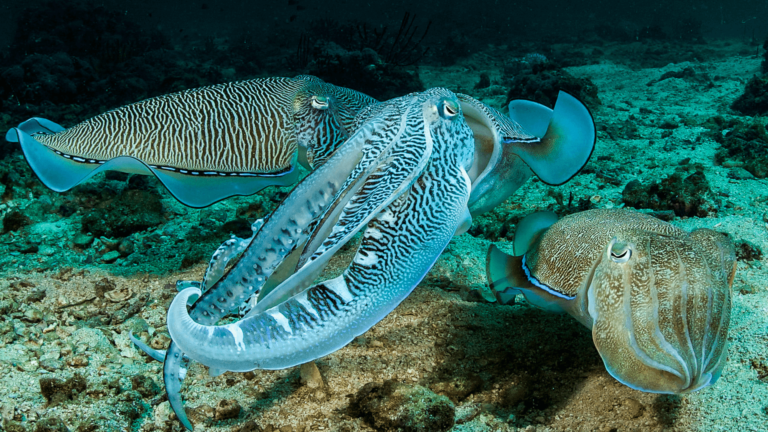
Cuttlefish.

The Cuttlefish: Creatures that call seagrass home

In a new blog series, our Conservation Trainee Abi David explores some of the amazing creatures that call seagrass meadows their home. Cuttlefish are molluscs and join squid and octopuses in the Cephalopod family. Predominantly found in temperate and tropical areas, 120 species can be found around the world. Cuttlefish
Read More »
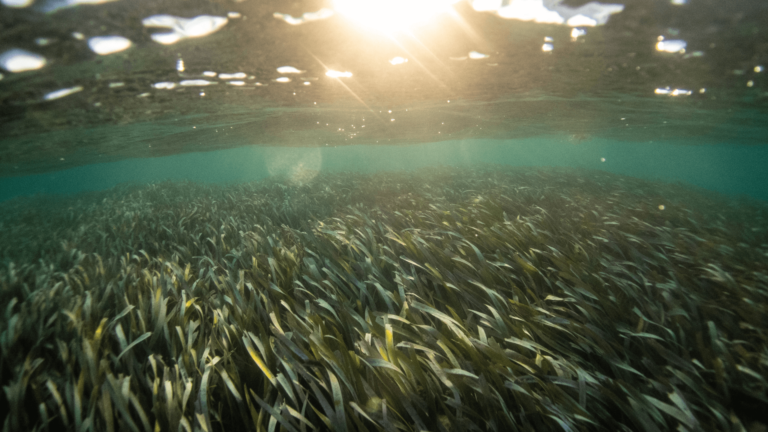
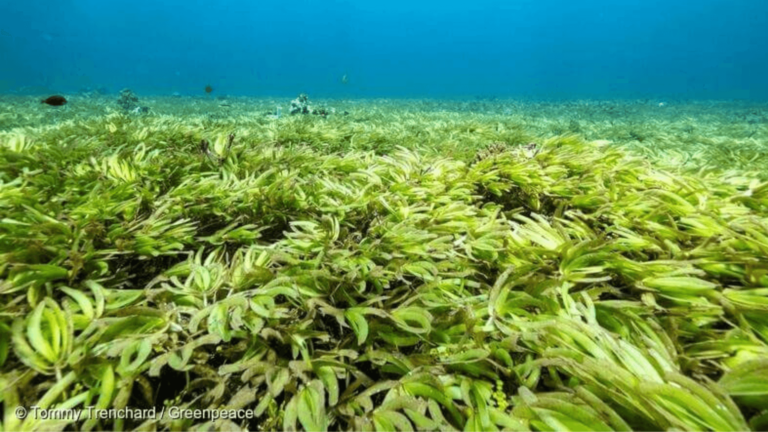
Seagrass at Saya De Malha Bank in the Indian Ocean.

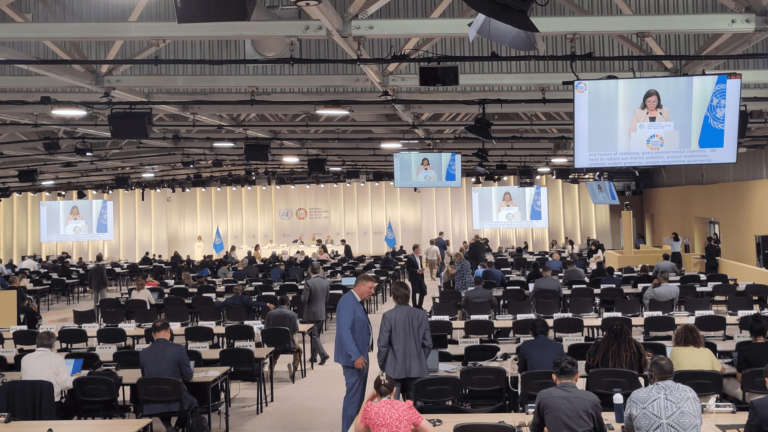
Why the BBNJ Treaty Matters for Seagrass

The BBNJ (Biodiversity Beyond National Jurisdiction) Treaty is critical for protecting and enhancing seagrass. Most of the world’s seagrass is within national jurisdictions; however, in some locations, such as the Saya De Malha Bank in the Indian Ocean, seagrass is located beyond any national jurisdiction. This means it’s not legally

Read More »
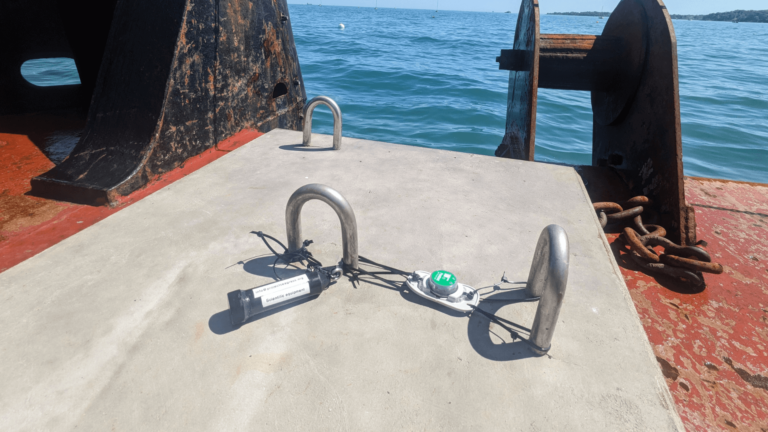
Advanced Sustainable Mooring System with monitoring devices

The new mooring systems supporting the Solent’s seagrass

An innovative cross-sector partnership between Project Seagrass, Blue Parameters, and WarrenBoats has enabled the installation of two Advanced Sustainable Mooring Systems (ASMS) at Seaview on the Isle of Wight, relieving pressure on the Island’s important seagrass habitats. Seagrass meadows play a critical role in keeping our oceans healthy and are

Read More »
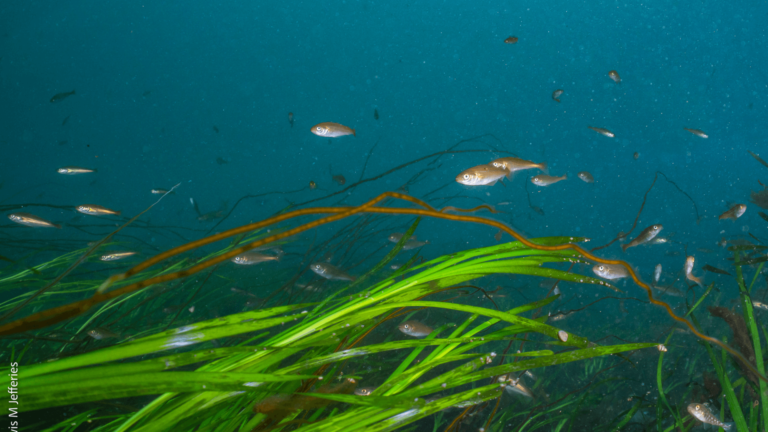
Pollack and Cod in an Orcadian seagrass meadow

Exploring the secrets within Orkney’s seagrass meadows

Around the archipelago of Orkney, are some of the UK’s most pristine seagrass meadows.  With numerous sheltered bays, low numbers of inhabitants, and crystal-clear waters, Orkney’s shores provide the ideal conditions for seagrass. However, much remains unknown about these important ecosystems.  The Highland Park funded Sjogras Partnership was established to

Read More »
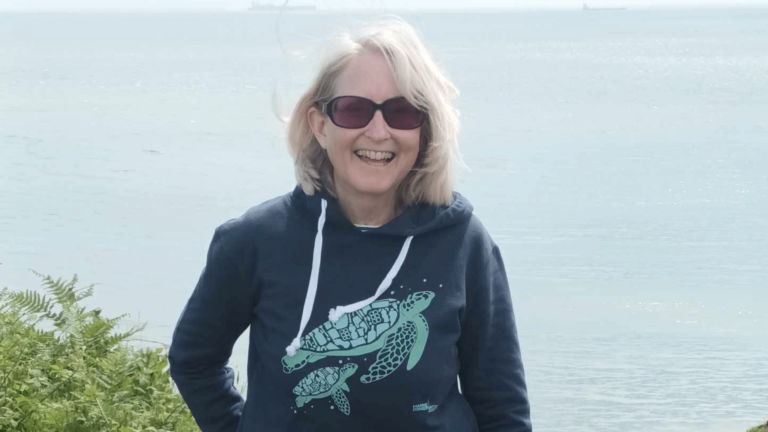
Lindsey is standing by the coast. She is wearing sunglasses and a hoodie with a turtle on it.

Volunteers’ Week: Interview with Lindsey

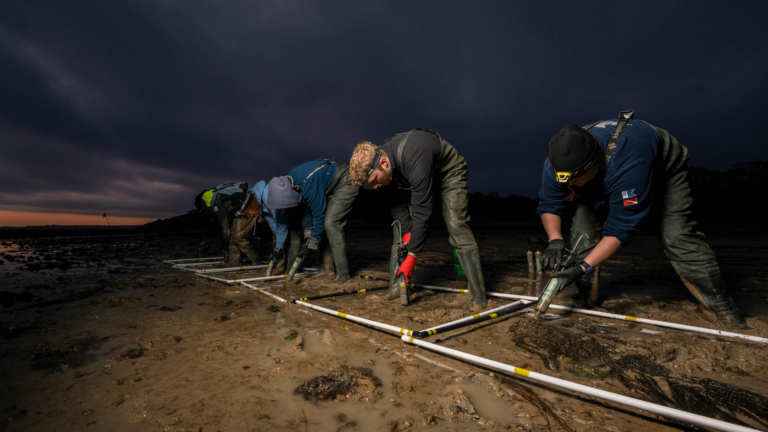
At Project Seagrass, we rely on the enthusiasm and commitment of our volunteers who support our work to save the world’s seagrass. We couldn’t do it without you! We spoke to Lindsey, one of our regular volunteers in the Solent about her experiences of volunteering with Project Seagrass: 1. Tell

Read More »
biodiversity

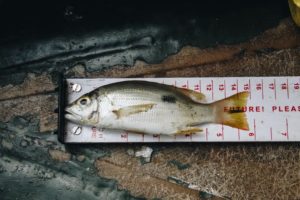
Waste Not, Want Not. Discards that could feed those in poverty

  At least 7.3m tons of fish (usually dead or dying) are thought to be discarded each year from marine fisheries around the world. But these estimates come mostly from observations of large-scale industrial fisheries. Limited attention has been paid to small-scale fisheries, which are assumed to have low discard rates –

Read More »
Europe

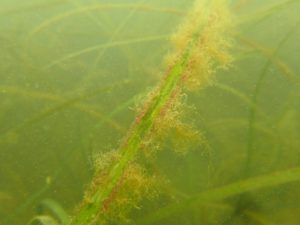
Sewage and livestock waste is killing Britain’s seagrass meadows

Britain’s seagrass is a refuge for numerous species of fish, stabilises sandy beaches, and helps to lock away the carbon which humans produce. The meadows that surround the country’s coast have been called the “canaries of the sea”, due to their sensitivity to a changing environment. And like a canary

Read More »

A Symphony For Scottish Seagrass

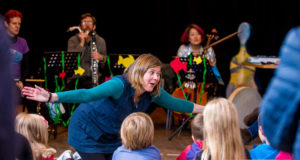
Hello Team Seagrass! I am Rufus, a volunteer with Project Seagrass and a marine biology graduate from the University of St Andrews. Since graduating in June 2017, I have begun working for the Scottish Chamber Orchestra’s Connect team and the University of St Andrews’ Music Centre. In this split position, I get to enjoy

Read More »

2018 – From Wales to the World.

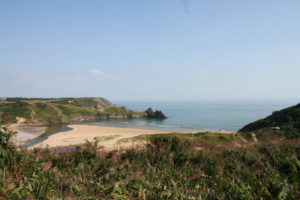
Happy New Year Team Seagrass! I can’t believe it’s 2018 already, and I’m sure that is a sentiment we all share! 2017 was an unbelievable year for all kinds of reasons, yet despite the crazy world we now seem to live in, for a few of us it has been

Read More »

What does the future hold for seagrass?

The savannahs of the seas – our humble seagrass meadows are in peril In its Green Seas episode, Blue Planet II introduced us to seagrass meadows. Scarcely touched upon in past media when compared to coral reefs, mangroves and even kelp forests, we learnt about the vast potential of these

Read More »