NEWS

NEWS

Keeping you up to date with Project Seagrass news and views with a mixture of field notes and commentary on seagrass and marine conservation topics.

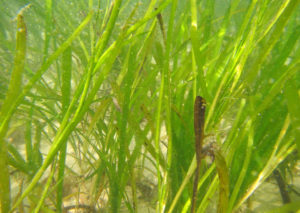
Cuttlefish.

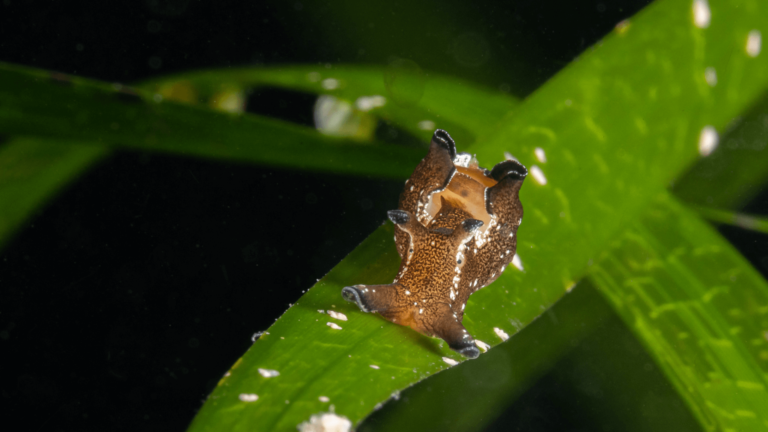
The Cuttlefish: Creatures that call seagrass home

In a new blog series, our Conservation Trainee Abi David explores some of the amazing creatures that call seagrass meadows their home. Cuttlefish are molluscs and join squid and octopuses in the Cephalopod family. Predominantly found in temperate and tropical areas, 120 species can be found around the world. Cuttlefish

Read More »
Seagrass at Saya De Malha Bank in the Indian Ocean.

Why the BBNJ Treaty Matters for Seagrass

The BBNJ (Biodiversity Beyond National Jurisdiction) Treaty is critical for protecting and enhancing seagrass. Most of the world’s seagrass is within national jurisdictions; however, in some locations, such as the Saya De Malha Bank in the Indian Ocean, seagrass is located beyond any national jurisdiction. This means it’s not legally

Read More »
Advanced Sustainable Mooring System with monitoring devices

The new mooring systems supporting the Solent’s seagrass

An innovative cross-sector partnership between Project Seagrass, Blue Parameters, and WarrenBoats has enabled the installation of two Advanced Sustainable Mooring Systems (ASMS) at Seaview on the Isle of Wight, relieving pressure on the Island’s important seagrass habitats. Seagrass meadows play a critical role in keeping our oceans healthy and are

Read More »
Pollack and Cod in an Orcadian seagrass meadow

Exploring the secrets within Orkney’s seagrass meadows

Around the archipelago of Orkney, are some of the UK’s most pristine seagrass meadows.  With numerous sheltered bays, low numbers of inhabitants, and crystal-clear waters, Orkney’s shores provide the ideal conditions for seagrass. However, much remains unknown about these important ecosystems.  The Highland Park funded Sjogras Partnership was established to

Read More »
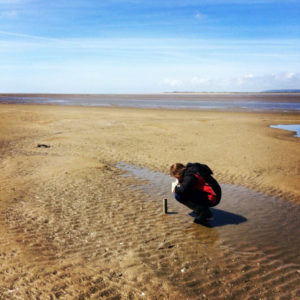
Lindsey is standing by the coast. She is wearing sunglasses and a hoodie with a turtle on it.

Volunteers’ Week: Interview with Lindsey

At Project Seagrass, we rely on the enthusiasm and commitment of our volunteers who support our work to save the world’s seagrass. We couldn’t do it without you! We spoke to Lindsey, one of our regular volunteers in the Solent about her experiences of volunteering with Project Seagrass: 1. Tell

Read More »

Flotsam and jetsam: The story of the fuzz ball

Are they aliens, are they dinosaur eggs, or are they just some ‘organic’ bath sponges that fell of the ship from China?These are the questions people might rightfully be asking when they come across numerous fuzzy round balls washed upon the beach. Well in the village of Inverallochy, North of

Read More »

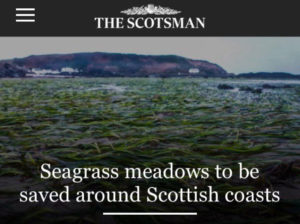
A New Dawn For Scottish Seagrass

Seagrasses grow all around the coast of the UK and around our islands within the intertidal zone. Scotland plays host to the highest abundance of seagrass when compared to the rest of UK, this is due to the better water quality and also a higher number of available sheltered sites

Read More »

Intern Spotlight: Lauren Clayton

As a Marine Biology student at the University of Glasgow, Scotland, I was lucky enough to be accepted on to a Maters Work Placement. This course allows a few selected students to take a year between the 3rd and 4th year of their degree to experience working for an organisation

Read More »

Where is all the seagrass? Project Seagrass wants you to help!

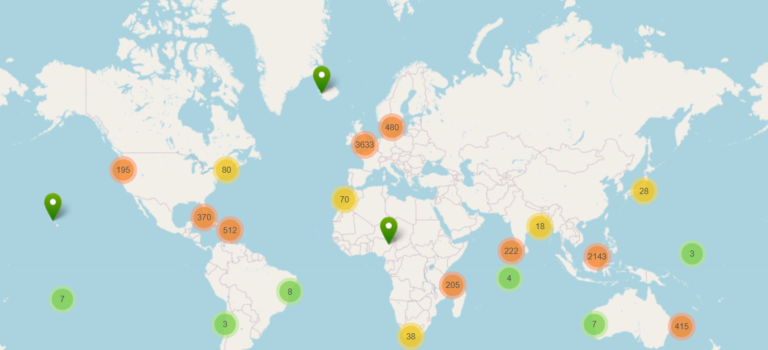
Help us record the seagrass near you At Project Seagrass we created a conservation tool that could lead to new discoveries about one of the ocean’s most underappreciated habitats — seagrass. With our new phone app and website, Seagrass Spotter, ocean enthusiasts around the British Isles can become citizen scientists who

Read More »

Seagrass Provides Easter Eggcitement

Seagrass meadows provide a suitable environment for eggstraordinary creatures to lay and secure their weird and wonderful eggs. As its Easter, we thought it would be a nice opportunity to introduce you to eggs that can be found in seagrass meadows around our coast. Cuttlefish eggs or “sea grapes” attached

Read More »