NEWS

NEWS

Keeping you up to date with Project Seagrass news and views with a mixture of field notes and commentary on seagrass and marine conservation topics.

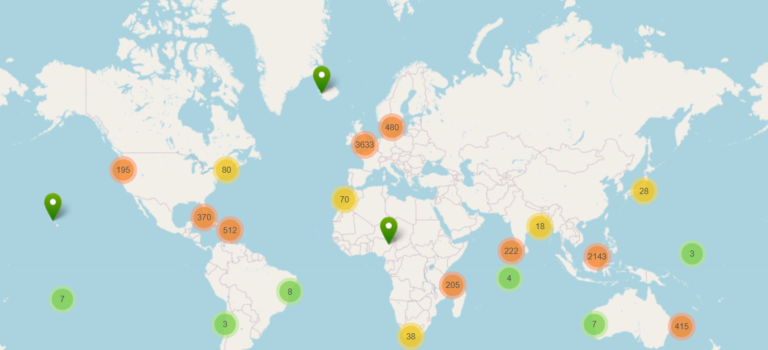
A map of the world showing where seagrass has been spotted using SeagrassSpotter

Harnessing open data to understand coastal social-ecological systems

Our oceans and coasts are home to ecosystems that provide immense benefits to people, from food and livelihoods to carbon storage and coastal protection. In particular, seagrass meadows are archetypal social-ecological systems (SES), linking human well-being to ecosystem health. But to manage these systems effectively, we need access to both ecological
Read More »
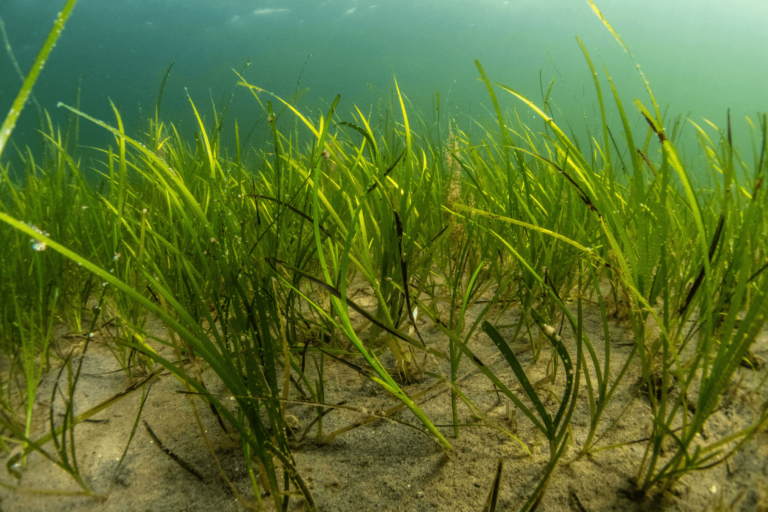
Zostera marina seagrass meadow. Credit Ben Jones

Seagrass swap could reshape Chesapeake Bay food web

Beneath the surface of the Chesapeake Bay, a subtle but dramatic shift is taking place as eelgrass gives way to its warmer-water relative, widgeon grass. A new study from researchers at William & Mary’s Batten School & VIMS shows that this seagrass swap could have ecological impacts across the Bay’s

Read More »
SeagrassSpotter Nanozostera japonica

Researchers uncover hidden seagrass species in northwest Pacific

Seagrasses, foundational species in coastal ecosystems worldwide, are surprisingly few in documented diversity—with only about 70 species identified globally, despite their widespread distribution and ecological importance. Complicating matters, their high phenotypic plasticity within species makes precise classification challenging. Against this backdrop, a research team led by Prof. Zhou Yi from

Read More »
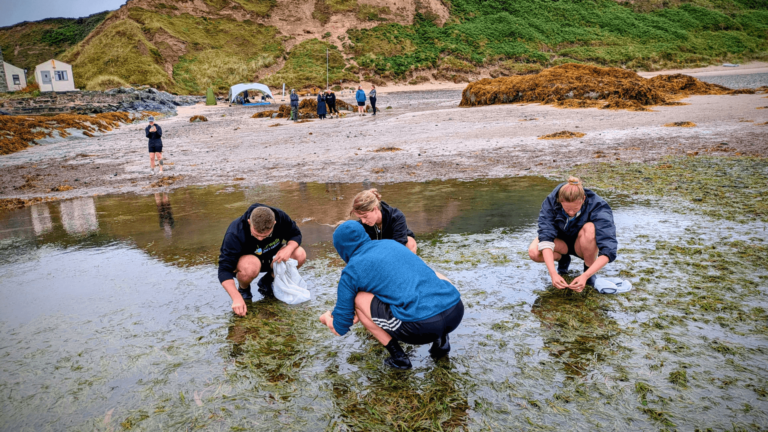
Volunteers crouch in the seagrass meadow at Porthdinllaen collecting seagrass seeds

Fieldwork notes from our summer seagrass seed collections

The Project Seagrass team have had another busy summer of seagrass seed collections!  This year collections took place in Yarmouth, Ryde, and Bembridge on the Isle of Wight in the Solent, and in Porthdinllaen in North Wales. Find out more about how this summer’s collections went:  Solent Seed Collection |

Read More »
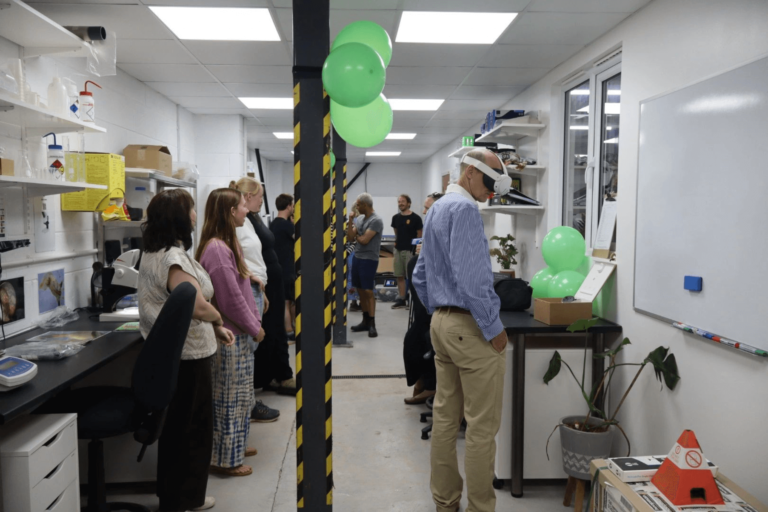
Project Seagrass Lab Opening

Project Seagrass celebrates opening of new Lab

Last month marked the opening of a newly constructed laboratory facility at Project Seagrass’ headquarters in Bridgend, South Wales. Project Seagrass CEO Leanne Cullen-Unsworth said: “We’re delighted to be able to launch this fantastic new facility within our existing working space in Bridgend. Thanks to generous support from funders who

Read More »
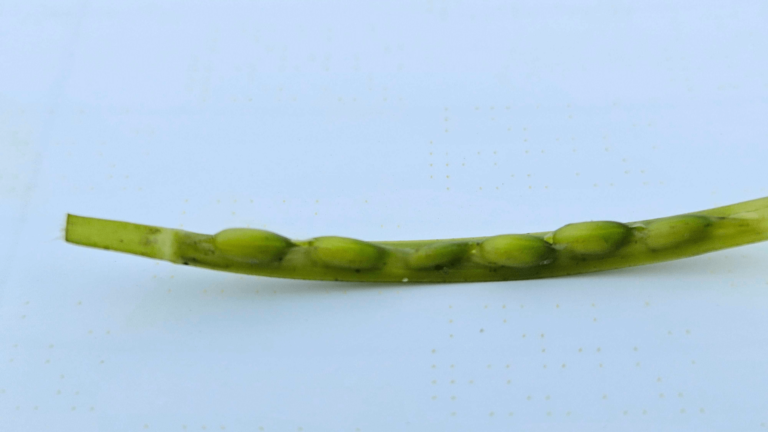
Close up of a spathe with seagrass seeds

Seagrass Nursery News

July 2025 Emily Yates, Seagrass Nursery Lead Introduction It’s that time of year when the sun is shining and seagrass meadows around the UK are filled with flowering shoots, laden with maturing seeds. Much of July has been dominated by seagrass seed collection fieldwork and preparing for the seeds to

Read More »
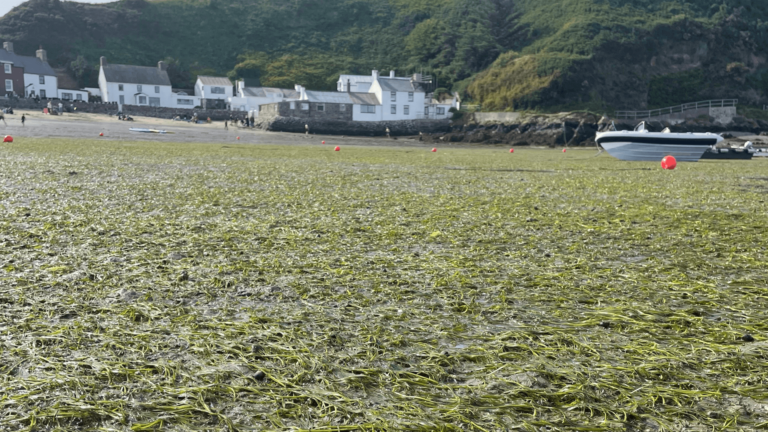
Seagrass meadow at Porthdinllaen meadow exposed at low tide,

Seagrass-Watch & Restoration Update – North Wales

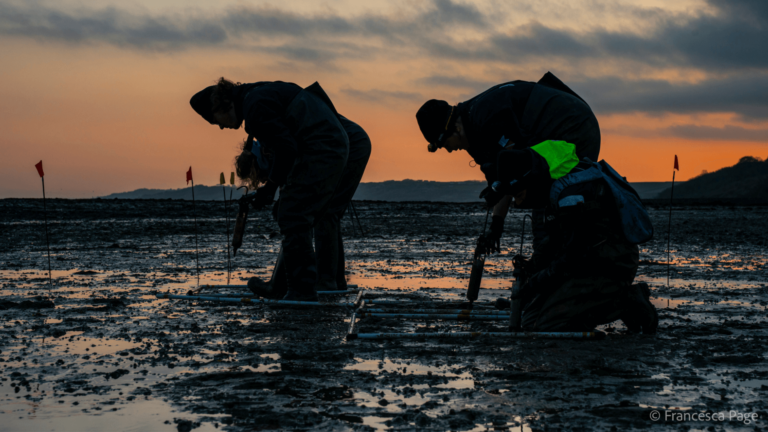
Earlier this year, Project Seagrass welcomed Rhys Bowen to the team to support our work in North Wales as part of the Seagrass Ocean Rescue North Wales programme. This follows on from Rhys’ involvement in the programme during 2024 where we worked as one of the Marine Futures Interns at

Read More »
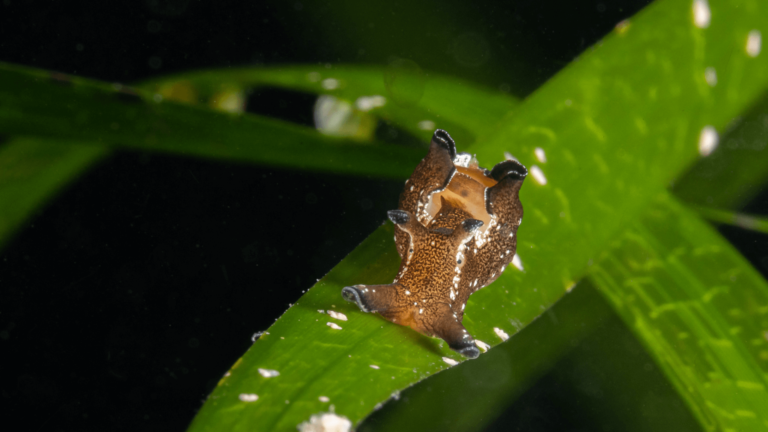
A Sea Hare sitting on a blade of seagrass in an Orcadian seagrass meadow.

The Sea Hare: Creatures that call seagrass home

In a new blog series, our Conservation Trainee Abi David explores some of the amazing creatures that call seagrass meadows their home. Sea hares are odd looking creatures. They are mostly soft bodied but have a small internal shell, which separates them from their close relatives – sea slugs. The

Read More »
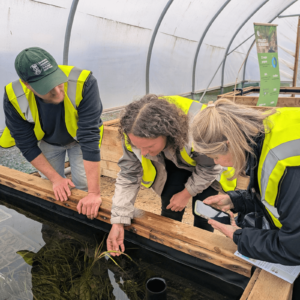
A member of Project Seagrass staff and two members of the community are leaning over one of the ponds inside the polytunnel. One member of the community is holding a strand of seagrass to look at a flower.

Project Seagrass hosts Seagrass Nursery Open Days

On the 9th and 10th of July Project Seagrass welcomed local organisations and members of the community to our Seagrass Nursery in West Wales as part of a series of Open Days.  On the 9th July representatives from Pembrokeshire Council, Carmarthenshire Council, Pembrokeshire Coastal Forum, Rebel Energy, SeaLife, Bodorgan Estate,

Read More »
An illustration of seagrass with the text "Seagrass Information Posters" overlayed

Multi-lingual seagrass information posters launched

Seagrass meadows provide a range of environmental, economic, and social benefits to people and planet. They provide habitat, food, and shelter to thousands of species of fish, invertebrates, mammals, reptiles, and birds. Through their diverse use as fishing grounds, they support the creation of jobs and provide access to food sources

Read More »
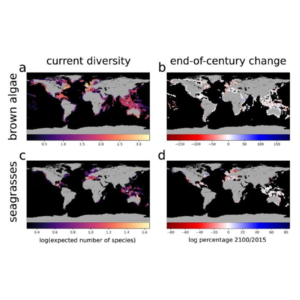
Four graphs outlining the present distribution and projected end-of-century changes in global macrophyte species diversity.
new science

Study projects loss of brown macroalgae and seagrasses

Researchers predict that climate change will drive a substantial redistribution of brown seaweeds and seagrasses at the global scale. The projected changes are alarming due to the fundamental role of seaweeds and seagrasses in coastal ecosystems, and provide evidence of the pervasive impacts of climate change on marine life. In

Read More »

Project Update: Restoration Forth | June 2024

Restoration Forth aims to restore seagrass meadows and native oysters into the Firth of Forth, to create a healthier coastline for people and nature.   Find out more about the project here.  Orkney seagrass trip Next month the seagrass team will be departing for their annual seed collection trip in Orkney. Following

Read More »
new science

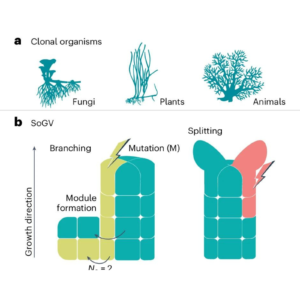
Seagrass clone in the Baltic sea is more than 1,400 years old

Using a novel genetic clock, a team of researchers from Kiel, London, Oldenburg, and Davis, California, has determined the age of a large marine plant clone for the first time. This seagrass clone from the Baltic Sea dates back to the migration period 1,400 years ago. The newly developed clock

Read More »