NEWS

NEWS

Keeping you up to date with Project Seagrass news and views with a mixture of field notes and commentary on seagrass and marine conservation topics.

Seagrass in Thorness

Fieldwork notes from our Solent planting

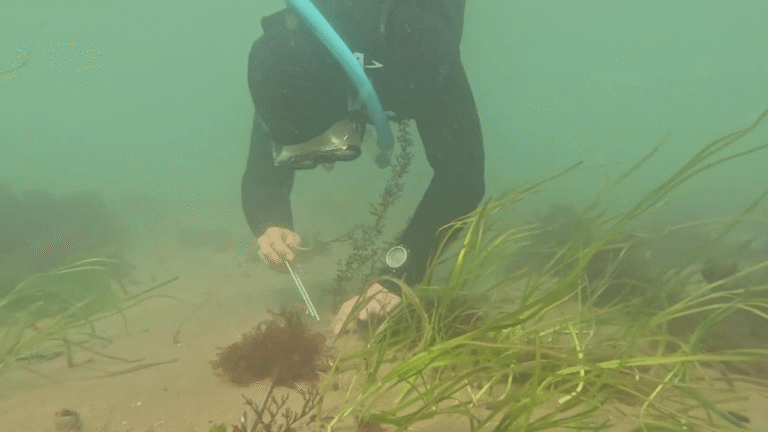
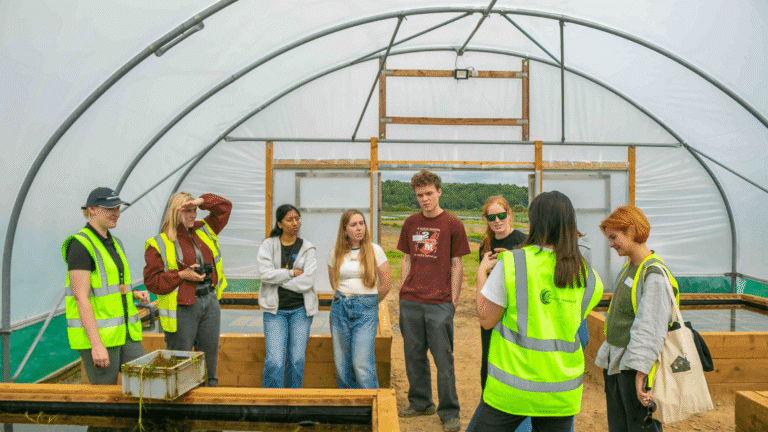
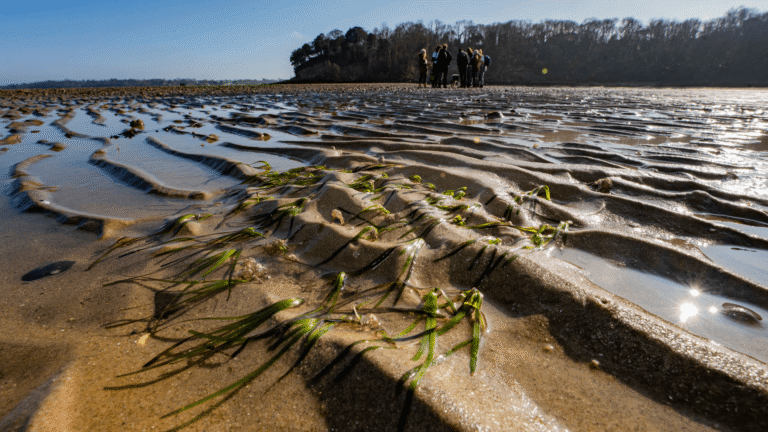
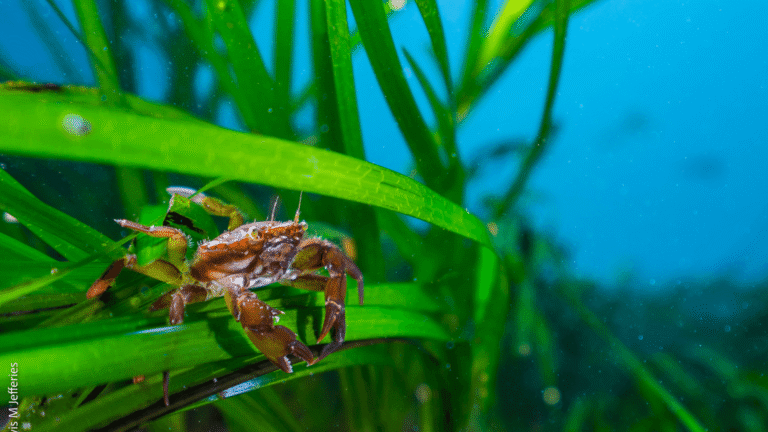
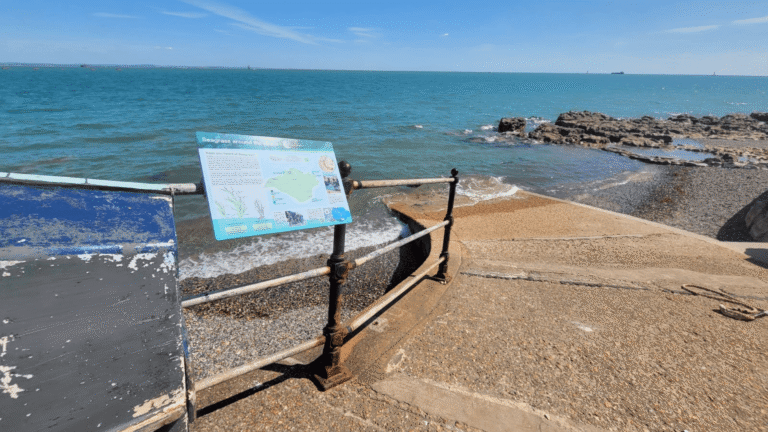
Between the 17th and 23rd March 2026, members of the Project Seagrass team were on the Isle of Wight carrying out active restoration as part of the The Solent Seascape Project, the first project of its kind in the UK to initiate seascape-scale restoration. As part of The Solent Seascape

Read More »
Juvenile señorita (Oxyjulis californica) utilize the protective canopy of the open-coast seagrass restoration site at Button Shell, Catalina Island.

Catalina Island study highlights open-coast seagrass restoration success

New research led by scientists at University of California’s San Diego’s Scripps Institution of Oceanography is shining a spotlight on one of the ocean’s most overlooked habitats: seagrass. Led by Scripps Oceanography Ph.D. candidate Rilee Sanders, the study documented the first successful restoration of open-coast seagrass (common eelgrass). The findings offer

Read More »
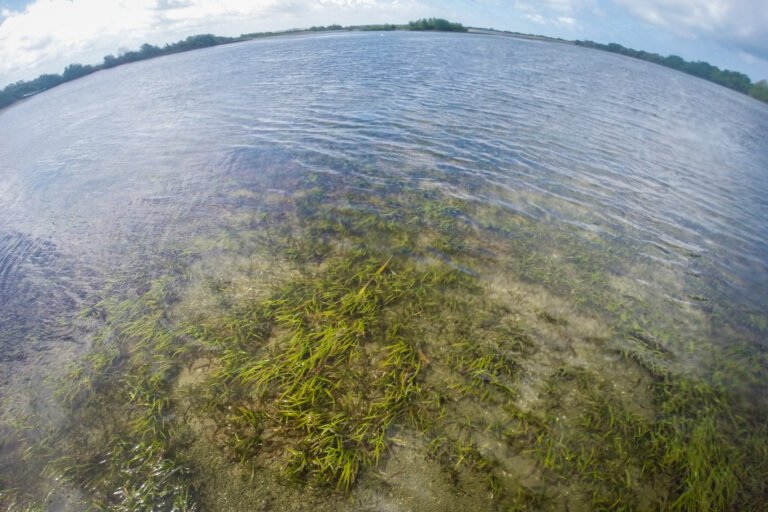
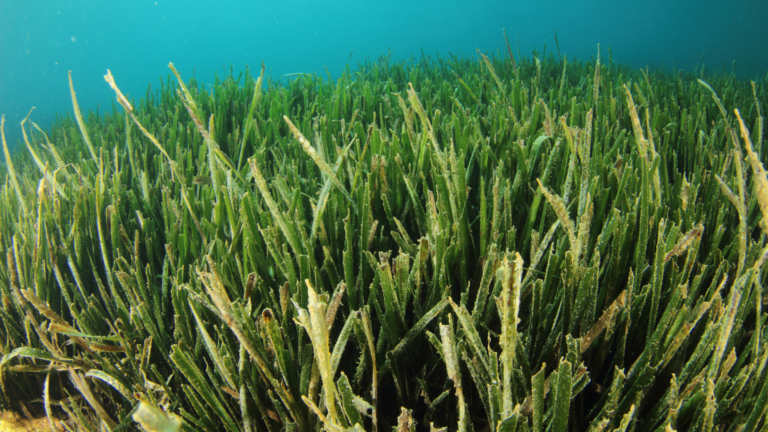
Beneath the surface a dense seagrass meadow is growing.

Six Global Challenges: One Powerful Solution. Project Seagrass launches Global Seagrass Challenge Fund to save the world’s seagrass.

Now seeking investment, the Global Seagrass Challenge Fund will unite funders, businesses, and individuals committed to securing a future for seagrass. With an ambitious target of £50 million, the Fund will support people-centred seagrass conservation for a healthier ocean and a fairer future. Project Seagrass has launched the Global Seagrass

Read More »
Noltii leaf - Charles Bagshaw

Accelerate Seagrass: Exploring the process of site selection

Accelerate Seagrass is a collaborative program being delivered by Climate Impact Partners, Deloitte, Project Seagrass, and the National Oceanography Centre which aims to support groundbreaking research into seagrass carbon sequestration and unlock long-term finance to save and reinstate vital seagrass meadows.   Part of this programme of work involves collaborating with community groups across Scotland to develop knowledge

Read More »
Two divers are taking seagrass cores from a seagrass meadow in Orkney as part of research into the biodiversity within these meadows.

Open Letter to Crown Estate Scotland. Scottish Seagrass Collaborative Response to: Approach to Marine Enhancement Proposals (issued November 2025)

The Scottish Seagrass Collaborative, responds to Crown Estate Scotland’s Approach to Marine Enhancement Proposals: We write as marine scientists, restoration practitioners, and organisations working across Scotland’s coasts and seas, in response to Crown Estate Scotland’s Approach to Marine Enhancement Proposals. We welcome Crown Estate Scotland’s commitment to responsible stewardship of

Read More »
REFLECTION ON COASTAL FUTURES 2026

From conversation to commitment: reflections on Coastal Futures

Two weeks ago, I joined colleagues and collaborators at the Coastal Futures Conference at the Royal Geographical Society in London. The theme this year was ‘From Ambition to Action’, a sentiment that seems to be playing on repeat across the conferencing world with, with yet and seemingly as always, not

Read More »
biodiversity

Starting the Seagrass and Dugong fightback

  The Dugong (Dugong dugon) is IUCN Red listed as Vulnerable, in many of the 46 range states that contain Dugong its status is a lot worse. Historic hunting, loss of its seagrass habitat and the impacts of by-catch have been the primary causes of its decline. Back in 2007 the

Read More »
conference

Registration for the 12th International Seagrass Biology Workshop is Now Open!

The International Seagrass Biology Workshop (ISBW) is the only international meeting specifically tailored to seagrass scientists, professionals and students. Abstract submissions are now open as are proposals for workshops. All payment is via PayPal using credit/debit cards. There is one registration fee. It covers access to all parts of the conference program, including the

Read More »
biodiversity

Learning to protect seagrass in the heart of the Coral triangle.

  Indonesia is at the heart of the Coral Triangle, an area characterised by having the World’s highest marine biodiversity. With over 17000 islands, 51,00km2 of coral reef and at least 30000 km2 of seagrass its marine life is extensive and spectacular. But with a growing population, rapidly expanding GDP,

Read More »
biodiversity

Puttalam Lagoon – Paradise Lost?

At the end of August I spent 10 days conducting fieldwork in Pattalam Lagoon, which is situated in the north west of Sri Lanka. The purpose of my visit to Puttalam Lagoon was to set up socio-economic and fish landings surveys with a research collaborator, who will now complete the

Read More »