NEWS

NEWS

Keeping you up to date with Project Seagrass news and views with a mixture of field notes and commentary on seagrass and marine conservation topics.

Project Seagrass at the Glasgow Science Festival 2016

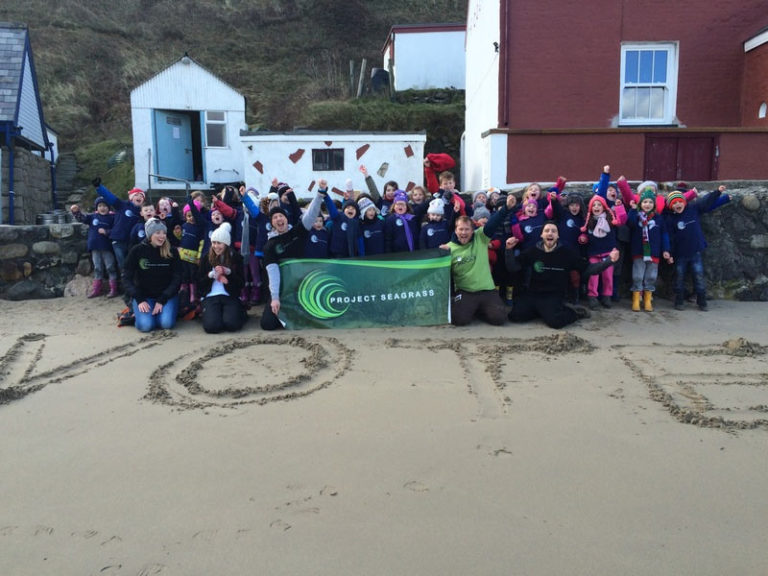
Launched in 2007, Glasgow Science Festival (http://www.glasgowsciencefestival.org.uk) has grown to be one of the largest science festivals in the UK. The festival takes memorable events to non-traditional venues across the City of Glasgow where researchers, charities and non-governmental organistations are able to engage with people, from all ages and backgrounds.

Read More »

Long Lost Seagrass & Our Spring Survey Report

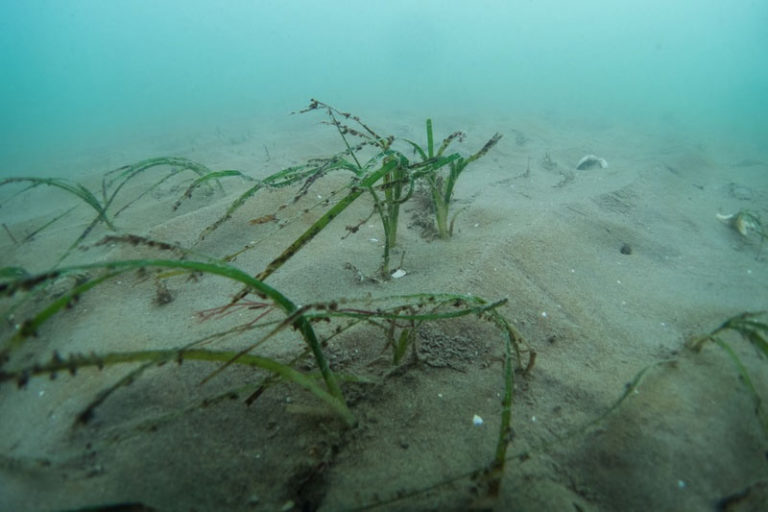
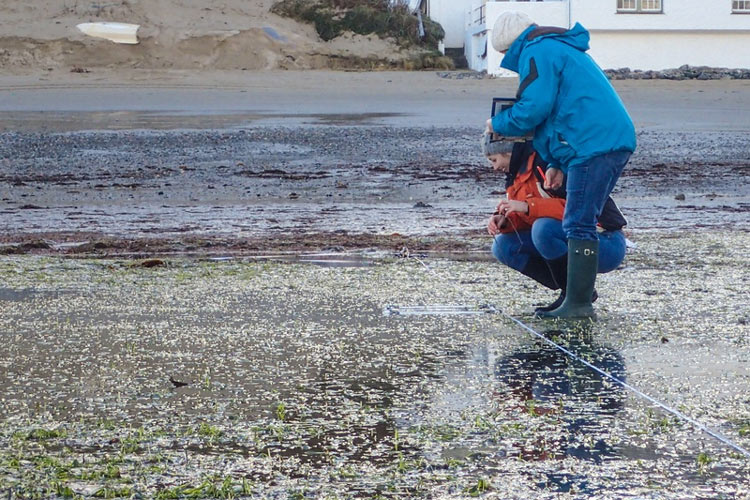
During April I returned to the Llyn Peninsula, along with Project Seagrass directors RJ Lilley, Ben Jones and Richard Unsworth to conduct the Spring SeagrassWatch survey, 1/4 of the yearly seagrass monitoring survey that we’ve been conducting at Porthdinllaen for the past two years. In addition, we also checking seeds from Project ReStore and

Read More »

Flotsam and jetsam: The story of the fuzz ball

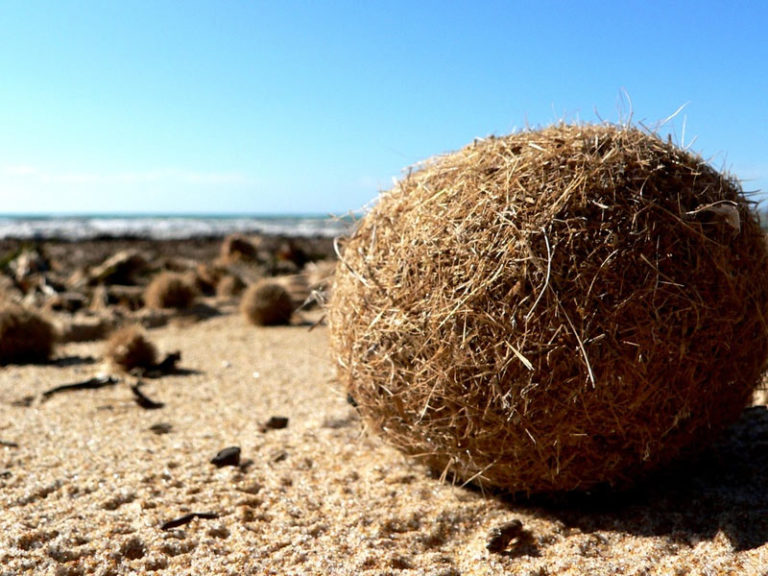
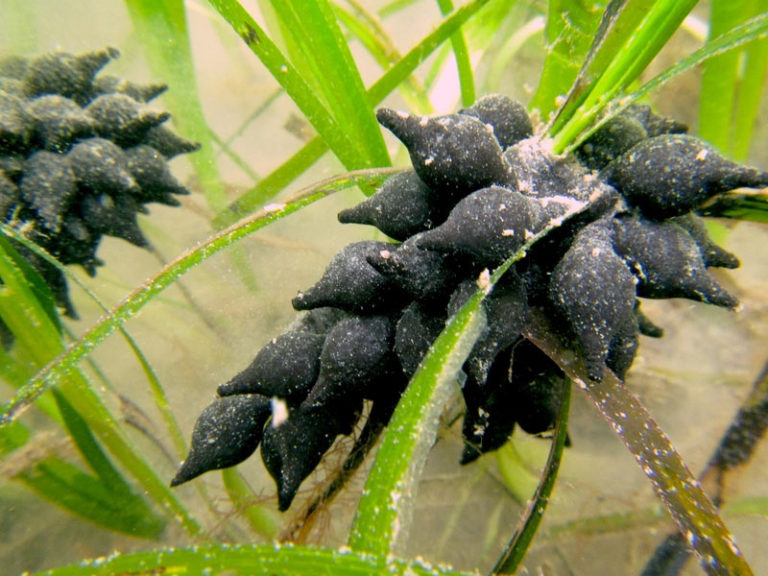
Are they aliens, are they dinosaur eggs, or are they just some ‘organic’ bath sponges that fell of the ship from China?These are the questions people might rightfully be asking when they come across numerous fuzzy round balls washed upon the beach. Well in the village of Inverallochy, North of

Read More »

A New Dawn For Scottish Seagrass

Seagrasses grow all around the coast of the UK and around our islands within the intertidal zone. Scotland plays host to the highest abundance of seagrass when compared to the rest of UK, this is due to the better water quality and also a higher number of available sheltered sites

Read More »

Intern Spotlight: Lauren Clayton

As a Marine Biology student at the University of Glasgow, Scotland, I was lucky enough to be accepted on to a Maters Work Placement. This course allows a few selected students to take a year between the 3rd and 4th year of their degree to experience working for an organisation

Read More »

Where is all the seagrass? Project Seagrass wants you to help!

Help us record the seagrass near you At Project Seagrass we created a conservation tool that could lead to new discoveries about one of the ocean’s most underappreciated habitats — seagrass. With our new phone app and website, Seagrass Spotter, ocean enthusiasts around the British Isles can become citizen scientists who

Read More »

Seagrass Provides Easter Eggcitement

Seagrass meadows provide a suitable environment for eggstraordinary creatures to lay and secure their weird and wonderful eggs. As its Easter, we thought it would be a nice opportunity to introduce you to eggs that can be found in seagrass meadows around our coast. Cuttlefish eggs or “sea grapes” attached

Read More »
Volunteers from Moray Ocean Community and partners at the Inverness Royal Academy Citizen Science day

Interview with Moray Ocean Community

We spoke to Moray Ocean Community about their volunteering in the Moray Firth area and how they integrate the SeagrassSpotter app into their activities. Read the full interview below: Can you tell us about Moray Ocean Community and how it started? Moray Ocean Community started to come together over two

Read More »
Europe

Seagrass planting trials underway in Cardiff

Scientists from the marine conservation charity Project Seagrass are undertaking seagrass planting experiments along the South & West Wales coastline, including a new planting site in Butetown along Cardiff’s Foreshore.  Cardiff’s Foreshore is a popular place for sea-angling for species such as cod, which uses seagrass meadows as a nursery

Read More »
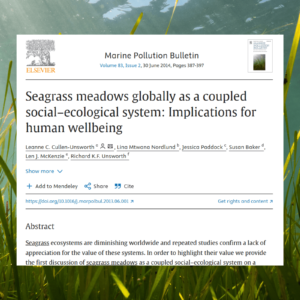
A screenshot of the research paper "Seagrass meadows globally as a coupled social–ecological system: Implications for human wellbeing" overlain on an image of seagrass in North Wales
new science

Project Seagrass Journal Club: October 2024

We have just launched a journal club for the Project Seagrass team. These monthly meetups work much like a book club, members of the team each suggest a relevant scientific paper, vote on their favourite, then read the winning paper prior to meeting. During the journal club we critically discuss

Read More »
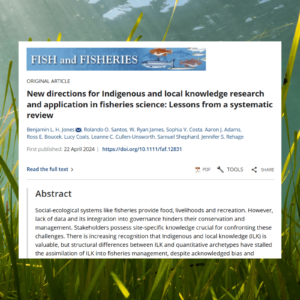
A screenshot of the research paper "New directions for Indigenous and local knowledge research and application in fisheries science: Lessons from a systematic review" overlain on an image of seagrass in North Wales
new science

Indigenous and Local Knowledge in Fisheries Science

Seagrass meadows play a critical role in keeping our oceans healthy and stocked with food, providing valuable nursery habitat to over 1/5th of the world’s largest 25 fisheries. Seagrass meadows are also important to small-scale fisheries, particularly as a place to find and collect a reliable source of food with some

Read More »

Coastal Communities Network Gathering 2024

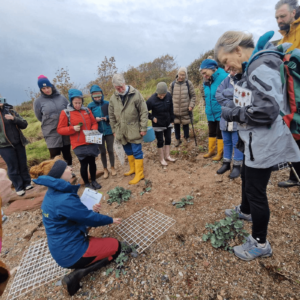
Earlier this month Project Seagrass’ Senior Conservation Officer Katy Waring attended the yearly gathering for coastal communities from the Coastal Communities Network  facilitated by Fauna and Flora International. The event was held on the island of Millport at their field studies centre.   The 3-day event was inspiring; groups from around

Read More »
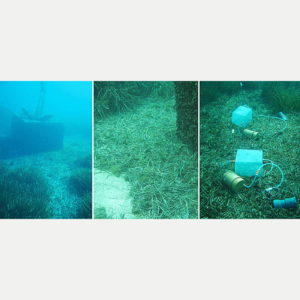
From left to right: View of the STARESO harbor entrance with Posidonia meadow islands and an accumulation of dead leaves. Close-up of litter accumulation. Experimental benthic incubation device ('bell') installed on accumulations of Posidonia dead leaves (10 m deep). Credit: G.Lepoint & W. Champenois / ULiège
new science

Dead leaves in sea break down into a compost that produces oxygen

Researchers from the University of Liège (BE) studied the fate of the material produced by Posidonia seagrass meadows. This study, carried out in the Mediterranean Sea at STARESO, shows that the dead leaves of what is commonly known as Neptune grass accumulate in shallow areas, where they break down like

Read More »