NEWS

NEWS

Keeping you up to date with Project Seagrass news and views with a mixture of field notes and commentary on seagrass and marine conservation topics.

Project Seagrass at the Glasgow Science Festival 2016

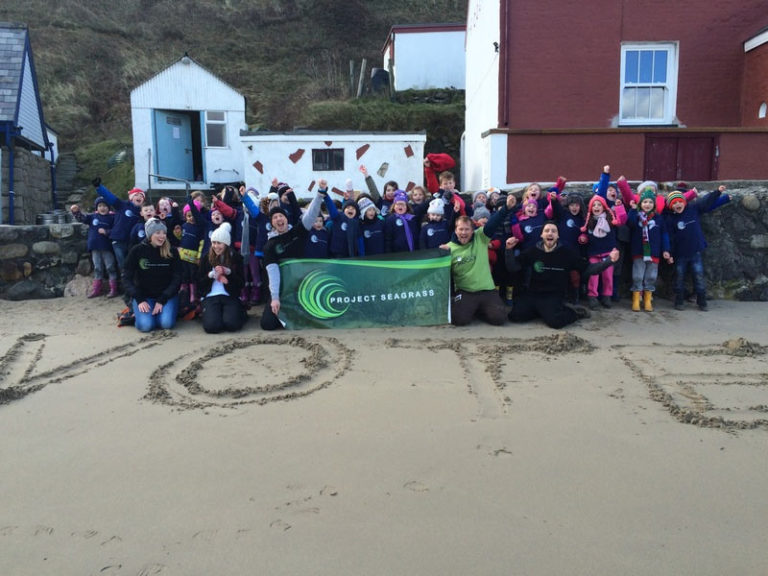
Launched in 2007, Glasgow Science Festival (http://www.glasgowsciencefestival.org.uk) has grown to be one of the largest science festivals in the UK. The festival takes memorable events to non-traditional venues across the City of Glasgow where researchers, charities and non-governmental organistations are able to engage with people, from all ages and backgrounds.

Read More »

Long Lost Seagrass & Our Spring Survey Report

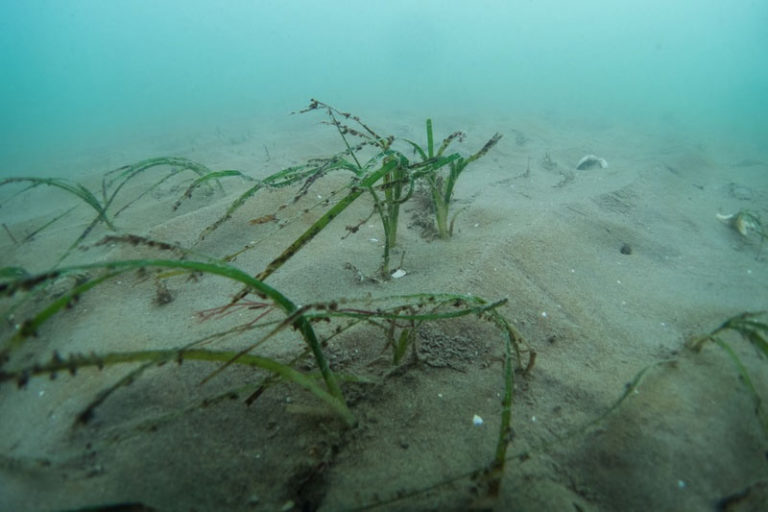
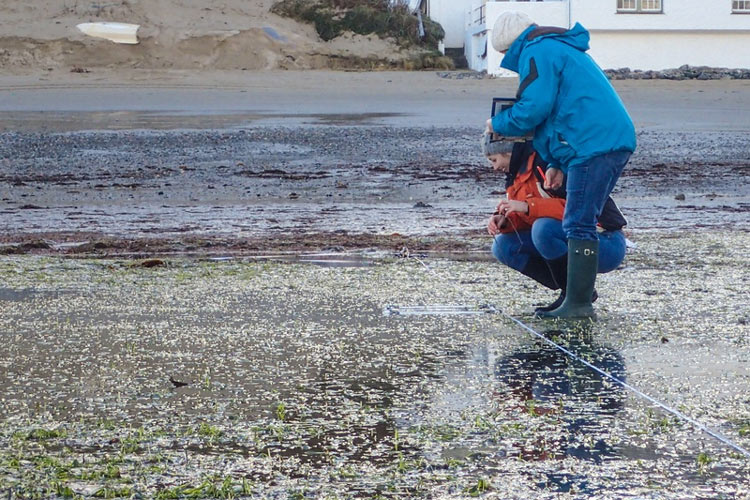
During April I returned to the Llyn Peninsula, along with Project Seagrass directors RJ Lilley, Ben Jones and Richard Unsworth to conduct the Spring SeagrassWatch survey, 1/4 of the yearly seagrass monitoring survey that we’ve been conducting at Porthdinllaen for the past two years. In addition, we also checking seeds from Project ReStore and

Read More »

Flotsam and jetsam: The story of the fuzz ball

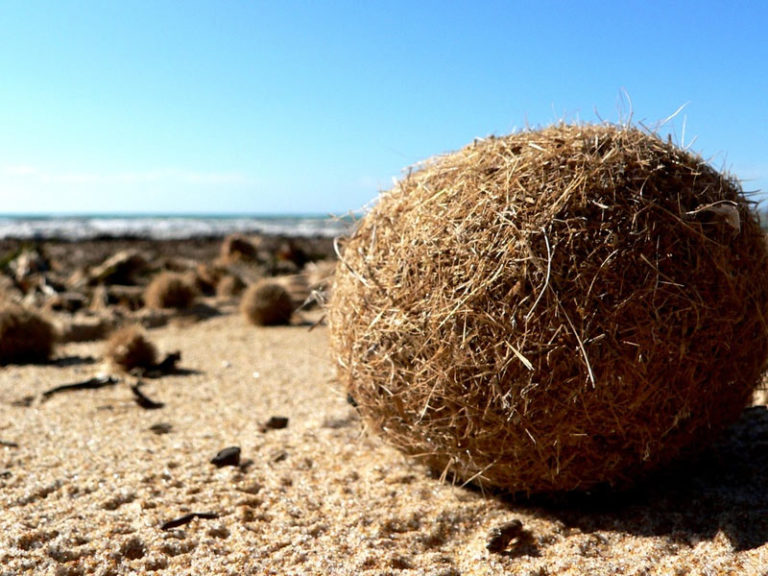
Are they aliens, are they dinosaur eggs, or are they just some ‘organic’ bath sponges that fell of the ship from China?These are the questions people might rightfully be asking when they come across numerous fuzzy round balls washed upon the beach. Well in the village of Inverallochy, North of

Read More »

A New Dawn For Scottish Seagrass

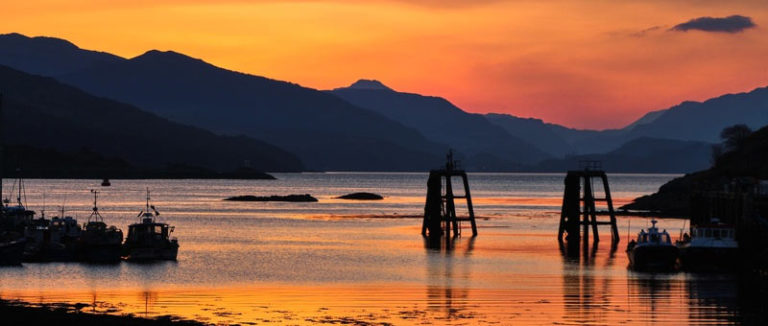
Seagrasses grow all around the coast of the UK and around our islands within the intertidal zone. Scotland plays host to the highest abundance of seagrass when compared to the rest of UK, this is due to the better water quality and also a higher number of available sheltered sites

Read More »

Intern Spotlight: Lauren Clayton

As a Marine Biology student at the University of Glasgow, Scotland, I was lucky enough to be accepted on to a Maters Work Placement. This course allows a few selected students to take a year between the 3rd and 4th year of their degree to experience working for an organisation

Read More »

Where is all the seagrass? Project Seagrass wants you to help!

Help us record the seagrass near you At Project Seagrass we created a conservation tool that could lead to new discoveries about one of the ocean’s most underappreciated habitats — seagrass. With our new phone app and website, Seagrass Spotter, ocean enthusiasts around the British Isles can become citizen scientists who

Read More »

Seagrass Provides Easter Eggcitement

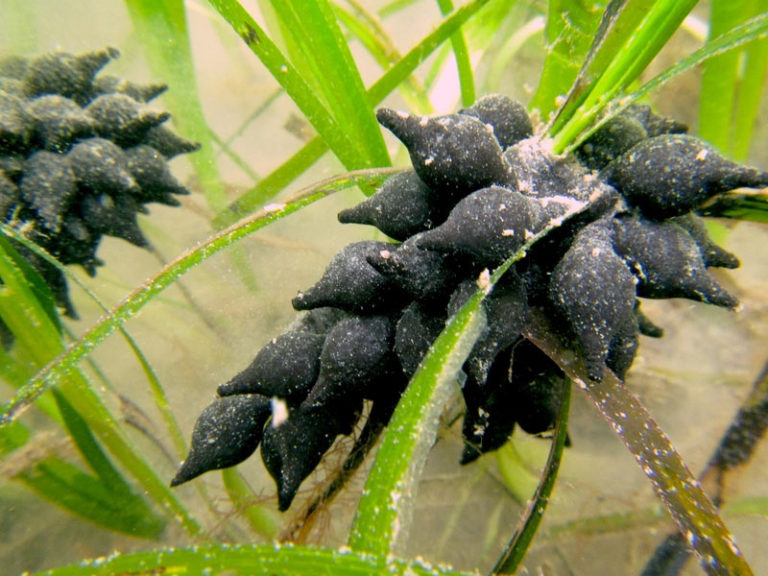
Seagrass meadows provide a suitable environment for eggstraordinary creatures to lay and secure their weird and wonderful eggs. As its Easter, we thought it would be a nice opportunity to introduce you to eggs that can be found in seagrass meadows around our coast. Cuttlefish eggs or “sea grapes” attached

Read More »
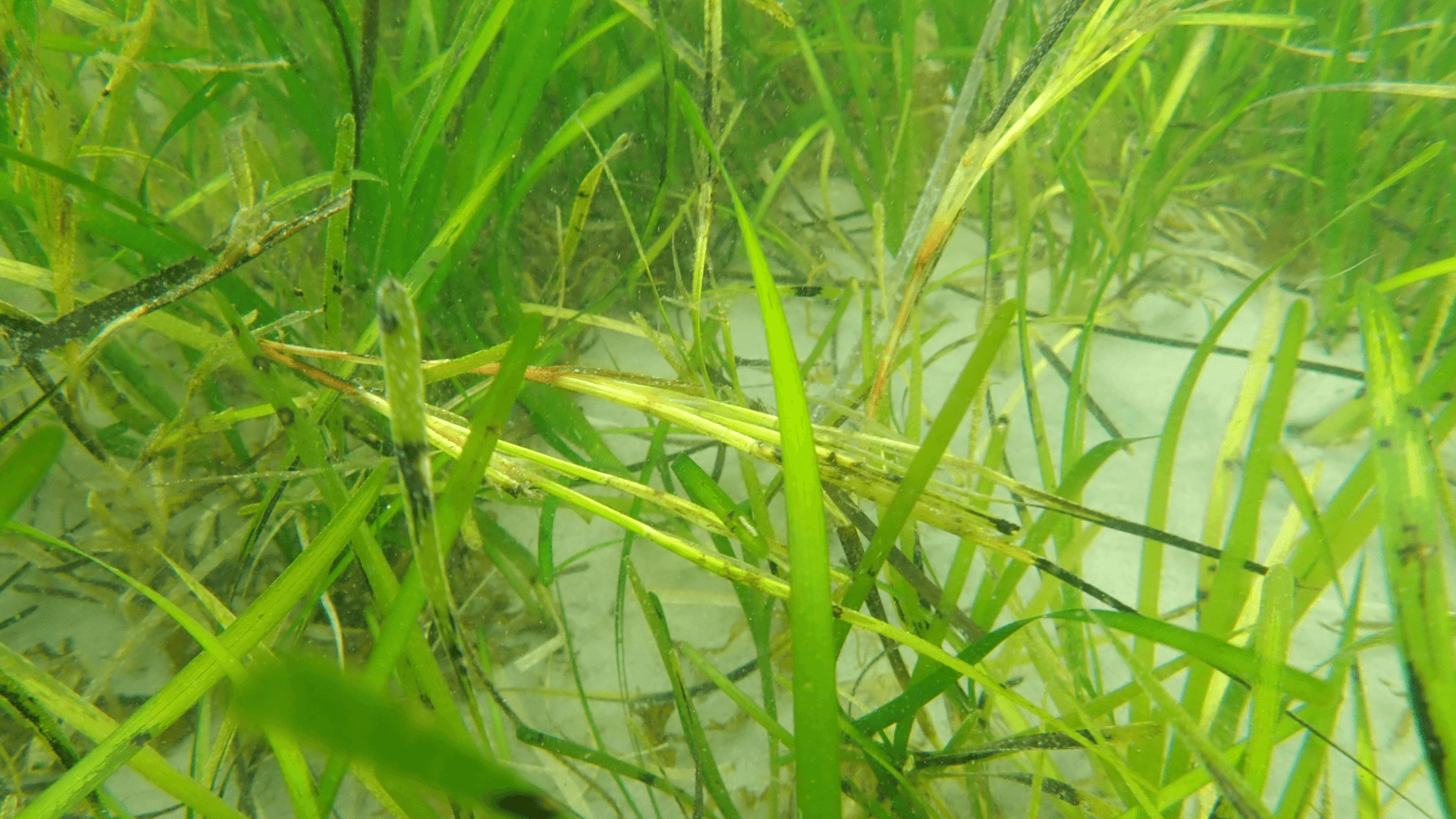
A seagrass meadow in Orkney. A lighter reproductive shoot is present.

Summer surveys in Scotland’s seagrass meadows

This summer, the Sjogras Partnership returned to Orkney to undertake a range of surveys to further develop our understanding of the health and extent of Orkney’s important seagrass meadows.    Between the 19th July and 1st August, Professor Joanne Porter from Heriot Watt University  and Dr Elizabeth Lacey from Project Seagrass

Read More »
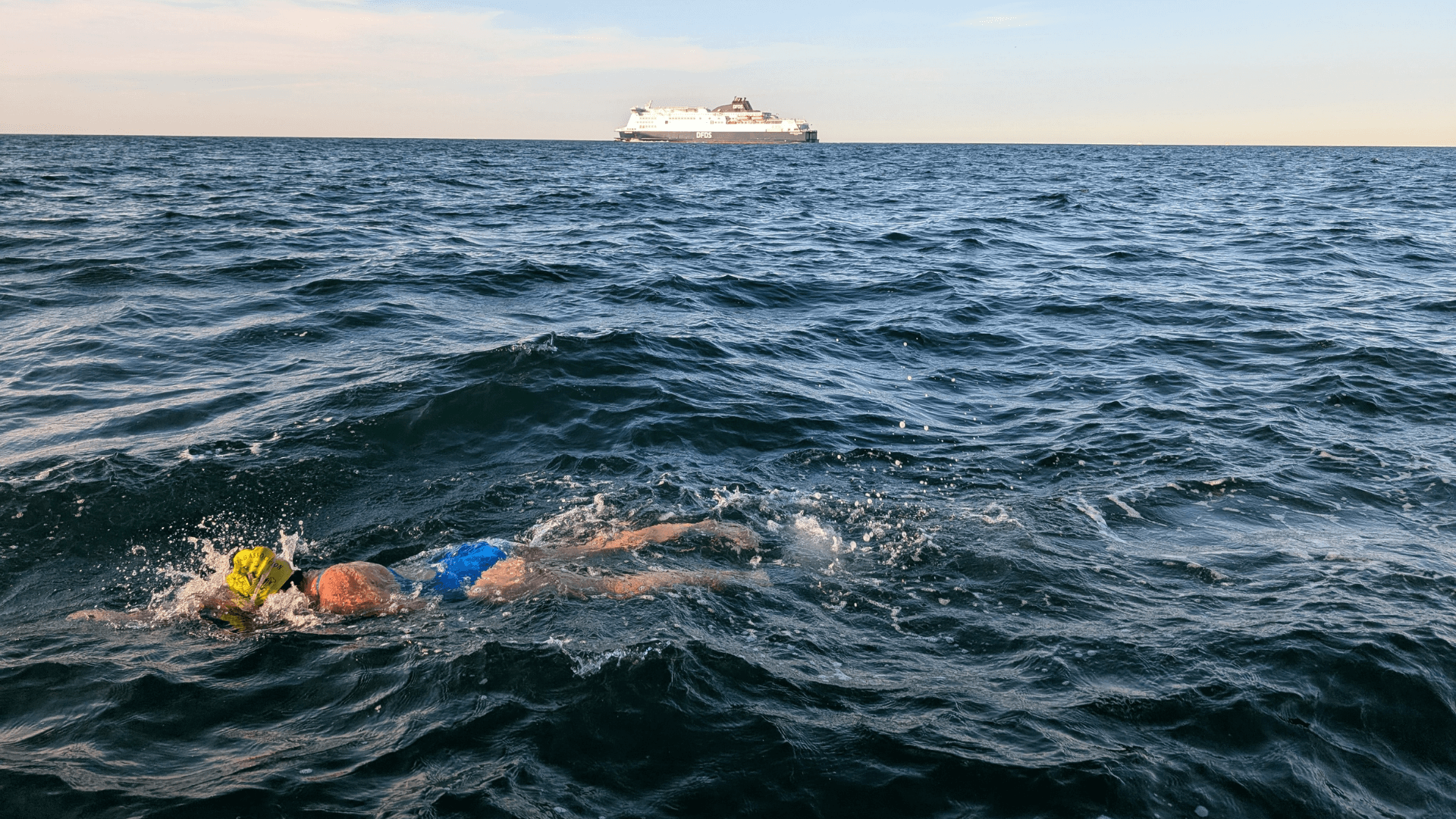
Laura Suggitt swimming the Channel
Channel Swim

Successful swim to support seagrass

In a guest blog post, Laura Suggitt shares her experiences of swimming the Channel to raise vital funds for environment funds including Project Seagrass: Earlier this month, I swam across the English Channel to France with my team, The Matriarsea. We completed the crossing in 12 hours and 49 minutes;

Read More »
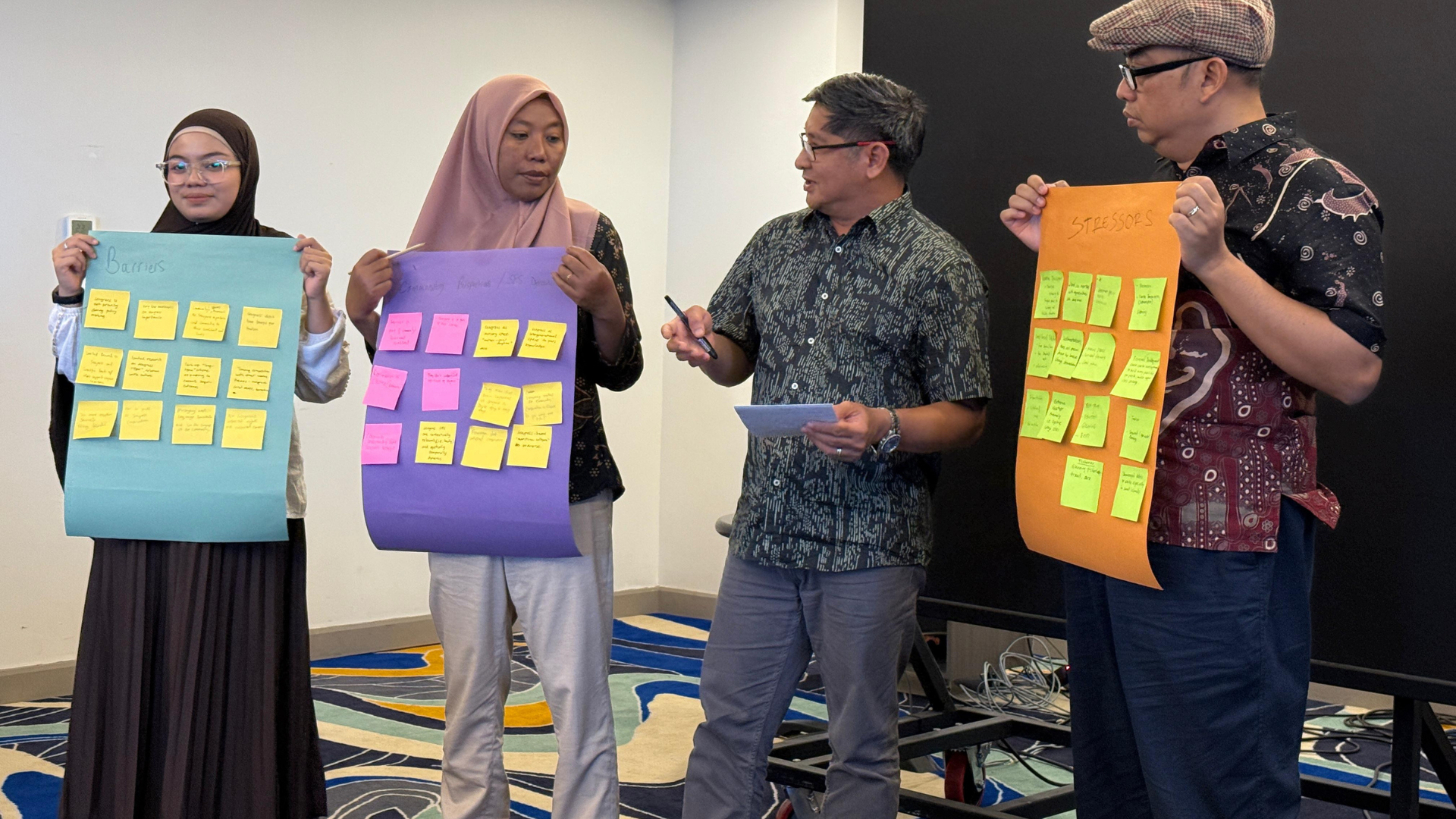
Four people are standing at the front of a room. Three members of the group are holding paper with post-it notes on as part of a workshop activity.
Global Seagrass Challenge

Reflections from the Seagrass Knowledge for Action in Southeast Asia Workshop

This summer, teams came together in Makassar, Indonesia, for the Seagrass Knowledge for Action in Southeast Asia workshop to explore pathways forward for strengthening knowledge, building research capacity, and development to further safeguard local seagrass social-ecological systems. Co-hosted by Universitas Hasanuddin (UNHAS) and Project Seagrass, the workshop involved teams from

Read More »
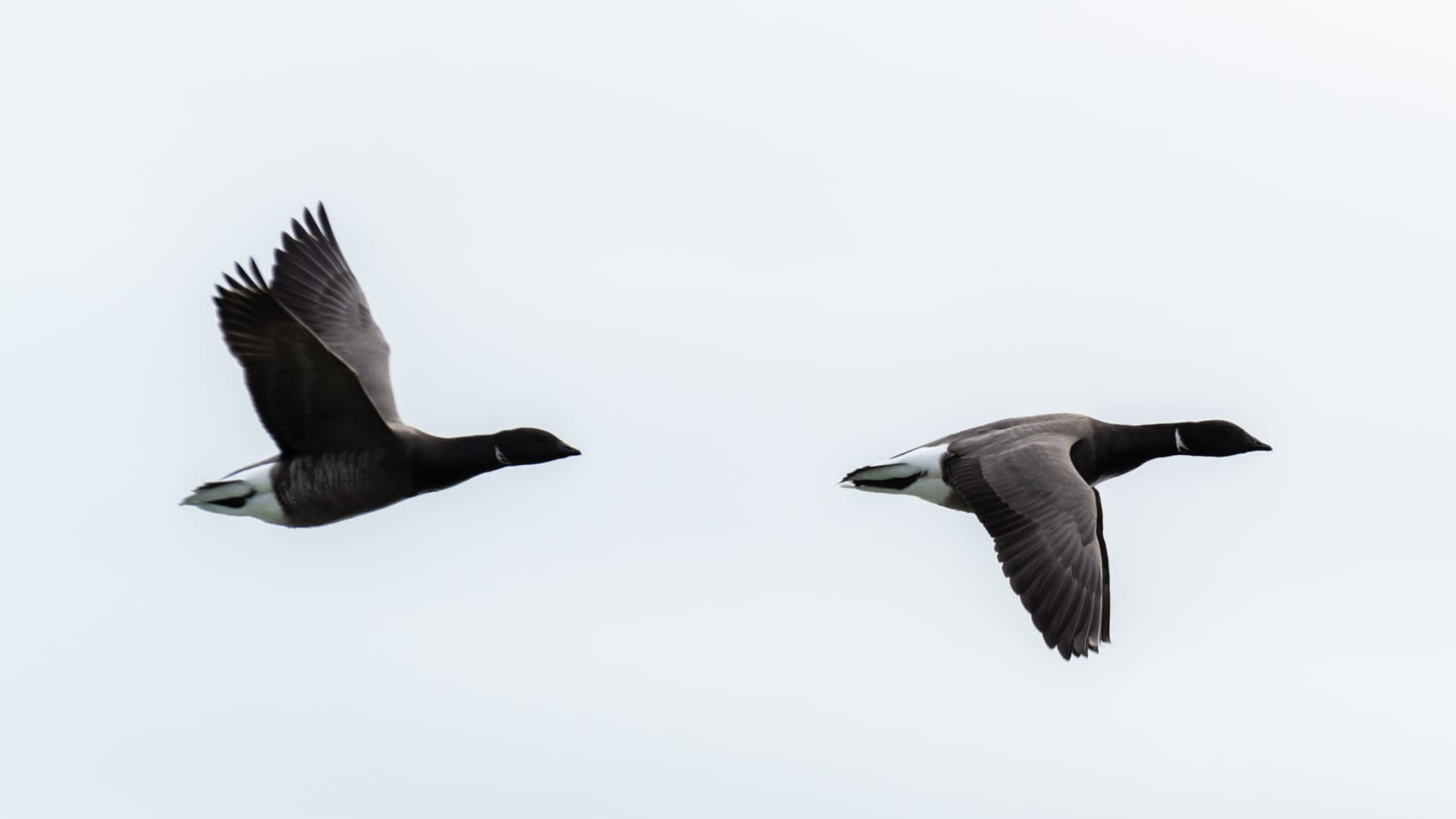
A pair of dark bellied Brent Geese fly through the sky. The sky is grey
biodiversity

The Brent Goose: Creatures that call seagrass home

In a new blog series, our Conservation Trainee Abi David explores some of the amazing creatures that call seagrass meadows their home. The Brent Goose Branta bernicla is of a similar size to a Mallard duck, making it one of the smallest goose species in the world. They are a

Read More »
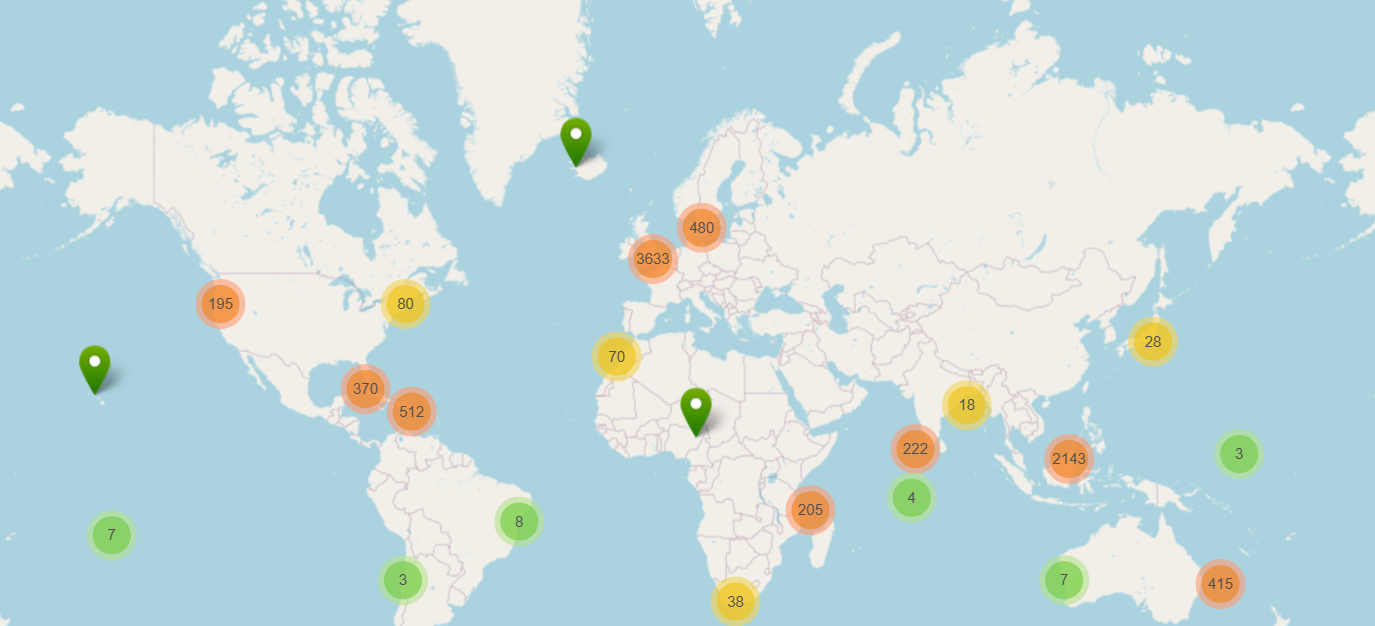
A map of the world showing where seagrass has been spotted using SeagrassSpotter
coastal systems

Harnessing open data to understand coastal social-ecological systems

Our oceans and coasts are home to ecosystems that provide immense benefits to people, from food and livelihoods to carbon storage and coastal protection. In particular, seagrass meadows are archetypal social-ecological systems (SES), linking human well-being to ecosystem health. But to manage these systems effectively, we need access to both ecological

Read More »
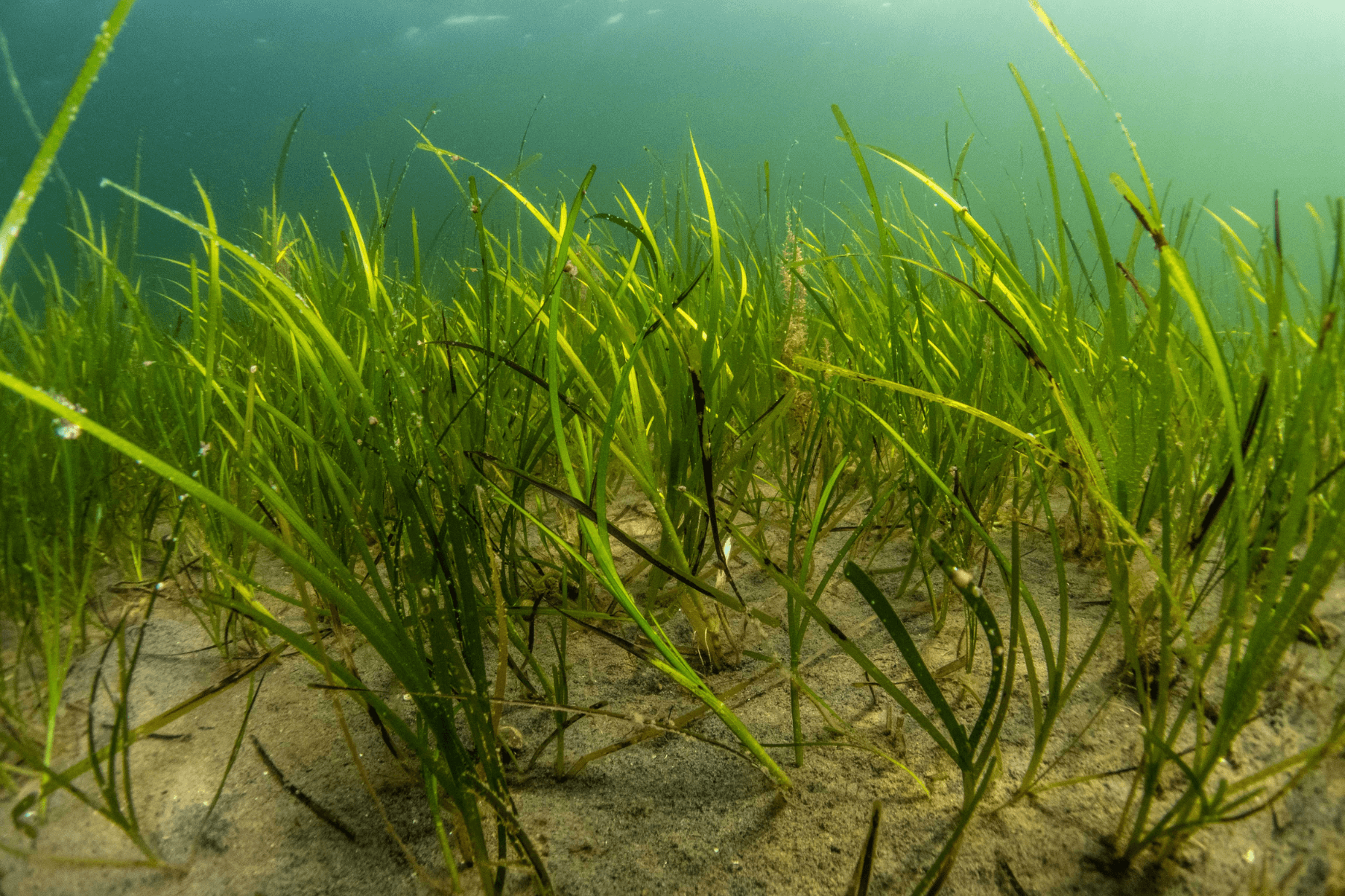
Zostera marina seagrass meadow. Credit Ben Jones
Chesapeake Bay

Seagrass swap could reshape Chesapeake Bay food web

Beneath the surface of the Chesapeake Bay, a subtle but dramatic shift is taking place as eelgrass gives way to its warmer-water relative, widgeon grass. A new study from researchers at William & Mary’s Batten School & VIMS shows that this seagrass swap could have ecological impacts across the Bay’s

Read More »