

NEWS

NEWS

Keeping you up to date with Project Seagrass news and views with a mixture of field notes and commentary on seagrass and marine conservation topics.

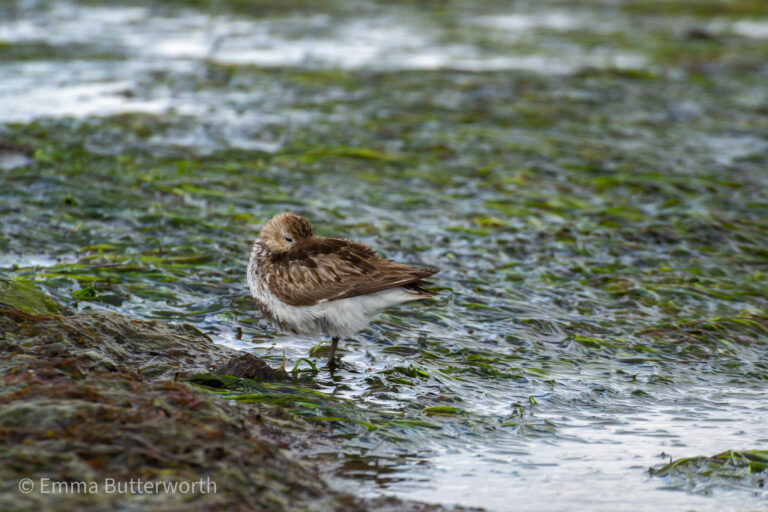
Marine biology and me

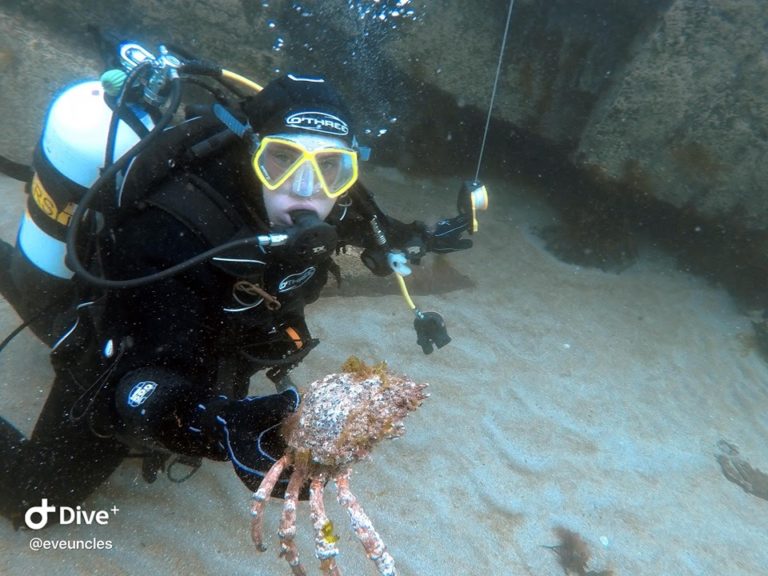
It wasn’t a natural calling. It wasn’t a passion from birth. I was always going to be a baker until I was going to be a nurse, a psychologist, a social worker, a midwife, a nutritionist, a mathematician, etc, etc. So where did marine biology come in? Donning three wetsuits

Read More »

One man went to sow

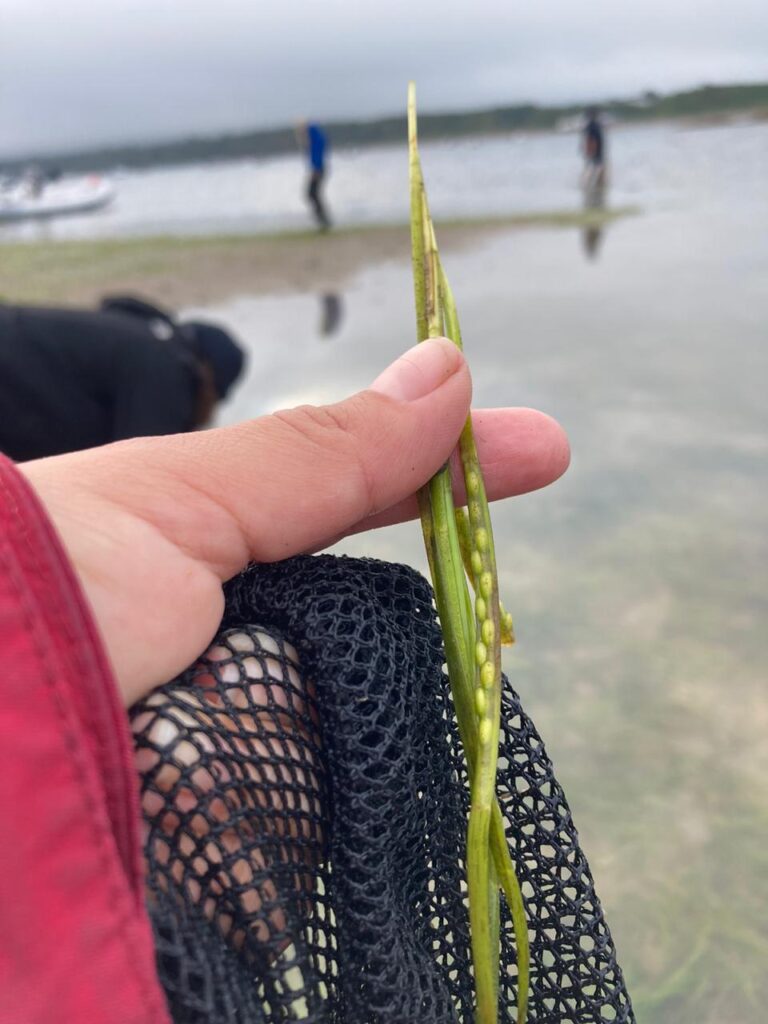
Guest blog by Mike Furness about his experience as a volunteer during seagrass planting week. It was smelly; it was noisy; it was heavy; it was cold. It was buzzing, vibrant and invigorating. Overwhelmingly it was about camaraderie, enthusiasm and shared purpose, and all set on the beautiful Pembrokeshire coast.

Read More »

New life and new hope

Ah, the long awaited bank holiday weekend is almost here, but this time the circumstances are more than a little unusual. Instead of heading to the beach we will be staying at home, not just to look after ourselves but to support our NHS and it’s amazing staff. Easter is

Read More »

The Isolated Conservationist

You are not alone! We are all having to take a pause from our chaotic lives in the midst of the COVID-19 pandemic. We must support our health care services and the incredible frontline workers by staying at home. Our ocean optimism and motivation to protect our planet does not stop for

Read More »

Mosquito nets: Are they catching more fishes than insects?

Mosquito nets designed to prevent malaria transmission are used for fishing which may devastate tropical coastal ecosystems, according to a new scientific study. The researchers found that most of the fish caught using mosquito nets were smaller than a finger and potentially collect hundreds of individuals. Malaria is a serious

Read More »

Oceans Festival 2019

Oceans Festival was a day to celebrate work being carried out by scientists, educators, volunteers, artists and many more. There was a variety of stands all sharing the same passion for our oceans. With stalls selling sustainable and plastic free items to beautiful artwork of marine mammals as well as yummy

Read More »

Project Seagrass: A Year In Review 2018-2019

Richard Lilley Every year, as a charitable organisation, we have to write a report highlighting the previous 12 months activities. In our early days as a charity these seemed fairly straightforward, but as I sit here to write this, I find it very difficult to decided what to include. A

Read More »

Spotlight on Scotland: The Sound of Jura

The weather in Scotland has been beautiful recently making the start of my Spring fieldwork very enjoyable – although surface water temperatures of 7 or 8℃ was a swift reminder that winter has only just left us! Last week I was very lucky to be shown around the Taynish peninsula

Read More »
biodiversity

Green sea turtles have traveled to the same seagrass to eat for 3,000 years

For approximately 3,000 years, generations of green sea turtles have returned to the same seagrass meadows to eat. This was discovered by Willemien de Kock, a historical ecologist at the University of Groningen, by combining modern data with archaeological findings. Sea turtles migrate between specific breeding places and eating places

Read More »
new science

What causes decline of tropical seagrass meadows?

Seagrass, a group of aquatic angiosperms, grows in shallow waters in the coastal sea and contributes most of the primary production while participating in many important ecological processes. Heat stress threatens the survival of seagrass, but its damage mechanisms are unclear. Recently, a research team led by Prof. Liu Jianguo

Read More »
biodiversity

Fauna return rapidly in planted seagrass meadows, study shows

A study of eelgrass meadows planted by researchers from the University of Gothenburg shows that fauna return rapidly once the eelgrass has started to grow. Already after the second summer, the biodiversity in the planted meadow was almost the same as in old established eelgrass meadows. Eelgrass meadows have declined

Read More »