Seagrass Nursery News – Vol. 3
By Elise Simone de Tourtoulon-Adams A huge thank you to all of our supporters who helped us successfully raise more than £9,000 in the Aviva Community Fund to go towards developing this nursery.
By Elise Simone de Tourtoulon-Adams A huge thank you to all of our supporters who helped us successfully raise more than £9,000 in the Aviva Community Fund to go towards developing this nursery.
By Elise Simone de Tourtoulon-AdamsIf you would like to donate to support the nursery please head to: https://www.avivacommunityfund.co.uk/seagrass-nursery. Every donation helps and Aviva are currently matching your donation up to £50!
By Jenny Black The Carbon Cycle It is likely that we have all heard of carbon but what might not be known is the fundamental role it plays in our ecosystems. Carbon will naturally move between the atmosphere and the earth’s surface through interactions between organisms and ecosystems in a
A few weeks ago part one of the UN Biodiversity Conference (aka COP15) took place in Kunming, China. Whilst all eyes are on the UN Climate Conference set to take place in Glasgow, UK next week, we must not forget the vital role that biodiversity plays in our planets health.
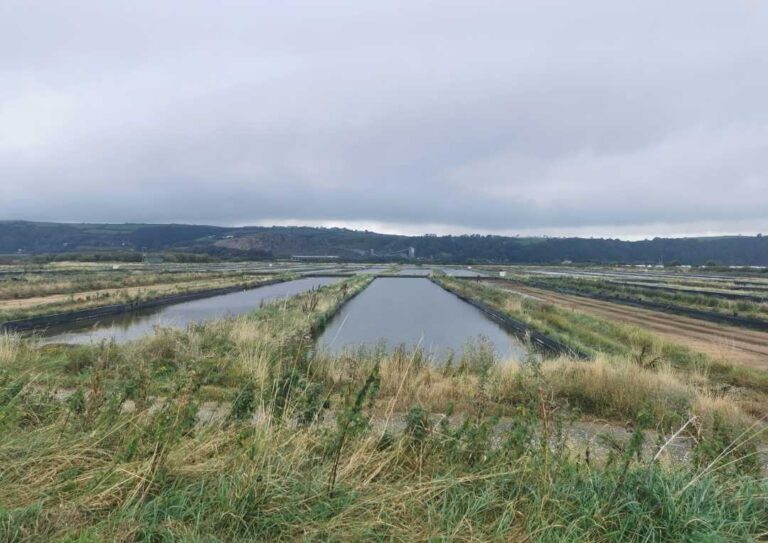
Project Seagrass are embarking on a journey to build a seagrass nursery. This is no small feat and so we have enlisted the help of our new seagrass aquarist, Elise. Elise will be bringing you honest updates each month on how this journey is progressing. This is the start of
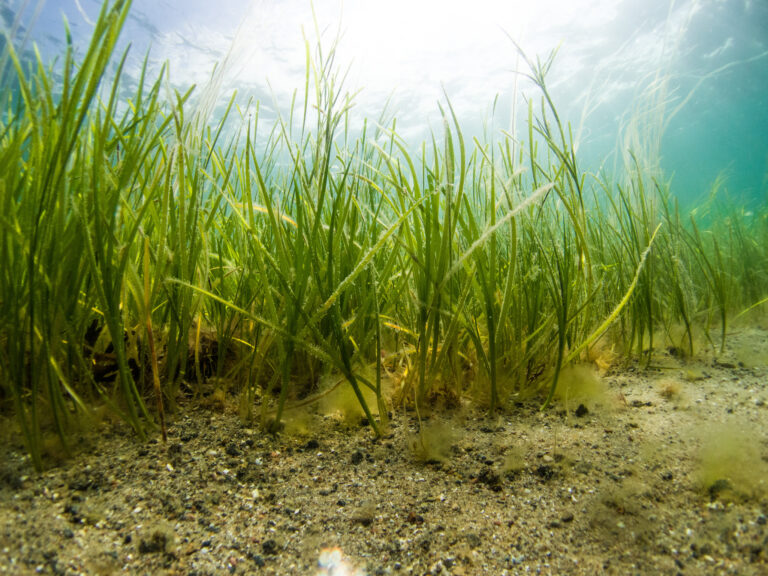
Eight years ago sat on a roof top café at Swansea University we ambitiously set up a small marine conservation organisation called Project Seagrass. Swansea has always seemed a fitting place for Project Seagrass to start. After all it was deemed the ‘lovely ugly town’ by its most famous son,
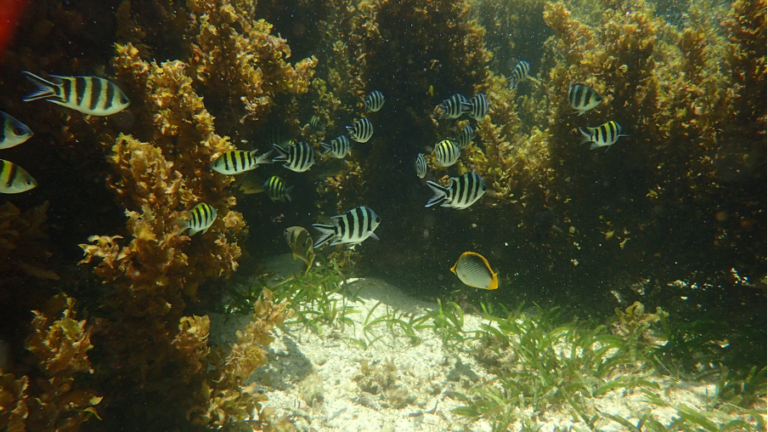
By Sam Freeman In the summer of 2018, after finishing my penultimate year of my undergrad Marine & Freshwater Biology degree, I travelled to Watamu. Watamu is a small but beautiful coastal town just north of Mombasa, in Kenya – East Africa. Watamu is famous for its picturesque sandy-white beaches
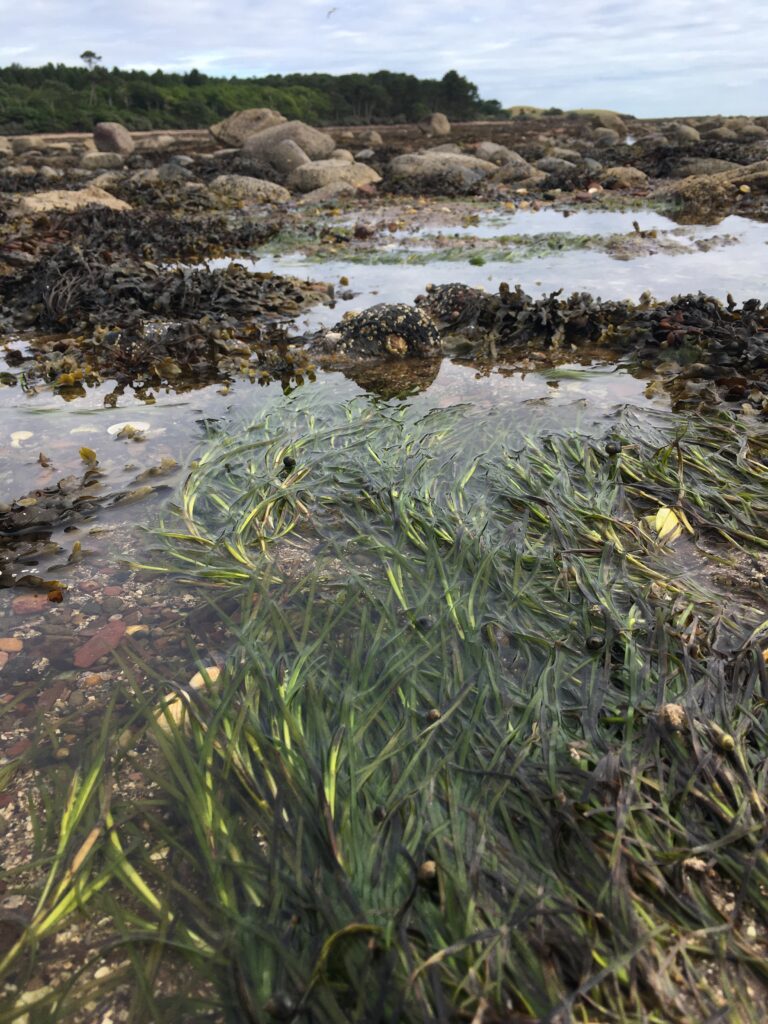
As 2020 draws to a close, we look back on a year that has been nothing short of unusual. Despite the challenges, it has been a year for reflection, growth and innovation, and we believe there’s never been more reason to work toward a brighter future. In the face of
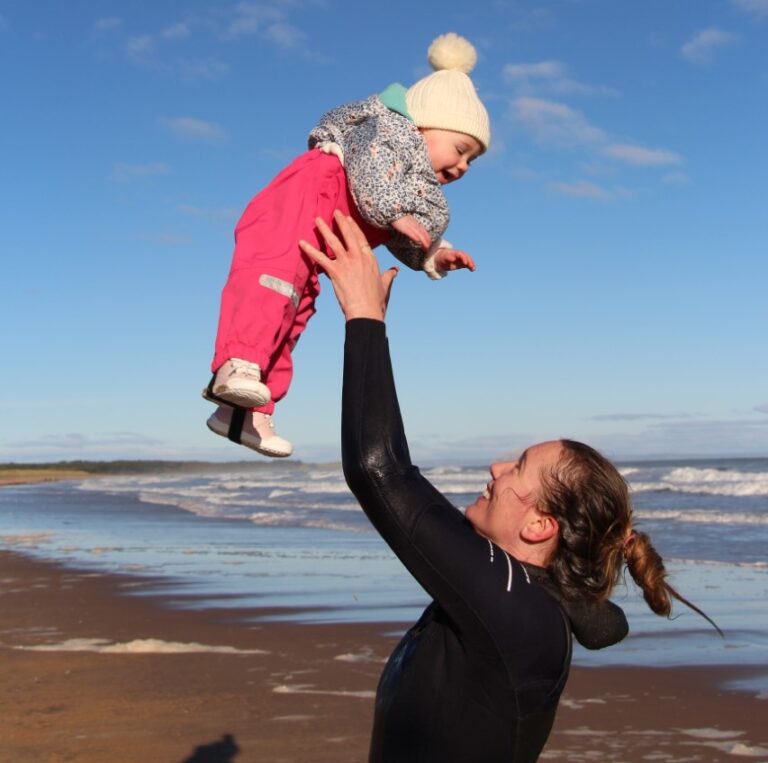
“I’ve had an extraordinary life. It’s only now that I appreciate how extraordinary. As a young man, I felt I was out there in the wild, experiencing the untouched natural world – but it was an illusion. The tragedy of our time has been happening all around us, barely noticeable
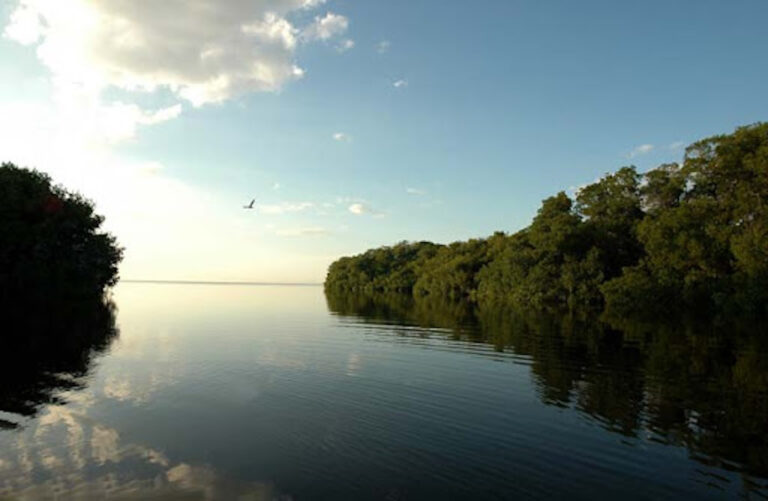
Last October 9th, the Ocean Hackathon® 2020 took place in Mexico City. This is an event in which multidisciplinary teams have access to international databases and have 48 hours to develop a pilot project or proof of concept that targets an ocean-related problem. This year’s event, organized by IFAL (French
Artificial reefs might help to restore the ocean’s ability to fight against climate change. The reefs boost the productivity of seagrass meadows by attracting fish, which can improve the ability of these habitats to lock up more carbon dioxide beneath the waves. Breeze blocks placed in one of the ocean’s
Reflecting on 10 years of Project Seagrass Project Seagrass was created on the 29th July 2013 with the vision of saving the worlds seagrass. As we approach our 10th birthday, we’re looking back on the last 10 years with our founder Ben Jones and CEO Leanne Cullen-Unsworth. Where
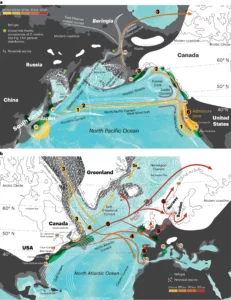
Seagrasses evolved from freshwater plants and use sunlight and carbon dioxide (CO2) for photosynthesis and are able to thrive in depths down to 50 meters. In contrast to algae, they possess roots and rhizomes that grow in sandy to muddy sediments. The grass-like, leaf-shoots produce flowers and complete their life
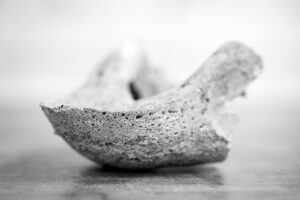
For approximately 3,000 years, generations of green sea turtles have returned to the same seagrass meadows to eat. This was discovered by Willemien de Kock, a historical ecologist at the University of Groningen, by combining modern data with archaeological findings. Sea turtles migrate between specific breeding places and eating places
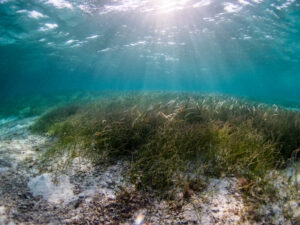
Discussions of valuable but threatened ocean ecosystems often focus on coral reefs or coastal mangrove forests. Seagrass meadows get a lot less attention, even though they provide wide-ranging services to society and store lots of climate-warming carbon. But the findings of a new University of Michigan-led study show that seagrass