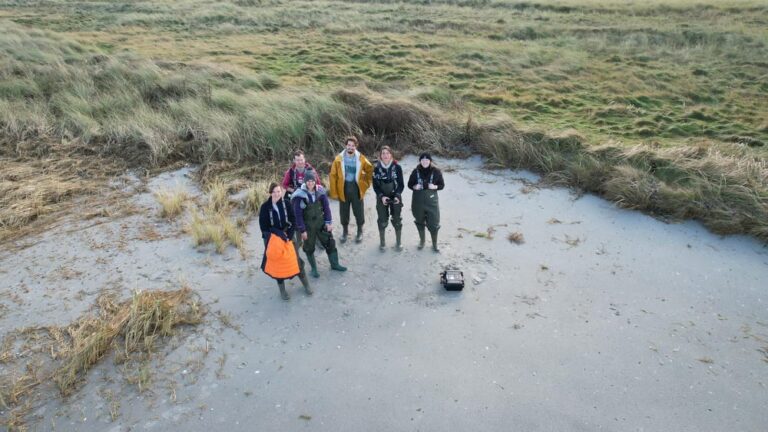
Seagrass Nursery News – Vol. 3
By Elise Simone de Tourtoulon-Adams A huge thank you to all of our supporters who helped us successfully raise more than £9,000 in the Aviva Community Fund to go towards developing this nursery.
By Elise Simone de Tourtoulon-Adams A huge thank you to all of our supporters who helped us successfully raise more than £9,000 in the Aviva Community Fund to go towards developing this nursery.
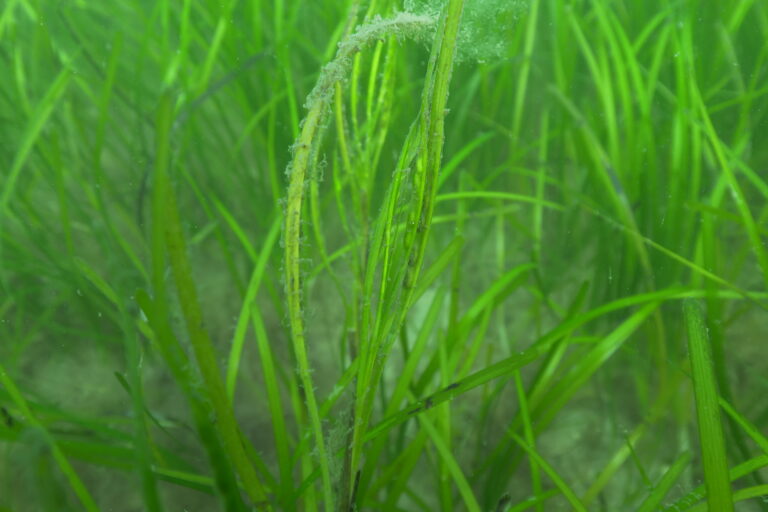
By Elise Simone de Tourtoulon-AdamsIf you would like to donate to support the nursery please head to: https://www.avivacommunityfund.co.uk/seagrass-nursery. Every donation helps and Aviva are currently matching your donation up to £50!
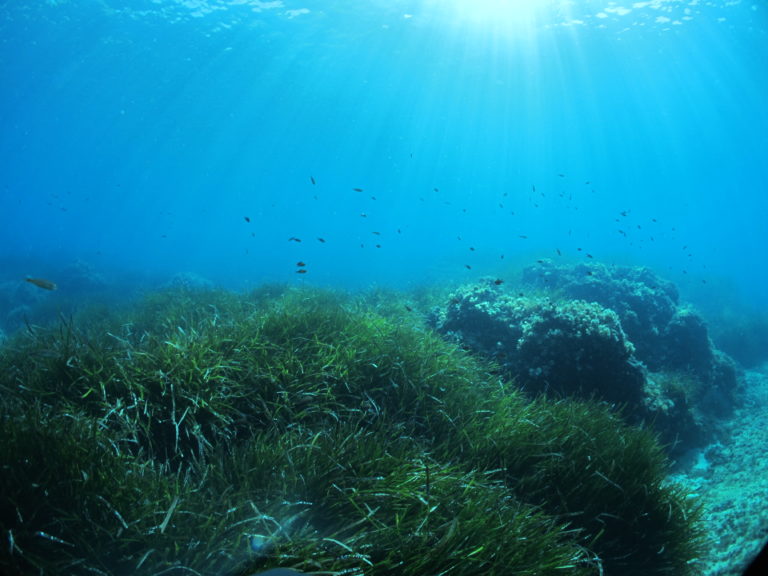
By Jenny Black The Carbon Cycle It is likely that we have all heard of carbon but what might not be known is the fundamental role it plays in our ecosystems. Carbon will naturally move between the atmosphere and the earth’s surface through interactions between organisms and ecosystems in a
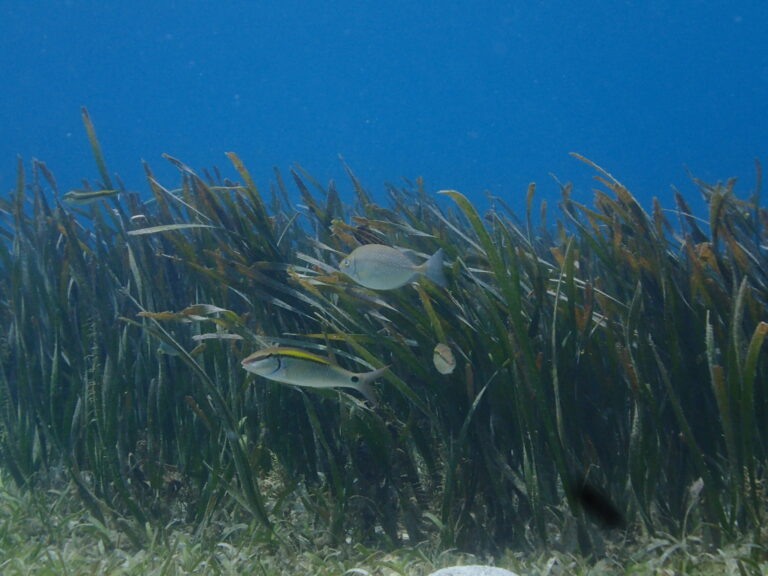
A few weeks ago part one of the UN Biodiversity Conference (aka COP15) took place in Kunming, China. Whilst all eyes are on the UN Climate Conference set to take place in Glasgow, UK next week, we must not forget the vital role that biodiversity plays in our planets health.
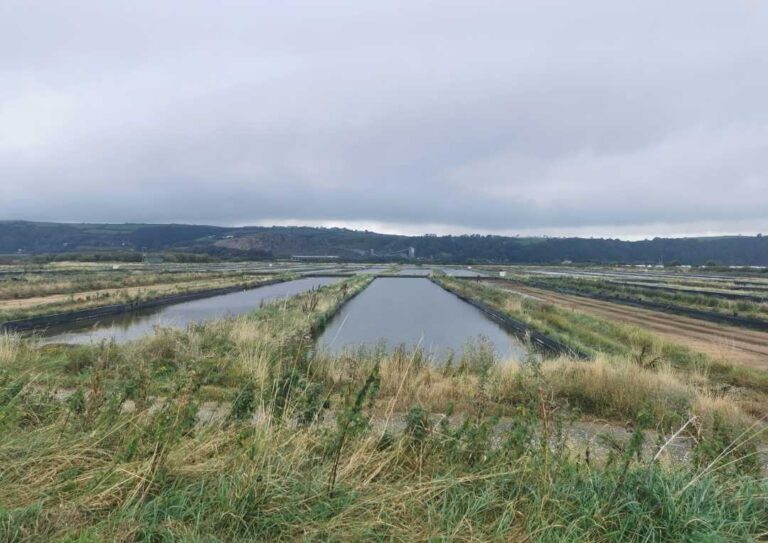
Project Seagrass are embarking on a journey to build a seagrass nursery. This is no small feat and so we have enlisted the help of our new seagrass aquarist, Elise. Elise will be bringing you honest updates each month on how this journey is progressing. This is the start of
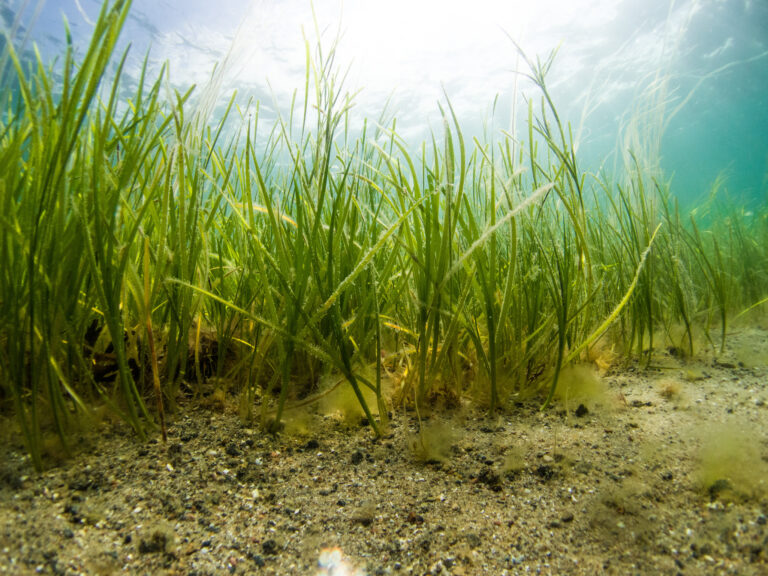
Eight years ago sat on a roof top café at Swansea University we ambitiously set up a small marine conservation organisation called Project Seagrass. Swansea has always seemed a fitting place for Project Seagrass to start. After all it was deemed the ‘lovely ugly town’ by its most famous son,
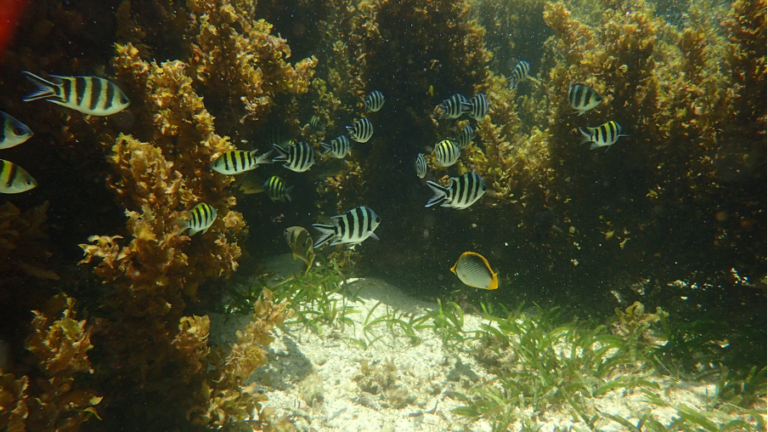
By Sam Freeman In the summer of 2018, after finishing my penultimate year of my undergrad Marine & Freshwater Biology degree, I travelled to Watamu. Watamu is a small but beautiful coastal town just north of Mombasa, in Kenya – East Africa. Watamu is famous for its picturesque sandy-white beaches
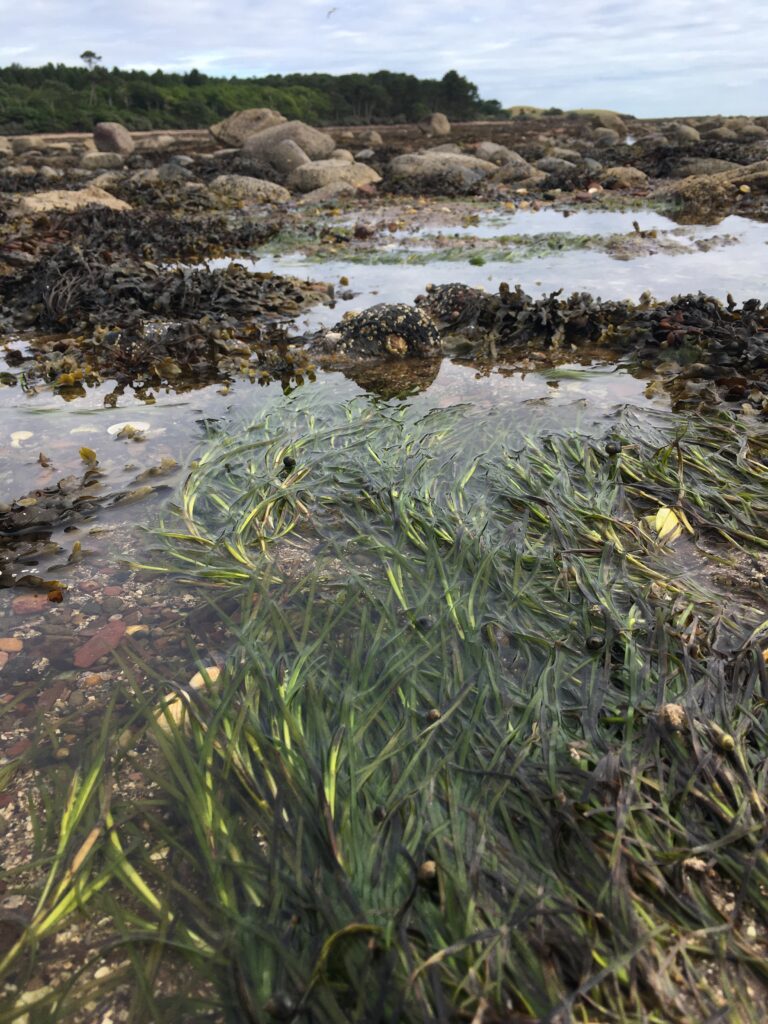
As 2020 draws to a close, we look back on a year that has been nothing short of unusual. Despite the challenges, it has been a year for reflection, growth and innovation, and we believe there’s never been more reason to work toward a brighter future. In the face of
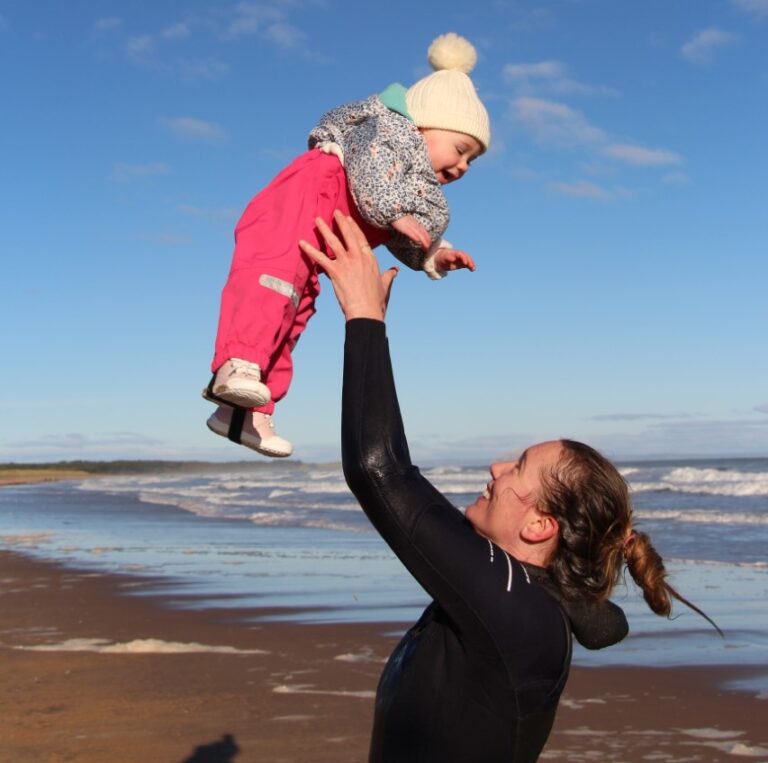
“I’ve had an extraordinary life. It’s only now that I appreciate how extraordinary. As a young man, I felt I was out there in the wild, experiencing the untouched natural world – but it was an illusion. The tragedy of our time has been happening all around us, barely noticeable
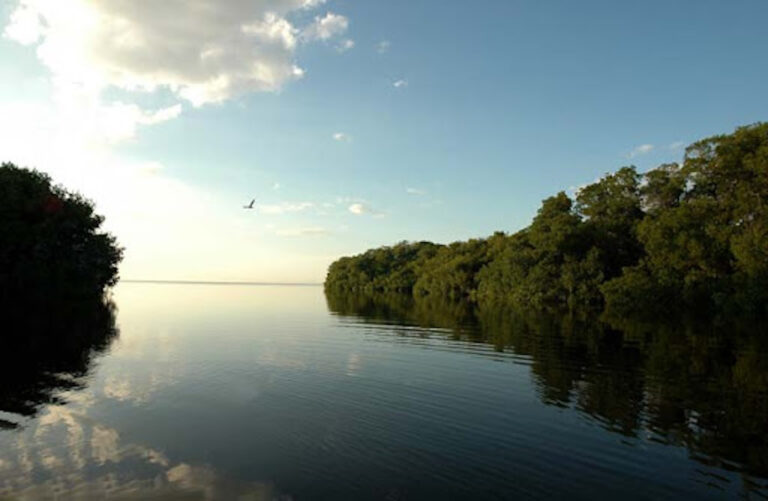
Last October 9th, the Ocean Hackathon® 2020 took place in Mexico City. This is an event in which multidisciplinary teams have access to international databases and have 48 hours to develop a pilot project or proof of concept that targets an ocean-related problem. This year’s event, organized by IFAL (French
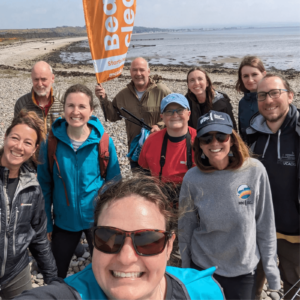
We spoke to Moray Ocean Community about their volunteering in the Moray Firth area and how they integrate the SeagrassSpotter app into their activities. Read the full interview below: Can you tell us about Moray Ocean Community and how it started? Moray Ocean Community started to come together over two
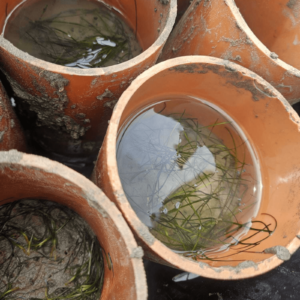
Scientists from the marine conservation charity Project Seagrass are undertaking seagrass planting experiments along the South & West Wales coastline, including a new planting site in Butetown along Cardiff’s Foreshore. Cardiff’s Foreshore is a popular place for sea-angling for species such as cod, which uses seagrass meadows as a nursery
We have just launched a journal club for the Project Seagrass team. These monthly meetups work much like a book club, members of the team each suggest a relevant scientific paper, vote on their favourite, then read the winning paper prior to meeting. During the journal club we critically discuss
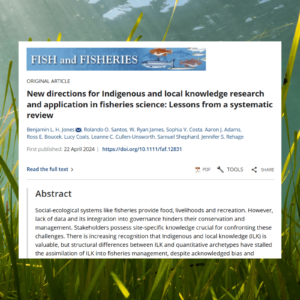
Seagrass meadows play a critical role in keeping our oceans healthy and stocked with food, providing valuable nursery habitat to over 1/5th of the world’s largest 25 fisheries. Seagrass meadows are also important to small-scale fisheries, particularly as a place to find and collect a reliable source of food with some
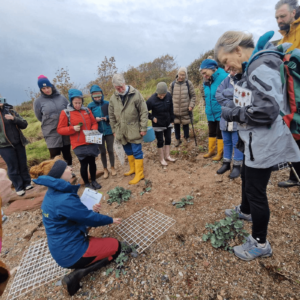
Earlier this month Project Seagrass’ Senior Conservation Officer Katy Waring attended the yearly gathering for coastal communities from the Coastal Communities Network facilitated by Fauna and Flora International. The event was held on the island of Millport at their field studies centre. The 3-day event was inspiring; groups from around
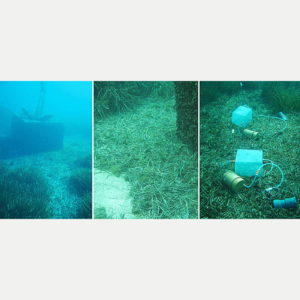
Researchers from the University of Liège (BE) studied the fate of the material produced by Posidonia seagrass meadows. This study, carried out in the Mediterranean Sea at STARESO, shows that the dead leaves of what is commonly known as Neptune grass accumulate in shallow areas, where they break down like