Seagrass Nursery News – Vol. 3
By Elise Simone de Tourtoulon-Adams A huge thank you to all of our supporters who helped us successfully raise more than £9,000 in the Aviva Community Fund to go towards developing this nursery.
By Elise Simone de Tourtoulon-Adams A huge thank you to all of our supporters who helped us successfully raise more than £9,000 in the Aviva Community Fund to go towards developing this nursery.
By Elise Simone de Tourtoulon-AdamsIf you would like to donate to support the nursery please head to: https://www.avivacommunityfund.co.uk/seagrass-nursery. Every donation helps and Aviva are currently matching your donation up to £50!
By Jenny Black The Carbon Cycle It is likely that we have all heard of carbon but what might not be known is the fundamental role it plays in our ecosystems. Carbon will naturally move between the atmosphere and the earth’s surface through interactions between organisms and ecosystems in a
A few weeks ago part one of the UN Biodiversity Conference (aka COP15) took place in Kunming, China. Whilst all eyes are on the UN Climate Conference set to take place in Glasgow, UK next week, we must not forget the vital role that biodiversity plays in our planets health.
Project Seagrass are embarking on a journey to build a seagrass nursery. This is no small feat and so we have enlisted the help of our new seagrass aquarist, Elise. Elise will be bringing you honest updates each month on how this journey is progressing. This is the start of
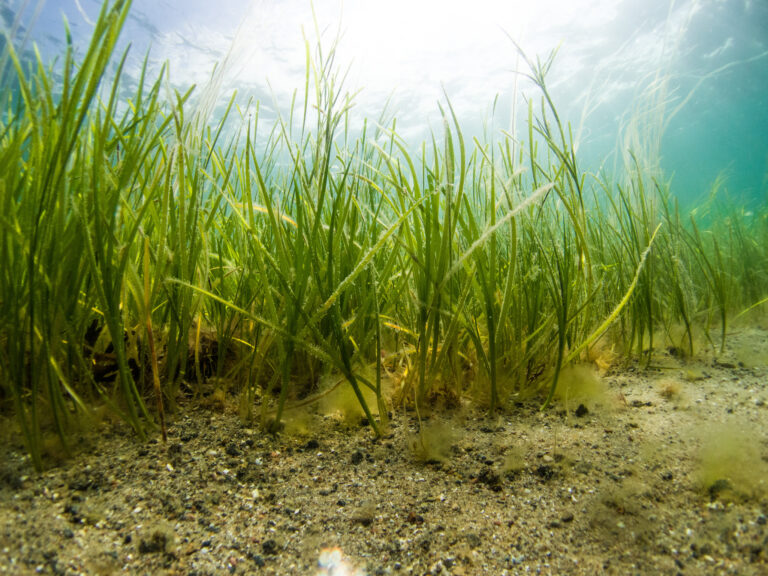
Eight years ago sat on a roof top café at Swansea University we ambitiously set up a small marine conservation organisation called Project Seagrass. Swansea has always seemed a fitting place for Project Seagrass to start. After all it was deemed the ‘lovely ugly town’ by its most famous son,
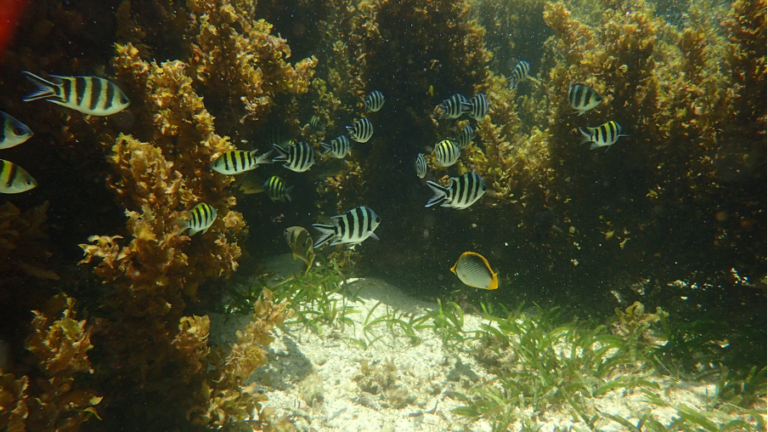
By Sam Freeman In the summer of 2018, after finishing my penultimate year of my undergrad Marine & Freshwater Biology degree, I travelled to Watamu. Watamu is a small but beautiful coastal town just north of Mombasa, in Kenya – East Africa. Watamu is famous for its picturesque sandy-white beaches
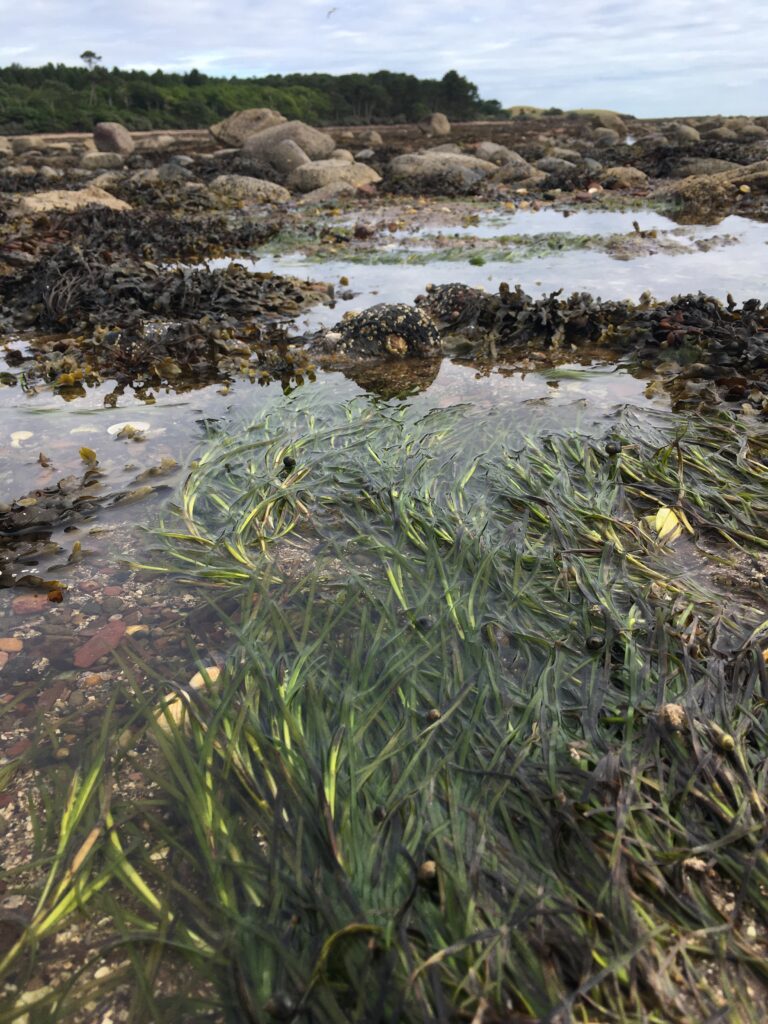
As 2020 draws to a close, we look back on a year that has been nothing short of unusual. Despite the challenges, it has been a year for reflection, growth and innovation, and we believe there’s never been more reason to work toward a brighter future. In the face of
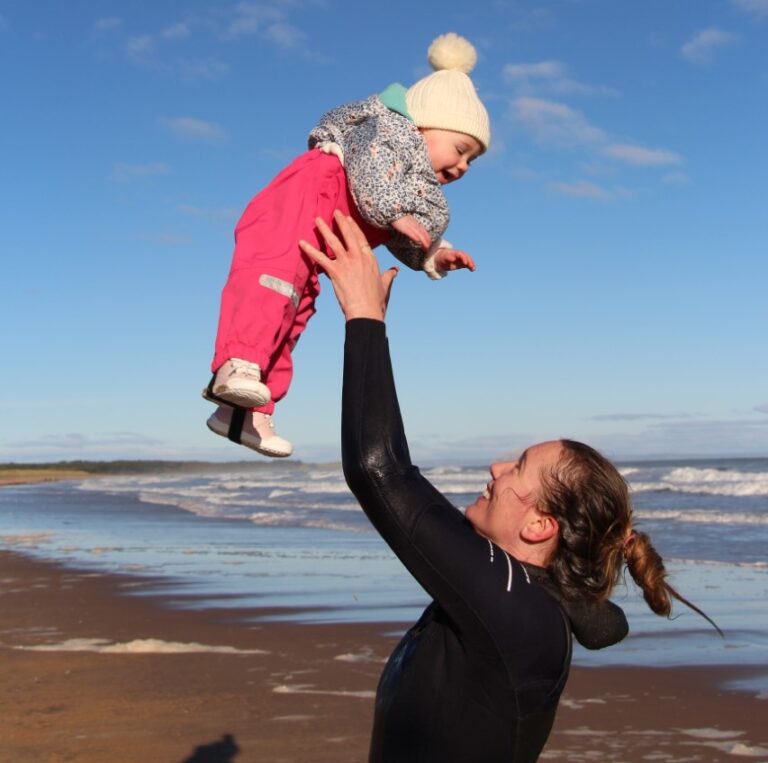
“I’ve had an extraordinary life. It’s only now that I appreciate how extraordinary. As a young man, I felt I was out there in the wild, experiencing the untouched natural world – but it was an illusion. The tragedy of our time has been happening all around us, barely noticeable
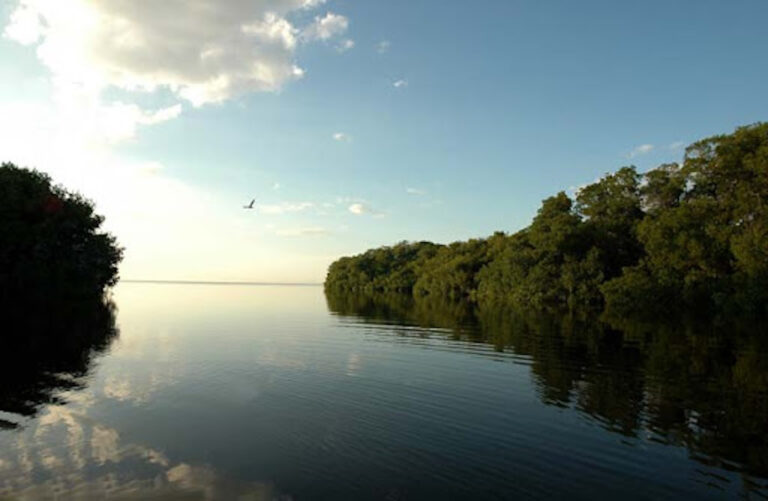
Last October 9th, the Ocean Hackathon® 2020 took place in Mexico City. This is an event in which multidisciplinary teams have access to international databases and have 48 hours to develop a pilot project or proof of concept that targets an ocean-related problem. This year’s event, organized by IFAL (French
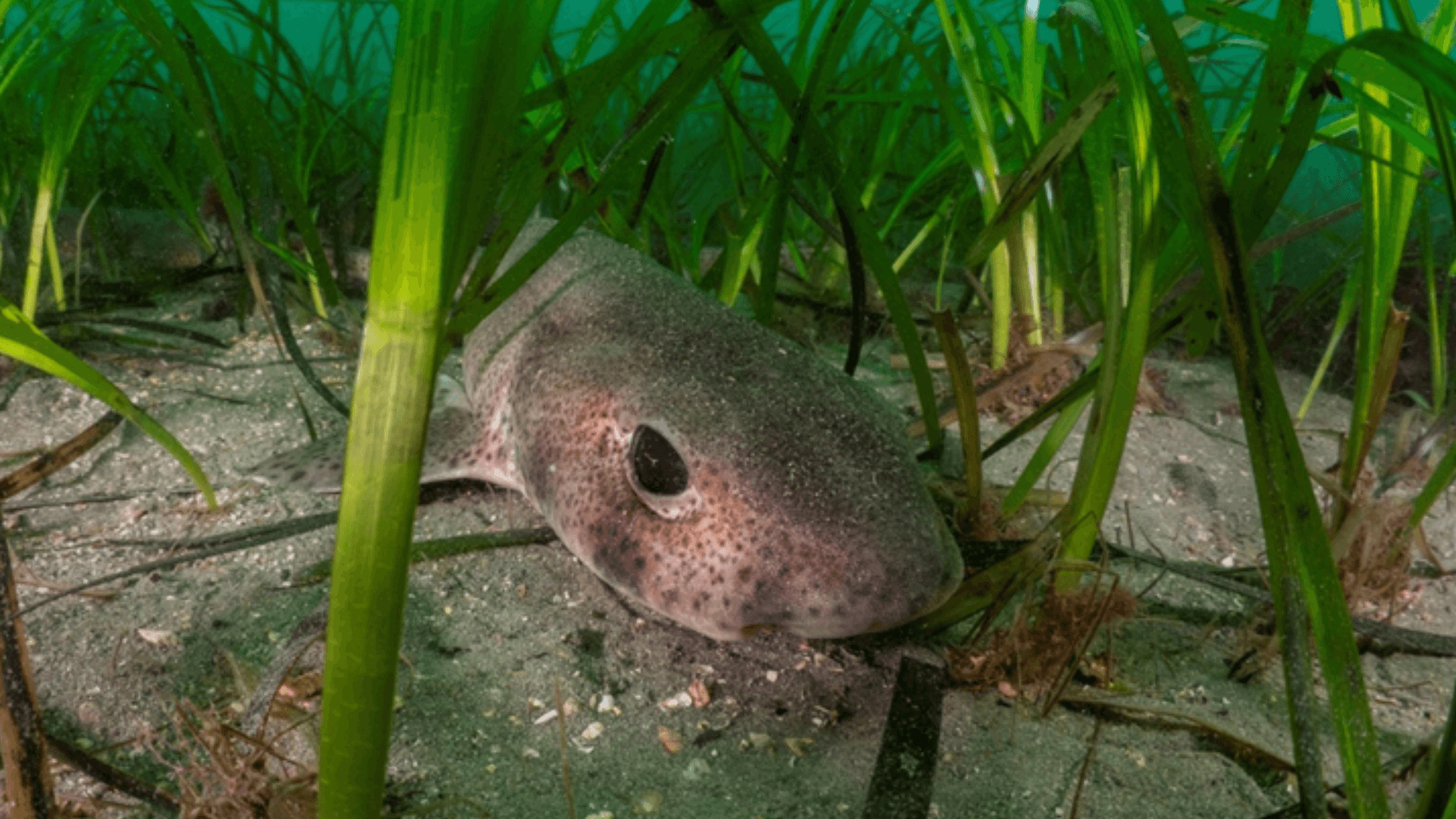
In a new blog series, our Conservation Trainee Abi David explores some of the amazing creatures that call seagrass meadows their home. The small spotted catshark (Scyliorhinus canicula) is a small shark species growing up to 1 meter long and can be seen around European and North African coastlines. They
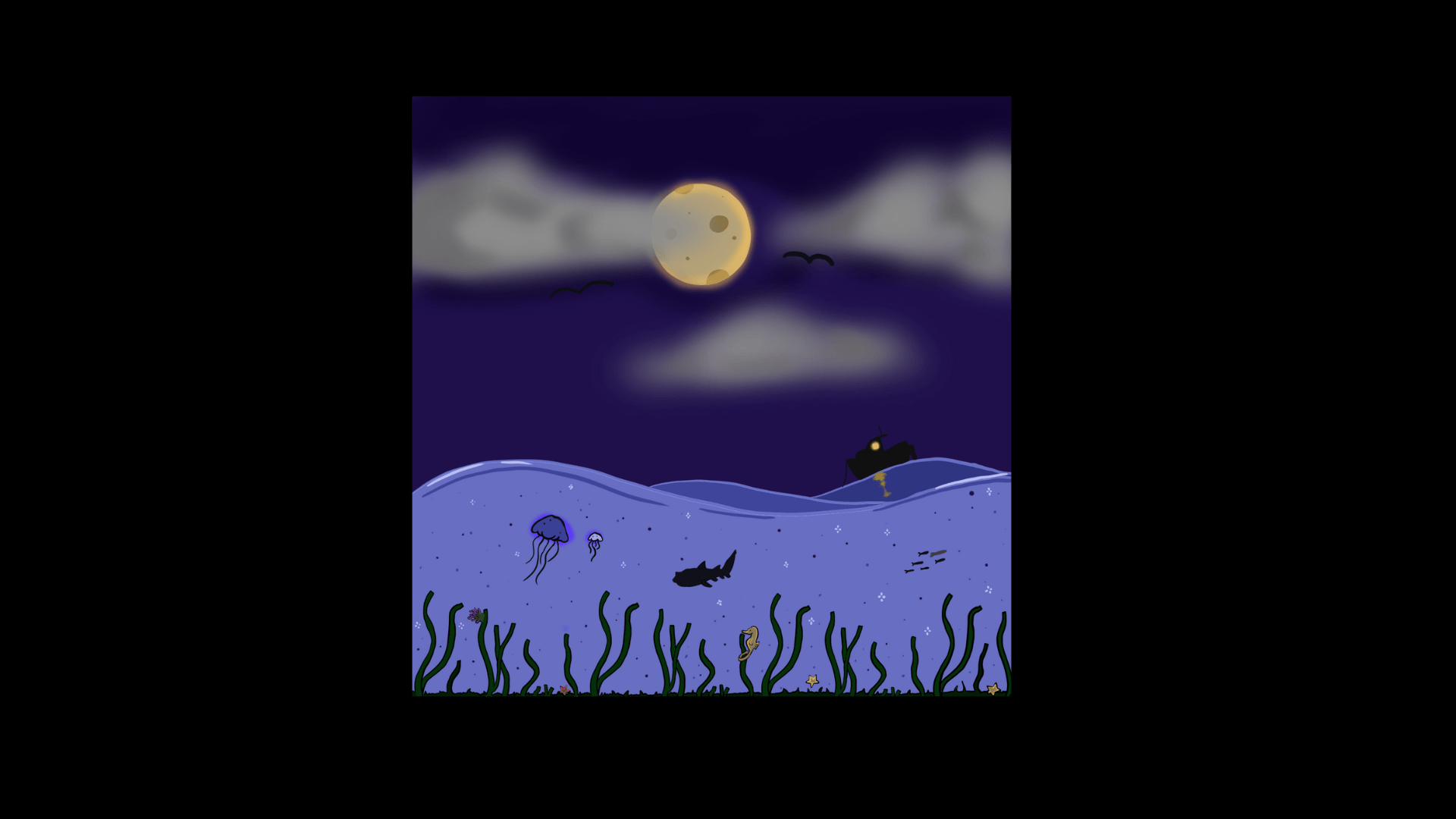
In an article for Halloween, Grace Cutler, one of Project Seagrass’ Interns for the 2025-26 academic year, explores the frightening reality of continued seagrass loss as a result of anthropogenic activity and how this in turn threatens seagrass’ role in supporting people and planet. Werewolves are struck down by silver
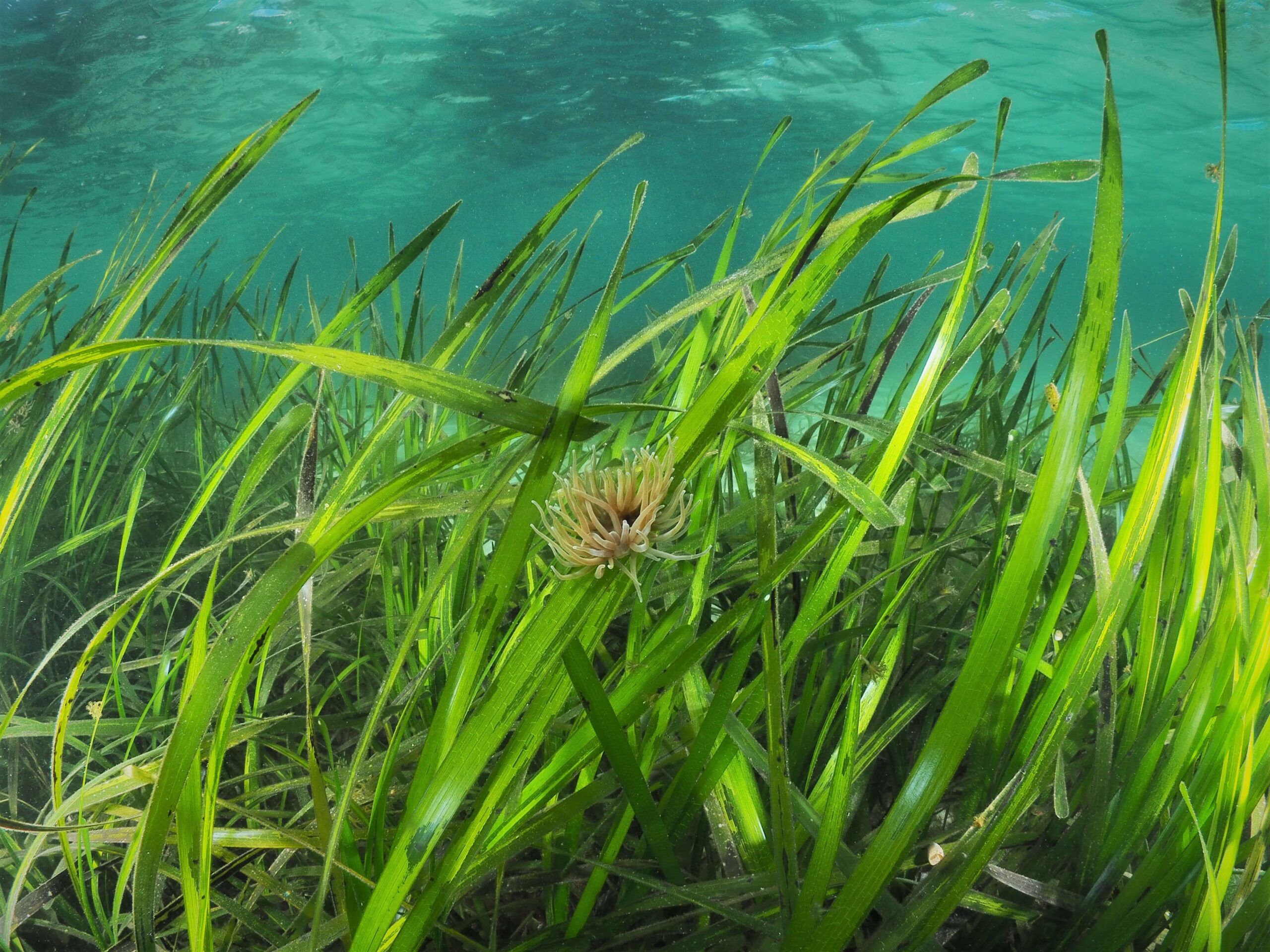
In a new blog series, our Conservation Trainee Abi David explores some of the amazing creatures that call seagrass meadows their home. The snakelocks anemone is a funny looking creature commonly found around the UK. They have up to 200 long, wavy tentacles and can grow on average to about
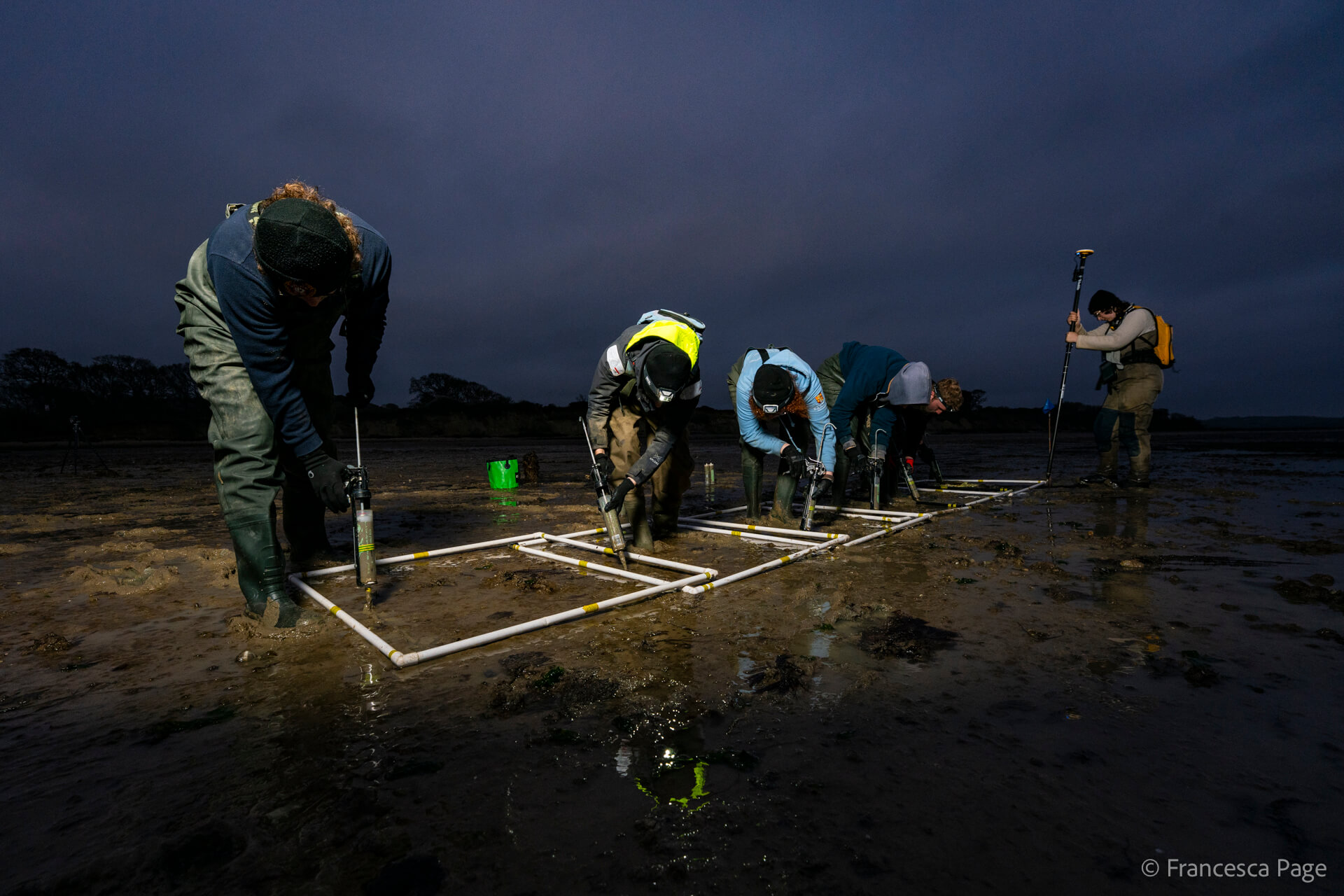
The Ocean is in crisis. Coral reefs are bleaching, seagrass meadows are vanishing, mangroves are being cleared, and biodiversity is plummeting. Scientists estimate we’ve already lost up to 50% of global saltmarshes, 35% of mangroves, and 20% of seagrasses. Yet alongside this sobering decline, momentum for marine restoration has never

Earlier this year, the Scottish Government circulated a draft version of Scotland’s first Blue Carbon Action Plan with key stakeholders to gather comments and feedback. Project Seagrass was one of the organisations contacted as part of this process. The Blue Carbon Action Plan sets out the Scottish Government’s position and
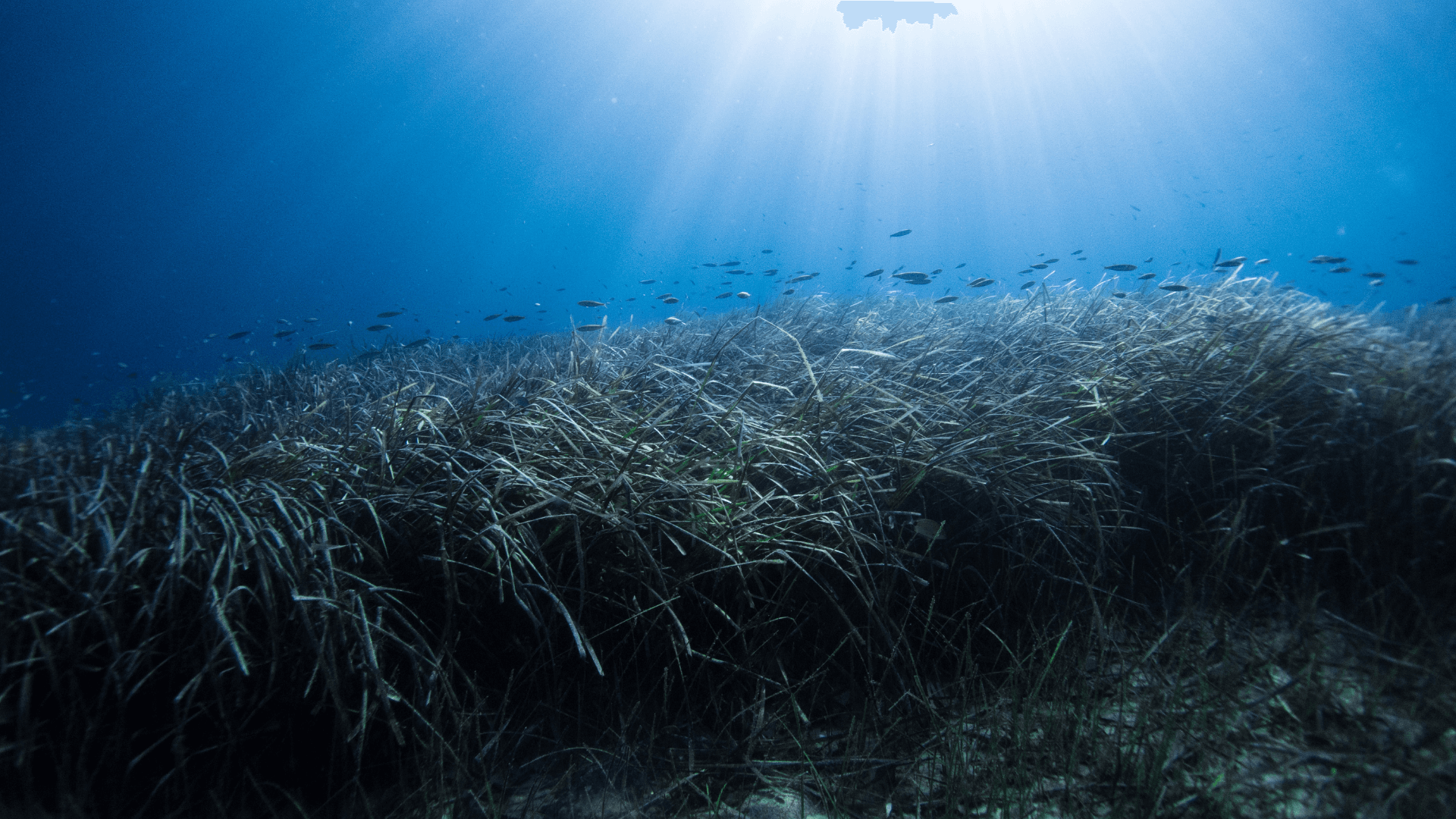
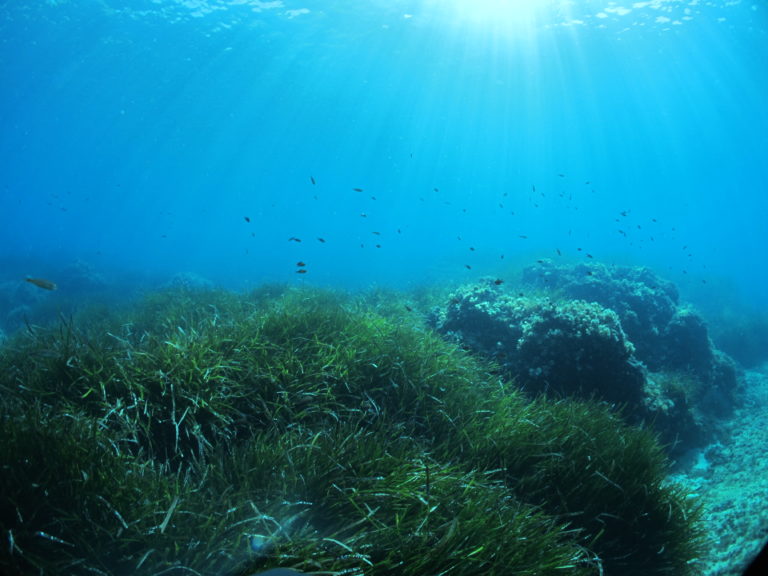
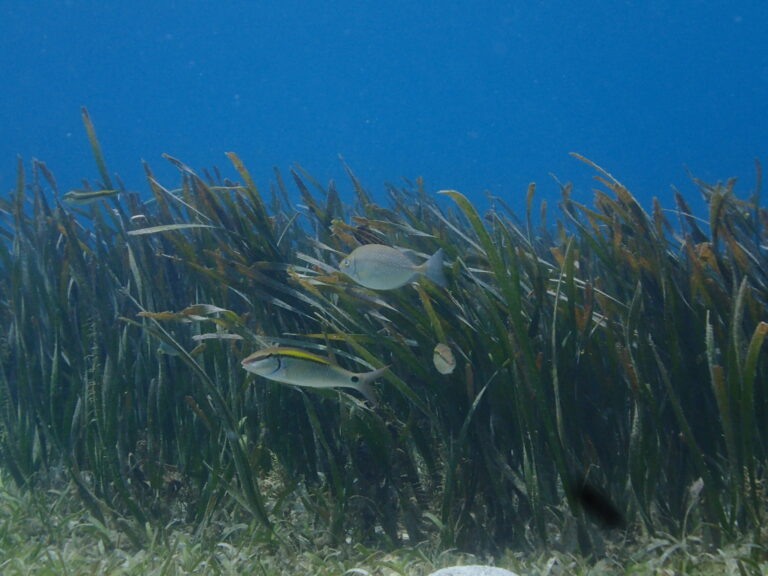
Posidonia seagrass meadows, veritable underwater forests, play a major ecological role. Under constant pressure from human activity, scientists are looking for ways to ensure their survival, in particular by carrying out restoration campaigns. A study conducted by the University of Liège at the marine and oceanographical research station STARESO (Calvi,