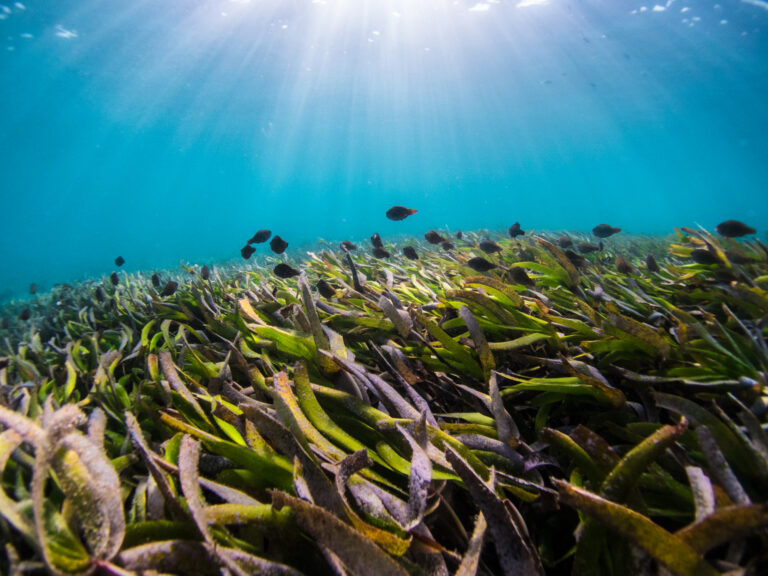
The World Seagrass Association Inc. invites expressions of interest from members and interested organisations/institutions who would like to host the 15th International Seagrass Biology Workshop (ISBW) in 2024.The International Seagrass Biology Workshop series is a meeting of research scientists, students and coastal environment managers focusing on global seagrass issues, improving
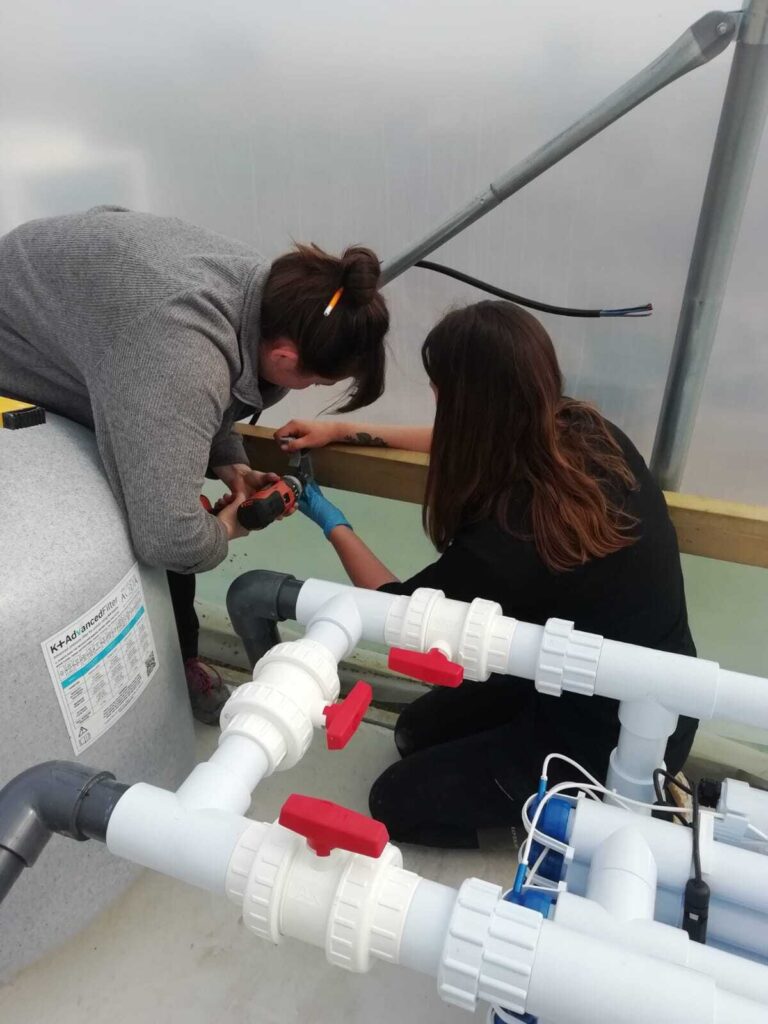
By Elise Simone de Tourtoulon-Adams We held our first Global Seagrass Nursery Network meeting at the end of Seagrass Awareness Month. If you would like to watch the seminar, click here.
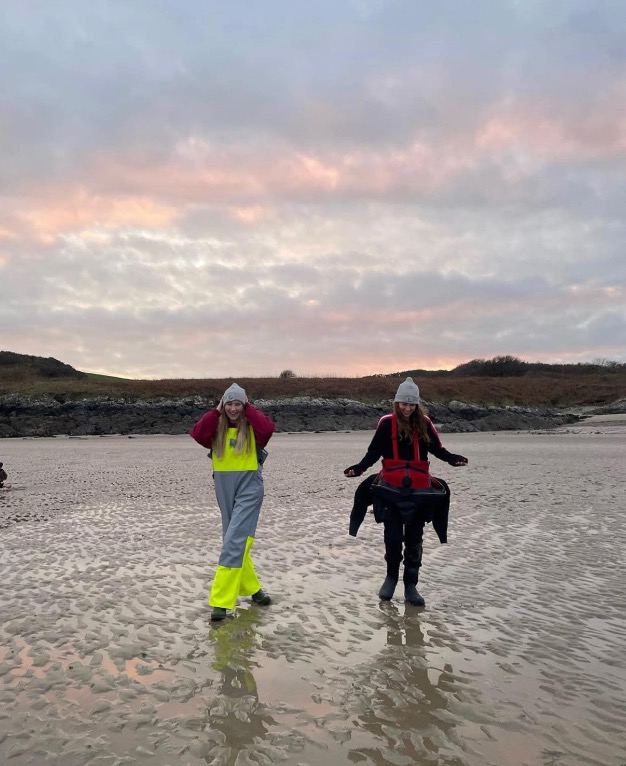
Intern Takeover – Planting trials in North Wales (February 2022) On Friday the 28th of January, a team of us started preparing for a week of fieldwork up in North Wales. A group of humans and one fluffy, four-legged companion (definitely the favourite member of Project Seagrass) helped fill 800
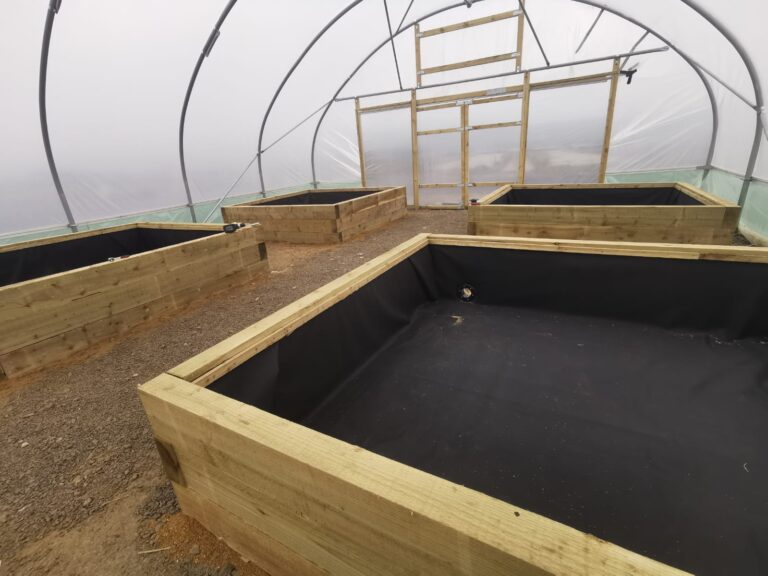
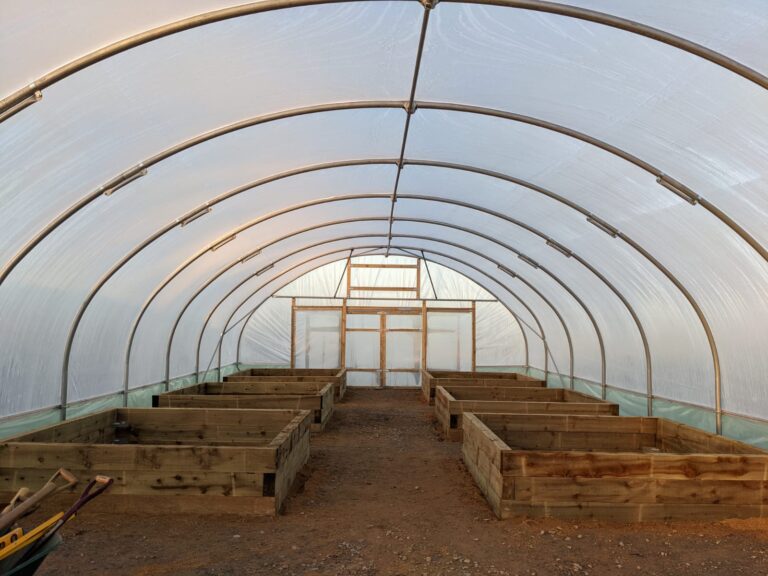
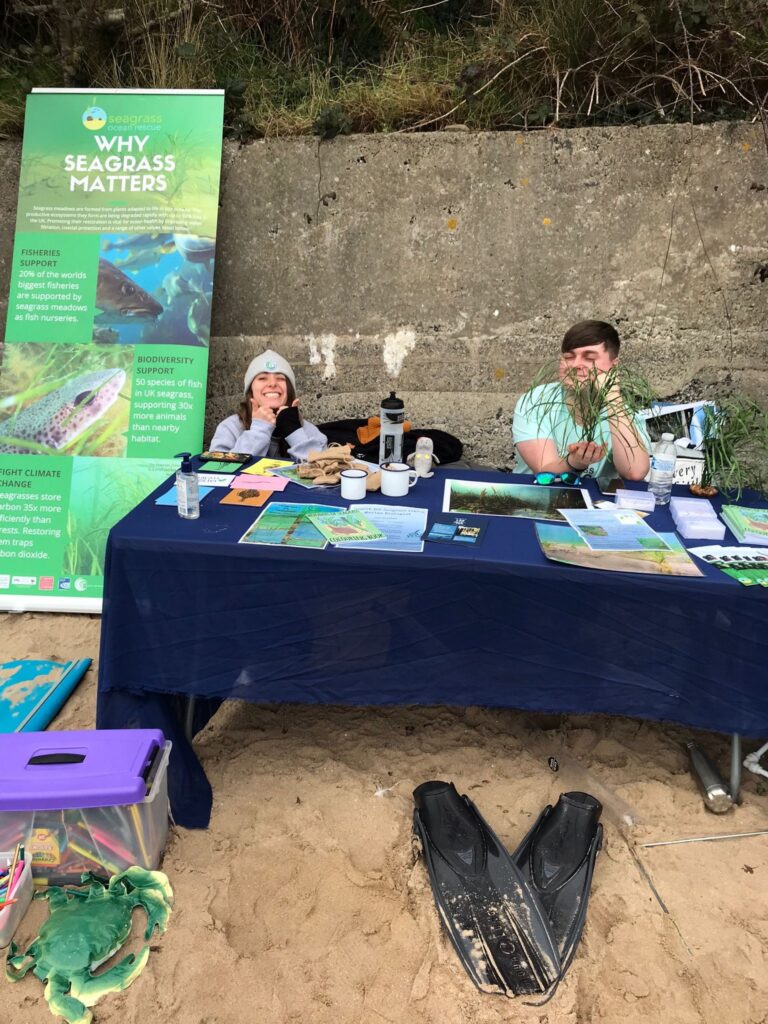
My name is Danny Rice, I am a 23 year-old Conservation Assistant at Project Seagrass. I began working for the charity in June 2021 due to the Government-funded Kickstart Scheme. Despite studying a Bachelor’s degree in Physical Geography and a subsequent Master’s degree in Climate Change, the COVID-19 Pandemic found
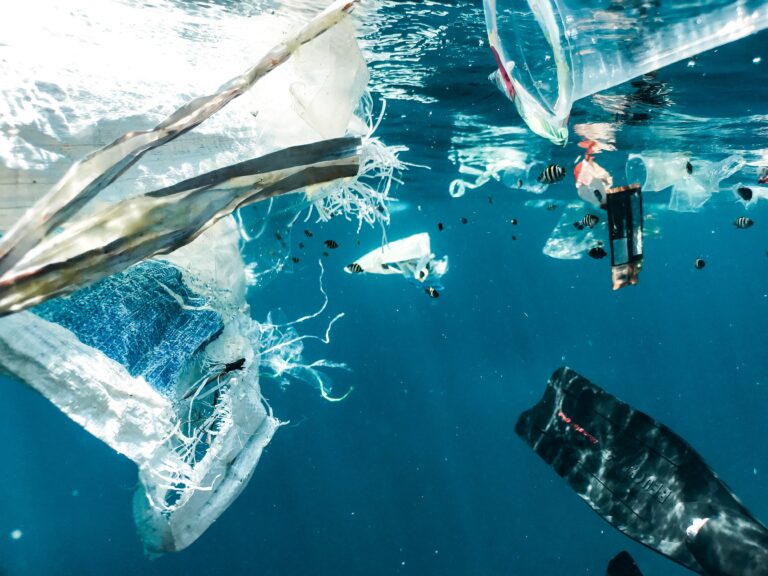
Guest blog by Lucy Wust Microplastics is a term that is worryingly on the rise in the media. They are found almost everywhere, and their polluting and damaging effects are felt heavily on marine environments. Can seagrass present a solution in our fight to tackle this widespread plastic contamination? What
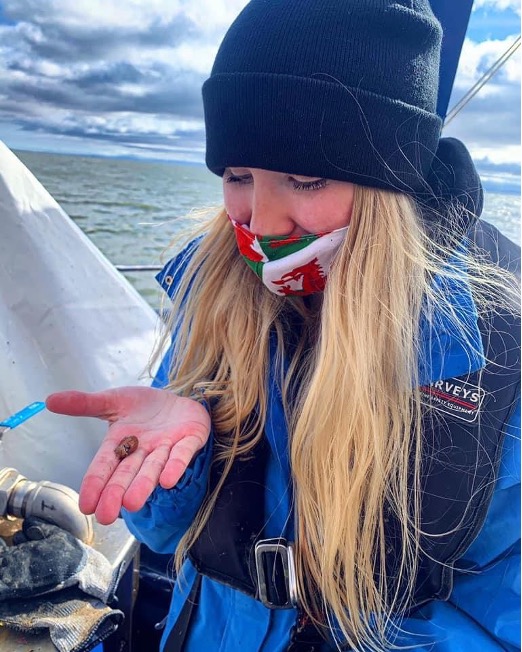
My name is Lowri O’Neill, a 20 year-old marine biology student studying at Swansea University. Ever since I can remember, I have always been obsessed with the ocean. As a toddler, I would watch Finding Nemo constantly all day, every day and would kick up a fuss if my parents
Mangroves are growing in areas historically dominated by salt marshes and oyster reefs. Invasive pacific oysters are replacing native blue mussels in the Wadden Sea. Macroalgae are exhibiting dominance over hard corals in the Caribbean and Indo-Pacific. Climate change-driven shifts in dominant, habitat-forming species such as these can have significant
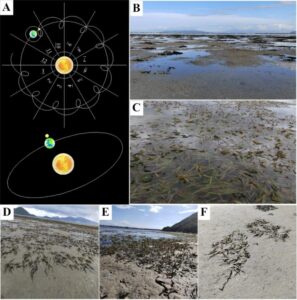
Seagrass, a group of aquatic angiosperms, grows in shallow waters in the coastal sea and contributes most of the primary production while participating in many important ecological processes. Heat stress threatens the survival of seagrass, but its damage mechanisms are unclear. Recently, a research team led by Prof. Liu Jianguo
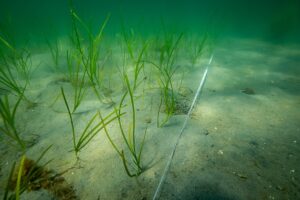
A study of eelgrass meadows planted by researchers from the University of Gothenburg shows that fauna return rapidly once the eelgrass has started to grow. Already after the second summer, the biodiversity in the planted meadow was almost the same as in old established eelgrass meadows. Eelgrass meadows have declined
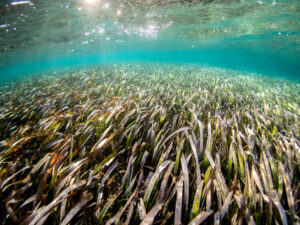
In Florida alone, thousands of acres of marine seagrass beds have died. Major seagrass die-offs also are occurring around the world. Stressors such as high temperature, hypersalinity and hypoxia or lack of oxygen affect seagrasses’ ability to resist and recover from these stressor-related mortality events or when disturbances lead to
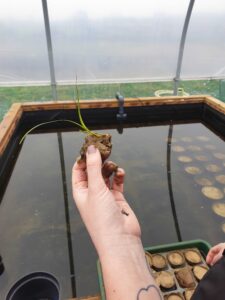
By Emily Yates To donate to our Aviva Community Funds and find out more, click the links below: Making marine conservation more accessible Saving the worlds seagrass Developing the Project Seagrass nursery