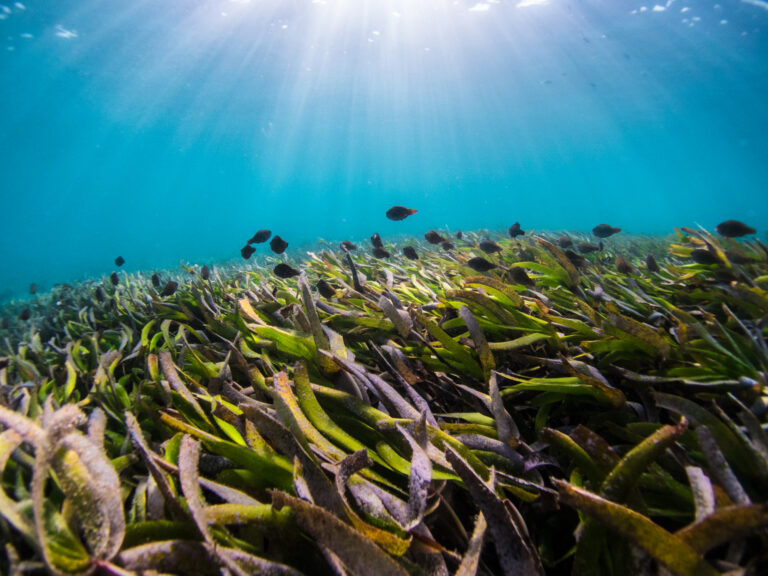
The World Seagrass Association Inc. invites expressions of interest from members and interested organisations/institutions who would like to host the 15th International Seagrass Biology Workshop (ISBW) in 2024.The International Seagrass Biology Workshop series is a meeting of research scientists, students and coastal environment managers focusing on global seagrass issues, improving
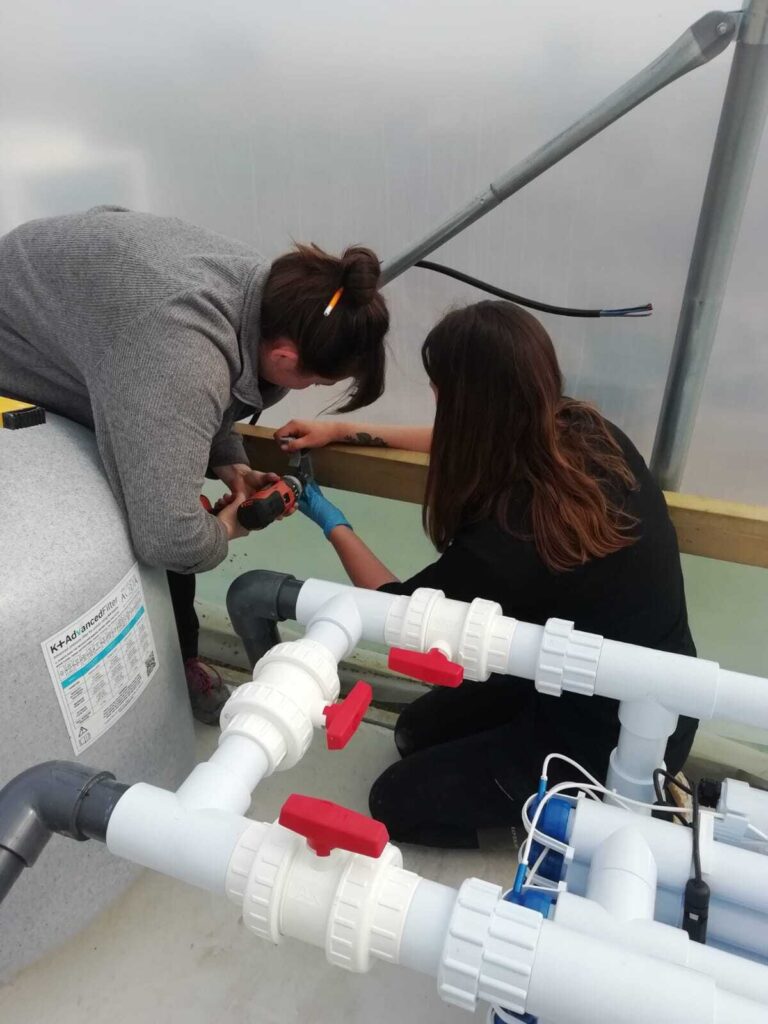
By Elise Simone de Tourtoulon-Adams We held our first Global Seagrass Nursery Network meeting at the end of Seagrass Awareness Month. If you would like to watch the seminar, click here.
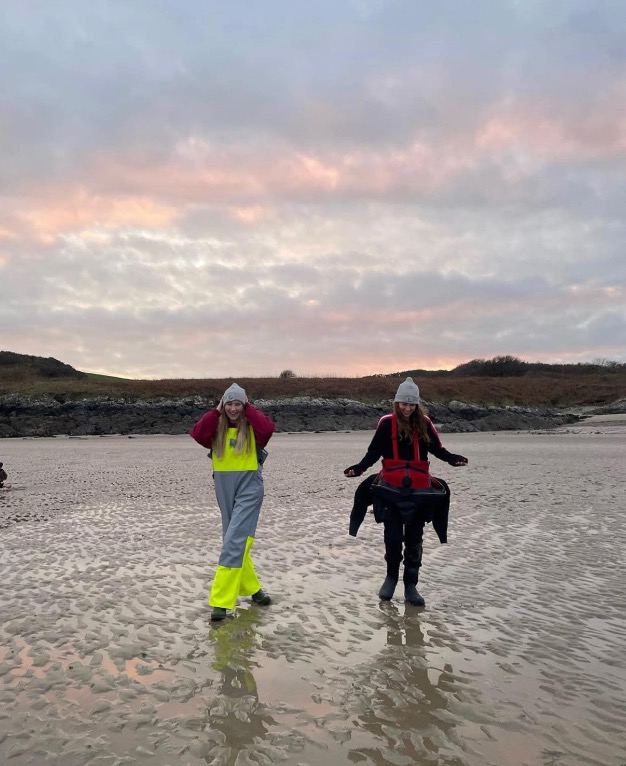
Intern Takeover – Planting trials in North Wales (February 2022) On Friday the 28th of January, a team of us started preparing for a week of fieldwork up in North Wales. A group of humans and one fluffy, four-legged companion (definitely the favourite member of Project Seagrass) helped fill 800
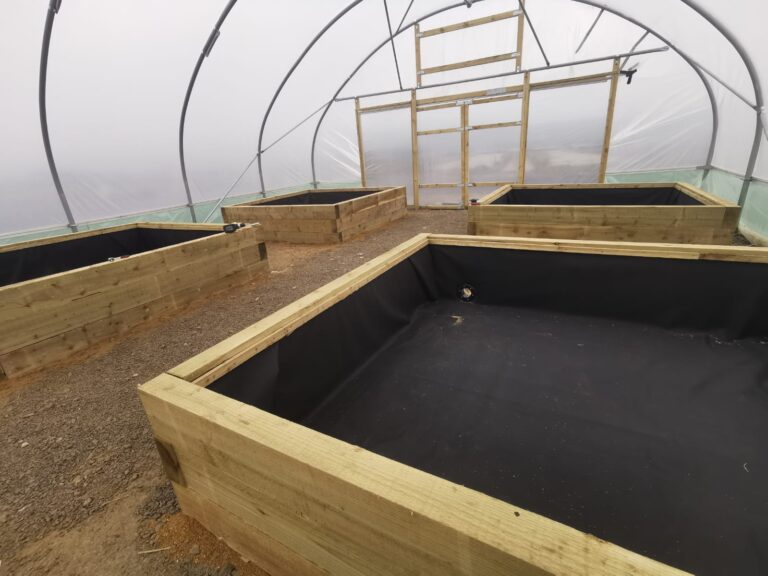
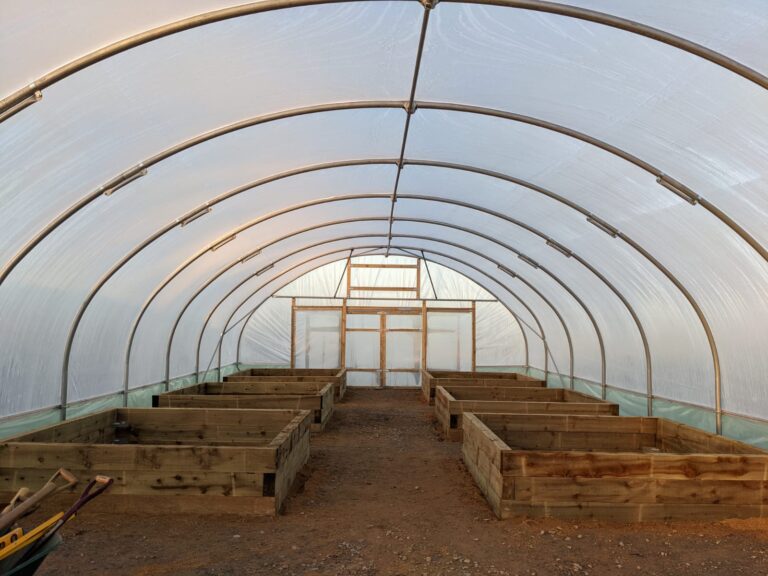
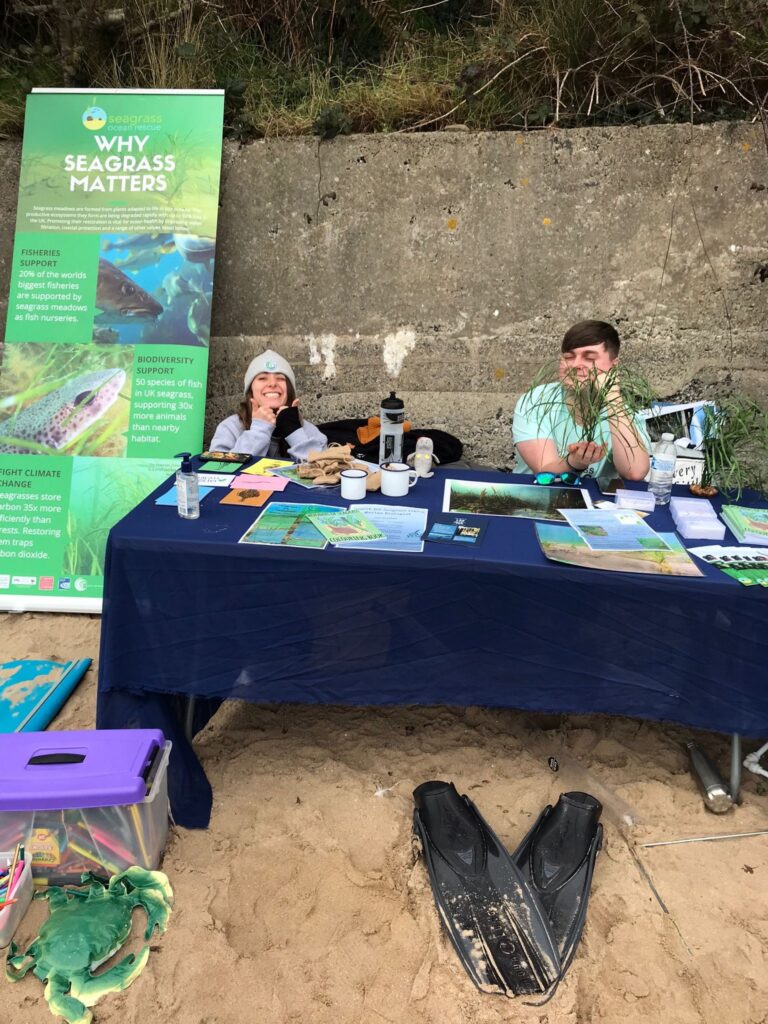
My name is Danny Rice, I am a 23 year-old Conservation Assistant at Project Seagrass. I began working for the charity in June 2021 due to the Government-funded Kickstart Scheme. Despite studying a Bachelor’s degree in Physical Geography and a subsequent Master’s degree in Climate Change, the COVID-19 Pandemic found
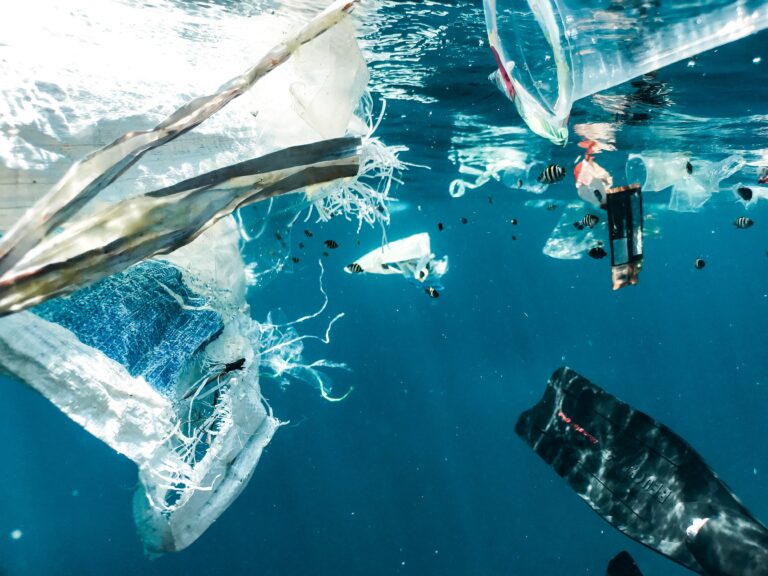
Guest blog by Lucy Wust Microplastics is a term that is worryingly on the rise in the media. They are found almost everywhere, and their polluting and damaging effects are felt heavily on marine environments. Can seagrass present a solution in our fight to tackle this widespread plastic contamination? What
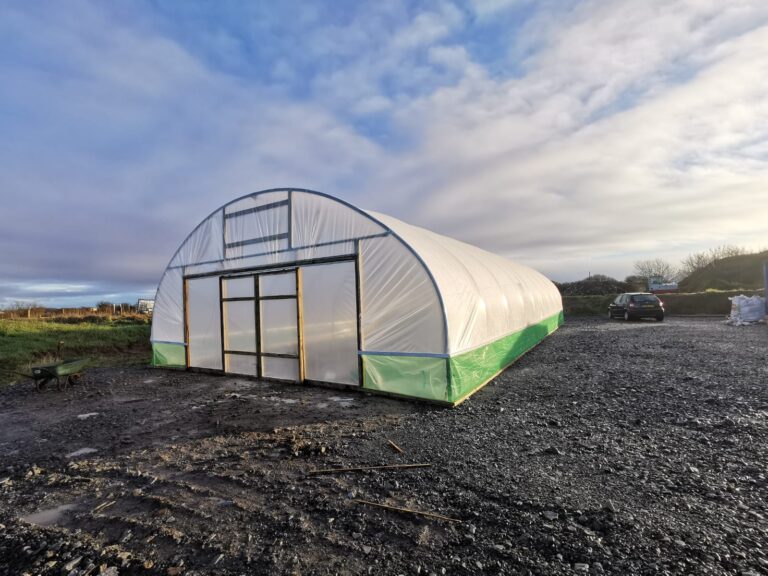
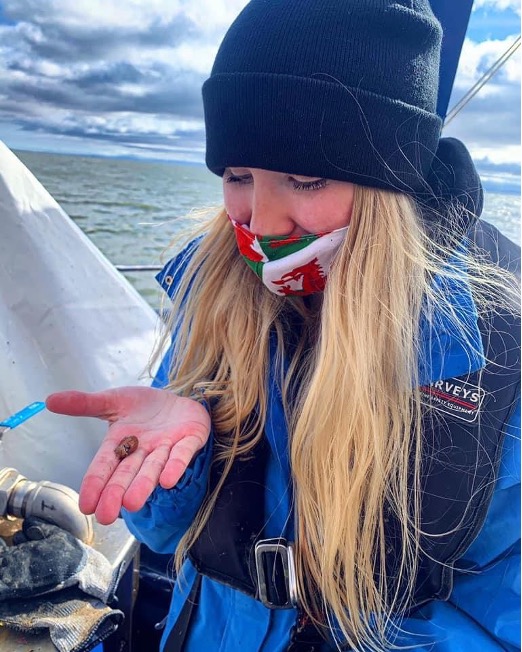
My name is Lowri O’Neill, a 20 year-old marine biology student studying at Swansea University. Ever since I can remember, I have always been obsessed with the ocean. As a toddler, I would watch Finding Nemo constantly all day, every day and would kick up a fuss if my parents
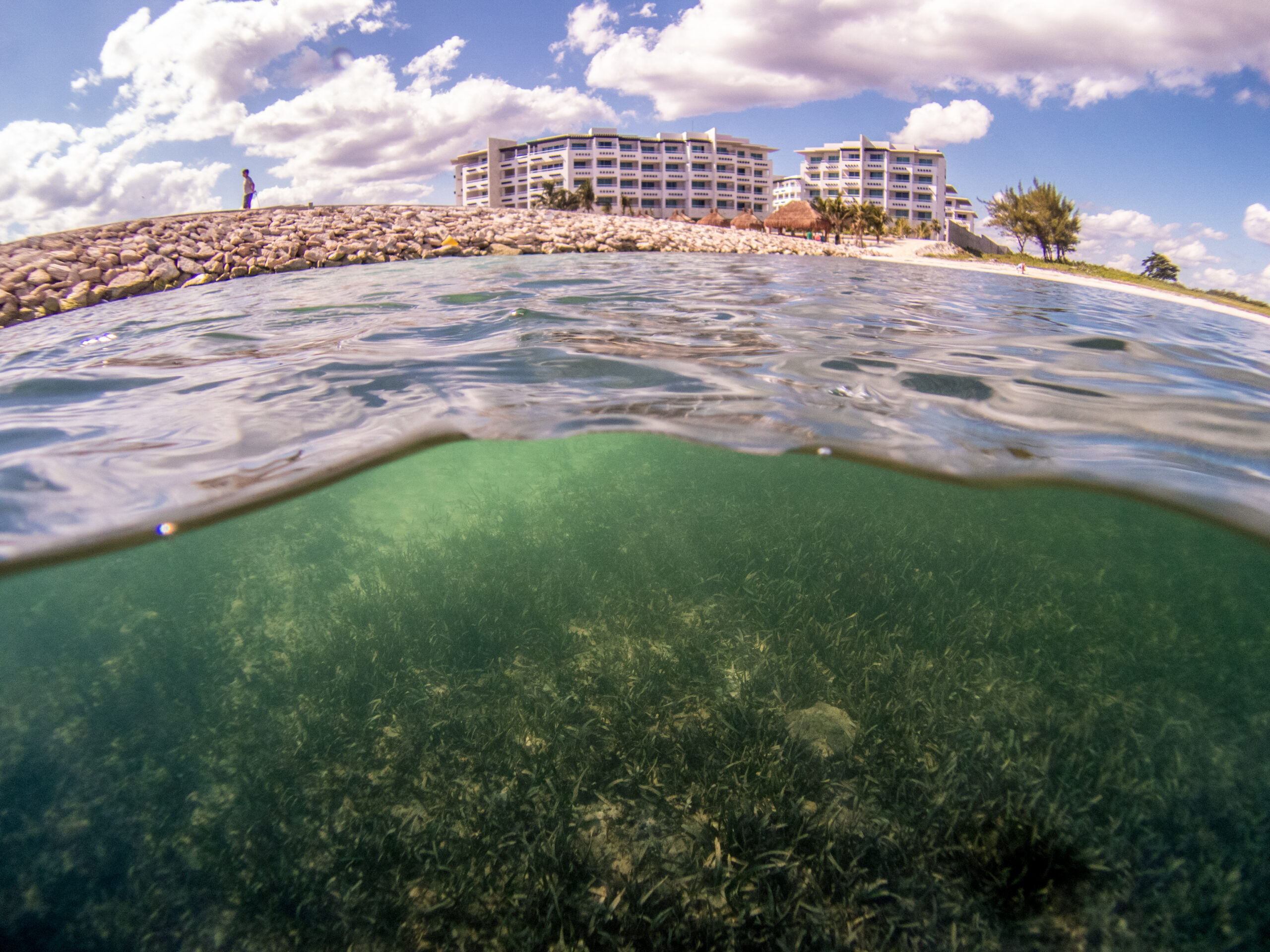
A new global analysis finds that many of the world’s most threatened seagrass meadows lie within designated Marine Protected Areas (MPAs), raising urgent questions about the effectiveness of current protections for coastal habitats and offering a chance opportunity to rethink global ocean conservation. The study, led by a team of
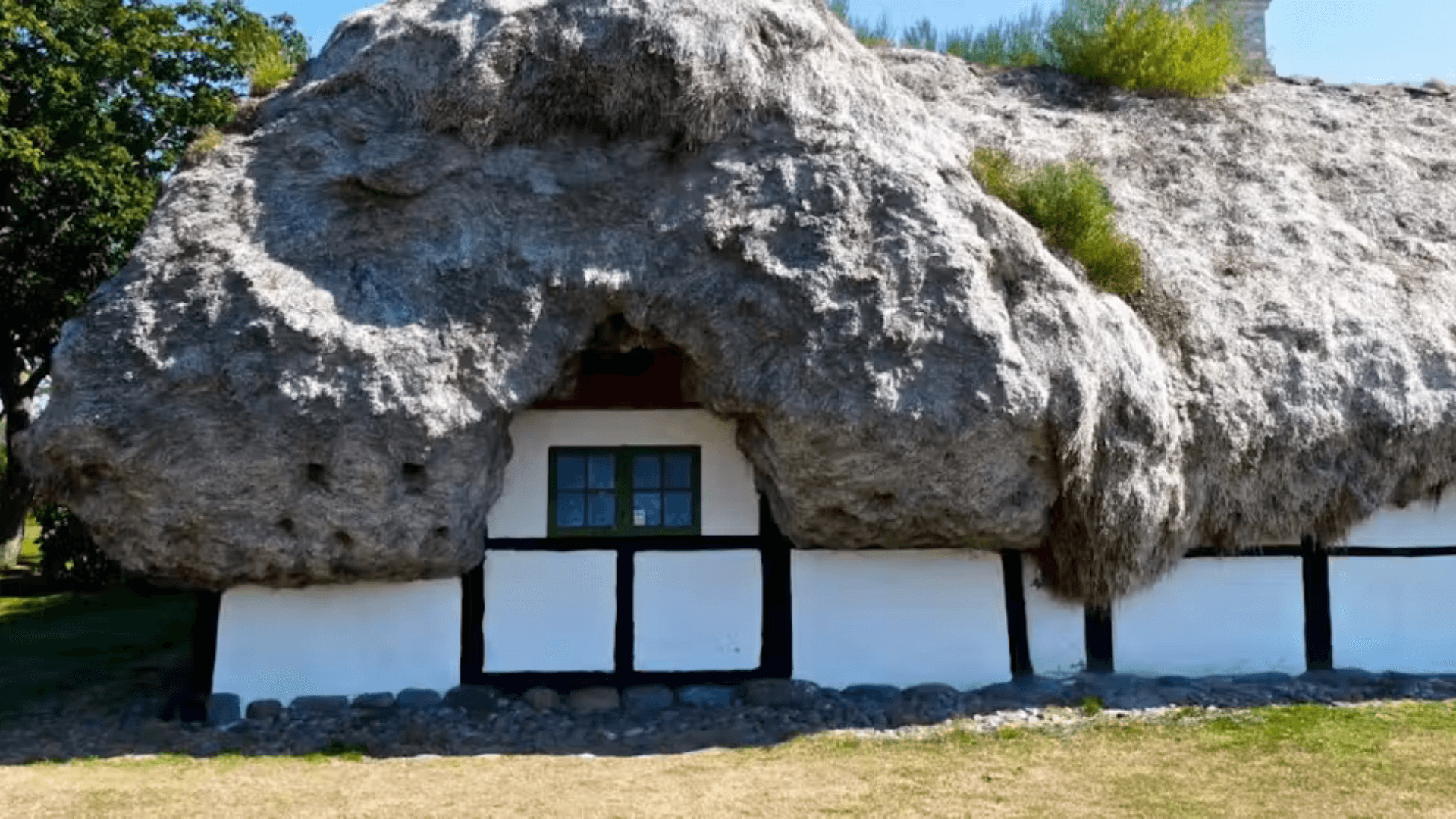
For millennia, humans lived as hunter-gatherers. Savannas and forests are often thought of as the cradle of our lineage, but beneath the waves, a habitat exists that has quietly supported humans for over 180,000 years. Archaeological evidence suggests that early humans migrated along coasts, avoiding desert and tundra. So, as Homo spread from

During the 2020-21 academic year Project Seagrass welcomed Emma Butterworth to undertake an internship. In our Q&A, Emma shares her experiences of her internship with Project Seagrass and discusses what she has gone on to do next. Who/What inspired you to apply for an internship at Project Seagrass? It all

During the 2021-22 academic year Project Seagrass welcomed Ellie Postlethwaite to undertake an internship. In our Q&A, Ellie shares her experiences of her internship with Project Seagrass and discusses what she has gone on to do next. Who/What inspired you to apply for an internship at Project Seagrass? As a
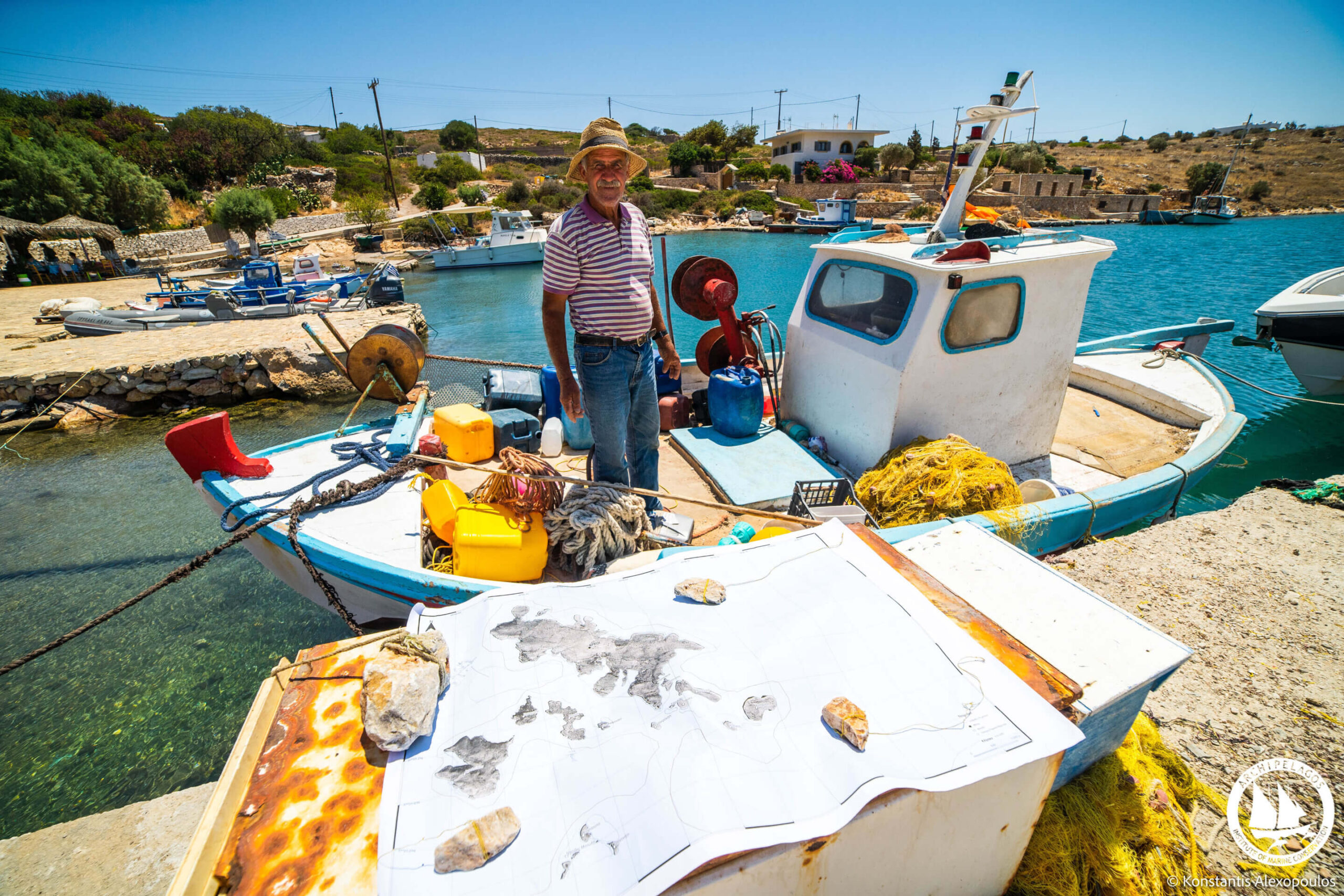
Published in the journal Ocean and Coastal Management, the research set out to establish the value of local ecological knowledge (LEK) and its ability to generate high-quality habitat maps around five Greek islands in the eastern Aegean Sea. Ten fishermen, based on their individual experience and knowledge, were asked to pinpoint areas
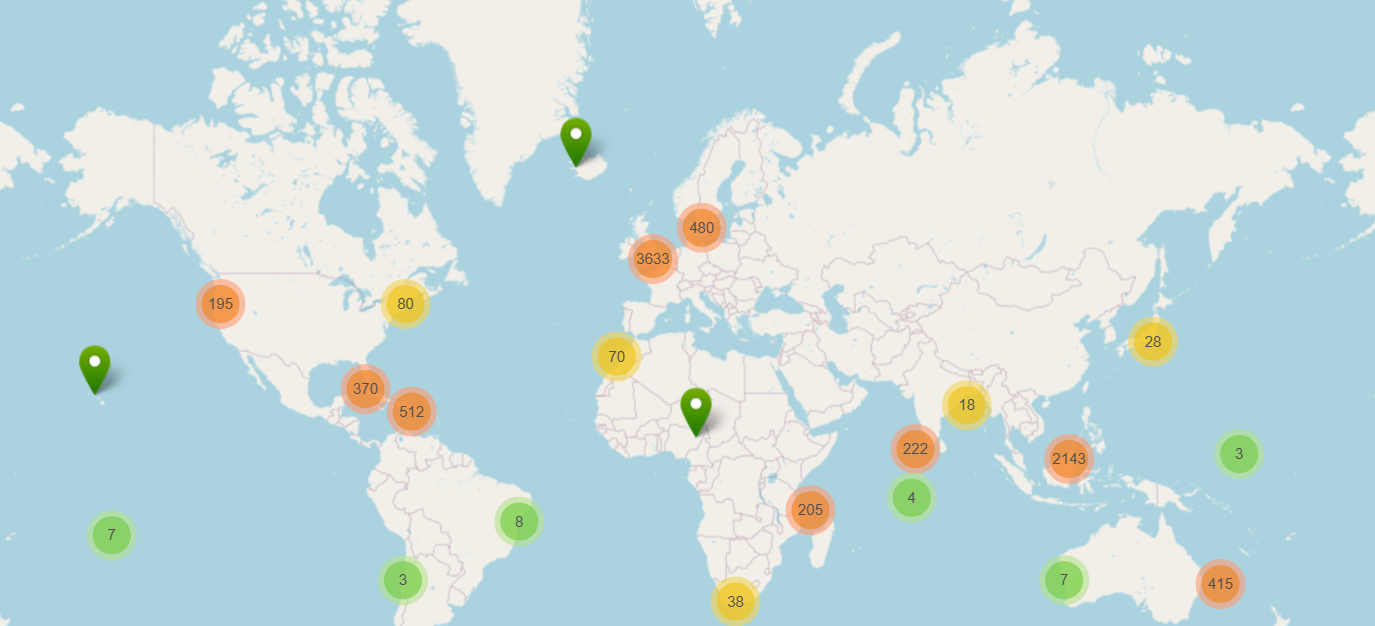
To protect and restore seagrass, we need reliable maps showing where seagrass is growing and how this is changing over time. Global seagrass distribution and status is difficult to map and monitor, largely due to its widespread distribution and the relatively limited scientific resources focused on seagrass. Mapping work to