
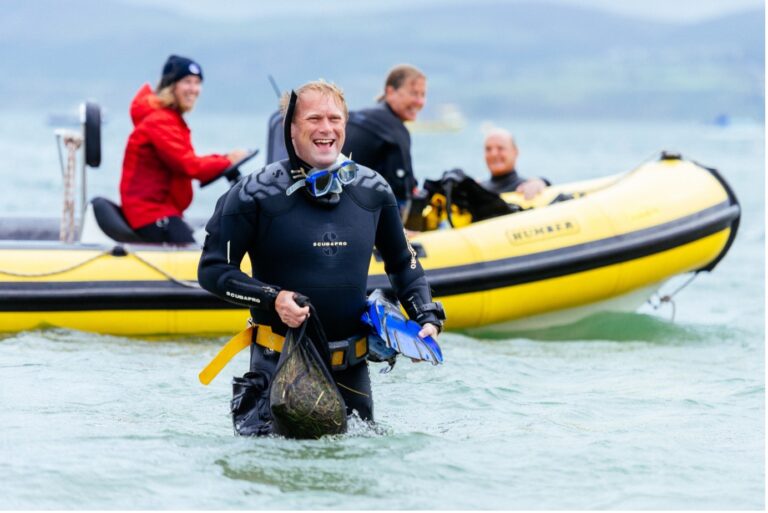
Dr Benjamin Jones, Chief Conservation Officer at Project Seagrass has started his two-year term as President of the World Seagrass Association (WSA). He steps up to the role having been elected at the WSA Annual General Meeting (AGM) in December 2022. Prior to this he’s served on the WSA Steering
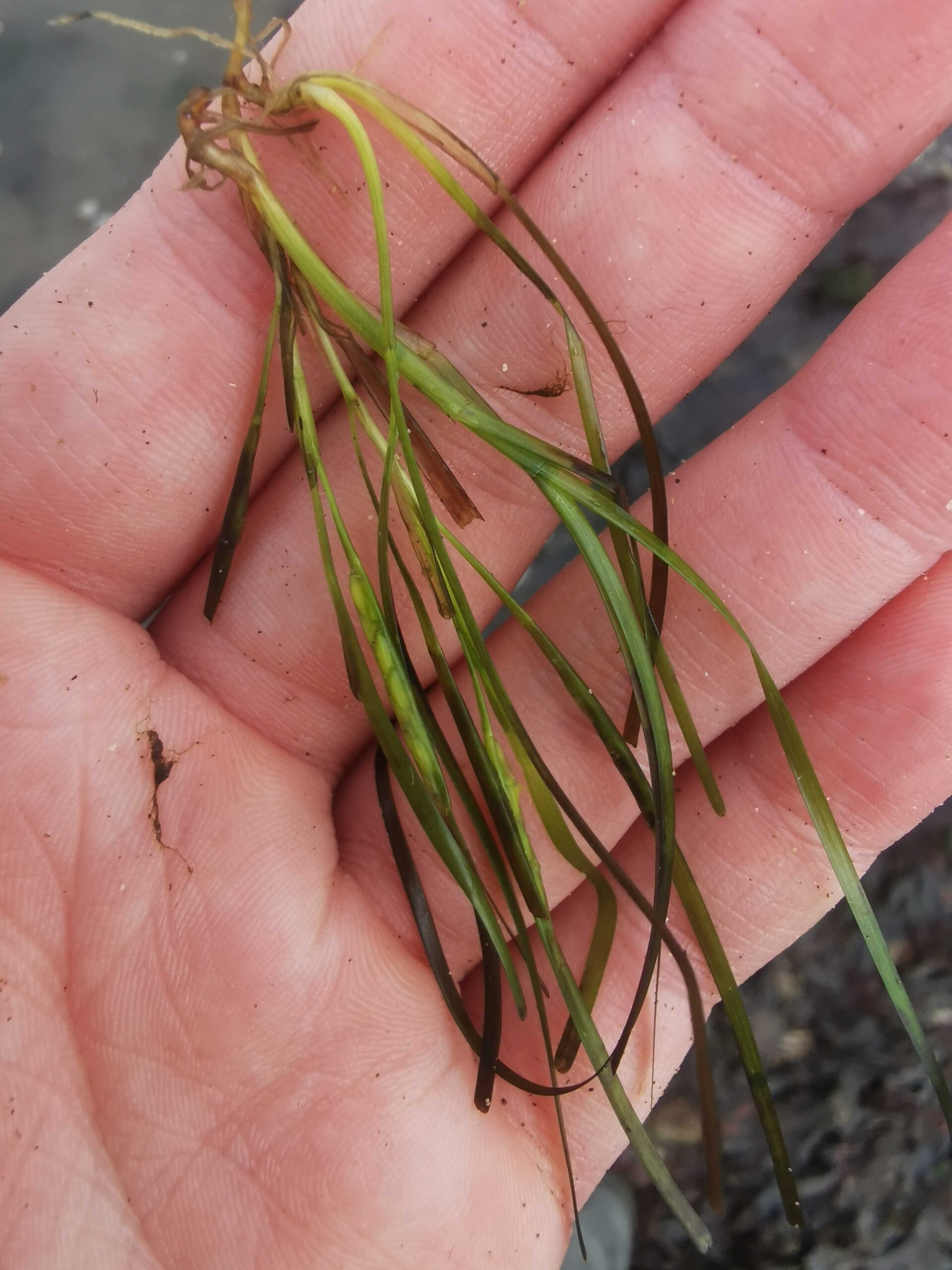
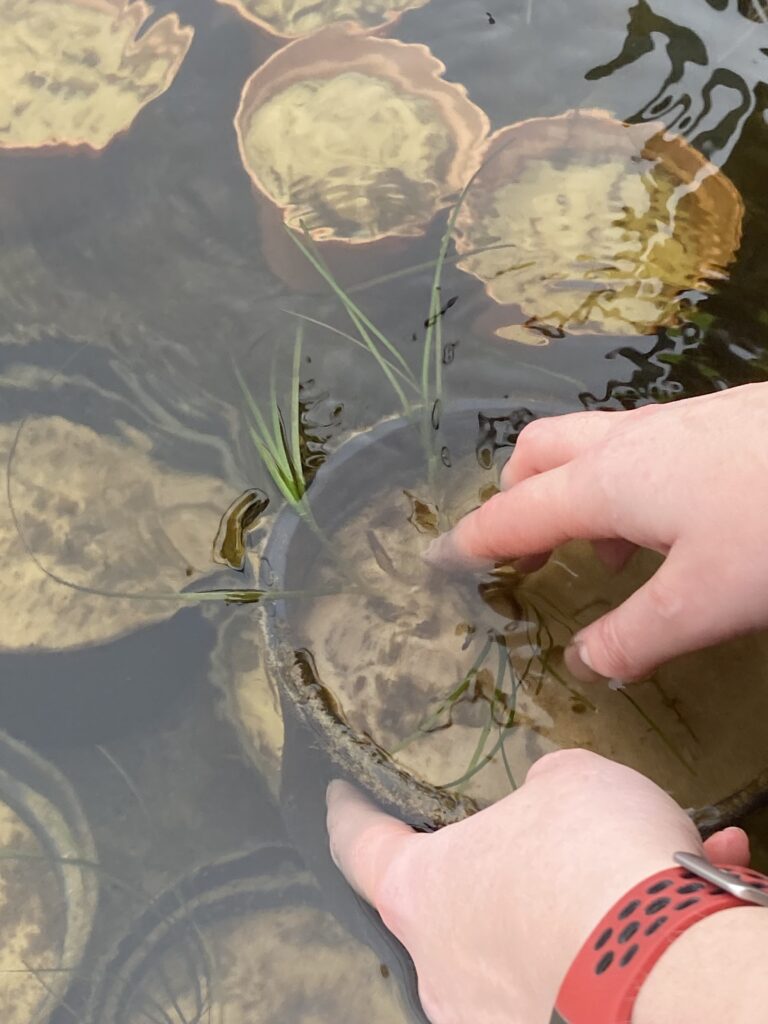
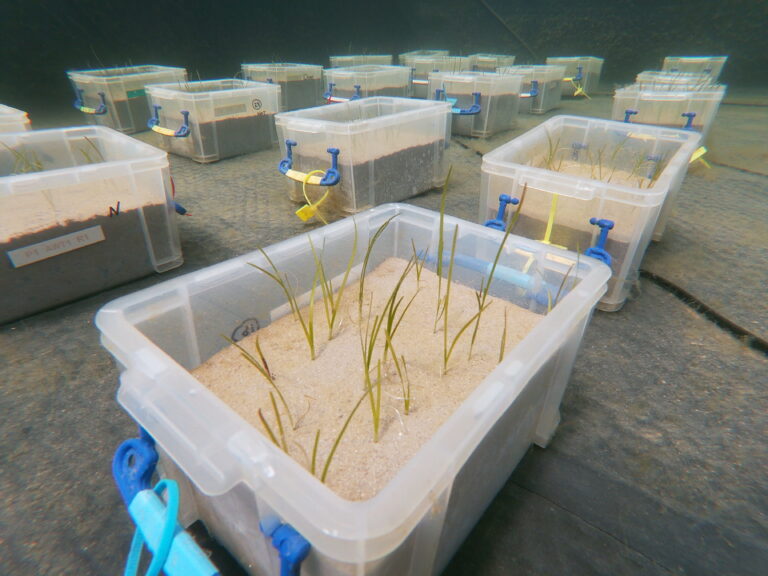
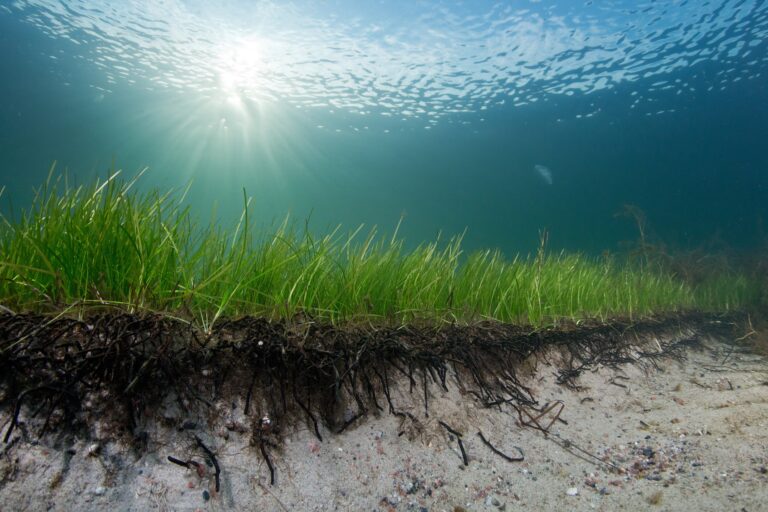
The sea devours large tracts of land when storms wash sand out to sea from the coast. A new study involving a researcher from the University of Gothenburg has shown that seagrass can reduce cliff erosion by up to 70% thanks to its root mats binding the sand. Coastal erosion
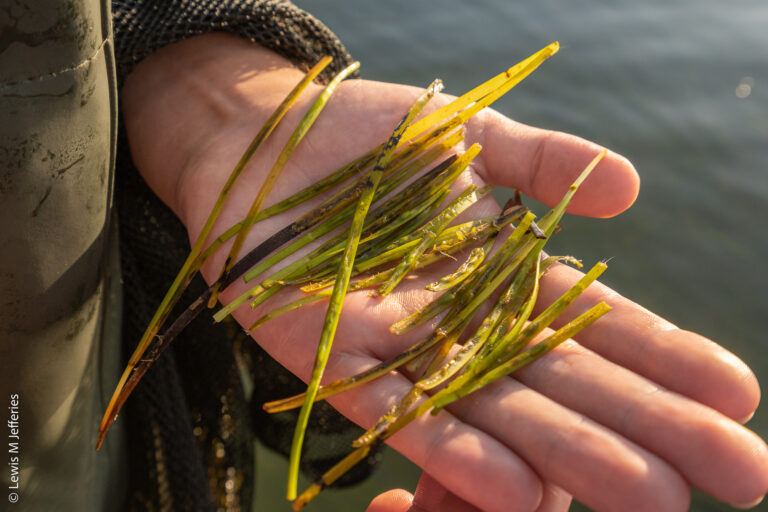
Dr Richard Unsworth, Project Seagrass and Swansea University The seas around Wales have so much potential. They offer rich biodiversity hidden within productive lush habitats such as kelp forests, salt marshes and seagrass meadows. Life in these waters can be so ingenious that it bioengineers its own environment. Out of

This Thursday 6th October, Project Seagrass will be taking part in the Running Out of Time climate relay. The relay runs from COP26 to COP27 – from Glasgow, Scotland all the way to Sharm el-Sheikh, Egypt. It takes place over 38 days across 18 countries to carry a relay baton
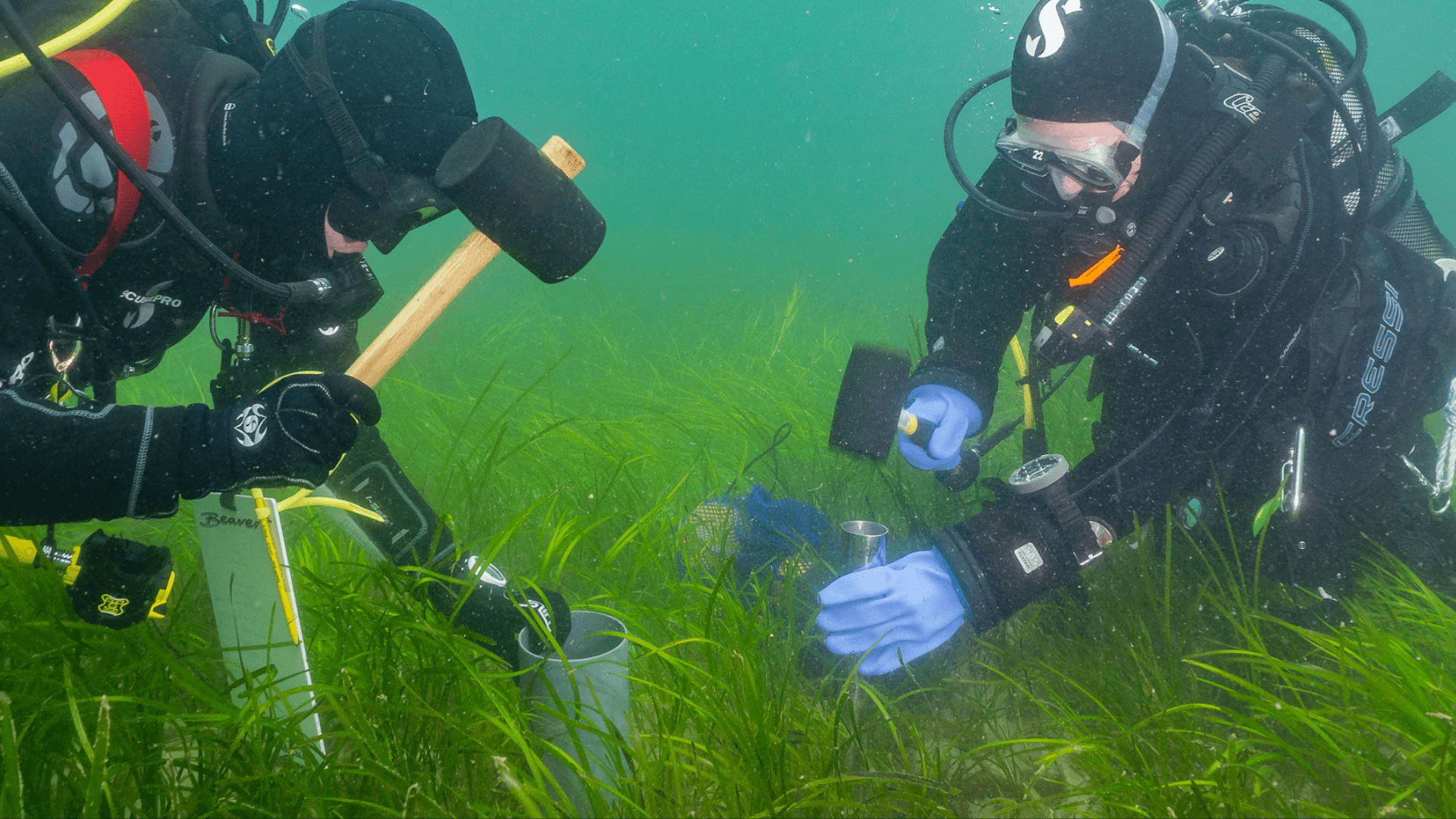
The Scottish Seagrass Collaborative, responds to Crown Estate Scotland’s Approach to Marine Enhancement Proposals: We write as marine scientists, restoration practitioners, and organisations working across Scotland’s coasts and seas, in response to Crown Estate Scotland’s Approach to Marine Enhancement Proposals. We welcome Crown Estate Scotland’s commitment to responsible stewardship of
Two weeks ago, I joined colleagues and collaborators at the Coastal Futures Conference at the Royal Geographical Society in London. The theme this year was ‘From Ambition to Action’, a sentiment that seems to be playing on repeat across the conferencing world with, with yet and seemingly as always, not
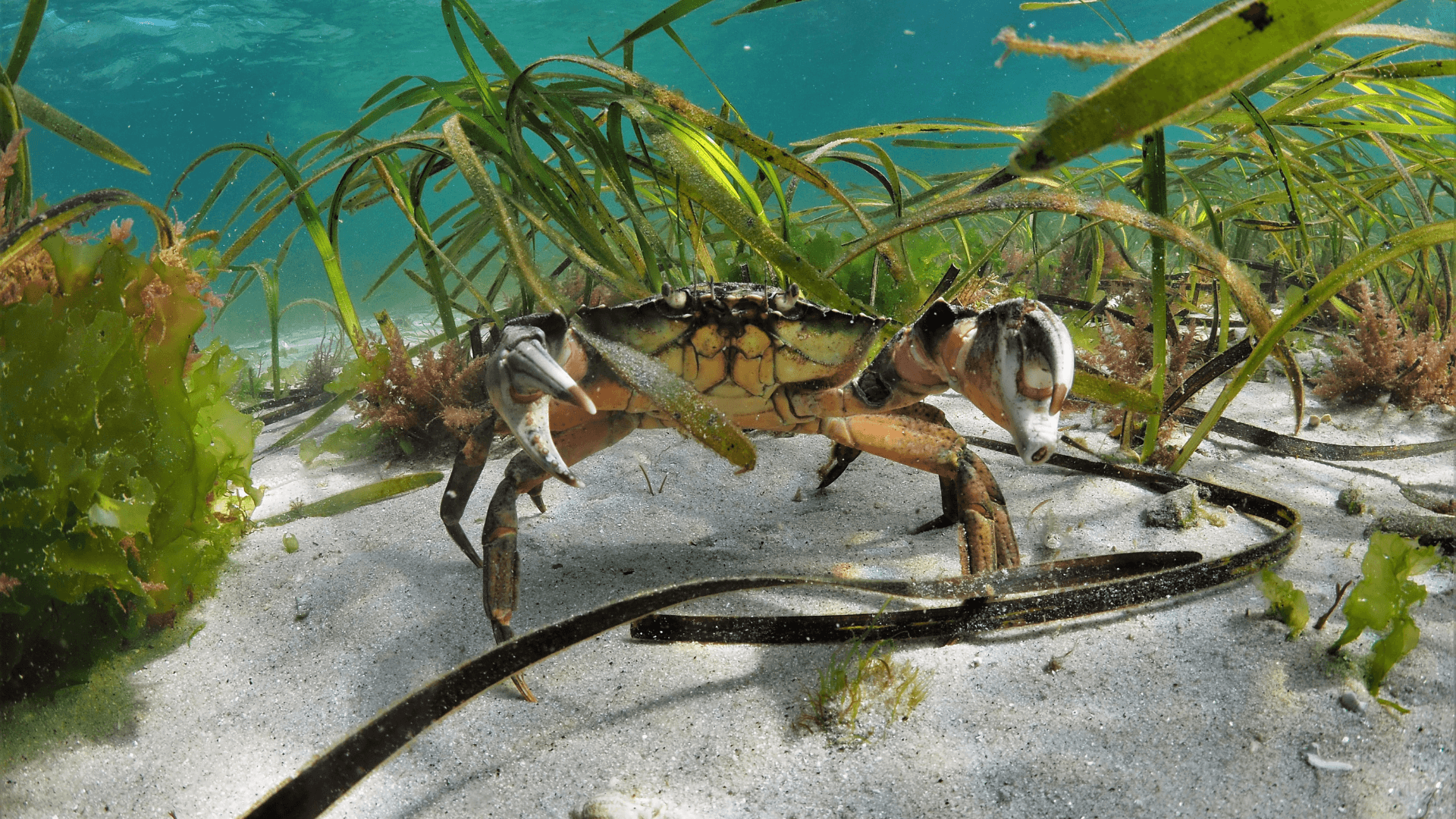
In this blog series, our Conservation Trainee Abi David explores some of the amazing creatures that call seagrass meadows their home. The shore crab, also known as the green crab, are contentious within the seagrass world. They have important ecological roles within their habitats, but their tendency towards destruction and
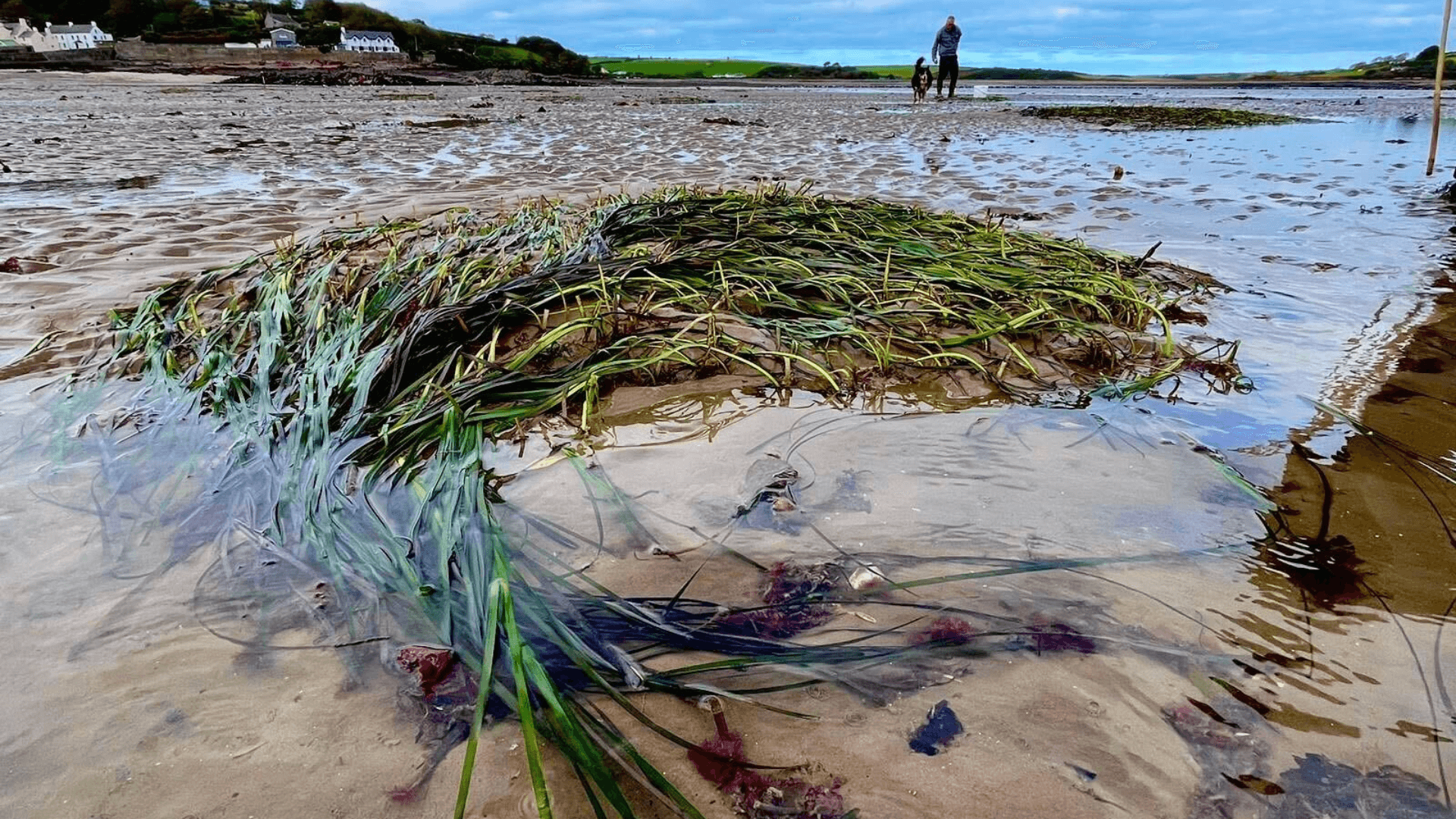
In Dale Bay, Pembrokeshire, a collaboration between local fishers and marine conservation charity Project Seagrass is showing positive results for both sustainable fishing and seagrass restoration. Dale Bay is the location of an ongoing seagrass restoration project, delivered by South Wales based charity Project Seagrass and overseen by the Dale
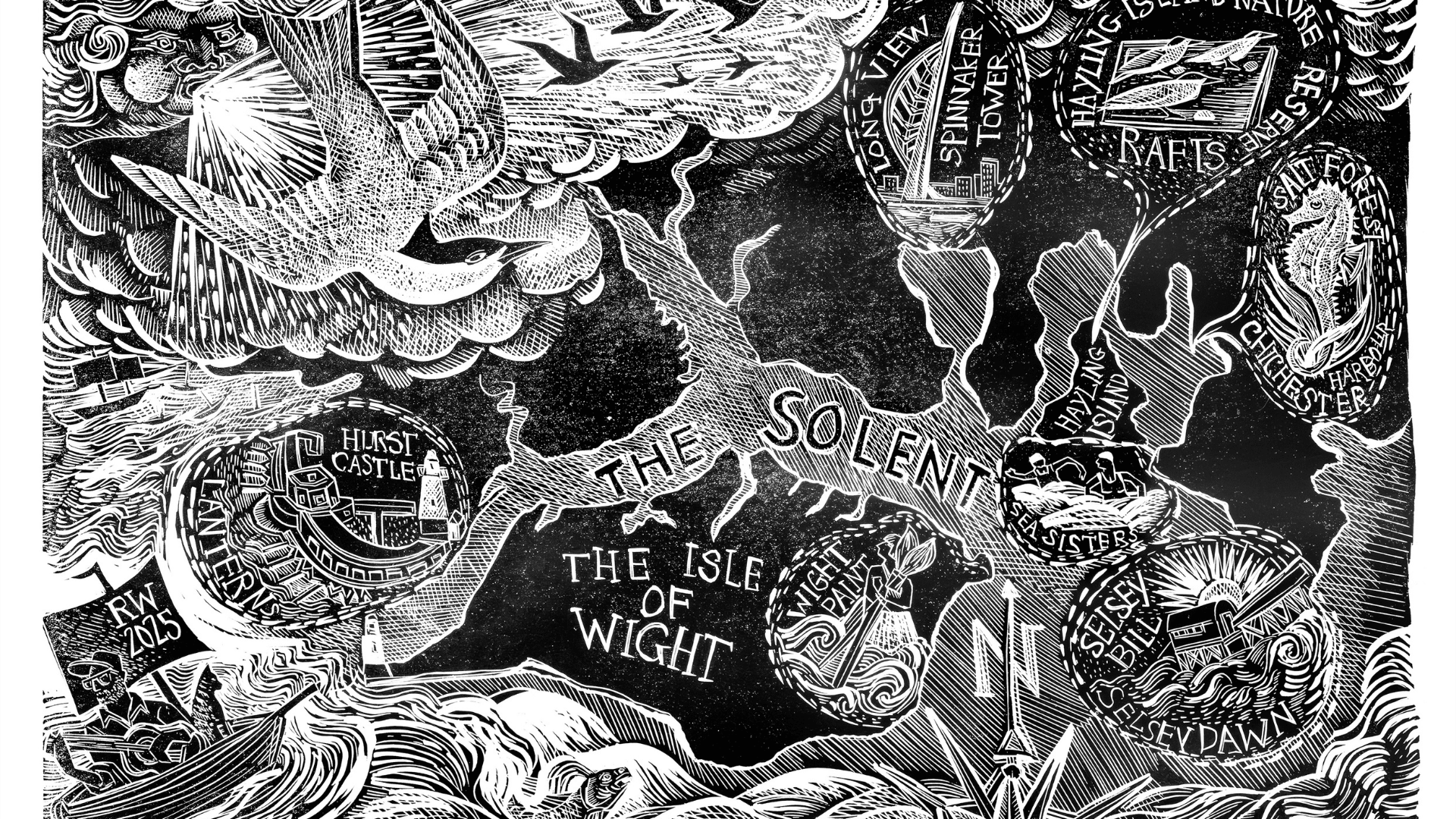
Grammy-nominated singer and Solent Seascape Project collaborate with Jeremy Irons and Angela Harding to celebrate and protect the region’s coastal habitats. The Solent Seascape Project, of which Project Seagrass is a partner, has launched Songs from the Solent, a new EP by Grammy-nominated singer and songwriter Richard Walters that uses music to spotlight the Solent’s threatened coastal habitats
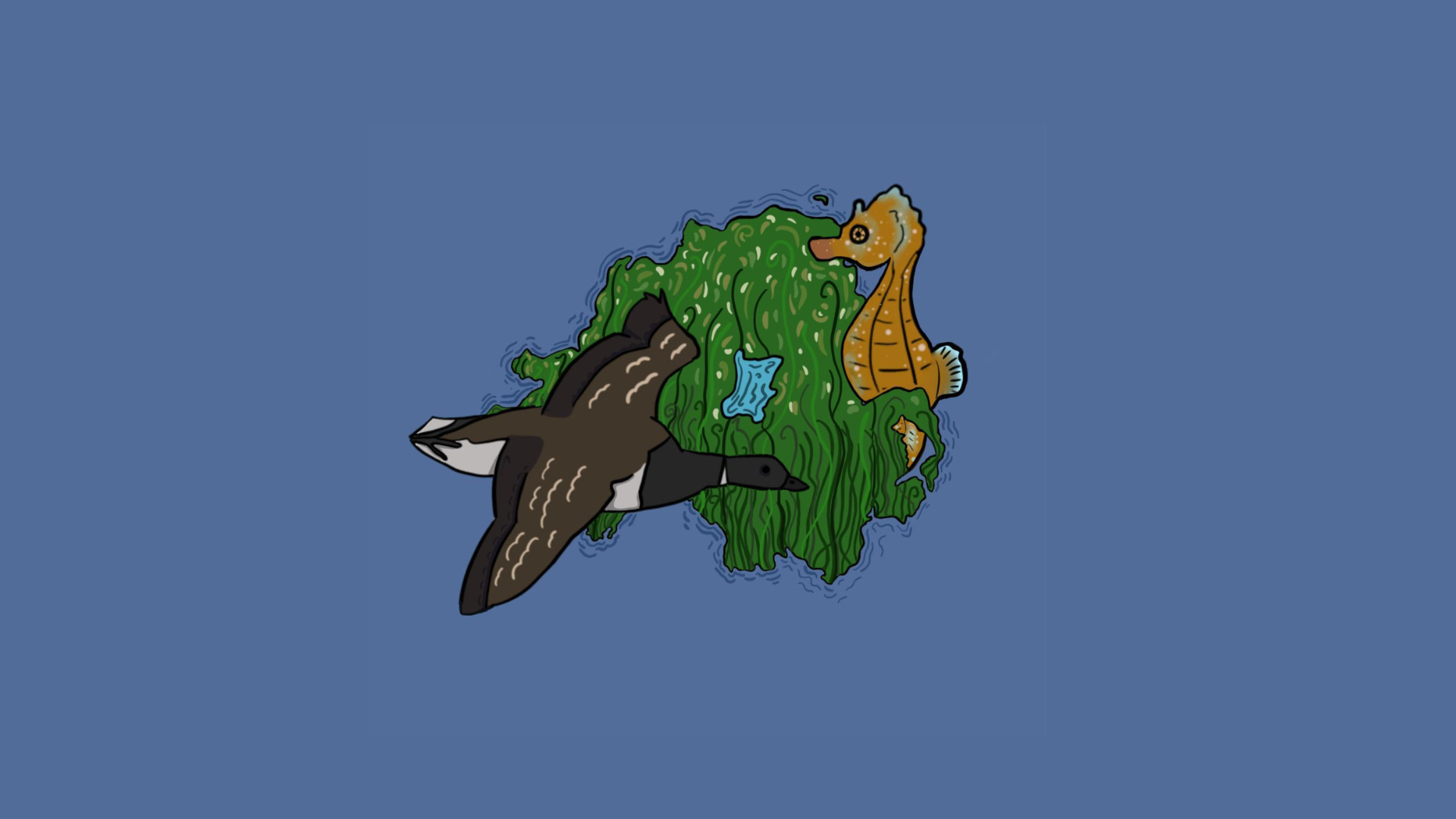
Grace Cutler, one of our 2025-26 Project Seagrass interns, reflects on Rebekah Bajkó’s research, Coastal Roots: The History of Seagrass in Northern Ireland. Northern Irish Seagrass In November 2025, I attended the UK Seagrass Symposium, an exciting conference hosted every two years to highlight the current state of seagrass research