
Dr Benjamin Jones, Chief Conservation Officer at Project Seagrass has started his two-year term as President of the World Seagrass Association (WSA). He steps up to the role having been elected at the WSA Annual General Meeting (AGM) in December 2022. Prior to this he’s served on the WSA Steering
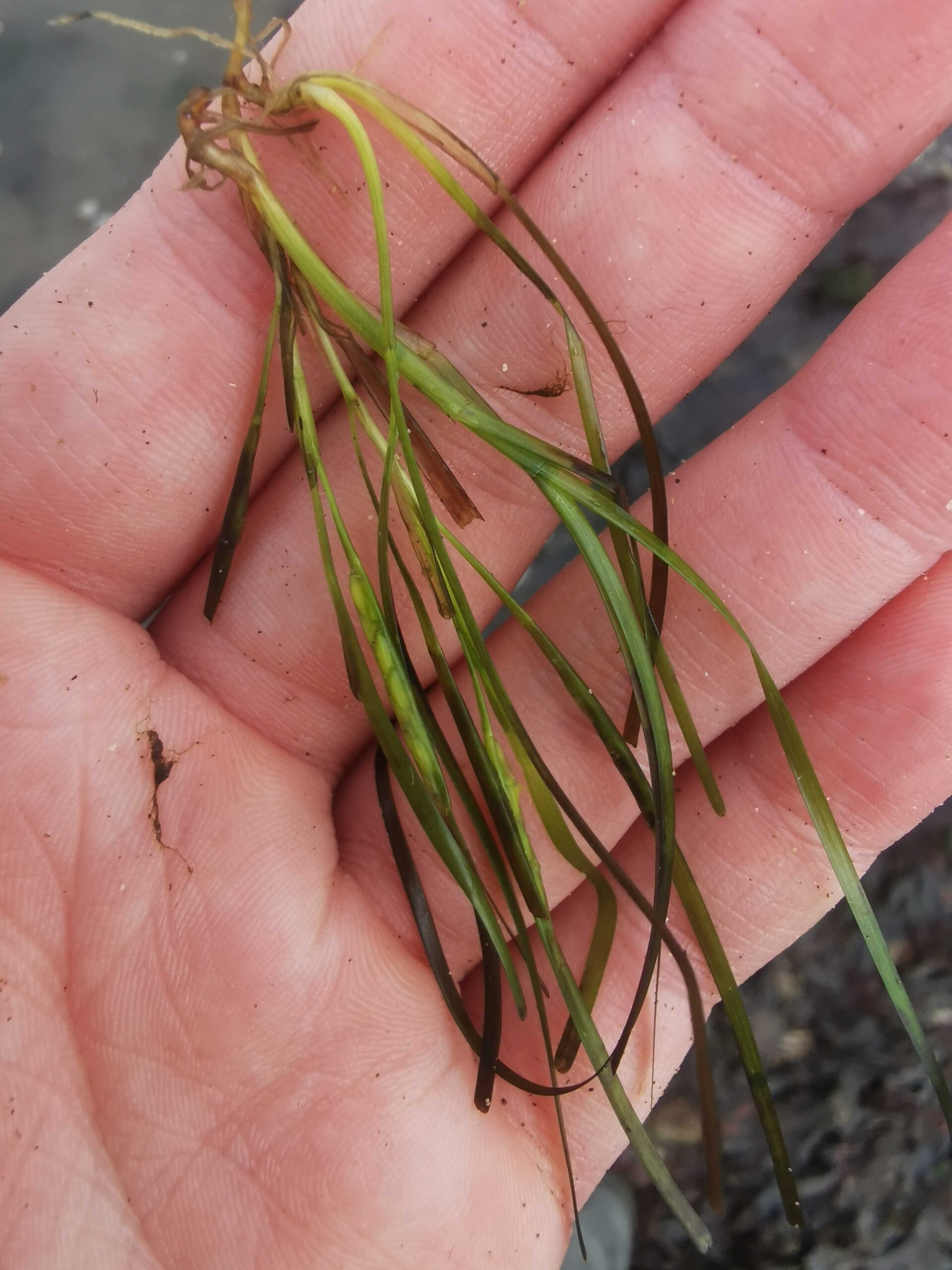
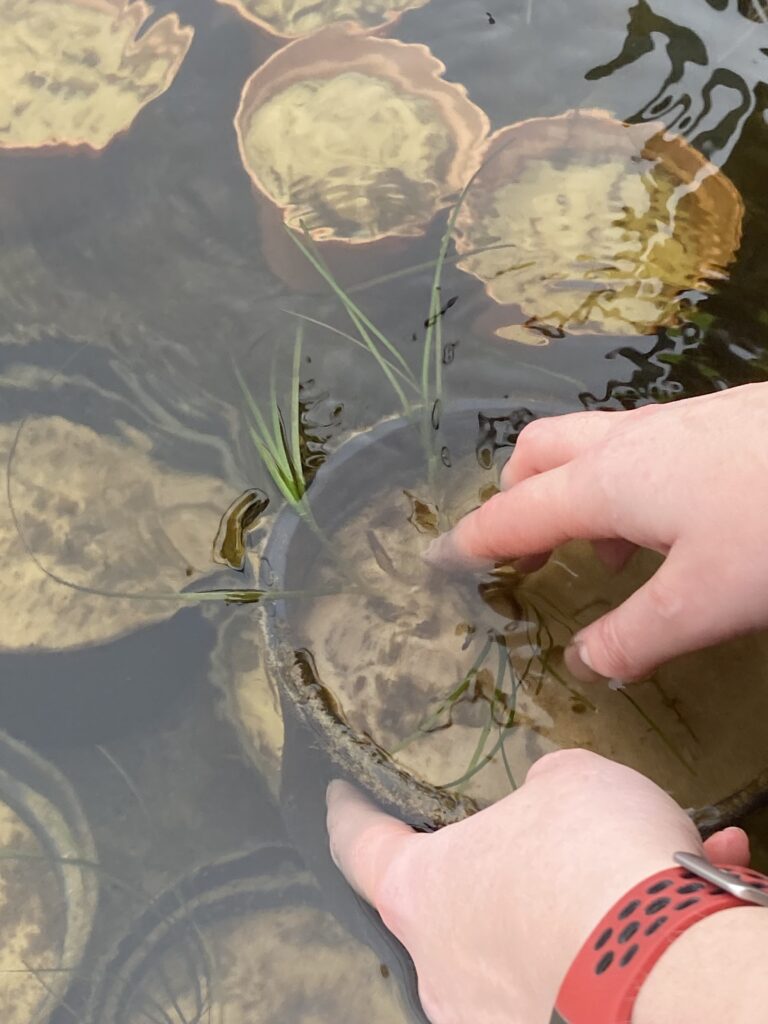
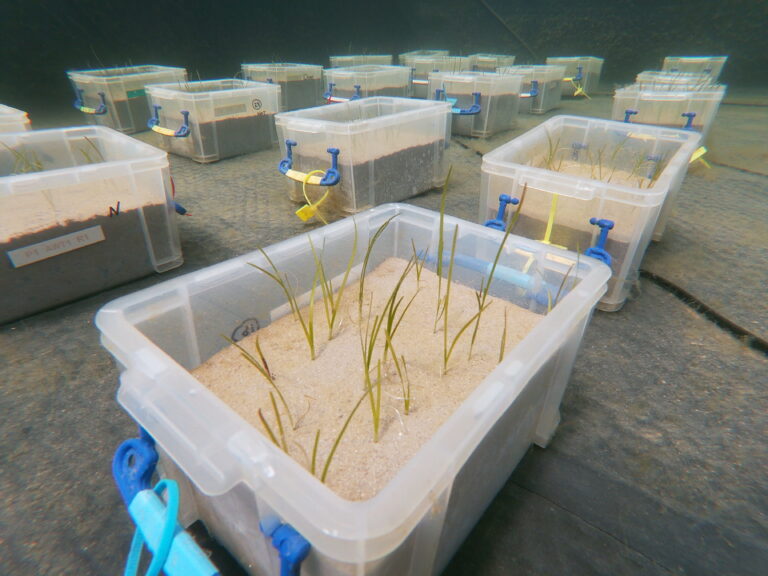
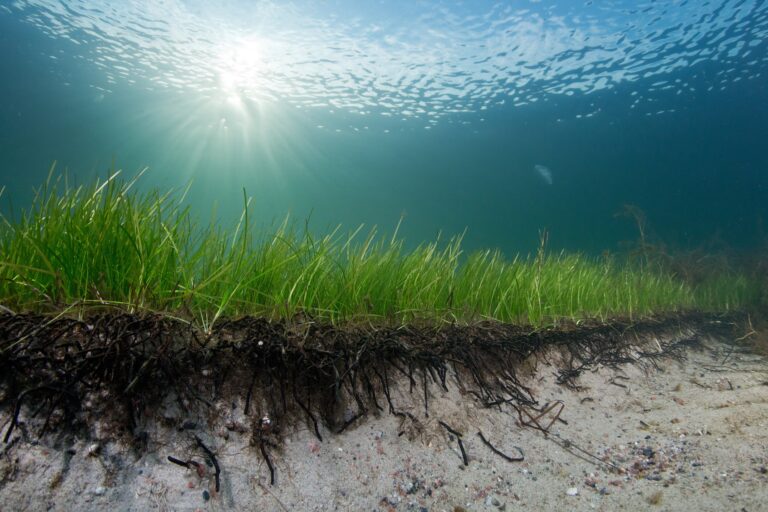
The sea devours large tracts of land when storms wash sand out to sea from the coast. A new study involving a researcher from the University of Gothenburg has shown that seagrass can reduce cliff erosion by up to 70% thanks to its root mats binding the sand. Coastal erosion
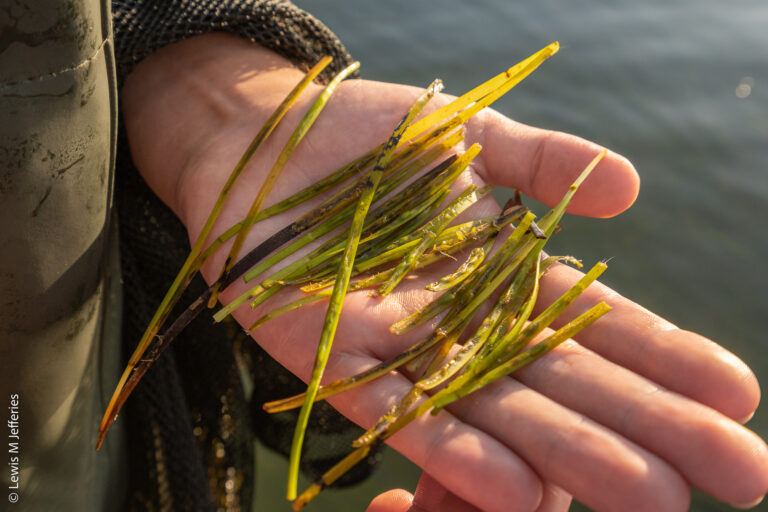
Dr Richard Unsworth, Project Seagrass and Swansea University The seas around Wales have so much potential. They offer rich biodiversity hidden within productive lush habitats such as kelp forests, salt marshes and seagrass meadows. Life in these waters can be so ingenious that it bioengineers its own environment. Out of
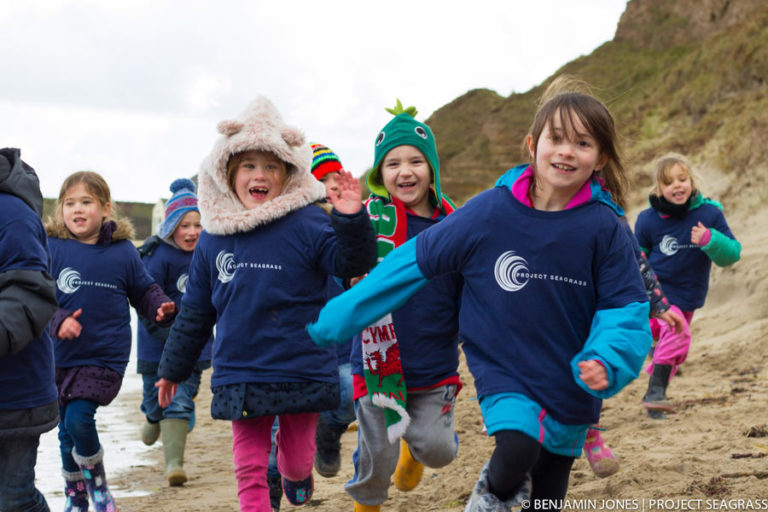
This Thursday 6th October, Project Seagrass will be taking part in the Running Out of Time climate relay. The relay runs from COP26 to COP27 – from Glasgow, Scotland all the way to Sharm el-Sheikh, Egypt. It takes place over 38 days across 18 countries to carry a relay baton
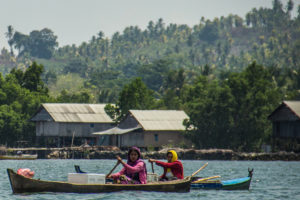
Today on international women’s day 2018 we collectively acknowledge and celebrate women’s achievements throughout history and across nations. It is also known as the United Nations (UN) Day for Women’s Rights and International Peace. Absolutely a day for shared and international celebration. Throughout history and across the world women have
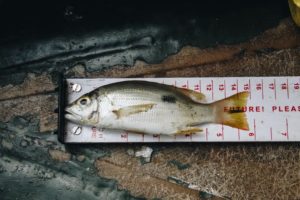
At least 7.3m tons of fish (usually dead or dying) are thought to be discarded each year from marine fisheries around the world. But these estimates come mostly from observations of large-scale industrial fisheries. Limited attention has been paid to small-scale fisheries, which are assumed to have low discard rates –
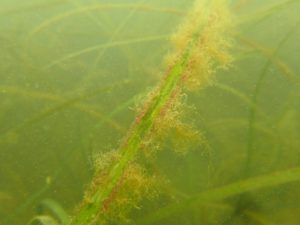
Britain’s seagrass is a refuge for numerous species of fish, stabilises sandy beaches, and helps to lock away the carbon which humans produce. The meadows that surround the country’s coast have been called the “canaries of the sea”, due to their sensitivity to a changing environment. And like a canary
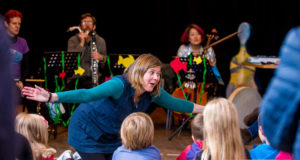
Hello Team Seagrass! I am Rufus, a volunteer with Project Seagrass and a marine biology graduate from the University of St Andrews. Since graduating in June 2017, I have begun working for the Scottish Chamber Orchestra’s Connect team and the University of St Andrews’ Music Centre. In this split position, I get to enjoy
Happy New Year Team Seagrass! I can’t believe it’s 2018 already, and I’m sure that is a sentiment we all share! 2017 was an unbelievable year for all kinds of reasons, yet despite the crazy world we now seem to live in, for a few of us it has been
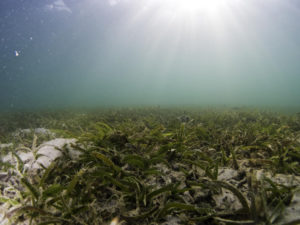
The savannahs of the seas – our humble seagrass meadows are in peril In its Green Seas episode, Blue Planet II introduced us to seagrass meadows. Scarcely touched upon in past media when compared to coral reefs, mangroves and even kelp forests, we learnt about the vast potential of these