
Dr Benjamin Jones, Chief Conservation Officer at Project Seagrass has started his two-year term as President of the World Seagrass Association (WSA). He steps up to the role having been elected at the WSA Annual General Meeting (AGM) in December 2022. Prior to this he’s served on the WSA Steering
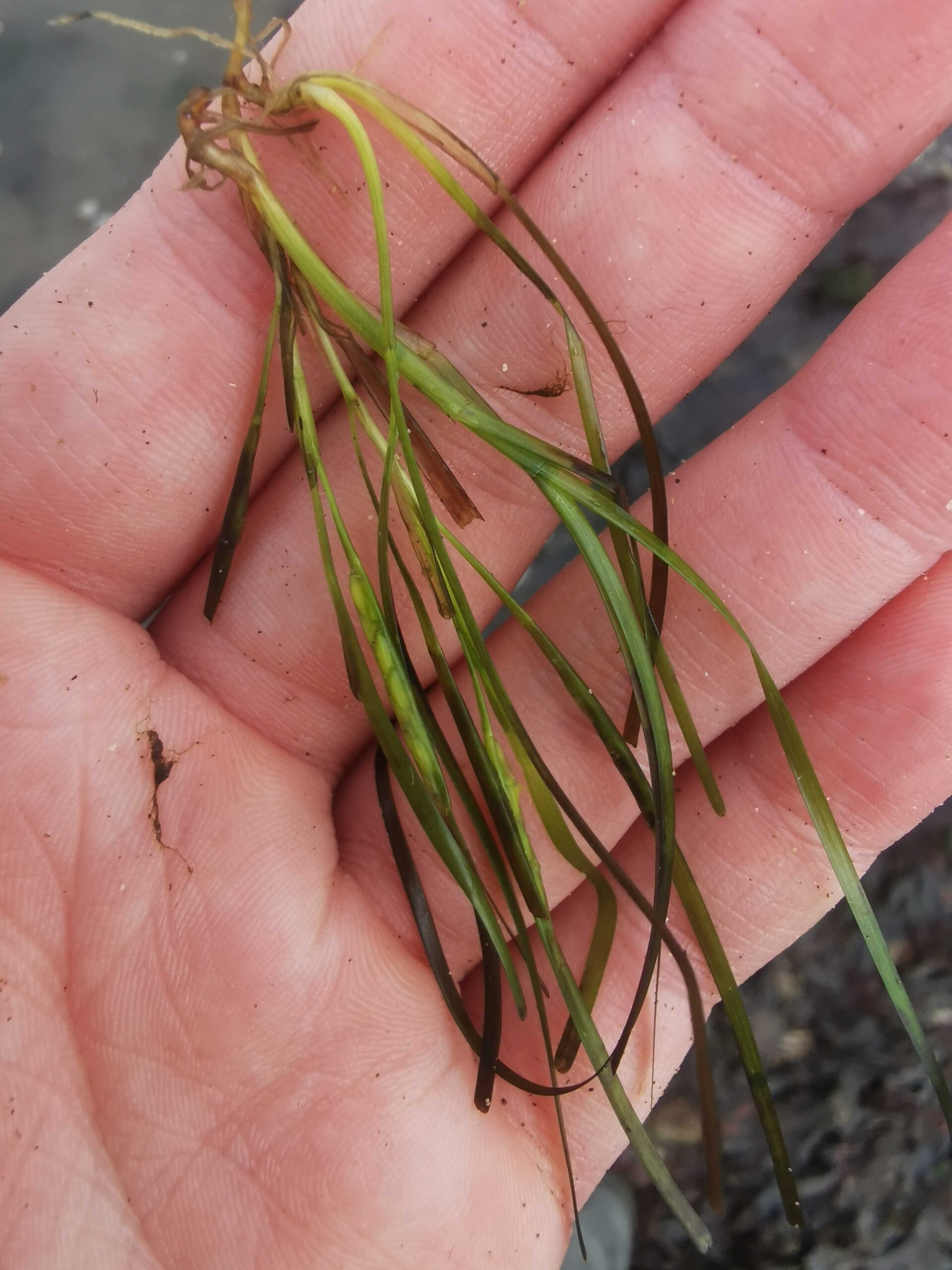
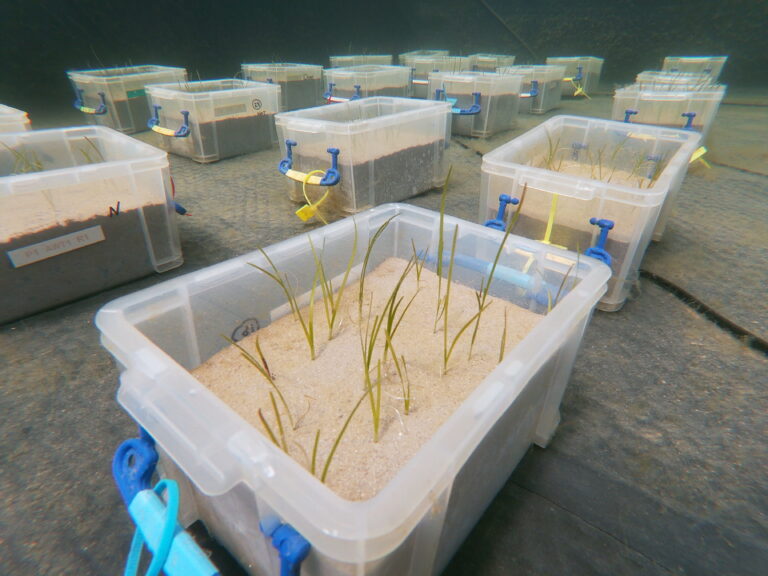
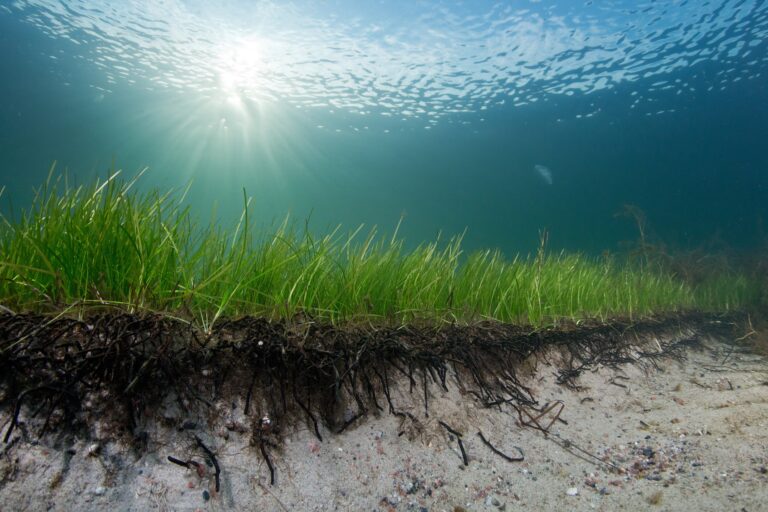
The sea devours large tracts of land when storms wash sand out to sea from the coast. A new study involving a researcher from the University of Gothenburg has shown that seagrass can reduce cliff erosion by up to 70% thanks to its root mats binding the sand. Coastal erosion
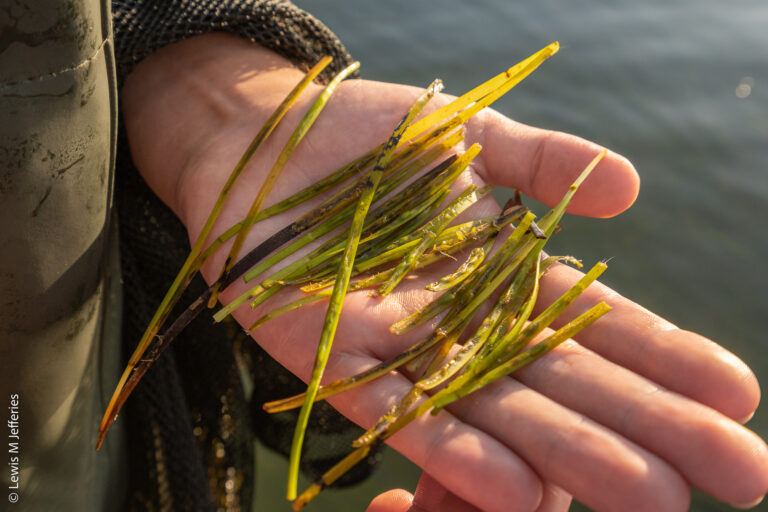
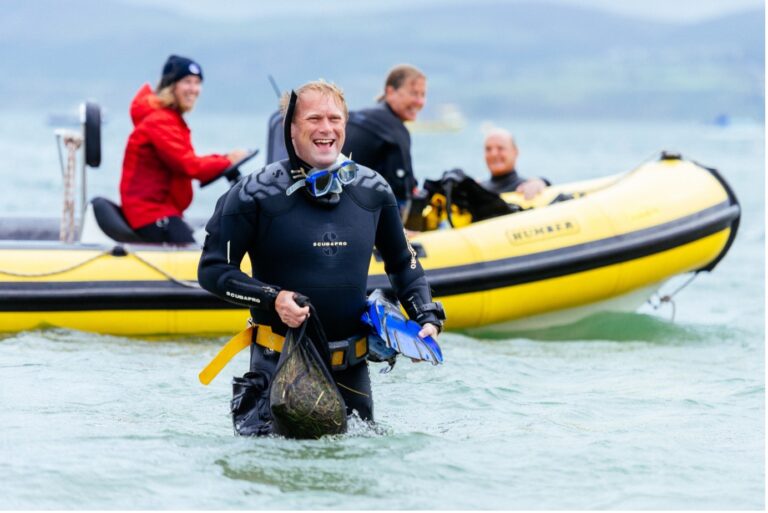
Dr Richard Unsworth, Project Seagrass and Swansea University The seas around Wales have so much potential. They offer rich biodiversity hidden within productive lush habitats such as kelp forests, salt marshes and seagrass meadows. Life in these waters can be so ingenious that it bioengineers its own environment. Out of

This Thursday 6th October, Project Seagrass will be taking part in the Running Out of Time climate relay. The relay runs from COP26 to COP27 – from Glasgow, Scotland all the way to Sharm el-Sheikh, Egypt. It takes place over 38 days across 18 countries to carry a relay baton
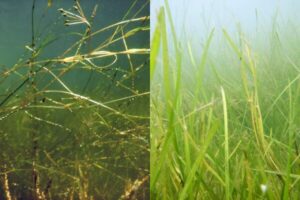
Mangroves are growing in areas historically dominated by salt marshes and oyster reefs. Invasive pacific oysters are replacing native blue mussels in the Wadden Sea. Macroalgae are exhibiting dominance over hard corals in the Caribbean and Indo-Pacific. Climate change-driven shifts in dominant, habitat-forming species such as these can have significant
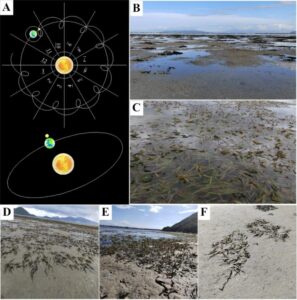
Seagrass, a group of aquatic angiosperms, grows in shallow waters in the coastal sea and contributes most of the primary production while participating in many important ecological processes. Heat stress threatens the survival of seagrass, but its damage mechanisms are unclear. Recently, a research team led by Prof. Liu Jianguo
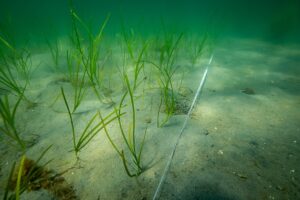
A study of eelgrass meadows planted by researchers from the University of Gothenburg shows that fauna return rapidly once the eelgrass has started to grow. Already after the second summer, the biodiversity in the planted meadow was almost the same as in old established eelgrass meadows. Eelgrass meadows have declined
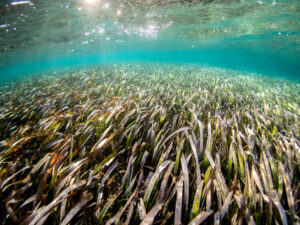
In Florida alone, thousands of acres of marine seagrass beds have died. Major seagrass die-offs also are occurring around the world. Stressors such as high temperature, hypersalinity and hypoxia or lack of oxygen affect seagrasses’ ability to resist and recover from these stressor-related mortality events or when disturbances lead to
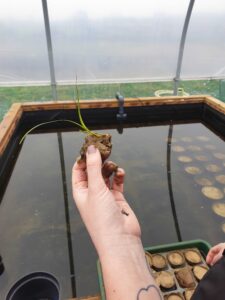
By Emily Yates To donate to our Aviva Community Funds and find out more, click the links below: Making marine conservation more accessible Saving the worlds seagrass Developing the Project Seagrass nursery