
Dr Benjamin Jones, Chief Conservation Officer at Project Seagrass has started his two-year term as President of the World Seagrass Association (WSA). He steps up to the role having been elected at the WSA Annual General Meeting (AGM) in December 2022. Prior to this he’s served on the WSA Steering
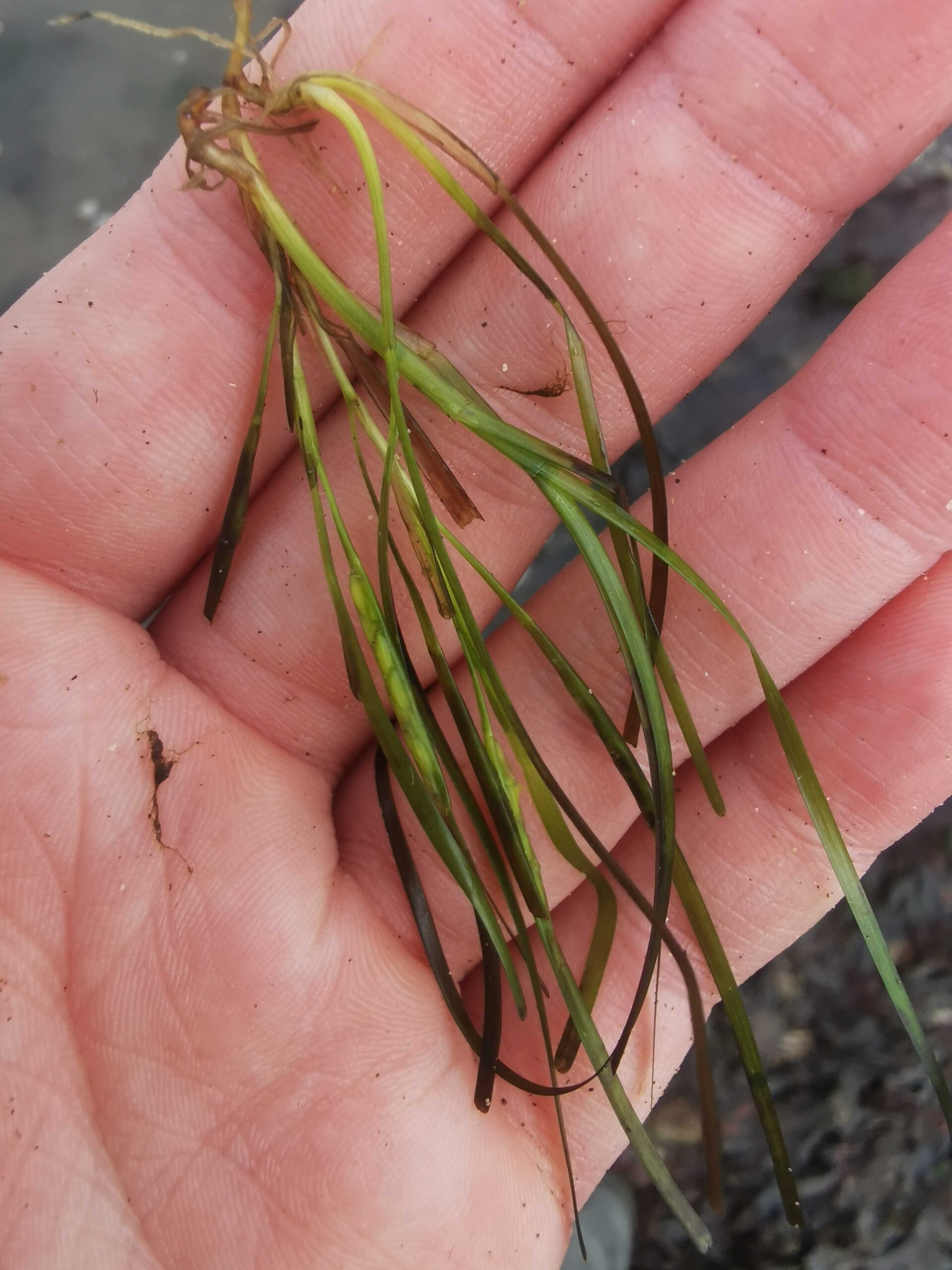
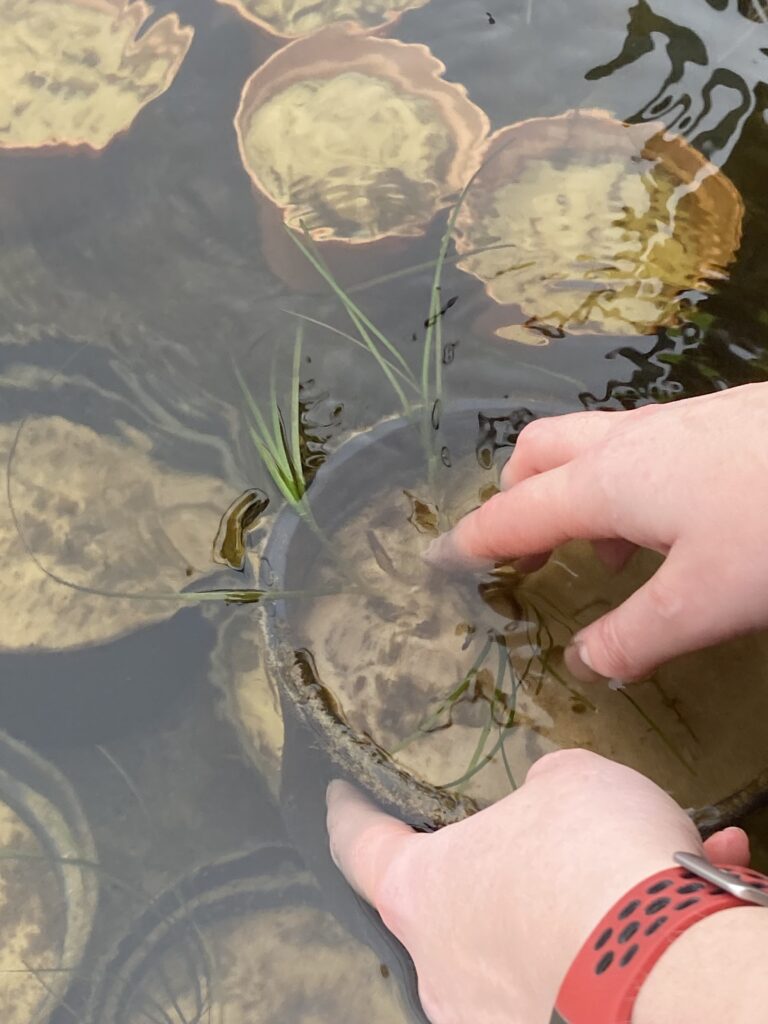
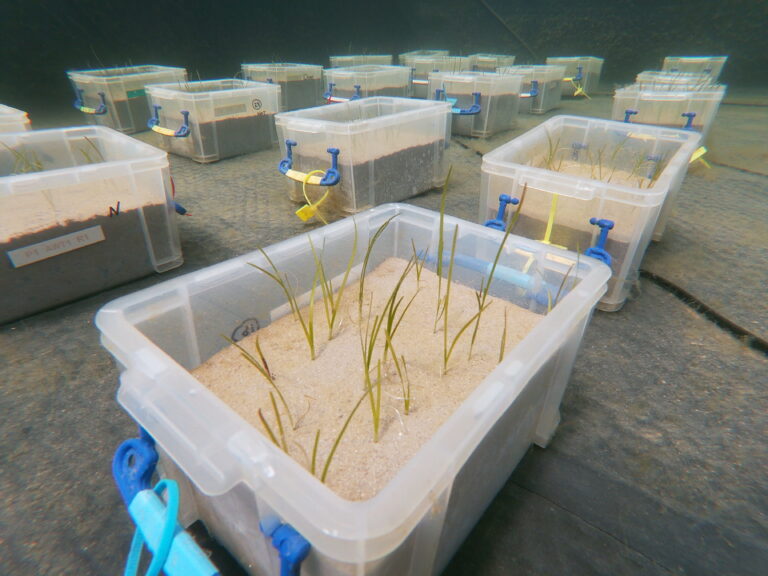
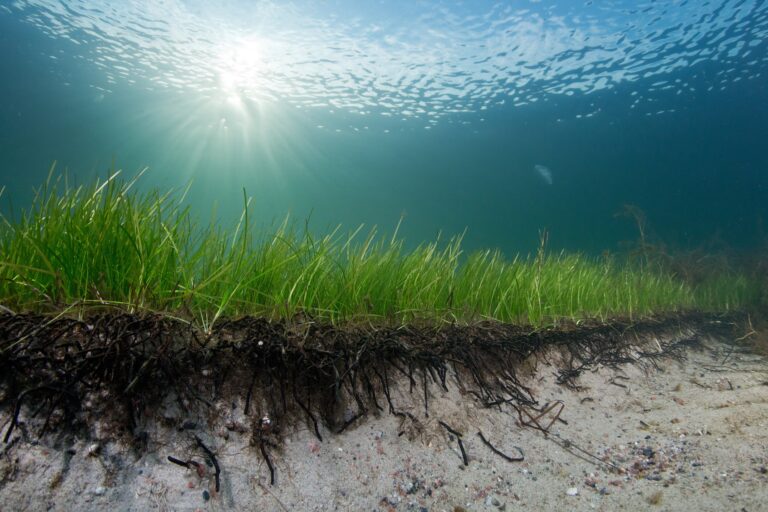
The sea devours large tracts of land when storms wash sand out to sea from the coast. A new study involving a researcher from the University of Gothenburg has shown that seagrass can reduce cliff erosion by up to 70% thanks to its root mats binding the sand. Coastal erosion
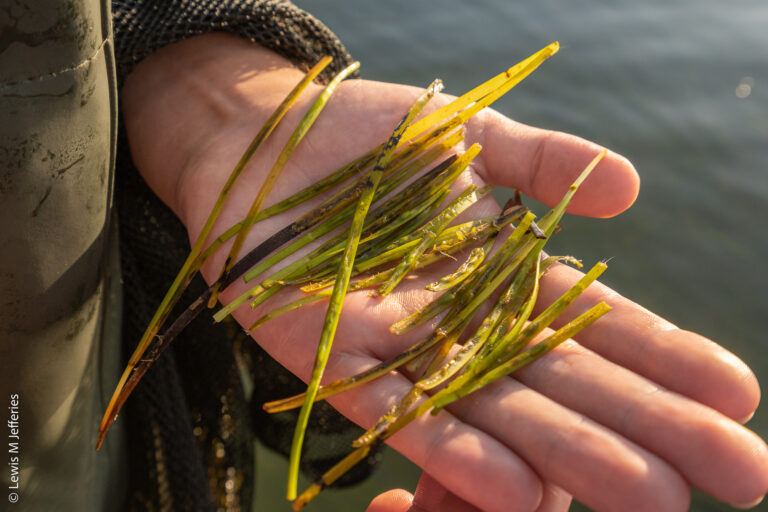
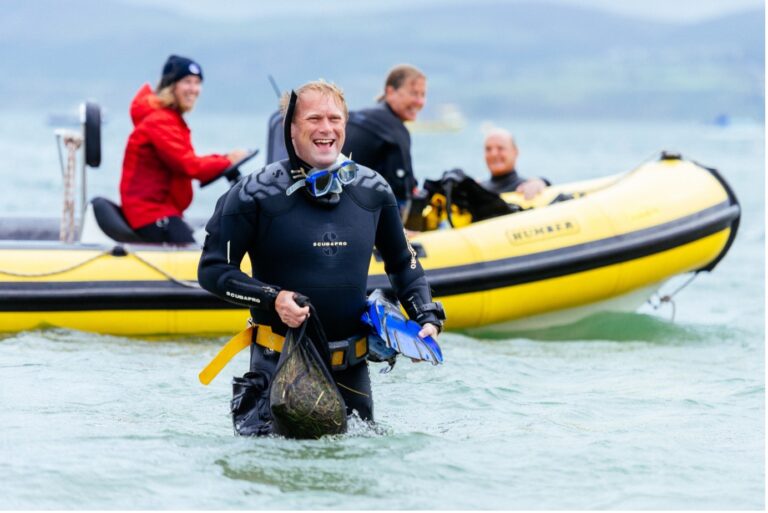
Dr Richard Unsworth, Project Seagrass and Swansea University The seas around Wales have so much potential. They offer rich biodiversity hidden within productive lush habitats such as kelp forests, salt marshes and seagrass meadows. Life in these waters can be so ingenious that it bioengineers its own environment. Out of

This Thursday 6th October, Project Seagrass will be taking part in the Running Out of Time climate relay. The relay runs from COP26 to COP27 – from Glasgow, Scotland all the way to Sharm el-Sheikh, Egypt. It takes place over 38 days across 18 countries to carry a relay baton
Seagrass Network Cymru have submitted a National Seagrass Action Plan to the Senedd. Seagrass meadows are critically important allies to tackle the global climate and biodiversity crises and the National Seagrass Action Plan is a direct response to the current condition of seagrass habitat in Wales and the need for a
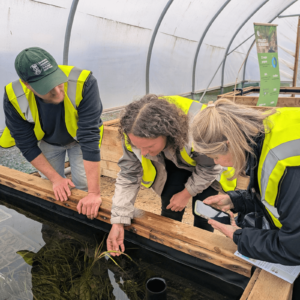
On the 9th and 10th of July Project Seagrass welcomed local organisations and members of the community to our Seagrass Nursery in West Wales as part of a series of Open Days. On the 9th July representatives from Pembrokeshire Council, Carmarthenshire Council, Pembrokeshire Coastal Forum, Rebel Energy, SeaLife, Bodorgan Estate,
Seagrass meadows provide a range of environmental, economic, and social benefits to people and planet. They provide habitat, food, and shelter to thousands of species of fish, invertebrates, mammals, reptiles, and birds. Through their diverse use as fishing grounds, they support the creation of jobs and provide access to food sources
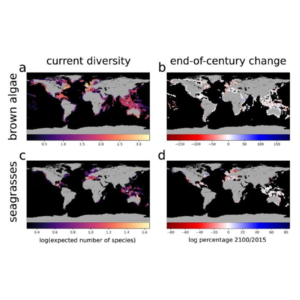
Researchers predict that climate change will drive a substantial redistribution of brown seaweeds and seagrasses at the global scale. The projected changes are alarming due to the fundamental role of seaweeds and seagrasses in coastal ecosystems, and provide evidence of the pervasive impacts of climate change on marine life. In
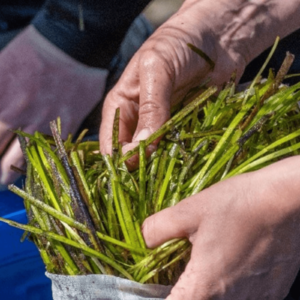
Restoration Forth aims to restore seagrass meadows and native oysters into the Firth of Forth, to create a healthier coastline for people and nature. Find out more about the project here. Orkney seagrass trip Next month the seagrass team will be departing for their annual seed collection trip in Orkney. Following
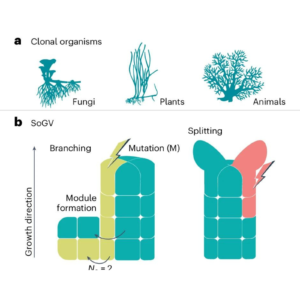
Using a novel genetic clock, a team of researchers from Kiel, London, Oldenburg, and Davis, California, has determined the age of a large marine plant clone for the first time. This seagrass clone from the Baltic Sea dates back to the migration period 1,400 years ago. The newly developed clock