

Dr Benjamin Jones, Chief Conservation Officer at Project Seagrass has started his two-year term as President of the World Seagrass Association (WSA). He steps up to the role having been elected at the WSA Annual General Meeting (AGM) in December 2022. Prior to this he’s served on the WSA Steering
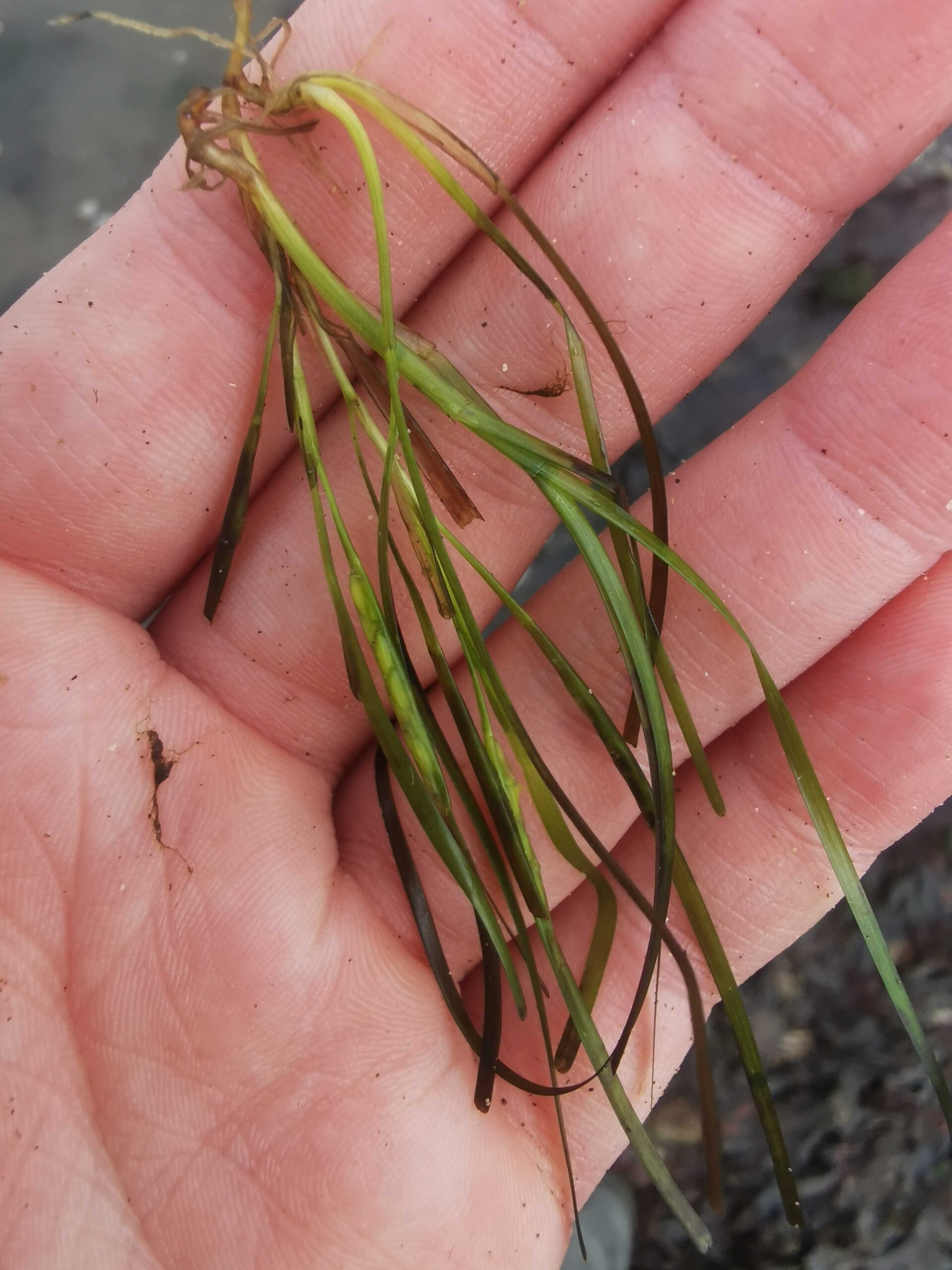
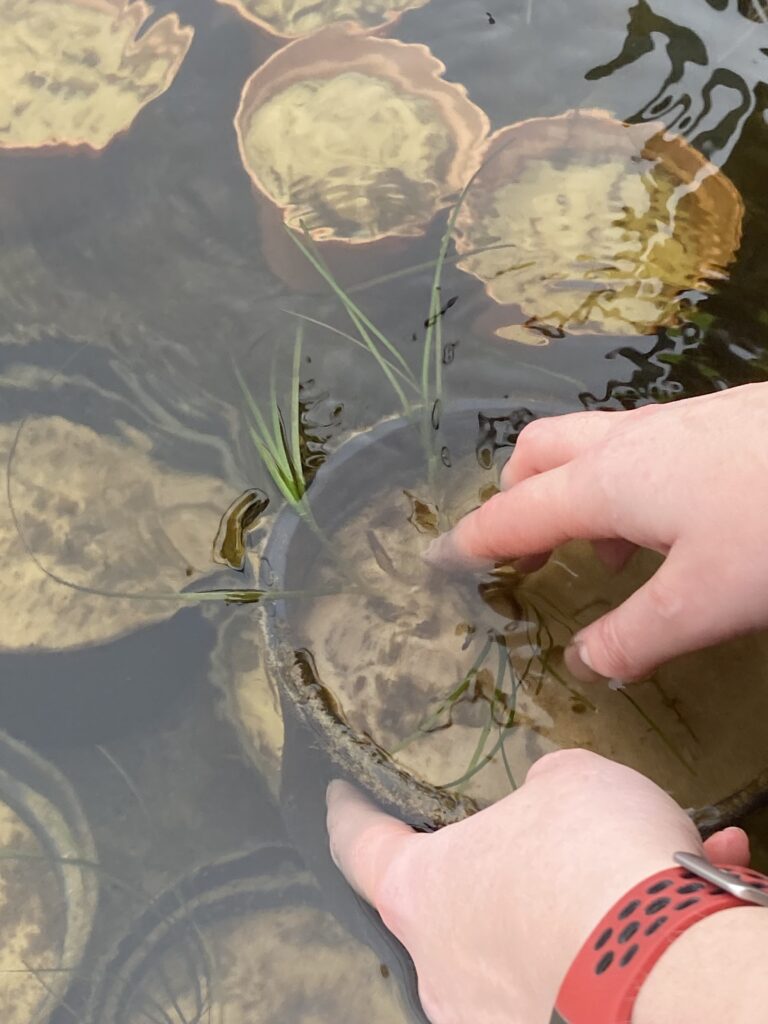
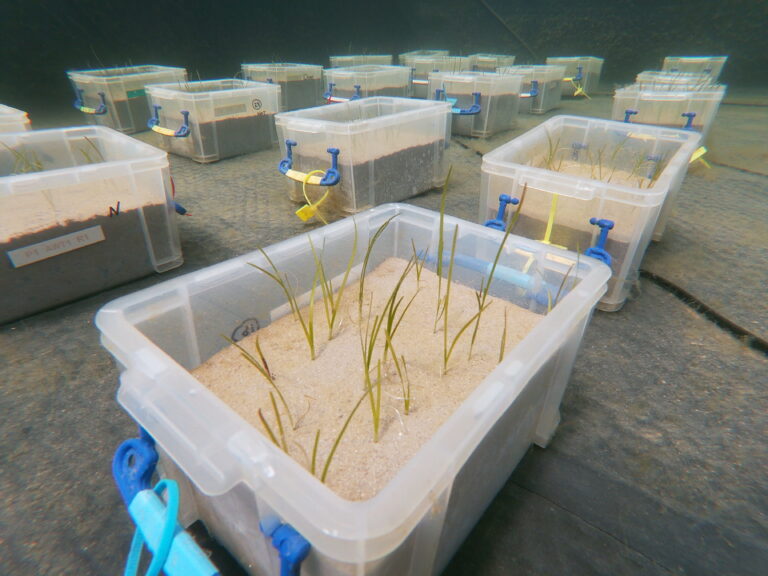
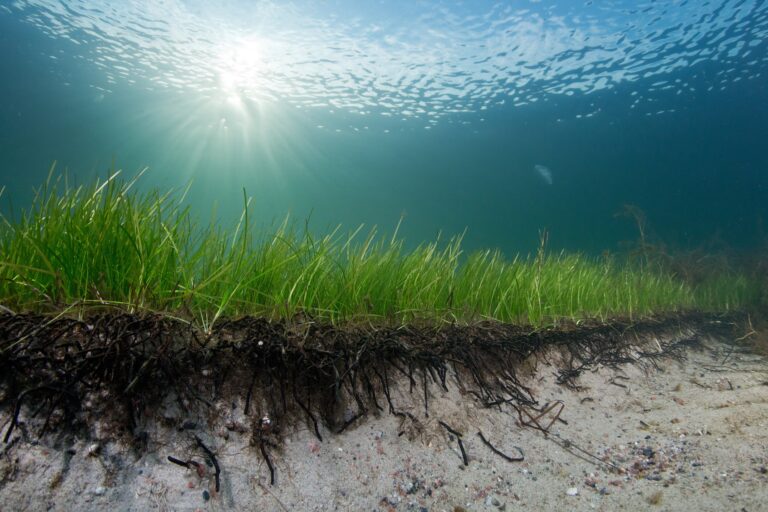
The sea devours large tracts of land when storms wash sand out to sea from the coast. A new study involving a researcher from the University of Gothenburg has shown that seagrass can reduce cliff erosion by up to 70% thanks to its root mats binding the sand. Coastal erosion
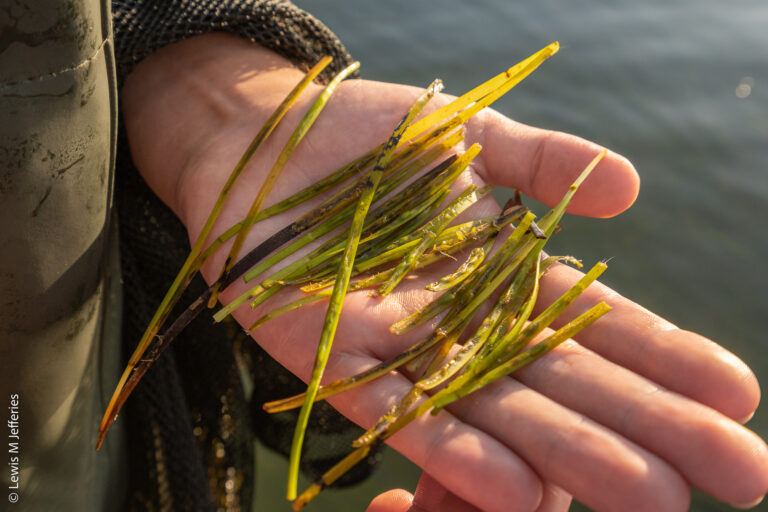
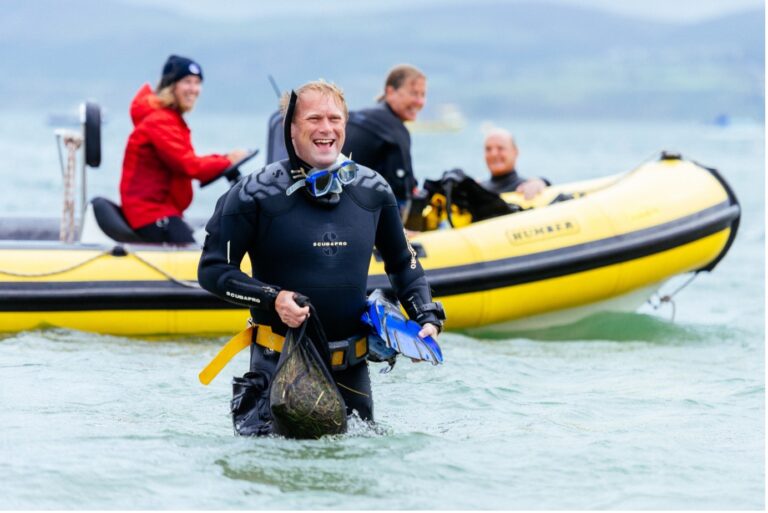
Dr Richard Unsworth, Project Seagrass and Swansea University The seas around Wales have so much potential. They offer rich biodiversity hidden within productive lush habitats such as kelp forests, salt marshes and seagrass meadows. Life in these waters can be so ingenious that it bioengineers its own environment. Out of

This Thursday 6th October, Project Seagrass will be taking part in the Running Out of Time climate relay. The relay runs from COP26 to COP27 – from Glasgow, Scotland all the way to Sharm el-Sheikh, Egypt. It takes place over 38 days across 18 countries to carry a relay baton
Seagrass meadows are essential for the health of our oceans. They provide vital habitats for marine life, improve water quality, and store significant amounts of carbon. Unfortunately, these vital ecosystems are in decline. Here at Project Seagrass, we are on a mission to restore seagrass meadows to help create a
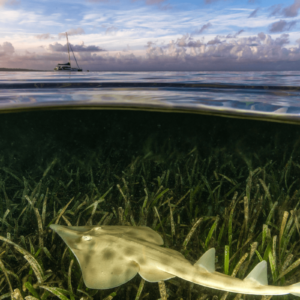
Scientists from The University of Western Australia have partnered with Indigenous rangers on a seagrass restoration project in Gathaagudu (Shark Bay) to help moderate climate change and conserve biodiversity. Dr. Elizabeth Sinclair and Professor Gary Kendrick, from UWA’s School of Biological Sciences and Oceans Institute, were co-authors of the paper published in Ocean
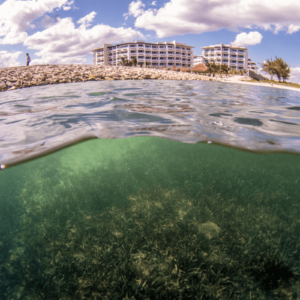
An international team of researchers discovered that coastal urban seagrass ecosystems can significantly reduce human bacterial pathogens, including those with widespread antibiotic resistance, in marine bivalves—a vital food source for people around the world. The study, published Aug 2 in the journal Nature Sustainability, sheds light on the significant role seagrass meadows play
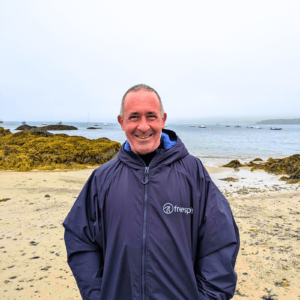
As our 2024 seagrass seed collection in North Wales draws to a close we spoke to Seagrass Ocean Rescue volunteer Bob Pethers about his experience of volunteering as part of the project. Tell us a little bit about yourself: I’m Bob Pethers, originally from London but have lived and worked
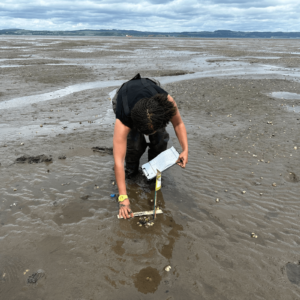
Restoration Forth aims to restore seagrass meadows and native oysters into the Firth of Forth, to create a healthier coastline for people and nature. Find out more about the project here. Seagrass – the outcome of monitoring Back in March, 128 volunteers helped Restoration Forth plant more seagrass seeds along
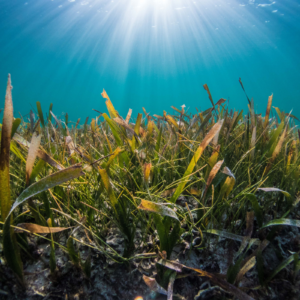
196 of the world’s nations are committed under the Kunming-Montreal Global Biodiversity Framework to tackling nature loss. Habitat restoration is a major pathway to tackling this loss. For marine habitats such as seagrass, such restoration is often portrayed as an easy answer to fighting many of our planetary ills causing