NEWS

NEWS

Keeping you up to date with Project Seagrass news and views with a mixture of field notes and commentary on seagrass and marine conservation topics.

Visiting one of the worlds most remote seagrass meadows

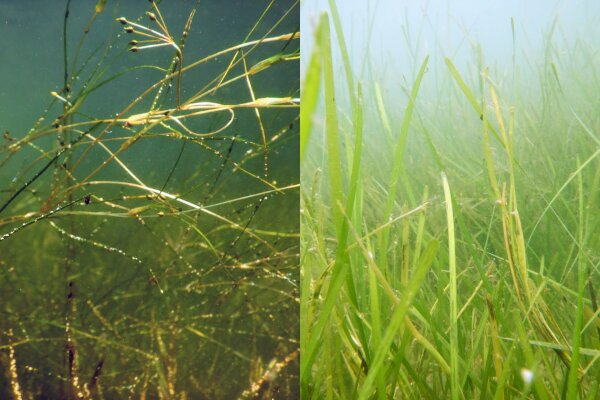
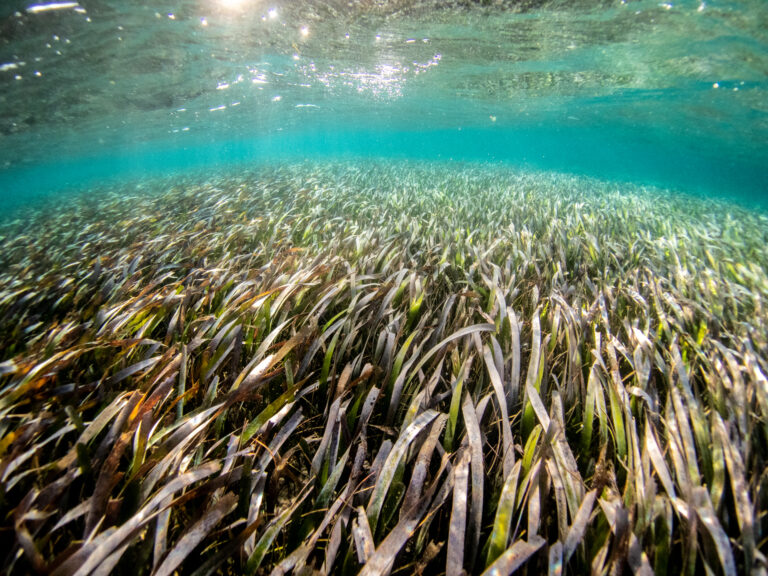
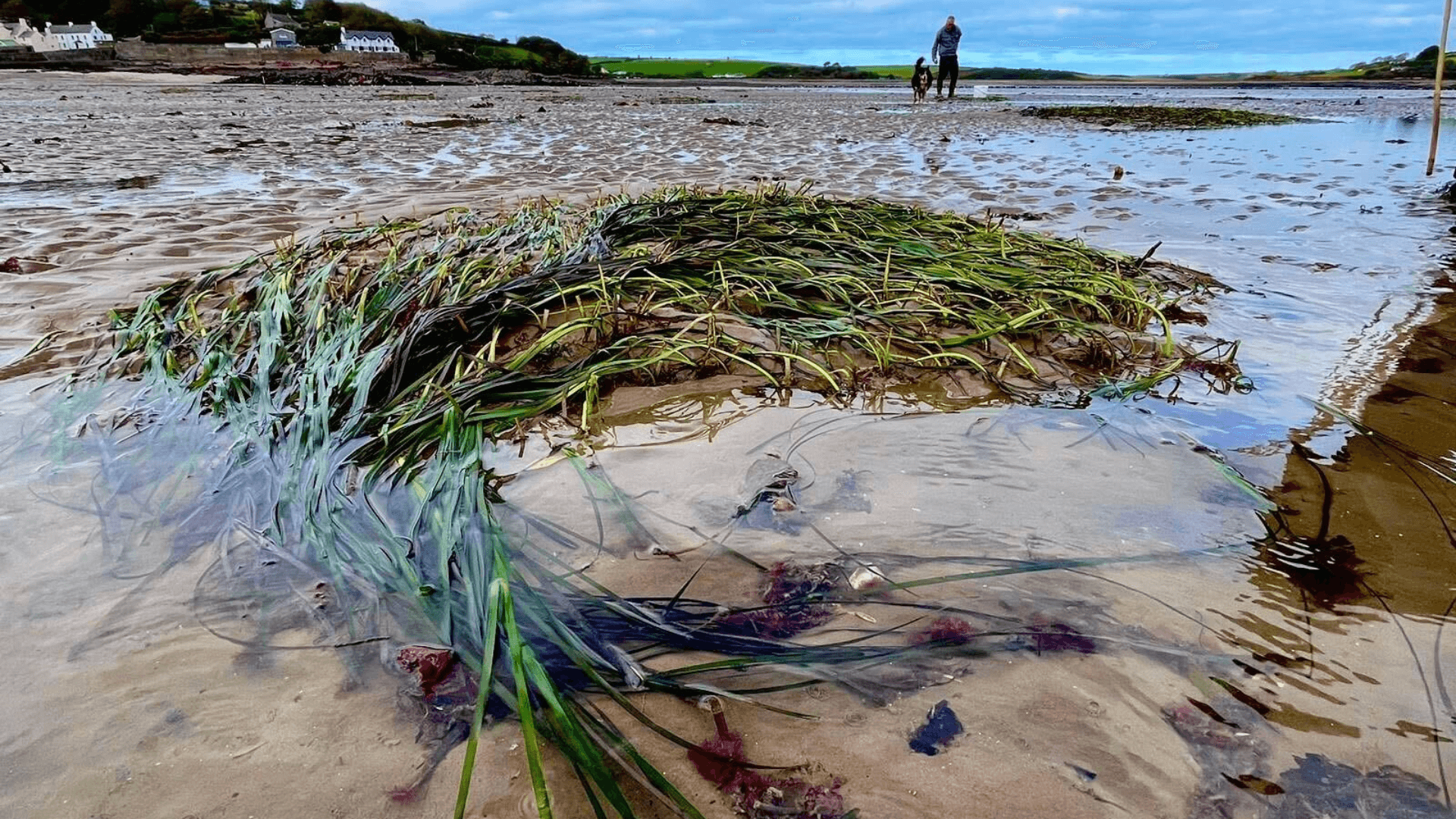
Eva Rothausler On a narrow stretch along the northern-central coast of Chile, the seagrass Heterozostera nigricaulis (syn. Zostera nigricaulis, Heterozostera tasmanica) occurs in three isolated patches no more than 300 km apart. It is a common intertidal to subtidal seagrass in the Zosteracea family and is found growing in protected

Read More »

Understanding Wales past oceans to inspire their biodiverse future

Dr Richard Unsworth, Project Seagrass and Swansea University The seas around Wales have so much potential. They offer rich biodiversity hidden within productive lush habitats such as kelp forests, salt marshes and seagrass meadows. Life in these waters can be so ingenious that it bioengineers its own environment. Out of

Read More »
Seagrass Fish Fence
coastal erosion

The Use of Seagrass in Flood Defences and Reducing Beach Erosion

Ewan Garvey, one of Project Seagrass’ Interns for the 2025-26 academic year, explores how seagrass can provide protection for coastal communities. As the seasons transition from autumn into winter, storms often become a pressing concern for coastal communities. In recent years, the growing impacts of climate change have become increasingly

Read More »
Seagrass in Thorness
Internships

End of year reflections from our 2025-26 interns

In September 2025, Project Segrass welcomed Anya, Dylan, Will, Grace, Iestyn, Jasper, and Ewan as our interns for the 2025-26 academic year. In this Q&A our interns share their experiences and highlights from their first three months as interns with Project Seagrass. What have been the highlights from your internship

Read More »
Sea snail
biodiversity

Sea snails – Creatures that call seagrass home

In a new blog series, our Conservation Trainee Abi David explores some of the amazing creatures that call seagrass meadows their home. Sea snails are a hugely diverse group of marine gastropod found in all over the world. There is such a vast range of different colours, sizes, diets and

Read More »
A member of the Project Seagrass team holds a seagrass transplant in a gloved hand.
restoration

Introducing the Seagrass Hug

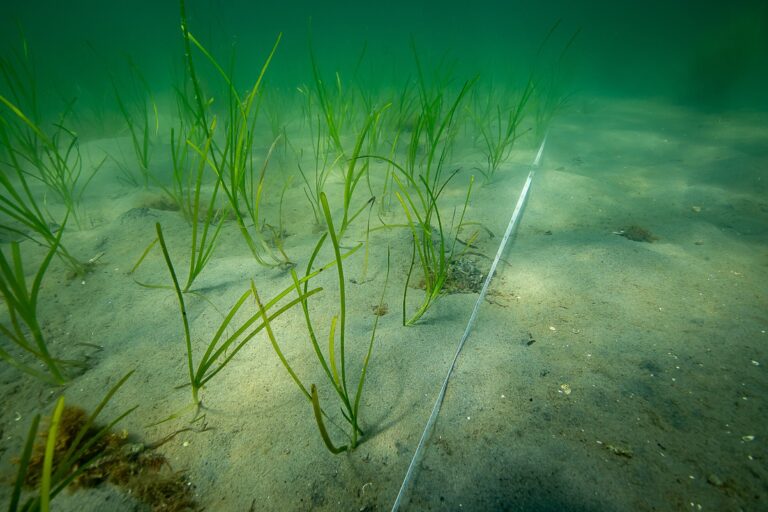
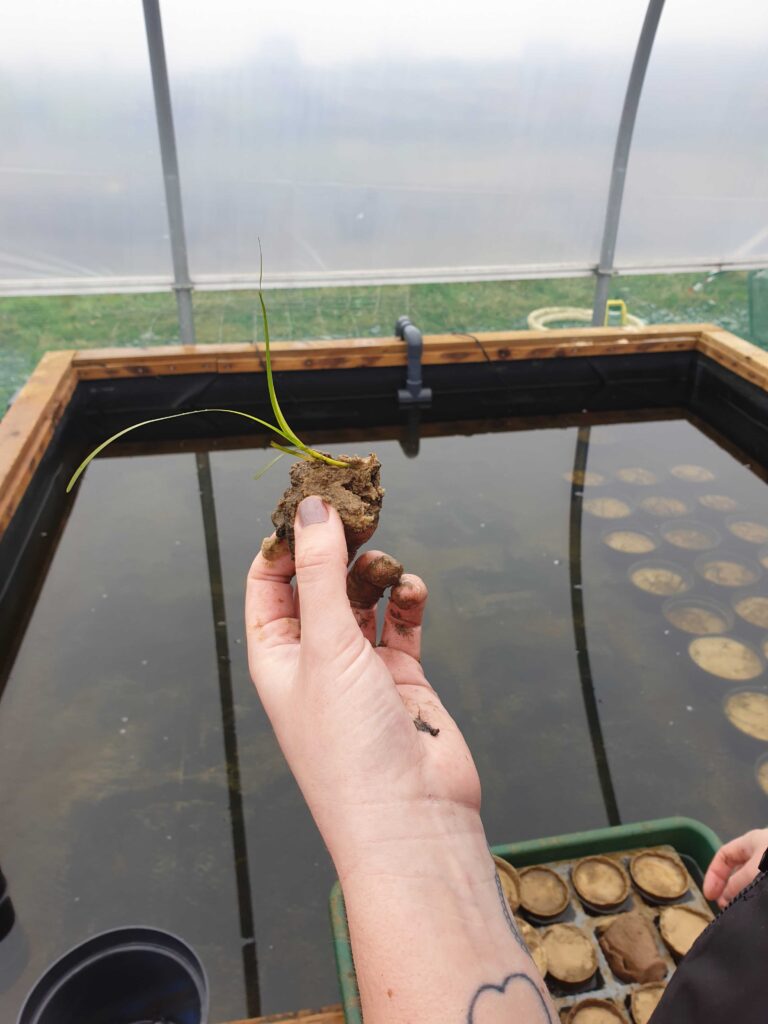
In 2024, the Project Seagrass team introduced the Seagrass Hug to our planting methodology. The method was developed by Anouska Mendzil, Senior Science Officer at Project Seagrass and Swansea University, and aims to determine whether surrounding seeding plots with more established transplants provides protection for emerging seeds in restoration practices.

Read More »