NEWS

NEWS

Keeping you up to date with Project Seagrass news and views with a mixture of field notes and commentary on seagrass and marine conservation topics.

What causes decline of tropical seagrass meadows?

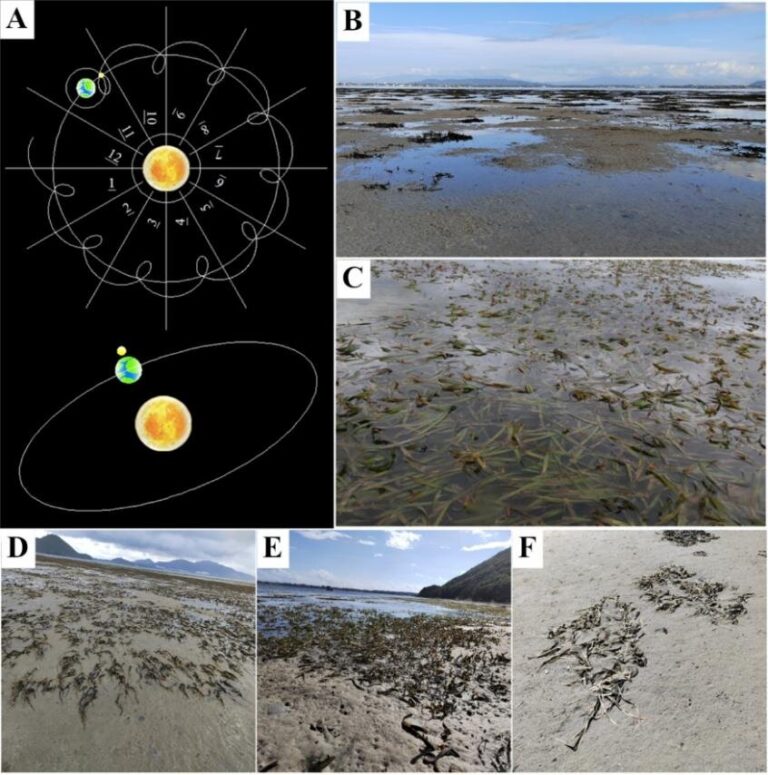
Seagrass, a group of aquatic angiosperms, grows in shallow waters in the coastal sea and contributes most of the primary production while participating in many important ecological processes. Heat stress threatens the survival of seagrass, but its damage mechanisms are unclear. Recently, a research team led by Prof. Liu Jianguo

Read More »

Fauna return rapidly in planted seagrass meadows, study shows

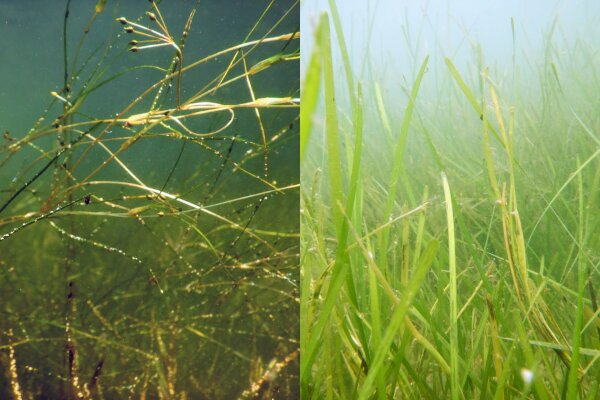
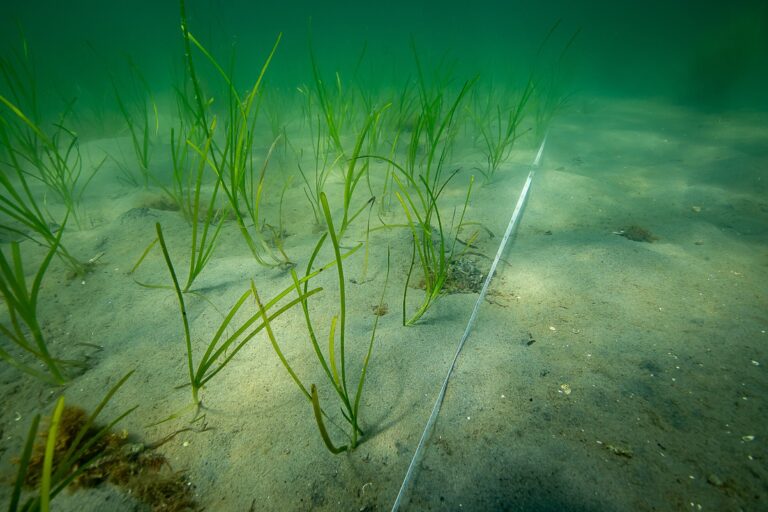
A study of eelgrass meadows planted by researchers from the University of Gothenburg shows that fauna return rapidly once the eelgrass has started to grow. Already after the second summer, the biodiversity in the planted meadow was almost the same as in old established eelgrass meadows. Eelgrass meadows have declined

Read More »

Seagrass meadows show resilience to ‘bounce back’ after die-offs

In Florida alone, thousands of acres of marine seagrass beds have died. Major seagrass die-offs also are occurring around the world. Stressors such as high temperature, hypersalinity and hypoxia or lack of oxygen affect seagrasses’ ability to resist and recover from these stressor-related mortality events or when disturbances lead to

Read More »

Nursery News Vol. 19

By Emily Yates To donate to our Aviva Community Funds and find out more, click the links below: Making marine conservation more accessible Saving the worlds seagrass Developing the Project Seagrass nursery

Read More »

Visiting one of the worlds most remote seagrass meadows

Eva Rothausler On a narrow stretch along the northern-central coast of Chile, the seagrass Heterozostera nigricaulis (syn. Zostera nigricaulis, Heterozostera tasmanica) occurs in three isolated patches no more than 300 km apart. It is a common intertidal to subtidal seagrass in the Zosteracea family and is found growing in protected

Read More »
conference

The 13th International Coral Reef Symposium – Bridging Science To Policy

The International Coral Reef Symposium (ICRS) is the primary international meeting for researchers who are focused on coral reef science and management. In fact, as a conference it has a similar ecosystem focus to the International Seagrass Biology Workshop (ISBW) that we will be hosting in Wales this coming October. The Symposium,

Read More »

Project Seagrass at the Glasgow Science Festival 2016

Launched in 2007, Glasgow Science Festival (http://www.glasgowsciencefestival.org.uk) has grown to be one of the largest science festivals in the UK. The festival takes memorable events to non-traditional venues across the City of Glasgow where researchers, charities and non-governmental organistations are able to engage with people, from all ages and backgrounds.

Read More »

Long Lost Seagrass & Our Spring Survey Report

During April I returned to the Llyn Peninsula, along with Project Seagrass directors RJ Lilley, Ben Jones and Richard Unsworth to conduct the Spring SeagrassWatch survey, 1/4 of the yearly seagrass monitoring survey that we’ve been conducting at Porthdinllaen for the past two years. In addition, we also checking seeds from Project ReStore and

Read More »

Flotsam and jetsam: The story of the fuzz ball

Are they aliens, are they dinosaur eggs, or are they just some ‘organic’ bath sponges that fell of the ship from China?These are the questions people might rightfully be asking when they come across numerous fuzzy round balls washed upon the beach. Well in the village of Inverallochy, North of

Read More »

A New Dawn For Scottish Seagrass

Seagrasses grow all around the coast of the UK and around our islands within the intertidal zone. Scotland plays host to the highest abundance of seagrass when compared to the rest of UK, this is due to the better water quality and also a higher number of available sheltered sites

Read More »

Intern Spotlight: Lauren Clayton

As a Marine Biology student at the University of Glasgow, Scotland, I was lucky enough to be accepted on to a Maters Work Placement. This course allows a few selected students to take a year between the 3rd and 4th year of their degree to experience working for an organisation

Read More »