NEWS

NEWS

Keeping you up to date with Project Seagrass news and views with a mixture of field notes and commentary on seagrass and marine conservation topics.

Visiting one of the worlds most remote seagrass meadows

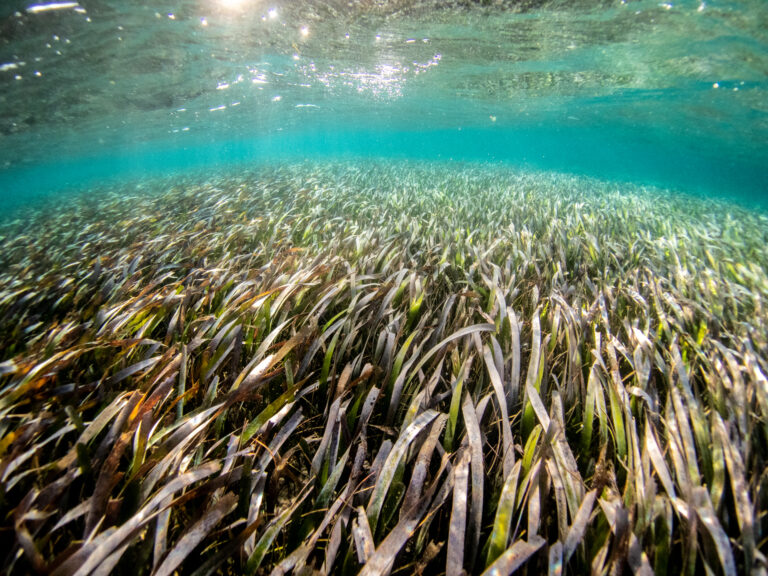
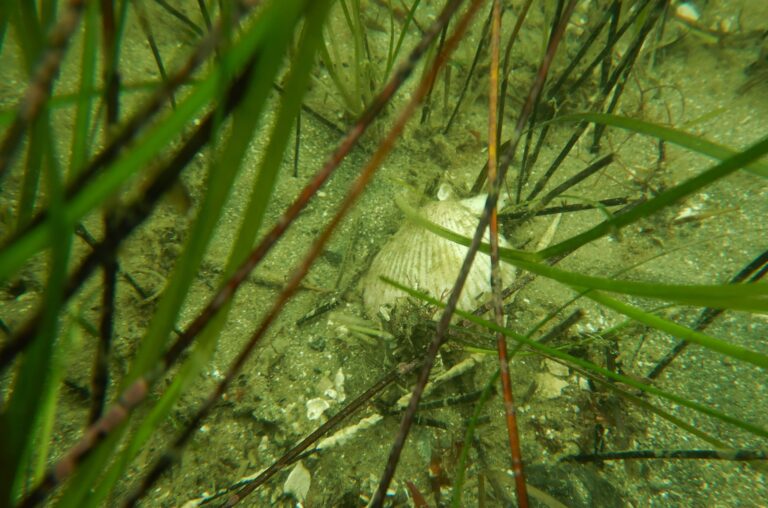
Eva Rothausler On a narrow stretch along the northern-central coast of Chile, the seagrass Heterozostera nigricaulis (syn. Zostera nigricaulis, Heterozostera tasmanica) occurs in three isolated patches no more than 300 km apart. It is a common intertidal to subtidal seagrass in the Zosteracea family and is found growing in protected

Read More »

Understanding Wales past oceans to inspire their biodiverse future

Dr Richard Unsworth, Project Seagrass and Swansea University The seas around Wales have so much potential. They offer rich biodiversity hidden within productive lush habitats such as kelp forests, salt marshes and seagrass meadows. Life in these waters can be so ingenious that it bioengineers its own environment. Out of

Read More »
biodiversity

Global fisheries threatened by loss of seagrass

Seafood consumption is both a love and a necessity for hundreds of millions of people all across the world. And the supply of seafood is a key part of maintaining food security for the whole planet. But as demand for seafood is increasing, stocks of wild fish and invertebrates (such

Read More »

2020 Biodiversity agenda: Can we make a difference?

Hello Team Seagrass! My name is Laura and I am an ambassador for Project Seagrass. I completed my professional training year with the conservation charity from 2015-2016. Last week I was privileged to attend the Cambridge Conservation Initiative’s Panel Discussion on Setting a new post-2020 biodiversity agenda. The 2-hour lecture/interactive

Read More »
biodiversity

Waste Not, Want Not. Discards that could feed those in poverty

  At least 7.3m tons of fish (usually dead or dying) are thought to be discarded each year from marine fisheries around the world. But these estimates come mostly from observations of large-scale industrial fisheries. Limited attention has been paid to small-scale fisheries, which are assumed to have low discard rates –

Read More »
Europe

Sewage and livestock waste is killing Britain’s seagrass meadows

Britain’s seagrass is a refuge for numerous species of fish, stabilises sandy beaches, and helps to lock away the carbon which humans produce. The meadows that surround the country’s coast have been called the “canaries of the sea”, due to their sensitivity to a changing environment. And like a canary

Read More »