NEWS

NEWS

Keeping you up to date with Project Seagrass news and views with a mixture of field notes and commentary on seagrass and marine conservation topics.

What causes decline of tropical seagrass meadows?

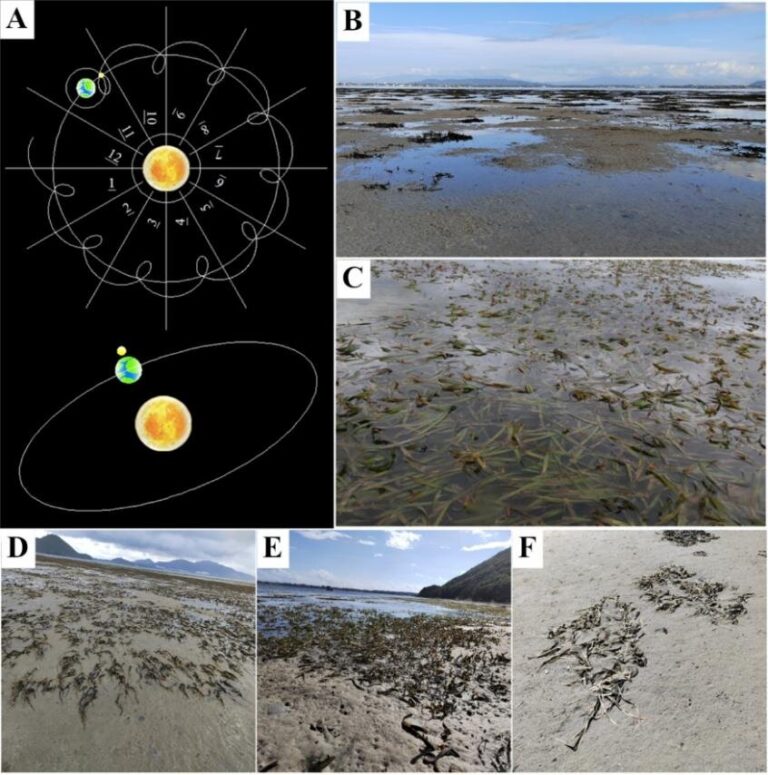
Seagrass, a group of aquatic angiosperms, grows in shallow waters in the coastal sea and contributes most of the primary production while participating in many important ecological processes. Heat stress threatens the survival of seagrass, but its damage mechanisms are unclear. Recently, a research team led by Prof. Liu Jianguo

Read More »

Fauna return rapidly in planted seagrass meadows, study shows

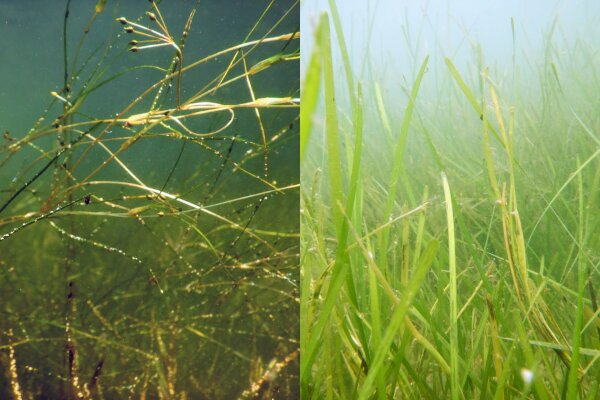
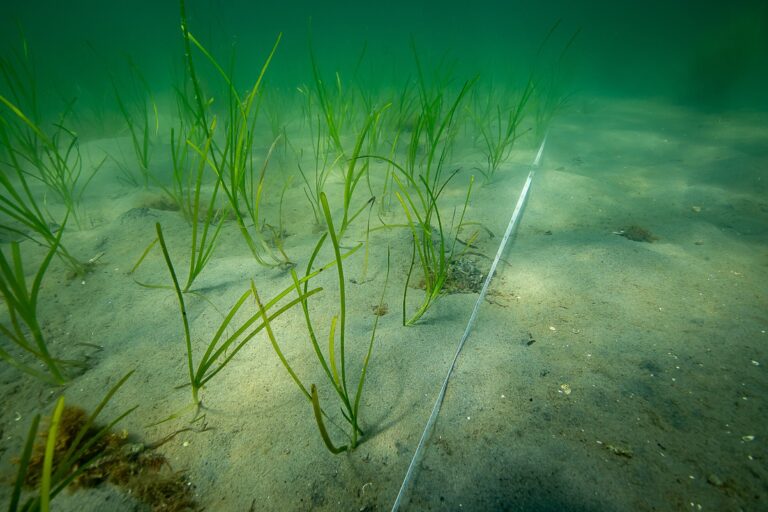
A study of eelgrass meadows planted by researchers from the University of Gothenburg shows that fauna return rapidly once the eelgrass has started to grow. Already after the second summer, the biodiversity in the planted meadow was almost the same as in old established eelgrass meadows. Eelgrass meadows have declined

Read More »

Seagrass meadows show resilience to ‘bounce back’ after die-offs

In Florida alone, thousands of acres of marine seagrass beds have died. Major seagrass die-offs also are occurring around the world. Stressors such as high temperature, hypersalinity and hypoxia or lack of oxygen affect seagrasses’ ability to resist and recover from these stressor-related mortality events or when disturbances lead to

Read More »

Nursery News Vol. 19

By Emily Yates To donate to our Aviva Community Funds and find out more, click the links below: Making marine conservation more accessible Saving the worlds seagrass Developing the Project Seagrass nursery

Read More »

Visiting one of the worlds most remote seagrass meadows

Eva Rothausler On a narrow stretch along the northern-central coast of Chile, the seagrass Heterozostera nigricaulis (syn. Zostera nigricaulis, Heterozostera tasmanica) occurs in three isolated patches no more than 300 km apart. It is a common intertidal to subtidal seagrass in the Zosteracea family and is found growing in protected

Read More »

Two Aquarists went to Wales

Elise and myself look after all the native marine species at The Deep, an aquarium in Hull. I’m very new to all things native having previously worked with penguins and tropical fish but Elise is a pro, thankfully accepting me as her apprentice. We first heard about the work of

Read More »

From studies to seagrass

Mike, Sam, Sam and Owen all started out as students with a love for the ocean on their doorsteps, over the summer they became ‘underwater gardeners’ and joined the Seagrass Ocean Rescue team from the collection of almost a million seeds through to planting 1.5 hectares of seagrass in Dale,

Read More »

Project Seagrass at Awel y Mor Primary

We were extremely excited to build up a relationship with Project Seagrass. Being asked to take part has enabled us to develop our skills and knowledge as staff to help progress with our own school project ‘AYM Project Plastic’. The children have absolutely loved this experience! They have gained lots

Read More »

Marine biology and me

It wasn’t a natural calling. It wasn’t a passion from birth. I was always going to be a baker until I was going to be a nurse, a psychologist, a social worker, a midwife, a nutritionist, a mathematician, etc, etc. So where did marine biology come in? Donning three wetsuits

Read More »
restoration

#ScientistsOfSeagrass: From Farm to Seagrass Restoration

Sat in lockdown it’s hard not to reflect and think about life, and 2020 actually marks ten years since I left the small farm in the Welsh countryside to pursue my career. So, sit back and enjoy the career rollercoaster that has been the last ten years! It all started

Read More »
restoration

One man went to sow

Guest blog by Mike Furness about his experience as a volunteer during seagrass planting week. It was smelly; it was noisy; it was heavy; it was cold. It was buzzing, vibrant and invigorating. Overwhelmingly it was about camaraderie, enthusiasm and shared purpose, and all set on the beautiful Pembrokeshire coast.

Read More »