NEWS

NEWS

Keeping you up to date with Project Seagrass news and views with a mixture of field notes and commentary on seagrass and marine conservation topics.

What causes decline of tropical seagrass meadows?

Seagrass, a group of aquatic angiosperms, grows in shallow waters in the coastal sea and contributes most of the primary production while participating in many important ecological processes. Heat stress threatens the survival of seagrass, but its damage mechanisms are unclear. Recently, a research team led by Prof. Liu Jianguo

Read More »

Fauna return rapidly in planted seagrass meadows, study shows

A study of eelgrass meadows planted by researchers from the University of Gothenburg shows that fauna return rapidly once the eelgrass has started to grow. Already after the second summer, the biodiversity in the planted meadow was almost the same as in old established eelgrass meadows. Eelgrass meadows have declined

Read More »

Seagrass meadows show resilience to ‘bounce back’ after die-offs

In Florida alone, thousands of acres of marine seagrass beds have died. Major seagrass die-offs also are occurring around the world. Stressors such as high temperature, hypersalinity and hypoxia or lack of oxygen affect seagrasses’ ability to resist and recover from these stressor-related mortality events or when disturbances lead to

Read More »

Nursery News Vol. 19

By Emily Yates To donate to our Aviva Community Funds and find out more, click the links below: Making marine conservation more accessible Saving the worlds seagrass Developing the Project Seagrass nursery

Read More »

Visiting one of the worlds most remote seagrass meadows

Eva Rothausler On a narrow stretch along the northern-central coast of Chile, the seagrass Heterozostera nigricaulis (syn. Zostera nigricaulis, Heterozostera tasmanica) occurs in three isolated patches no more than 300 km apart. It is a common intertidal to subtidal seagrass in the Zosteracea family and is found growing in protected

Read More »

The role of seagrass meadows in promoting Ocean Literacy

Ocean Literacy is defined as ‘an understanding of the ocean’s influence on us and our influence on the ocean.’ There are Seven Principles of Ocean Literacy: The Earth has one big ocean with many features. The ocean and the life in the ocean shape the features of Earth. The ocean is a major influence

Read More »

Lindisfarne National Nature Reserve

Holy Island. A place with a rich history of monks, Vikings and saints. Nowadays Holy Island, also known as Lindisfarne, is a hotspot for tourists wishing to learn about British heritage or walk along the beautiful coastline. I only learnt just a few days prior to travelling up to Lindisfarne

Read More »

A fortnight in North Wales

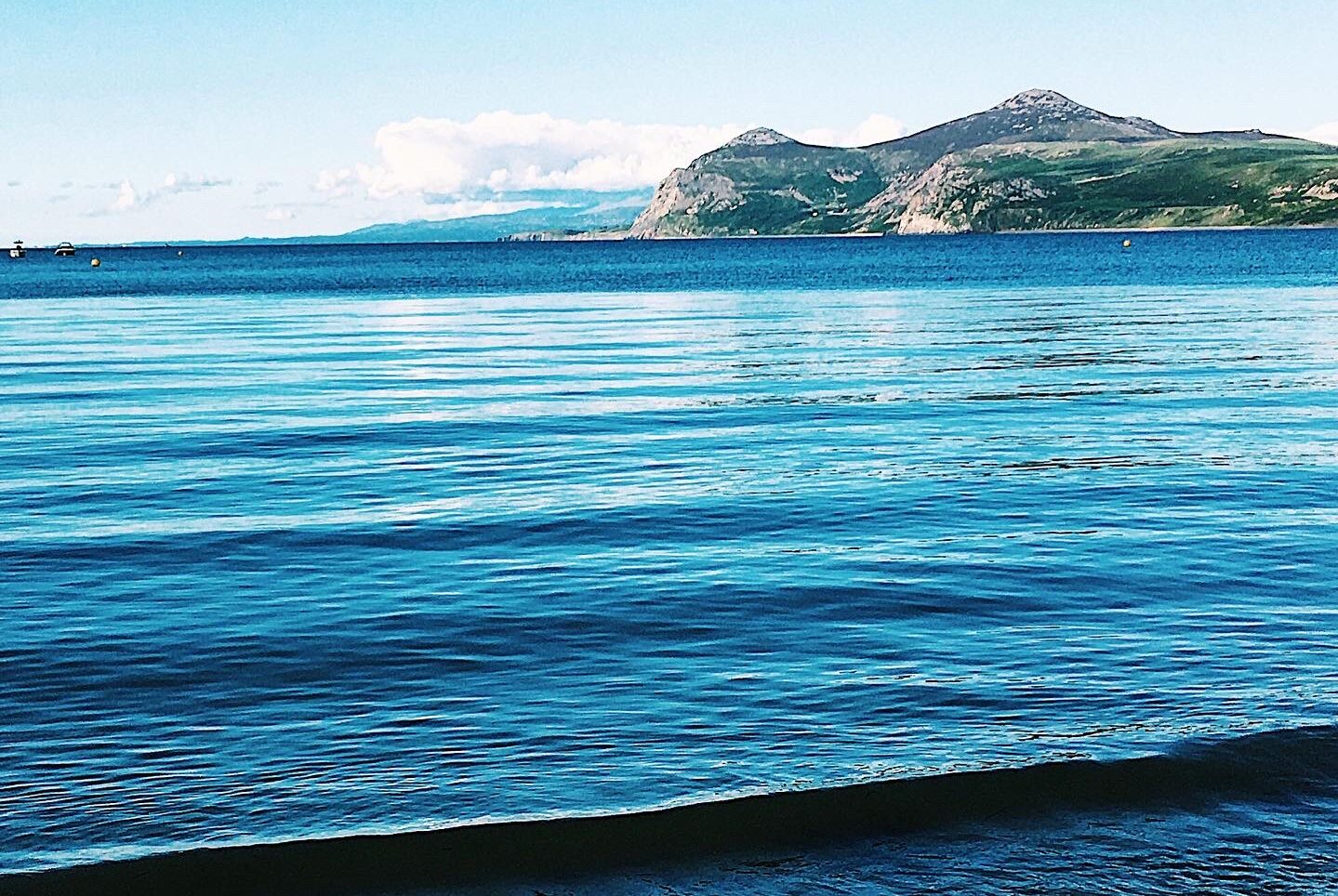
My name is Emma and I am a marine biology undergraduate student at Swansea University. This summer I started a year long internship placement with Project Seagrass as part of my degree scheme and boy did I jump in at the deep end! My first experience was to be joining

Read More »

Communities are central to conservation

Earlier this week saw the release of the Edinburgh Declaration on post-2020 global biodiversity framework, a bold call to action urging Parties to the Convention on Biological Diversity to work more closely with communities in order to meet 20 biodiversity goals set out in the Aichi accord, signed 10 years

Read More »
nutrients

It’s an ill bird that fouls its own nest

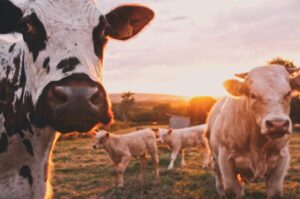
Nearly 30,000 tonnes of sewage containing human waste is to enter the UK despite potential problems for human health. Yet, what stinks for me is that sewage and livestock waste are driving seagrass loss across the UK – we already have a problem, and we don’t need to exacerbate this.

Read More »

Who knew saving the planet could be so peaceful?

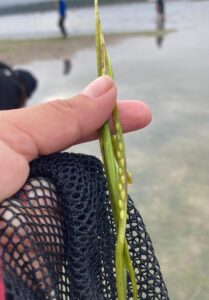
Like many of you, WWF staff have been working from spare rooms, kitchen tables and the occasional garden patio for the past few months. When a call came to join our partners at Project Seagrass and Swansea University on a seagrass seed collection trip to North Wales, it was a

Read More »