NEWS

NEWS

Keeping you up to date with Project Seagrass news and views with a mixture of field notes and commentary on seagrass and marine conservation topics.

What causes decline of tropical seagrass meadows?

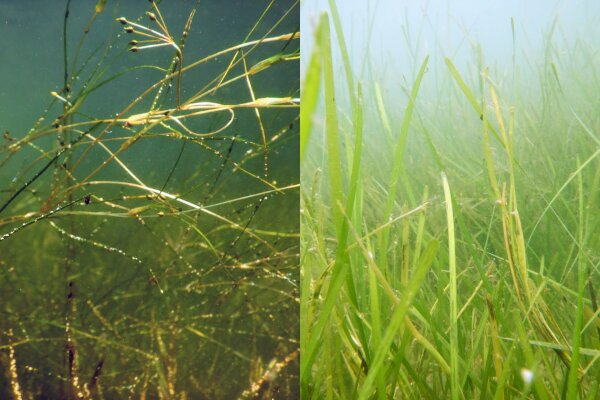
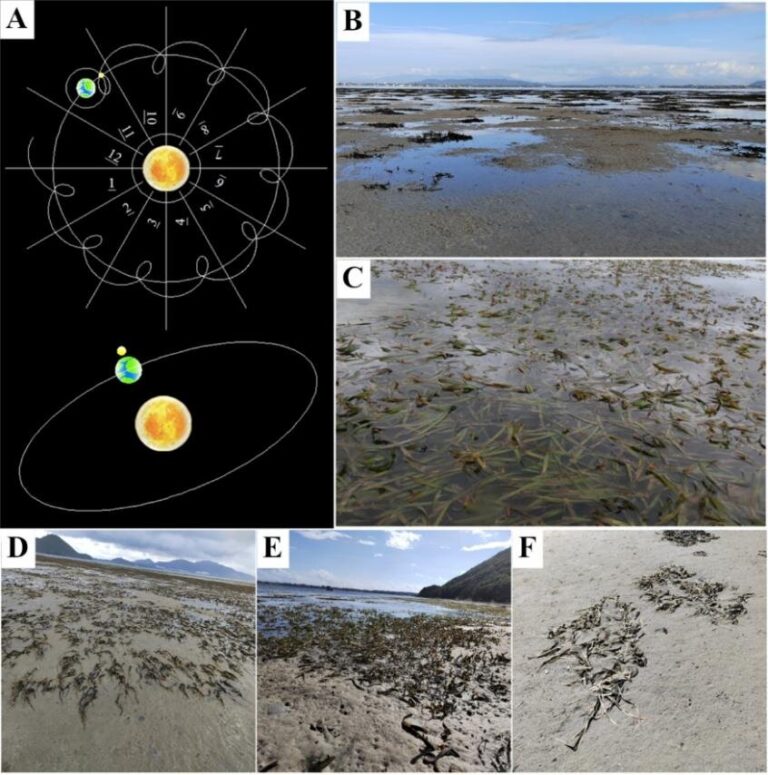
Seagrass, a group of aquatic angiosperms, grows in shallow waters in the coastal sea and contributes most of the primary production while participating in many important ecological processes. Heat stress threatens the survival of seagrass, but its damage mechanisms are unclear. Recently, a research team led by Prof. Liu Jianguo

Read More »

Fauna return rapidly in planted seagrass meadows, study shows

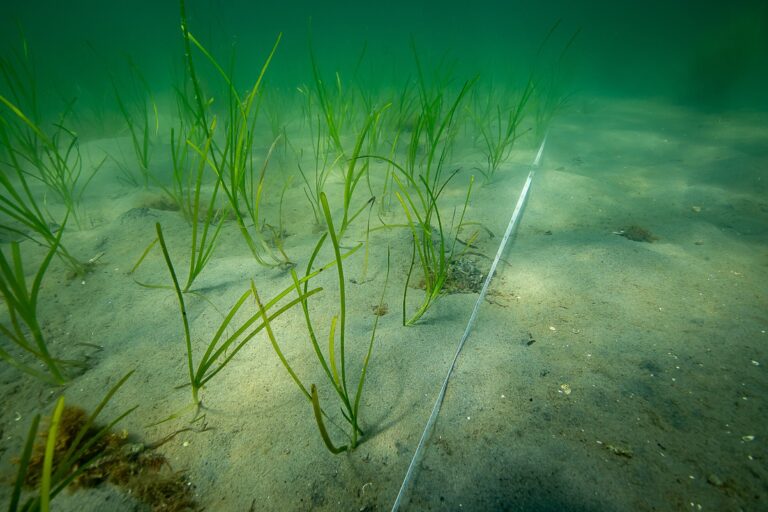
A study of eelgrass meadows planted by researchers from the University of Gothenburg shows that fauna return rapidly once the eelgrass has started to grow. Already after the second summer, the biodiversity in the planted meadow was almost the same as in old established eelgrass meadows. Eelgrass meadows have declined

Read More »

Seagrass meadows show resilience to ‘bounce back’ after die-offs

In Florida alone, thousands of acres of marine seagrass beds have died. Major seagrass die-offs also are occurring around the world. Stressors such as high temperature, hypersalinity and hypoxia or lack of oxygen affect seagrasses’ ability to resist and recover from these stressor-related mortality events or when disturbances lead to

Read More »

Nursery News Vol. 19

By Emily Yates To donate to our Aviva Community Funds and find out more, click the links below: Making marine conservation more accessible Saving the worlds seagrass Developing the Project Seagrass nursery

Read More »

Visiting one of the worlds most remote seagrass meadows

Eva Rothausler On a narrow stretch along the northern-central coast of Chile, the seagrass Heterozostera nigricaulis (syn. Zostera nigricaulis, Heterozostera tasmanica) occurs in three isolated patches no more than 300 km apart. It is a common intertidal to subtidal seagrass in the Zosteracea family and is found growing in protected

Read More »
new science

Underwater seagrass seed harvester – Support our Crowdfunder!

Seagrass meadows are essential for the health of our oceans. They provide vital habitats for marine life, improve water quality, and store significant amounts of carbon. Unfortunately, these vital ecosystems are in decline. Here at Project Seagrass, we are on a mission to restore seagrass meadows to help create a

Read More »
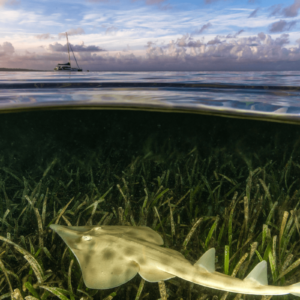
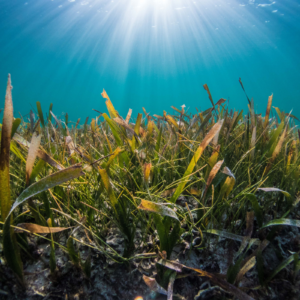
A ray swims through a seagrass meadow.
new science

Scientists and rangers share knowledge to restore seagrass

Scientists from The University of Western Australia have partnered with Indigenous rangers on a seagrass restoration project in Gathaagudu (Shark Bay) to help moderate climate change and conserve biodiversity. Dr. Elizabeth Sinclair and Professor Gary Kendrick, from UWA’s School of Biological Sciences and Oceans Institute, were co-authors of the paper published in Ocean

Read More »
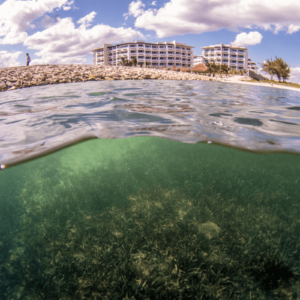
The image shows seagrass growing next to an area of development in Mexico. There is a hotel on the seafront.
new science

Seagrasses filter human pathogens in marine waters

An international team of researchers discovered that coastal urban seagrass ecosystems can significantly reduce human bacterial pathogens, including those with widespread antibiotic resistance, in marine bivalves—a vital food source for people around the world. The study, published Aug 2 in the journal Nature Sustainability, sheds light on the significant role seagrass meadows play

Read More »
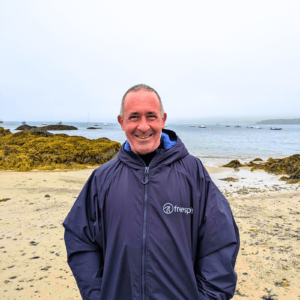
Bob is standing on Porthdinllaen beach wearing a dryrobe. He has his hands in his pockets.
Volunteer

Seagrass Ocean Rescue Volunteer Profile: Bob

As our 2024 seagrass seed collection in North Wales draws to a close we spoke to Seagrass Ocean Rescue volunteer Bob Pethers about his experience of volunteering as part of the project. Tell us a little bit about yourself: I’m Bob Pethers, originally from London but have lived and worked

Read More »
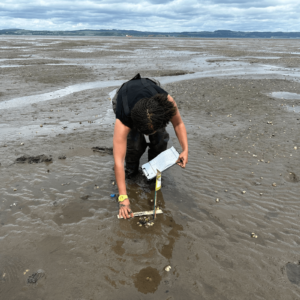
A member of the Restoration Forth is crouched on the beach. They are holding a ruler and a clipboard as they record data as part of the monitoring of seagrass shoots.

Project Update: Restoration Forth | July 2024

Restoration Forth aims to restore seagrass meadows and native oysters into the Firth of Forth, to create a healthier coastline for people and nature.   Find out more about the project here.  Seagrass – the outcome of monitoring Back in March, 128 volunteers helped Restoration Forth plant more seagrass seeds along

Read More »
new science

Scientists outline 10 golden rules for seagrass restoration

196 of the world’s nations are committed under the Kunming-Montreal Global Biodiversity Framework to tackling nature loss. Habitat restoration is a major pathway to tackling this loss. For marine habitats such as seagrass, such restoration is often portrayed as an easy answer to fighting many of our planetary ills causing

Read More »