NEWS

NEWS

Keeping you up to date with Project Seagrass news and views with a mixture of field notes and commentary on seagrass and marine conservation topics.

You asked, we listened. Our latest updates to SeagrassSpotter

Things have been busy at Project Seagrass with lots of development on SeagrassSpotter. Since our last major update, we have been working to enhance the ways that SeagrassSpotter works for its users. We’re excited to share that our latest update includes many of the features you have been asking for,

Read More »

Seagrass app inspires a rise in citizen science across the globe

Internationally renowned charity Project Seagrass is marking it’s tenth anniversary by re-launching its citizen science website and mobile app SeagrassSpotter which enables anyone and everyone to engage with the seagrass meadows on their doorstep or anywhere else in the world, whether it’s there now or it once was. SeagrassSpotter was

Read More »

Project Seagrass celebrates its 10th birthday 🎉

Reflecting on 10 years of Project Seagrass   Project Seagrass was created on the 29th July 2013 with the vision of saving the worlds seagrass. As we approach our 10th birthday, we’re looking back on the last 10 years with our founder Ben Jones and CEO Leanne Cullen-Unsworth.   Where

Read More »

How eelgrass spread around the world

Seagrasses evolved from freshwater plants and use sunlight and carbon dioxide (CO2) for photosynthesis and are able to thrive in depths down to 50 meters. In contrast to algae, they possess roots and rhizomes that grow in sandy to muddy sediments. The grass-like, leaf-shoots produce flowers and complete their life

Read More »

What causes decline of tropical seagrass meadows?

Seagrass, a group of aquatic angiosperms, grows in shallow waters in the coastal sea and contributes most of the primary production while participating in many important ecological processes. Heat stress threatens the survival of seagrass, but its damage mechanisms are unclear. Recently, a research team led by Prof. Liu Jianguo

Read More »
biodiversity

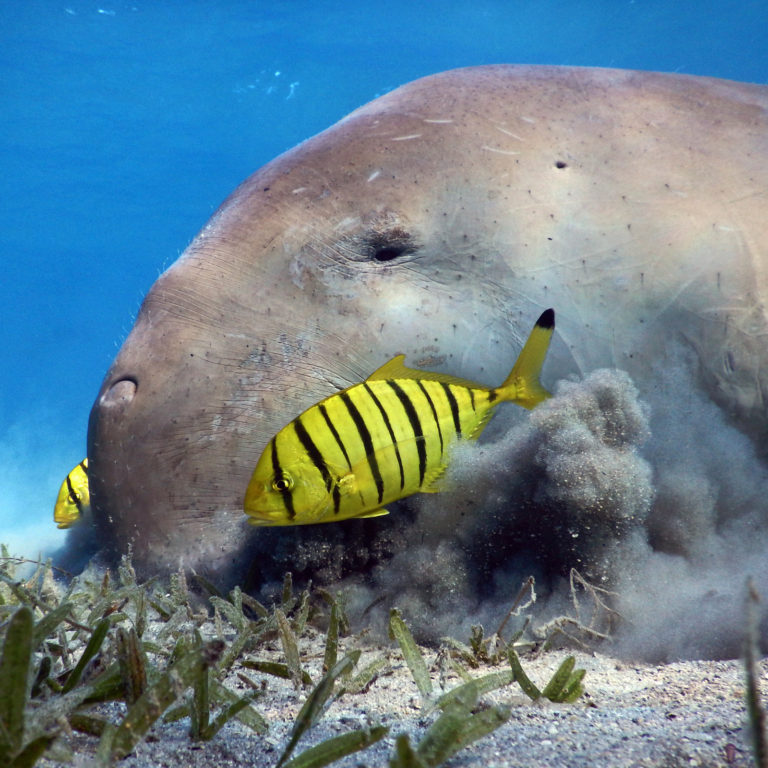
Starting the Seagrass and Dugong fightback

  The Dugong (Dugong dugon) is IUCN Red listed as Vulnerable, in many of the 46 range states that contain Dugong its status is a lot worse. Historic hunting, loss of its seagrass habitat and the impacts of by-catch have been the primary causes of its decline. Back in 2007 the

Read More »
conference

Registration for the 12th International Seagrass Biology Workshop is Now Open!

The International Seagrass Biology Workshop (ISBW) is the only international meeting specifically tailored to seagrass scientists, professionals and students. Abstract submissions are now open as are proposals for workshops. All payment is via PayPal using credit/debit cards. There is one registration fee. It covers access to all parts of the conference program, including the

Read More »
biodiversity

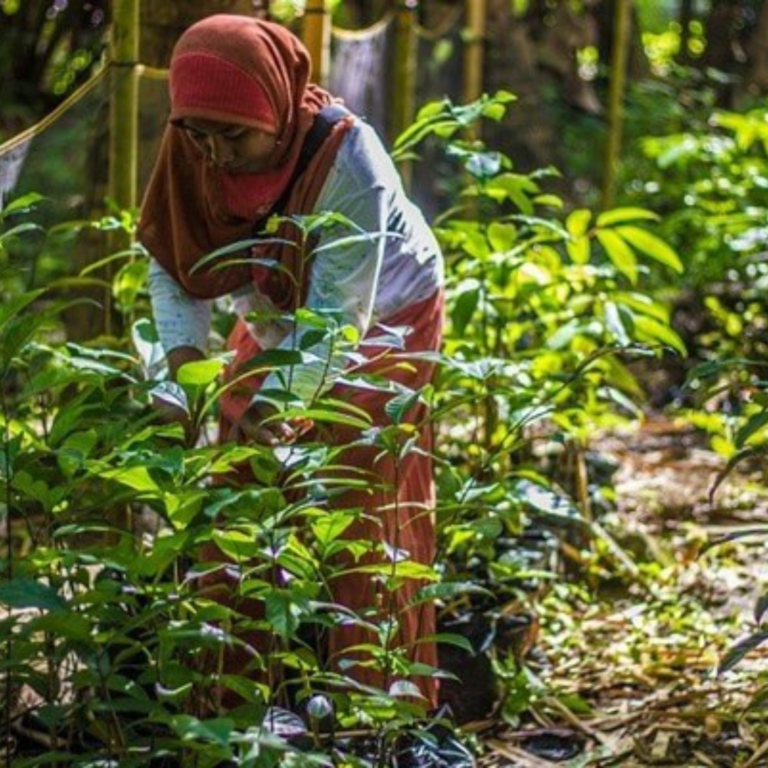
Learning to protect seagrass in the heart of the Coral triangle.

  Indonesia is at the heart of the Coral Triangle, an area characterised by having the World’s highest marine biodiversity. With over 17000 islands, 51,00km2 of coral reef and at least 30000 km2 of seagrass its marine life is extensive and spectacular. But with a growing population, rapidly expanding GDP,

Read More »
biodiversity

Puttalam Lagoon – Paradise Lost?

At the end of August I spent 10 days conducting fieldwork in Pattalam Lagoon, which is situated in the north west of Sri Lanka. The purpose of my visit to Puttalam Lagoon was to set up socio-economic and fish landings surveys with a research collaborator, who will now complete the

Read More »