NEWS

NEWS

Keeping you up to date with Project Seagrass news and views with a mixture of field notes and commentary on seagrass and marine conservation topics.

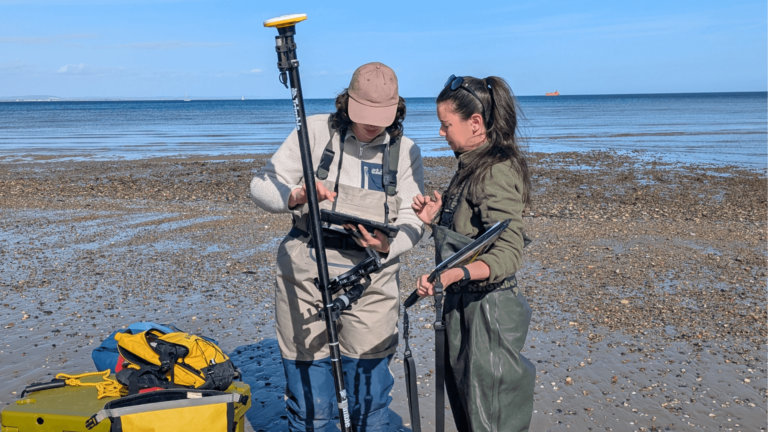
Emma Butterworth and Anouska Mendzil preparing the GDPS on the beach at Priory Bay

Internship Spotlight: Where are they now?

During the 2020-21 academic year Project Seagrass welcomed Emma Butterworth to undertake an internship. In our Q&A, Emma shares her experiences of her internship with Project Seagrass and discusses what she has gone on to do next. Who/What inspired you to apply for an internship at Project Seagrass? It all

Read More »
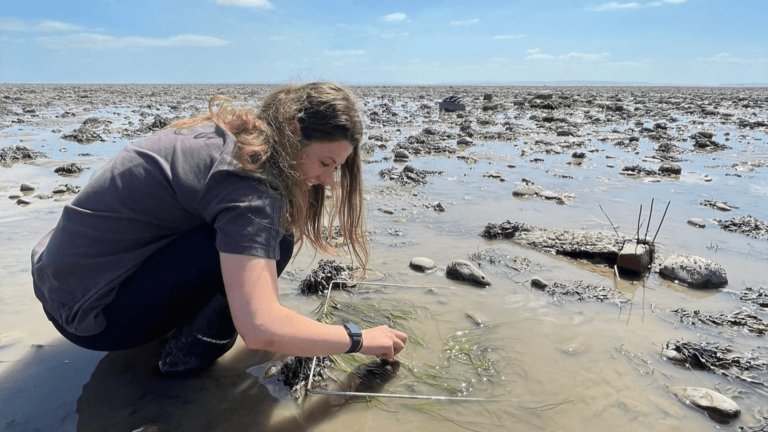
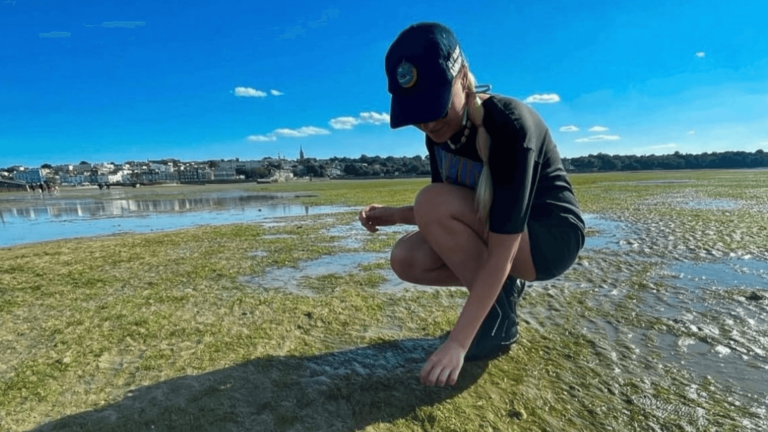
Ellie is crouching on the beach. She is crouching beside a quadrat which is placed around a patch of seagrass. It is a clear day and Ellie is wearing a grey t-shirt.

Internship Spotlight: Where are they now?

During the 2021-22 academic year Project Seagrass welcomed Ellie Postlethwaite to undertake an internship. In our Q&A, Ellie shares her experiences of her internship with Project Seagrass and discusses what she has gone on to do next. Who/What inspired you to apply for an internship at Project Seagrass? As a

Read More »
Lowri is crouching in a seagrass meadow. It is a clear sunny day.

Internship Spotlight: Where are they now?

During the 2021-22 academic year Project Seagrass welcomed Lowri O’Neill to undertake an internship. In our Q&A, Lowri shares her experiences of her internship with Project Seagrass and discusses what she has gone on to do next. Who/What inspired you to apply for an internship at Project Seagrass? My lecturer,

Read More »
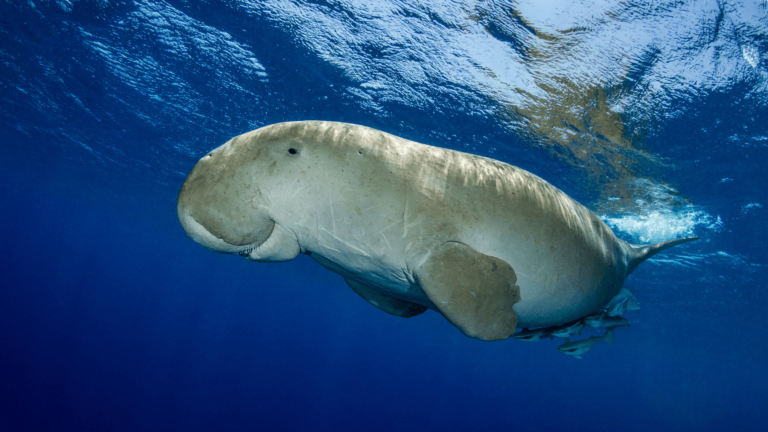
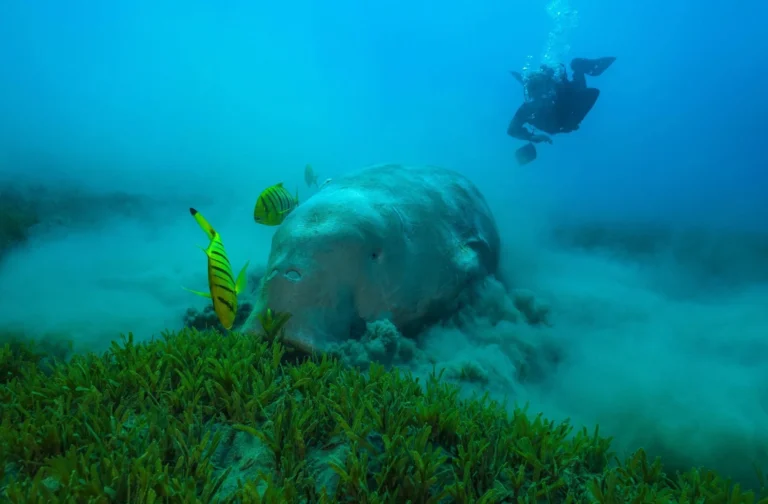
A dugong eating seagrass in the Red Sea, Egypt

Seagrass loss leaves Thailand’s dugongs struggling to survive

This article was originally published on Dialogue Earth under the Creative Commons BY NC ND licence. The author is Siripannee Supratya. Siripannee Supratya (Noina) is a Thai journalist focusing on the environment, science, laws and socio-political happenings. In addition to her journalism work, she is a creative communicator and a professional diver. She is on

Read More »
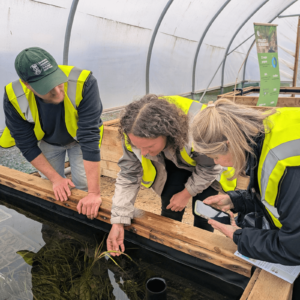
A member of Project Seagrass staff and two members of the community are leaning over one of the ponds inside the polytunnel. One member of the community is holding a strand of seagrass to look at a flower.

Project Seagrass hosts Seagrass Nursery Open Days

On the 9th and 10th of July Project Seagrass welcomed local organisations and members of the community to our Seagrass Nursery in West Wales as part of a series of Open Days.  On the 9th July representatives from Pembrokeshire Council, Carmarthenshire Council, Pembrokeshire Coastal Forum, Rebel Energy, SeaLife, Bodorgan Estate,

Read More »
An illustration of seagrass with the text "Seagrass Information Posters" overlayed

Multi-lingual seagrass information posters launched

Seagrass meadows provide a range of environmental, economic, and social benefits to people and planet. They provide habitat, food, and shelter to thousands of species of fish, invertebrates, mammals, reptiles, and birds. Through their diverse use as fishing grounds, they support the creation of jobs and provide access to food sources

Read More »
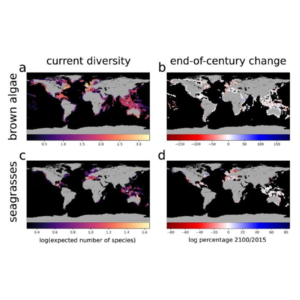
Four graphs outlining the present distribution and projected end-of-century changes in global macrophyte species diversity.
new science

Study projects loss of brown macroalgae and seagrasses

Researchers predict that climate change will drive a substantial redistribution of brown seaweeds and seagrasses at the global scale. The projected changes are alarming due to the fundamental role of seaweeds and seagrasses in coastal ecosystems, and provide evidence of the pervasive impacts of climate change on marine life. In

Read More »

Project Update: Restoration Forth | June 2024

Restoration Forth aims to restore seagrass meadows and native oysters into the Firth of Forth, to create a healthier coastline for people and nature.   Find out more about the project here.  Orkney seagrass trip Next month the seagrass team will be departing for their annual seed collection trip in Orkney. Following

Read More »
new science

Seagrass clone in the Baltic sea is more than 1,400 years old

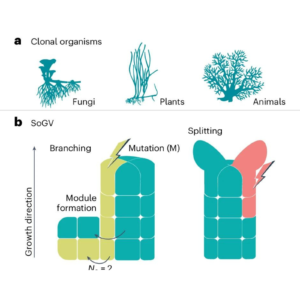
Using a novel genetic clock, a team of researchers from Kiel, London, Oldenburg, and Davis, California, has determined the age of a large marine plant clone for the first time. This seagrass clone from the Baltic Sea dates back to the migration period 1,400 years ago. The newly developed clock

Read More »