Fragment Walk reflections
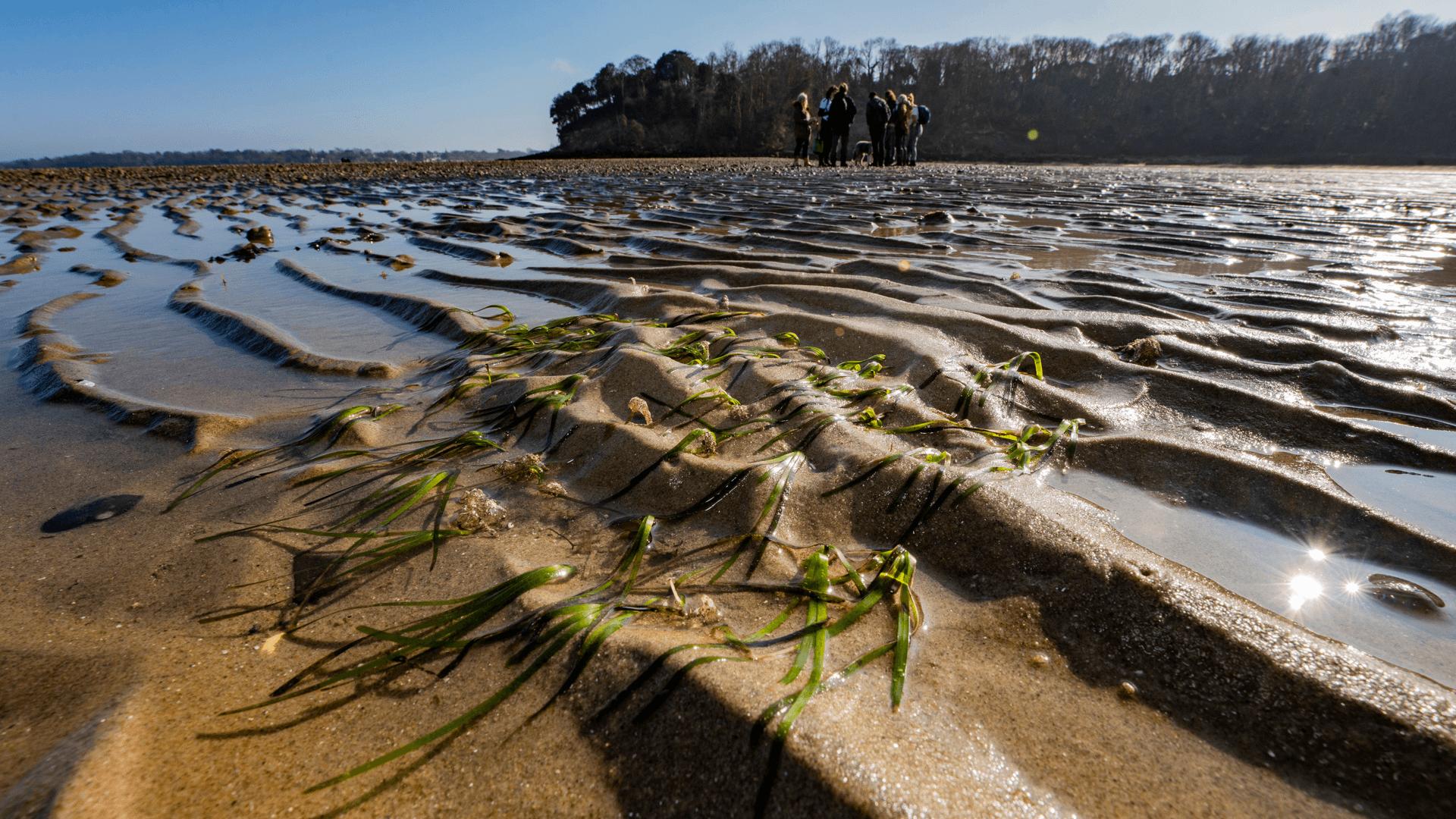
As our Fragment Walks from the 2025/26 season come to an end Project Seagrass Intern Anya Lamparelli reflects on this year’s efforts. A seagrass fragment is a precious and vulnerable thing. Torn free by winter storms and strong swells these delicate shoots with intricate root systems still attached wash ashore from subtidal seagrass meadows. If left stranded on the sand they will soon dry out, but on the Isle of Wight they are being given a second chance. Once a month at low tide, volunteers gather at Priory Bay, all eyes trained on the shoreline for a flash of green. Seagrass! Each fragment found is carefully collected and replanted into a growing community meadow. Since the initiative began three years ago 311 volunteers have joined the Project Seagrass team. Collecting 1,104 fragments over 16 fragment walks. 624 fragments have been replanted at Priory Bay, covering an area of 27 m2. Each month the volunteers revisit what they have already planted and monitor how the meadow is establishing, making field observations on what factors might be influencing its growth and survival. The remaining fragments have been replanted at the Seagrass Nursery in South West Wales; they will soon be used to support the team’s wider restoration work in the Solent. Fragment walks unfold under all conditions. Brilliant unbroken sunshine, pink sunsets, and cold grey mornings where the sky and sea blur into one. Yet the turnout remains steady, demonstrating the interest in and growing connection to seagrass meadows in the Solent. Many volunteers bring with them a deep lived knowledge of the coastline. They know how the beach shifts through the seasons, where sediment builds and erodes and when storms have reshaped the coast. This local insight has become an invaluable part of the project, helping guide where and how we replant seagrass. In turn, we can share our knowledge of ecosystem restoration and marine life. Creating a shared partnership where practitioners and locals learn from each other. Project Seagrass are working to restore 3.5 hectares of seagrass on the Isle of Wight as part of the Solent Seascape Project. Fragment walks allow us to trial new restoration methods while connecting with the local community. Thank you to every volunteer who has joined us in the Solent, we look forward to welcoming you back when the fragment walks restart in September 2026.
Nitrogen pollution identified as major driver of biodiversity loss in UK coastal waters
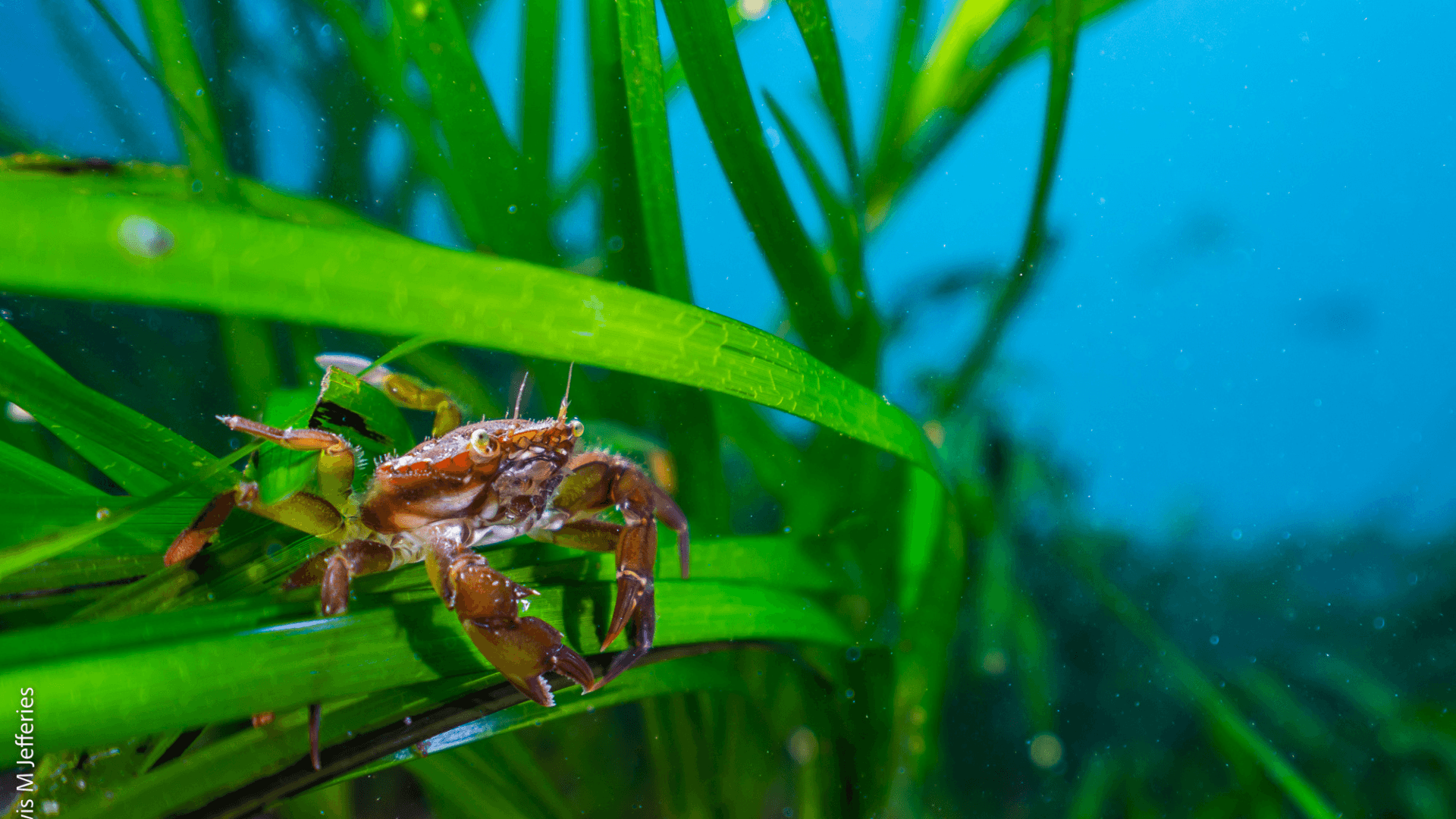
A new study of the British Isles’ coastal ecosystems has revealed that nitrogen enrichment is significantly reducing the abundance and variety of marine life. The research, published by scientists at Swansea University and the charity Project Seagrass, warns that increasing nutrient flows are overriding local habitat conditions to restructure and deplete coastal biodiversity. While the Planetary Boundaries for nitrogen and phosphorus flows have already been exceeded globally, this study provides a rare, large-scale assessment of how these nutrients impact the fine-scale diversity of our coastlines. Factors causing the pollution include sewage, agricultural waste, and poor land management. The study examined seagrass meadows in 16 different marine environments, including estuaries, lagoons, and islands. These ranged from the Orkneys Islands and the Firth of Forth to the Solent and the Island of Skomer. The findings were stark: higher nitrogen concentrations were consistently associated with a decrease in animal abundance and species richness. Specifically, the researchers found that an increase of nitrogen could correspond to an approximately 90 per cent decrease in the abundance of life per unit of available habitat area. “Eutrophication, the enrichment of water by nutrients, remains one of the most pressing environmental challenges in coastal waters, particularly regarding biodiversity loss,” said the authors. Key findings: Nitrogen as a driver: Nitrogen enrichment emerged as a consistent driver of biodiversity loss across the UK, even when accounting for the physical complexity of the environment; Habitat sensitivity: Coastal and lagoon environments showed the strongest declines under enhanced enrichment. In particular, phosphorus exhibited a devastating negative effect on life within lagoon environments; Site-specific impact: While some moderate enrichment was tolerated in specific estuarine settings, further enrichment in already impacted coastal sites exacerbated the loss of species; and, Beyond physical structure: Surprisingly, the physical traits of the marine vegetation (such as leaf length or biomass) had little influence on diversity compared to the overwhelming impact of local nutrient regimes. Crab in seagrass in Orkney Credit Lewis Jefferies Gastropods in seagrass. Credit Lewis Jefferies The researchers argue that current regional conservation targets may be insufficient. Because the effects of nutrients are “context-dependent,” effective management requires strategies tailored to the specific ecological conditions of a site. They concluded: “Our findings demonstrate that eutrophication alters biodiversity in complex ways. Effective management will require site-specific nutrient reduction and monitoring strategies that reflect local conditions rather than uniform regional targets.” The research was conducted by scientists from Swansea University, and Project Seagrass. The team used standardised sampling and mixed-effects modelling to isolate the drivers of biodiversity across the UK seascape. Read the research in full in Global Ecology and Conservation.
Seagrass signage installed in the Solent
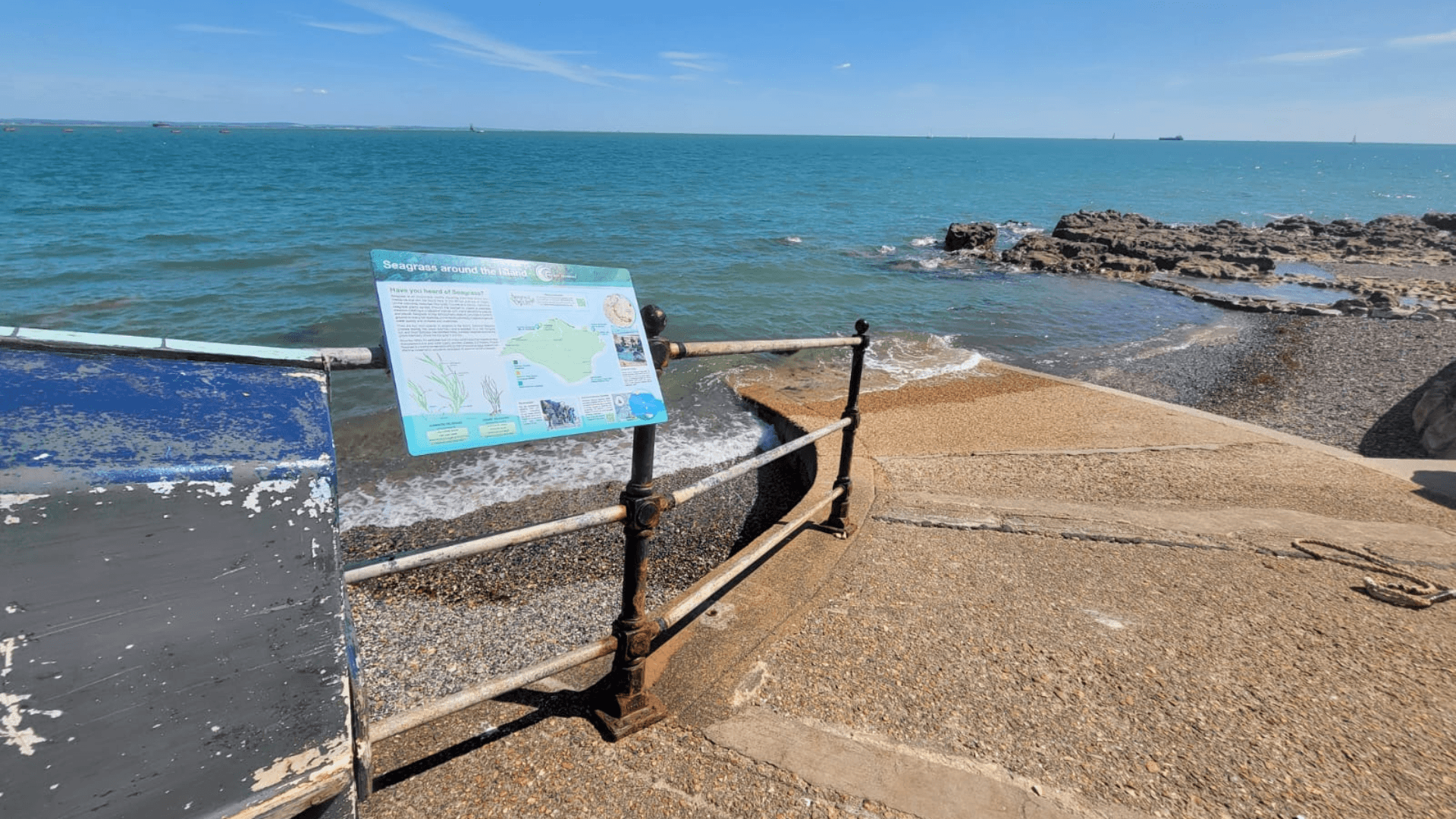
Residents and visitors to the Isle of Wight can now access information about the Island’s important seagrass habitats thanks to new signage installed through support from Seacology. The signage has been installed by Project Seagrass as part of ongoing efforts to protect and restore seagrass ecosystems within the Solent. The signs have been designed to raise awareness of seagrass meadows around the Isle of Wight in addition to highlighting ways that individuals can support these fragile ecosystems including through participation in Fragment Walks and uploading seagrass sightings to citizen science tool SeagrassSpotter. New seagrass signage installed at St Helen’s Duver Members of the Project Seagrass team installed new signage at locations on the Isle of Wight Two signs were installed in Seaview, the location of one of the Island’s extensive Zostera marina meadows and where Project Seagrass, Blue Parameters, and WarrenBoats have recently installed two Advanced Sustainable Mooring Systems (ASMS) to relieve pressure on the Island’s important seagrass habitats. A further sign has been installed at St Helens Duver, Priory Bay, the location of the start of our Fragment Walks and the site of one of our active restoration sites. Further poster versions of the signs will be installed at Ryde and other locations around the Island. Anouska Mendzil, Senior Science Officer at Project Seagrass and Swansea University said “The Isle of Wight is an UNESCO Biosphere Reserve, home to some of the most ecologically important marine and coastal habitats under threat – seagrass meadows. Across the Isle of Wight, new information signs now share the story of seagrass restoration and conservation, an effort led by Project Seagrass and the collective power of local community action, to contribute and enhance ecosystem recovery.” Seagrass signage installed at Seaview slipway Signage installed on the Southern Water building at St Helen’s Project Seagrass is grateful for the generous support from Seacology for making the creation and installation of these seagrass signs possible. Project Seagrass is also thankful to our stakeholders for their continued support and permission to install the signage.
Fieldwork notes from our Solent planting
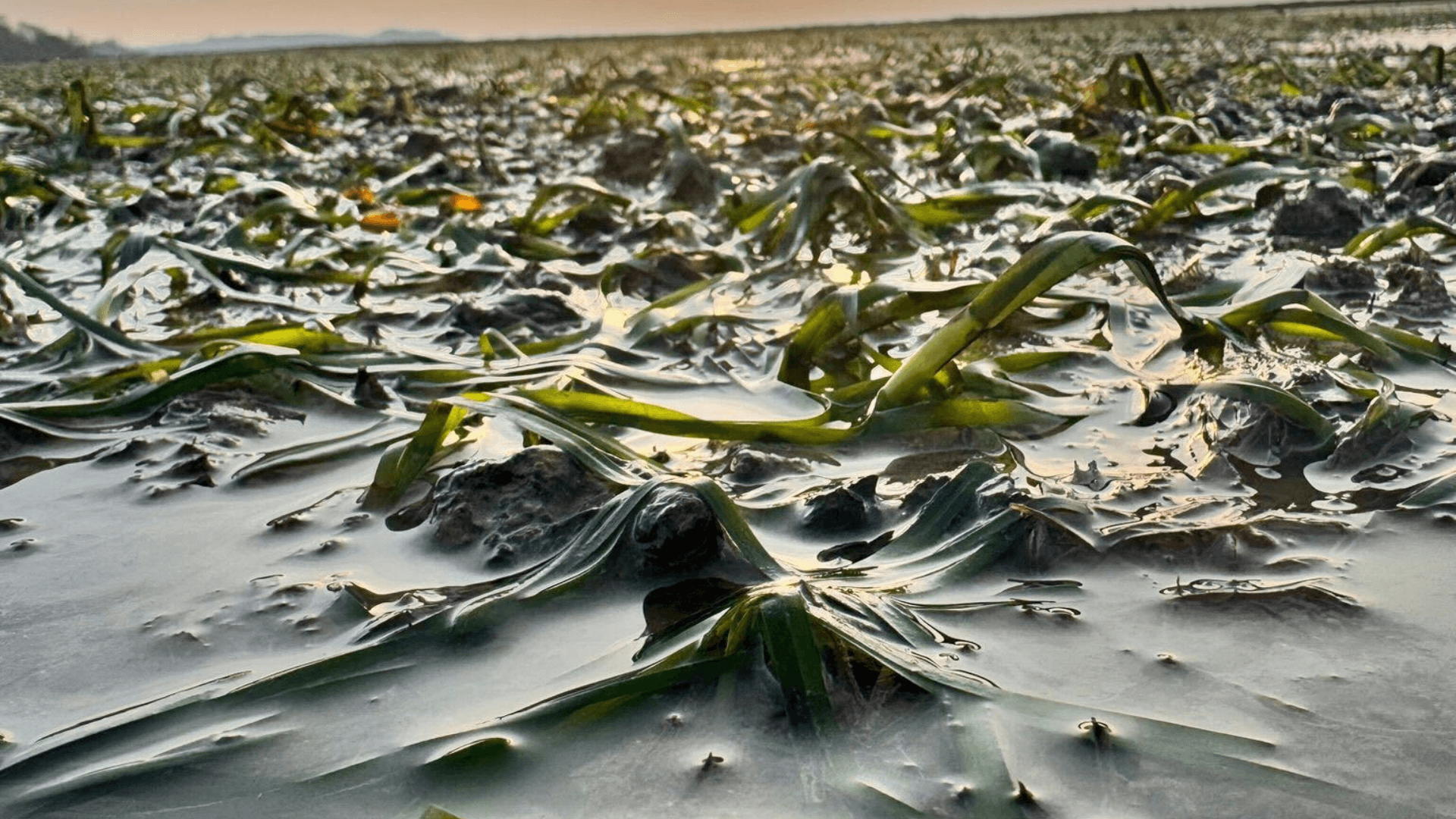
Between the 17th and 23rd March 2026, members of the Project Seagrass team were on the Isle of Wight carrying out active restoration as part of the The Solent Seascape Project, the first project of its kind in the UK to initiate seascape-scale restoration. As part of The Solent Seascape Project, Project Seagrass is working to restore 3.5 hectares of seagrass in the Solent. During this spring’s planting efforts, the team planted 175,416 seagrass seeds using the Dispenser Injection Seeding (DIS) method and 1,154 seagrass transplants from our Seagrass Nursery, planting across an area of 1.11 hectares. Find out more about the activity that took place: Fragment Walk The March fieldwork efforts commenced with a Fragment Walk at Priory Bay. Fragment Walks are a community-based seagrass restoration initiative and form one of the approaches to active restoration that Project Seagrass is undertaking on the Isle of Wight as part of The Solent Seascape Project. Seagrass meadows are sensitive habitats which can be easily uprooted. As a result of storms or other disturbances, fragments of seagrass (individual seagrass plants with the rhizome or reproductive root and node system still intact) can become dislodged, uprooted, and washed up onto beaches. Fragment Walks involve collecting and re-planting these dislodged seagrass fragments, giving them another chance to thrive. During March’s Fragment Walk, the team were joined by 11 volunteers. Together, the group walked along the beach from St Helens to Priory Bay collecting over 100 dislodged seagrass fragments which were then re-planted in a dedicated seagrass community garden at Priory Bay. Over 100 seagrass fragments were collected at Priory Bay as part of March’s Fragment Walk. These were re-planted in a Community Garden at Priory Bay. 11 volunteers supported the activity, supporting active restoration on the Island. Planting Preparation Workshop One of the methods used for active seagrass restoration on the Isle of Wight is planting seagrass transplants. This year’s Planting Preparation Workshop took place at Sea View Yacht Club where 17 volunteers helped the team to prepare 1,154 transplants from the Project Seagrass Seagrass Nursery for planting out into the field. The preparation process for the transplants involves carefully attaching bamboo pins to seagrass rhizomes which provides them with increased stability when they are planted out into the field. March’s Planting Preparation Workshop took place at Seaview Yacht Club Seagrass transplants from the Project Seagrass Seagrass Nursery are prepared for planting out into the field by attaching bamboo pins to the rhizome Seagrass Planting Project Seagrass’ planting as part of The Solent Seascape Project is located at two Isle of Wight sites: Priory Bay and Thorness. Alongside the 1,154 seagrass transplants from the Project Seagrass Seagrass Nursery, the team planted 175,416 seagrass seeds across the sites using the Dispenser Injection Seeding (DIS) method, a method developed by The Fieldwork Company. This year’s seed planting incorporated experimental work to compare the germination success of subtidal and intertidal seed populations collected from Isle of Wight seagrass meadows in Yarmouth, Ryde, and Bembridge as part of last summer’s seagrass seed collections. Baseline measurements were taken at our experimental plots including drone images, pH, salinity, and sediment samples. This provenance experiment will help to inform where seeds are collected from for future restoration activity. Over the course of the fieldwork trip the team planting across an area of 1.11 hectares, an important step in the restoration of the Solent’s important seagrass habitats. Project Seagrass Nursery Manager Emily Yates plants seagrass at Thorness using the DIS method Project Seagrass Operations Lead Eve Uncles plants seagrass transplants from the Seagrass Nursery out into the field at Thorness
Catalina Island study highlights open-coast seagrass restoration success
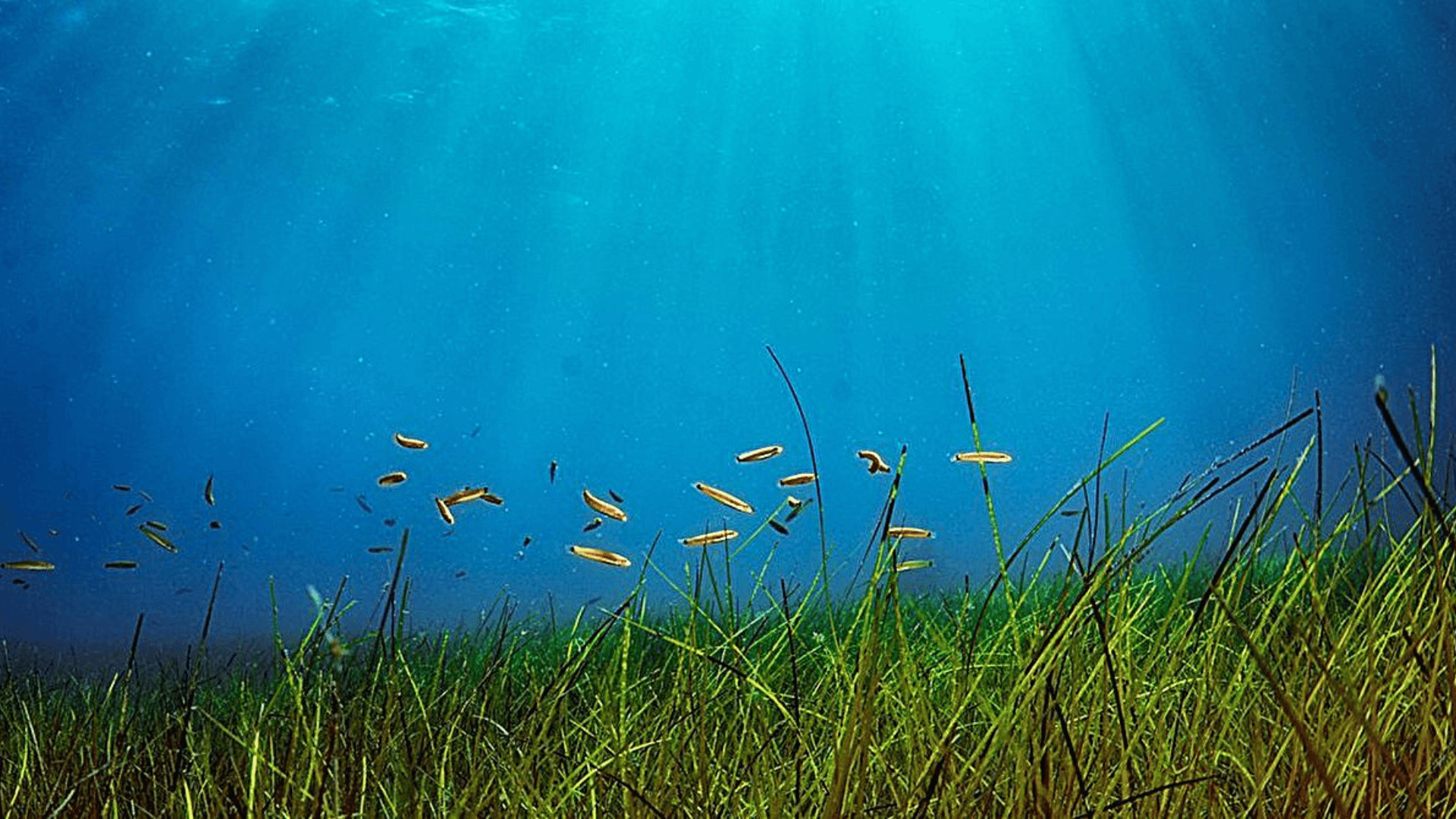
New research led by scientists at University of California’s San Diego’s Scripps Institution of Oceanography is shining a spotlight on one of the ocean’s most overlooked habitats: seagrass. Led by Scripps Oceanography Ph.D. candidate Rilee Sanders, the study documented the first successful restoration of open-coast seagrass (common eelgrass). The findings offer promising insight into the feasibility of restoring high-value coastal habitats in the future. The work is published in the journal Estuaries and Coasts. Seagrasses act as ecosystem engineers, creating complex underwater habitats that support life along the coast. Around the world, these habitats are increasingly threatened by climate change and human impacts like coastal development, invasive species and overfishing. While most West Coast seagrass research has focused on protected bays and estuaries, this study focused on open-coast areas off Catalina Island. Drawing on nearly a decade’s worth of surveys, the team examined everything from seagrass structure to fish communities and ocean conditions to identify where restoration might succeed. Juvenile señorita (Oxyjulis californica) utilize the protective canopy of the open-coast seagrass restoration site at Button Shell, Catalina Island. Credit Adam ObazaPaua Marine Research Group Two bat rays (Myliobatis californica) soaring over an open-coast eelgrass (Zostera marina) bed on Catalina Island. Credit Adam ObazaPaua Marine Research Group The results were encouraging, as the researchers completed the first transplant of open-coast common eelgrass (also known as Zostera marina). Within a year, the restored site began functioning like a natural meadow, supporting fish communities and ecosystem structure, and by year two, it was even healthier and more biodiverse than natural reference meadows. “Seagrasses are kind of an unsung hero of nearshore ocean habitats,” said Sanders. “They provide nursery habitat for young fish, store carbon in sediments and support immense biodiversity in places that might otherwise be sandy seafloor. Being able to quickly restore that structure and function on the open coast is really exciting.” The findings suggest that open-coast environments could become a valuable new tool for seagrass restoration and conservation in California, especially as coastal development and climate change reduce the available suitable habitat in bays and estuaries. And sometimes restoration has surprising benefits. During monitoring, researchers even captured images of an endangered sea turtle visiting the restored meadow. In short: if we plant seagrass, the ecosystem may follow. More information: This article is republished from PHYS.ORG and provided by the University of California – San Diego. Rilee D. Sanders et al, Open-Coast Eelgrass (Zostera marina) Transplant Catalyzes Rapid Mirroring of Structure and Function of Extant Eelgrasses, Estuaries and Coasts (2025). DOI: 10.1007/s12237-025-01609-x
Six Global Challenges: One Powerful Solution. Project Seagrass launches Global Seagrass Challenge Fund to save the world’s seagrass.
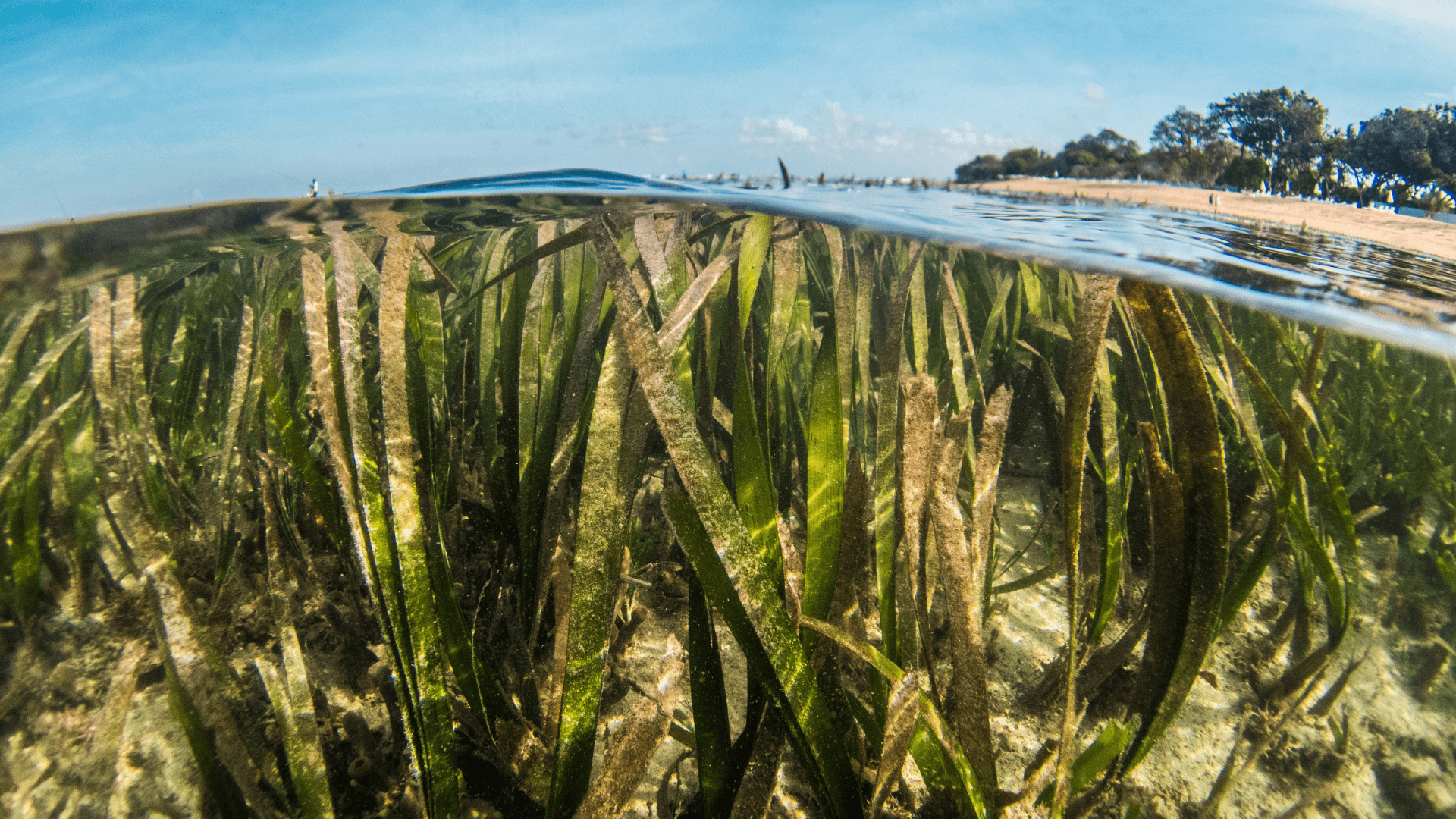
Now seeking investment, the Global Seagrass Challenge Fund will unite funders, businesses, and individuals committed to securing a future for seagrass. With an ambitious target of £50 million, the Fund will support people-centred seagrass conservation for a healthier ocean and a fairer future. Project Seagrass has launched the Global Seagrass Challenge Fund, an ambitious new fund to transform seagrass conservation globally. Announced on World Seagrass Day, the Fund aims to reverse the global trajectory of seagrass meadow decline through sustained investment in people, partnerships, science, and evidence, working across scales from local meadows to global policy. Scientists have identified six global challenges facing seagrass ecosystems; priorities that must be addressed if we are to secure their future. The Global Seagrass Challenge Fund responds directly to these challenges by mobilising funding, technical support, and long-term capacity development for the communities, organisations, and practitioners protecting, conserving, and restoring seagrass social-ecological systems. Developed as a people-centred funding mechanism grounded in scientific evidence, the Fund seeks to close knowledge gaps, strengthen local leadership, and ensure that those closest to seagrass meadows have equitable access to the resources required to safeguard them. Project Seagrass’ Chief Conservation Officer, Dr Benjamin Jones said: “Seagrass conservation will not be transformed by isolated projects; it will be transformed by people working together across scales. Across the world, from small island communities to major research institutions, the talent, passion, and commitment to protect seagrass are everywhere. What isn’t evenly distributed is access to long-term funding and opportunity. If we are serious about reversing global decline, we must be serious about investing in people.” The Global Seagrass Challenge Fund is being established to mobilise £50 million to catalyse a step-change in global seagrass conservation by 2030 and beyond. This investment will enable a coordinated portfolio of locally led initiatives across priority regions — including the Tropical Atlantic, Western Indo-Pacific, Central Indo-Pacific, and Tropical Eastern Indo-Pacific — focused on protecting, restoring, and sustaining seagrass meadows of global significance for biodiversity, food security, and climate resilience. Coastal development damaging seagrass in Indonesia. Alex Bartlett, Project Seagrass Seagrass monitoring training guides. Project Seagrass Project Seagrass’ Senior Science Officer: International Programme, Dr Lucy Coals said: “When we brought together our partners for a recent workshop in Southeast Asia, it was striking how much expertise, innovation, and lived experience was already present in the room. What many partners shared, however, was that opportunities to access sustained funding and global platforms remain limited. The Global Seagrass Challenge Fund has been shaped directly by those conversations. It is designed to respond to what partners told us they need: long-term support, equitable collaboration, and recognition of their leadership.” The Fund builds on more than a decade of international expertise developed by Project Seagrass in understanding seagrass meadows as dynamic social-ecological systems. Drawing on its experience mobilising financial support for research and conservation globally, the organisation combines scientific excellence with education, partnership building, and the translation of theory into practice to strengthen capacity and accelerate impact. Dr Jones added: “We know the science. We understand the challenges. But conservation only succeeds when we back those already leading change on the ground. The Global Seagrass Challenge Fund is designed to recognise that expertise is globally distributed, in coastal communities, local NGOs, and Indigenous knowledge holders, yet access to sustained investment is not. By mobilising long-term funding, we are shifting power and opportunity closer to the meadows and the people who depend on them, ensuring that local leadership is matched with the financial and technical support it deserves.” The Global Seagrass Challenge Fund is now seeking investment. To be part of this global response donate today. Or contact globalchallenge@projectseagrass.org to discuss how you can shape the future of global seagrass conversation.
Seagrass meadows could be good for your health – yet they’re disappearing fast
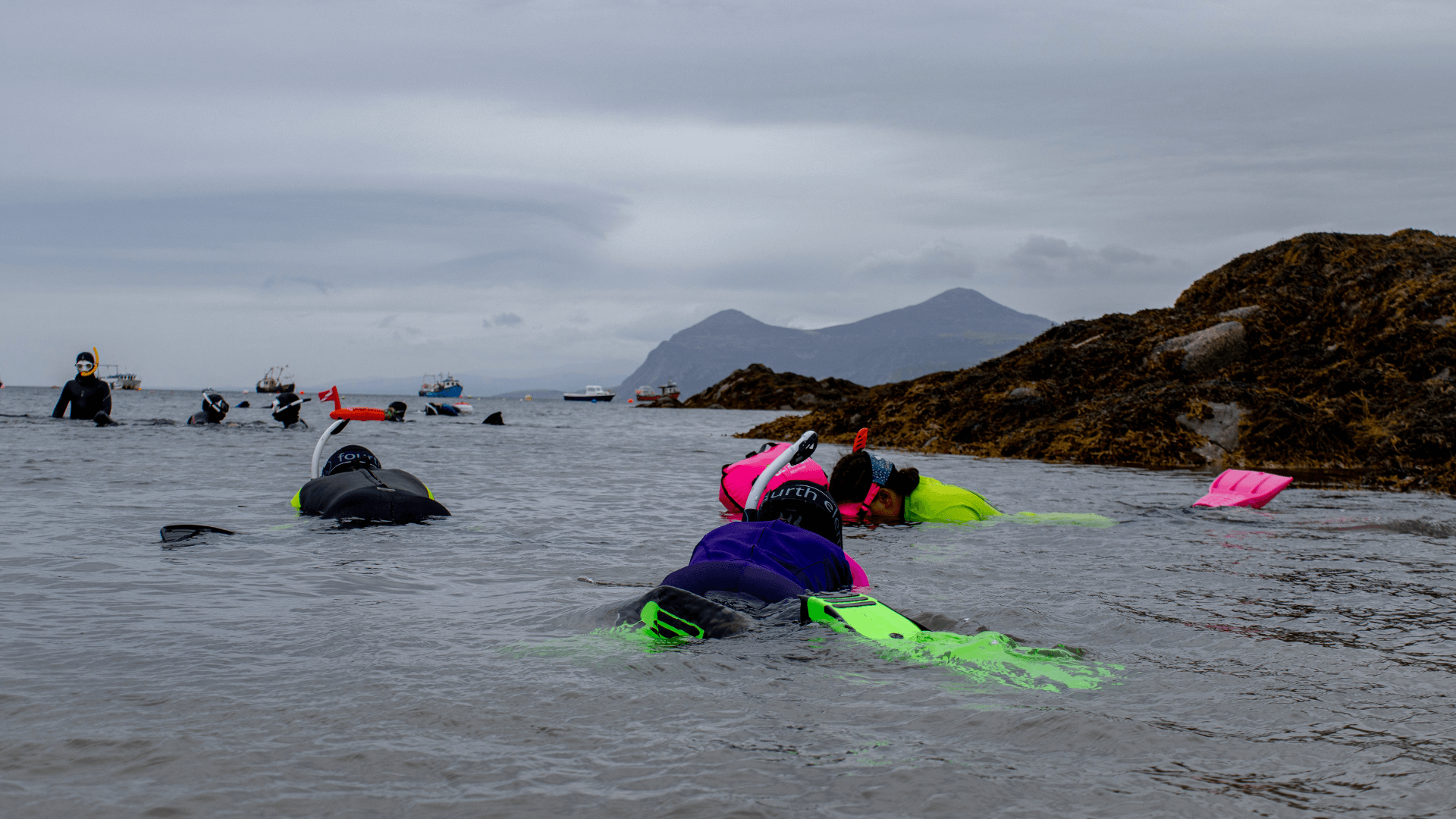
The wellbeing benefits of nature are often linked to forests or habitats that support diverse pollinators. Spending time in green spaces reduces stress and anxiety, for example. By contrast, the benefits of the ocean are more commonly associated with fishing, exciting creatures such as whales and dolphins, or adventure watersports, rather than as a living system that directly supports human wellbeing. Yet growing scientific evidence shows that marine biodiversity is fundamental to the health of people, animals and the planet. The “one health” concept (a term now widely used by the World Health Organization) captures this connection by recognising that human health, animal health and environmental health are inseparable. Our new paper in the journal BioScience applies this idea to seagrass meadows for the first time. We argue that healthy coastal ecosystems such as seagrass meadows are not optional extras, but essential infrastructure for resilient societies. Coastal seas host some of the most biologically rich ecosystems on Earth. Kelp forests, oyster reefs, saltmarshes and seagrass meadows form the foundation of complex food webs that support fisheries, regulate water quality and protect shorelines. These habitats influence everything from food security and livelihoods to exposure to pollution and disease. Take seagrass meadows as one example. These underwater flowering plants stabilise sediments, reduce wave energy and filter nutrients from coastal waters. The benefits ultimately reduce coastal flooding and make the environment cleaner. They also support young fish and invertebrates that later populate offshore fisheries. Seagrass and water quality exist in a delicate balance. When the quality becomes too poor the seagrass becomes less abundant, and it’s then less able to act as a filter. This further exacerbates the water quality problems with implications for fish and other wildife. Similar patterns are seen when kelp forests collapse or shellfish reefs are lost. This is why we need better recognition for the important roles these habitats play. Marine biodiversity also helps regulate the Earth’s climate. Coastal habitats such as seagrass capture and store carbon and can reduce the negative effects of storms and flooding. While saving these ecosystems can’t replace the need to cut greenhouse gas emissions, their loss can accelerate climate impacts at local and regional scales increasing risks to coastal communities. Despite their importance, many marine ecosystems have been severely degraded. Pollution, overfishing, coastal development and warming seas have reduced biodiversity along coastlines around the globe. These losses are rarely visible to the public as they’re hard to see. This is because these losses occur underwater and gradually. Yet their consequences are increasingly felt through declining fisheries, poorer water quality and greater vulnerability to extreme weather. These factors all ultimately affect our health and wellbeing. Our new paper argues that restoring marine biodiversity requires a shift in how success is measured. Conservation and restoration efforts are often judged by the amount of hectares of habitat planting planted or short-term project outcomes. While these metrics are easy to calculate, they can obscure the real goal: the recovery of ecological function and long-term resilience. Biodiverse seagrass habitats have huge value to fisheries, from industrial fishing vessels to communities fishing by hand. Richard Unsworth A collaborative approach This is where the one health perspective becomes particularly valuable. By linking environmental condition to human and animal health, it encourages collaboration across disciplines that rarely interact. Coastal management, public health, fisheries policy and climate adaptation are often treated separately yet they all depend on the same underlying ecosystems. Examples from around the world show that biodiversity can do miraculous things, such as seagrass meadows trapping pathogens, reducing harmful bacteria in coastal waters that kills corals and contaminates seafood. That’s nature directly buffering human and animal health. We also know that when habitat is degraded and lost, it displaces associated wildife. This can lead to greater interactions between wild and farmed animals. In the case of seagrass loss, typically we know that geese become displaced to farmland to graze. This has the potential to increase interactions with farmed animals and could enhance spread of diseases such as bird flu. Recovery of our ocean habitats and the wildlife, plants and microbes that live there is possible. Where water quality improves and physical disturbance is reduced, marine habitats can rebound, bringing measurable benefits for biodiversity fisheries and coastal protection. Importantly, the benefits then extend to people – cleaner water, a more affable environment and better, more abundant food. However restoration of these habitats alone cannot compensate for ongoing damage. Protecting what remains is consistently more effective and less costly than rebuilding ecosystems after they collapse. Marine biodiversity may feel distant from everyday life but it quietly supports many of the systems that societies depend on. Recognising oceans and coasts as part of our shared health system rather than as separate from it could transform how we manage and value the marine environment. In a changing climate, this shift may prove essential not only for nature but for our own resilience. This article was originally published in The Conservation.
Can seagrass survive extreme heat? Exploring how different species withstand elevated water temperatures
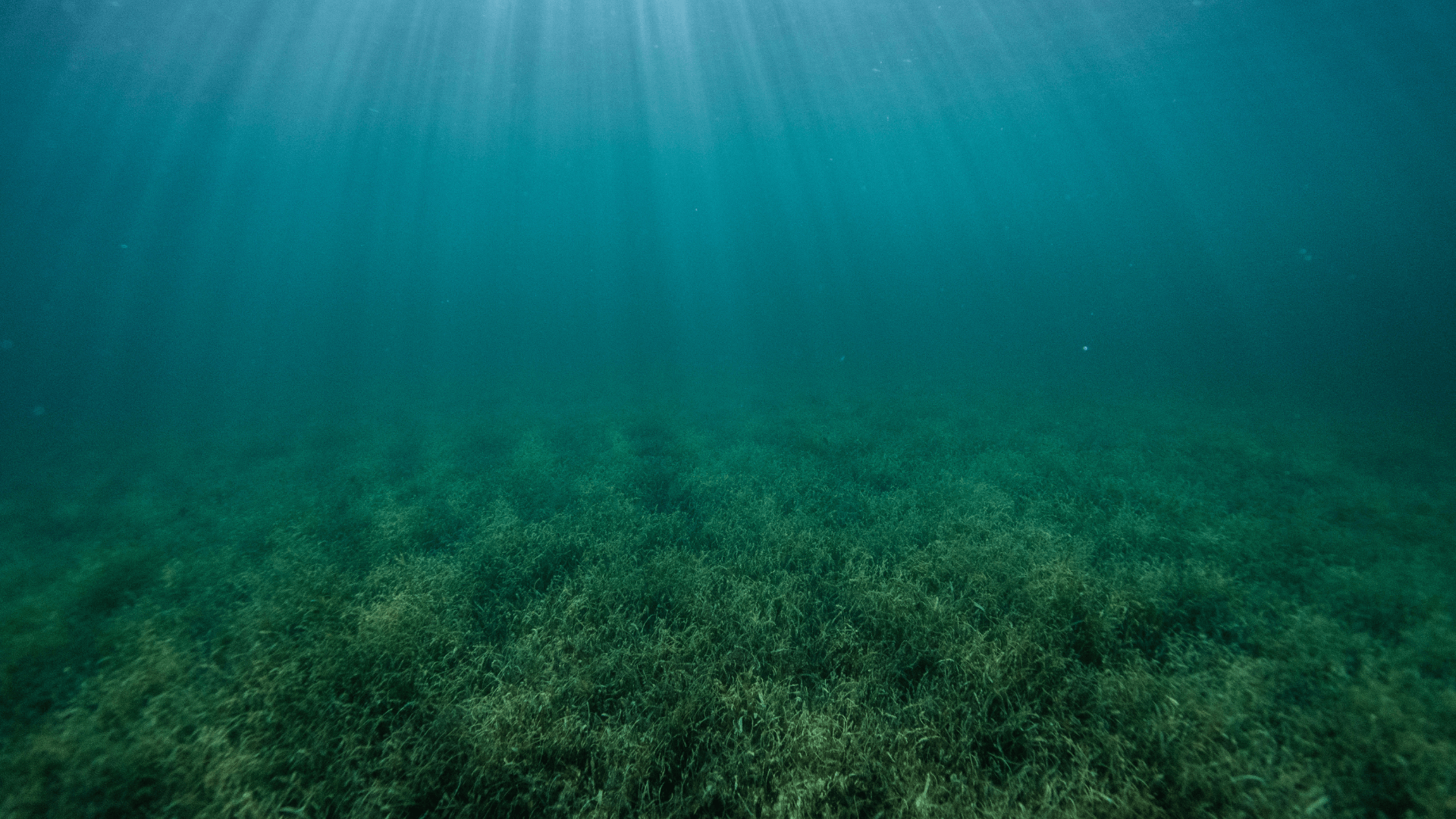
Extreme heat can have a devastating effect on seagrass, but new research from Edith Cowan University (ECU) could shape how these vitally important marine ecosystems are managed and restored. In separate studies carried out on both the west and east coasts of Australia, researchers have investigated how seagrasses stand up to marine heat waves and prolonged ocean warming. Executive Dean of ECU’s School of Science, Professor Marnie Campbell, conducted the research during her time at Central Queensland University. She noted that insights into how different intertidal species respond to elevated water temperatures are critical for informing future seagrass management. “The outcomes demonstrate that the way we protect and restore seagrass will need to change as the climate warms,” Professor Campbell said. Ph.D. candidate Nicole Said from ECU’s Center for Marine Ecosystem Research said that not all seagrass species faced the same climate risk, with her research findings on Western Australian seagrass ecosystems indicating that subtidal seagrass meadows could be restored with more heat-resistant populations of the same species. “By identifying and sourcing heat-tolerant populations—sometimes just kilometers away—we can translate this knowledge into on-the-ground action, incorporating resilient populations into restoration to create climate-ready meadows,” Ms. Said explained. West coast Ms. Said is lead author of the study “Seagrasses are most vulnerable to marine heat waves in tropical zones: local‐scale and broad climatic zone variation in thermal tolerances,” which looked at six species along the Western Australian coast, spanning broad thermal gradients from temperate to tropical climates. The study is published in the journal New Phytologist. “Western Australia is an ideal setting for studying seagrass thermal tolerances, and there is a critical need for this data due to WA being a global hotspot for marine climate impacts,” Ms. Said explained. “We can use this information to look at which species might be vulnerable during future marine heat waves, and which ones we should focus our conservation value on.” The study revealed that seagrasses are most vulnerable to marine heat waves in tropical zones. It also showed that climate risk varied across seagrass species, with a 10-degree Celsius difference in thermal optima, and even neighboring populations showed different heat tolerances. “Some populations are better equipped to deal with the heat, and in some cases, the tough ones might be growing next door,” Ms. Said explained. “This shows that not all species face the same level of risk from climate change, and a one-size-fits-all approach is not appropriate for management of thermally vulnerable seagrass species.” The findings could also benefit restoration of seagrass meadows that have already suffered from thermal warming and marine heat wave events. “We can use this information to help build climate-ready meadows, by migrating plants or seeds from more heat-resistant populations into thermally vulnerable areas.” East coast Professor Campbell’s study “Varying vulnerabilities: Seagrass species under threat from prolonged ocean warming” is a paper published in Limnology and Oceanography that examined the impacts of elevated water temperatures on five intertidal species in Gladstone, Queensland, with a focus on improving seagrass restoration. “This study offers an understanding of how climate change might impact these seagrasses, whose ecological functions are not easily replaced once lost,” Professor Campbell said. “Seagrasses are a critically important ecosystem that provides food, shelter and nursery areas for a wide variety of marine life, so with changing climate, it is at risk in different ways. We wanted to understand how these species react when temperatures reach dangerous extremes, which is becoming more common with climate change.” Professor Campbell said they found intertidal pools where the water was more than 40 degrees for weeks on end. “The tide would go out, and the seagrass would be left high and dry, quite often in little, tiny pockets of water which would reach massive temperatures,” Professor Campbell said. “To restore or manage the species, you have to look at the distinct thermal thresholds of the different species—you can’t treat them all as one. “This knowledge helps us to decide which species to plant where—including the best substrate and water depth; so we can restore these ecosystems more effectively.” Professor Campbell said the species she studied were commonly found in Australia and other parts of the world, with the outcomes leading to global impact. “There were two species that were really good candidates for future-proofing restoration in regions that are warming up,” Professor Campbell said. “Two were highly vulnerable and will require more protection from heat stress, or if you’re going to restore them, you need to find micro-climates that are cooler for them—for example, if they are in the sub-tropics, you would look at temperate areas to restore them.” More information: This article is republished from PHYS.ORG and provided by the Edith Cowan University. Nicole Said et al, Seagrasses are most vulnerable to marine heatwaves in tropical zones: local‐scale and broad climatic zone variation in thermal tolerances, New Phytologist (2025). DOI: 10.1111/nph.70742 Marnie L. Campbell et al, Varying vulnerabilities: Seagrass species under threat from prolonged ocean warming, Limnology and Oceanography (2025). DOI: 10.1002/lno.70156
Open Letter to Crown Estate Scotland. Scottish Seagrass Collaborative Response to: Approach to Marine Enhancement Proposals (issued November 2025)
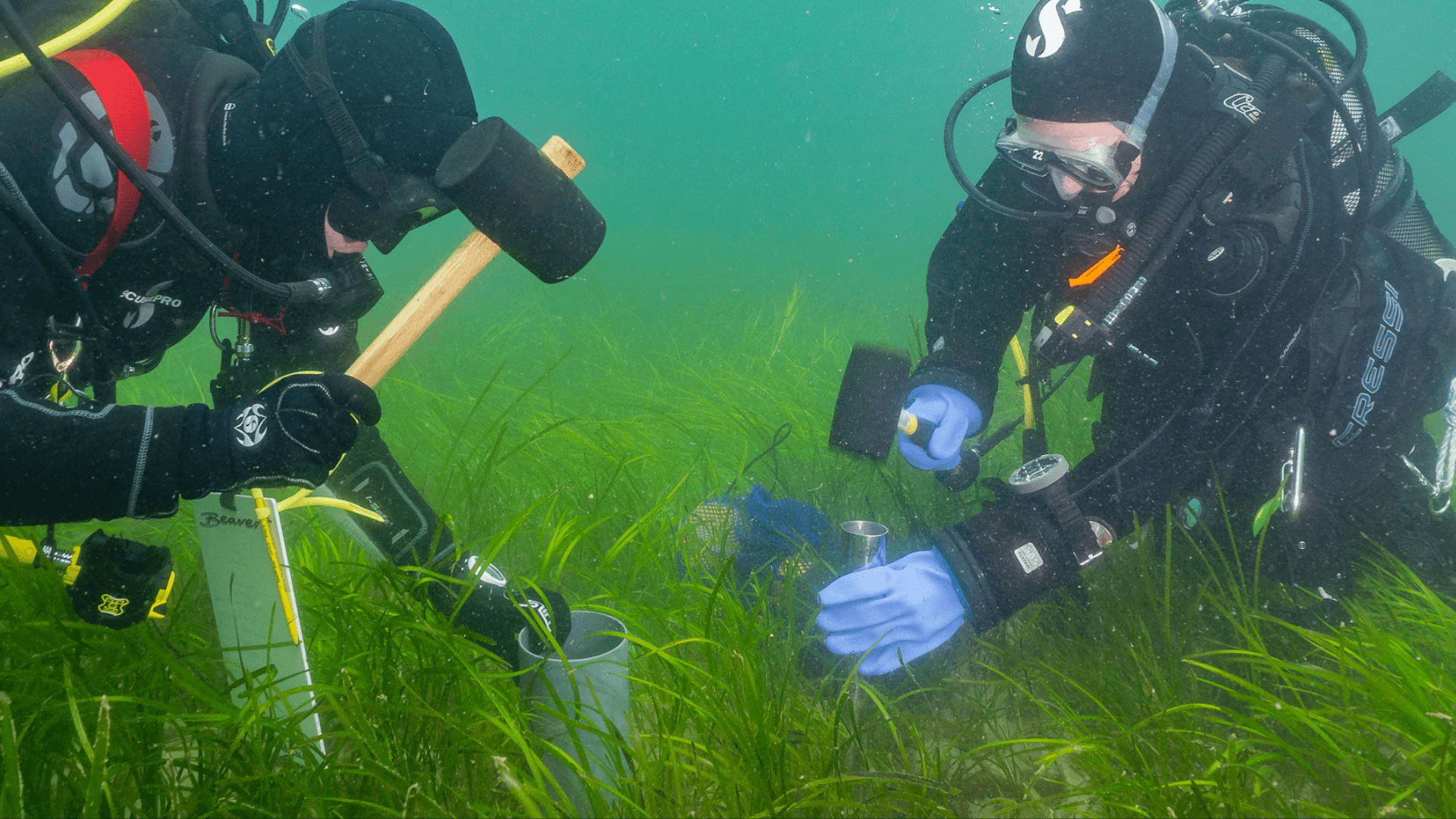
The Scottish Seagrass Collaborative, responds to Crown Estate Scotland’s Approach to Marine Enhancement Proposals: We write as marine scientists, restoration practitioners, and organisations working across Scotland’s coasts and seas, in response to Crown Estate Scotland’s Approach to Marine Enhancement Proposals. We welcome Crown Estate Scotland’s commitment to responsible stewardship of the seabed and its recognition that marine enhancement activities—such as seagrass meadow and native oyster restoration—deliver important public benefits. We also recognise the intention behind the Non-Commercial Enhancement Licence to provide a light-touch mechanism to support this work. However, we are concerned that the approach, as currently set out, risks creating unintended barriers to marine science, restoration, and climate action in Scotland—particularly through the inclusion of low-impact scientific surveys and sediment sampling (such as coring) within licensable activities. We ask: a zero-cost exemption for non-commercial, not-for-profit restoration activities to incentivise biodiversity positive activities rather than impose barriers and work collaboratively in consultation with the research and restoration community to develop all current and future guidance. Why sediment sampling matters Sediment coring and similar sampling methods are essential scientific tools. They are used to: identify and map habitats that store “blue carbon”; measure how much carbon is currently stored, and how much could be restored; design effective and well-targeted restoration projects; monitor whether restoration is successful over time; meet Scotland’s national and international obligations on climate and biodiversity reporting. These activities are temporary, small-scale, and reversible. A typical sediment core affects an area measured in centimetres, not metres, and causes negligible environmental impact. Treating this type of research in the same way as seabed occupation, construction, or extractive use risks undermining proportionality and evidence-based decision-making. Risks to restoration and blue carbon science Scotland is recognised internationally for leadership in marine nature-based solutions and blue carbon research. Yet marine carbon cannot be measured or verified without physical sampling of seabed sediments. Requiring licences, fees, and extended approval timelines for this work risks: creating significant barriers to non-commercial marine restoration at a time when policy and science point toward the need for rapid development and scale-up. Applying fees and additional bureaucracy to generative, public-benefit restoration is counterproductive and misaligned with national biodiversity and climate goals. Marine habitat restoration is non-commercial, non-extractive, and enhances seabed value delivering public benefits (blue carbon, fish nurseries, nutrient remediation) that exceed licence costs. slowing down urgently needed research at a time when climate and biodiversity action must accelerate. Non-Commercial Marine Habitat Restoration in Scotland is currently driven by small non-profit eNGOs and community-led projects that struggle for funding. For example, the charity Seawilding is trialing seagrass and native oyster restoration methodologies in multiple sites in Argyll and Wester Ross. Along with others, the charity is developing the science, the know-how, and the methodologies to allow restoration at scale. The existing licensing regime and cost is already burdensome. To pile on more poses an existential threat to Seawilding and this essential work. creating barriers to delivering the Scottish Biodiversity Strategy to 2045 and the Marine and Coastal Restoration Plan. The proposed charges are counter to the Strategy & Plan, which encourages active restoration by community-based organisations and advocates streamlining and simplifying the process. In addition, the charges will create additional barriers to achieving targets in the Scottish Biodiversity Strategy to 2045 and the upcoming Natural Environment Scotland bill. Recent work by a panel of expert restoration researchers and practitioners highlighted that adding licensing costs and complexity makes small-scale restoration increasingly unfeasible and favours large developers without restoration expertise. Read more here. making publicly funded research harder to deliver within fixed budgets and timelines. discouraging foundational science before any future natural capital markets are even considered. adding bureaucracy where policy intent is to enable, not constrain, restoration. While the policy excludes natural capital markets, the paradox is that the research needed to responsibly inform any future policy on blue carbon is now harder to carry out. All public bodies, including seabed owners, have duties to support biodiversity recovery and climate action. Those goals cannot be met without access to the seabed for scientific research. Our request We respectfully ask Crown Estate Scotland to: Explicitly exempt low-impact, non-commercial scientific sampling (including sediment coring) carried out for research, restoration design, monitoring, and blue carbon assessment from licensing requirements; or Introduce a clear, fast-tracked, cost-free notification or consent process for these activities, separate from enhancement or occupation licences; and Work collaboratively with the research and restoration community to develop guidance that recognises the essential role of scientific sampling in delivering national biodiversity, climate, and nature-recovery objectives. Closing We strongly support Crown Estate Scotland’s ambition to be a responsible and proactive steward of the seabed. We believe this ambition will be best realised by ensuring that essential scientific research is enabled rather than hindered. Applying fees and additional bureaucracy to low-impact, public-benefit restoration science risks creating significant unintended barriers at a critical moment for Scotland’s seas. We ask for the Crown Estate to incentivise biodiversity positive activities rather than impose barriers such as this licensing and fee. Letter endorsed by: Action West Climavore Loch Dail an Inbhire croft Heriot Watt University Moray Ocean Community Open Seas Project Seagrass Scotland’s Rural College Seawilding Shark and Skate Scotland Solway Firth Partnership University of Edinburgh University of Glasgow
Shore crab – Creatures that call seagrass home
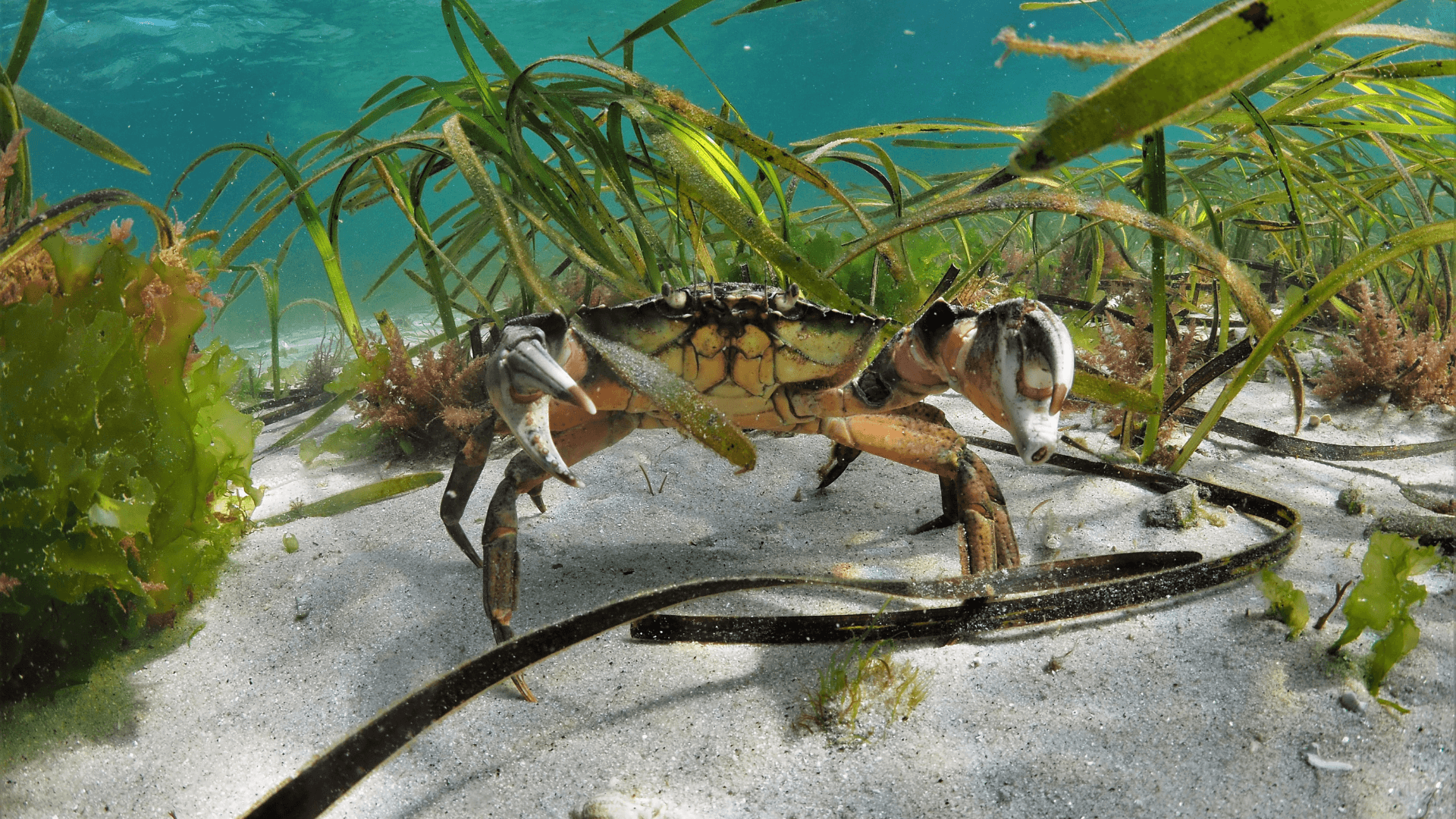
In this blog series, our Conservation Trainee Abi David explores some of the amazing creatures that call seagrass meadows their home. The shore crab, also known as the green crab, are contentious within the seagrass world. They have important ecological roles within their habitats, but their tendency towards destruction and invading habitats has led to them becoming a problematic species. The green crab is a species of variety. They live in shallow marine and estuarine habitats, generally preferring sheltered environments with muddy or sandy sediments. Adults can tolerate a broad spectrum of salinities – between 4 to 52 parts per thousand – and temperatures – from 0 to 30°C. However, this differs between populations, with some being more tolerant than others to change. There is also a wide range of colour variations within the species. Individuals can be green, brown, grey or red and this is largely dependent on local environmental conditions but does also have a slight genetic component. For instance, red-coloured individuals have been linked with delayed moulting and a tendency to have thicker carapace and increased aggression. However, they are less tolerant of environmental stress as a result of a higher metabolic demand compared to green individuals. Crabs have a hard exoskeleton called a carapace. Once or twice a year they will moult their carapace, usually at night. Each moult will increase the body size by 20-33%. The process starts with the crab absorbing calcium carbonate from the old skeleton. Enzymes then break down tissue connections to the old shell as muscles and tissues start secreting a new, softer shell. Absorbing seawater helps the crab puff up like a balloon, cracking the old shell and allowing the crab to climb out. It takes a few weeks for the new shell to harden. In the meantime, the crab continues to fill its tissues with seawater whilst the new shell is soft, ensuring there is plenty of room for growth. Juveniles can moult up to 10 times within their first year if conditions are good, but after reaching maturity will generally only moult once a year. Seagrass with a Green Shore crab (Carcinus maenas), Isles of Scilly, Cornwall, UK Credit Michiel Vos Ocean Image Bank Like a lot of species, green crabs can be affected by parasites. One of the most common parasites they become infected with is the crab hacker barnacle Sacculina carcini. When crabs are at their most delicate after moult, the barnacle can infect its host by injecting a chitin needle into the host and crawling inside the main body cavity of the crab. Once attached, it spreads tendrils inside the host crab, taking over the stomach, intestines, and nervous system to allow the parasite to absorb nutrients and control the hosts behaviour. The parasite will lay eggs on the crabs body and due to the parasites control over crab behaviours, the crab will protect these eggs like they are its own. At this point you may be thinking – that’s pretty grim, but what is cool is the infection effectively castrates male crab hosts and causes them to develop female characteristics and if for whatever reason the parasite is removed from the host, female crabs tend to regenerate their ovaries, but for males, permanent sex change occurs and ovarian tissue develops. As a result of their tolerance to a wide range of conditions, shore crabs are incredibly invasive – even being listed as one of the top 100 invasive species, a list dedicated to the worlds most harmful invasive species that can seriously impact ecosystems. The species is native to the North-East Atlantic and Baltic sea but has colonised areas of Australia, South Africa, South America and both coasts of North America. Global shipping routes are the main cause of this spread. As microscopic larvae, the crabs get caught up in ship ballasts and are transported around the globe. They can also spread due to sea planes, packing materials like seaweeds used to ship live marine organisms and inside bivalves that are moved for aquaculture. What is the link between green crabs and seagrass? Up until now you may have been thinking ‘green crabs are just going about their business, what’s wrong with that?’ but people trying to restore seagrass may disagree with you. There are anecdotal stories from restoration teams and scientists who have been out planting seagrass shoots only to spot a crab scuttling along behind them and pulling out the freshly planted seagrass shoots. Studies have found crabs can damage seagrass when they dig about in the sediment for clams and other invertebrates as this process of bioturbation exposes and uproots shoots. At our nursery in Laugharne, we have spotted seagrass leaves that appear to have been snipped or ripped out by crabs, and seeds mysteriously disappearing after being planted. However, these problems tend to be most prevalent where they are invasive and there are low numbers of predators. In habitats where they are native and numbers are under control – destructive behaviours have a reduced impact and are just a natural part of the ecosystem. Like any creature, crabs have an important niche within their natural habitats. As a generalist feeder, they scavenge and eat dead creatures and detritus on the sea floor that otherwise would rot and cause nutrient build up, which can potentially lead to disease. By eating a wide variety of prey, they help keep populations under control. However, where green crab are invasive or numbers are too high, this can become detrimental. Seagrass meadows are home to a lot of the species crabs will eat, so act as an all-day buffet. Additionally, young crabs are more vulnerable to predation and seek refuge amongst seagrass, with leaves providing cover from birds and fish swimming around above. In areas where they are invasive and populations are too high, it is becoming a popular solution for people to eat them. In New England for example, invasive crab populations are high. In 2019 ‘The Green Crab Cookbook’ was released where each recipe