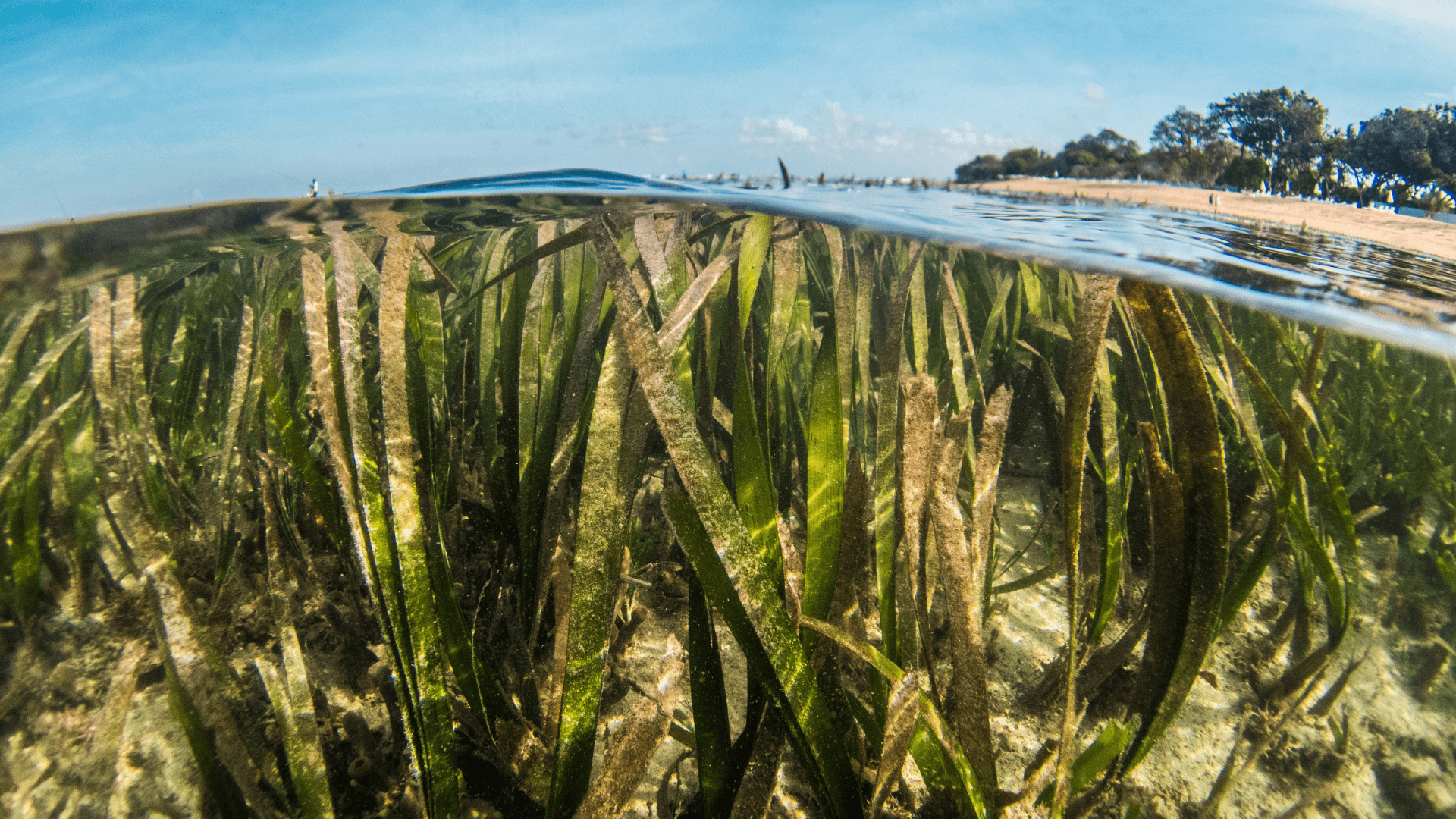
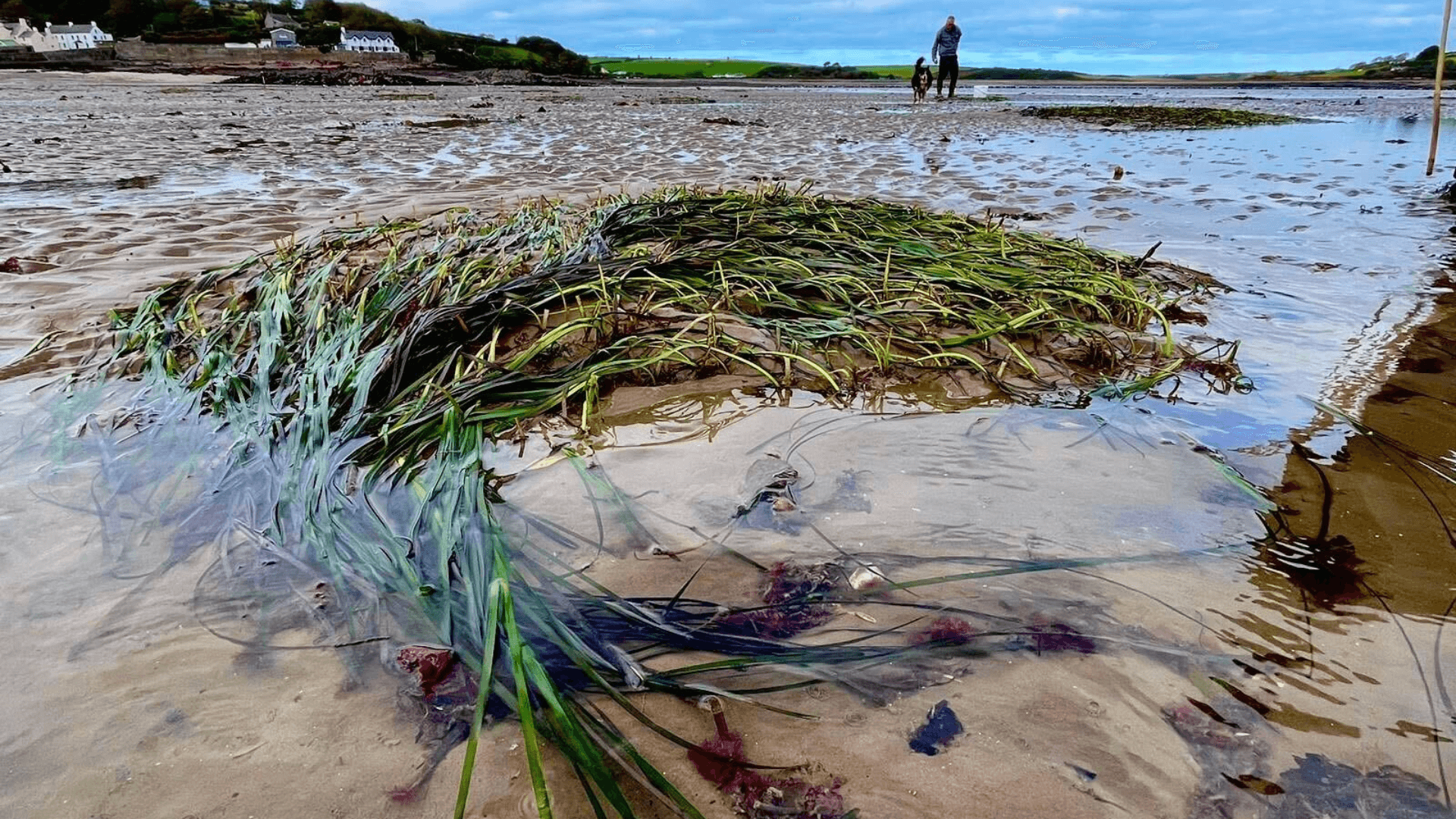
Now seeking investment, the Global Seagrass Challenge Fund will unite funders, businesses, and individuals committed to securing a future for seagrass. With an ambitious target of £50 million, the Fund will support people-centred seagrass conservation for a healthier ocean and a fairer future. Project Seagrass has launched the Global Seagrass Challenge Fund, an ambitious new fund to transform seagrass conservation globally. Announced on World Seagrass Day, the Fund aims to reverse the global trajectory of seagrass meadow decline through sustained investment in people, partnerships, science, and evidence, working across scales from local meadows to global policy. Scientists have identified six global challenges facing seagrass ecosystems; priorities that must be addressed if we are to secure their future. The Global Seagrass Challenge Fund responds directly to these challenges by mobilising funding, technical support, and long-term capacity development for the communities, organisations, and practitioners protecting, conserving, and restoring seagrass social-ecological systems. Developed as a people-centred funding mechanism grounded in scientific evidence, the Fund seeks to close knowledge gaps, strengthen local leadership, and ensure that those closest to seagrass meadows have equitable access to the resources required to safeguard them. Project Seagrass’ Chief Conservation Officer, Dr Benjamin Jones said: “Seagrass conservation will not be transformed by isolated projects; it will be transformed by people working together across scales. Across the world, from small island communities to major research institutions, the talent, passion, and commitment to protect seagrass are everywhere. What isn’t evenly distributed is access to long-term funding and opportunity. If we are serious about reversing global decline, we must be serious about investing in people.” The Global Seagrass Challenge Fund is being established to mobilise £50 million to catalyse a step-change in global seagrass conservation by 2030 and beyond. This investment will enable a coordinated portfolio of locally led initiatives across priority regions — including the Tropical Atlantic, Western Indo-Pacific, Central Indo-Pacific, and Tropical Eastern Indo-Pacific — focused on protecting, restoring, and sustaining seagrass meadows of global significance for biodiversity, food security, and climate resilience. Coastal development damaging seagrass in Indonesia. Alex Bartlett, Project Seagrass Seagrass monitoring training guides. Project Seagrass Project Seagrass’ Senior Science Officer: International Programme, Dr Lucy Coals said: “When we brought together our partners for a recent workshop in Southeast Asia, it was striking how much expertise, innovation, and lived experience was already present in the room. What many partners shared, however, was that opportunities to access sustained funding and global platforms remain limited. The Global Seagrass Challenge Fund has been shaped directly by those conversations. It is designed to respond to what partners told us they need: long-term support, equitable collaboration, and recognition of their leadership.” The Fund builds on more than a decade of international expertise developed by Project Seagrass in understanding seagrass meadows as dynamic social-ecological systems. Drawing on its experience mobilising financial support for research and conservation globally, the organisation combines scientific excellence with education, partnership building, and the translation of theory into practice to strengthen capacity and accelerate impact. Dr Jones added: “We know the science. We understand the challenges. But conservation only succeeds when we back those already leading change on the ground. The Global Seagrass Challenge Fund is designed to recognise that expertise is globally distributed, in coastal communities, local NGOs, and Indigenous knowledge holders, yet access to sustained investment is not. By mobilising long-term funding, we are shifting power and opportunity closer to the meadows and the people who depend on them, ensuring that local leadership is matched with the financial and technical support it deserves.” The Global Seagrass Challenge Fund is now seeking investment. To be part of this global response donate today. Or contact globalchallenge@projectseagrass.org to discuss how you can shape the future of global seagrass conversation.