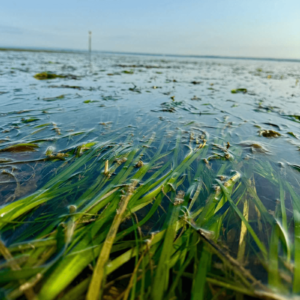
Scientists have warned efforts to protect and restore marine habitats along the UK’s coastline could be hindered by a lack of public knowledge about these initiatives. In the face of climate change and rising sea levels, nature-based coastal solutions (NBCS) are emerging as a sustainable and environmentally friendly way to protect our shores. These innovative solutions—which include living shorelines, engineered reefs, and restoration of saltmarshes and dunes—offer a greener alternative to traditional hard defenses like seawalls and barriers. However, new research reveals that while NBCS are preferred by many for their environmental benefits, public understanding of their effectiveness lags behind. In a study published in the Journal of Environmental Management, researchers surveyed over 500 UK residents and found a striking divide between public preference and their perception of effectiveness. Most respondents expressed a preference for nature-based coastal solutions due to their sustainability and aesthetic appeal. Yet hard defenses, which were long-established and visibly effective, remained widely thought-of as the most reliable way to mitigate coastal risks like flooding and erosion. Spatial distribution in preferences and perceived effectives for the two active coastal management strategies considered: hard defenses and nature-based coastal solutions. Credit: Journal of Environmental Management (2024). DOI: 10.1016/j.jenvman.2024.123413 The study highlights a critical knowledge gap. Although NBCS offer significant environmental advantages- including carbon sequestration, enhanced biodiversity, and community resilience—their long-term effectiveness is not well understood by the public. This disconnect could hinder efforts to implement NBCS at scale, despite growing calls from the coastal science community to adopt these solutions as a cornerstone of sustainable coastal management. To bridge this gap, researchers emphasize the need for greater public engagement and education about nature-based initiatives. Collaborative approaches, such as systems mapping, could play an important role in involving local communities in the decision-making process. By fostering dialogue among residents, scientists, and policymakers, systems mapping can help ensure that coastal management strategies are both inclusive and effective. Dr. Scott Mahadeo, from the School of Accounting, Economics and Finance at the University of Portsmouth, explains, “Nature based coastal solutions offer a promising path toward sustainable coastal management, combining environmental benefits with resilience against climate challenges. However, our findings highlight a clear knowledge gap between the scientific community’s advocacy for these solutions and the public’s understanding of their effectiveness. Bridging this gap through meaningful dialogue and inclusive decision-making will be key to fostering widespread support and ensuring robust, long-term coastal policies.” The study highlights that coastal zones hold deep socio-cultural significance, from family heritage and community cohesion to recreation and environmental stewardship. Researchers say that any changes to these landscapes can profoundly impact the lives and identities of coastal residents and users. This is why public support and understanding are crucial for the successful adoption of NBCS and other coastal management strategies. Dr. Mahadeo adds, “As the UK and the world grapple with the challenges of climate change, balancing innovative solutions with community needs is essential. The path forward lies in building trust, sharing knowledge, and working together to safeguard our coasts for generations to come.” The University of Portsmouth is involved in several projects that use nature as a potential solution to climate-related or pollution-related issues. These include the Rapid Reduction of Nutrients in Transitional Waters (RaNTrans) project, which is exploring how nature-based approaches can improve and protect marine ecosystems. Restoration projects are also underway across the south coast of England, including the pioneering Blue Marine Foundation’s Solent Oyster Restoration Project, and the UK’s first seascape restoration project the Solent Seascape Project. Both projects are based at the University of Portsmouth’s Institute of Marine Sciences in Langstone Harbour, and aim to restore multiple habitats such as oyster reefs, seagrass meadows, saltmarsh and birds, to reconnect and revive our ailing coastal waters. This latest study was conducted by a team of interdisciplinary scientists—in coastal geomorphology, environmental economics, and human geography—and focused on public perceptions of coastal management in the UK. Using innovative survey and analysis techniques, the authors hope the research will help develop more sustainable and inclusive coastal policies. More information: This article is republished from PHYS.ORG and provided by the University of Portsmouth.