NEWS

NEWS

Keeping you up to date with Project Seagrass news and views with a mixture of field notes and commentary on seagrass and marine conservation topics.

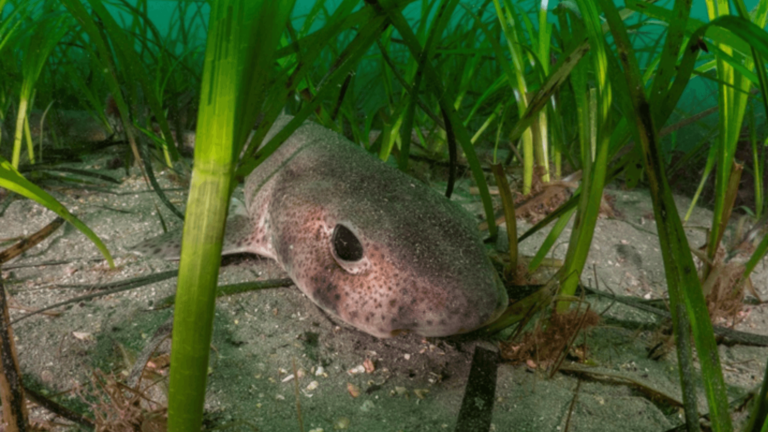
Catshark in seagrass

Spotted catshark – Creatures that call seagrass home

In a new blog series, our Conservation Trainee Abi David explores some of the amazing creatures that call seagrass meadows their home. The small spotted catshark (Scyliorhinus canicula) is a small shark species growing up to 1 meter long and can be seen around European and North African coastlines. They
Read More »

Seagrass to the rescue and rescue to the seagrass

In an article for Halloween, Grace Cutler, one of Project Seagrass’ Interns for the 2025-26 academic year, explores the frightening reality of continued seagrass loss as a result of anthropogenic activity and how this in turn threatens seagrass’ role in supporting people and planet. Werewolves are struck down by silver

Read More »
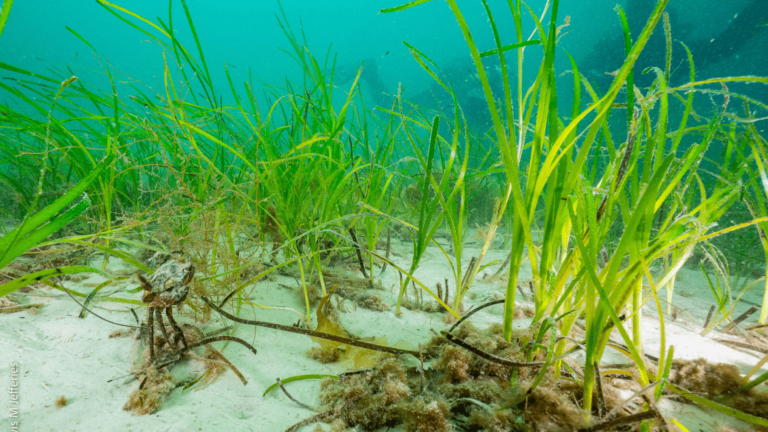
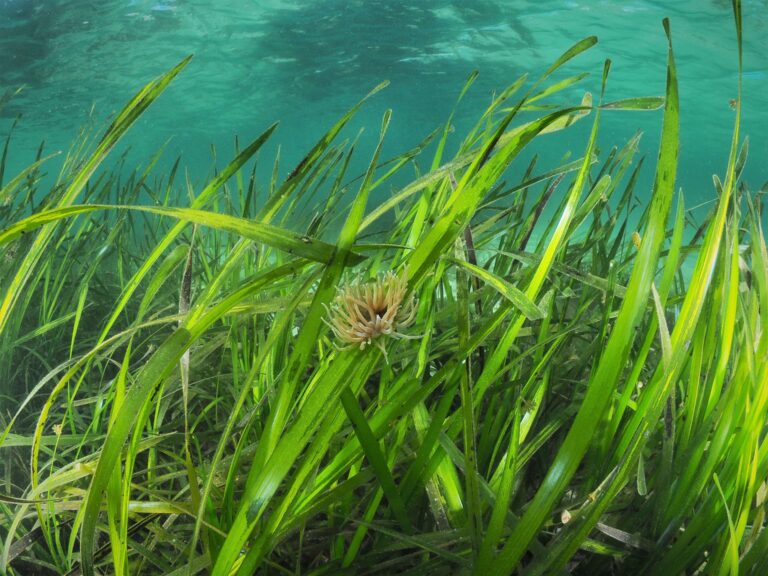
Zostera marina seagrass meadows with a snakelocks anemone

Snakelocks anemone: Creatures that call seagrass home

In a new blog series, our Conservation Trainee Abi David explores some of the amazing creatures that call seagrass meadows their home. The snakelocks anemone is a funny looking creature commonly found around the UK. They have up to 200 long, wavy tentacles and can grow on average to about

Read More »
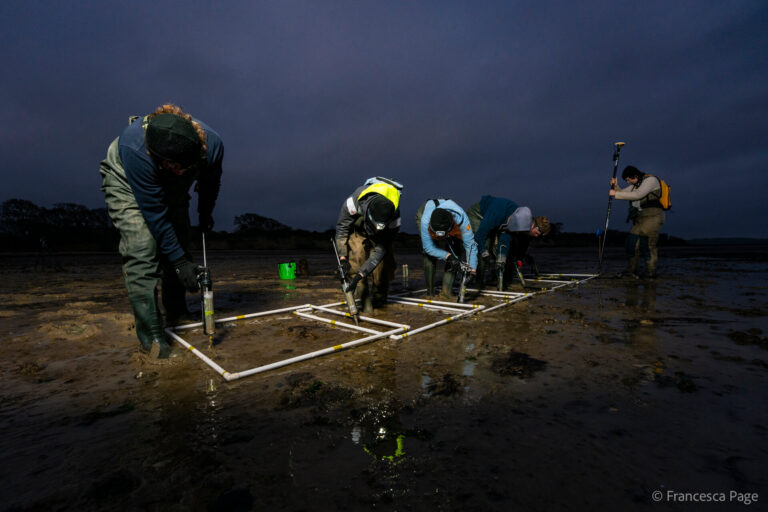
Members of Project Seagrass staff are planting seagrass seeds using DIS guns. They are planting into quadrats. It is early morning and the sun hasn't yet risen.

Rethinking Marine Restoration: Why Permits Could Be Holding Us Back

The Ocean is in crisis. Coral reefs are bleaching, seagrass meadows are vanishing, mangroves are being cleared, and biodiversity is plummeting. Scientists estimate we’ve already lost up to 50% of global saltmarshes, 35% of mangroves, and 20% of seagrasses. Yet alongside this sobering decline, momentum for marine restoration has never

Read More »
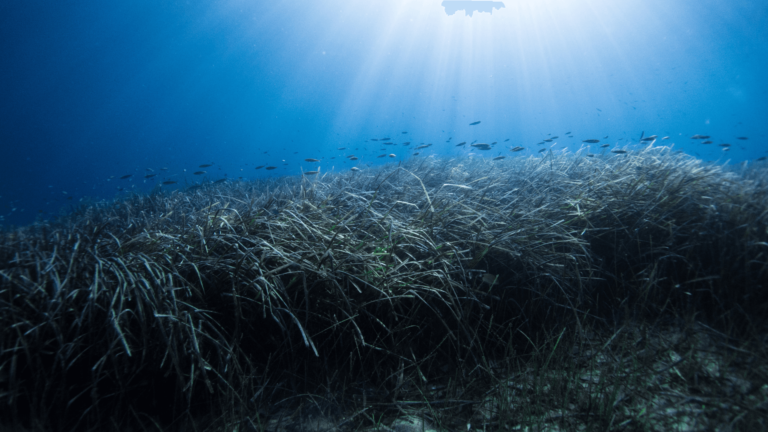
Seagrass meadow in Orkney.

Our response to the Scottish Government Blue Carbon Action Plan

Earlier this year, the Scottish Government circulated a draft version of Scotland’s first Blue Carbon Action Plan with key stakeholders to gather comments and feedback. Project Seagrass was one of the organisations contacted as part of this process. The Blue Carbon Action Plan sets out the Scottish Government’s position and

Read More »
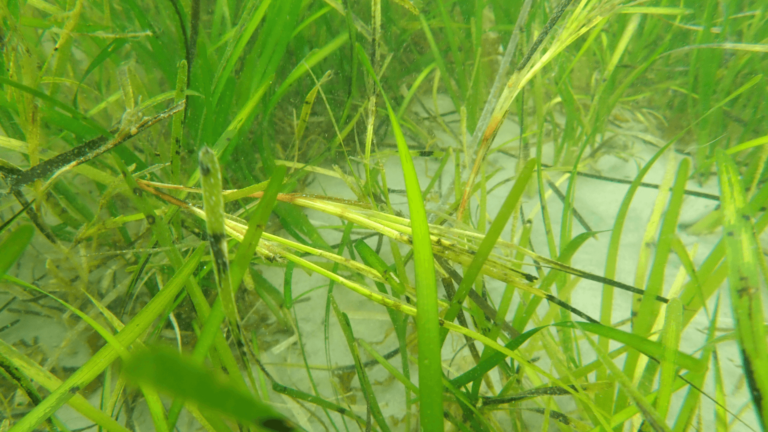
A seagrass meadow in Orkney. A lighter reproductive shoot is present.

Summer surveys in Scotland’s seagrass meadows

This summer, the Sjogras Partnership returned to Orkney to undertake a range of surveys to further develop our understanding of the health and extent of Orkney’s important seagrass meadows.    Between the 19th July and 1st August, Professor Joanne Porter from Heriot Watt University  and Dr Elizabeth Lacey from Project Seagrass

Read More »
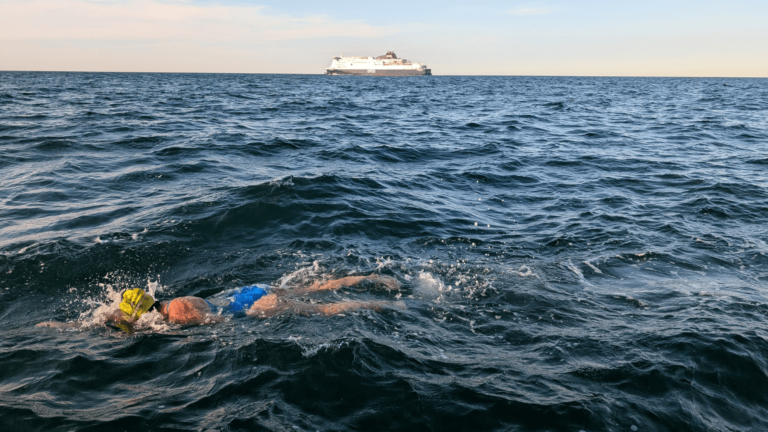
Laura Suggitt swimming the Channel

Successful swim to support seagrass

In a guest blog post, Laura Suggitt shares her experiences of swimming the Channel to raise vital funds for environment funds including Project Seagrass: Earlier this month, I swam across the English Channel to France with my team, The Matriarsea. We completed the crossing in 12 hours and 49 minutes;

Read More »
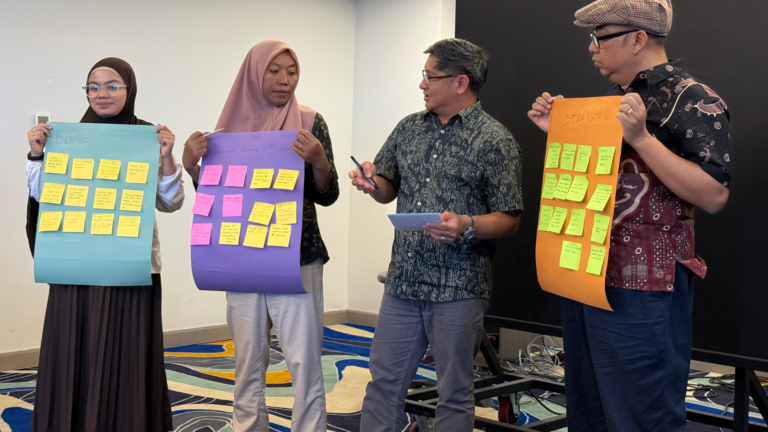
Four people are standing at the front of a room. Three members of the group are holding paper with post-it notes on as part of a workshop activity.

Reflections from the Seagrass Knowledge for Action in Southeast Asia Workshop

This summer, teams came together in Makassar, Indonesia, for the Seagrass Knowledge for Action in Southeast Asia workshop to explore pathways forward for strengthening knowledge, building research capacity, and development to further safeguard local seagrass social-ecological systems. Co-hosted by Universitas Hasanuddin (UNHAS) and Project Seagrass, the workshop involved teams from

Read More »
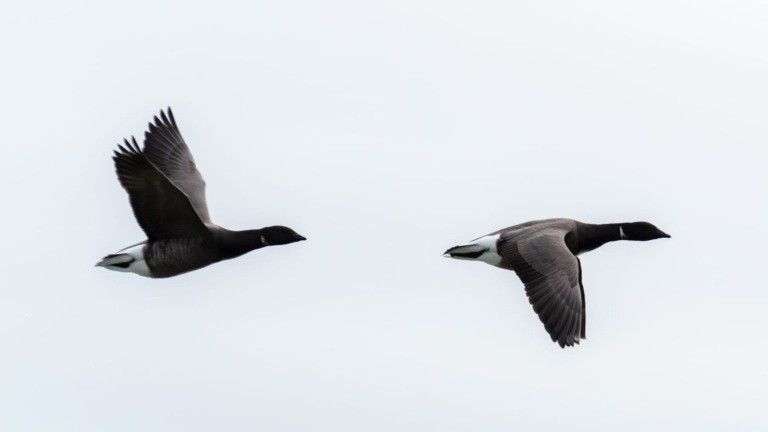
A pair of dark bellied Brent Geese fly through the sky. The sky is grey

The Brent Goose: Creatures that call seagrass home

In a new blog series, our Conservation Trainee Abi David explores some of the amazing creatures that call seagrass meadows their home. The Brent Goose Branta bernicla is of a similar size to a Mallard duck, making it one of the smallest goose species in the world. They are a

Read More »
new science

Underwater seagrass seed harvester – Support our Crowdfunder!

Seagrass meadows are essential for the health of our oceans. They provide vital habitats for marine life, improve water quality, and store significant amounts of carbon. Unfortunately, these vital ecosystems are in decline. Here at Project Seagrass, we are on a mission to restore seagrass meadows to help create a

Read More »
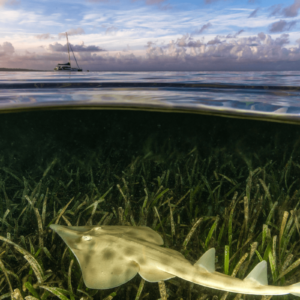
A ray swims through a seagrass meadow.
new science

Scientists and rangers share knowledge to restore seagrass

Scientists from The University of Western Australia have partnered with Indigenous rangers on a seagrass restoration project in Gathaagudu (Shark Bay) to help moderate climate change and conserve biodiversity. Dr. Elizabeth Sinclair and Professor Gary Kendrick, from UWA’s School of Biological Sciences and Oceans Institute, were co-authors of the paper published in Ocean

Read More »
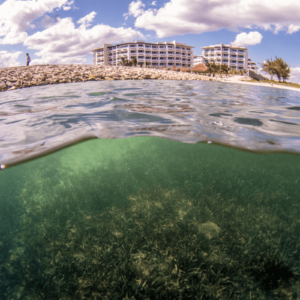
The image shows seagrass growing next to an area of development in Mexico. There is a hotel on the seafront.
new science

Seagrasses filter human pathogens in marine waters

An international team of researchers discovered that coastal urban seagrass ecosystems can significantly reduce human bacterial pathogens, including those with widespread antibiotic resistance, in marine bivalves—a vital food source for people around the world. The study, published Aug 2 in the journal Nature Sustainability, sheds light on the significant role seagrass meadows play

Read More »
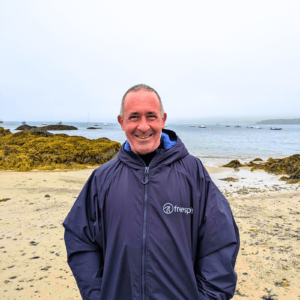
Bob is standing on Porthdinllaen beach wearing a dryrobe. He has his hands in his pockets.
Volunteer

Seagrass Ocean Rescue Volunteer Profile: Bob

As our 2024 seagrass seed collection in North Wales draws to a close we spoke to Seagrass Ocean Rescue volunteer Bob Pethers about his experience of volunteering as part of the project. Tell us a little bit about yourself: I’m Bob Pethers, originally from London but have lived and worked

Read More »
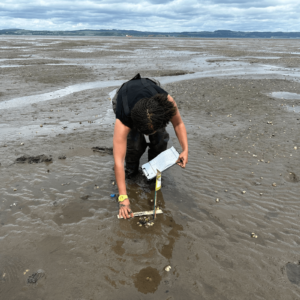
A member of the Restoration Forth is crouched on the beach. They are holding a ruler and a clipboard as they record data as part of the monitoring of seagrass shoots.

Project Update: Restoration Forth | July 2024

Restoration Forth aims to restore seagrass meadows and native oysters into the Firth of Forth, to create a healthier coastline for people and nature.   Find out more about the project here.  Seagrass – the outcome of monitoring Back in March, 128 volunteers helped Restoration Forth plant more seagrass seeds along

Read More »
new science

Scientists outline 10 golden rules for seagrass restoration

196 of the world’s nations are committed under the Kunming-Montreal Global Biodiversity Framework to tackling nature loss. Habitat restoration is a major pathway to tackling this loss. For marine habitats such as seagrass, such restoration is often portrayed as an easy answer to fighting many of our planetary ills causing

Read More »