
NEWS

NEWS

Keeping you up to date with Project Seagrass news and views with a mixture of field notes and commentary on seagrass and marine conservation topics.

Seagrass Fish Fence

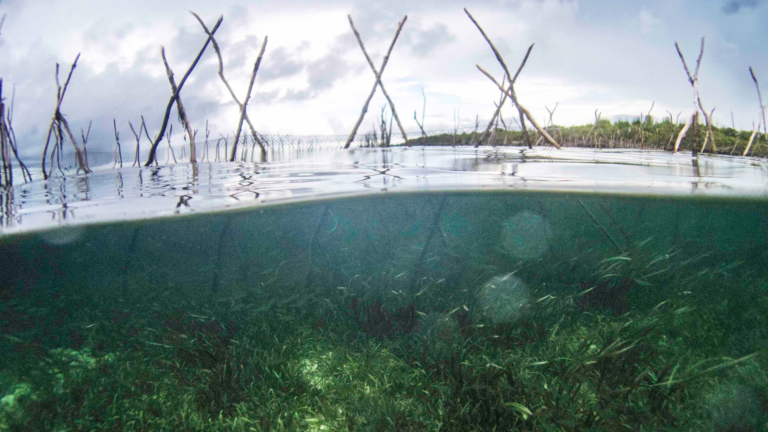
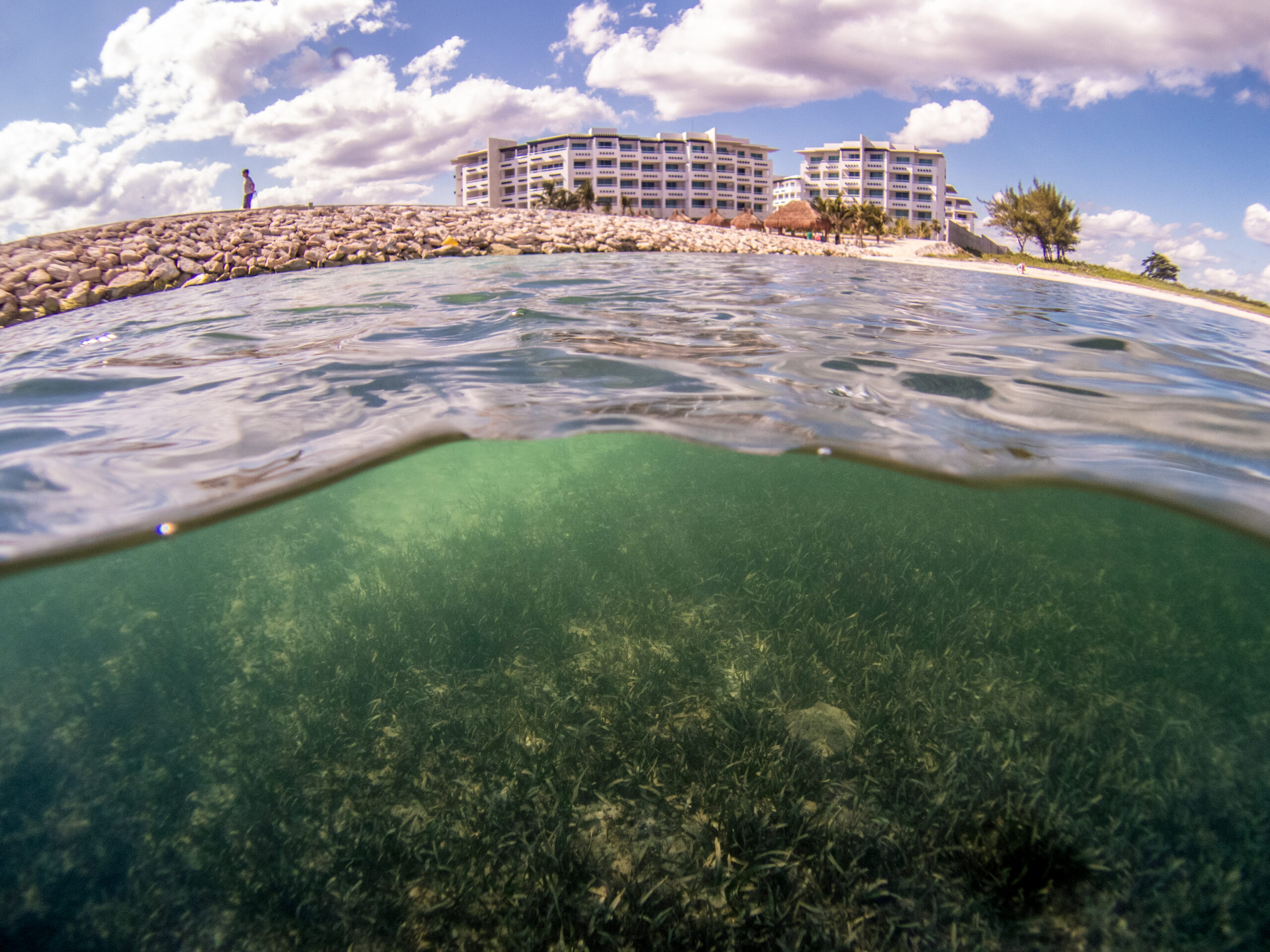
The Use of Seagrass in Flood Defences and Reducing Beach Erosion

Ewan Garvey, one of Project Seagrass’ Interns for the 2025-26 academic year, explores how seagrass can provide protection for coastal communities. As the seasons transition from autumn into winter, storms often become a pressing concern for coastal communities. In recent years, the growing impacts of climate change have become increasingly

Read More »
Seagrass in Thorness

End of year reflections from our 2025-26 interns

In September 2025, Project Segrass welcomed Anya, Dylan, Will, Grace, Iestyn, Jasper, and Ewan as our interns for the 2025-26 academic year. In this Q&A our interns share their experiences and highlights from their first three months as interns with Project Seagrass. What have been the highlights from your internship

Read More »
Sea snail

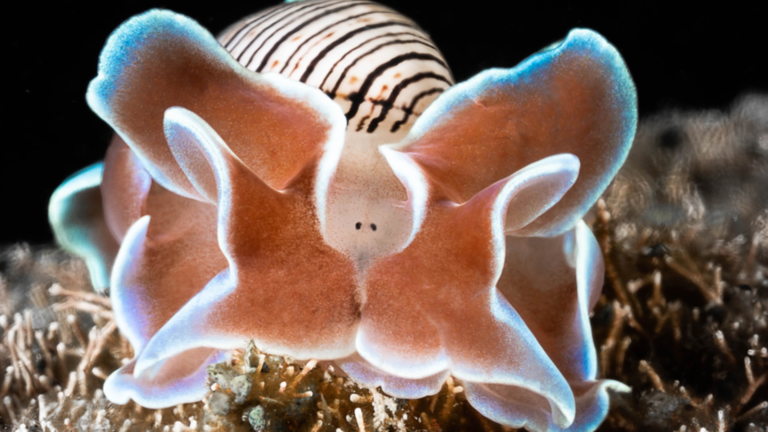
Sea snails – Creatures that call seagrass home

In a new blog series, our Conservation Trainee Abi David explores some of the amazing creatures that call seagrass meadows their home. Sea snails are a hugely diverse group of marine gastropod found in all over the world. There is such a vast range of different colours, sizes, diets and

Read More »
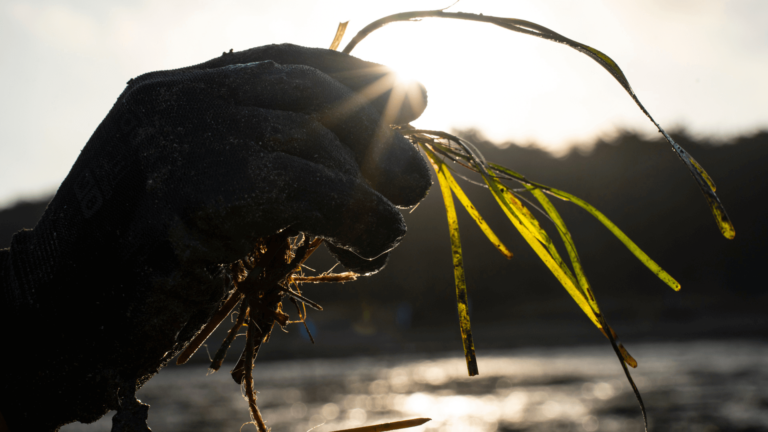
A member of the Project Seagrass team holds a seagrass transplant in a gloved hand.

Introducing the Seagrass Hug

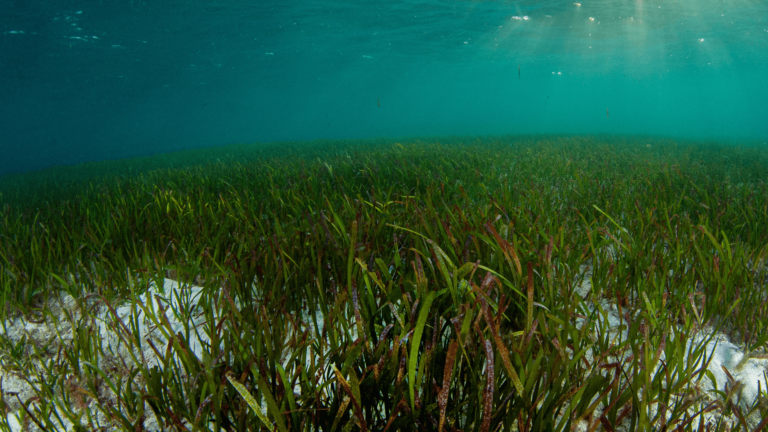
In 2024, the Project Seagrass team introduced the Seagrass Hug to our planting methodology. The method was developed by Anouska Mendzil, Senior Science Officer at Project Seagrass and Swansea University, and aims to determine whether surrounding seeding plots with more established transplants provides protection for emerging seeds in restoration practices.

Read More »
UK Seagrass Symposium Logo

UN endorsed Seagrass Symposium hosted in Welsh capital

The UK Seagrass Symposium 2025 took place in Cardiff last week, bringing together scientists, conservation professionals, practitioners, and community groups from across the UK. Hosted by Project Seagrass, the event was the first in the UK Seagrass Symposium (UKSS) series to receive endorsement as an official Ocean Decade Activity as

Read More »
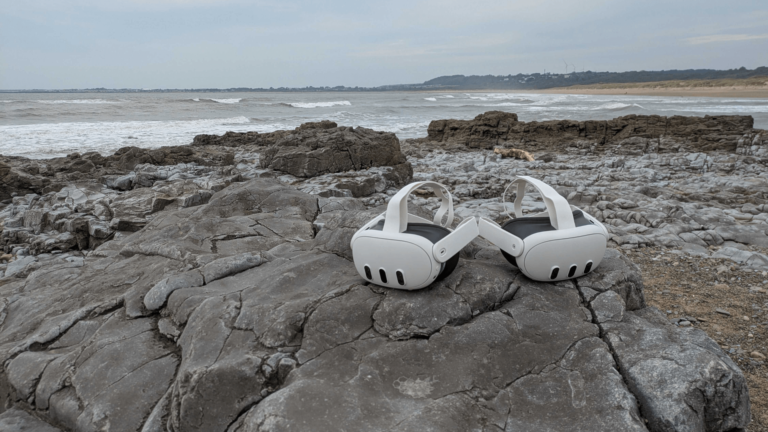
Two VR headsets are placed on the rocks at the coast at Ogmore in South Wales.

My Seagrass Adventure: New immersive VR experience launched

On the 25th and 26th October, the team from Project Seagrass attended Swansea Science Festival to launch new VR experience: My Seagrass Adventure. The experience has been created as part of an innovative partnership between Project Seagrass, Proper Good Films, and Onyva Studio and takes users on a mesmerising journey

Read More »
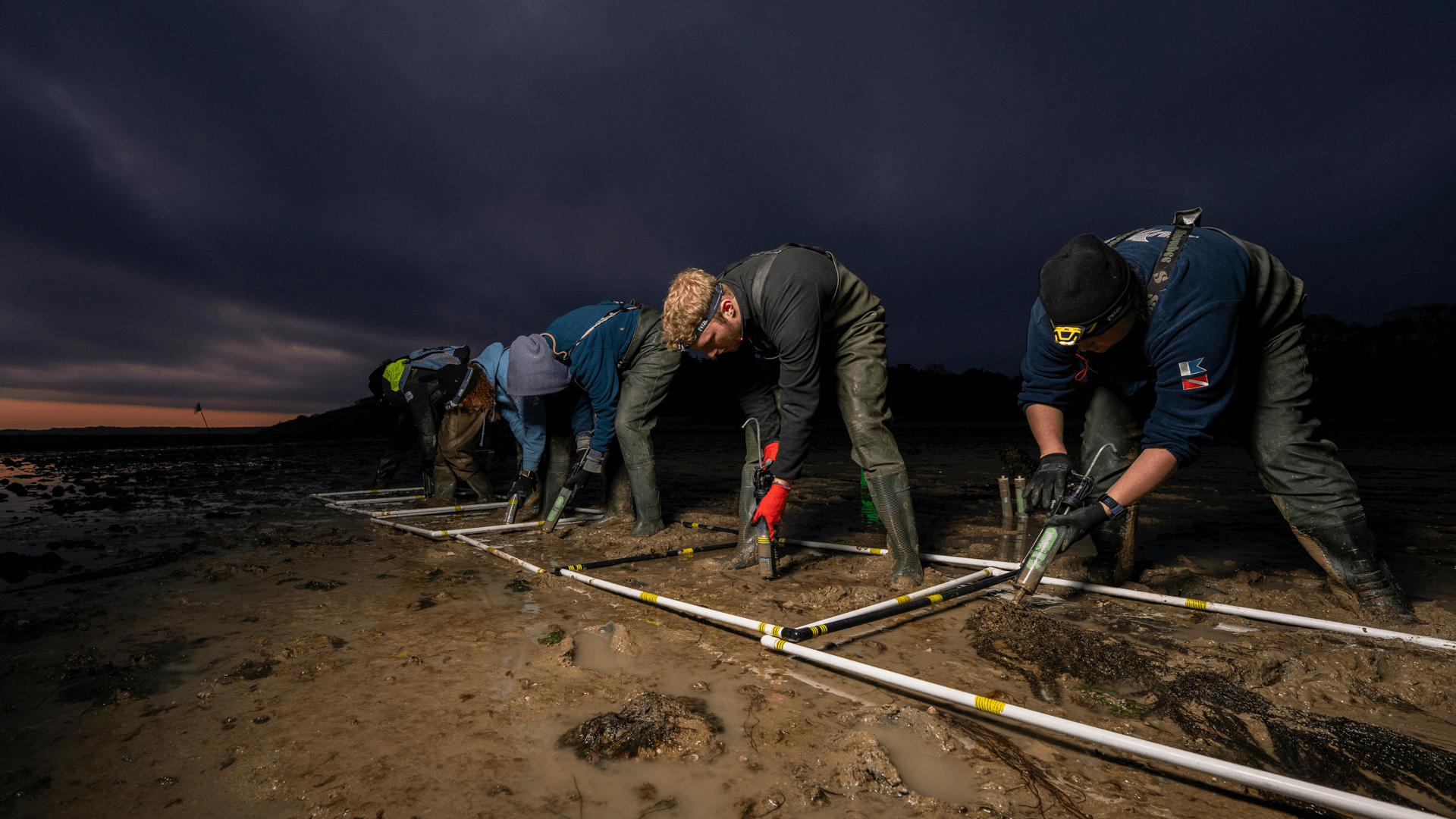
Project Seagrass members of staff stand in a row planting seagrass seeds within quadrats. They are using the DIS planting method. It is early morning and the sun is only just beginning to rise.
Global Seagrass Challenge

SeagrassRestorer launch marks new era of global collaboration for seagrass restoration

Following its World Ocean Day launch, everyone from scientists to conservationists, and from community groups to environmental funders now have access to an innovative new knowledge sharing platform: SeagrassRestorer.  Launched by an international partnership comprising some of the world’s leading seagrass scientists, SeagrassRestorer provides a unique opportunity to learn not

Read More »
Lindsey is standing by the coast. She is wearing sunglasses and a hoodie with a turtle on it.
Volunteer

Volunteers’ Week: Interview with Lindsey

At Project Seagrass, we rely on the enthusiasm and commitment of our volunteers who support our work to save the world’s seagrass. We couldn’t do it without you! We spoke to Lindsey, one of our regular volunteers in the Solent about her experiences of volunteering with Project Seagrass: 1. Tell

Read More »
history

Human connections to seagrass meadows date back 180,000 years, study reveals

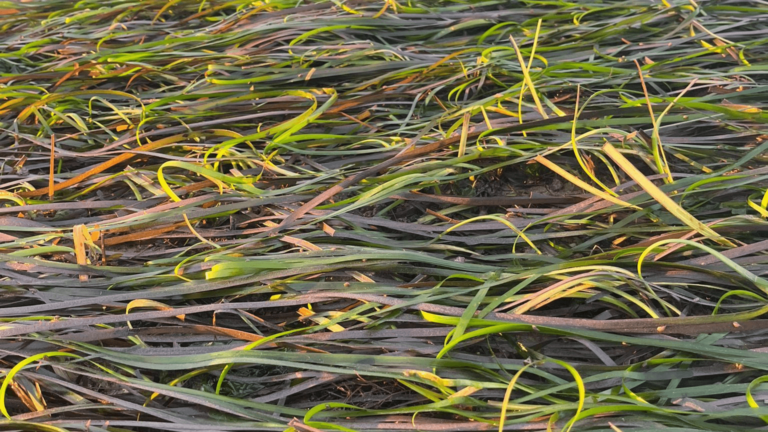
For millennia, humans lived as hunter-gatherers. Savannas and forests are often thought of as the cradle of our lineage, but beneath the waves, a habitat exists that has quietly supported humans for over 180,000 years. Archaeological evidence suggests that early humans migrated along coasts, avoiding desert and tundra. So, as Homo spread from

Read More »