

NEWS

NEWS

Keeping you up to date with Project Seagrass news and views with a mixture of field notes and commentary on seagrass and marine conservation topics.

News, views and press releases…

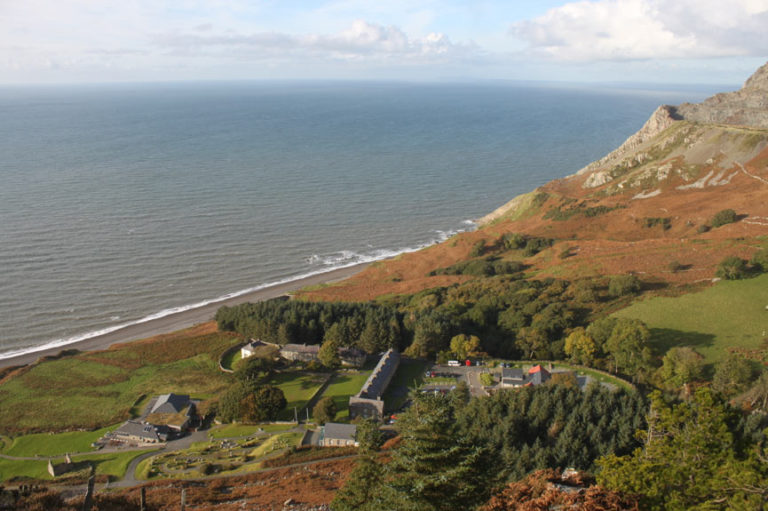
As I sit at my desk looking back at 2016 it occurs to me that one of the biggest challenges we faced as an organisation was “getting the word out” about ISBW12. It’s one thing getting the global seagrass community on board (and transported to a VERY SMALL village in north
Read More »

Reflecting on ISBW12: “Securing a future for seagrass”

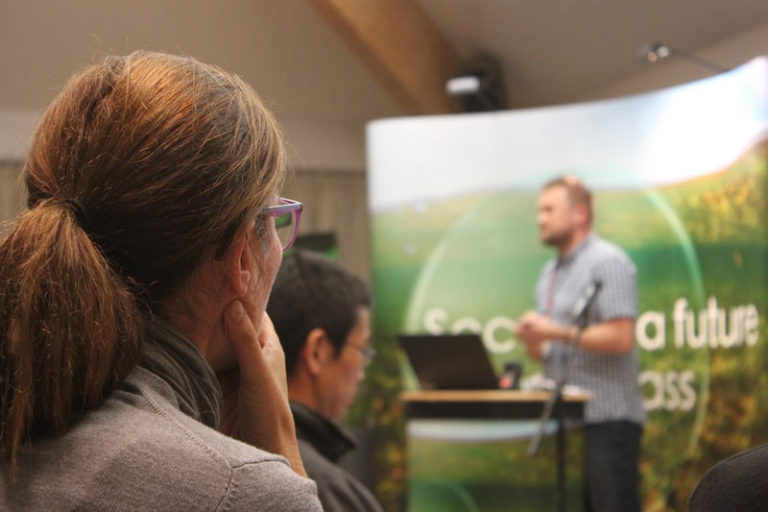
It’s already been one month since the 12th International Seagrass Biology Workshop began at Nant Gwrtheyrn in Wales. This time last month the world’s foremost seagrass scientists were descending on the Llŷn Peninsula and the Project Seagrass team were in the midst of the final preparations for hosting the largest International Seagrass Biology Workshop

Read More »

ISBW12 – A first conference blog!

First off, the stereotype of a conference in my head is hushed voices, fancy clothes and everything deadly serious, but throw into the mix that it’s a conference based around seagrass and I was completely at a loss as to what to expect. Having packed for all possibilities (would the

Read More »

The British Science Festival – Swansea University, Wales.

A sunny Saturday in Swansea and Project Seagrass had a stall set up ready for the British Science Festival’s Family Fun weekend. A big seagrass mural was laid out surrounded by crayons and paints for kids to get stuck in, and immediately the crowds hit. Kids everywhere colouring all kinds of

Read More »

3 YEARS TODAY – What a difference a year makes!

Sitting down to write this I really don’t know quite where to begin! What a year it has been, in fact, what a 3 years! Although for me it seems that soooooo much has happened in just the last 12 months! Before I start, on a personal note, I remember

Read More »

Project Seagrass goes to Cornwall

As masters students from both Swansea and Glasgow Universities, we’re both currently carrying out seagrass related research projects. Beth is performing her masters project, and Lauren is performing her final year honours project.  Beth is studying the impacts of chain moorings on seagrass, particularly looking at how chain width effects

Read More »

Intern Spotlight: Laura Pratt

As a third year Biology Student from Cardiff University, I’ve been lucky to get involved with Project Seagrass, which has its offices within the University. I first started working with the team last summer when I took part in an 8 week CUROP placement (Cardiff University Research Opportunities Programme) at

Read More »
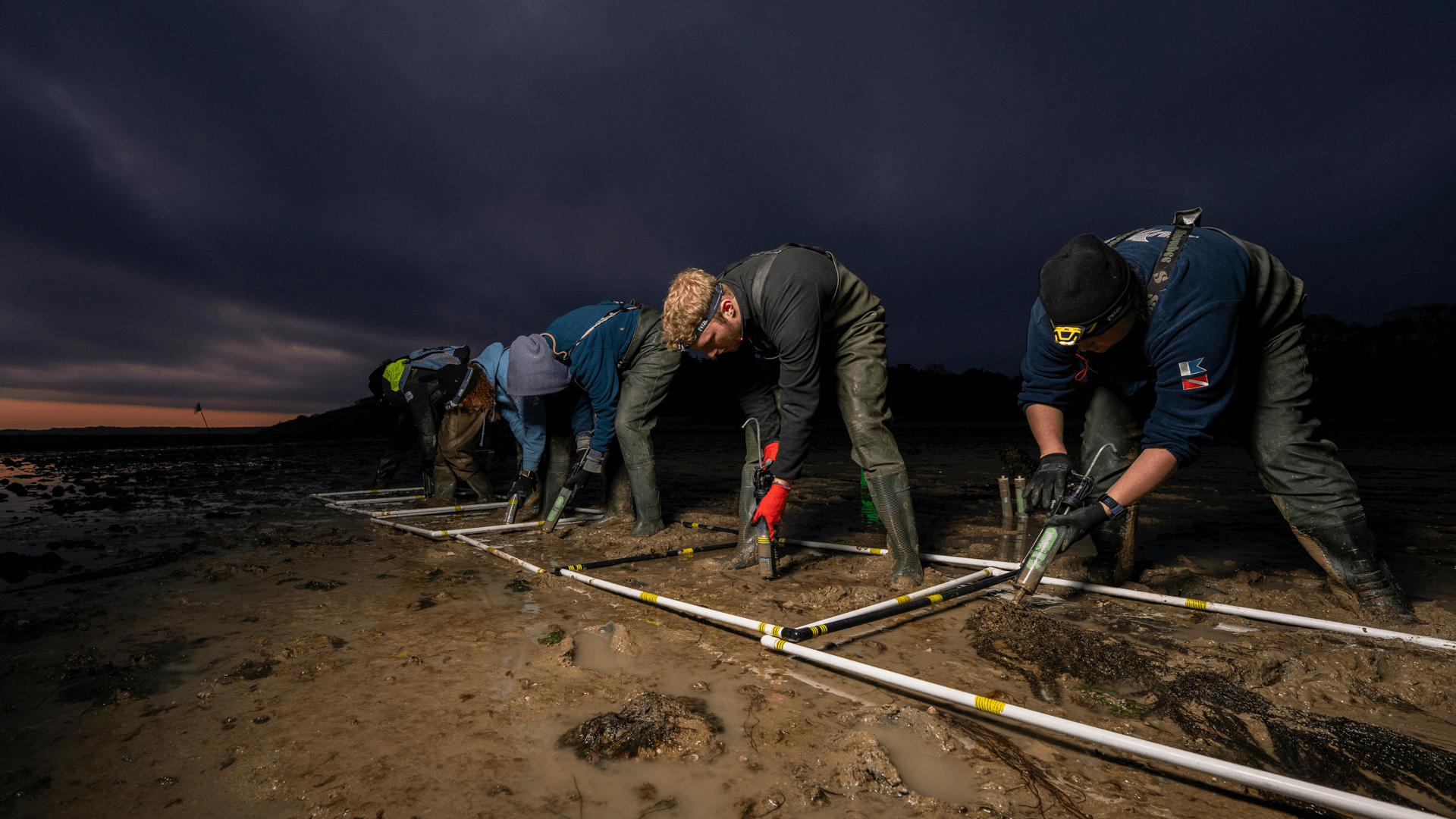
Project Seagrass members of staff stand in a row planting seagrass seeds within quadrats. They are using the DIS planting method. It is early morning and the sun is only just beginning to rise.
Global Seagrass Challenge

SeagrassRestorer launch marks new era of global collaboration for seagrass restoration

Following its World Ocean Day launch, everyone from scientists to conservationists, and from community groups to environmental funders now have access to an innovative new knowledge sharing platform: SeagrassRestorer.  Launched by an international partnership comprising some of the world’s leading seagrass scientists, SeagrassRestorer provides a unique opportunity to learn not

Read More »
Lindsey is standing by the coast. She is wearing sunglasses and a hoodie with a turtle on it.
Volunteer

Volunteers’ Week: Interview with Lindsey

At Project Seagrass, we rely on the enthusiasm and commitment of our volunteers who support our work to save the world’s seagrass. We couldn’t do it without you! We spoke to Lindsey, one of our regular volunteers in the Solent about her experiences of volunteering with Project Seagrass: 1. Tell

Read More »
history

Human connections to seagrass meadows date back 180,000 years, study reveals

For millennia, humans lived as hunter-gatherers. Savannas and forests are often thought of as the cradle of our lineage, but beneath the waves, a habitat exists that has quietly supported humans for over 180,000 years. Archaeological evidence suggests that early humans migrated along coasts, avoiding desert and tundra. So, as Homo spread from

Read More »