
NEWS

NEWS

Keeping you up to date with Project Seagrass news and views with a mixture of field notes and commentary on seagrass and marine conservation topics.

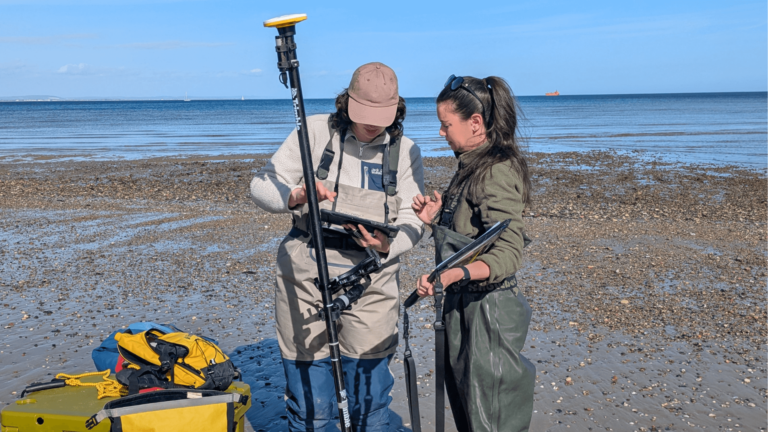
Emma Butterworth and Anouska Mendzil preparing the GDPS on the beach at Priory Bay

Internship Spotlight: Where are they now?

During the 2020-21 academic year Project Seagrass welcomed Emma Butterworth to undertake an internship. In our Q&A, Emma shares her experiences of her internship with Project Seagrass and discusses what she has gone on to do next. Who/What inspired you to apply for an internship at Project Seagrass? It all

Read More »
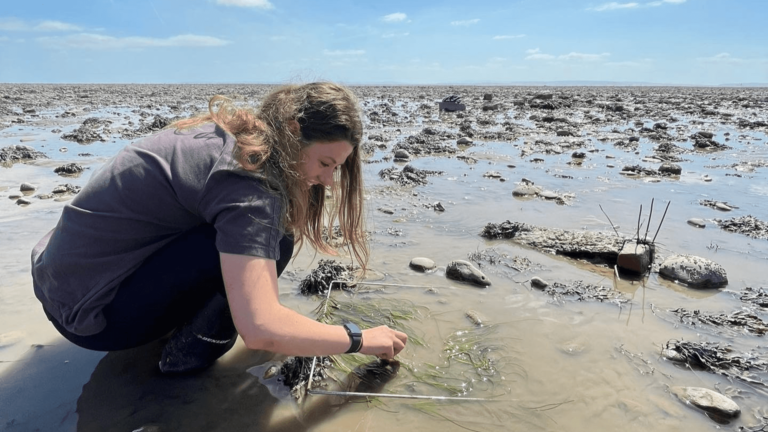
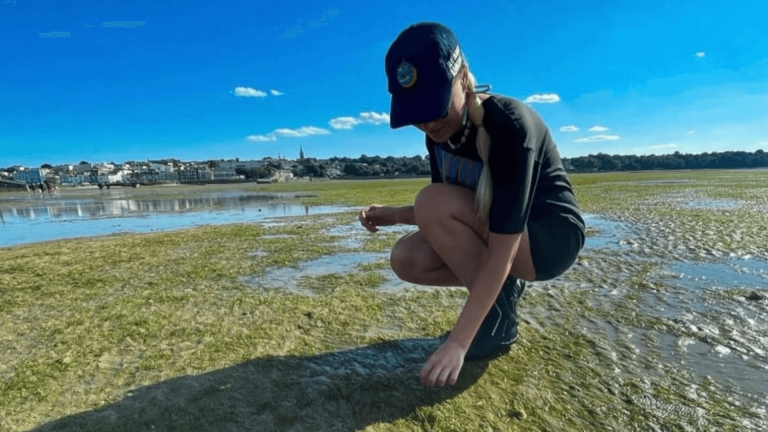
Ellie is crouching on the beach. She is crouching beside a quadrat which is placed around a patch of seagrass. It is a clear day and Ellie is wearing a grey t-shirt.

Internship Spotlight: Where are they now?

During the 2021-22 academic year Project Seagrass welcomed Ellie Postlethwaite to undertake an internship. In our Q&A, Ellie shares her experiences of her internship with Project Seagrass and discusses what she has gone on to do next. Who/What inspired you to apply for an internship at Project Seagrass? As a

Read More »
Lowri is crouching in a seagrass meadow. It is a clear sunny day.

Internship Spotlight: Where are they now?

During the 2021-22 academic year Project Seagrass welcomed Lowri O’Neill to undertake an internship. In our Q&A, Lowri shares her experiences of her internship with Project Seagrass and discusses what she has gone on to do next. Who/What inspired you to apply for an internship at Project Seagrass? My lecturer,

Read More »
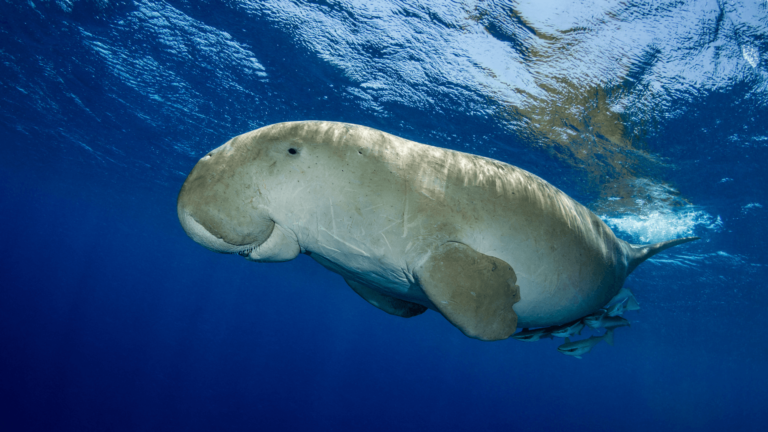
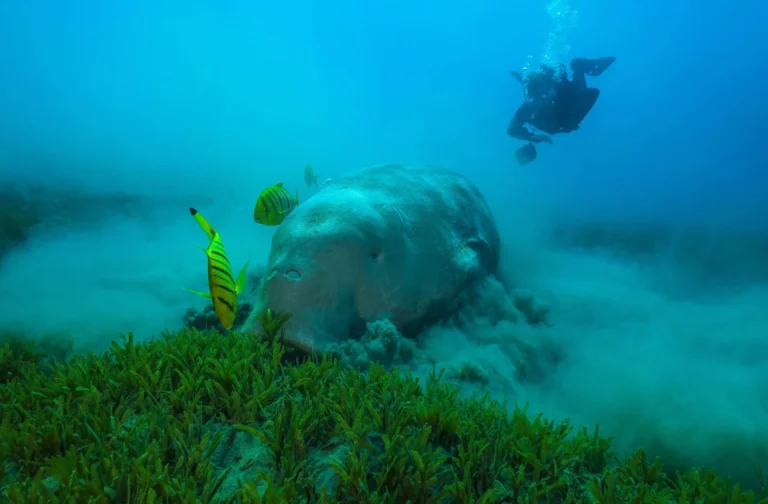
A dugong eating seagrass in the Red Sea, Egypt

Seagrass loss leaves Thailand’s dugongs struggling to survive

This article was originally published on Dialogue Earth under the Creative Commons BY NC ND licence. The author is Siripannee Supratya. Siripannee Supratya (Noina) is a Thai journalist focusing on the environment, science, laws and socio-political happenings. In addition to her journalism work, she is a creative communicator and a professional diver. She is on

Read More »
biodiversity

Fauna return rapidly in planted seagrass meadows, study shows

A study of eelgrass meadows planted by researchers from the University of Gothenburg shows that fauna return rapidly once the eelgrass has started to grow. Already after the second summer, the biodiversity in the planted meadow was almost the same as in old established eelgrass meadows. Eelgrass meadows have declined

Read More »
new science

Seagrass meadows show resilience to ‘bounce back’ after die-offs

In Florida alone, thousands of acres of marine seagrass beds have died. Major seagrass die-offs also are occurring around the world. Stressors such as high temperature, hypersalinity and hypoxia or lack of oxygen affect seagrasses’ ability to resist and recover from these stressor-related mortality events or when disturbances lead to

Read More »
seagrass nursery

Nursery News Vol. 19

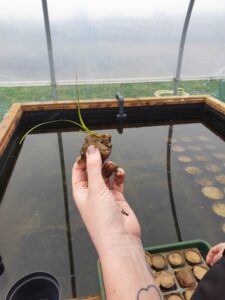
By Emily Yates To donate to our Aviva Community Funds and find out more, click the links below: Making marine conservation more accessible Saving the worlds seagrass Developing the Project Seagrass nursery

Read More »
updates

World Seagrass Day and Seagrass Awareness Month at Project Seagrass

Storm Garry March 1st marked an important date in seagrass history as globally we celebrated the very first World Seagrass Day, formally recognised by the United Nations! This day will continue to annually raise awareness of the importance of healthy seagrass meadows. Seagrass is the only marine flowering plant in

Read More »

Visiting one of the worlds most remote seagrass meadows

Eva Rothausler On a narrow stretch along the northern-central coast of Chile, the seagrass Heterozostera nigricaulis (syn. Zostera nigricaulis, Heterozostera tasmanica) occurs in three isolated patches no more than 300 km apart. It is a common intertidal to subtidal seagrass in the Zosteracea family and is found growing in protected

Read More »