
NEWS

NEWS

Keeping you up to date with Project Seagrass news and views with a mixture of field notes and commentary on seagrass and marine conservation topics.

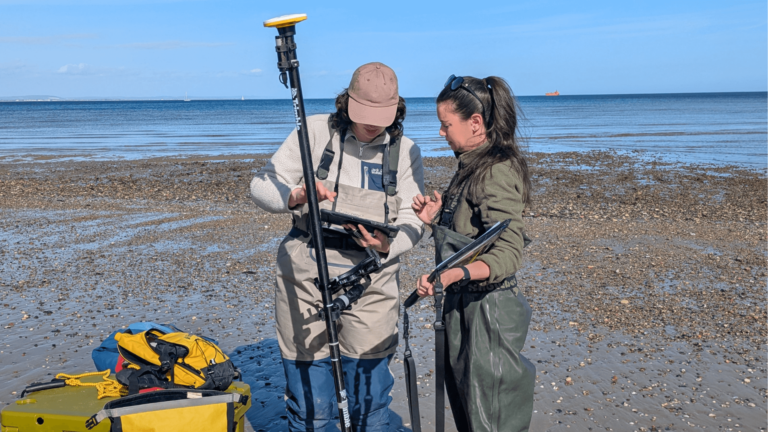
Emma Butterworth and Anouska Mendzil preparing the GDPS on the beach at Priory Bay

Internship Spotlight: Where are they now?

During the 2020-21 academic year Project Seagrass welcomed Emma Butterworth to undertake an internship. In our Q&A, Emma shares her experiences of her internship with Project Seagrass and discusses what she has gone on to do next. Who/What inspired you to apply for an internship at Project Seagrass? It all

Read More »
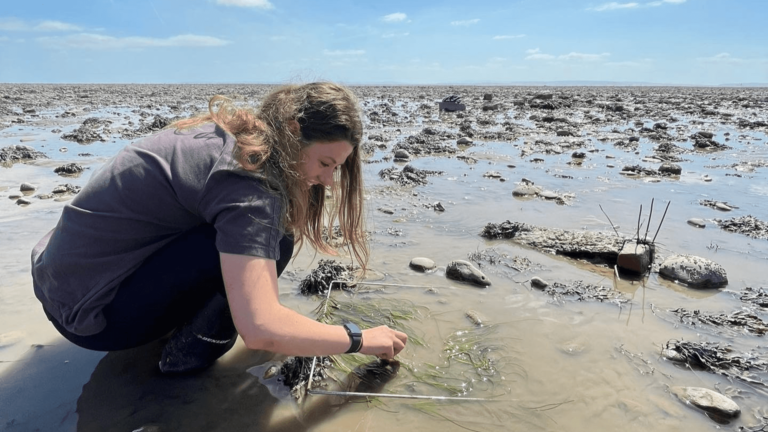
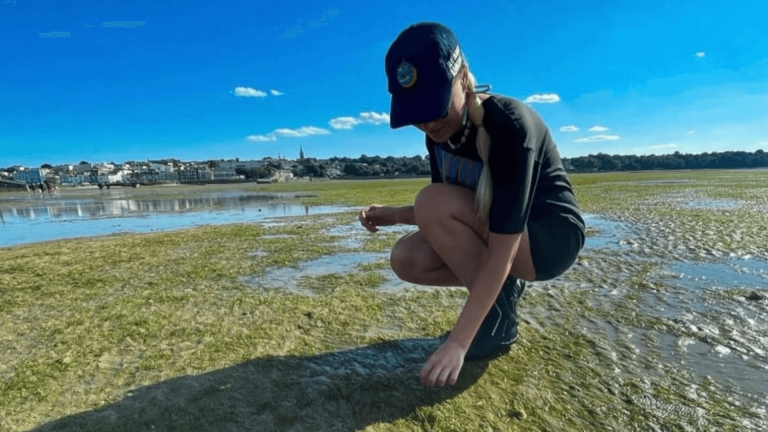
Ellie is crouching on the beach. She is crouching beside a quadrat which is placed around a patch of seagrass. It is a clear day and Ellie is wearing a grey t-shirt.

Internship Spotlight: Where are they now?

During the 2021-22 academic year Project Seagrass welcomed Ellie Postlethwaite to undertake an internship. In our Q&A, Ellie shares her experiences of her internship with Project Seagrass and discusses what she has gone on to do next. Who/What inspired you to apply for an internship at Project Seagrass? As a

Read More »
Lowri is crouching in a seagrass meadow. It is a clear sunny day.

Internship Spotlight: Where are they now?

During the 2021-22 academic year Project Seagrass welcomed Lowri O’Neill to undertake an internship. In our Q&A, Lowri shares her experiences of her internship with Project Seagrass and discusses what she has gone on to do next. Who/What inspired you to apply for an internship at Project Seagrass? My lecturer,

Read More »
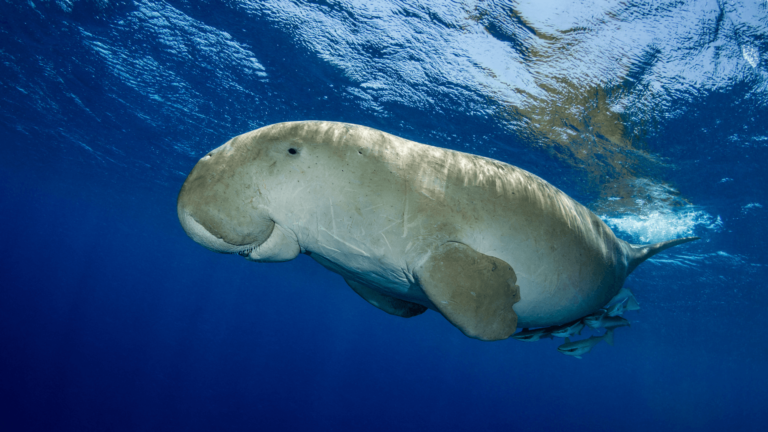
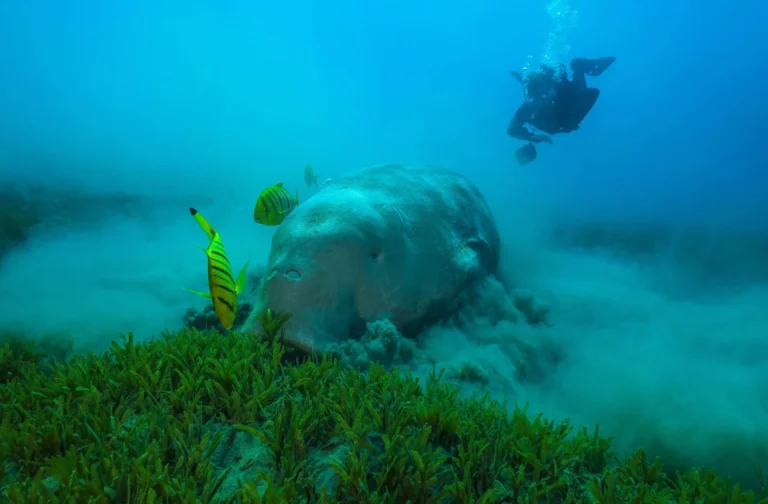
A dugong eating seagrass in the Red Sea, Egypt

Seagrass loss leaves Thailand’s dugongs struggling to survive

This article was originally published on Dialogue Earth under the Creative Commons BY NC ND licence. The author is Siripannee Supratya. Siripannee Supratya (Noina) is a Thai journalist focusing on the environment, science, laws and socio-political happenings. In addition to her journalism work, she is a creative communicator and a professional diver. She is on

Read More »
Europe

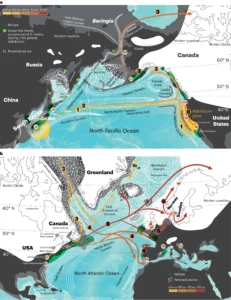
How eelgrass spread around the world

Seagrasses evolved from freshwater plants and use sunlight and carbon dioxide (CO2) for photosynthesis and are able to thrive in depths down to 50 meters. In contrast to algae, they possess roots and rhizomes that grow in sandy to muddy sediments. The grass-like, leaf-shoots produce flowers and complete their life

Read More »
biodiversity

Green sea turtles have traveled to the same seagrass to eat for 3,000 years

For approximately 3,000 years, generations of green sea turtles have returned to the same seagrass meadows to eat. This was discovered by Willemien de Kock, a historical ecologist at the University of Groningen, by combining modern data with archaeological findings. Sea turtles migrate between specific breeding places and eating places

Read More »
new science

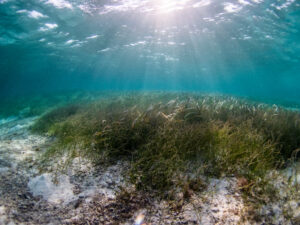
What causes decline of tropical seagrass meadows?

Seagrass, a group of aquatic angiosperms, grows in shallow waters in the coastal sea and contributes most of the primary production while participating in many important ecological processes. Heat stress threatens the survival of seagrass, but its damage mechanisms are unclear. Recently, a research team led by Prof. Liu Jianguo

Read More »