

NEWS

NEWS

Keeping you up to date with Project Seagrass news and views with a mixture of field notes and commentary on seagrass and marine conservation topics.

Finstown seagrass seed collection as part of the Restoration Forth August summer seed collection in Orkney.

Project Update: Restoration Forth August 2024

Restoration Forth aims to restore seagrass meadows and native oysters into the Firth of Forth, to create a healthier coastline for people and nature.   Find out more about the project here.  Restoration Forth August Fieldwork | Seagrass highlights from Orkney The seagrass team are not long back from Orkney, where

Read More »
3 divers are in the sea in Porthdinllaen

Fieldwork notes from our summer seed collections

Read our fieldwork notes from our summer seagrass seed collection: North Wales Seed Collection A brilliant start to our annual seed collections, with summer finally arriving right on time! The weather has been fantastic, with underwater visibility not too far off 10m, and not a drop of rain so far…

Read More »

Underwater seagrass seed harvester – Support our Crowdfunder!

Seagrass meadows are essential for the health of our oceans. They provide vital habitats for marine life, improve water quality, and store significant amounts of carbon. Unfortunately, these vital ecosystems are in decline. Here at Project Seagrass, we are on a mission to restore seagrass meadows to help create a

Read More »
A ray swims through a seagrass meadow.

Scientists and rangers share knowledge to restore seagrass

Scientists from The University of Western Australia have partnered with Indigenous rangers on a seagrass restoration project in Gathaagudu (Shark Bay) to help moderate climate change and conserve biodiversity. Dr. Elizabeth Sinclair and Professor Gary Kendrick, from UWA’s School of Biological Sciences and Oceans Institute, were co-authors of the paper published in Ocean

Read More »
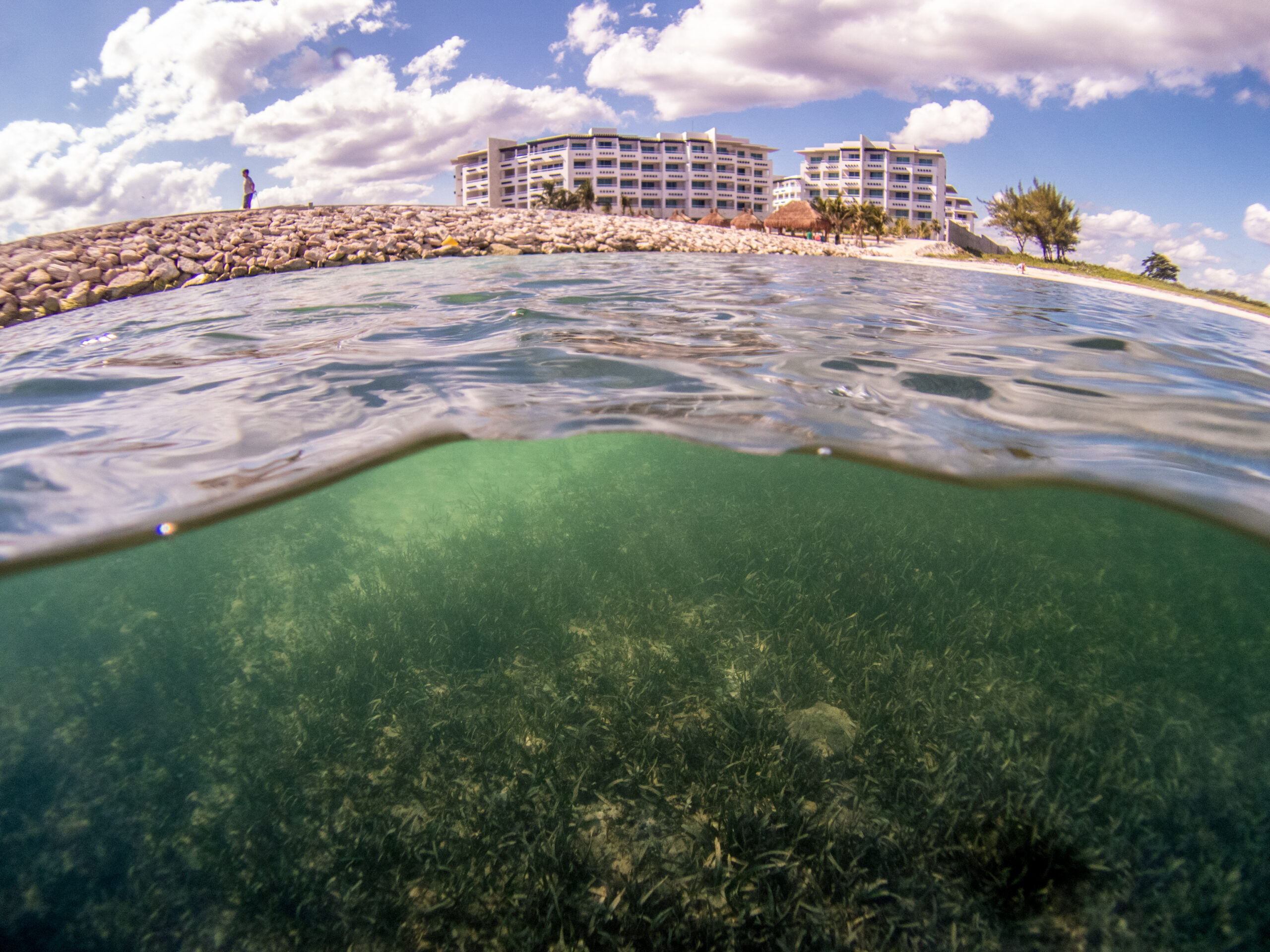
The image shows seagrass growing next to an area of development in Mexico. There is a hotel on the seafront.

Seagrasses filter human pathogens in marine waters

An international team of researchers discovered that coastal urban seagrass ecosystems can significantly reduce human bacterial pathogens, including those with widespread antibiotic resistance, in marine bivalves—a vital food source for people around the world. The study, published Aug 2 in the journal Nature Sustainability, sheds light on the significant role seagrass meadows play

Read More »
Bob is standing on Porthdinllaen beach wearing a dryrobe. He has his hands in his pockets.

Seagrass Ocean Rescue Volunteer Profile: Bob

As our 2024 seagrass seed collection in North Wales draws to a close we spoke to Seagrass Ocean Rescue volunteer Bob Pethers about his experience of volunteering as part of the project. Tell us a little bit about yourself: I’m Bob Pethers, originally from London but have lived and worked

Read More »
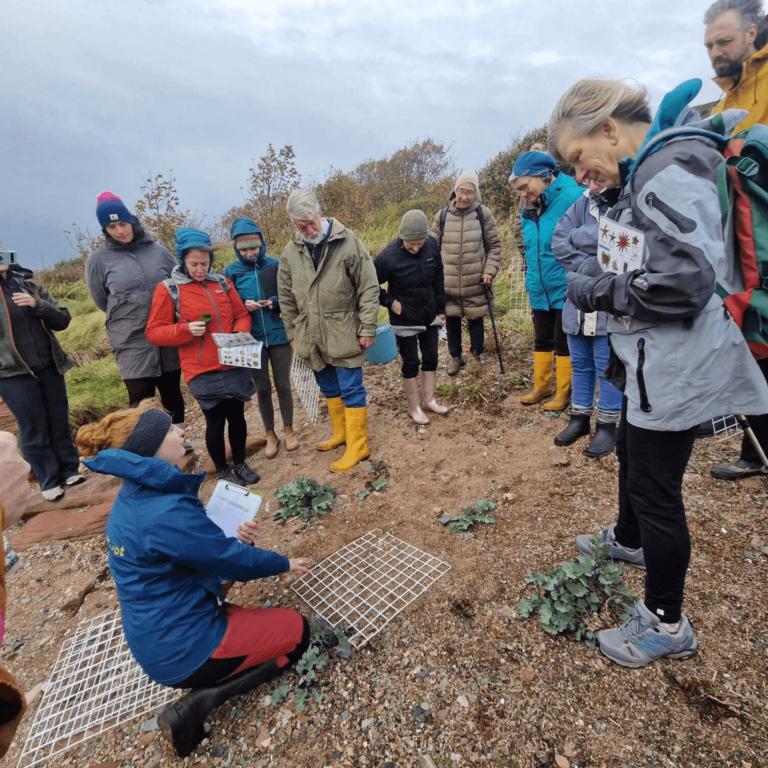
A member of the Restoration Forth is crouched on the beach. They are holding a ruler and a clipboard as they record data as part of the monitoring of seagrass shoots.

Project Update: Restoration Forth | July 2024

Restoration Forth aims to restore seagrass meadows and native oysters into the Firth of Forth, to create a healthier coastline for people and nature.   Find out more about the project here.  Seagrass – the outcome of monitoring Back in March, 128 volunteers helped Restoration Forth plant more seagrass seeds along

Read More »

Scientists outline 10 golden rules for seagrass restoration

196 of the world’s nations are committed under the Kunming-Montreal Global Biodiversity Framework to tackling nature loss. Habitat restoration is a major pathway to tackling this loss. For marine habitats such as seagrass, such restoration is often portrayed as an easy answer to fighting many of our planetary ills causing

Read More »
A member of Project Seagrass staff and two members of the community are leaning over one of the ponds inside the polytunnel. One member of the community is holding a strand of seagrass to look at a flower.

Project Seagrass hosts Seagrass Nursery Open Days

On the 9th and 10th of July Project Seagrass welcomed local organisations and members of the community to our Seagrass Nursery in West Wales as part of a series of Open Days.  On the 9th July representatives from Pembrokeshire Council, Carmarthenshire Council, Pembrokeshire Coastal Forum, Rebel Energy, SeaLife, Bodorgan Estate,

Read More »
A dugong eating seagrass in the Red Sea, Egypt
Dugong

Seagrass loss leaves Thailand’s dugongs struggling to survive

This article was originally published on Dialogue Earth under the Creative Commons BY NC ND licence. The author is Siripannee Supratya. Siripannee Supratya (Noina) is a Thai journalist focusing on the environment, science, laws and socio-political happenings. In addition to her journalism work, she is a creative communicator and a professional diver. She is on

Read More »
Someone crouched on the beach is taking a photo of seagrass to upload to SeagrassSpotter
Citizen science

Community, Connection, Conservation: latest SeagrassSpotter Updates

The Project Seagrass team have been busy working on a range of new features within SeagrassSpotter. Since our last major update in 2023, we have been working to further enhance your experience when participating in the programme and are super excited to share the latest developments. In response to your

Read More »
Coldplay Ticket Competition, Photo Credit Anna Lee
Coldplay

And the winners are… Coldplay Competition winners announced

Earlier this year, Project Seagrass launched a creative competition in collaboration with our official patrons, Coldplay. The competition invited entrants to submit inspiring, impactful, and creative designs communicating one of the following five themes: 1. The importance of seagrass 2. Seagrass and people 3. Seagrass around the world 4. Seagrass

Read More »
Seaweed being grown along a line.
habitat loss

Expanding seaweed farms pose a risk to vital marine life

Seaweed farming is a rapidly expanding global industry. As a food resource, it has high nutritional value and doesn’t need fertilisers to grow. Seaweed provides valuable habitats for marine life, takes up carbon and absorbs nutrients, plus it helps protect our coastlines from erosion. Usually, seaweeds grow on hard, rocky surfaces. Yet, to

Read More »