


Scottish Government launches public consultation to protect Scotland’s inshore
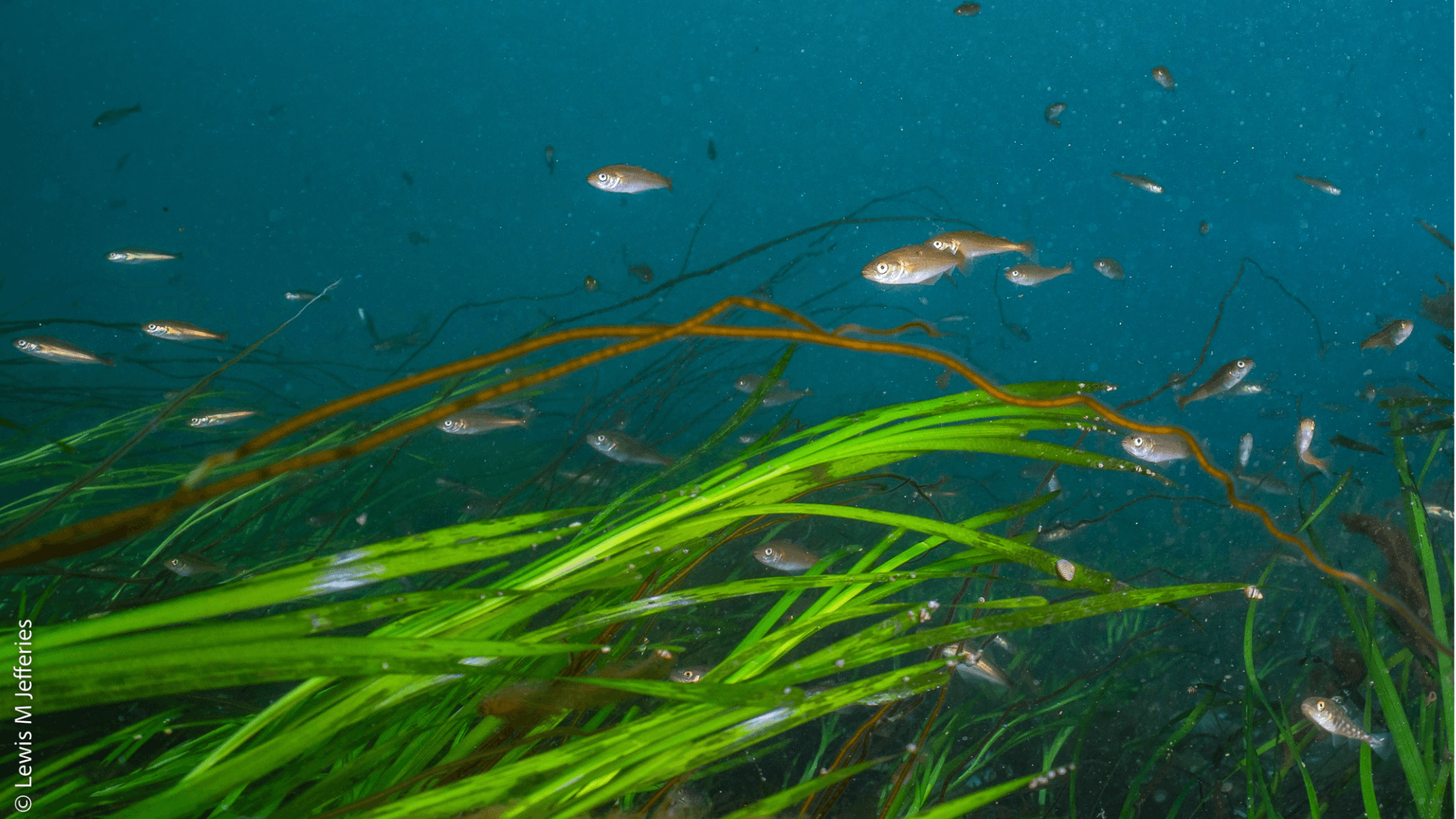
Project Seagrass Policy Officer Udara Nagodavithana explores the Scottish Government’s consultation on proposed fisheries management measures within inshore waters: The Scottish Government’s Marine Directorate is consulting on protecting more of the inshore seabed. After many years of delay, the government has addressed its commitment under Scotland’s National Marine Plan. The consultation is our chance to have a say in what those measures for protection look like. Marine Directorate have identified 11 of the most vulnerable Priority Marine Features (PMFs) in Scottish inshore waters (within the six nautical miles) in need of protection. Seagrass beds are one of the eleven PMFs. Seagrass beds are also identified in the UK Biodiversity Action Plan habitat and as an OSPAR threatened and declining habitat. Whilst we welcome the opportunity to consult on the fisheries management measures for Scotland’s inshore Marine Protected Areas (MPAs) and PMFs, we believe that the current MPAs network does not go far enough to protect seagrass beds in Scotland. Despite seagrass beds being protected under MPA designations in 26 locations, these habitats are still vulnerable to destruction from bottom towed gear. What the consultation looks like? The consultation covers 76 MPAs and 90 Proposed PMF Management Areas. We can see that this consultation is targeted at a specialist audience. The supporting material is particularly lengthy, with 620 consultation questions that can be answered. The Our Seas coalition is finding a way to make the consultation digestible for all audiences, in the form of regional briefings, online information sessions, and an e-action linked at the end of the blog. At Project Seagrass, one of our strongest values is our evidence-led approach in everything we do. Consequently, we are going to be responding to the consultation using the best available scientific evidence. If you want to respond to questions regarding seagrass beds, we have created an interactive map that combines our SeagrassTools data with NatureScot and JNCC data in GeMS (which is the database used for this consultation). SeagrassTools is a single unified suite for seagrass science, conservation, and management bringing together: SeagrassSpotter (collecting and validating seagrass observations from citizen scientists), SeagrassTracker (monitoring change and evaluating conservation outcomes), and SeagrassRestorer (tracking restoration projects and sharing what has been learned). You can view this data on the map below, alongside layers which show options for management proposed under seabed MPAs (sites with benthic features) and PMF Management areas that would offer seagrass beds protection. Please make use of this map to inform your response. We have endeavoured to show the best resolution possible and the most up to date fishing activity by mobile bottom contact gear, since the consultation used data published prior to 2016. Click here to expand the map. If anyone is looking for guidance with responses related to seagrass, Project Seagrass are happy to provide support. Please contact udaranagodavithana@projectseagrass.org to discuss further. What are PMFs? Priority Marine Features (PMFs) are a list of 81 prioritised habitats and species that are considered marine conservation priorities in Scotland. What do the proposals for PMFs look like? The protections for the 11 PMFs are afforded by PMF Management Areas. These were identified using data in GeMS. The proposals wish to fulfil General Policy 9, subsection 9b of the National Marine Plan, where the use of the sea must ‘not result in significant impact on the national status of the Priority Marine Features’. 21 PMF Management Areas have been identified for seagrass beds. Using SeagrassSpotter data, we have found 5 PMF Management Areas that have seagrass beds, yet have been omitted from being listed as a marine feature. The proposals for PMF Management Areas include sites with only one management option and sites with an extended area offering more protection. Both options protect the identified feature from all demersal mobile gear (bottom trawling and dredging). Do either option go far enough to protect seagrass beds? From our initial look at the consultation, the PMF Management Areas fall short of the Scottish Government’s commitment to the ecosystem approach identified in the Fisheries Act 2020 and Sea Fisheries Part 1 of the National Marine Plan, whereby fishing activity is managed to avoid damage to fragile habitats, ensure protection for juvenile and spawning stock grounds, and protect the seabed. Instead PMF Management Areas are tied closely to benthic features, and some key areas are missed out where there is evidence of high pressure from bottom trawling. The consultation does not reflect the true extent of nursery grounds for PMF species such as cod and herring. Under General Policy 9b of the National Marine Plan, looking at all 81 of the PMFs holistically as part of this consultation would have informed the delivery of the ‘ecosystem approach’ to marine management in Scotland. Several of the PMF Management Areas fail to encompass instances of the 11 PMFs. Some areas have boundaries drawn too closely to PMFs, failing to encompass buffer areas. For seagrass beds within the Loch nan Ceall PMF Management Area, SeagrassSpotter data shows a seagrass bed located amongst the maerl in the area. The same is true for management areas: Port Ellen, Eigg South-East, Loch Scavaig (Skye), and North of Crowlin Islands and Eilean na Ba (Inner Sound). In many areas, we suspect that the seagrass beds extend beyond the proposed areas mapped. For Loch Sligachan (Skye), where the proposals state ‘intertidal seagrass and blue mussel beds present, but they were not considered as part of the process due to there being no overlaps with bottom-contacting fisheries and intertidal beds’, point data from SeagrassSpotter suggest otherwise. This is also in an area, that is suggested by ICES/OSPAR VMS 2025 data, to have around 100hrs/year of mobile bottom contact gear. This is a similar story for Loch Bracadale (Skye). Seagrass beds promote sustainable fisheries and offer communities viable careers in fishing. They act as crucial nursery and spawning grounds for commercially important species. However, without protection from bottom trawling and dredging, we risk losing these essential habitats. We recognise the approach taken by NatureScot to