
Seagrass meadows bounce back with new fish communities
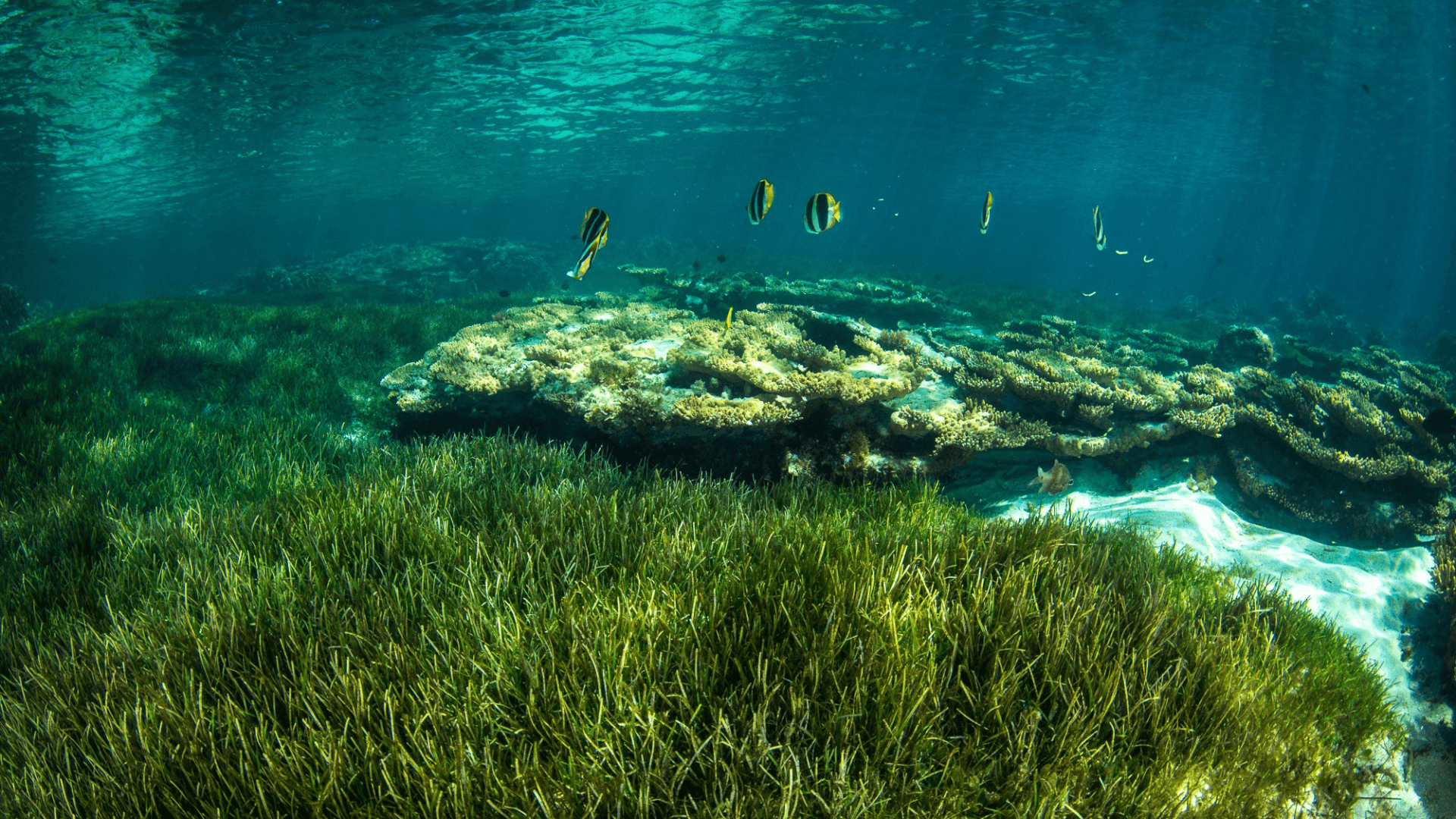
Seagrasses are flowering plants that thrive in marine environments and form extensive meadows along the tropical Queensland coast. New James Cook University research shows the seagrass meadows of Trinity Inlet in Cairns Harbor have recovered after severe cyclones and flooding nearly wiped them out—but with a new mix of fish species. “The seagrass meadows in Cairns are an extremely important ecosystem. They provide a nursery habitat for young fish and prawns, providing protection from predation and places to forage,” JCU Ph.D. candidate Darcy Philpott, who led the research, said. A series of severe weather events between 2009 and 2011—including major flooding and Cyclone Yasi—caused increased turbidity and prolonged poor water quality, contributing to widespread seagrass loss. “Following those severe weather events, there was a 98% decline in intertidal seagrass meadow area, accompanied by dramatic declines in both fish abundance (84%) and species richness (73%),” Philpott said. Researchers monitored Cairns seagrass meadows finding them bouncing back from severe weather impacts – with a new mix of fish species Credit JCU TropWATER Philpott explained that even after the almost complete collapse in seagrass coverage following the flooding, both seagrass biomass and seagrass area had now bounced back to values seen before the flooding. “We also saw a return in fish abundance and species richness—both the number of fish being caught and the number of different species present,” she said. However, when researchers examined the composition of the fish assemblage, they found that the recovered meadows supported a different mix of fish species. “It wasn’t simply a return to the same fish community that was there before,” Philpott said. “Fish abundance and species richness have recovered strongly, but the community itself has reorganized and is recovering along a different trajectory.” The research, published in the journal Estuarine, Coastal and Shelf Science, used a 34-year data set spanning 1991–2025, combining long-term fish surveys with records of seagrass condition. Surveys captured fish communities before the disturbance, following the major seagrass decline and during its subsequent recovery. “You need long-term data sets like this to really understand how fish communities respond to major habitat disturbance and subsequent recovery,” Dr. Robert Coles—who was one of the study’s co-authors and part of the original team that began surveying fish communities in Cairns’ seagrass meadows in the 1990s—said. “Survey records spanning more than three decades are incredibly rare. By using consistent methods across that period, we’ve been able to directly compare the fish communities before the disturbance, after the seagrass loss and as the meadows recovered. “Across those surveys we collected more than 11,000 individual animals representing 190 species, giving us a unique picture of how the fish community has changed over time.” Fish such as the silver javelin (Pomadasys argenteus) became more prevalent in the recovered meadows, while pikey bream (Acanthopagrus berda) were more abundant before the flooding. “Our research shows that recovery is complicated … the habitat may recover and fish may return, but that doesn’t necessarily mean you get exactly the same ecological community coming back,” Philpott said. More information Darcy E. Philpott et al, Multi-decadal change in a tropical seagrass meadow reshapes juvenile fish assemblages, Estuarine, Coastal and Shelf Science (2026). DOI: 10.1016/j.ecss.2026.110155 This article is republished from Phys.org and was provided by James Cook University
“Global Seagrass Challenge Fund set to transform seagrass conservation world wide” says world’s leading seagrass conservation organisation Project Seagrass
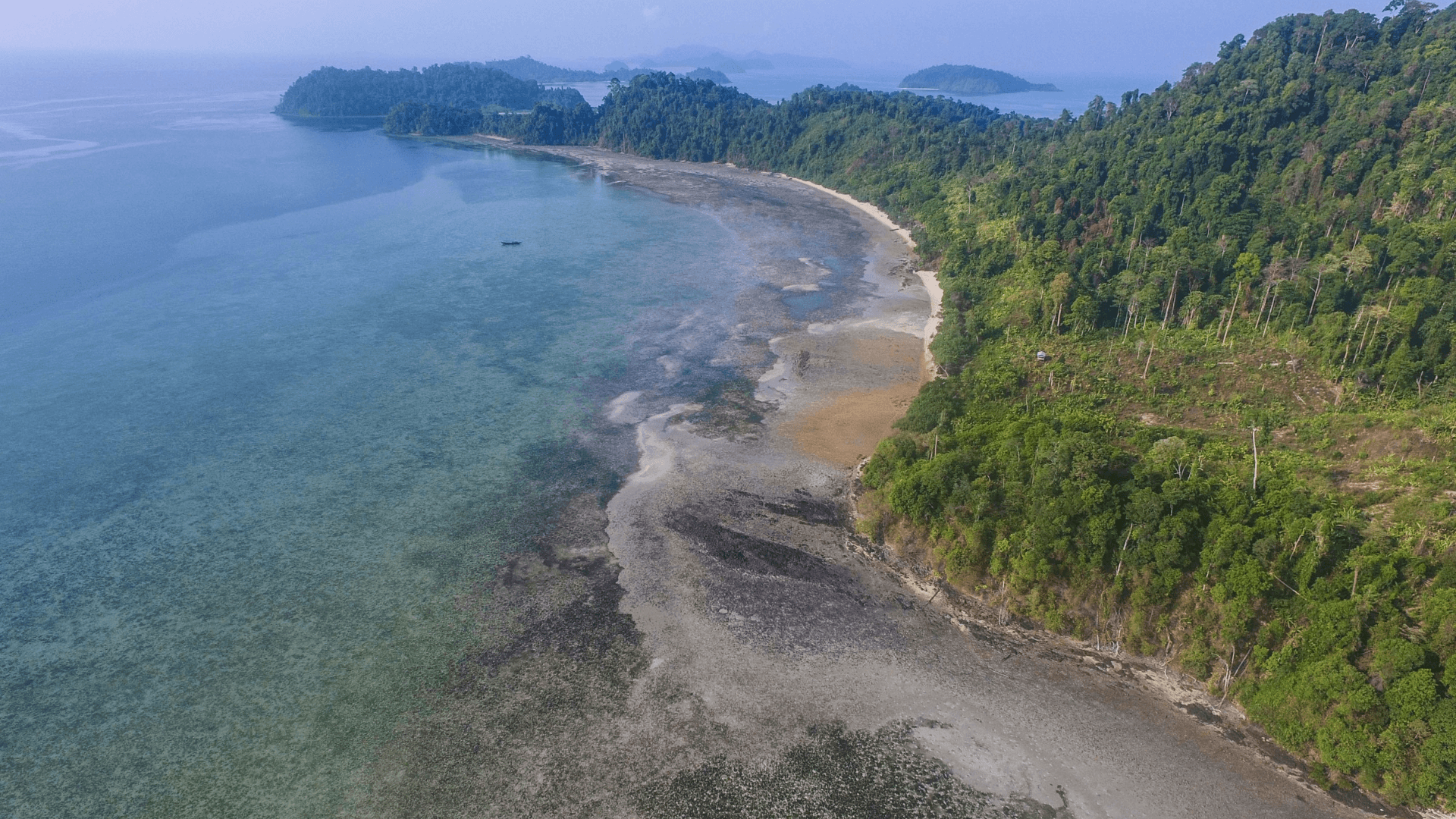
Momentum builds around the Global Seagrass Challenge Fund as growing public interest and rising urgency position investment in seagrass conservation as one of the decade’s most important solutions for our planet. Investment will facilitate a step-change in global seagrass conservation via new fund designed to put resources directly into the hands of communities and practitioners protecting and restoring seagrass around the world. Following its launch on World Seagrass Day, momentum is building behind the Global Seagrass Challenge Fund, an ambitious new fund set to transform seagrass conservation globally. Established by the World’s leading seagrass conservation organisation Project Seagrass, the fund will support long-term, locally led conservation efforts across regions with seagrass meadows of global significance for health and well-being, food security, and resilience. Seagrass meadows are among the planet’s most widespread and important ecosystems, yet they remain one of the least widely known. They support marine biodiversity, underpin food security for millions of people, and can capture and, if left undisturbed, store carbon for millennia. Yet, they are disappearing globally at an alarming rate due to pollution, coastal development, destructive marine activity, and climate change. Created in response to six urgent global challenges threatening seagrass ecosystems worldwide, the Global Seagrass Challenge Fund provides funders, businesses, and individuals with a unique opportunity to invest in solutions to reverse the trajectory of seagrass loss by supporting the people and organisations already protecting these ecosystems on the ground. Anna Heath, Senior Programmes Manager at Synchronicity Earth, one of the Global Seagrass Challenge Fund supporters, said: “The particular value of this fund is that it has been co-designed with local people, focusing on their real needs and priorities. Crucially, it has also been specifically built so that funding and technical support are simple and easy to access, putting resources in the hands of local organisations to drive impact.” Since the Fund’s launch, continued conversations with partners have emphasised the pressing need for investment in global community-led conservation with the first call for applications to the Fund anticipated to be released in 2027. Project Seagrass’ Chief Conservation Officer, Dr Benjamin Jones said: “The Global Seagrass Challenge Fund exists because ambition alone does not conserve seagrass, protect livelihoods, or shift power. People need the resources, confidence, networks, and support to act. The opportunity is huge. We can unlock seagrass action in places where people have the ideas, the knowledge and the motivation, but not always the funding or institutional access. Success will depend on trust, patience, and a willingness to listen to people who are often not in the room when decisions are made.” As countries continue to develop strategies around climate adaptation, biodiversity protection, and sustainable coastal development, Project Seagrass is calling on funders, businesses, and the public to invest in the Global Seagrass Challenge Fund and catalyse a step-change in global seagrass conservation by 2030 and beyond. Be part of the solution. The Global Seagrass Challenge Fund is seeking investment. To be part of this global response donate today or contact globalchallenge@projectseagrass.org to discuss how you can shape the future of global seagrass conversation. Donate to the Global Seagrass Challenge Fund